

Standing in a showroom comparing flow rates and brand names, with no clear way to choose, feels overwhelming.
You want hot water that never runs out, without paying for capacity or features you’ll never use. Here’s the truth: the best gas tankless water heater isn’t the one with the highest GPM number on the box.
It’s the one that fits your gas line, your groundwater temperature, and how many showers run at once in your house.
I’ve compared six leading models on efficiency, real-world flow rates, recirculation, and installation demands, so you can narrow your choices fast. By the end, you’ll know exactly what your home needs, and why.
Best Gas Tankless Water Heater for Reliable Hot Water
Buying a gas tankless water heater can become confusing once every brand starts promising endless hot water, high efficiency, and lower energy bills.
I know it is tempting to compare the biggest GPM number and pick the model with the highest customer rating. However, those numbers do not show how the heater will perform with your groundwater temperature, gas supply, plumbing layout, or simultaneous hot-water demand.
The best gas tankless water heater must fit your home before it fits your budget. This comparison covers leading models, practical sizing, efficiency ratings, recirculation, installation requirements, and retailer options so you can narrow the choices without paying for capacity or features you cannot use.
How These Gas Tankless Water Heaters Were Selected
I compared efficiency, flow at realistic temperature rises, fuel and venting needs, recirculation, warranties, service access, installation demands, and overall suitability for different homes.
1. Rinnai RX199iN
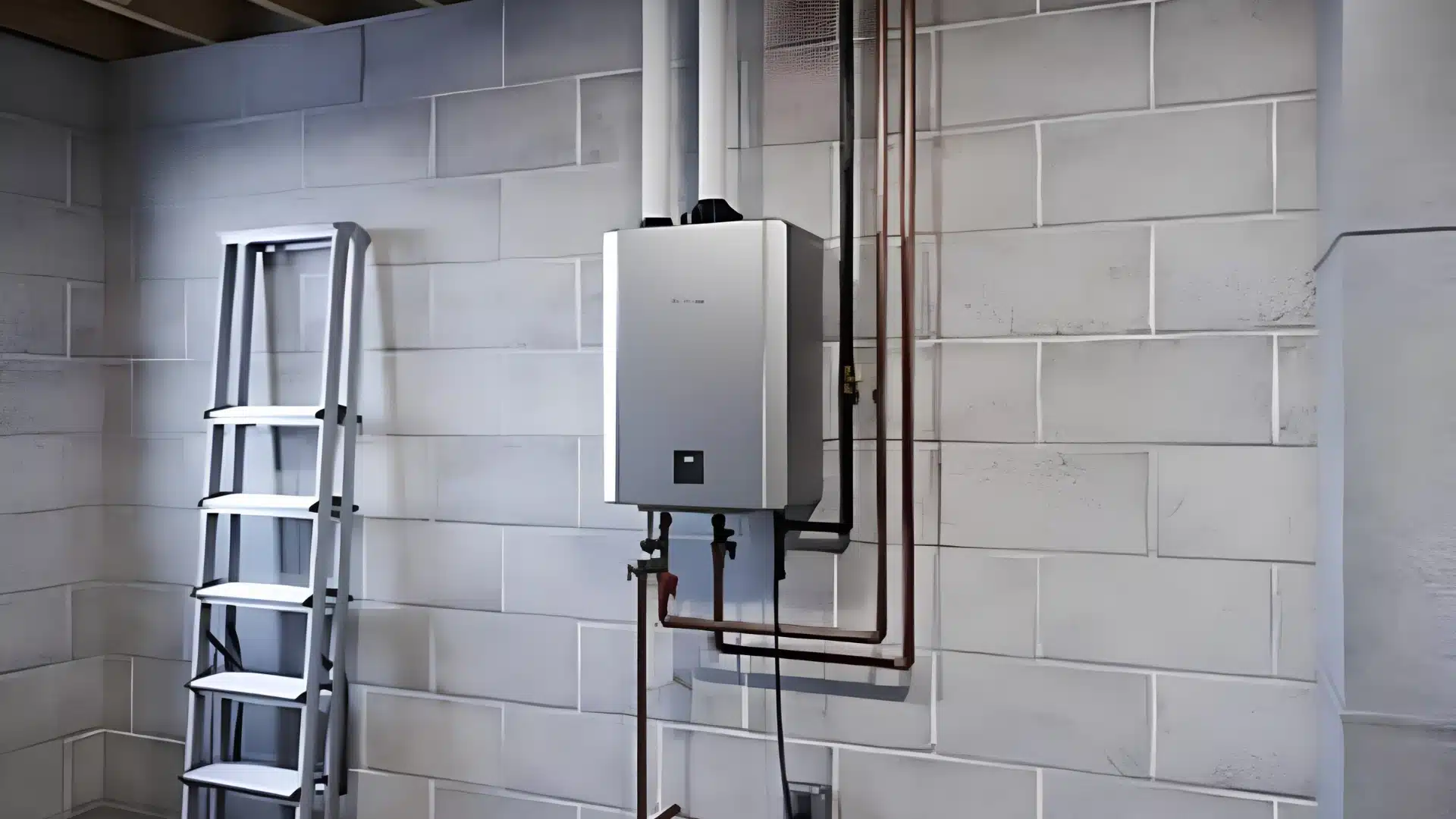
Up to 11.1 GPM · 199,000 BTU max input · UEF up to 0.98 · Natural gas or propane · Indoor or outdoor install
Why it stands out
- Works on either fuel type and either mounting location, not locked into one setup
- Recirculation-capable and Wi-Fi-capable
- Simplified flushing function for easier maintenance
Watch out for: Higher cost overall; recirculation and Wi-Fi may need extra components; home may still need gas line, venting, condensate, or electrical upgrades
Best for: Buyers who want a versatile premium system with high output and strong efficiency.
Consider another model when: Built-in recirculation matters more to you than installation flexibility.
2. Navien NPE-240A2
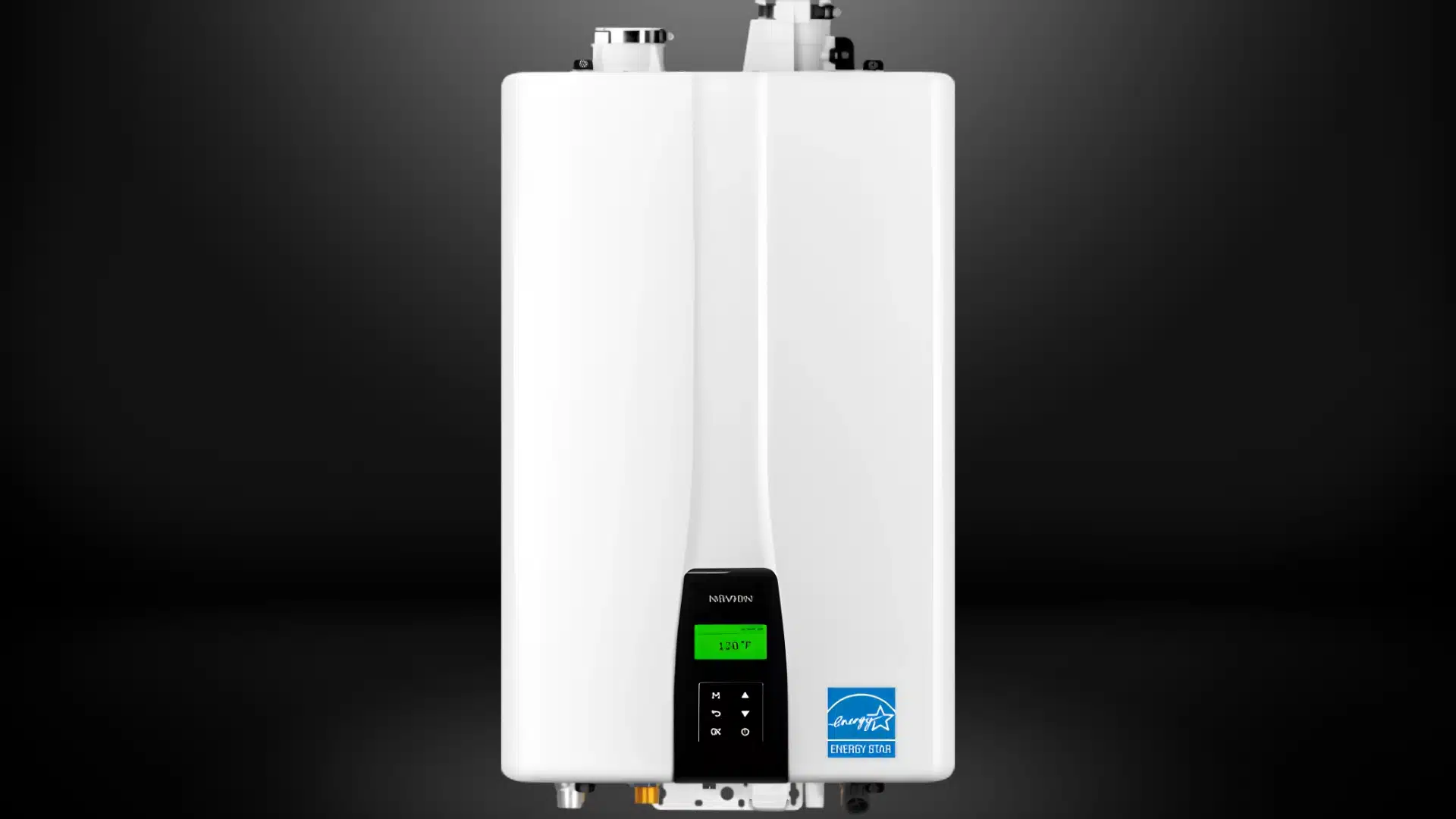
Up to 11.2 GPM (35°F rise) · 199,900 BTU · UEF 0.95 · Dual stainless-steel heat exchangers · Indoor or outdoor install
Why it stands out
- ComfortFlow system pairs a built-in recirculation pump with a small buffer tank
- Cuts the wait for hot water and reduces cold-water interruption between short draws
- Supports PVC, CPVC, polypropylene, or stainless steel venting
Flow rate drops with colder groundwater, worth checking before you buy: 35°F rise: ~11.2 GPM, 45°F rise: ~8.7 GPM, 67°F rise: ~5.6 GPM
Best for: Larger homes with distant bathrooms or an existing recirculation loop.
Consider another model when: You don’t need recirculation and want a lighter, less complex unit.
3. Rheem IKONIC RTGH-SR11i
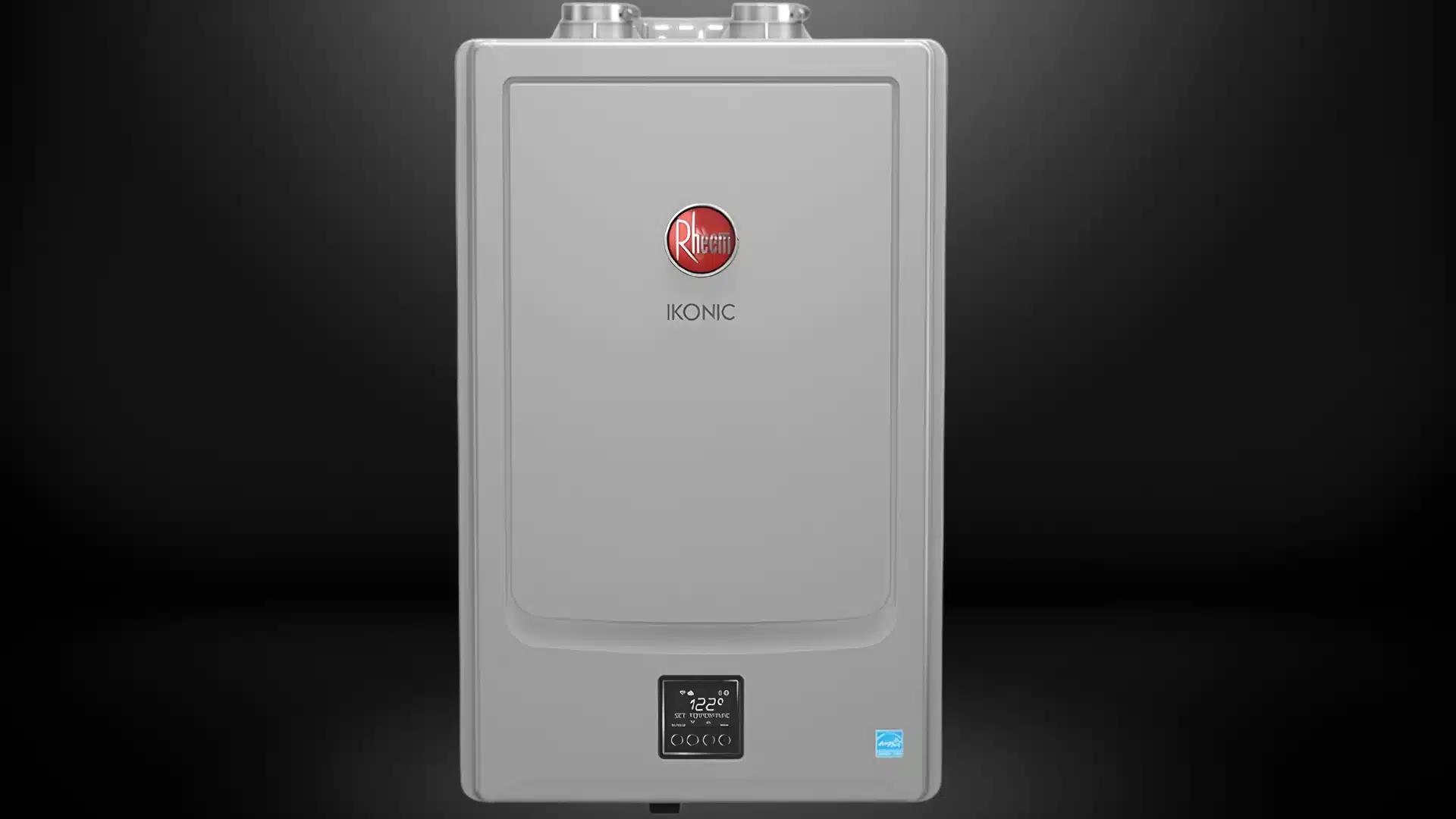
11.2 GPM · UEF 0.96 · Built-in recirculation · Wi-Fi + leak detection · 15-year heat-exchanger warranty (natural gas, when registered)
Why it stands out
- App-based scheduling, monitoring, and alerts
- Precise recirculation control helps avoid wasting energy from a pump running non-stop
- Easier to compare via major retailers than some contractor-focused brands
Watch out for: Premium price isn’t justified for every home. If you just need dependable hot water, you may be paying for controls you’ll rarely touch
Best for: Buyers who value app controls, built-in recirculation, leak protection, and high output.
Consider another model when: Simple operation and a lower equipment price are the priorities.
4. Noritz EZ111 Series Pro
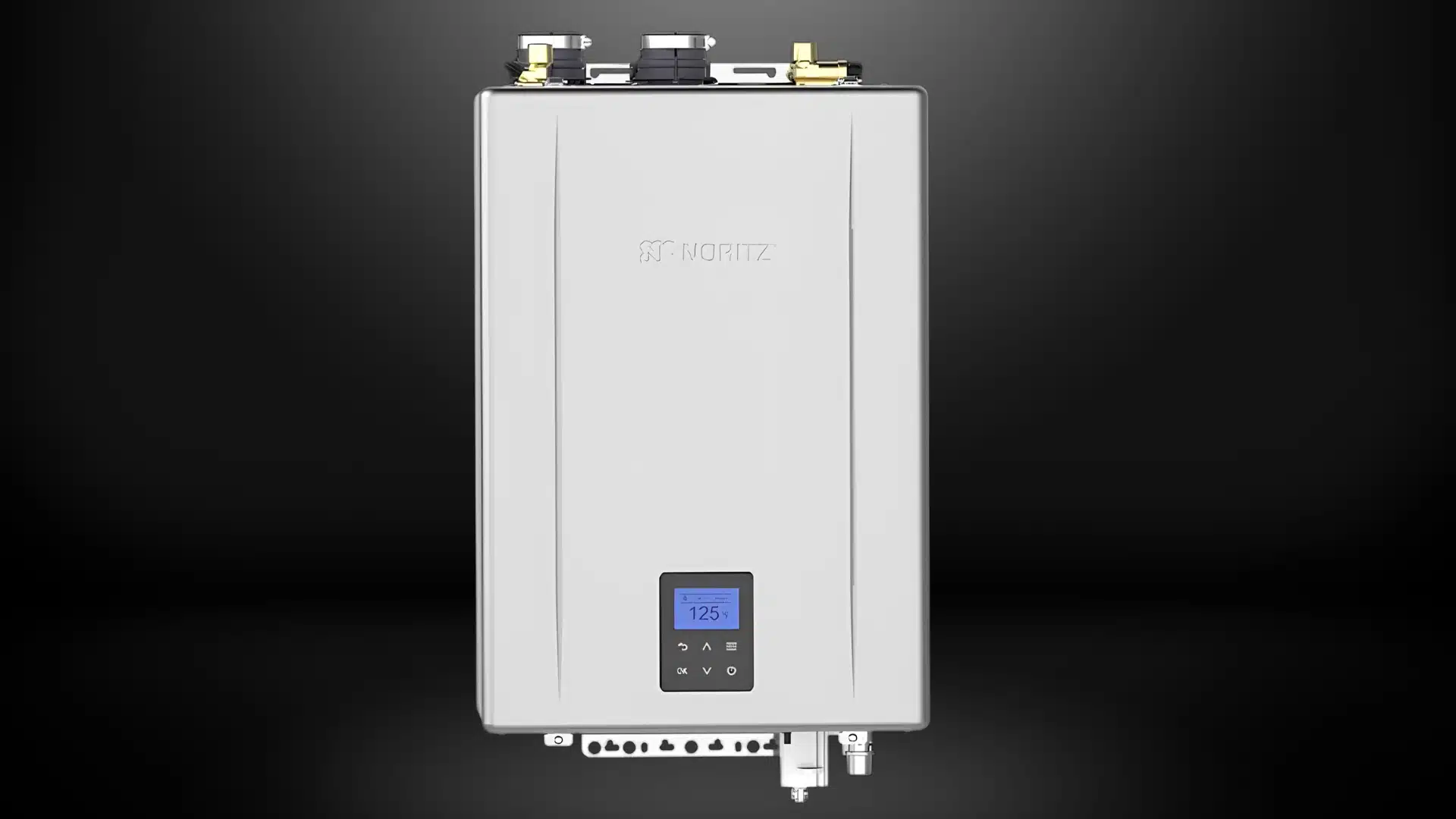
Up to 11.1 GPM · UEF 0.98 · Modulates ~12,800–199,900 BTU · Natural gas or propane · Indoor or outdoor install
Why it stands out
- Top-mounted water connections, a real advantage when replacing a tank heater, since tankless connections usually sit in different spots
- Can reduce plumbing rerouting and labor cost in the right retrofit
Watch out for: Retrofit-friendly layout ≠ guaranteed simple install; venting, gas capacity, condensate drainage, electrical access, and local code still need evaluation
Benefit is biggest when an installer confirms the top connections will actually shorten the plumbing work
Best for: Homeowners replacing a standard storage tank in a compatible location.
Consider another model when: It’s new construction, or the existing plumbing offers no retrofit advantage.
5. Rinnai RX160iN
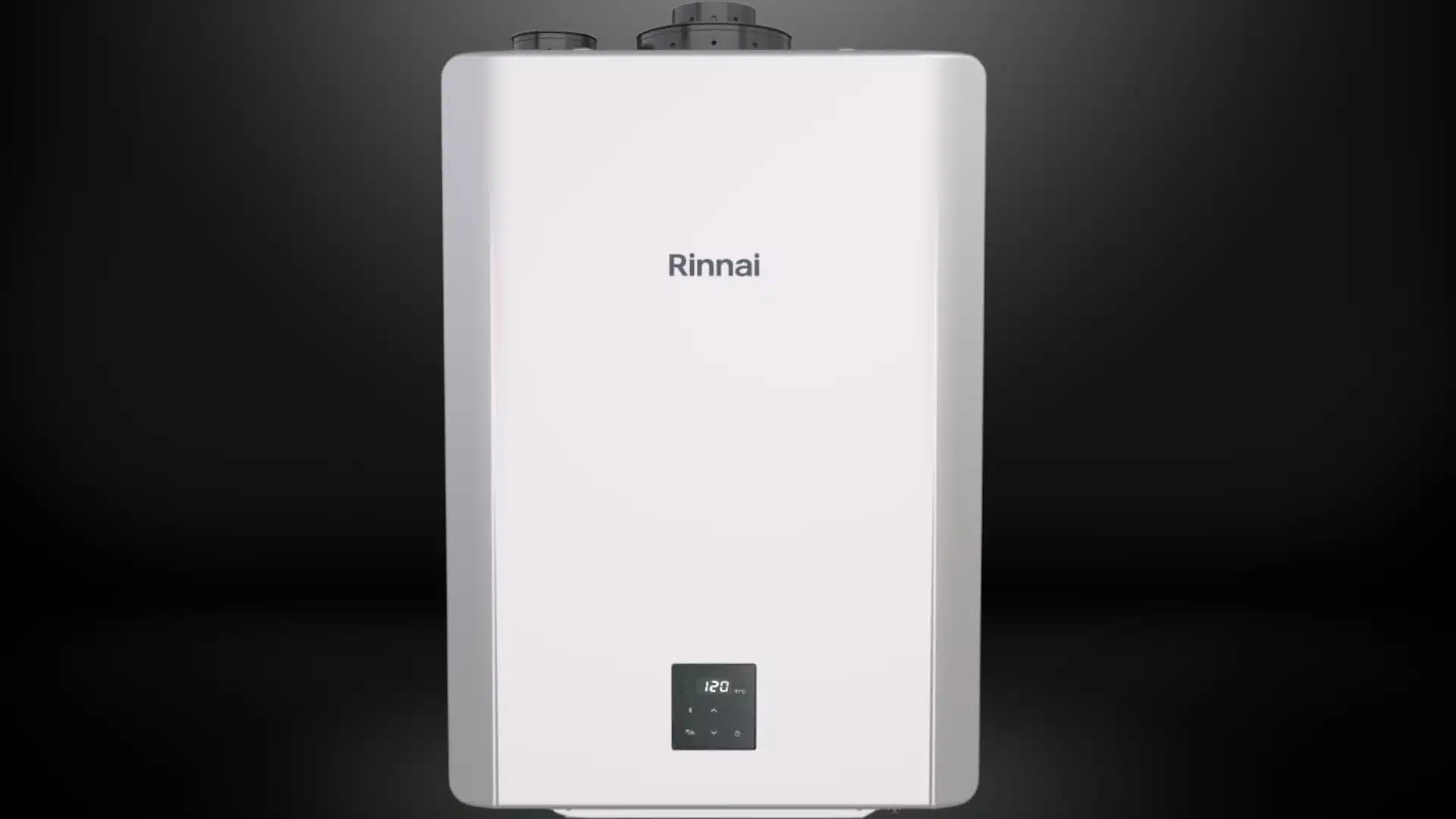
Up to 9 GPM · 160,000 BTU max input (15,000 BTU minimum) · UEF 0.97 · Recirculation- and Wi-Fi-capable · Indoor or outdoor install
Why it stands out
- Right-sized for homes that don’t need a full 11-GPM unit
- Lower minimum input lets the burner scale down for smaller draws
- Lower equipment cost without sacrificing normal comfort, if sized correctly
Watch out for: Don’t choose it just because the household is small; a 2-person home can still have high peak demand (two showers + an appliance running together). Not a fit if 3+ high-flow fixtures regularly run at once
Best for: Medium homes with moderate simultaneous demand.
Consider another model when: Three or more high-flow fixtures regularly operate together.
6. Rheem RTG-95DVLN-3
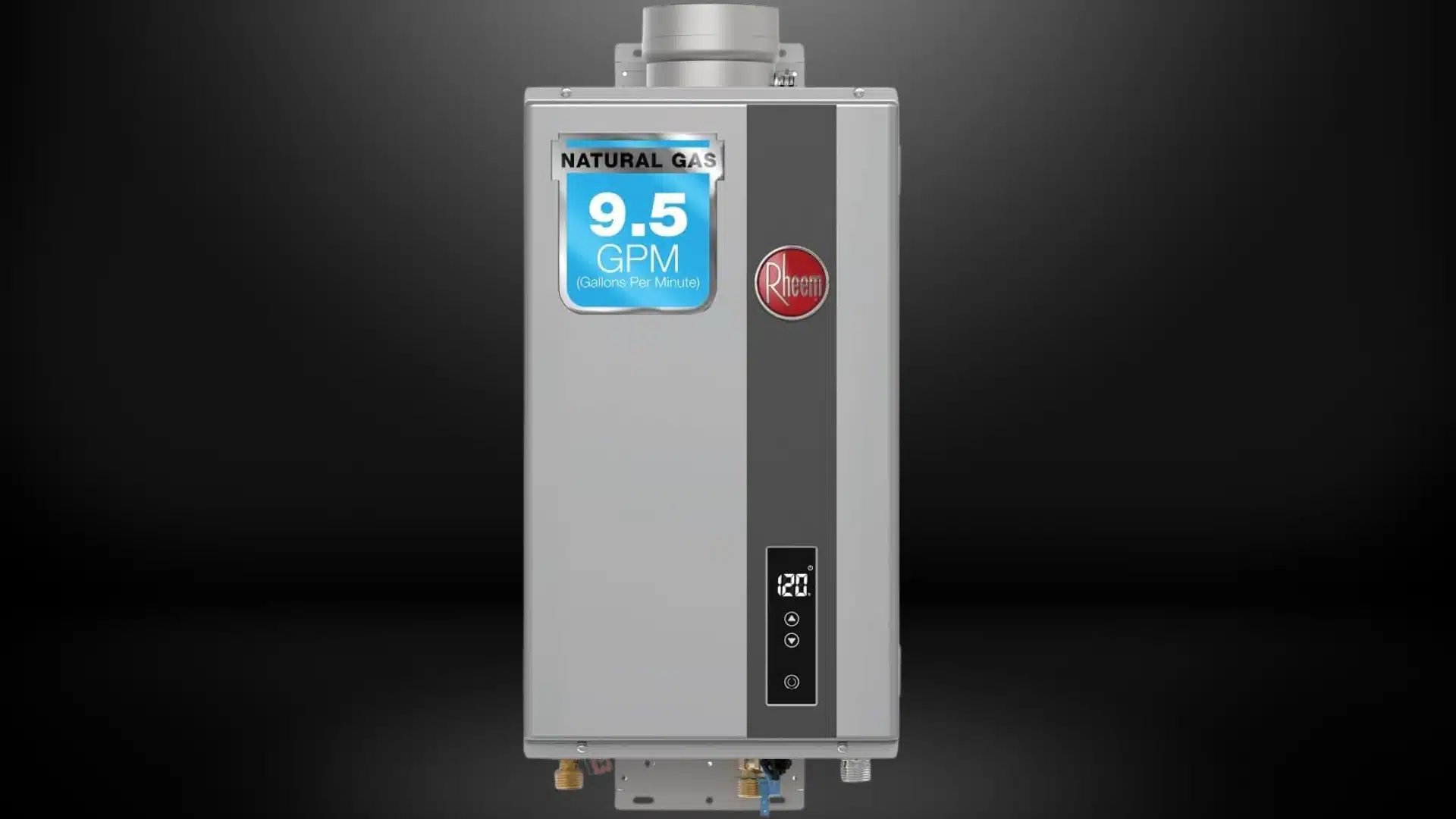
Up to 9.5 GPM · 199,900 BTU · UEF 0.82 (non-condensing) · Indoor, natural gas only
Why it stands out
- Potentially lower equipment price
- No condensate drain needed
Watch out for: Lower efficiency than the condensing models in this comparison; non-condensing exhaust runs hotter and usually needs approved metal venting, not lower-cost PVC; a cheaper unit doesn’t always mean a cheaper installation; factor in venting, termination location, materials, and labor
Best for: Compatible retrofits where initial equipment cost matters most.
Consider another model when: Long-term efficiency or flexible venting is the priority.
Best Gas Tankless Water Heater Brands Compared
Rinnai, Navien, Rheem, Noritz, and Takagi all offer credible residential gas systems, but their strongest features differ.
| Brand | Main strength | Best suited for | Check before buying |
|---|---|---|---|
| Rinnai | Broad product range and installation flexibility | Buyers wanting several output and fuel choices | Availability of a local Rinnai technician |
| Navien | Integrated recirculation and condensing systems | Large or spread-out homes | Installer familiarity with Navien controls |
| Rheem | Retail access and connected features | Buyers comparing products through major retailers | Differences between similar series names |
| Noritz | Retrofit-focused designs | Tank-to-tankless replacements | Authorized purchase and installation requirements |
| Takagi | Straightforward residential and commercial options | Professionally designed installations | Local parts and service availability |
Brand reputation should not replace local research. A well-sized model installed by an experienced local technician will normally be a safer purchase than a slightly more efficient unit without nearby support.
How to Choose the Correct Tankless Heater Size
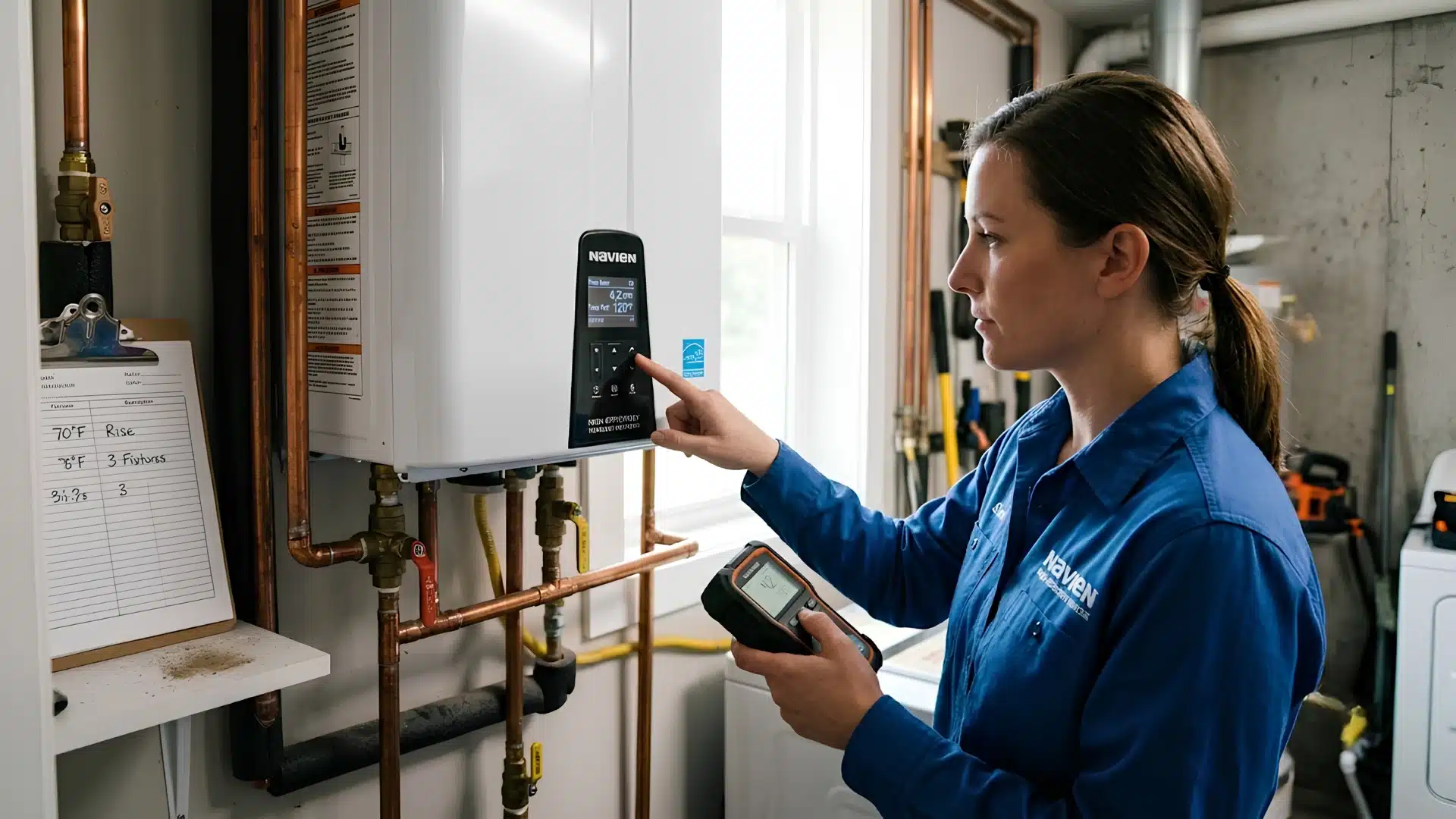
Tankless water heaters should be sized by simultaneous flow and required temperature rise, not only by square footage, bathroom count, or family size.
Calculate Your Peak Flow Rate
List the hot-water fixtures likely to run at the same time and add their expected flow rates. A household might use:
- One shower at 2 GPM
- A second shower at 2 GPM
- A bathroom faucet at 0.5 GPM
- A dishwasher drawing approximately 1.5 GPM
That situation creates a peak demand of about 6 GPM. The heater must provide that flow while raising the incoming water to the desired outlet temperature.
Fixture ratings vary, so check actual labels or measure flow rather than relying entirely on general estimates.
Determine the Required Temperature Rise
Temperature rise is the difference between incoming groundwater and the required hot-water temperature.
When incoming water is 70°F and the heater is set to 120°F, the required rise is 50°F. If incoming water is 40°F, the same setting requires an 80°F rise.
The larger rise forces the heater to slow the water so it can absorb enough heat. That is why a model advertised at more than 11 GPM may provide only around 5 or 6 GPM during colder conditions. Manufacturer capacity charts should be used instead of the headline GPM figure.
| Likely simultaneous use | Approximate demand | Suggested starting range |
|---|---|---|
| One shower and faucet | 2.5–3.5 GPM | Small or medium whole-home unit |
| Two standard showers | 4–5 GPM | Medium-output unit |
| Two showers and an appliance | 5.5–7 GPM | High-output unit |
| Multiple bathrooms and appliances | 7–10+ GPM | Premium unit or engineered system |
These ranges are only starting points. The final model should be selected from its temperature-rise capacity chart by a qualified installer.
Gas Tankless Water Heater Efficiency Explained
Uniform Energy Factor, or UEF, measures overall water-heater efficiency under a standardized test procedure. A higher UEF indicates that more of the fuel’s energy reaches the water instead of being lost through exhaust or operation.
Premium condensing models in this comparison fall near 0.95–0.98 UEF. The non-condensing Rheem RTG model is rated at 0.82 UEF.
The difference is created largely by how exhaust heat is handled. A condensing heater captures additional heat from combustion gases before releasing them. This improves efficiency and lowers the exhaust temperature, often allowing approved plastic vent materials.
The process also creates acidic condensate. The installation therefore needs an appropriate drain and may require a neutralizer.
A non-condensing heater has simpler condensate requirements but sends hotter exhaust through approved metal venting. It may cost less to buy yet more to operate.
ENERGY STAR estimates that a certified whole-home gas tankless unit can reduce annual gas costs compared with a standard gas storage heater, although actual savings depend on water use, local fuel prices, system settings, and recirculation behavior.
Features Worth Paying For
More features do not automatically create a better heater. The useful options are those that solve a specific comfort, safety, or installation problem.
- Built-in recirculation: A pump moves hot water through a dedicated loop or compatible crossover arrangement, reducing the wait at distant fixtures. Use schedules or demand controls to limit unnecessary circulation.
- Low-flow operation: A low minimum activation rate helps the burner remain stable when a faucet is opened only slightly.
- Wi-Fi controls: Connected systems may provide scheduling, temperature controls, diagnostic information, and maintenance alerts. Some models require a separate module.
- Leak detection: Sensors can warn the homeowner or stop water flow when a leak is detected, depending on the model and installed accessories.
- Fuel conversion: A field-convertible model offers flexibility, but conversion should only be performed according to manufacturer instructions by a qualified professional.
- Freeze protection: Built-in protection helps during cold weather but normally depends on electrical power and correct installation. Exposed pipes may still need insulation or heat protection.
- Service and isolation valves: These valves make descaling and maintenance easier. Confirm whether they are included or purchased separately.
Installation Requirements That Affect the Final Cost
The heater price shown online is only one part of the project. Installation conditions can make an affordable model more expensive than a premium alternative.
Gas Supply
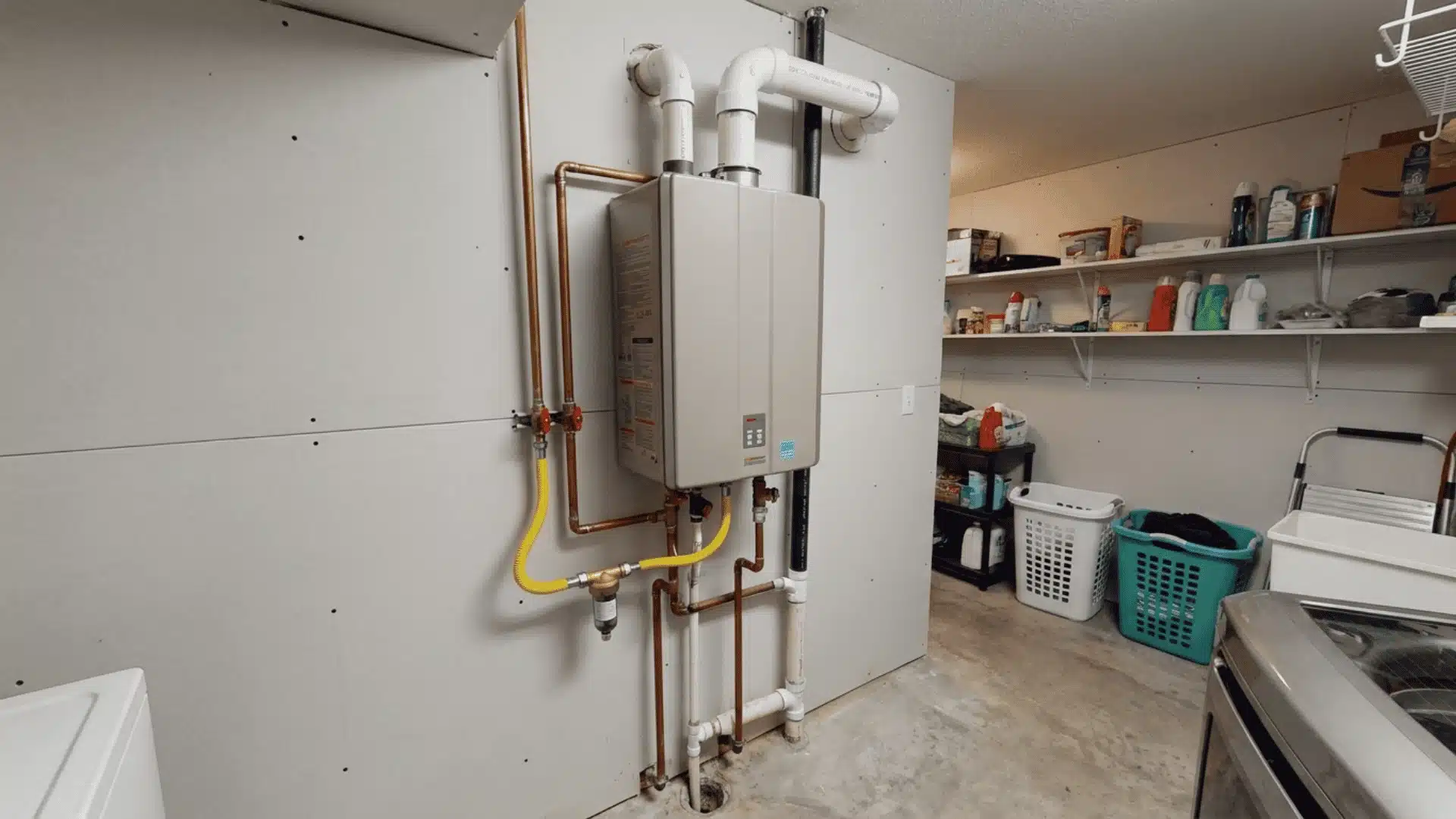
A high-output tankless unit may require close to 200,000 BTU per hour at full fire. The gas meter, regulator, pipe diameter, pipe length, pressure, and demand from other appliances must all be checked.
A model advertised as compatible with a ½-inch gas connection does not mean every existing ½-inch line can supply it. Navien, for example, states that pipe size, length, and pressure drop must be considered even where a shorter ½-inch connection is permitted.
Venting
Indoor units require approved combustion-air and exhaust arrangements. Condensing models commonly support PVC, CPVC, polypropylene, or stainless-steel systems, but acceptable materials and maximum lengths vary by manufacturer.
Non-condensing units release hotter exhaust and generally require approved metal venting. Reusing an old storage-heater flue is not automatically permitted.
Condensate Drainage
A condensing heater removes heat from the exhaust until water vapor turns into liquid. That condensate must reach an approved drain without freezing, damaging surfaces, or violating local plumbing requirements.
A neutralizer may be recommended or required before condensate enters the drainage system.
Electrical Supply
Gas heaters still require electricity for ignition, controls, freeze protection, fans, sensors, and recirculation pumps. They normally stop operating during a power outage unless connected to an appropriate backup power source.
Plumbing Changes
Tankless heaters may need new hot- and cold-water connections, isolation valves, a pressure-relief valve, pipe insulation, a recirculation return, or a crossover valve.
Permits and Labor
Local requirements may include plumbing, gas, mechanical, or electrical permits. Professional installation also protects the warranty because manufacturers can limit coverage when a unit is installed or converted incorrectly.
Where to Buy a Gas Tankless Water Heater
A major retailer can make model comparison, delivery, returns, and customer reviews easier. However, some listings are sold by third-party marketplace sellers rather than the retailer itself. Confirm who handles the warranty and return.
Plumbing supply stores may offer better access to professional-grade models, venting components, valves, conversion kits, replacement parts, and technical support.
Authorized dealers are useful when the manufacturer requires professional distribution or when warranty coverage depends on the purchasing channel. They can also match the unit with a trained installer.
Before ordering online, verify:
- The complete model number
- Natural gas or propane configuration
- Indoor or outdoor approval
- Included vent components
- Isolation valve inclusion
- Seller authorization
- Warranty eligibility
- Return shipping terms
- Availability of local service
Avoid purchasing the heater before an installer has checked the gas line, vent route, drainage, mounting location, electrical supply, temperature rise, and peak flow. A model that cannot be installed economically is not a bargain.
Maintenance and Long-Term Ownership
Tankless heaters avoid tank-related standby losses, but they are not maintenance-free.
Mineral scale can collect inside the heat exchanger, particularly in hard-water areas. Scale reduces heat transfer, restricts flow, and may increase stress on internal components. Cleaning frequency should follow the manufacturer’s instructions and local water conditions rather than a universal schedule.
Homeowners or technicians may also need to:
- Clean the cold-water inlet filter
- Inspect vent and air-intake openings
- Check condensate drainage
- Replace neutralizer media
- Inspect recirculation equipment
- Examine water and gas connections
- Test safety controls
- Check for stored diagnostic codes
A water-treatment system may be worthwhile where hardness is high, but it should be selected according to the home’s water test and plumbing conditions. Water softeners reduce minerals such as calcium and magnesium that contribute to scale.
Who Should Choose a Gas Tankless System
A gas tankless heater can be a practical choice when the home already has natural gas or propane, hot-water use is high, wall space is limited, and the owner plans to stay long enough to benefit from the installation.
When comparing a tankless water heater with a traditional tank model, consider more than continuous hot-water delivery. Tankless systems save floor space and reduce standby energy loss, but they usually cost more to install.
Storage tanks have a lower upfront cost and can handle short periods of heavy demand, although their hot-water supply is limited. Your peak usage, available gas service, maintenance expectations, and long-term budget should guide the decision.
It is especially useful for households that frequently empty a storage tank during consecutive showers. A correctly sized tankless system continues producing hot water as long as demand remains within its heating capacity.
Final Thoughts
Hot water shouldn’t be a guessing game anymore. I’ve shown you how peak flow, temperature rise, and your gas line’s real capacity decide which unit works, not the biggest GPM number on the box.
Rinnai, Navien, Rheem, and Noritz all build strong systems, but the right pick depends on your home’s specific demands, not a brand name.
A properly sized gas tankless water heater keeps performing reliably for years, while a mismatched or oversized one just adds cost and frustration. Get your numbers first, then match them to a model built for your exact setup.
Which one fits your home best? Share your thoughts below, or check out my other guides on sizing and installation costs.
Frequently Asked Questions
What size gas tankless water heater does a family of four need?
Family size alone does not determine capacity. Add the flow of fixtures likely to operate together and compare that demand with the heater’s output at the required temperature rise. Many four-person households need approximately 5–8 GPM under their actual winter conditions.
Can a tankless water heater run two showers at once?
Yes, provided the combined shower flow remains below the heater’s capacity at the current temperature rise. Two 2-GPM showers require about 4 GPM. Colder incoming water reduces the flow the heater can supply while maintaining the chosen outlet temperature.
Is Rinnai better than Navien or Rheem?
Rinnai offers broad installation and fuel flexibility, Navien is especially strong in built-in recirculation, and Rheem provides accessible smart-featured models. The better brand depends on local technical support, the required output, recirculation needs, installation conditions, and qualified installer availability.
Is a condensing tankless water heater worth it?
A condensing model is often worth considering when fuel efficiency and flexible venting are priorities. However, it needs condensate drainage and usually costs more initially. Compare the complete installation and expected operating costs with a non-condensing model before deciding.
Does a gas tankless water heater work without electricity?
Most modern gas tankless heaters do not operate during a power outage. Electricity powers the ignition system, control board, sensors, fan, freeze protection, and recirculation pump. A correctly sized backup power system may help, but it must meet the manufacturer’s electrical requirements.
Should the heater be purchased before hiring an installer?
Hiring the installer first is usually safer. The technician can calculate demand, evaluate the gas service, confirm venting and drainage, and identify locally supported brands. This reduces the risk of buying an oversized, undersized, incompatible, or warranty-restricted product.