


Solar panels promise lower bills and cleaner energy, but the real decision is rarely that simple. You may save thousands over time, or end up with a system that takes far longer to pay back than expected.
I think the smartest place to start is with the conditions that shape your return. The pros and cons of solar panels, including the main solar power advantages and disadvantages, depend on your electricity rate, roof condition, sunlight, ownership timeline, financing, and local net metering rules.
Here, you will learn how solar affects your bill, where the biggest benefits appear, which drawbacks matter most, and how to decide whether a system fits your home and budget.
What Solar Panels Actually Do to Your Electricity Bill?
Solar panels reduce electricity bills by generating power you would otherwise buy from the grid, but savings depend more on your local electricity rate than system size.
Every kilowatt-hour your panels generate is one you do not purchase from your utility. Savings equal avoided consumption multiplied by your retail rate, so location matters most.
An 8kW system in California or Massachusetts offsets roughly $2,500 to $3,500 annually at $0.25 to $0.35 per kWh. The same system in Louisiana offsets barely $1,000.
When your panels overproduce, net metering determines your credit. Some utilities match the full retail rate while others pay wholesale, sometimes just one third of what you pay.
Before trusting any savings estimate or payback calculation, confirm what you actually pay per kilowatt-hour. That single number shapes every financial decision that follows.
The Real Advantages of Solar Panels
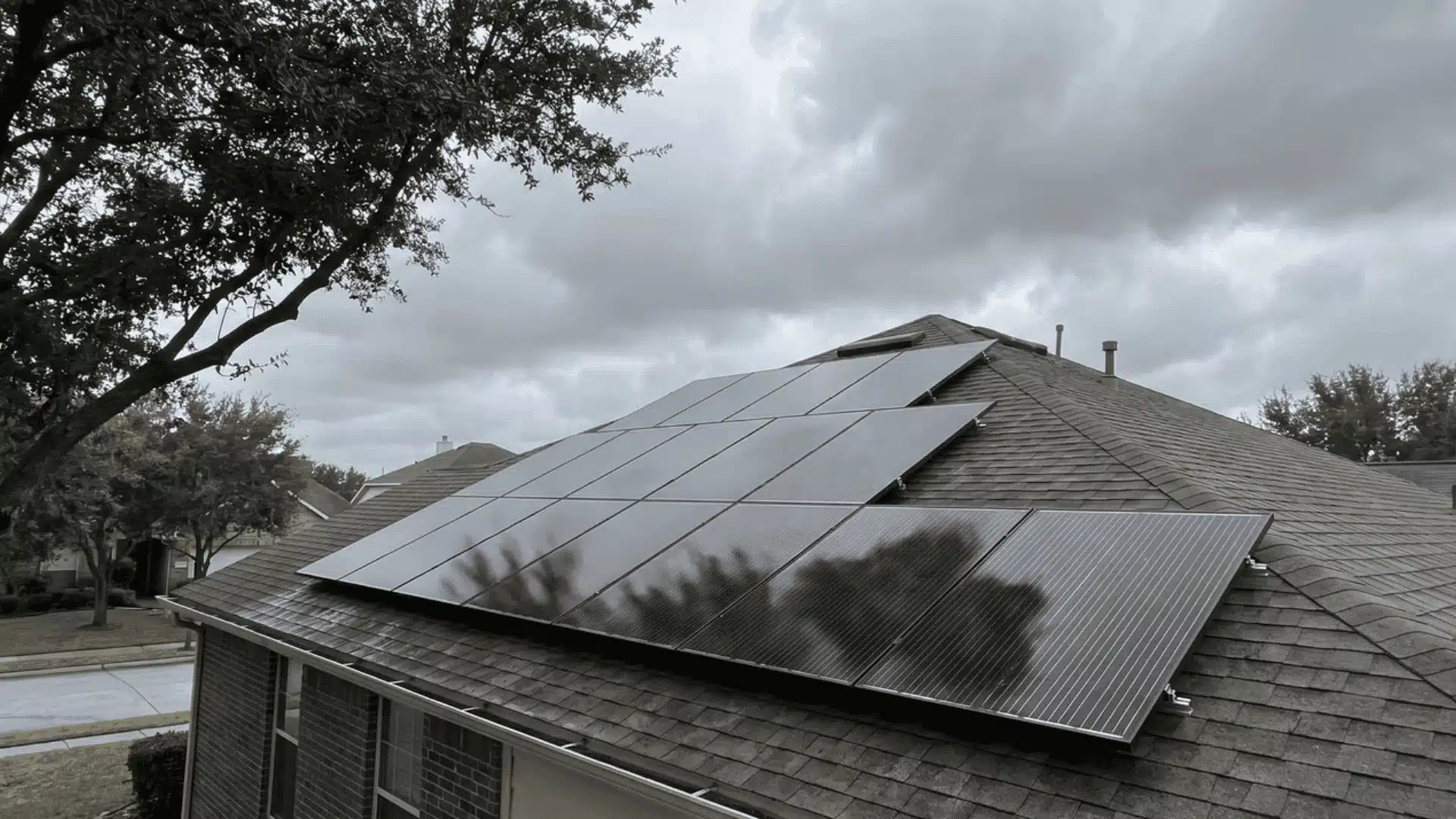
Solar panels can reduce energy costs, support cleaner electricity use, and provide long-term financial benefits when installed under suitable conditions.
1. Lower Monthly Electricity Bills
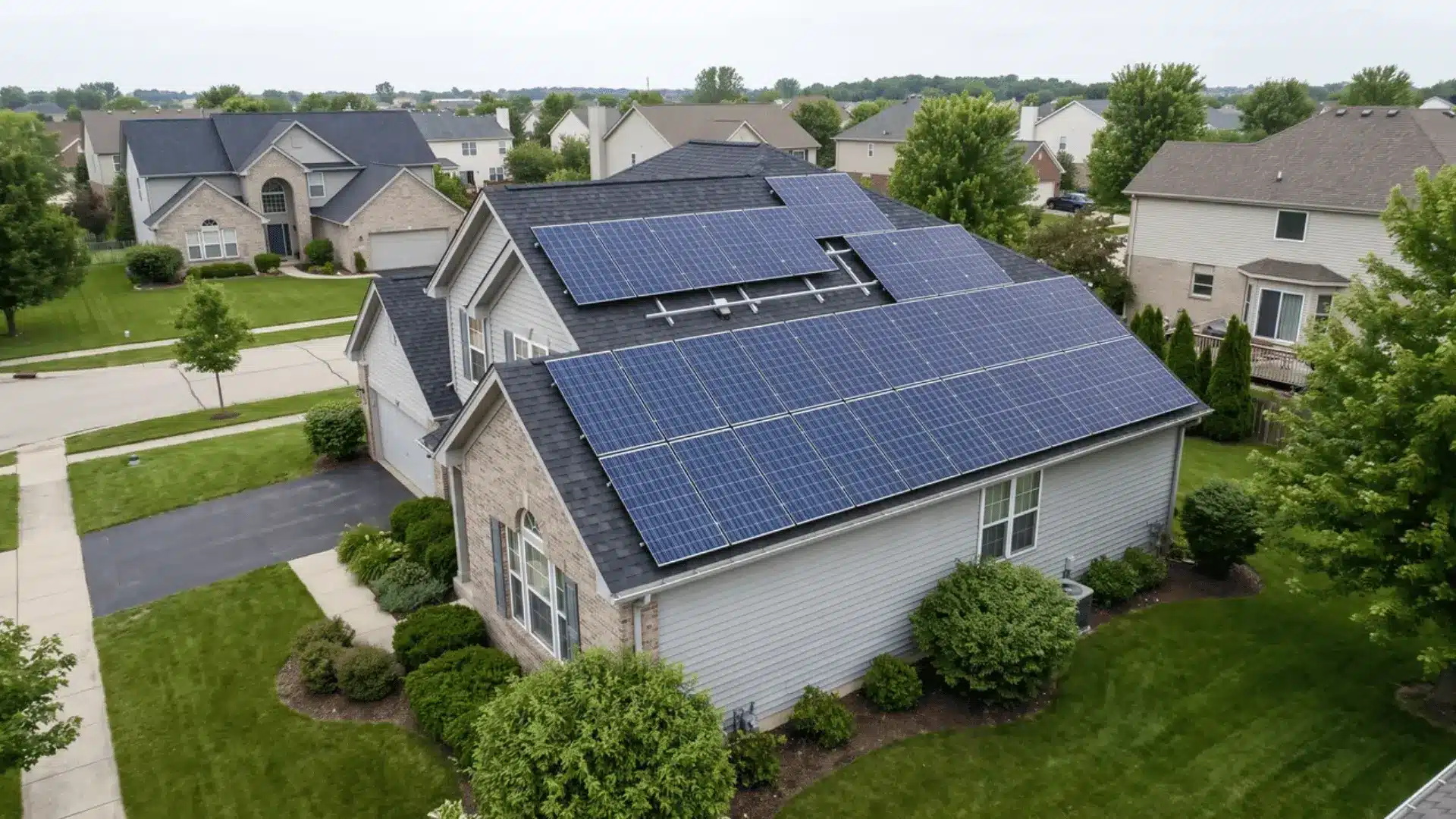
Solar panels generate electricity from sunlight, reducing the amount of power a household must buy from the grid. This can lower monthly electricity bills, especially in areas with high utility rates.
Actual savings depend on system size, household energy use, roof exposure, local electricity prices, seasonal production, and available billing credits for exported solar power over the system’s operating life.
2. Protection Against Rising Energy Prices
Generating electricity at home can reduce dependence on utility companies and provide some protection against future rate increases. Once installed, solar panels produce power without fuel costs, helping homeowners manage long-term energy expenses more predictably.
However, most grid-connected homes still pay service charges, connection fees, or minimum monthly bills, even when solar production covers much of their electricity use overall.
3. Renewable and Cleaner Electricity
Solar panels produce electricity without releasing greenhouse gases during normal operation, making them a cleaner alternative to fossil-fuel power. They also use a renewable energy source that will not run out.
Manufacturing, transport, installation, and end-of-life disposal still create environmental impacts, but the operating emissions of solar systems remain relatively low across their useful lifespan compared with conventional electricity generation.
4. Low Routine Maintenance
Solar panels have no moving parts, so routine maintenance is usually limited. Homeowners may need occasional cleaning, visual inspections, and regular monitoring of system performance through the inverter or app.
Professional checks can help identify wiring, mounting, or output issues early. Maintenance needs vary by climate, roof access, manufacturer guidance, and the terms provided by the installer or warranty coverage.
5. Long System Lifespan
Solar panels can continue generating electricity for twenty-five to thirty years or longer. Their output gradually declines over time, but many systems remain productive beyond the warranty period.
Panels often outlast inverters, batteries, and monitoring equipment, which may require earlier replacement. Long service life helps spread installation costs across decades of electricity production and improves overall investment value for homeowners.
6. Possible Increase in Home Value
An owned solar panel system may make a home more attractive to buyers who value lower electricity costs and cleaner energy. In some markets, this can support a resale price or faster sale.
The effect depends on local demand, system age, performance, ownership status, and warranties. Leased panels or unpaid loans may complicate negotiations and reduce buyer interest during resale.
7. Access to Incentives and Financing
Solar incentives can reduce installation costs and improve the financial return of a system. Depending on location, homeowners may qualify for tax credits, rebates, grants, or payments for exported electricity.
Financing options include loans, leases, and power purchase agreements. Because programs, eligibility rules, and export rates change, buyers should verify current local terms before estimating savings or signing any contract.
8. Better Energy Resilience With Batteries
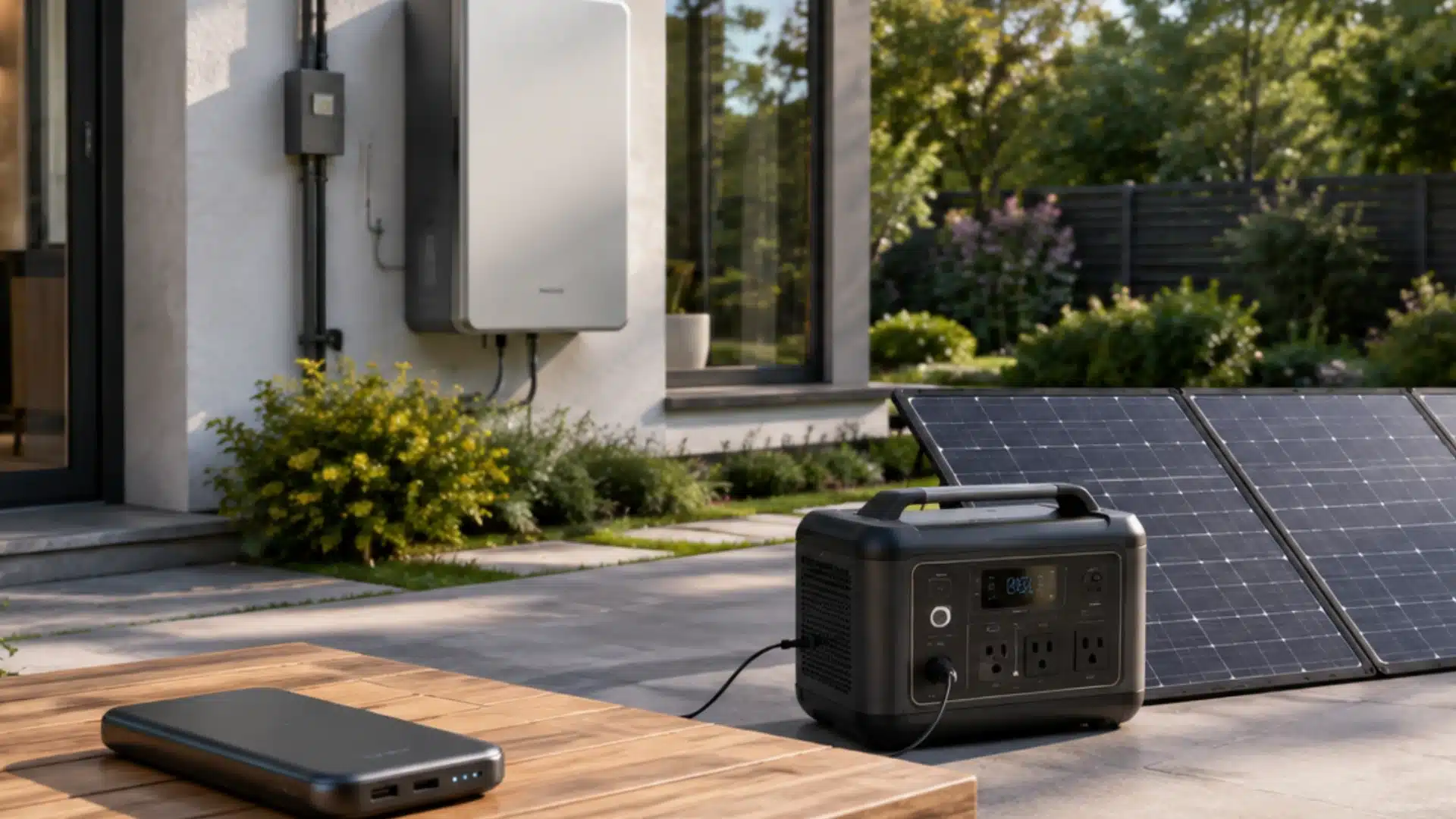
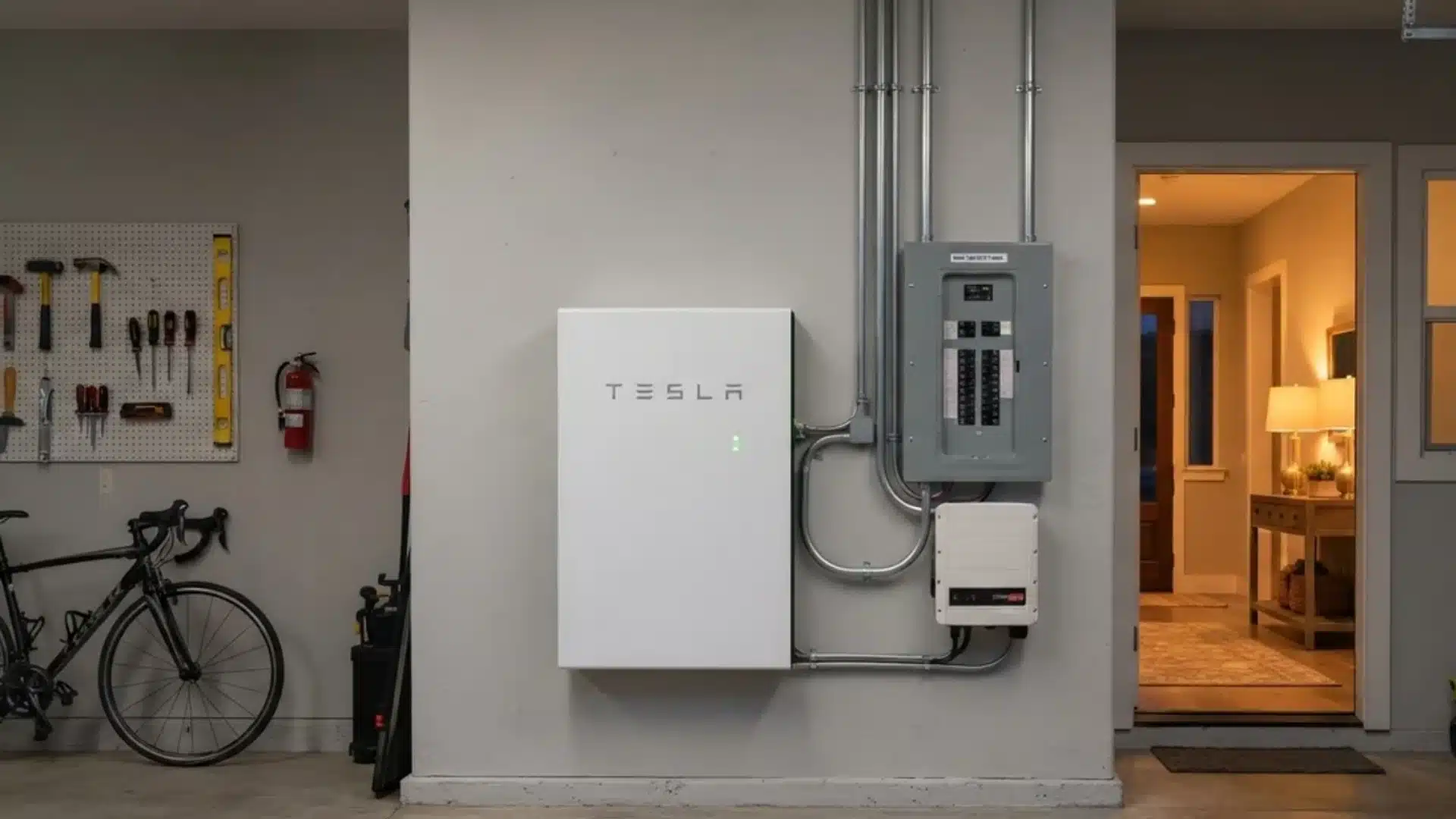
Solar panels paired with compatible battery storage can provide limited electricity during grid outages and reduce reliance on utility power after sunset. Batteries store excess daytime production for later use, which may improve household energy independence.
However, panels alone usually shut down during outages for safety. Backup capability depends on battery size, system design, essential loads, and overall installed equipment.
The Real Disadvantages of Solar Panels
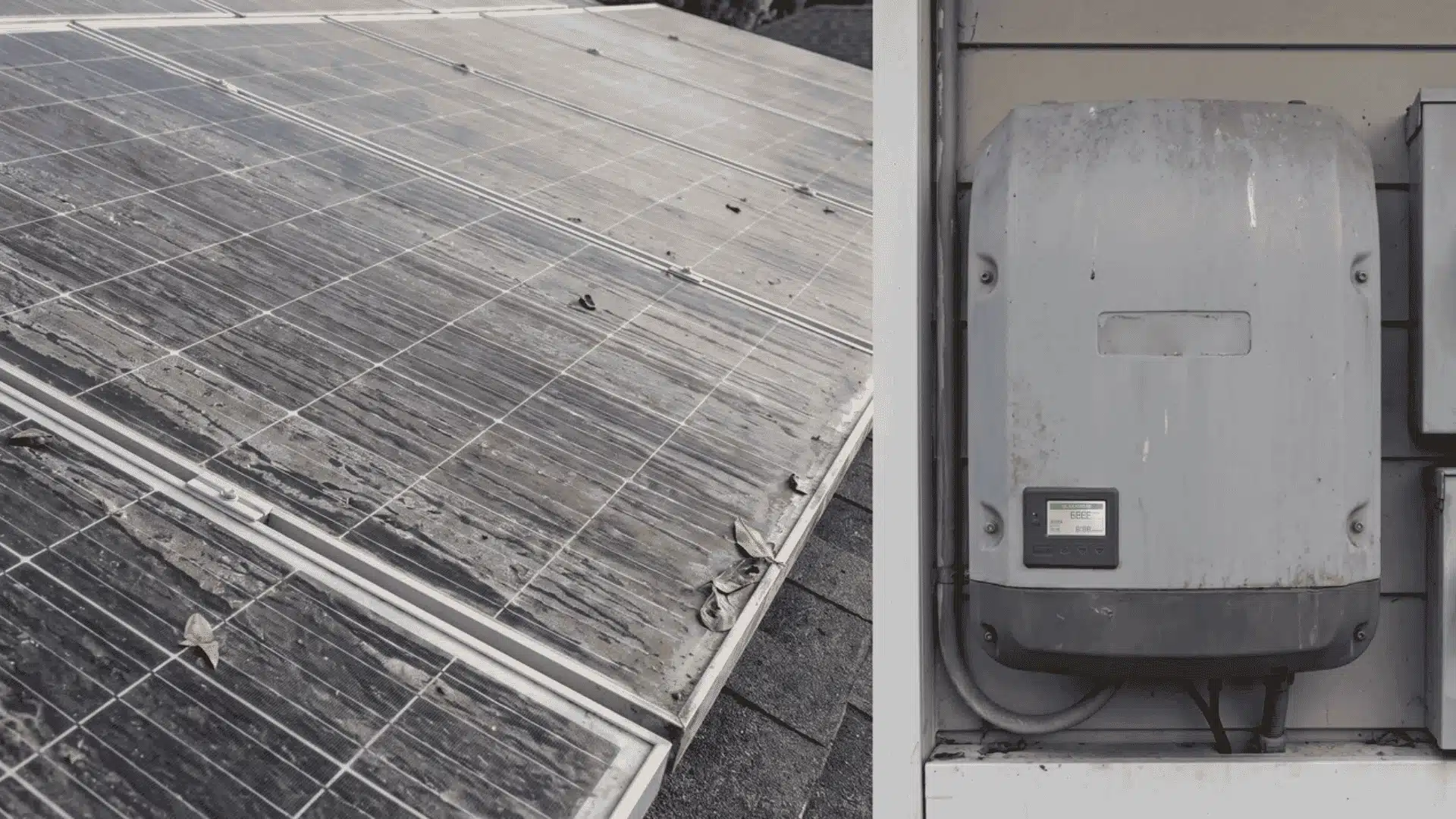
Solar panels offer valuable benefits, but their costs, roof requirements, production limits, and ownership complications can reduce their overall suitability.
1. High Initial Installation Cost
Installing solar panels can require a substantial upfront payment for panels, inverters, mounting hardware, permits, labor, and possible electrical upgrades. Cash purchases usually cost less over time, while loans add interest and fees.
Leases and power purchase agreements may reduce initial costs, but they can limit ownership benefits, incentives, and long-term financial flexibility for homeowners during the contract in practice.
2. Savings Are Not Immediate
Solar panels can lower electricity bills, but the savings usually build gradually rather than appearing immediately. Homeowners must recover installation and financing costs before achieving a true financial return.
The payback period depends on electricity rates, system output, incentives, maintenance expenses, and local export payments. In some locations, reaching the break-even point may take many years after installation is completed.
3. Electricity Production Depends on Sunlight
Solar panels need sunlight to generate electricity, so output changes throughout the day and across seasons. Cloud cover, heavy shade, poor roof orientation, dirt, snow, and high temperatures can reduce production.
Panels still produce some power during many cloudy conditions, but households may need grid electricity or stored energy whenever generation falls below their normal consumption levels during the day.
4. Solar Panels Do Not Work at Night
Solar panels stop producing electricity after sunset because they require daylight to operate. Homes without battery storage continue drawing power from the utility grid during the evening and overnight.
A battery can store extra daytime energy, but it increases system cost. Solar panels alone therefore cannot provide continuous electricity without grid support, storage, or another backup power source during darkness.
5. Not Every Roof Is Suitable
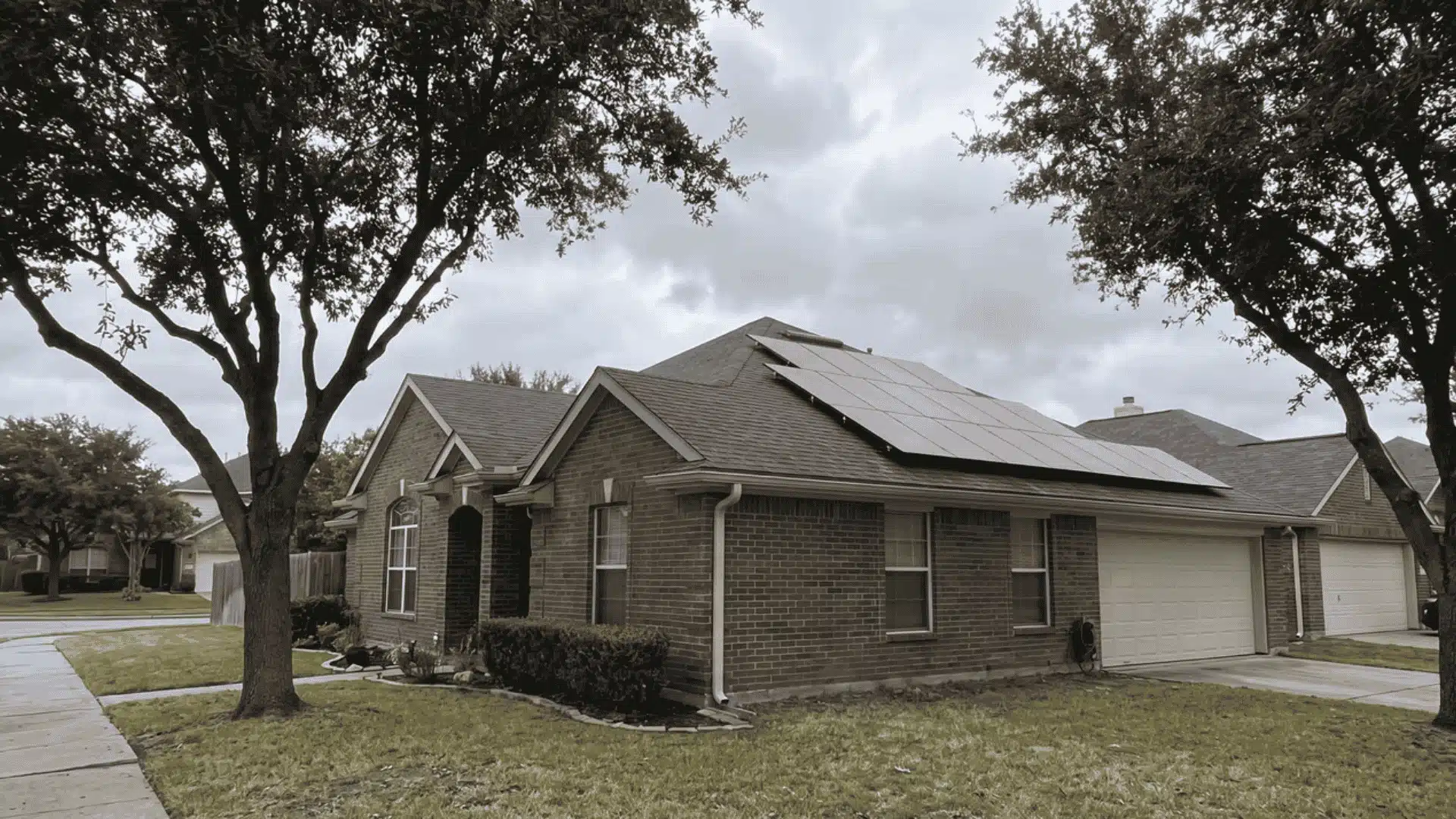
Some roofs cannot support an efficient or safe solar installation. Heavy shade, limited surface area, unsuitable direction, steep angles, weak structures, and aging roofing materials can reduce performance or increase costs.
Roof repairs or replacement may be necessary before installation. Where local rules and available land permit, a ground-mounted system can offer an alternative to rooftop panels for some properties.
6. Battery Storage Is Expensive
Battery storage allows homeowners to use more solar energy after sunset and may provide limited backup during outages. However, batteries add significant equipment and installation costs, require compatible electrical systems, and may need replacement before the panels.
Their financial value depends on electricity prices, export rates, outage frequency, battery capacity, warranty terms, and how the household uses energy each day.
7. Moving or Selling Can Be Complicated
Relocating solar panels is usually difficult, expensive, and rarely practical because removal, transport, permitting, and reinstallation require specialist work. Selling a property can also become complicated when panels are leased or financed.
Buyers may need to assume agreements, qualify for transfers, or negotiate outstanding balances. Ownership documents, warranties, and contract terms should be reviewed before listing the home for sale.
8. Repairs and Roof Work May Cost More
Roof replacement, leak repairs, structural work, or chimney maintenance may require installers to remove and reinstall solar panels. This adds labor costs, scheduling delays, and possible storage expenses.
Homeowners should check whether removal is covered by warranties or service plans. Installing panels on an ageing roof can create avoidable costs, making a roof inspection important before the solar project begins.
9. Appearance and Property Restrictions
Solar panels may not suit every property’s appearance, neighborhood rules, or planning requirements. Homeowners associations, conservation areas, listed buildings, and local authorities may restrict panel placement, visibility, size, or mounting methods.
Approval can delay installation or require a less productive layout. Homeowners should review planning rules, community guidelines, and permit requirements before signing an installation agreement with any solar provider.
Are Solar Panels Bad for the Environment?
Yes, solar panels have some environmental impact because mining, manufacturing, transportation, and disposal use energy and raw materials.
Producing panels requires energy, metals, glass, and other materials, while recycling access remains limited in some areas.
However, solar panels generate electricity without direct greenhouse gas emissions during normal operation. They can also remain productive for twenty-five years or longer, allowing their cleaner electricity output to outweigh much of the impact created during production.
Choosing durable equipment, responsible manufacturers, and approved recycling services can further reduce waste across the system’s lifespan.
Battery Storage: The Cost Most Comparisons Bury
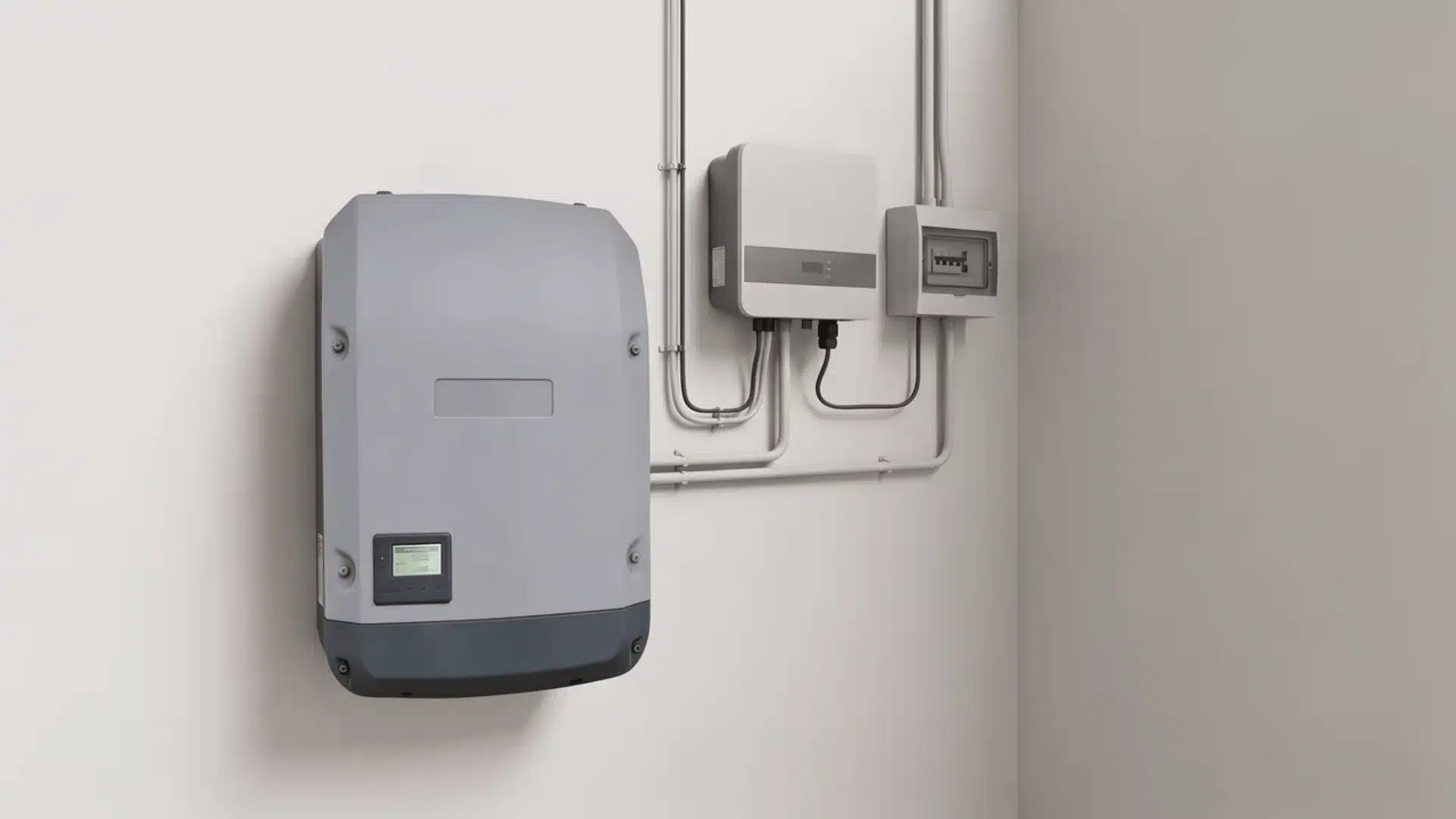
Battery storage changes how a solar system handles night-time use, outages, maintenance, costs, and dependence on electricity supplied by the grid.
| Feature | Panels Without Battery | Panels With Battery |
|---|---|---|
| Initial cost | Lower | Higher |
| Night-time solar use | Limited | Stored energy may be available |
| Outage protection | Usually unavailable | Possible with compatible equipment |
| Maintenance | Simpler | Additional component to monitor |
| Payback period | Often shorter | Often longer |
| Grid dependence | Reduced | Further reduced |
A battery is useful for backup power and evening use, but many households can save money with grid-connected panels alone.
Who Solar Panels Are Actually a Good Fit For?
Solar panels are a strong financial choice for homeowners with high electricity rates, a suitable roof, and a long ownership horizon, and a poor one when those conditions don’t align.
The clearest green light is an electricity rate above $0.15/kWh. If you’re paying that or more, solar displaces expensive grid power fast enough to generate real, measurable returns worth your attention.
Your roof matters just as much. It needs 15-plus years of life left, south- or west-facing exposure, and minimal shading. A compromised or shaded roof quietly kills your numbers before you even run them.
Plan to stay put for at least eight years and finance carefully, or buy outright. Leases and PPAs cut your savings and complicate resale. Short ownership horizons rarely allow enough time to clear the breakeven threshold meaningfully.
The real question isn’t how fast solar pays back, it’s whether your solar IRR beats what that same capital earns invested elsewhere at equivalent risk. That’s the comparison that actually matters.
Conclusion
Solar can be a smart investment, but only when the system fits your home, energy use, and long-term plans.
I would not rely on promised savings alone. You need to compare your electricity rate, roof condition, sunlight, financing costs, ownership timeline, and local net metering policy.
The pros and cons of solar panels become easier to judge when these details are reviewed together. This helps you avoid an oversized system, unnecessary battery storage, or a contract that creates problems during resale.
Request several quotes, check your utility rules, and calculate savings using your actual electricity bills. Then compare the expected return with other ways you could use the same money before making your final decision.
Frequently Asked Questions
What are the main pros and cons of solar panels for homeowners?
The main advantages of solar panels are lower electricity bills, protection against rising utility rates, increased property value for owned systems, and low long-term maintenance. The main disadvantages are high upfront costs, roof suitability requirements, weather-dependent output, and the elimination of the federal 30% tax credit after 2025, which has significantly extended payback periods for most U.S. homeowners.
How long does it take for solar panels to pay for themselves in 2026?
Without the federal tax credit eliminated after 2025, most homeowners can expect a payback period of 10 to 14 years depending on local electricity rates, system cost, and available state incentives. Homeowners in high-rate states like California and Massachusetts sit closer to the shorter end. Those in low-rate states like Louisiana or Oklahoma face considerably longer timelines.
Do solar panels work in cloudy or rainy weather?
Yes, solar panels continue generating electricity on cloudy days, though at reduced capacity. Light cloud cover typically drops output to 50 to 75 percent of peak production. Heavy overcast reduces it further to around 10 to 25 percent. The more significant concern for most homeowners is seasonal variation in regions with extended overcast winters, not individual cloudy days.
Does adding solar panels increase home value?
Owned solar systems consistently add measurable equity and make properties more attractive to buyers. However, leased solar systems and power purchase agreements can complicate resale because the lease obligation transfers to the new buyer, which many buyers find unappealing. The property value benefit applies reliably only to systems that are fully owned and paid off at time of sale.
Is battery storage necessary when going solar?
Battery storage is not necessary for most standard solar installations. Homeowners connected to the grid with reliable net metering can feed surplus electricity back to the utility without needing storage. Battery systems become worthwhile when your utility has weak or eliminated net metering credits, when grid outages are frequent, or when you are pursuing off-grid living. Adding storage without a genuine use case is one of the most common ways homeowners overspend on solar.