




Texas gave solar panel owners something many states don’t: a deregulated energy market where you can actually choose who buys your excess power and on what terms.
In deregulated parts of Texas, homeowners can choose from multiple retail electric providers offering different solar buyback structures.
That freedom sounds great until you realize many people pick the wrong plan and wonder why their bill barely moved after installation.
Choosing the right solar electricity plan in Texas is less about finding the highest buyback rate and more about understanding how the full cost structure works.
What are Solar Electricity Plans and How Do They Actually Work?
Most people treat the electricity plan as an afterthought. Panels go up, savings follow. That’s not how it works in Texas.
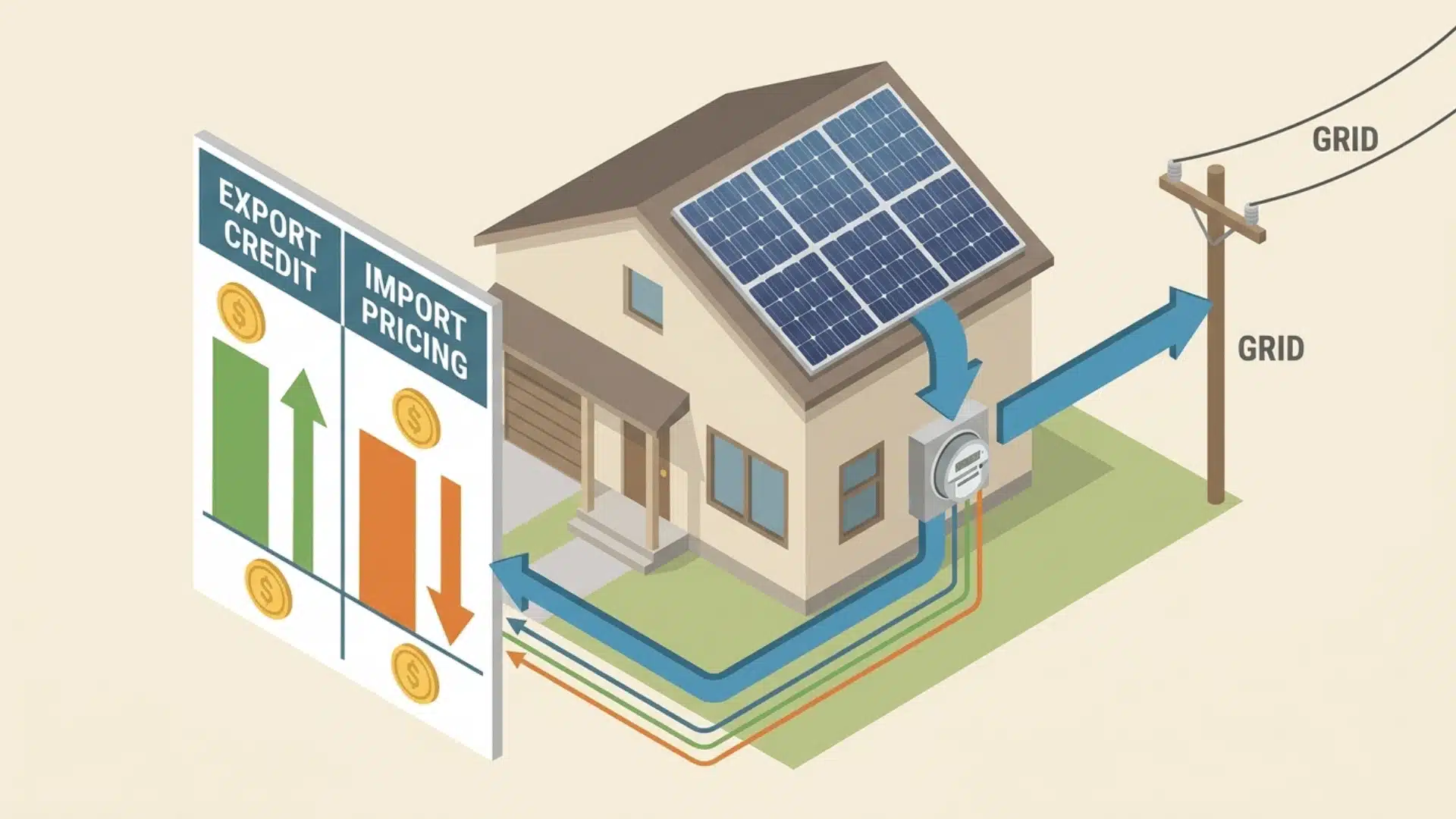
A solar electricity plan pays you for the energy your panels send back to the grid. When your system produces more than your home uses, that surplus flows outward, and your provider gives you a credit for it, something a standard plan won’t do.
The catch is the spread. The rate you earn from exporting is almost always lower than the rate you pay to import; you might sell back at $0.10 per kWh and buy at $0.16 per kWh.
That gap is what actually determines your costs, not the export rate on its own. Texas does not require statewide net metering, so every REP sets its own credit structure.
Two plans with similar advertised buyback rates can produce very different bills depending on how the import side is priced.
When you pick a solar plan, you’re choosing a cost structure, and how well it fits your home’s actual usage is what makes or breaks the savings.
How 100% Renewable Energy Plans Work (No Panels Required)
A 100% renewable energy plan lets you support clean power without installing solar panels; your provider ensures that an amount of wind or solar electricity equivalent to what you use is added to the grid on your behalf.
When you sign up, your retail electricity provider either purchases Renewable Energy Certificates (RECs) or contracts with wind and solar generators to match your usage.
The grid itself is shared, so this matching is accounting-based; there is no dedicated solar line running to your home.
These plans are often priced close to standard electricity plans because renewable generation costs have dropped significantly over the years.
You do not need any new equipment, and nothing changes about how your home uses power.
What Types of Solar Plans Exist in Texas?
Not all solar plans are built the same way, and the differences go deeper than the export rate. The structure of a plan shapes your bill as much as the headline number itself.
How credits are calculated, when they apply, and whether they carry over are the details that actually matter. Here’s what you’re choosing between.
Flat-Rate Buyback Plans
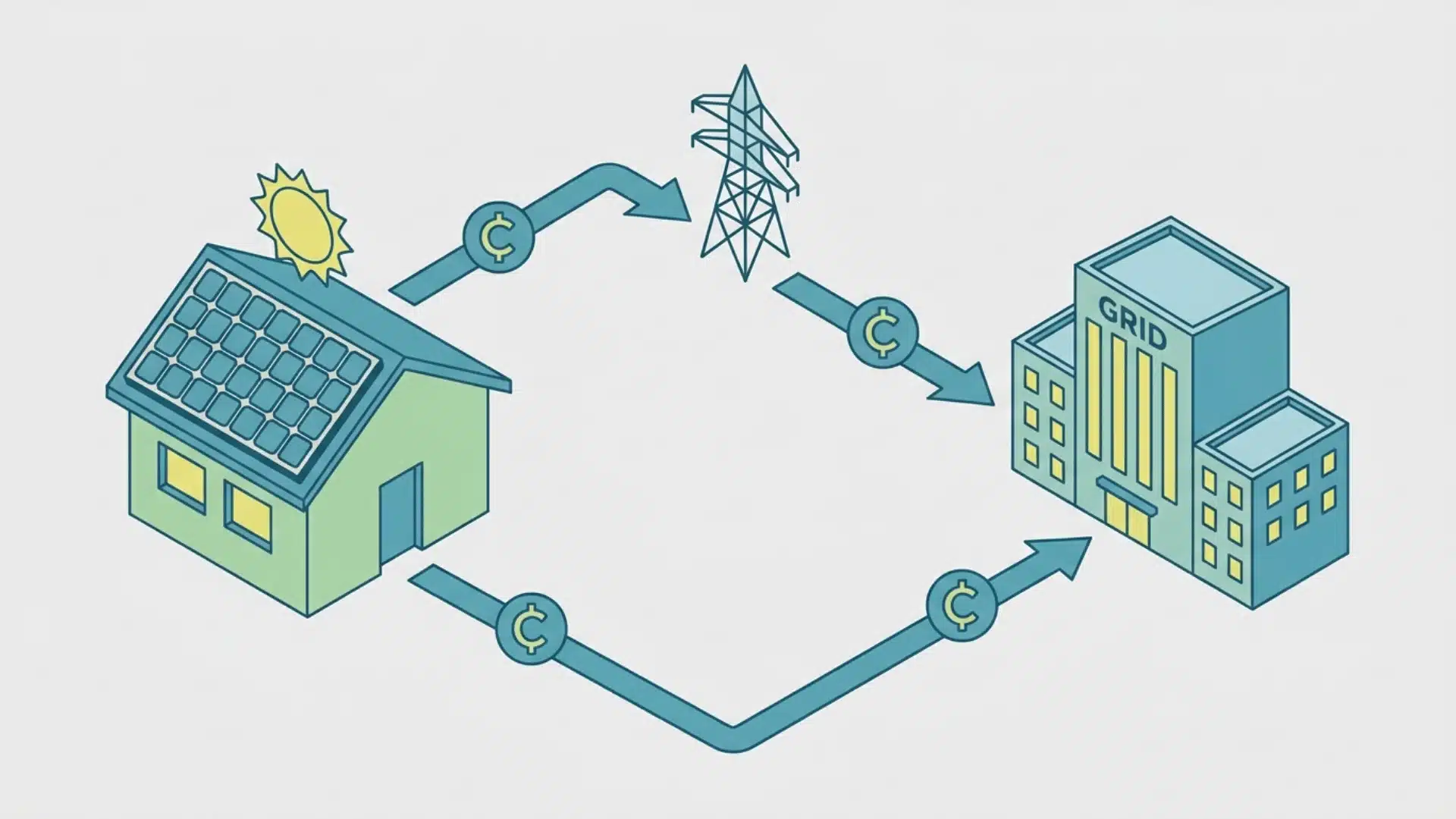
These are the most straightforward options. You export energy, earn a fixed credit per kWh, and that rate stays the same regardless of when you export.
For most panel owners without battery storage, this is the default choice, predictable and easy to model.
The risk is that fixed rates are usually set well below the retail import rate, so the spread can work against you during heavier-usage months.
Where flat-rate plans tend to fall short is during the summer. Your panels produce heavily, you export a lot, but the credit you earn per kWh still doesn’t match what you pay when you draw power back in the evening.
Time-of-Use Export Plans
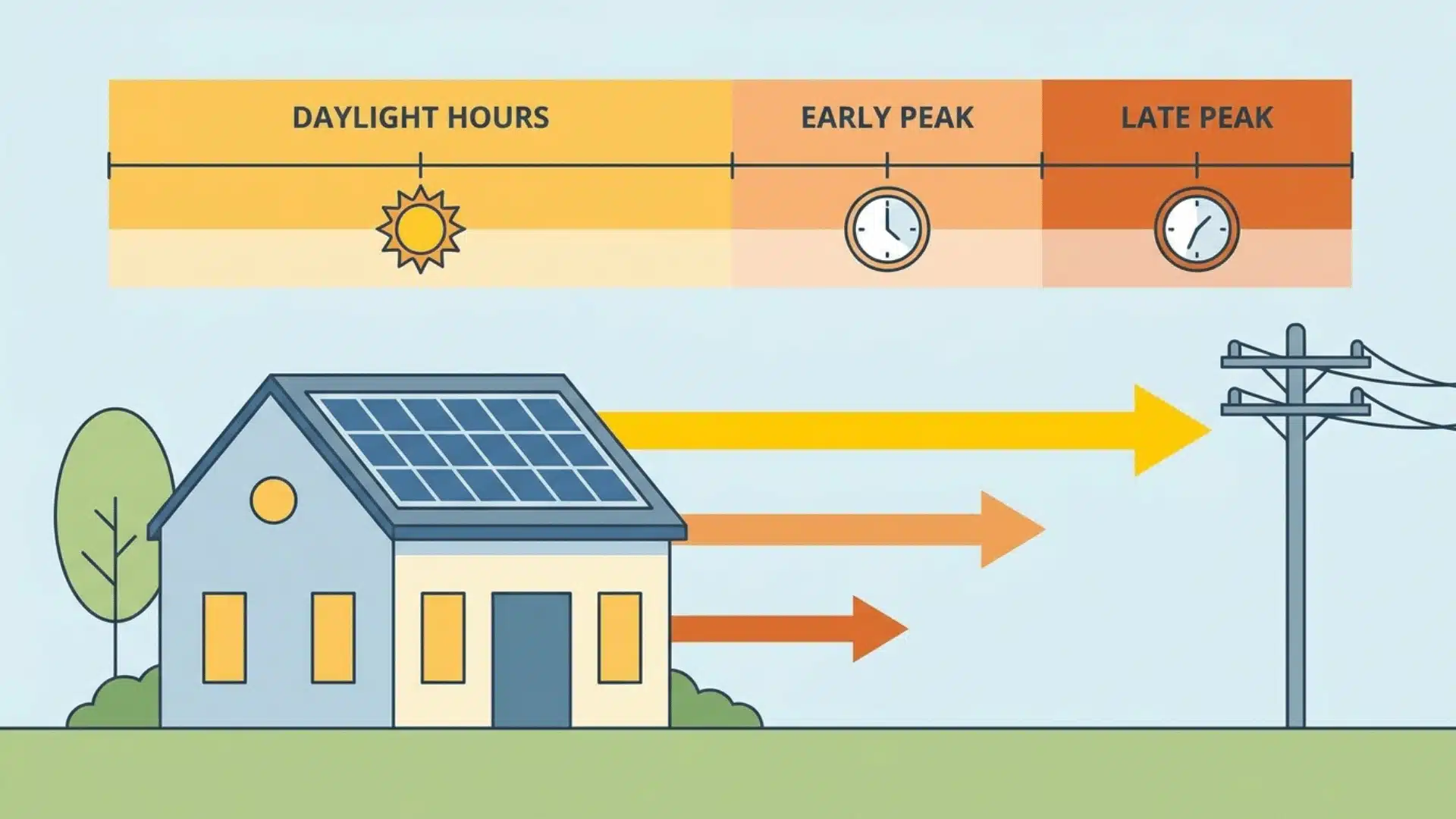
With a TOU plan, the credit you earn depends on when you export. Send power back during peak hours to earn more; export at midday, when demand is lower and the rate drops.
Most rooftop systems produce the most around noon, which is exactly when TOU export rates are weakest. Battery storage flips this.
If you can hold midday generation and release it during peak hours, a TOU plan can outperform a flat-rate plan by a meaningful margin.
Without storage, a TOU plan can actually work against you. You end up exporting at low-rate hours and importing at high-rate hours, which widens the spread in the wrong direction.
Virtual Power Plant Arrangements
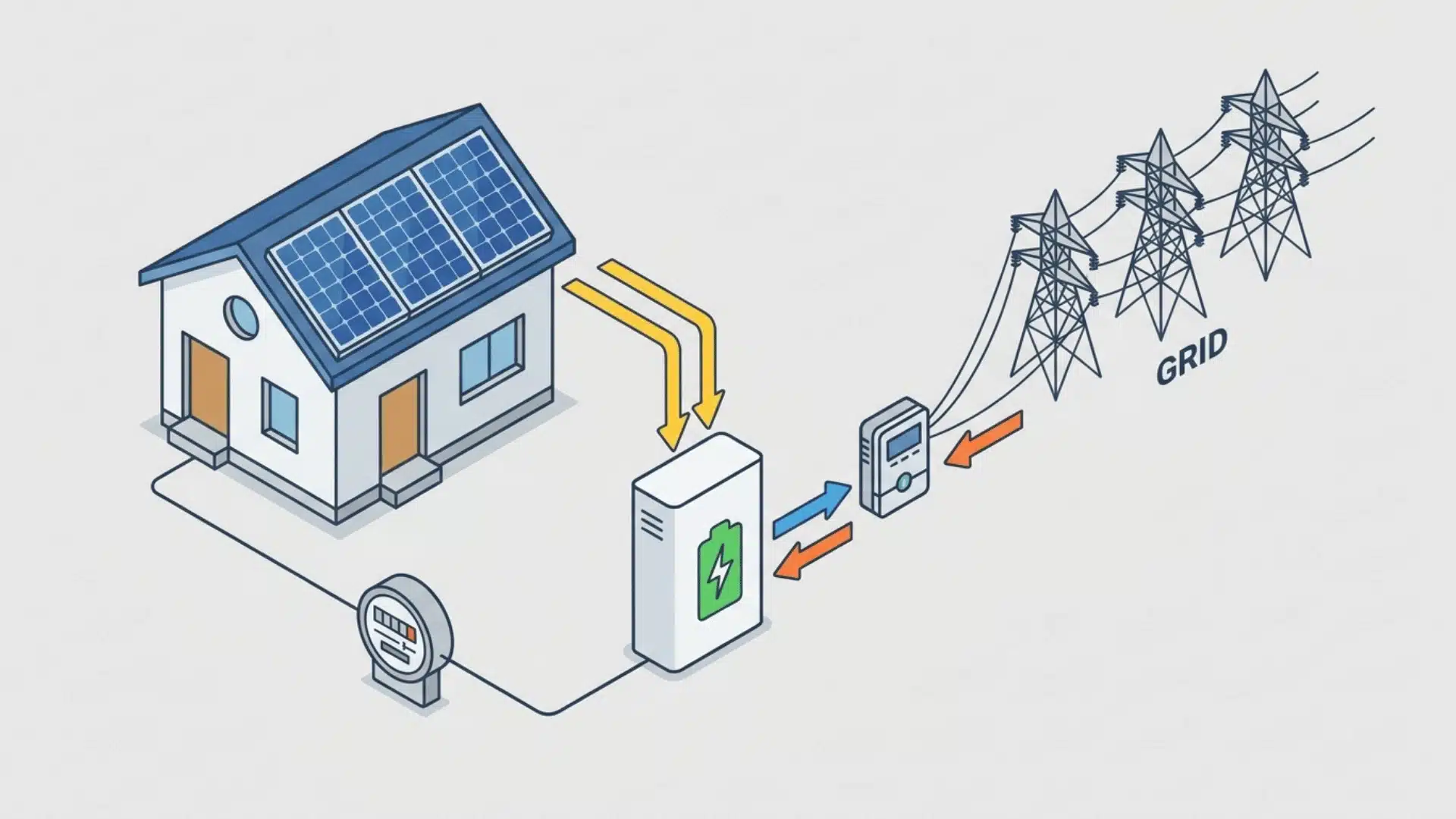
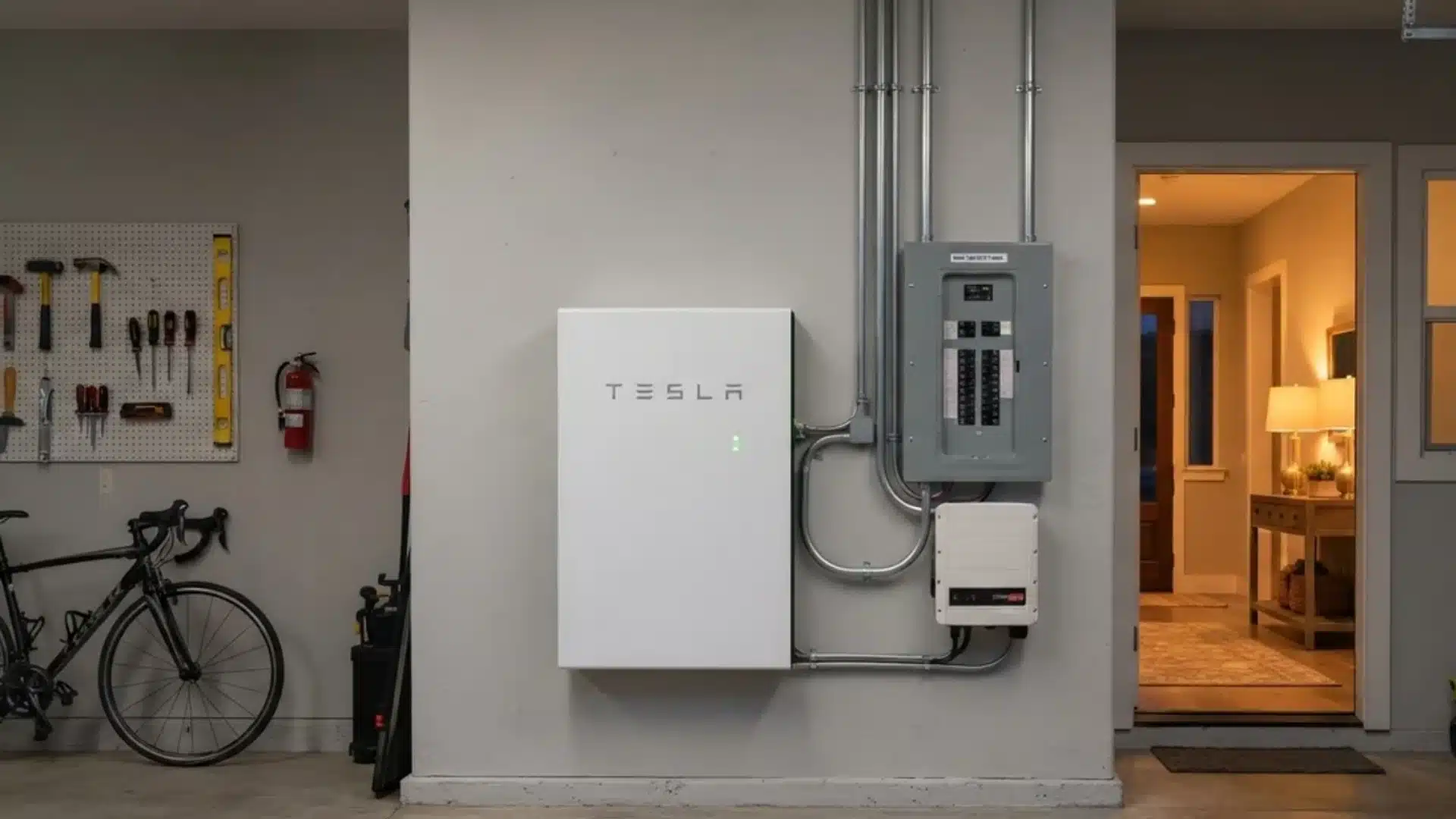
A VPP goes beyond a standard buyback. Your provider enrolls your battery in a network and dispatches it during high-demand events, paying you credits beyond what a typical plan offers.
It requires a battery and means giving your provider some control over when it discharges. For the right household, the returns can be significant, but understanding what you’re agreeing to before signing up matters.
VPPs are still relatively new in Texas, and not every provider offers them. If you have a battery and your provider does offer one, it’s worth running the numbers against a standard buyback plan before deciding.
How Do You Compare Plans Beyond the Buyback Rate?
The export credit rate is the number every provider leads with; it’s also the least useful number to compare on its own. The spread, the gap between what you pay to import and what you earn when you export, is what actually determines your net cost.
| Metric | Plan A | Plan B |
|---|---|---|
| Export rate | $0.14/kWh | $0.11/kWh |
| Import rate | $0.18/kWh | $0.13/kWh |
| Spread | $0.04 | $0.02 |
| Net cost per kWh | Higher | Lower |
Plan B costs you less despite the lower buyback rate. Caps and rollover terms further shift this. A hard annual cap can leave you with unredeemable credits in your best months.
Unlimited rollover protects that value across the full year. Run the spread calculation first, check the cap and rollover terms, then compare providers.
Which Plan Type Fits Your Situation?
The right solar plan isn’t the one with the best headline rate; it’s the one that fits how your household actually uses and produces power.
Two homes with identical panel systems can get very different results from the same plan. Here’s how to match your situation to the right plan type.
If You’re a Net Exporter
Your panels produce more than your home consumes for most of the year. In this case, the export rate and rollover terms are your most important variables.
- Prioritize plans with a fair export rate and no hard annual cap
- Avoid plans that expire unused credits at the end of a billing cycle
- Unlimited rollover, as Octopus Energy offers, protects the value of your best production months
If You’re a Net Importer
Your home still draws more from the grid than it sends back, which is more common than most installers will tell you upfront.
- Keep your focus on the import rate first, buyback rate second
- A modest export credit with a competitive import rate will often outperform a high buyback plan
- Run the spread calculation before shortlisting any plan
If You Have Battery Storage
A battery changes what’s possible. You’re no longer exporting whenever panels overproduce; you’re storing first and choosing when to send power back.
- TOU plans become viable because you can shift exports into peak-rate hours
- VPP programs are worth comparing if your provider offers one
- The added complexity is real, but so are the potential returns
When you’re ready to compare providers, use the spread calculation as your filter, not the brand name.
What to Check Before Choosing a Plan
Many panel owners compare solar plans based on the export rate alone. That number matters, but it is only one piece of the picture.
Before signing up for any plan, read through the Electricity Facts Label (EFL), every retail provider is required to publish one, and it lays out everything you need in one place.
- Export Rate: The credit you earn per kWh sent to the grid. Compare this against the import rate, not against other plans in isolation.
- Import Rate: What you pay per kWh when you draw from the grid. This number shapes your bill more than the export rate does.
- Monthly Base Fee: A flat charge applied every billing cycle regardless of how much you produce or consume. A high base fee can cancel out your export credits.
- Credit Rollover Terms: Check whether unused credits carry over month to month or expire at the end of each billing cycle. Annual rollover protects your best production months.
- Contract Length and Exit Terms: Some plans lock you in for 12 to 24 months. Know the early termination fee before signing.
No single number tells the full story. Running these checks across two or three plans takes less than 15 minutes and gives you a much clearer picture of what your bill will actually look like.
Wrapping Up
From what I’ve seen, many Texas homeowners spend a lot of time choosing the right solar installation and treat the electricity plan as a formality. That’s where a lot of savings get left on the table.
The plan you sign up with determines how much of your panel’s output actually translates into lower bills.
The export rate matters, but so do what you pay to import, how credits are capped, and whether they carry over.
Get those three things right for your usage profile, and the difference is real. If you’re ready to compare solar electricity plans in Texas, start with your usage data, run the spread, and then look at providers.
Frequently Asked Questions
Why is my electric bill still high even though I have solar panels?
Your bill depends on both the electricity you buy and the credits you earn. High import rates or low buyback credits can limit your savings even with solar panels.
Does Texas have net metering for solar?
Texas doesn’t mandate traditional net metering the way most states do. Instead, retail electric providers set their own buyback and credit structures, which vary significantly in rate, rollover terms, and caps. This is why comparing plans in Texas matters more than in states where net metering is regulated and standardized.
Do solar buyback credits expire in Texas?
It depends on the plan. Some providers cap the total credit value or allow unused credits to expire at the end of a billing period or year. Others offer unlimited rollover with no expiration. Rollover terms are among the most consequential differences between plans and among the least advertised; confirm them before enrolling.