
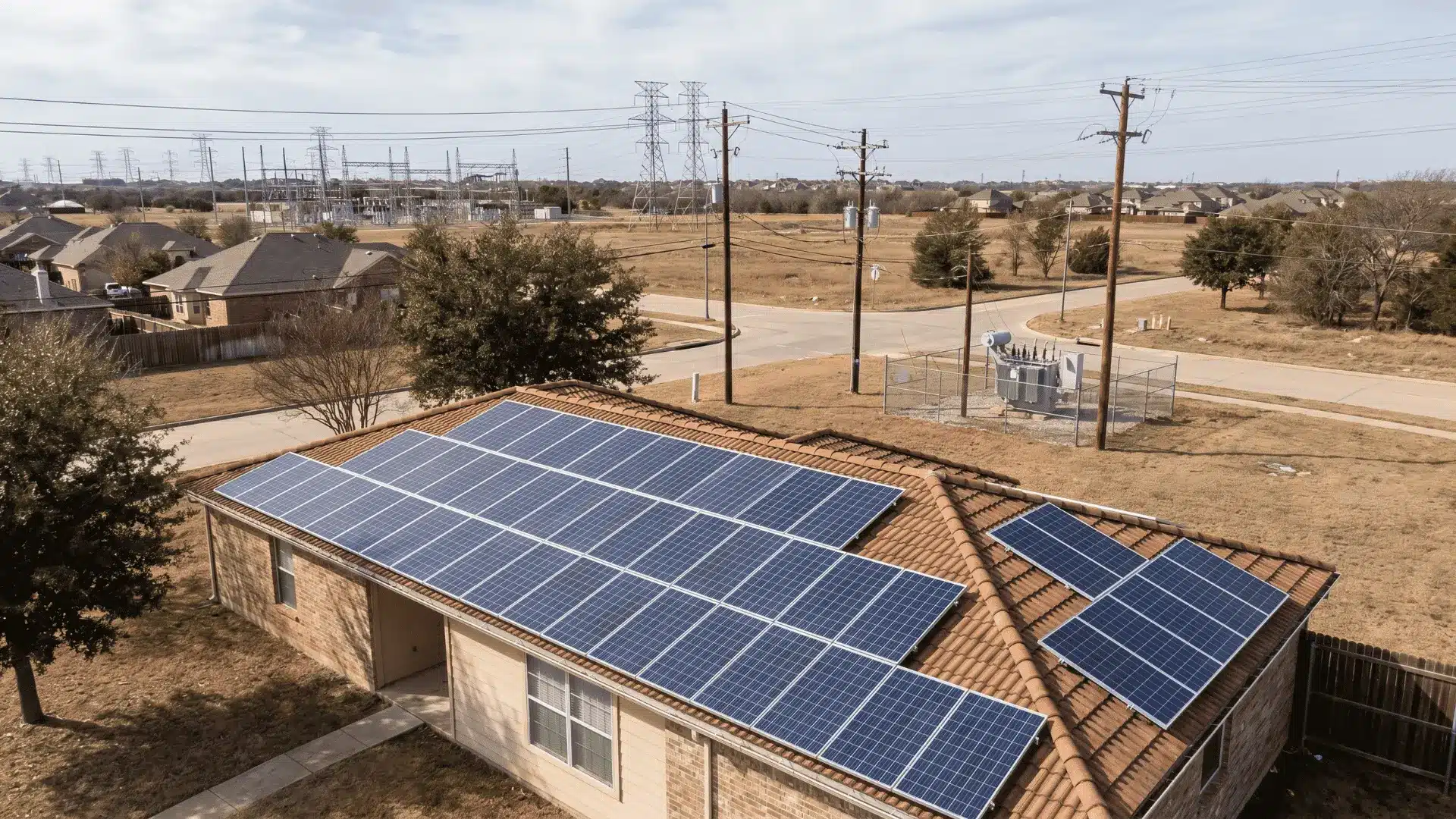

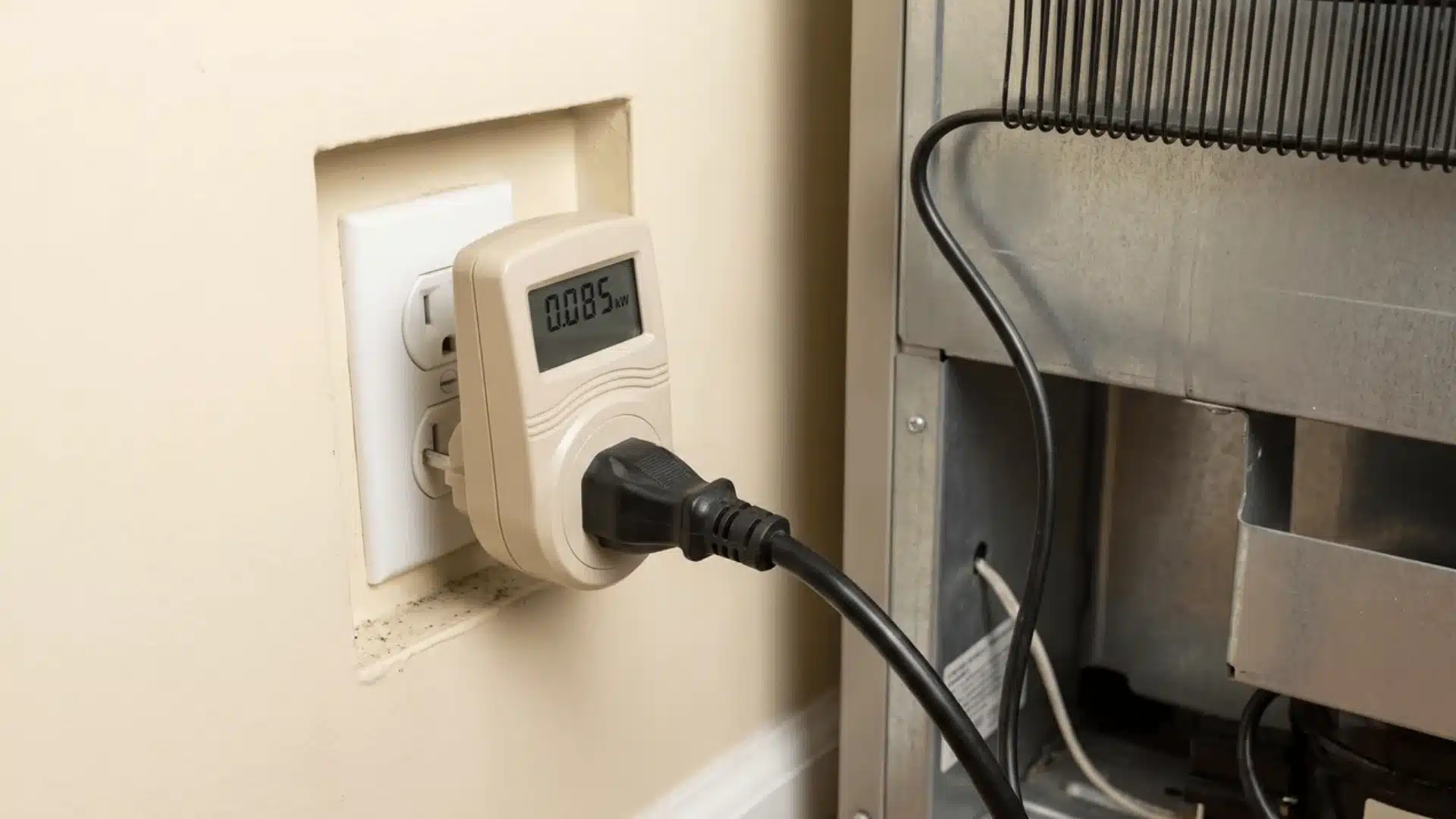
Solar panels can save Texas homeowners a lot of money. But whether they are worth it depends on more than just sunshine.
Two neighbors on the same street with the same panels can end up with very different results. One saves thousands of dollars. The other barely breaks even. The difference is not the weather. It is who their electricity company is and how much they pay back for extra solar energy.
Here is the simplest way to think about it. Solar panels cost money upfront. Over time, they cut your electricity bill. If the savings add up to more than what you paid, the panels were worth it. If they do not, they were not.
Are Solar Panels Worth It in Texas?
Most Texas homeowners pay between $25,000 and $35,000 for a solar system. The federal tax credit used to knock 30% off that price, but it expired for cash and loan purchases at the end of 2025.
If you buy your system outright today, you pay the full amount. The only way to still capture that 30% now is through a solar lease or power purchase agreement, where a third-party company owns the system and passes some of the savings on to you.
What Actually Drives Your Solar ROI in Texas
Solar ROI in Texas is determined by three things: which type of utility serves your home, how much electricity you currently consume, and what rate your provider pays for surplus power sent back to the grid.
Two homeowners with identical systems, identical roof angles, and identical sun exposure can end up with payback periods four years apart because one is served by Austin Energy and the other is on a deregulated retail plan.
The panels do not change. The financial outcome does, and it changes significantly. Getting clarity on these three variables before requesting a single quote is the most useful thing a Texas homeowner can do.
Deregulated Providers vs. Municipal Utilities: What Buyback Actually Pays You
Texas has no statewide net metering law. What your utility pays for excess solar energy depends entirely on who your provider is.
| Provider Type | How Excess Solar Is Paid | Key Examples | Impact on Returns |
|---|---|---|---|
| No statewide net metering | No fixed rule; compensation depends entirely on utility policy | Applies across most Texas markets | Creates wide variation in savings and payback periods |
| Municipal utilities | Structured buyback programs often close to retail rates | Austin Energy, CPS Energy | Stronger export credit, shorter payback timelines |
| Deregulated retail providers | Excess energy paid at avoided-cost wholesale rates | Most competitive retail providers | Lower export value, longer payback periods |
The difference between municipal and deregulated buyback structures is the single biggest driver of payback variation in Texas. It is the difference between a system that pays itself off in roughly 8 years and one that takes closer to 12.
In deregulated areas, the solar buyback plan you choose matters as much as the panels themselves.
How Your Monthly Bill Size Changes the Math
Your current electricity bill is one of the strongest signals of how well solar will perform for your home.
- Homes spending above $150 per month offset more grid power, improving savings per installed panel and accelerating payback.
- Homes with lower bills reduce the total electricity displaced, which slows the return on investment noticeably.
- Each kilowatt-hour your panels produce replaces higher-cost grid electricity, so the higher your consumption, the faster those savings compound.
Higher monthly usage means more expensive grid electricity gets replaced by power you generate yourself. That compounding effect is what pushes high-usage homes toward the stronger end of the savings range.
What the 8 to 12 Year Payback Range Actually Reflects
The 8 to 12 year payback window in Texas is not a vague industry average. It reflects two genuinely different household situations producing two genuinely different outcomes.
- Around 8 years applies to high-usage homes in municipal utility areas with structured export credit programs.
- Around 12 years typically reflects moderate-usage households under deregulated providers with lower buyback rates.
- The same equipment, installed on the same type of roof, in the same amount of sunshine, produces those different results purely because of utility structure and consumption levels.
Panel quality and installer choice matter at the margins. Utility structure and monthly consumption are what move the number by years, not months. Those are the two variables worth checking before anything else.
The Real Texas Solar Panels Cost After Incentives
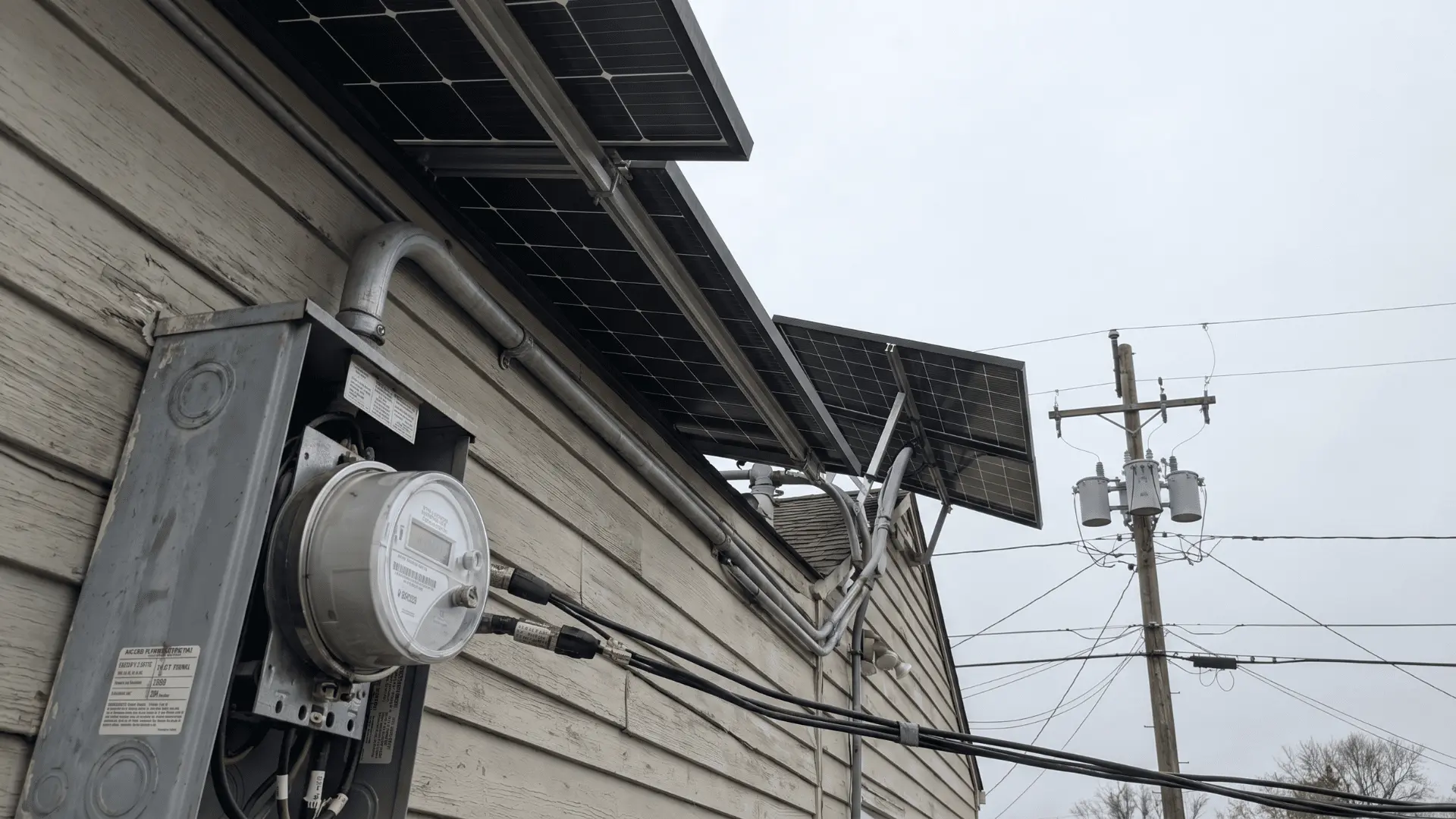
Solar costs in Texas are shaped less by panel prices and more by incentives, tax structure, and local utility programs that determine your final net investment.
One of the most common questions I’ve heard people ask is “how much are solar panels in Texas”, but the answer depends heavily on credits, rebates, and utility-specific policies rather than a fixed price.
| Factor | Details | Impact on Cost / Value |
|---|---|---|
| Pre-credit system cost | Around $36,000 for a typical residential solar installation | Baseline sticker price before incentives are applied |
| Post-30% federal tax credit | Typical net cost: $22,000–$26,000 depending on system size and tax situation | Major upfront cost reduction, but it depends on tax liability |
| Federal tax credit limitation | Credit reduces tax owed, not a cash rebate; the unused portion can be carried forward | Affects how quickly homeowners realize the full benefit |
| Property tax exemption | Added home value from solar is exempt from Texas property tax increases | Reduces long-term ownership cost impact |
| Local utility rebates | Available in select areas like Austin Energy and CPS Energy territories | Additional upfront savings were eligible |
| Non-rebate territories | Most deregulated areas rely mainly on federal credit only | Higher effective net cost compared to the rebate regions |
Solar costs in Texas are shaped by federal incentives, limited local rebates, and tax treatment rules that significantly alter final out-of-pocket investment levels depending on eligibility and location.
Grid Reliability Factor when Battery Storage Changes from Optional to Necessary
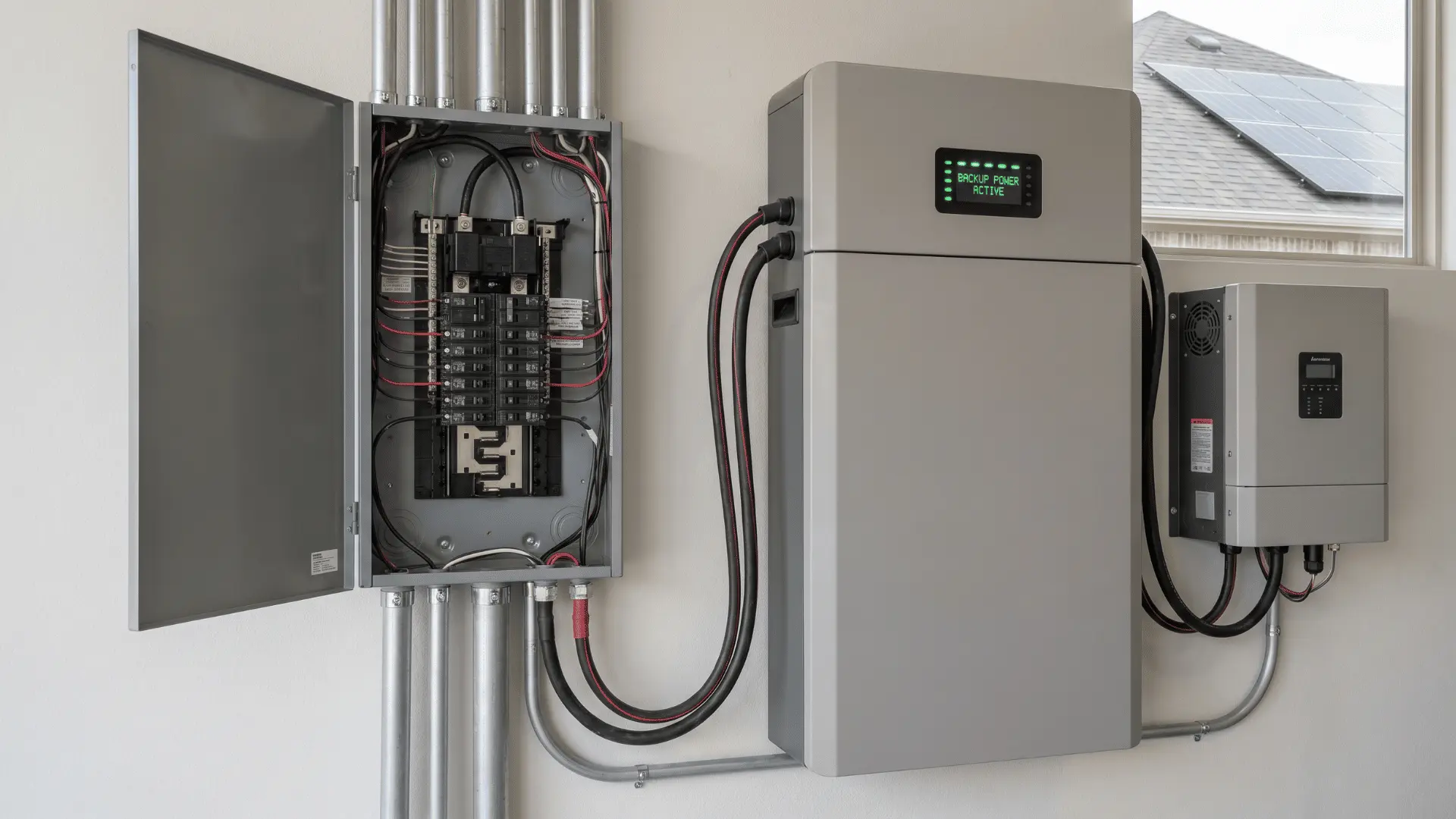
A standard grid-tied solar system in Texas shuts off during blackouts due to safety rules, meaning panels cannot power your home without a grid connection.
This happens because of anti-islanding protection, which prevents backfeed of electricity during outages to protect utility workers, leaving solar systems inactive when the grid fails.
Battery storage solves this by storing excess solar energy and allowing limited home power during outages, but it significantly increases upfront system costs.
Batteries add major expense and extend payback periods, so they should be evaluated separately from solar savings, especially in grid reliability-focused decisions.
Who Gets the Best Return and Who Should Wait
Solar returns in Texas depend on usage, utility structure, roof condition, and timing, separating high-return households from those better off delaying installation.
Strong Return Solar Profile in Texas
High consumption, favorable utility policies, solid roof condition, and full use of the tax credit combine to deliver the strongest solar payback outcomes in Texas.
- High-usage advantage: Monthly bills above $150 yield greater savings because more retail electricity is displaced by solar generation.
- Municipal utility benefit: Structured buyback programs improve export value, reducing payback time compared to deregulated providers.
- Roof condition advantage: Roofs under 10 years avoid mid-life replacement costs, keeping system performance uninterrupted across its full lifespan.
- Tax credit capacity: Sufficient federal tax liability allows full absorption of the 30% credit within a shorter financial window.
Homes that meet these conditions consistently fall within the most favorable solar payback range, with faster returns and fewer structural cost disruptions that affect long-term value.
When Solar Returns Weaken in Texas
Lower consumption and weak export pricing together reduce solar savings and significantly extend payback timelines for many Texas households.
- Low-bill limitation: Lower monthly usage reduces grid displacement, thereby cutting overall savings per installed panel.
- Deregulated provider impact: Weak buyback rates significantly reduce earnings from excess power sent back to the grid.
- Combined effect: Low usage plus poor export pricing pushes payback timelines beyond typical investment expectations.
When these weaker conditions combine, the solar still functions technically but delivers slower financial returns that often extend beyond the standard attractive payback window.
Roof Timing and Sale Considerations
Roof condition and planned home sale timeline directly affect total solar returns, often more than system size or panel efficiency in long-term ownership outcomes.
- Roof replacement timing: Installing solar on an aging roof increases future removal and reinstall costs.
- Cost impact: Reinstallation expenses can run several thousand dollars and reduce net long-term savings.
- Best sequencing: Replacing the roof first preserves system value and avoids mid-life disruption costs.
- Selling factor: Owned systems add resale value only when buyers are willing to pay for installed solar assets.
Roof condition and resale timing are often overlooked but materially influence total solar economics over the full ownership cycle in Texas homes.
Conclusion
Texas has strong solar potential, with abundant sunlight, real incentives, and meaningful returns for the right households under the right conditions.
But are solar panels worth it in Texas for your specific situation? It depends on your utility provider, export rates, electricity usage, and roof readiness.
When these factors align, the financial outcome is strong and predictable. When they don’t, payback timelines can extend far beyond typical expectations.
Start by checking your utility type and monthly electricity bill, since these two factors form the foundation for all other solar calculations.
Frequently Asked Questions
Why is my electric bill still high after installing solar panels?
Solar offsets what your panels produce, but usage patterns matter. Running high-draw appliances during evening hours, when panels aren’t generating, still pulls from the grid. If your system was sized to your average bill rather than your peak usage, summer cooling loads can exceed what it produces. Review your utility’s time-of-use rate structure, if applicable.
Does Texas have a statewide net metering law?
No. Texas does not mandate retail-rate net metering. Buyback terms vary by provider: municipal utilities like Austin Energy and CPS Energy offer structured programs, while most deregulated retail electric providers offer avoided-cost rates, which are significantly lower. Your ZIP code determines which situation applies to you.
Do solar panels increase home value in Texas?
Yes, and Texas law exempts that added value from property taxes so that you won’t pay higher taxes on a higher appraised home. However, buyer willingness to pay for a solar system depends on whether it’s owned outright or financed, leased systems, or loan-attached systems can complicate a sale.
What is the 20% rule for solar?
The 20% rule, a common installer guideline, suggests that solar makes economic sense when your system can offset at least 20% of your annual electricity costs. In practice, most Texas homeowners size systems to offset 80–100% of usage; the 20% figure appears in financing and sizing contexts, not as a viability threshold.