


Solar backup gear gets confusing fast, because the same words cover different products.
A phone charger that fits in your pocket and a battery that can run your fridge during an outage both get called solar power stations somewhere online.
I have spent years testing battery systems in the field, and the biggest mistake I still see is people paying for far more capacity than they will ever use.
Finding the best solar battery bank starts with knowing which category you are shopping in: a pocket-sized power bank, a portable charging station, or a full home battery system.
Below, I break down where each one fits, what it realistically costs to run, and how to match a unit to your actual power needs. Here is where to start.
What Does “Solar Battery Tank” Actually Mean?
A “solar battery bank” usually refers to a battery system that stores electricity produced by solar panels for later use.
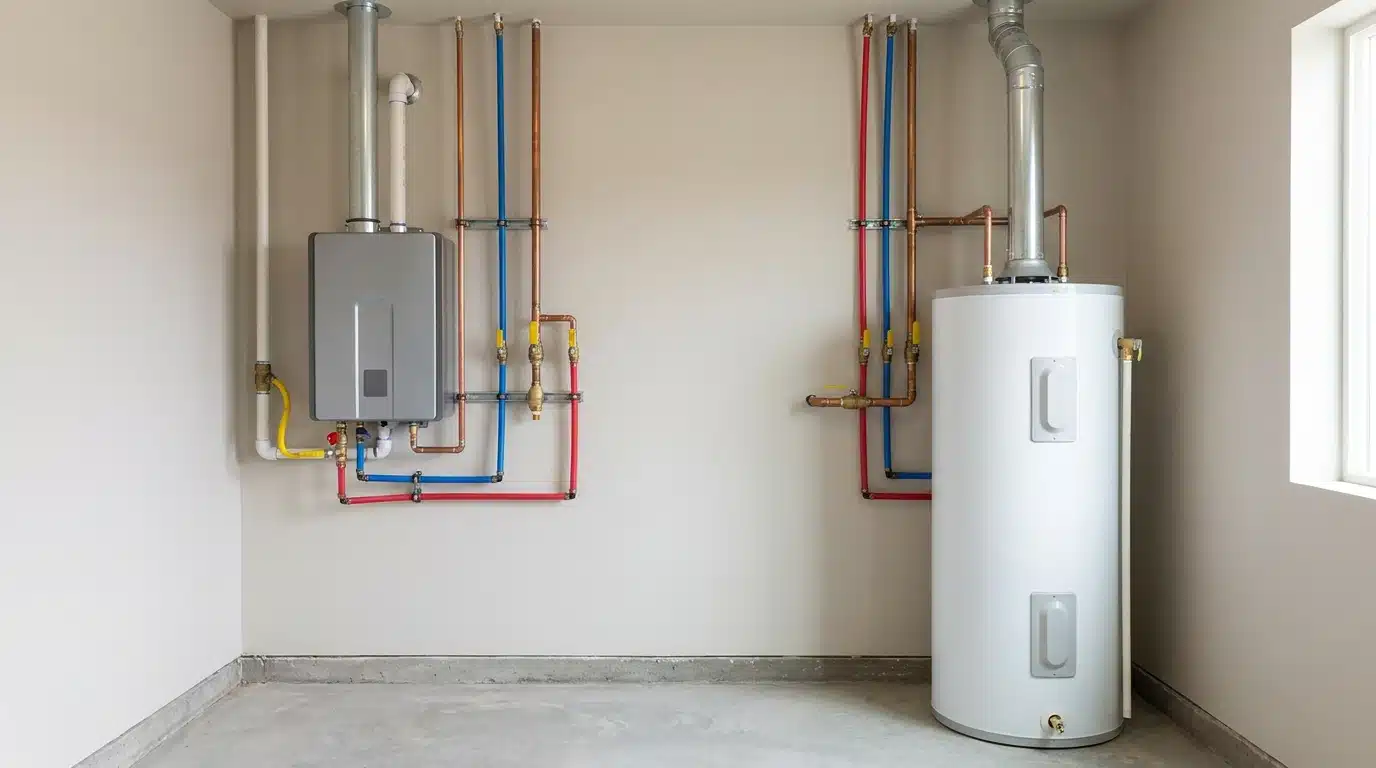
The term is sometimes confused with solar thermal tanks, which store heated water rather than electricity, or misheard online as a “battery tank,” so it helps to know which one you are actually shopping for.
For electrical storage, three main options matter:
- Solar power banks: Compact chargers designed for phones, tablets, and other small electronics.
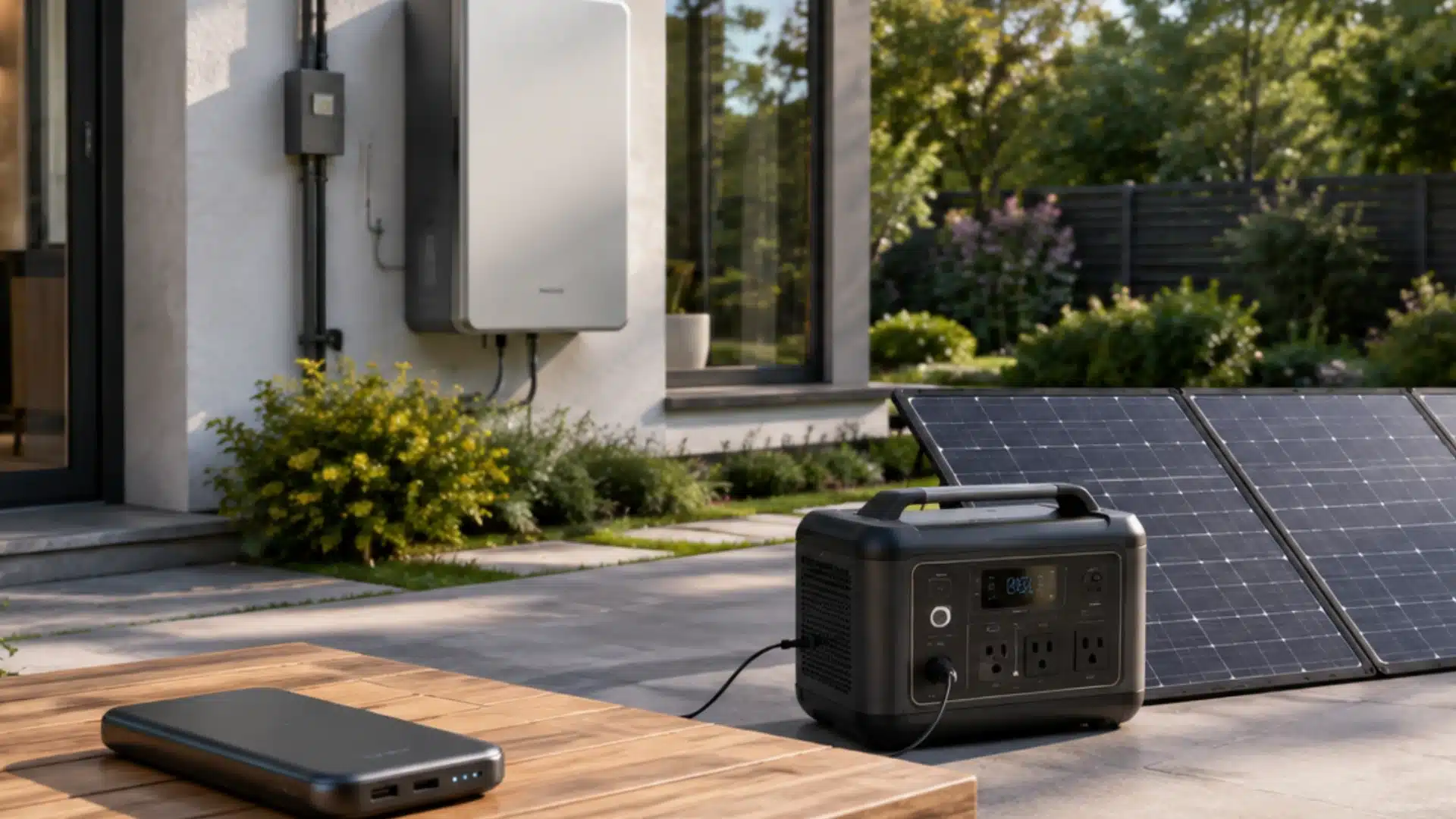
- Solar charging stations: Larger portable systems used for camping, RVs, appliances, and emergency backup.
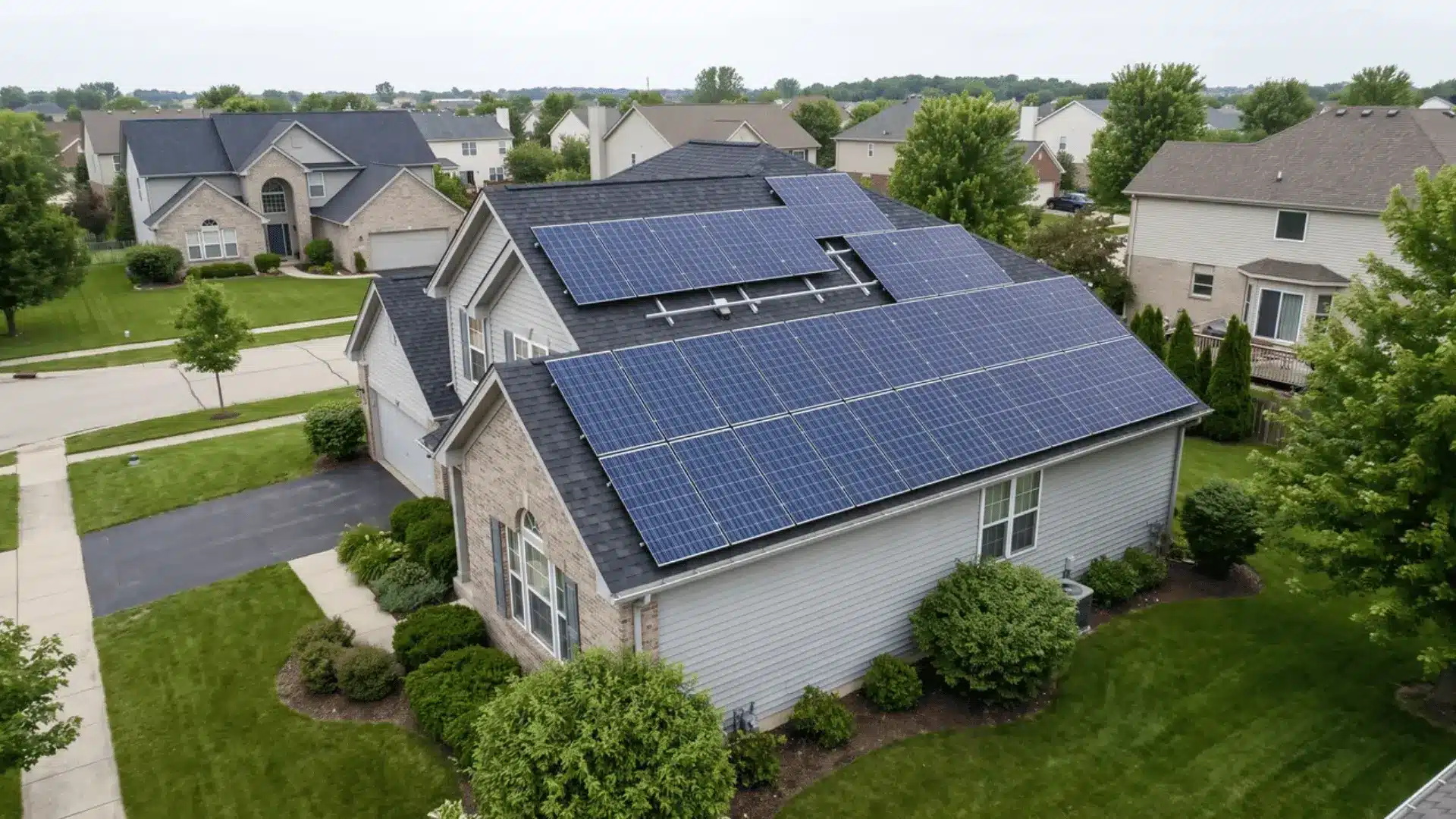
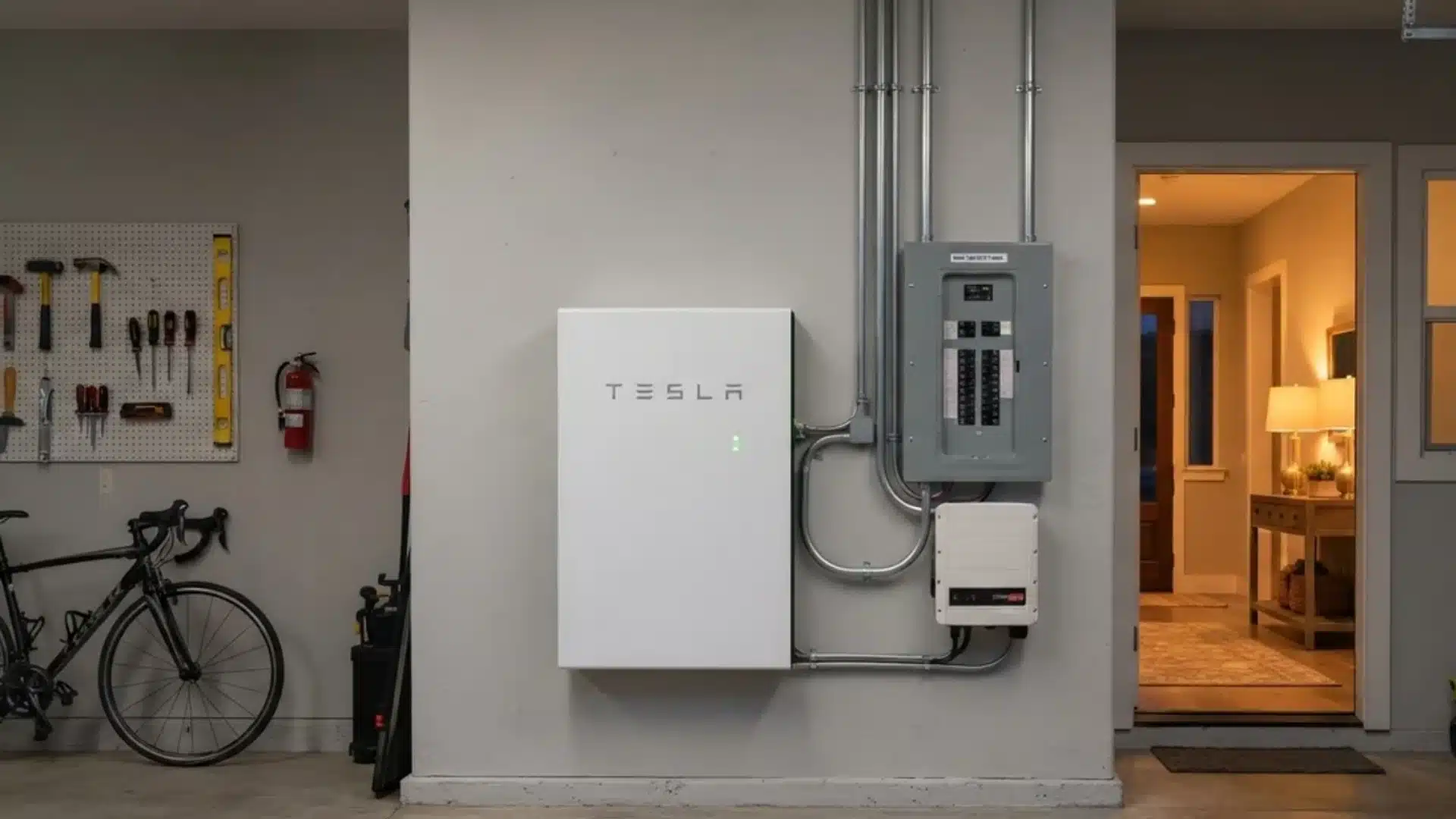
- Off-grid battery banks: High-capacity systems built to power cabins, homes, or larger electrical loads without relying on the grid.
The main difference comes down to scale and purpose.
Power banks handle small devices, charging stations support portable backup needs, and off-grid battery banks are built for much larger energy demands.
Which Solar Battery Storage Options Are Worth Buying?
The best solar battery storage options split into three groups: compact power banks for small electronics, portable stations for camping and short outages, and larger off-grid battery banks for home backup.
The picks below span all three so you can match one to what you actually need to power.
1. Anker SOLIX C1000 Gen 2
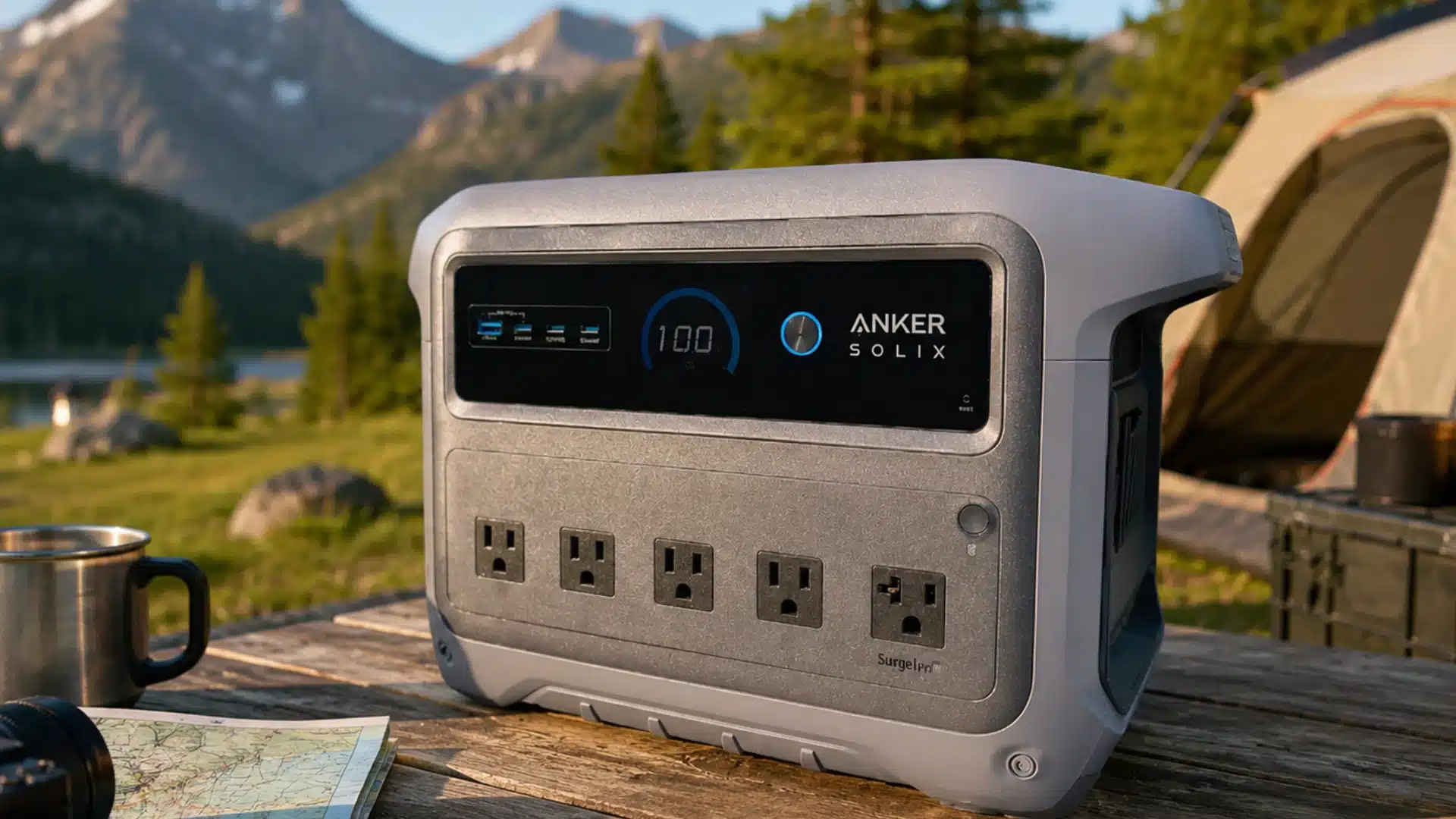
Anker SOLIX C1000 Gen 2 costs about $529, pairing 1,024Wh capacity with 2,000W output for camping, outages, and appliance backup.
Its compact size and strong inverter make it a practical middle-ground choice, though buyers who need to run something bigger than a fridge or a space heater will outgrow its output fast.
2. Goal Zero Nomad 5 + Flip 12 Solar Kit
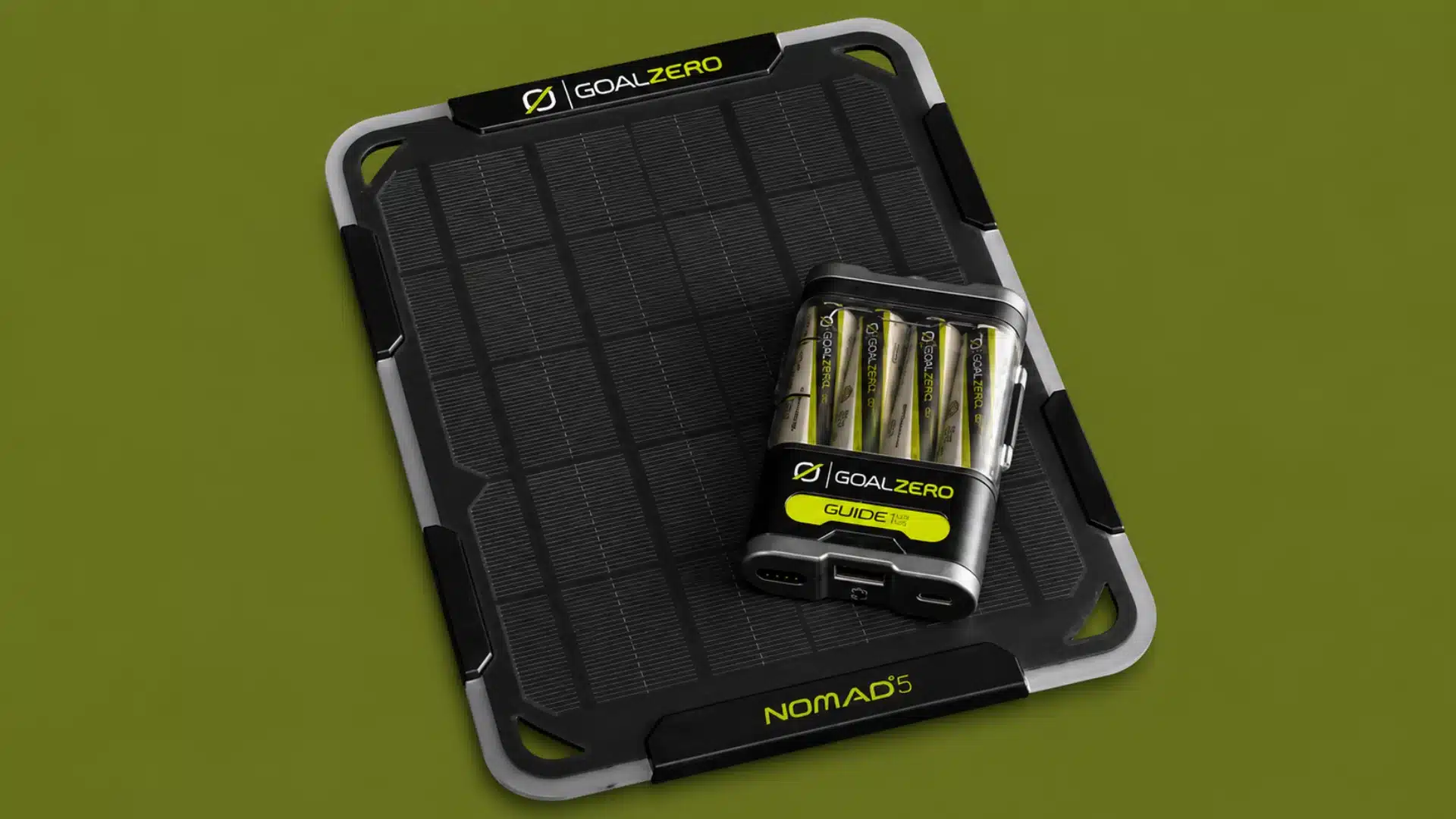
Goal Zero’s Nomad 5 and Flip 12 kit costs about $60 and combines a 12.06Wh battery with a compact 5W solar panel.
It handles phones, GPS units, and other lightweight travel gear well, but the tiny panel means solar recharging alone can take the better part of a day, so charging it by USB before a trip is the realistic plan.
3. EcoFlow DELTA Pro 3
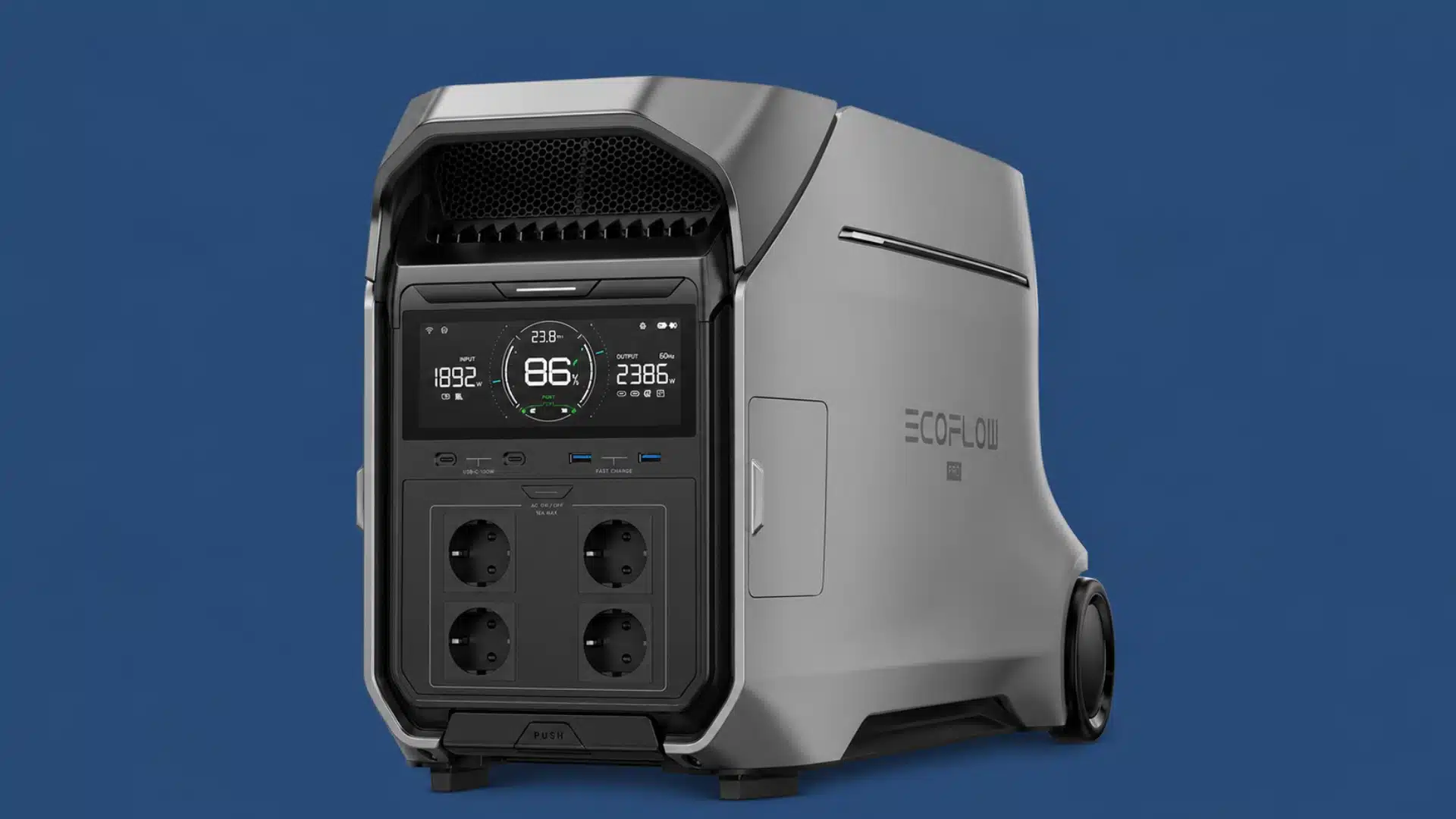
The EcoFlow DELTA Pro 3 sells around $2,799 and offers 4,096Wh capacity, 4,000W output, and expansion options that reach 48kWh for home backup.
Its high output suits refrigerators, pumps, and larger appliances, while expandable storage gives homeowners room to increase backup duration later
The base unit is heavy enough that itis meant to stay in one spot rather than travel with you.
4. Anker SOLIX F3800
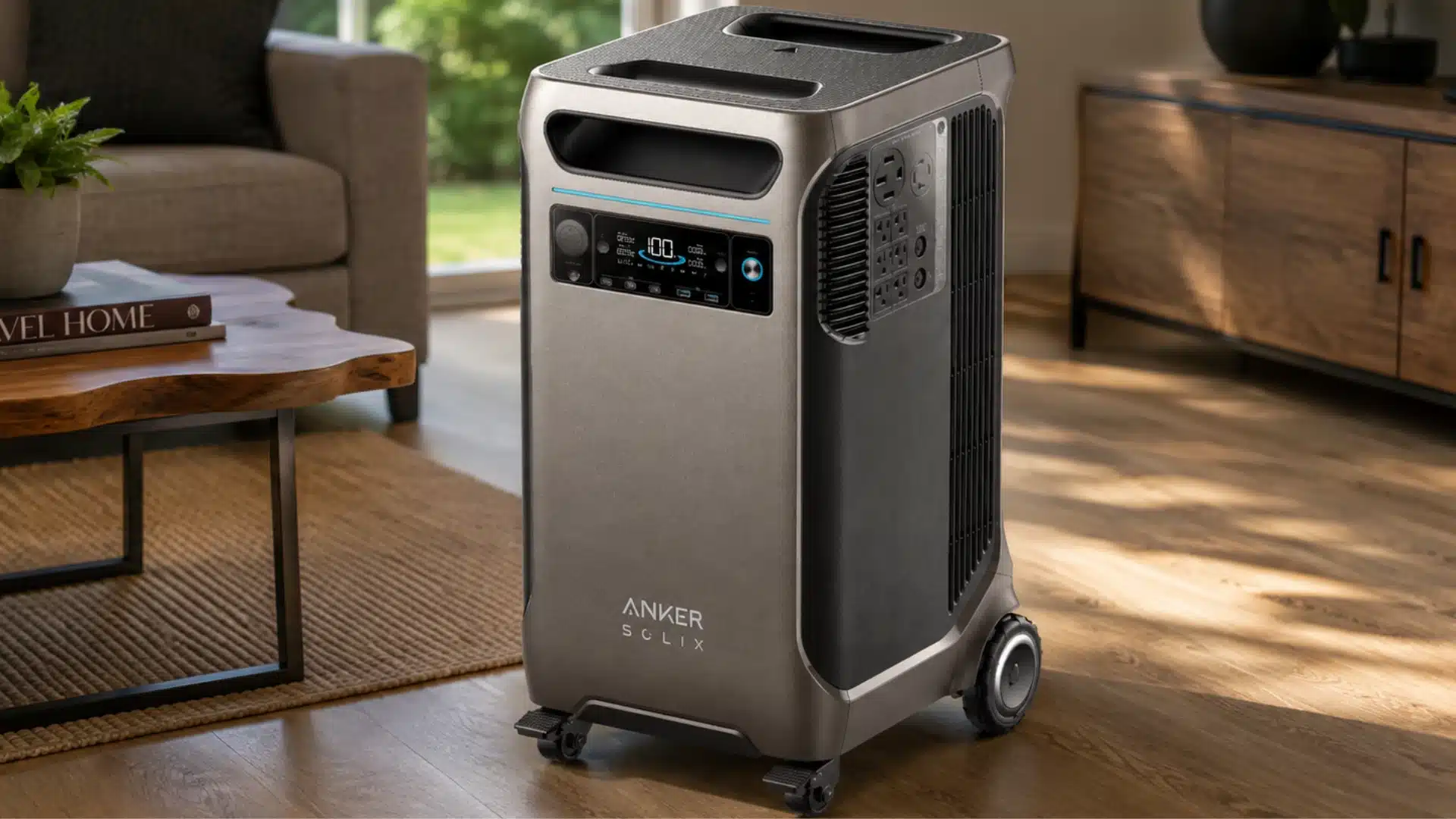
Anker SOLIX F3800 commonly lists near $3,999, delivering 3,840Wh capacity and 6,000W output for demanding appliances and larger backup setups.
It also supports expansion batteries and home integration accessories, making it better suited to serious backup needs than occasional camping, and its price puts it well outside casual buyer territory.
5. BLUETTI Apex 300
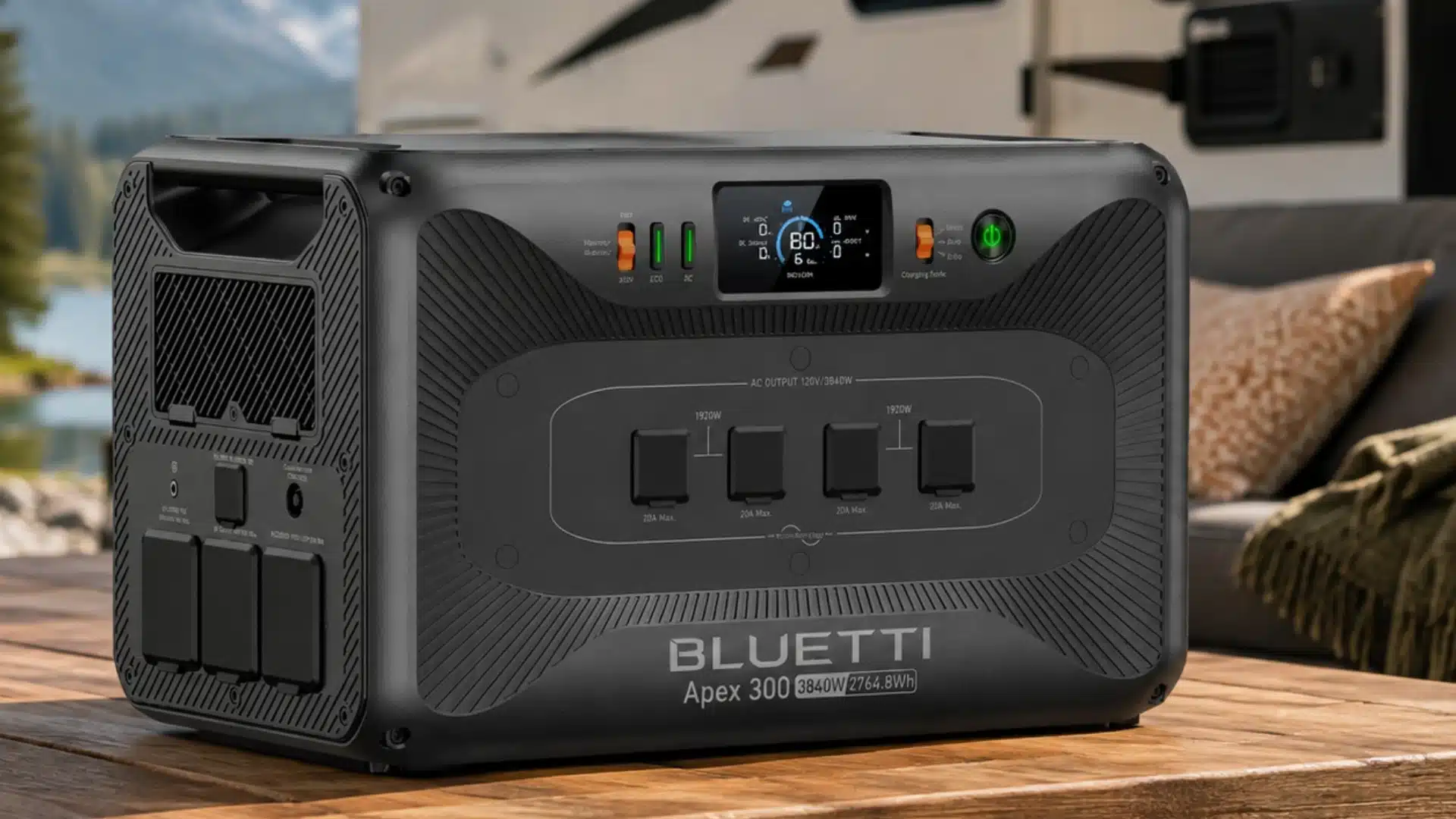
BLUETTI Apex 300 starts around $1,699, combining 2,764.8Wh capacity with 3,840W output and expandable batteries for home, RV, or off-grid use.
Its strong output and modular design provide more flexibility than smaller stations, especially when longer runtime or heavier appliances matter, though the modular batteries add real cost on top of the base price.
6. Jackery Solar Generator 300 v2
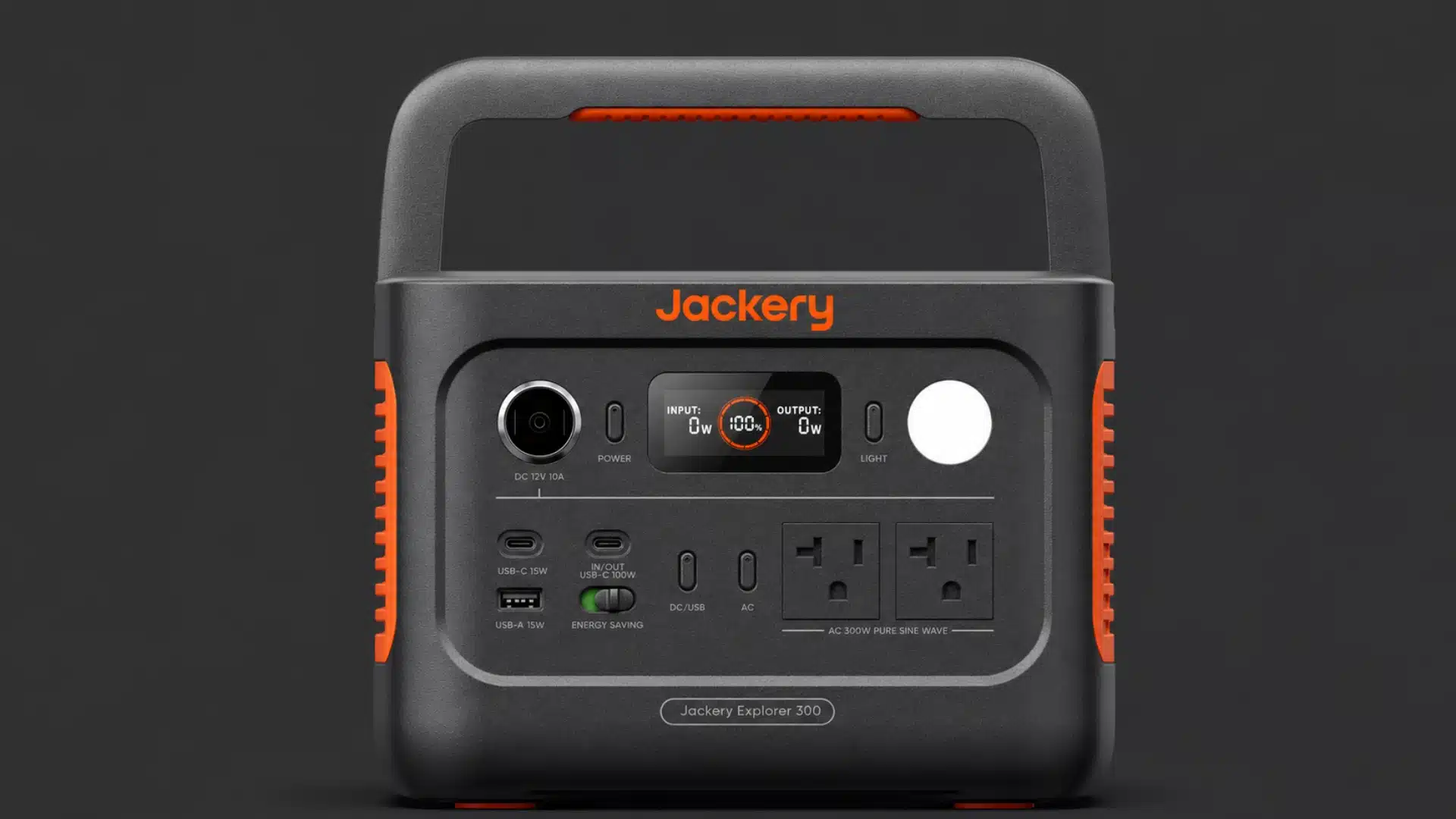
At about $359, the Jackery Solar Generator 300 v2 pairs a 288Wh battery with a 300W output, enough for phones, laptops, lights, and basic camping gear.
Its smaller battery limits appliance runtime, but the lightweight design and simple controls make it approachable for first-time solar backup buyers who do not want to think too hard about specs.
7. EG4 WallMount 314Ah All Weather Battery
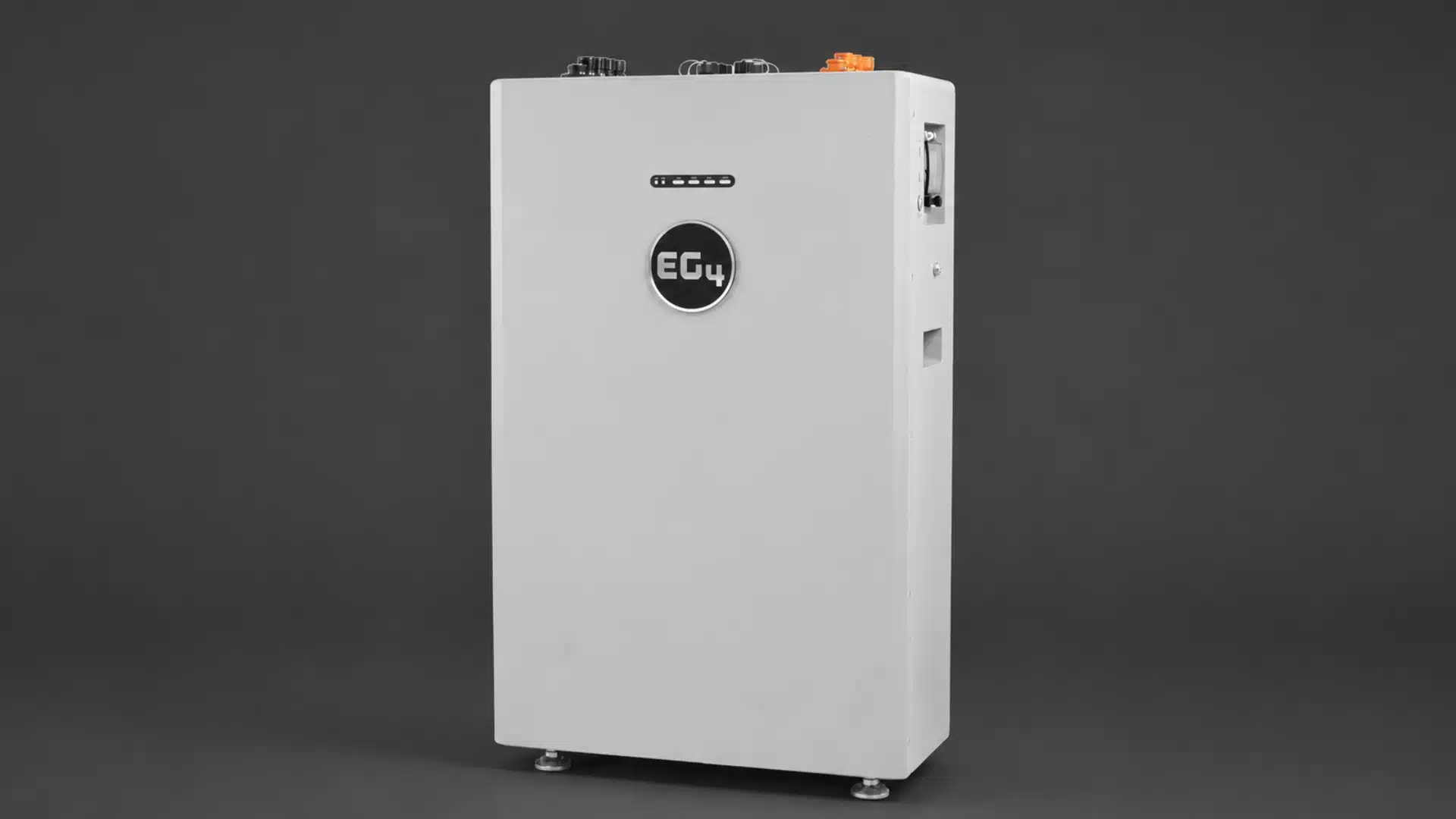
The EG4 WallMount 314Ah All Weather Battery offers 16kWh of storage and up to 10.2kW of discharge power, with retailer pricing varying by installation.
Its IP67 enclosure, 314Ah capacity, and modular design make it better for fixed whole-home or off-grid systems than portable applications, and it generally requires a professional install rather than a plug-and-play setup.
8. Discover HELIOS ESS 52-48-16000
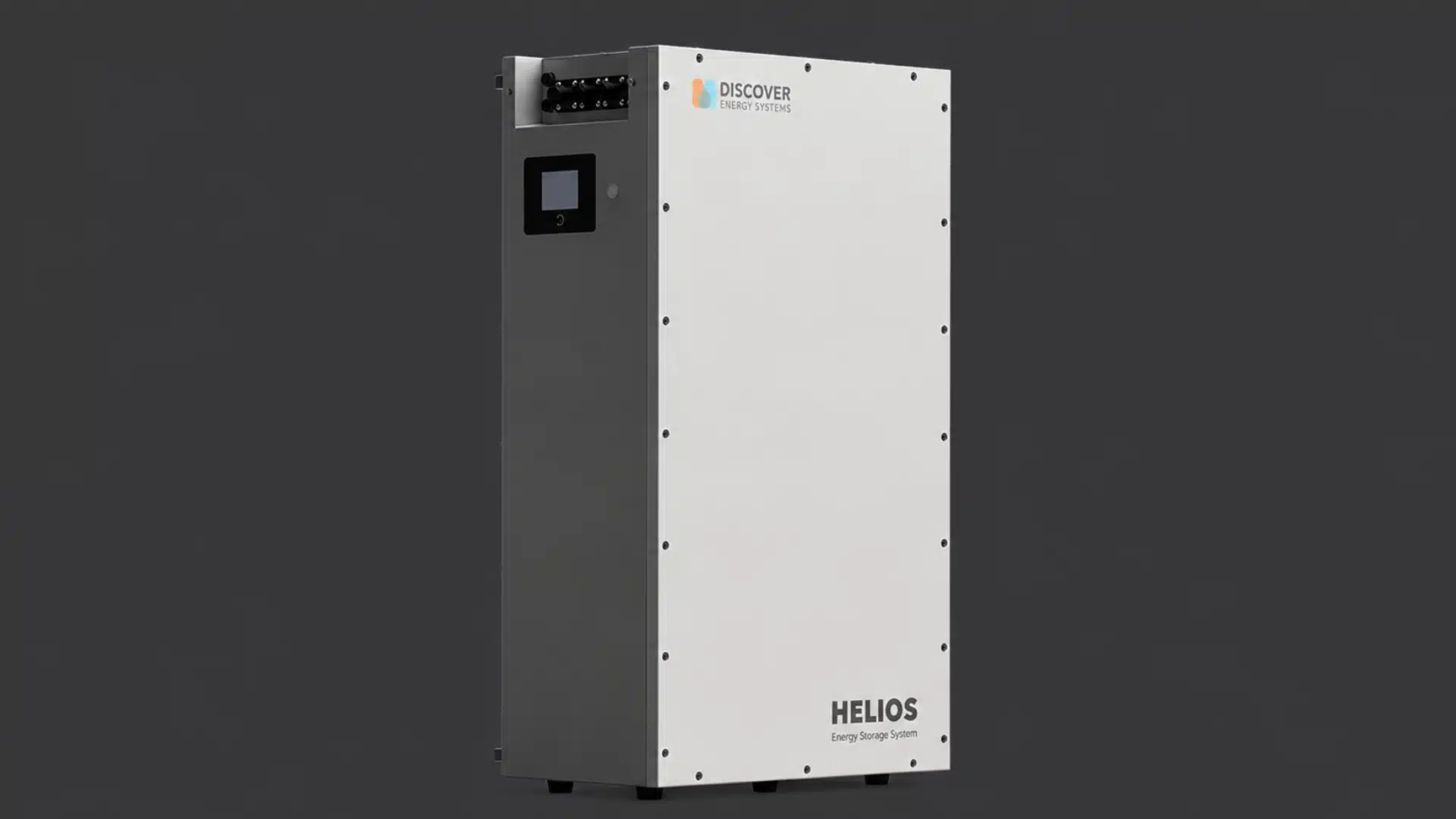
Discover HELIOS ESS 52-48-16000 provides roughly 16kWh of storage for off-grid and residential systems, with pricing depending heavily on installer and configuration.
Its server-rack format and high-current discharge capability suit permanent energy systems where durability, integration, and substantial stored capacity matter most.
Though that also means it is not something you price shop the way you would a portable station.
9. SRNE EOS15B
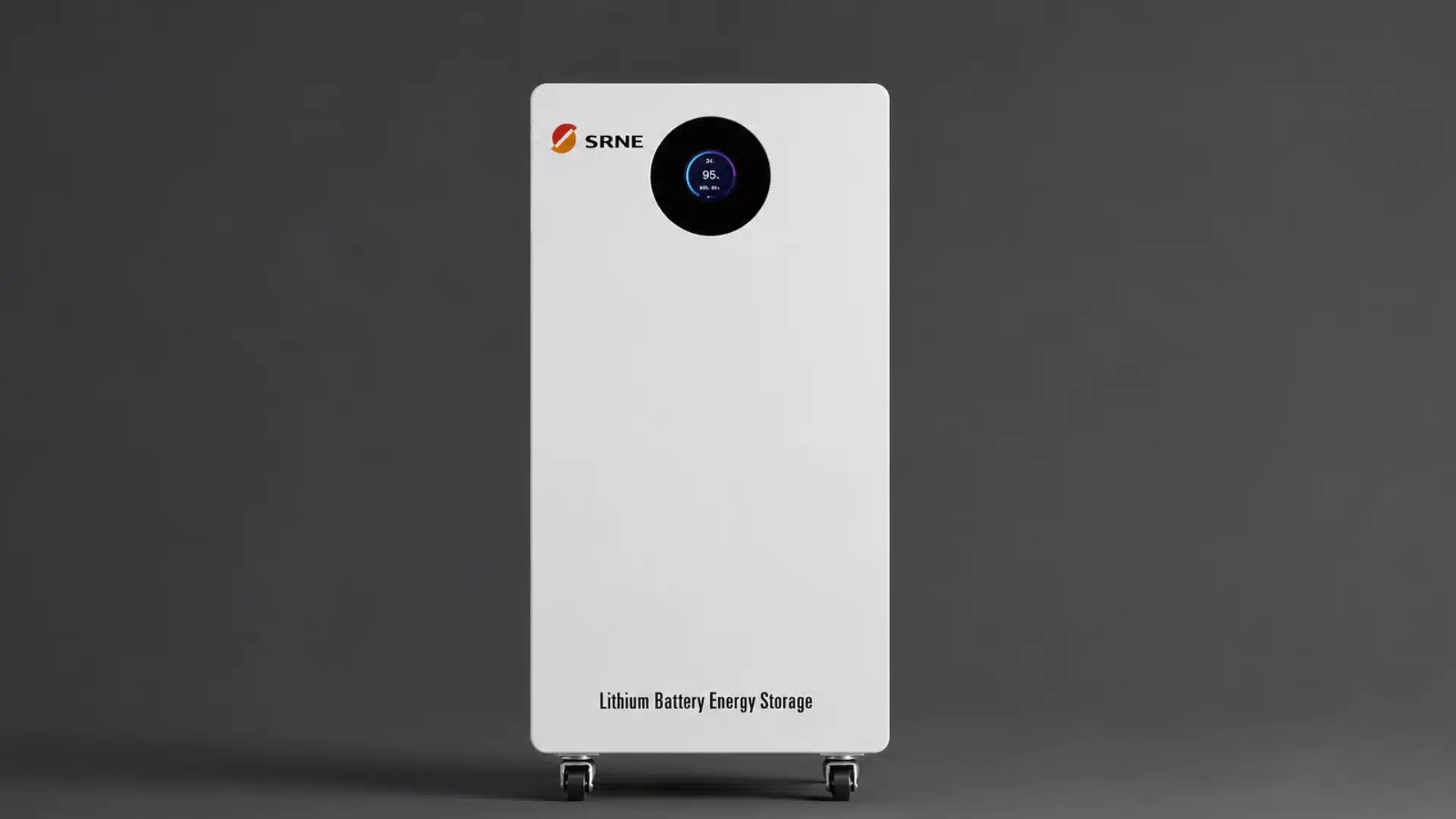
SRNE EOS15B costs about $2,899, supplying 16.07kWh capacity and up to 10.24kW charge or discharge power from a 51.2V LFP battery.
It offers strong value for larger off-grid systems, especially when buyers want substantial capacity without moving into premium-priced residential storage hardware.
It is a less established name than some of the bigger battery brands on this list.
10. Goal Zero Yeti 1500
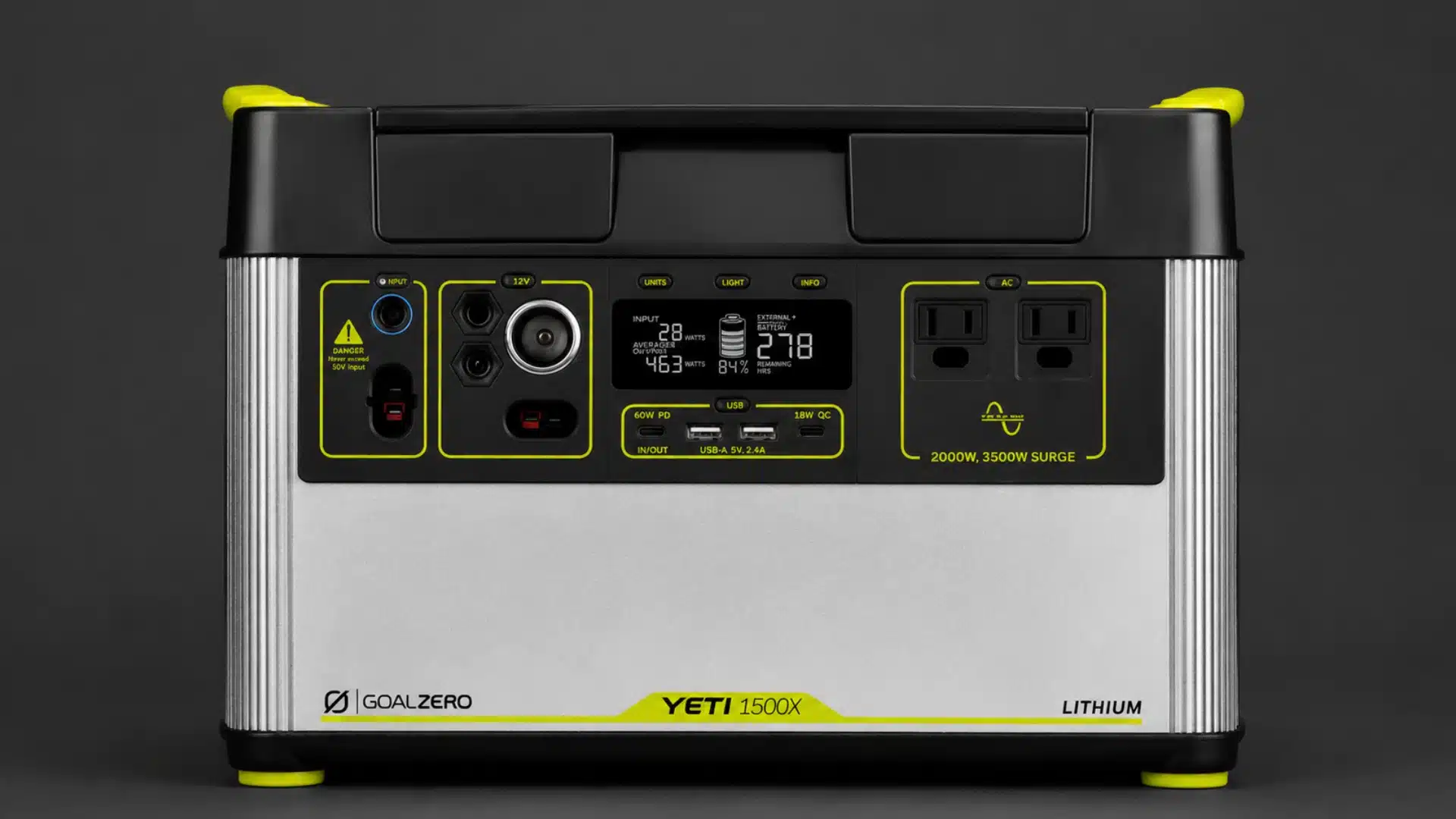
Goal Zero Yeti 1500 costs about $1,500, combining 1,505Wh capacity with 2,000W AC output for camping, emergencies, and moderate appliance backup.
Its 900W solar input and weather-resistant design appeal to users who need faster recharging and greater outdoor durability, though it sits at a higher price than other stations with similar capacity.
11. Jackery Solar Generator 1000 v2
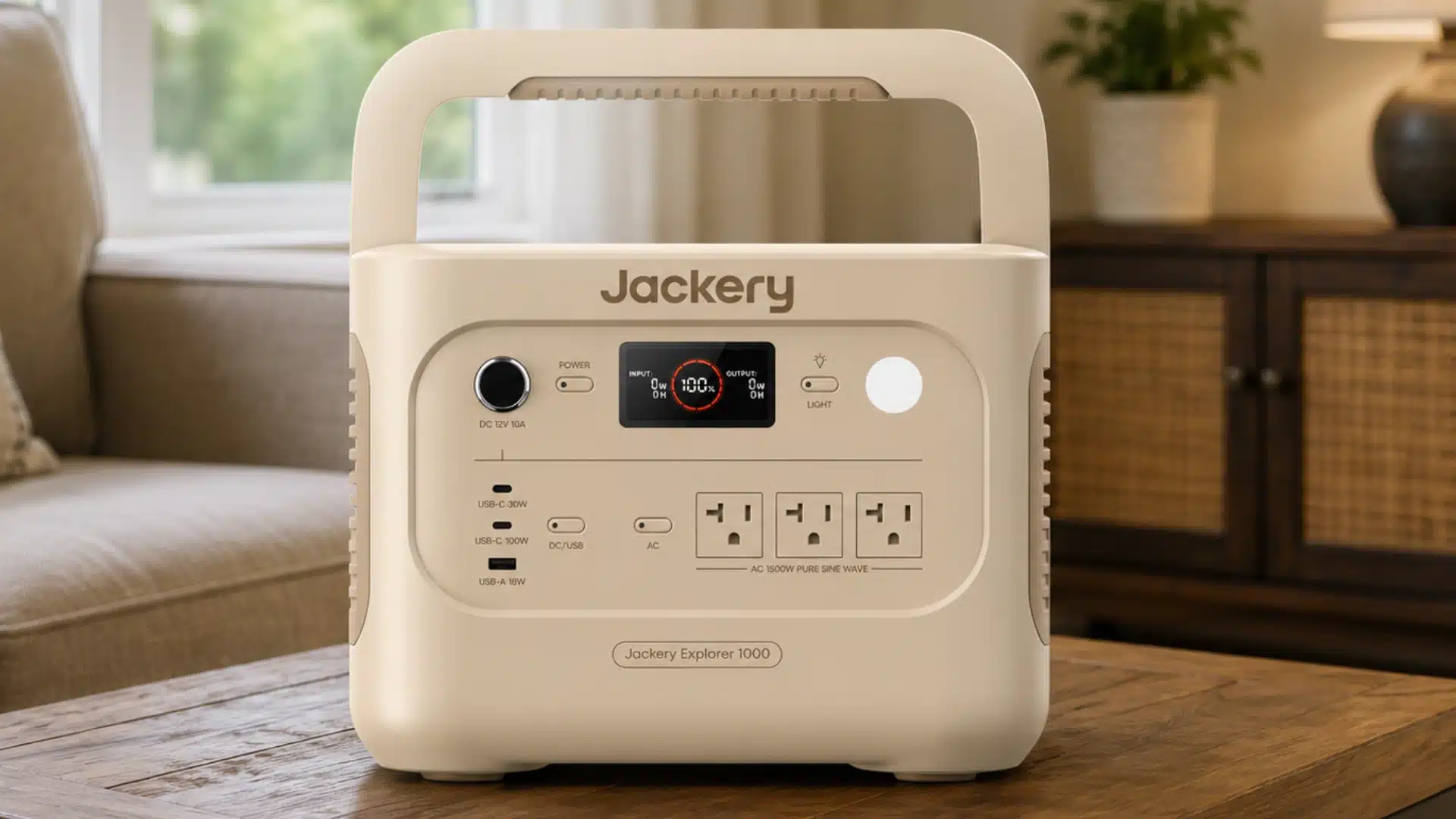
Jackery Solar Generator 1000 v2 offers 1,070Wh capacity and 1,500W output, with current kit pricing varying based on included solar panels.
It works well for camping, RV use, and shorter outages where buyers need more capacity than entry-level stations without excessive weight.
These options span very different use cases, so the best choice depends on whether you need device charging, portable backup, or permanent storage.
How Do These Solar Battery Options Actually Differ?
Solar battery options differ mainly in storage capacity, power output, charging setup, and battery chemistry, which directly affect performance and suitable applications.
| Factor | Solar Power Bank | Portable Power Station | Off-Grid Battery Bank |
|---|---|---|---|
| Capacity | Usually under 50Wh | Roughly 500Wh to 3,800Wh | Often 5,000Wh to 16,000Wh+ |
| Output | Best for phones and small electronics | Handles laptops, refrigerators, and small appliances | Supports larger household loads and circuits |
| Solar charging | Small built-in panel | Larger external solar panels | Dedicated rooftop or ground-mounted solar array |
| Recharge speed | Often very slow in direct sunlight | Commonly several hours with suitable panels | Depends on array size, battery capacity, and system design |
| Portability | Highly portable and lightweight | Portable, but noticeably heavier | Permanently or semi-permanently installed |
| Battery chemistry | Varies by model | LiFePO4 is increasingly common | LiFePO4 is common in modern systems |
| Best use | Travel and emergency device charging | Camping, RVs, and short home outages | Whole-home backup and off-grid living |
LiFePO4 chemistry, the type used in most of the higher-end stations and battery banks above, is generally built for a long service life.
If you want a chemistry-by-chemistry look at how it stacks up against older lead-acid options, our AGM versus flooded comparison walks through that in more detail.
The right category depends less on brand and more on how much energy you need, how quickly you recharge, and where it operates.
When Should You Choose a Solar Power Bank?
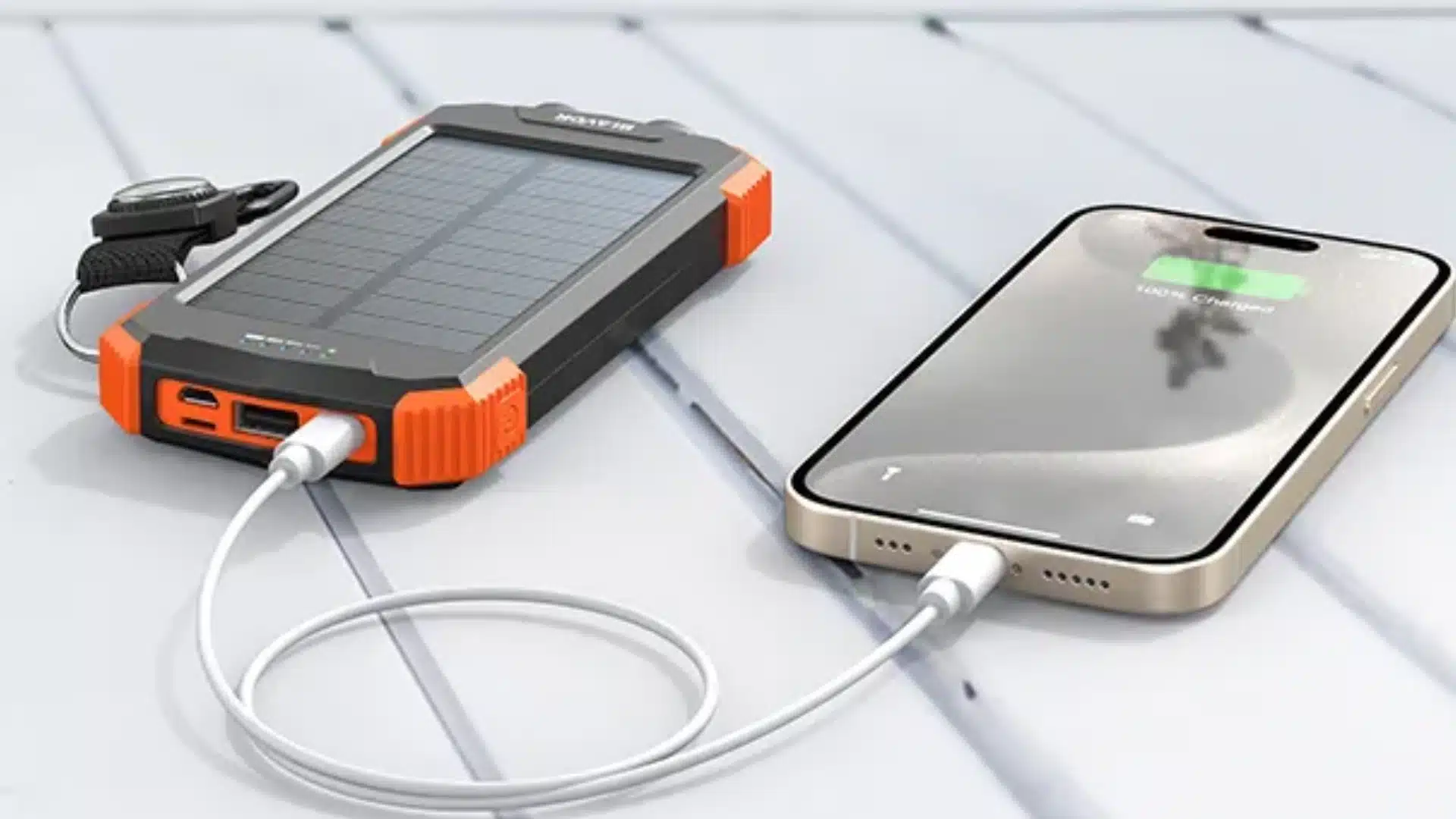
A solar power bank works best for lightweight charging when portability, convenience, and emergency access to power matter more than large battery capacity.
- Phone charging: A compact solar power bank can keep smartphones powered during hikes, travel, festivals, or short periods without access to outlets.
- Small electronics: Earbuds, smartwatches, cameras, GPS units, and similar devices usually require little energy, so a power bank is often enough for daily charging.
- Backpacking and hiking: Lightweight models fit easily in a backpack and avoid the added weight of larger portable power stations.
- Emergency backup: Built-in solar panels can provide limited emergency charging when wall outlets are unavailable, although solar replenishment may take considerable time.
- Short trips: Power banks work well for day trips or weekends when you only need to recharge a few small devices.
- Limited power needs: Choose another storage option if you need to run refrigerators, appliances, medical equipment, or other devices requiring sustained high output.
For small electronics and occasional outdoor use, a solar power bank provides a practical balance of portability, simple charging, and adequate everyday capacity.
When Does a Solar Charging Station Make More Sense?
A solar charging station is better suited to situations where phones are only part of what you need to power. These larger systems can support laptops, lights, refrigerators, CPAP machines, televisions, and other appliances.
Unlike small power banks, most stations connect to separate solar panels with much higher wattage. This allows considerably faster solar recharging when sunlight and panel placement are suitable.
Capacity commonly ranges from several hundred watt-hours to multiple kilowatt-hours, while stronger models can deliver enough output for demanding household equipment.
A solar charging station makes sense for camping, RV trips, emergency backup, and shorter outages.
For a closer look at how these stack up against fixed home battery setups, our solar generator reviews compare more models side by side.
For extended whole-home or off-grid use, expandable battery systems usually provide greater capacity and flexibility.
How to Choose the Right Solar Battery for Your Needs?
Choosing the right solar battery means balancing capacity, output, portability, charging options, and future expansion against the devices you actually plan to power.
- Calculate your energy needs: Add the wattage of essential devices, then multiply by expected runtime to estimate the battery capacity you will realistically need. If you are sizing for something like a fridge, our refrigerator wattage guide is a good place to start.
- Check maximum output: Make sure the battery can handle the combined wattage of appliances running together, especially refrigerators, pumps, heaters, or cooking equipment.
- Consider solar input: Higher solar input allows faster daytime recharging when paired with suitable panels, which matters during camping trips or extended outages.
- Match portability to use: Lightweight batteries suit travel and outdoor activities, while larger stationary systems make more sense for home backup and off-grid setups.
- Look at battery chemistry: LiFePO4 batteries generally offer long cycle life , often rated for well over 4,000 charge cycles, and suit frequent charging, making them practical for regularly used backup systems.
- Plan for expansion: Choose an expandable system if your future plans include more solar panels, additional appliances, longer backup periods, or increased household demand.
Focusing on these factors helps you avoid oversized systems, insufficient output, and unnecessary spending while selecting a battery that matches your actual requirements.
Conclusion
Choosing the right solar storage gets easier once you focus on what you need to power, how long you need backup, and where the battery will be used.
For everyday charging, the best solar battery bank may be a compact solar power bank.
For camping, RV trips, or outages, a solar charging station usually offers the better balance of capacity, output, and portability.
Start with your wattage needs before comparing price or expansion options. That keeps you from paying for unused capacity or ending up with a system that falls short.
Which setup are you considering for your home, travel, or off-grid use? Share your needs in the comments, and let us know which battery you would choose.
Frequently Asked Questions
Which Brand of Solar Battery is the Best?
No single brand wins across every category. EcoFlow and Anker Solix lead in portable stations with strong capacity and fast recharge. EG4 and Discover suit off-grid setups needing serious storage. Goal Zero remains a reliable pick for small power banks. Match the brand to what you are actually powering first.
Is It Worth Getting Battery Storage With Solar?
It is worth it if it matches how you actually plan to use power. Pairing solar panels with battery storage extends what you can run once the sun goes down, which matters for home backup, off-grid living, or longer camping trips. For occasional phone charging on a weekend trip, a simple power bank covers it.
How Many Solar Panels Do I Need to Charge My Battery Bank?
It depends on your battery capacity and how fast you want it charged. Most portable power stations pair well with 100 to 400 watt external panels, which typically recharge them in about one and a half to six hours of good sun. Larger off-grid battery banks often need several panels working together to charge at a reasonable pace.
Are Solar Charging Power Banks Worth It?
For lightweight travel or emergencies, yes. They give you backup charging without needing an outlet nearby. Their built-in solar panels are small and slow, sometimes taking a full day or more of direct sun to fully charge. Most people top them off through USB ahead of a trip and treat solar as the backup plan.