


Picking a solar generator sounds simple until you start comparing watt-hours, output, charging limits, and weight.
I know how quickly those numbers can blur together when you just want dependable power that fits your needs. These solar generator reviews focus on six models for camping, RV use, short outages, and larger home backup jobs.
I compare battery capacity, inverter output, solar input, portability, and practical use so you can see where each option fits.
You can also learn how to estimate runtime, choose the right size, compare solar and gas generators, and spot the features that matter before buying. That makes it easier to spend wisely and avoid paying for power you may never use.
Best Solar Generators for Home and Camping
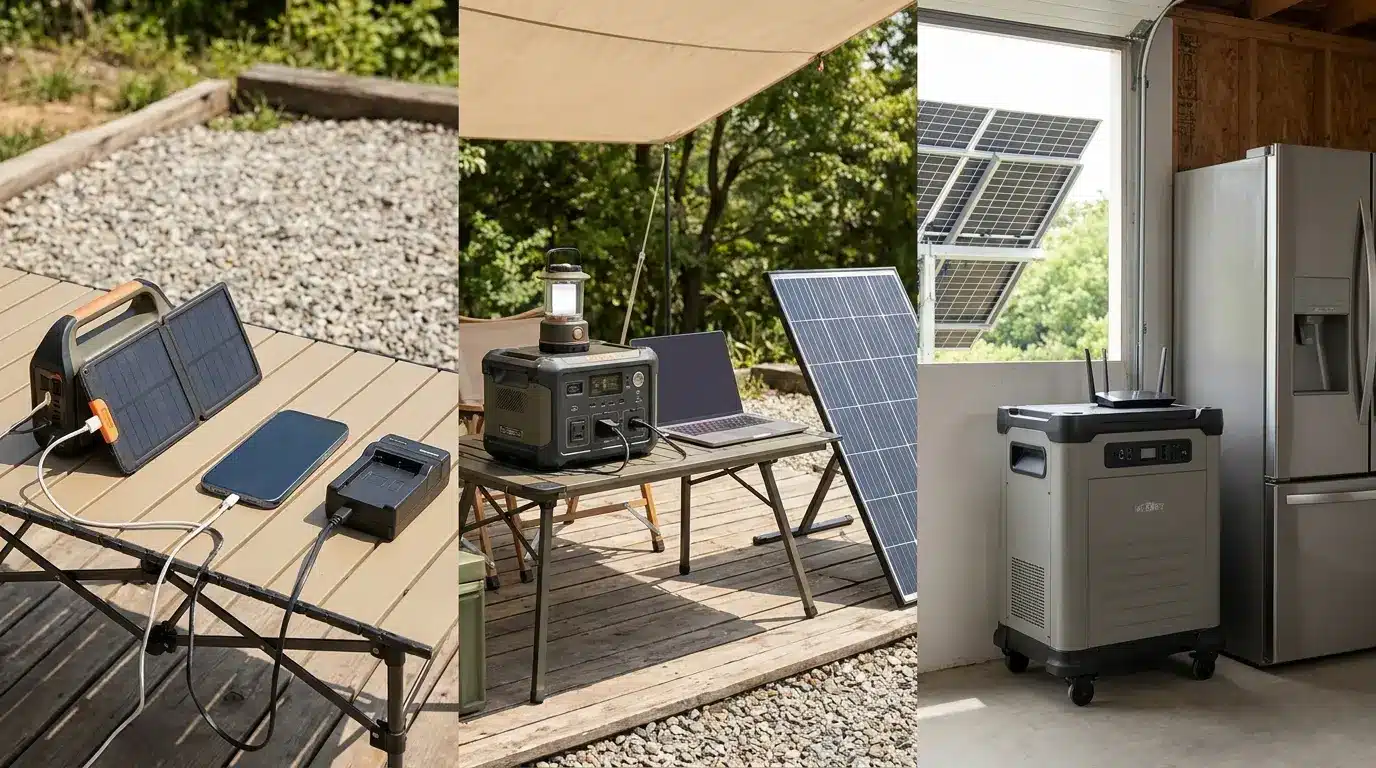
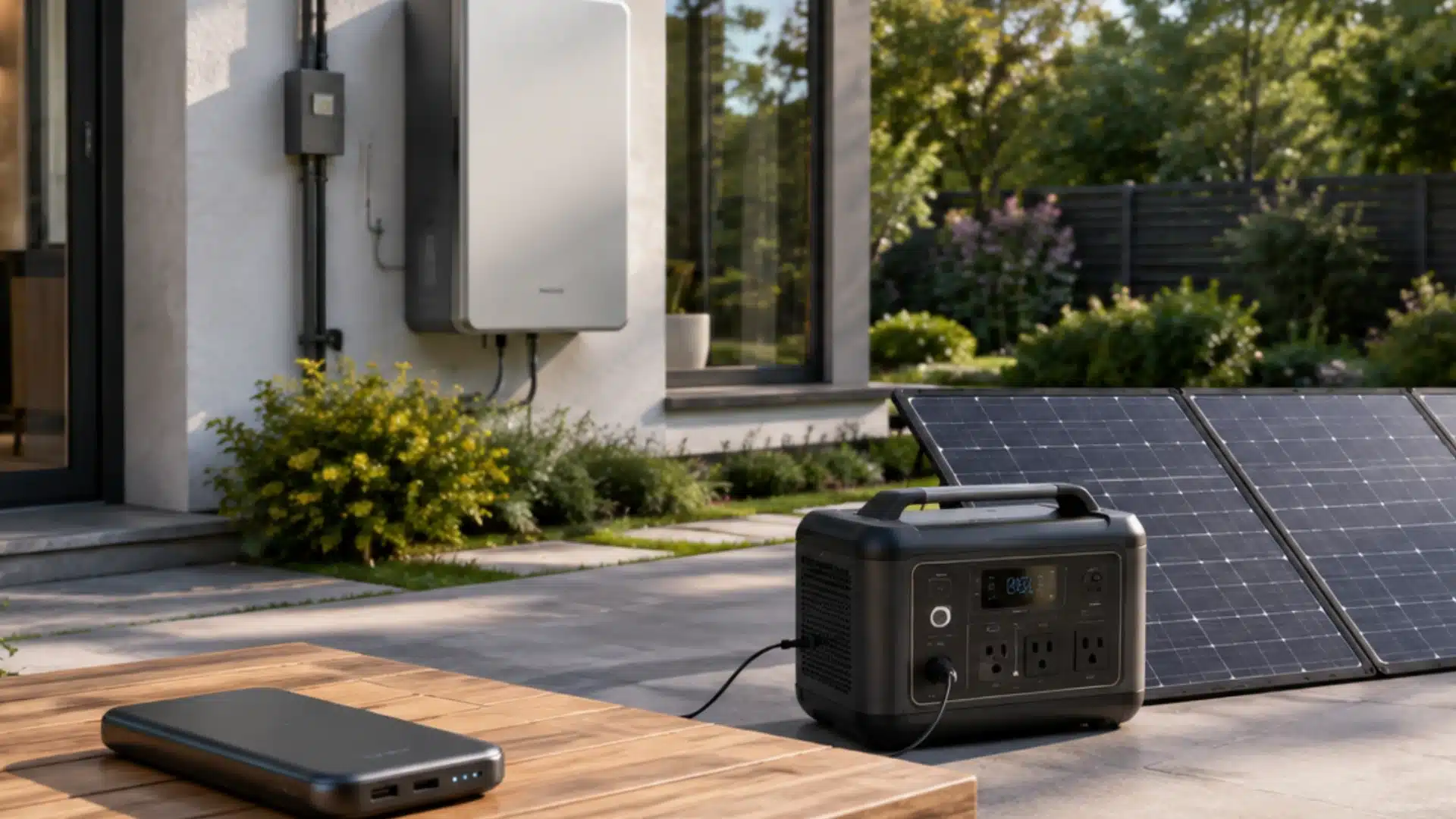
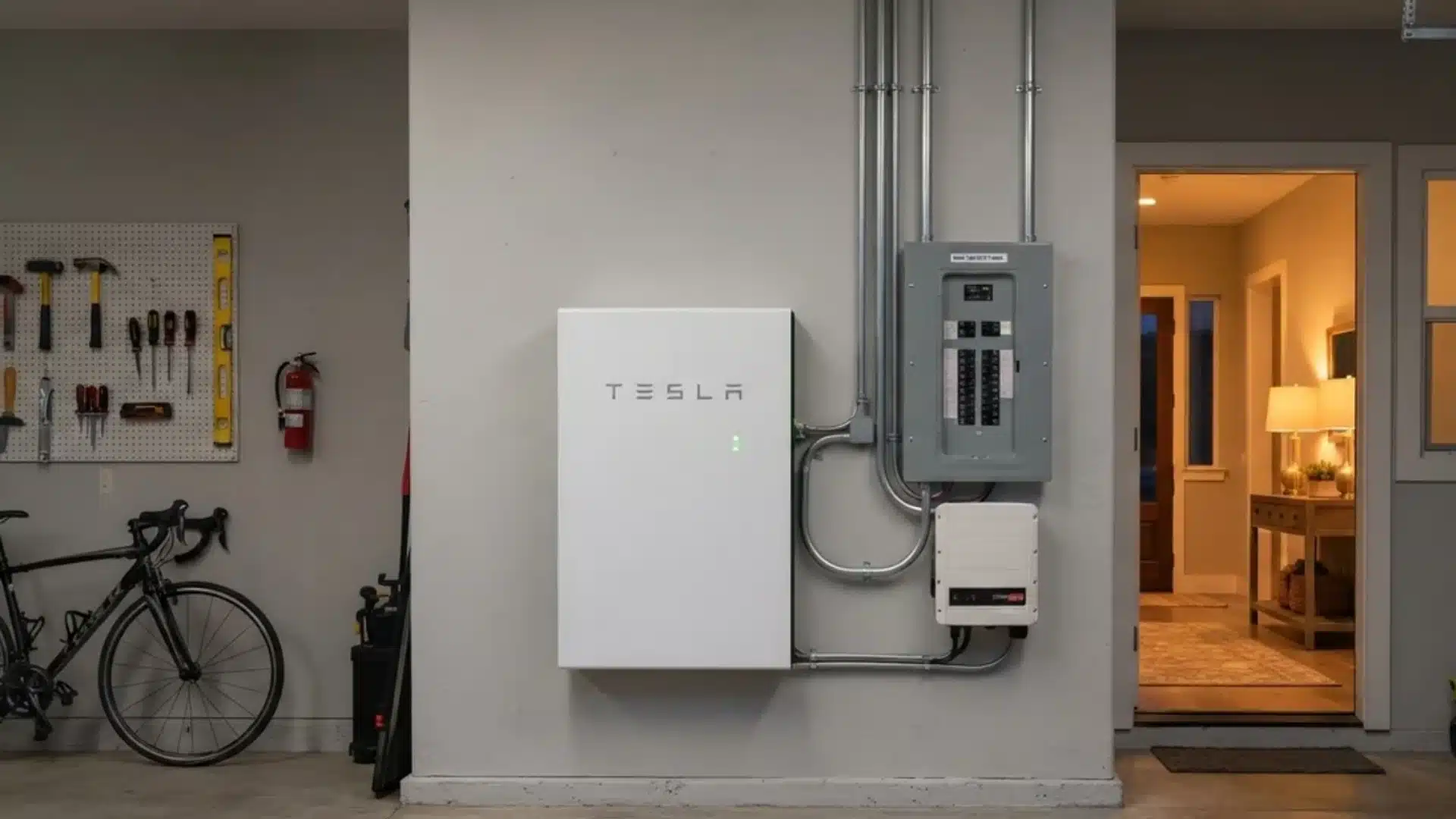
A good solar generator should fit the job without adding unnecessary weight, battery capacity, or cost. Small power stations work well for phones, laptops, lights, and camping equipment, while larger units can support refrigerators, freezers, tools, and other household appliance loads.
The main differences come down to stored battery energy, continuous output, startup surge power, charging limits, and portability. Battery expansion can also matter when the system needs to support longer outages later.
For this comparison, the BLUETTI Elite 200 V2 offers a balanced setup, while the Jackery 5000 Plus sits at the heavy-duty end. Models from Anker, EcoFlow, and Jackery fill the middle ground for camping, RV use, and everyday backup.
Best Solar Generators at a Glance
The table below gives each model a clear role based on its battery size, output, weight, and intended use.
| Category | Solar Generator | Battery Capacity | Continuous Output | Solar Input | Weight | Best Use |
|---|---|---|---|---|---|---|
| Best Overall | BLUETTI Elite 200 V2 | 2,073.6Wh | 2,600W | 1,000W max | 53.4 lbs | Camping and home backup |
| Best for Home Backup | Jackery Solar Generator 2000 Plus | 2,042Wh | 3,000W | Up to 1,200W | 61.5 lbs | Emergency household power |
| Best Portable Option | Anker SOLIX C1000 | 1,056Wh | 1,800W | 600W max | 28.65 lbs | Camping and quick recharging |
| Best Mid-Size Value | EcoFlow DELTA 3 Plus | 1,024Wh | 1,800W | 1,000W | 27.6 lbs | RV and everyday backup |
| Best for Large Backup Needs | Jackery 5000 Plus | 5,040Wh | 7,200W | Up to 4,000W | 134.5 lbs | Larger household loads |
| Best Compact Option | BLUETTI EB3A | 268Wh | 600W | 200W max | 10.14 lbs | Small electronics |
The table makes the tradeoff clear: more stored energy generally means more weight. Portable buyers and home backup buyers should not use the same standards.
How I Compared These Solar Generators
I used the same practical criteria across each model rather than ranking units by battery size alone, starting with matching wattage to load before looking at anything else.
- Usable Capacity: Rated capacity does not equal the exact amount available to connected devices because the inverter and internal electronics consume some energy.
- Continuous Output: This tells me which appliances a station can support during normal operation.
- Surge Output: Extra startup power matters for equipment such as refrigerators, compressors, and power tools.
- Battery Life: Every model listed here uses LiFePO4 chemistry, which suits frequent charging and longer-term ownership.
- Charging Performance: AC and solar charging matter differently depending on where you use the station.
- Portability: Weight matters when a power station needs to move between a house, vehicle, RV, or campsite.
- Expansion: Extra battery support has more value for longer outages than for occasional portable use.
These criteria separate models designed around mobility from units intended to supply substantially more household power.
Solar Generator Reviews
Each model below earns its place for a specific type of buyer. The goal is not to name one unit that suits every situation.
1. BLUETTI Elite 200 V2
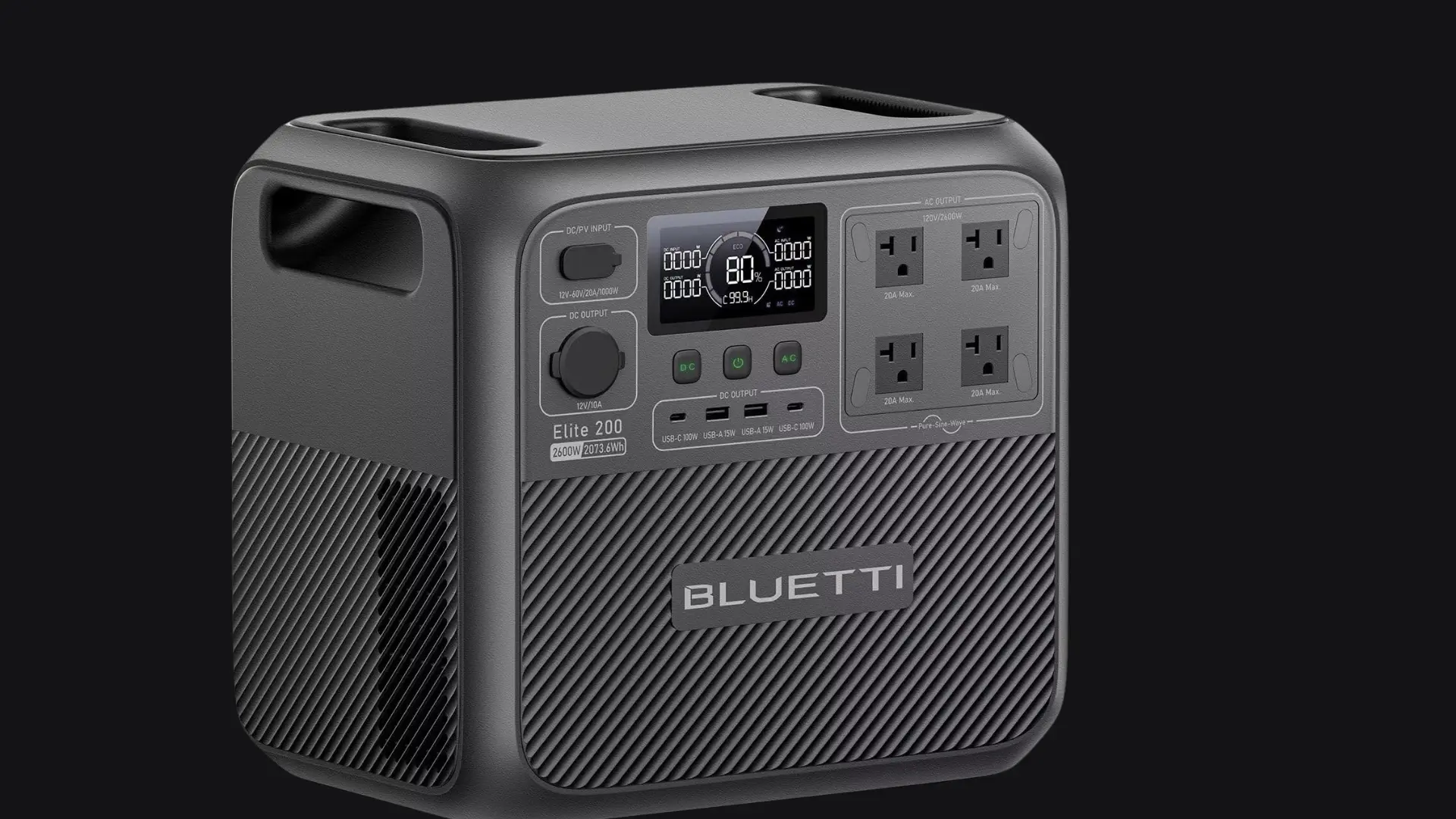
The BLUETTI Elite 200 V2 works well for buyers who need strong output without stepping into a much larger home backup system. Its battery size suits mixed use, while the solar input gives campers and outage users another practical charging option.
- Battery Capacity: 2,073.6Wh
- Continuous Output: 2,600W
- Solar Input: Up to 1,000W
- Battery Type: LiFePO4
- Weight: 53.4 lbs
- Best For: Camping, RV use, refrigerators, electronics, and short home outages
2. Jackery Solar Generator 2000 Plus
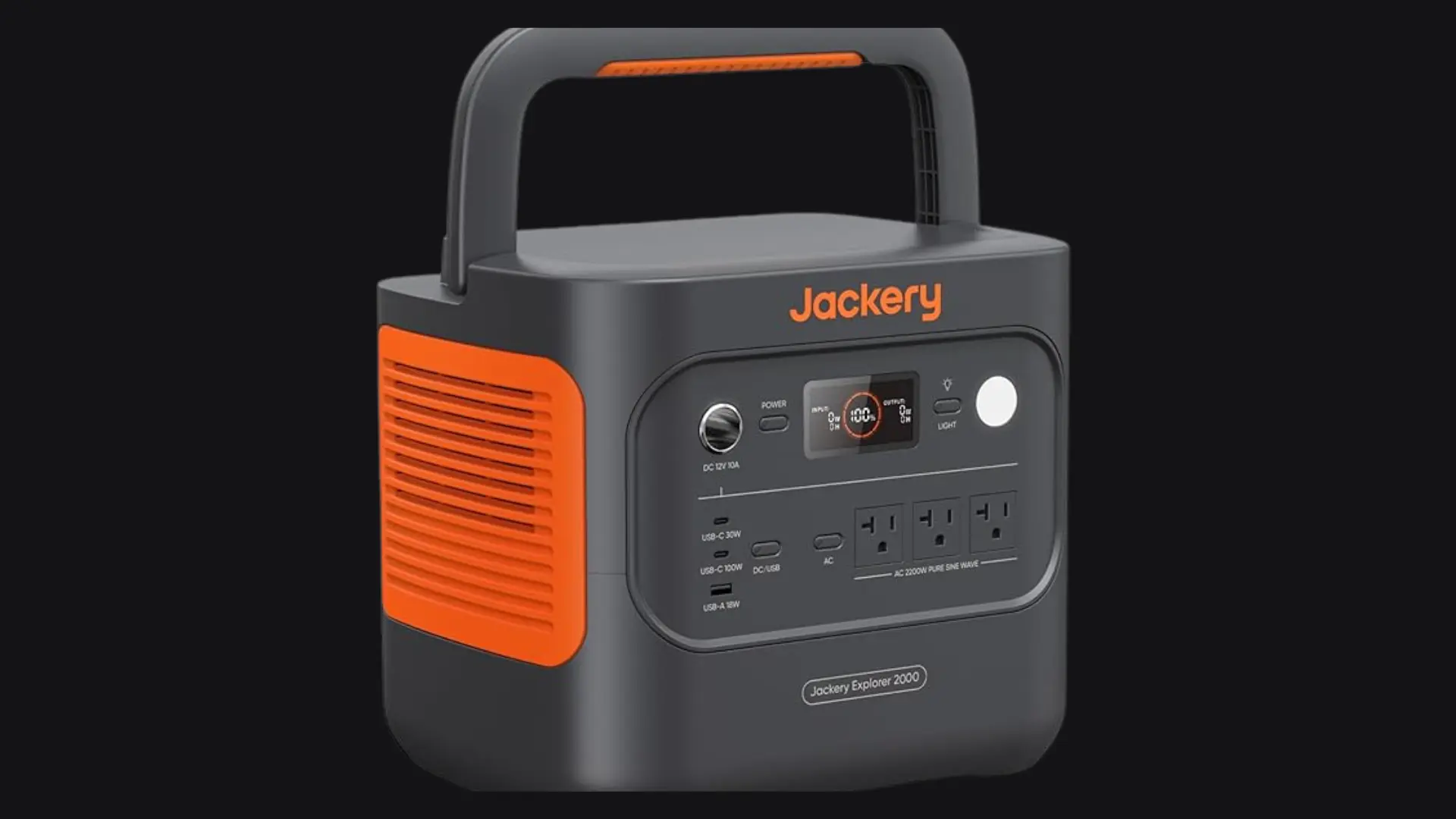
The Jackery Solar Generator 2000 Plus suits households that need enough output for several essential appliances during an outage. Its higher surge rating also helps with equipment that needs extra power when starting, while battery expansion supports longer backup periods.
- Battery Capacity: 2,042Wh
- Continuous Output: 3,000W
- Surge Output: 6,000W
- Battery Type: LiFePO4
- Weight: 61.5 lbs
- Best For: Refrigerators, lights, routers, household electronics, and emergency backup
3. Anker SOLIX C1000
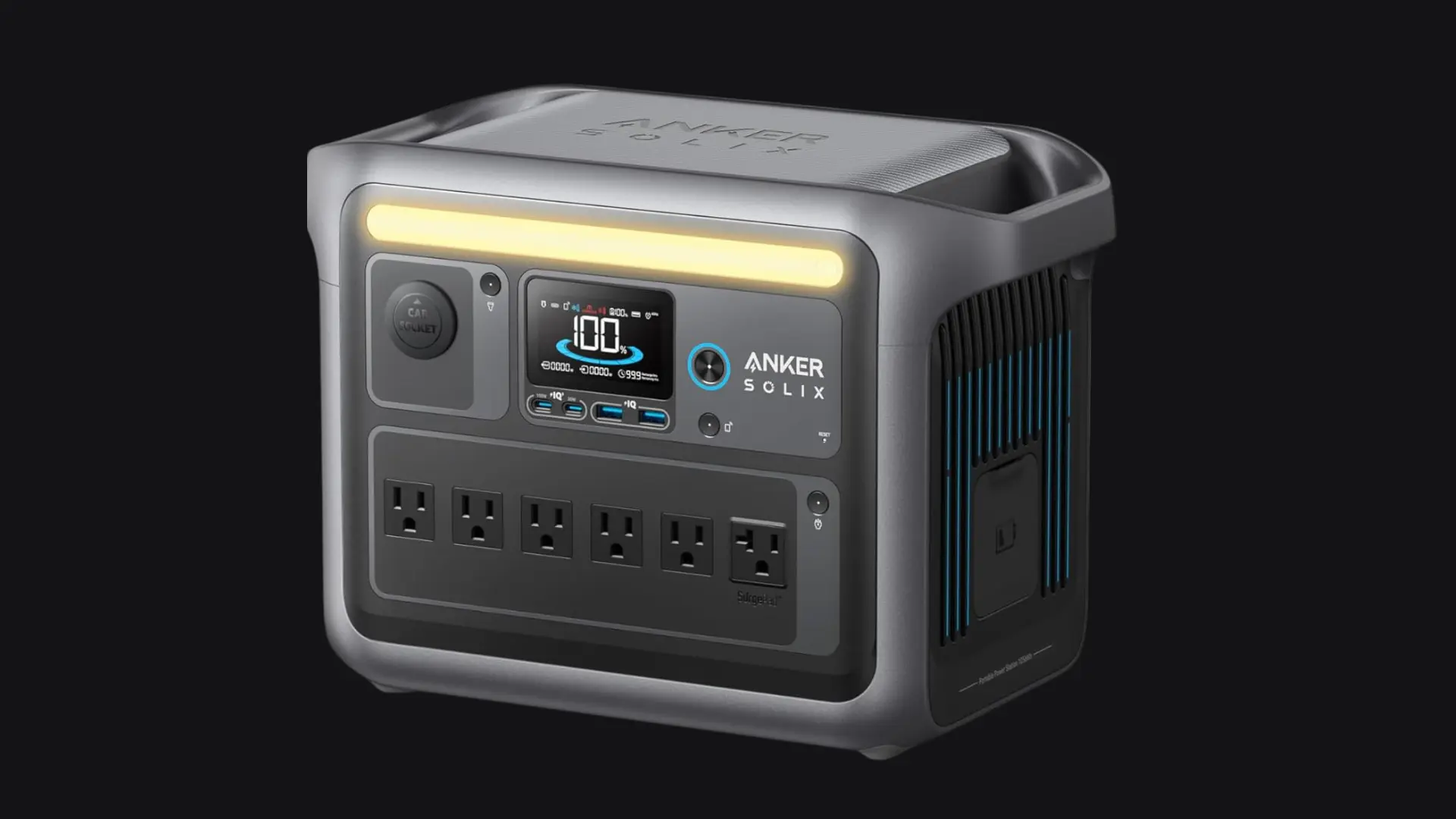
The Anker SOLIX C1000 suits users who need useful power without carrying a large battery station. Its lower weight makes transport easier, and its capacity suits camping gear, electronics, and shorter backup needs.
- Battery Capacity: 1,056Wh
- Continuous Output: 1,800W
- Surge Output: 2,400W
- Solar Input: Up to 600W
- Battery Type: LiFePO4
- Weight: 28.65 lbs
- Best For: Camping, travel, electronics, small appliances, and short outages
4. EcoFlow DELTA 3 Plus
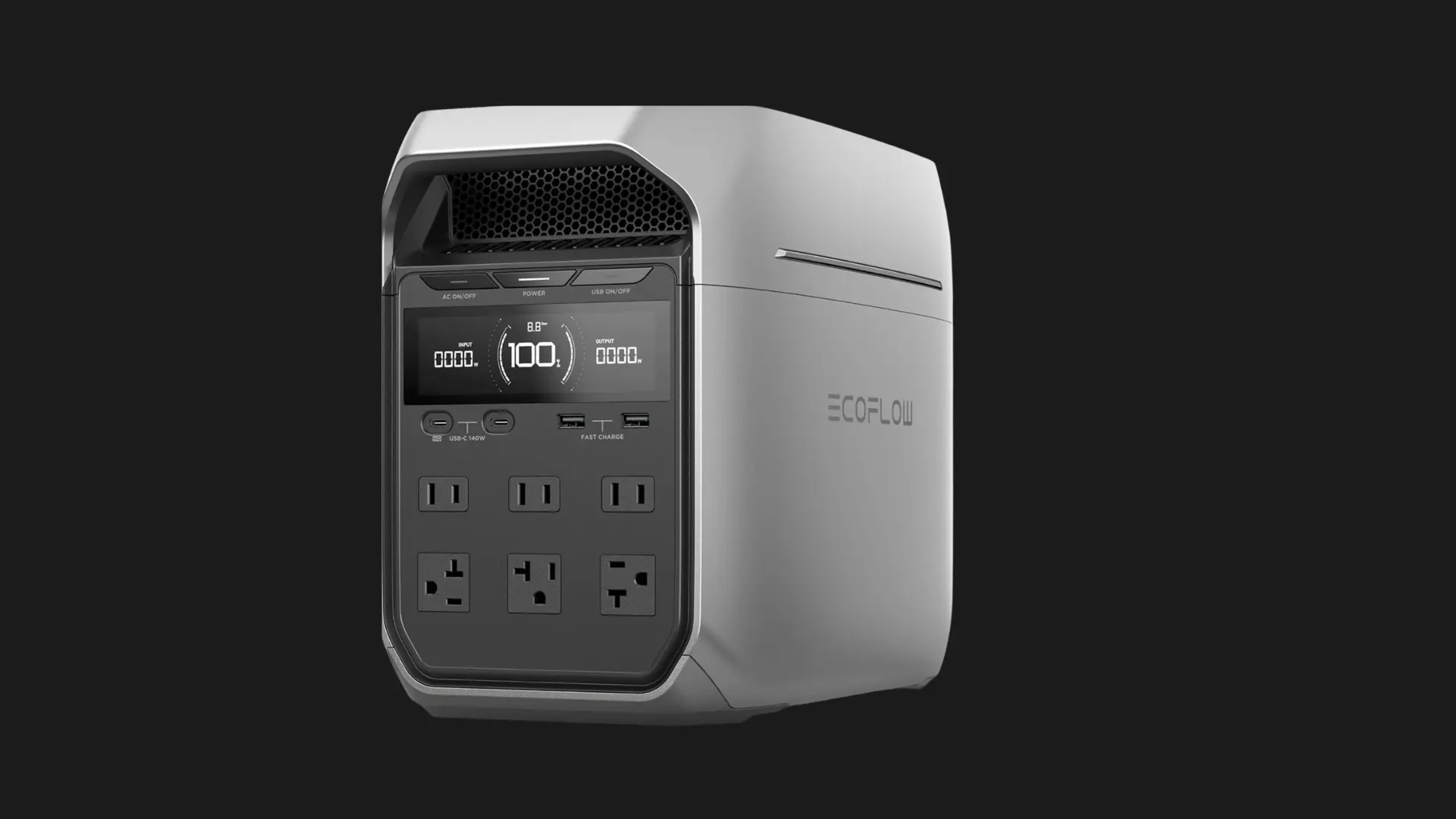
The EcoFlow DELTA 3 Plus offers a useful middle ground between compact power stations and heavier backup units. Its lighter body is easier to move, while the higher solar input can help when regular daytime recharging matters.
- Battery Capacity: 1,024Wh
- Continuous Output: 1,800W
- Surge Output: 3,600W
- Solar Input: Up to 1,000W
- Battery Type: LiFePO4
- Weight: 27.6 lbs
- Best For: RV trips, everyday backup, camping, and medium-size appliances
5. Jackery 5000 Plus
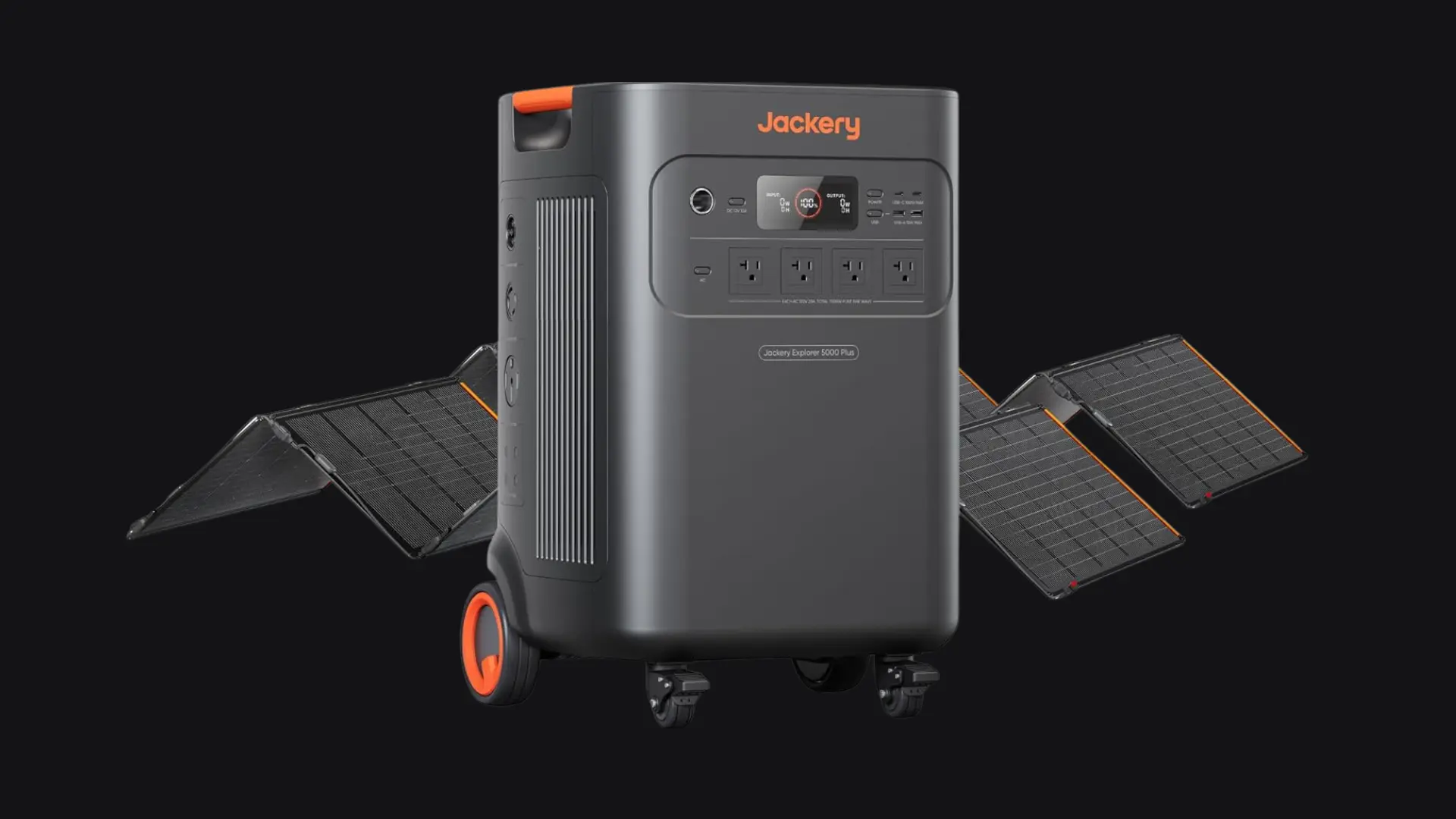
The Jackery 5000 Plus is designed for households with much higher backup demands. Its large battery and powerful inverter can support several major loads, while the high solar input becomes useful when the system needs substantial recharging during extended outages.
- Battery Capacity: 5,040Wh
- Continuous Output: 7,200W
- Surge Output: 14,400W
- Solar Input: Up to 4,000W
- Battery Type: LiFePO4
- Weight: 134.5 lbs
- Best For: Larger household loads, extended outages, and high-capacity backup
6. BLUETTI EB3A
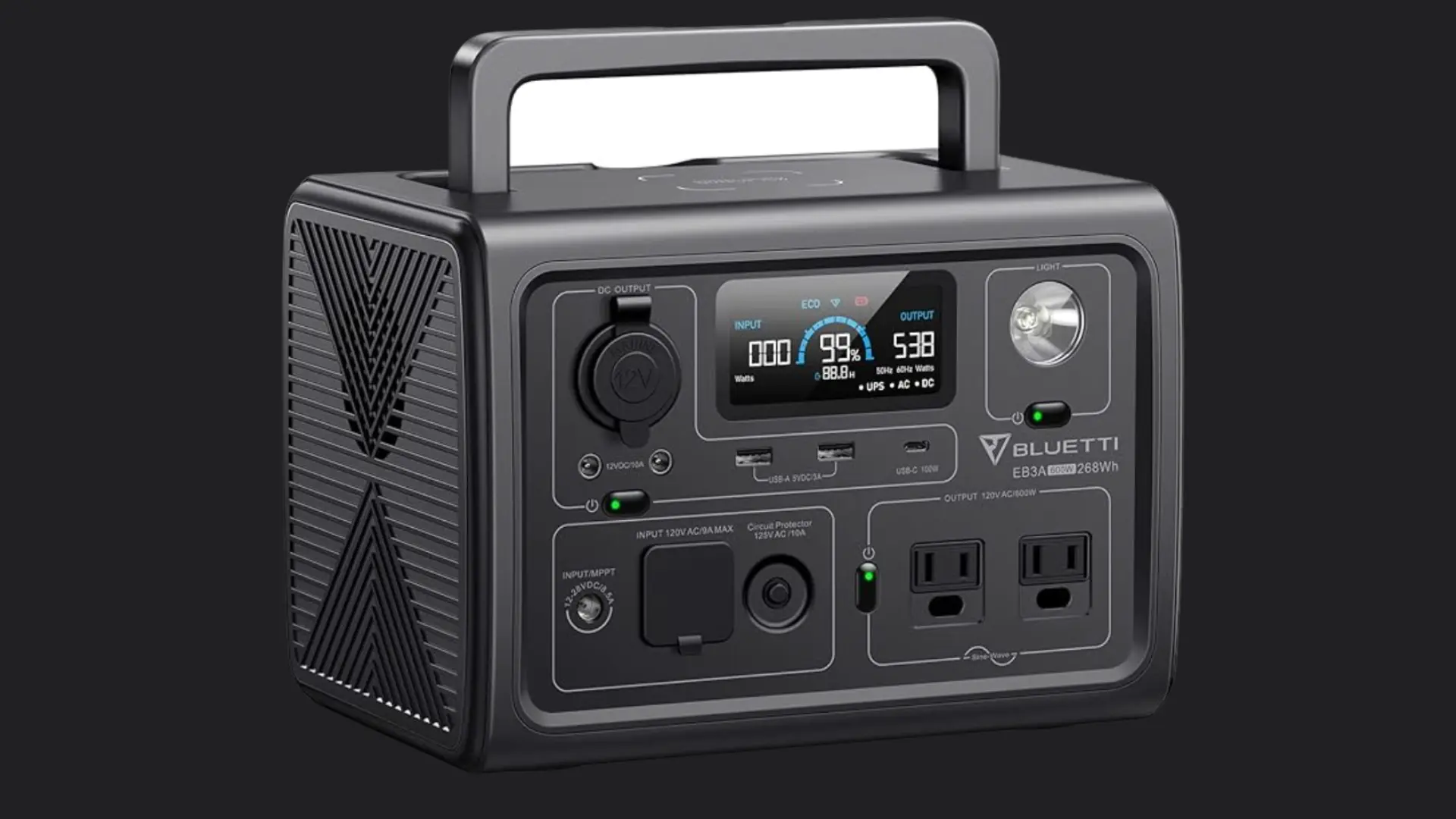
The BLUETTI EB3A fits buyers who mainly need power for small electronics rather than household appliances. Its low weight makes it easy to carry for day trips or camping, while the smaller battery keeps it better suited to lighter, shorter-duration power needs.
- Battery Capacity: 268Wh
- Continuous Output: 600W
- Surge Output: 1,200W
- Solar Input: Up to 200W
- Battery Type: LiFePO4
- Weight: 10.14 lbs
- Best For: Phones, laptops, lights, cameras, fans, and portable backup
What Size Solar Generator Do You Need?
Start sizing with energy use rather than product names. Watt-hours determine how much energy is stored, so compare the number when estimating how long a station can run your devices.
The ranges below give a practical starting point.
| Battery Capacity | Suitable Use | Typical Devices |
|---|---|---|
| 300–500Wh | Light portable power | Phones, lights, laptops |
| 500–1,000Wh | Camping and short backup | TVs, computers, small appliances |
| 1,000–2,000Wh | Medium backup | Refrigerators, routers, electronics |
| 2,000–4,000Wh | Longer household backup | Refrigerators, freezers, appliances |
| 4,000Wh+ | Heavy backup | Multiple household loads |
Capacity handles runtime, while inverter wattage determines what can operate at the same time. Keeping those two numbers separate prevents a common sizing mistake.
Estimating Runtime
Use this basic formula: Estimated runtime = usable battery capacity ÷ appliance wattage
A power station rarely delivers every advertised watt-hour through its AC outlets. The draft estimates inverter losses at roughly 10% to 15%, so a 2,000Wh battery may provide closer to 1,700–1,800Wh of usable AC energy.
Rather than sizing a battery exactly to a calculation, leave some extra room for changing loads and normal conversion losses.
What to Look for When Buying a Solar Generator
Once capacity matches expected runtime, the remaining features determine how practical the unit is to own.
1. Continuous and Surge Output
Continuous output sets the normal load limit. Surge output covers brief startup spikes from motor-driven equipment.
A large battery does not guarantee that a station can operate a demanding appliance. Check the appliance wattage against both ratings before connecting it.
2. LiFePO4 Battery Chemistry
Every model in this comparison uses LiFePO4 battery chemistry.
The chemistry is well suited to power stations expected to handle frequent charge cycles. It is particularly useful for regular camping, RV use, and emergency batteries kept for years.
3. Charging Performance
AC charging is useful when a wall outlet is available, while solar charging matters more during camping and longer grid outages.
Compare the station’s maximum solar input with the panel setup you plan to use. A large panel array offers little benefit when the power station cannot accept the additional wattage.
4. Battery Expansion
Expansion lets a compatible system gain more stored energy without replacing the main power station.
It has the most value for household backup because outage needs may grow over time. Smaller camping systems often benefit more from lower weight than extra battery packs.
5. Weight and Mobility
Weight should match how often the unit needs to move.
A 28-pound station can work well between a vehicle and campsite. A 134-pound system belongs closer to the area where it supplies backup power.
Solar Generator vs. Gas Generator
Battery and fuel generators solve the same basic problem in very different ways. This comparison helps show where each type makes more sense.
| Factor | Solar Generator | Gas Generator |
|---|---|---|
| Energy Source | Battery, wall power, or solar | Gasoline or propane |
| Noise | Low | Higher |
| Indoor Operation | Suitable when manufacturer requirements are followed | Generally unsuitable because of exhaust |
| Recharging/Refueling | Electricity or sunlight | Gasoline or propane |
| Routine Maintenance | Lower | Higher |
| Runtime | Limited by stored energy and recharge access | Limited by available fuel |
| Heavy Loads | Depends on inverter output | Often better for sustained high loads |
| Upfront Cost | Often higher | Varies by size and output |
A solar generator fits situations where low noise, portable battery power, and minimal routine maintenance matter. A fuel generator has an advantage when heavy loads must operate for long periods and a safe outdoor location with a steady fuel supply is available.
What Solar Generator Owners Say
In the Reddit discussion “Advice/personal reviews/opinion on buying a portable solar powered generator?”, the original poster asked owners if portable solar generators were worth buying.
One off-grid user recommended a 1,500W VTOMAN setup with a 200W solar panel after six months of use. They used it for a laptop, Starlink, and charging tool batteries.
Another commenter said Reddit research helped them understand what to check before buying and later chose a Honda for camping and outage backup. Other replies asked owners for longer-term updates.
From my view, the useful lesson is to match the generator to actual devices rather than focusing only on brand names. Real owner feedback can also reveal how a unit handles regular charging, portability, and daily off-grid use.
Conclusion
Choosing the right solar generator comes down to matching the system with the power you actually use.
I would start with battery capacity for runtime, then check continuous and surge output for the appliances you plan to run.
Weight, solar input, charging speed, and expansion matter once you know where the unit needs to work. These solar generator reviews show why compact, mid-size, and larger systems serve very different needs.
You can use the sizing table and runtime formula to narrow the options without overspending.
Before buying, list your essential devices, check their wattage, and compare those numbers with your preferred model. Share your pick below or check related backup-power posts for more practical ideas.
Frequently Asked Questions
Is it worth getting a solar generator?
A solar generator can make sense for camping, regular outages, RV trips, or quiet battery backup. Its value drops when several high-power appliances need to run continuously for days without dependable recharging.
What are the downsides of solar generators?
The main limits are higher upfront cost, finite battery capacity, charging time, and dependence on available electricity or sunlight. Large-capacity models can also become difficult to move and expensive to expand.
Which solar generator is the most reliable?
No single model is reliable for every situation. Battery chemistry, thermal management, build quality, cycle life, and warranty coverage all matter. LiFePO4 batteries and stronger manufacturer support are useful factors to compare.
How long will a 2,000-watt solar generator run a refrigerator?
The 2,000W figure normally describes inverter output rather than stored energy. Runtime depends on battery capacity and refrigerator consumption. A 2,000Wh battery powering a steady 150W load works out to roughly 13 hours before real-world losses.
What is the best portable solar generator for home backup?
The Anker SOLIX C1000 is easier to move at 28.65 pounds and still provides 1,056Wh of capacity. Buyers needing substantially longer backup may prefer the larger Jackery Solar Generator 2000 Plus.
What size solar generator is best for off-grid living?
A system of 2,000Wh or more may suit moderate daily loads, but off-grid sizing should be based on actual energy consumption. Refrigerators, freezers, tools, and other appliances can quickly increase the required capacity.