
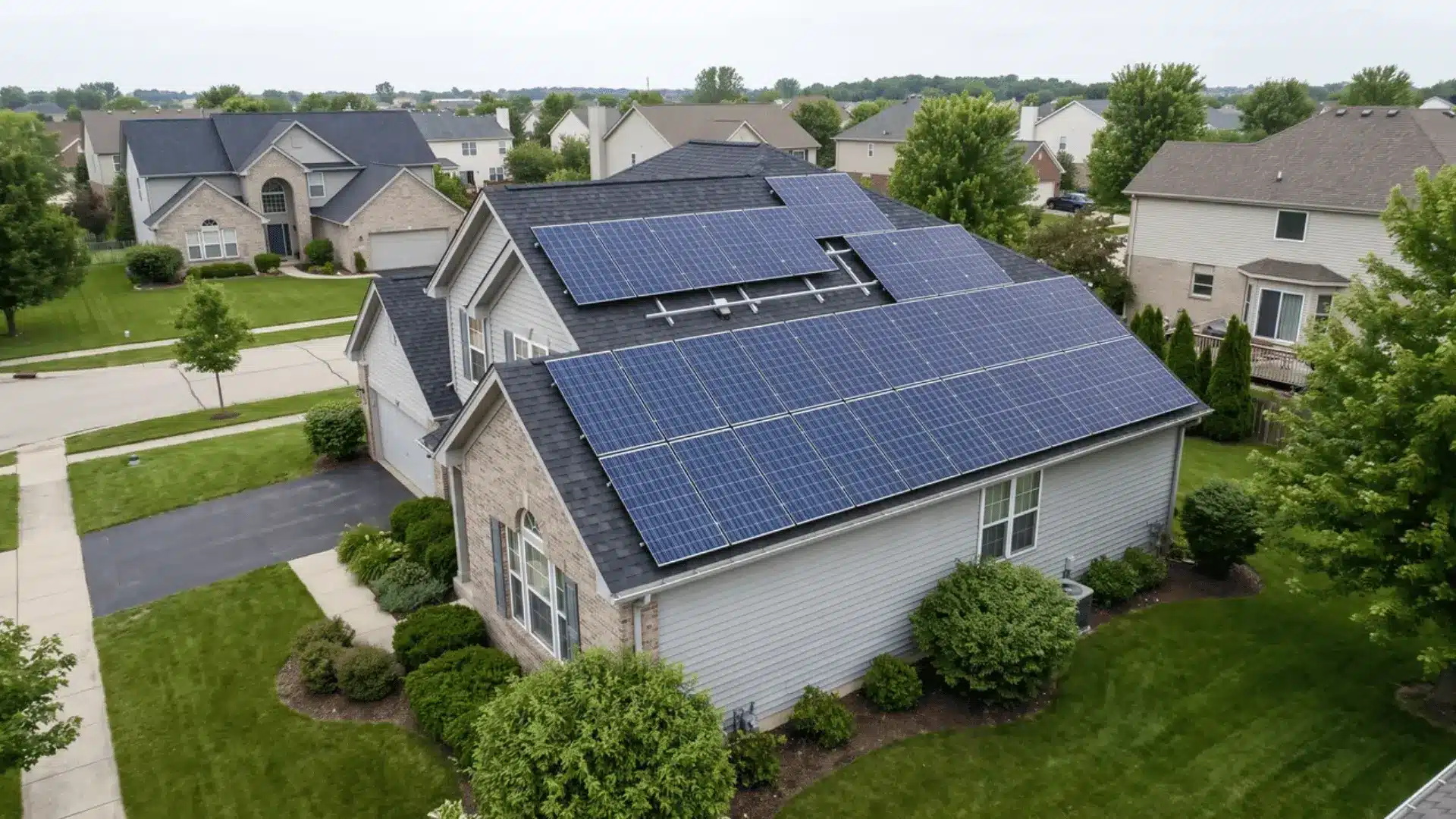


Solar panels on roof can look like a simple home upgrade, but the roof matters just as much as the panels.
Age, slope, shade, materials, structure, and mounting choices can all affect cost, safety, and long-term savings.
A roof that looks fine from the ground may still need repairs, reinforcement, or a different layout before installation makes sense.
This guide explains what determines whether your roof is suitable for solar, how panels are mounted, what costs to expect, and which trade-offs to consider before you choose an installer or sign a contract.
What Determines Whether Solar Panels Will Work on Your Roof?
Not every roof is equally suited to solar. Several factors affect whether panels can generate enough power, install safely, and remain cost-effective over time.
- Sun Exposure: South-facing roofs usually receive the strongest sunlight. East- and west-facing roofs can also perform well with proper panel placement.
- Roof Slope: A roof slope of around 15-40 degrees is generally suitable for efficient solar production and practical installation.
- Shade: Trees, nearby buildings, and roof structures can reduce output. Heavy shade may affect several connected panels at once.
- Roof Material: Asphalt shingles and standing-seam metal roofs are usually easier to work with. Tile and slate require more careful mounting.
- Roof Age: If your roof has only5-10 years of useful life remaining, replacing it before solar installation can prevent added costs later.
- Structural Strength: The roof must safely support the panels and mounting system. Some homes may require reinforcement before installation.
- Local Restrictions: HOA rules, permits, and historic-district guidelines may limit panel placement, visibility, or installation methods.
A professional roof and solar assessment can confirm these conditions before you commit to a system.
How Solar Panels are Mounted to a Roof?
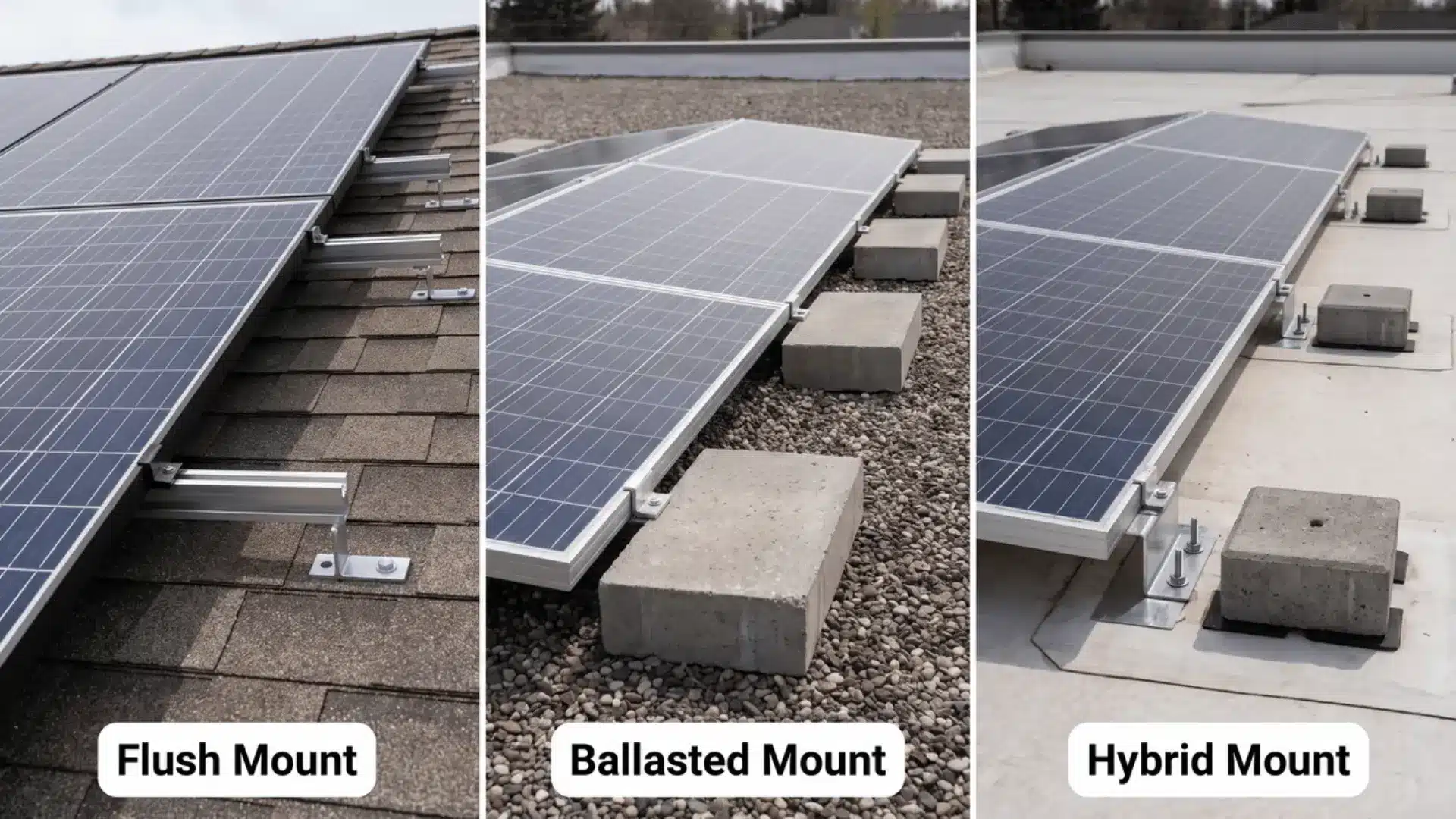
Getting panels onto your roof isn’t just point and mount. The type of mount, how it’s sealed, and the weight it adds all shape whether it holds up for decades.
Mount Types: Flush, Ballasted, and Hybrid
- Flush mounts: Bolt directly into roof rafters and sit close to the surface, making them ideal for sloped roofs. They also allow installers to fit more panels within limited roof space.
- Ballasted mounts: Use weighted bases instead of drilling. Flat roofs offer more flexibility, but ballasted systems add weight and may perform worse in high winds.
- Hybrid mounts: Combine ballast with structural anchors, splitting the difference between the two approaches above.
Flush mounts are usually my default recommendation for sloped asphalt roofs.
They sit tight against the surface, look cleaner, and rarely cause wind issues the way a raised rack can.
If your home has clay tile or slate, it’s worth comparing solar roof tiles vs panels before committing to a flush mount, since tile roofs often call for different hardware entirely.
Why Roof Penetrations Cause Leaks (and How They’re Prevented)?
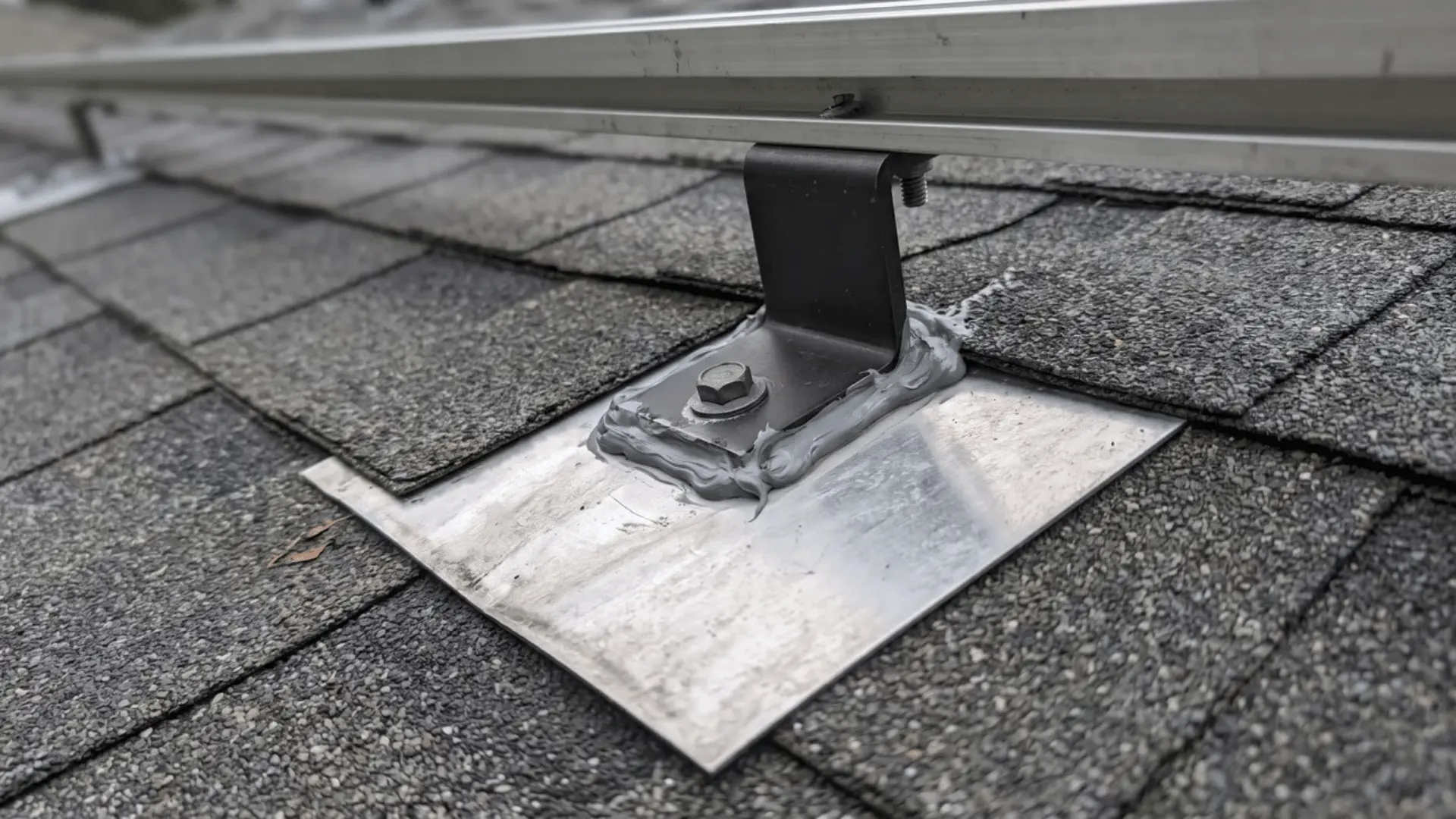
Roof penetrations are not automatically a leak risk.
Problems usually begin when sealant around mounting holes cracks or shrinks after years of sun exposure, temperature swings, and normal roof movement.
Modern installations use flashing plus sealant at mounting points.
Flashing redirects water around the penetration while sealant adds another barrier, giving the roof better long-term protection than sealant alone can provide.
Poor sealing is also one of the more common reasons installers get blamed for problems that surface later, which is part of why it’s worth knowing whether solar can void your roof warranty before you sign a contract.
How Much Weight Your Roof Needs to Support?
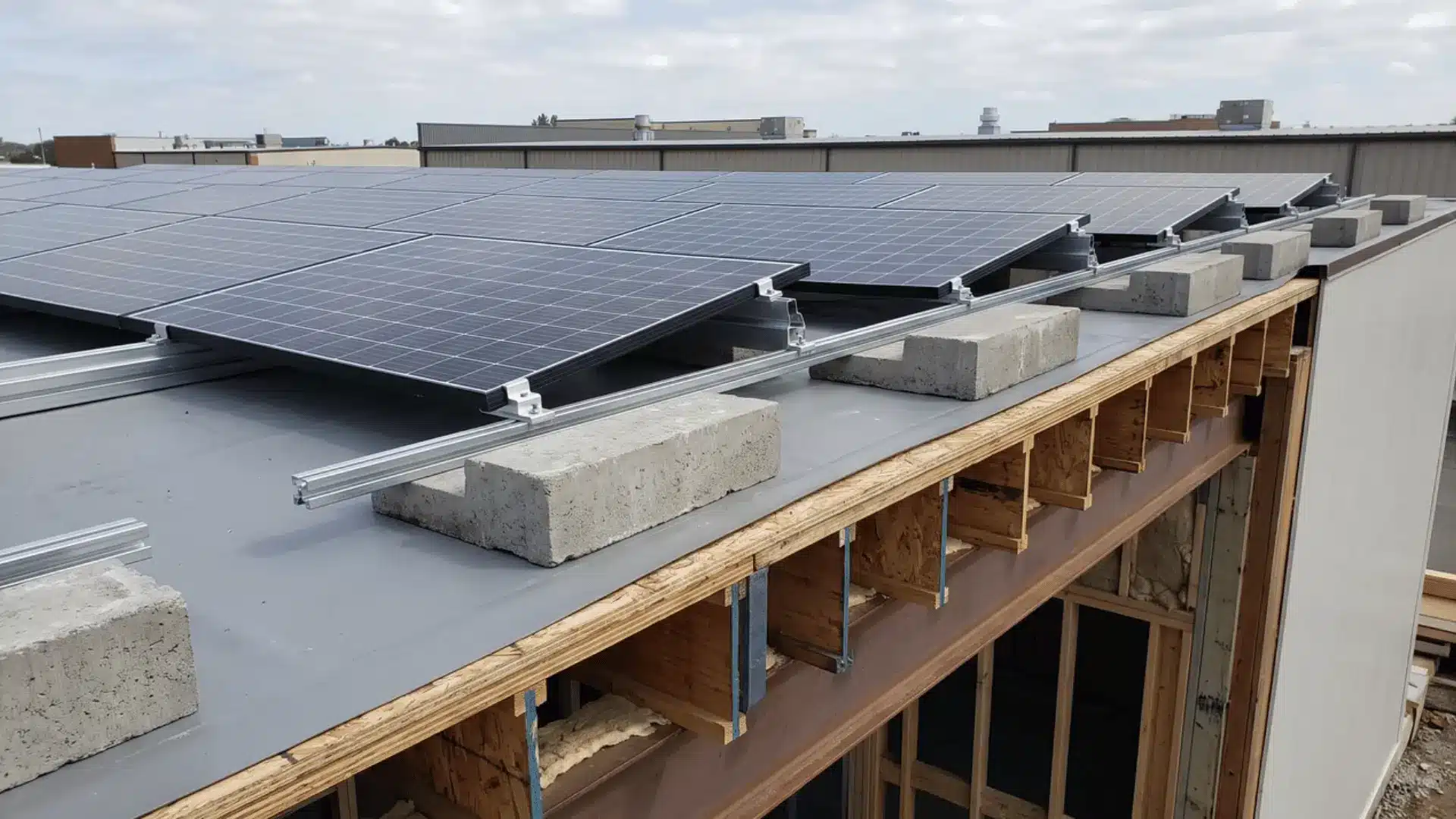
Solar panels add a permanent dead load from panels, rails, and mounting hardware.
Your roof must also handle live loads created by snow, strong winds, and workers performing maintenance. Ballasted systems usually create more dead load because heavy bases hold them in place.
A structural assessment confirms whether your roof has enough capacity or needs reinforcement before installation can safely proceed.
What Solar Panels Cost When Installed on a Roof?
Cost depends on system size, roof complexity, and local labor rates more than the panels themselves. Here’s a rough breakdown to set real expectations.
| System Size | Approx. Cost Range (Before Incentives) |
|---|---|
| Small (4-5 kW) | $12,000 – $17,000 |
| Mid-size (6-8 kW) | $18,000 – $24,000 |
| Large (9-12 kW) | $25,000 – $34,000 |
| Roof repair/reinforcement (if needed) | $2,000 – $8,000 extra |
If your roof needs repair or reinforcement first, that cost stacks on top of the system price. Get that assessment done before you compare installer quotes.
Before signing anything, it also helps to review solar panel warranty basics so you know exactly what’s covered if something goes wrong after installation
Note: These figures reflect current market averages and shift based on where you live and who installs your system. Treat them as a starting point, and confirm current numbers with a few installer quotes before you budget.
The Real Trade-offs of Putting Solar Panels on Your Roof
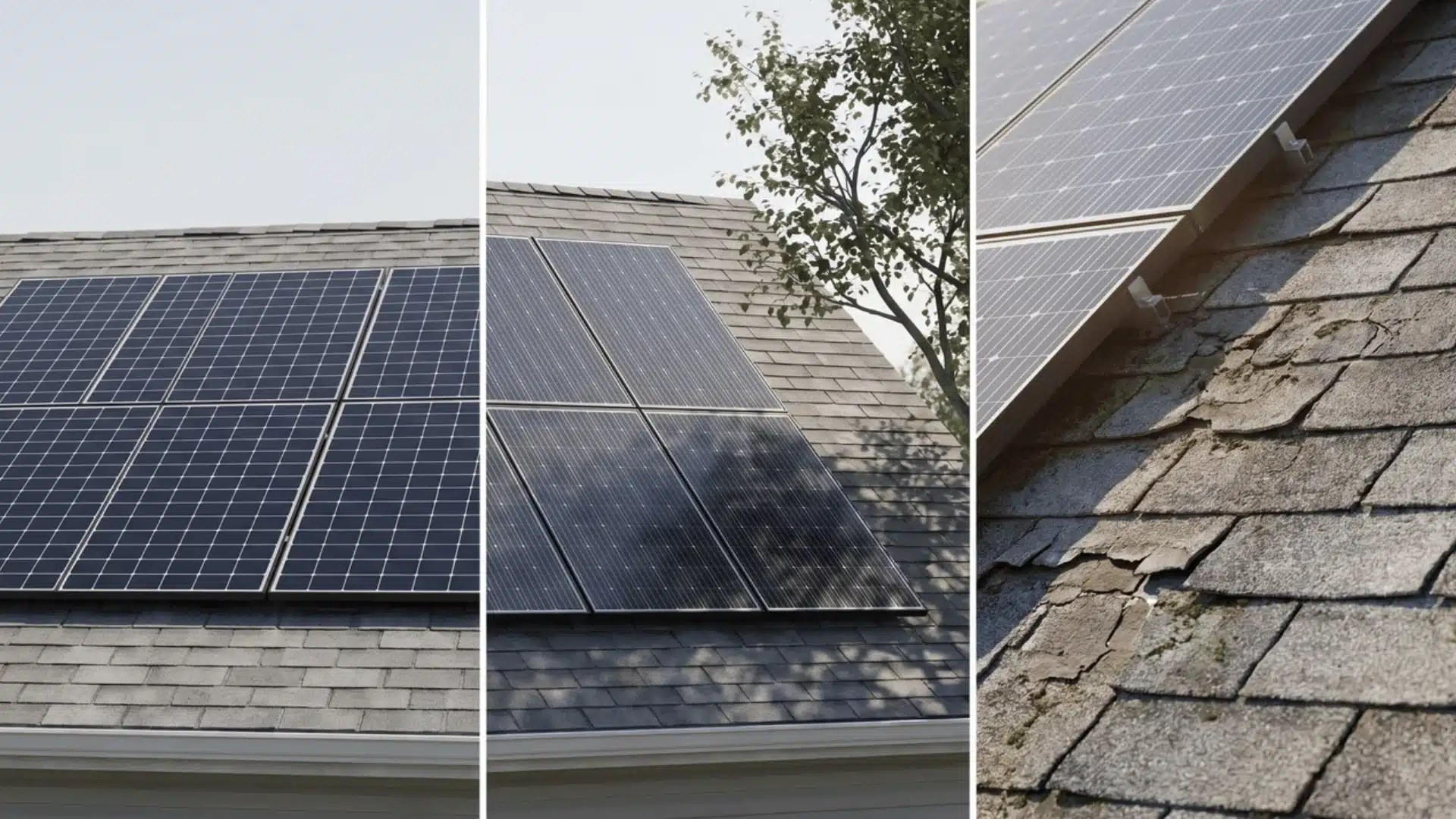
Solar can reduce long-term energy costs and household emissions, but the overall value depends on system ownership, roof conditions, local rules, sunlight, and how long you plan to stay in the home.
- Upfront Cost: Buying solar requires a substantial initial investment, and savings vary with electricity use, utility rates, fixed charges, and system production.
- Roof Suitability: Roof age, size, slope, condition, and shading can limit system size or make rooftop solar unsuitable without repairs or other changes.
- Permits and Approvals: Local permits, inspections, and utility interconnection requirements can add costs or delays before a rooftop system begins operating.
- Lease and PPA Transfers: Selling a home with leased solar or a PPA may require contract transfers, buyer qualification, advance notice, or additional fees.
- Shade and Production Limits: Trees, buildings, roof orientation, and other shading conditions can reduce solar production and affect whether installation makes financial sense.
- Future Roof Repairs: If the roof later needs replacement, the panels and mounting equipment generally must be removed before roofing work can proceed.
The right choice comes down to whether the long-term savings and energy benefits outweigh the upfront cost and practical limitations for your property.
How to Decide if Rooftop Solar is Right for You?
A professional solar assessment is the best starting point because it checks your roof condition, sunlight, structural capacity, system size, and expected savings before you commit.
- Check your roof age: Replace the roof first if it may need major work within the next 5–10 years.
- Review sun exposure: Strong, consistent sunlight gives your panels a better chance of producing worthwhile energy.
- Confirm structural strength: Your roof must safely support the panels, mounting hardware, wind, and snow loads.
- Compare electricity costs: Higher utility rates can shorten the payback period and improve long-term savings.
- Look for the green light: Good sun exposure, over ten years of roof life, and strong savings potential usually make rooftop solar worthwhile.
What if Your Roof is Not Good for Solar Panels?
A roof that is unsuitable for solar does not always rule out the project. The best solution depends on whether the problem involves roof age, structure, shade, orientation, or limited space.
If your roof is nearing replacement, complete that work before installing panels.
A weak structure may also need reinforcement, but a qualified structural professional should determine whether strengthening is practical.
Heavy shade or limited roof space may require a different panel layout. Installers can assess other roof sections and determine whether east- or west-facing areas still receive enough sunlight for useful production.
If the roof itself remains unsuitable, consider a ground-mounted or pole-mounted solar system.
These options can work well when your property has enough open, unshaded land with suitable sun exposure.
Community solar may be another option when rooftop or ground-mounted installation is impractical. Compare these alternatives before spending heavily to modify a roof that may never provide ideal solar conditions.
Conclusion
Solar panels on a roof can be worth it when your home has the right mix of sunlight, roof life, structural strength, and energy savings.
The panels are only one part of the decision. You also need to think about shade, mounting method, roof repairs, permits, utility rates, ownership type, and future resale plans.
A professional roof and solar assessment can help confirm whether rooftop solar fits your home before you spend money on a system.
Compare several detailed quotes, check the roof first, and choose the setup that protects both your budget and your home.
Would rooftop solar work on your roof? Share your biggest concern in the comments.
Frequently Asked Questions
Is It a Good Idea to Put Solar Panels on Your Roof?
Yes, for most homes with strong sun exposure and a structurally sound roof, since lower electric bills and added resale value usually outweigh the upfront cost within seven to ten years. Heavy shade or an aging roof can complicate things, but that rarely rules solar out completely once a professional assessment weighs in.
What is the Main Downside of Solar Panels on a Roof?
The biggest downside is the upfront cost, which can run from about $12,000 for a small system to over $30,000 for a large one before incentives. Roof compatibility issues, HOA restrictions, and permit delays add friction too, and heavy shade or cloudy weather can meaningfully cut how much power your system actually produces day to day.
Does Having Solar Panels Make a House Harder to Sell?
It depends on ownership: an owned system typically adds resale value and appeals to buyers who want lower electric bills already built in. A leased system or a power purchase agreement can complicate things, since the buyer usually has to qualify to take over the contract, or you have to pay it off before closing.
Can Any Roof Support Solar Panels?
No, not every roof qualifies without help, which is why a structural assessment checks whether your rafters, decking, and overall frame can handle the added weight from panels, racking, hardware, snow, and wind. Most homes pass without changes, but older or unusually built roofs sometimes need reinforcement first to protect both the roof and your investment.