


A 25-year promise sounds reassuring, but solar coverage is rarely that simple. One warranty may protect the panels, another may cover power output, and a third may apply only to installation work.
The problem is that these protections often run for different periods, follow separate claim rules, and exclude costs homeowners assume are included.
I prefer reading the fine print before signing, because a strong-looking solar panel warranty can still leave gaps around labor, shipping, roof damage, or improper installation.
This guide breaks down the main warranty types in plain language, shows where coverage commonly falls short, and explains the mistakes that can cancel protection. By the end, you will know what questions to ask before choosing a system later.
What Is a Solar Panel Warranty?
A panel warranty is a written guarantee that covers certain problems with your panels, their power output, or the installation for a set period.
It is usually not a single warranty. Most solar systems include a product warranty from the manufacturer, a performance warranty that guarantees a minimum level of energy production, and a workmanship warranty from the installer.
Each one protects you against a different type of issue and may last for a different number of years. This difference is important because one warranty may cover a faulty panel but not the labor required to replace it.
Understanding what each warranty includes, who provides it, and when it expires can help you avoid unexpected repair or replacement costs later.
What Does a Solar Panel Warranty Actually Cover?
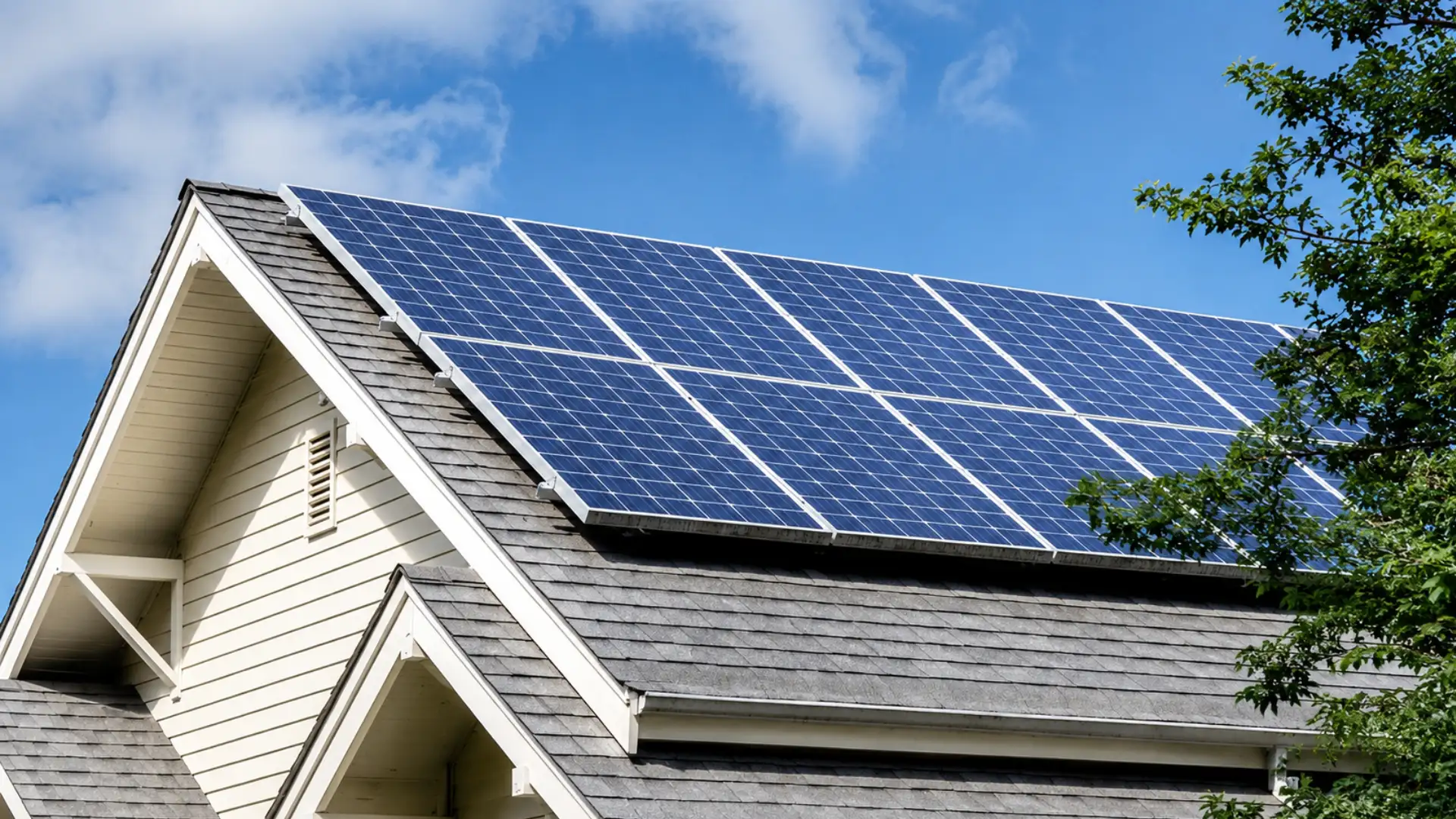
Coverage periods vary by manufacturer, panel model, installer, and location, so always check the written terms for your specific system.
1. Product Warranty
A product warranty protects the panel against manufacturing defects, faulty materials, and physical failures that prevent the equipment from operating correctly under normal conditions.
- Coverage generally lasts between 10 and 25 years
- Common issues include faulty wiring, defective cells, glass cracking caused by a confirmed manufacturing or material defect, and frame separation
- The manufacturer may repair the panel, replace it, provide an equivalent model, or offer another remedy stated in the warranty.
- Labor, shipping, and removal costs may not be included
2. Performance Warranty
A performance warranty guarantees that the panel will maintain a minimum level of electricity production as it naturally loses efficiency over time.
- Coverage commonly lasts 25 to 30 years
- Annual degradation is usually limited to around 0.5% to 0.7%
- Panels may be guaranteed to retain roughly 80% to 90% output by year 25
- A monitoring report may be required to prove underperformance
3. Workmanship Warranty
A workmanship warranty covers installation-related problems, including poor mounting, incorrect wiring, damaged roof penetrations, and other mistakes made by the solar installation company.
- Coverage typically lasts between 1 and 10 years
- It may cover roof leaks caused by mounting work
- Loose wiring, poor connections, and incorrect placement may qualify
- Claims must usually be submitted directly to the original installer
Understanding these separate protections helps you contact the right company, provide the correct evidence, and avoid paying for repairs unnecessarily.
What Solar Coverage Does Not Include
Solar coverage does not pay for every problem affecting your system. Manufacturer warranties usually focus on defects in materials, construction, or promised power output.
Damage caused by outside events may fall outside those terms. Common exclusions can include storm damage, falling branches or debris, fire, animal damage, heavy dirt buildup, shading, cosmetic marks, and faults involving unrelated equipment.
Labor, shipping, technician visits, panel removal, and reinstallation may also be excluded, even when the defective panel itself qualifies for replacement.
Coverage varies between manufacturers, so review the exclusions section carefully. Home insurance or a separate protection plan may cover certain costs that the panel warranty leaves out.
What Can Void Your Solar Coverage?
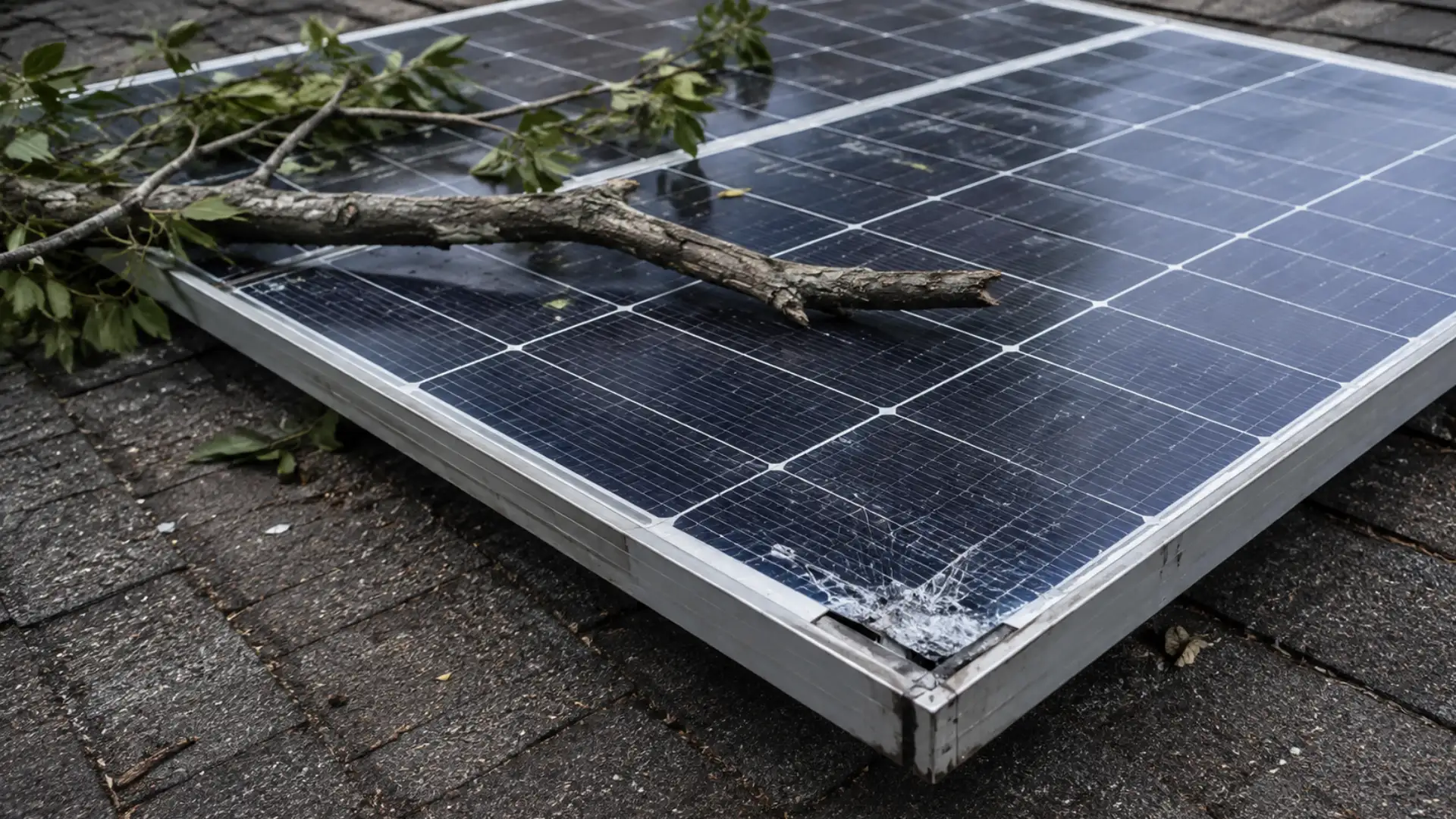
Certain repairs, modifications, and missing records can weaken coverage, so homeowners should carefully follow every provider requirement from installation onward. Installation problems don’t just affect solar coverage either.
If you’re wondering whether solar panels void your roof warranty, the same certification and documentation rules tend to apply on both sides.
- Unauthorized repairs, DIY rewiring, and unapproved system modifications may affect warranty eligibility.
- A claim can also be denied outright if an uncertified or unauthorized contractor handled the installation.
- Documentation gaps matter too. Missing purchase records, serial numbers, maintenance logs, or required registration can complicate the claims process.
- Skipped maintenance is a quieter risk, but it can still void coverage under some warranty terms.
- If an unapproved company later moves, repairs, or alters the panels, that alone may create further coverage problems.
Keeping complete records and using approved technicians helps protect coverage, simplify future claims, and significantly reduce avoidable disputes with providers.
Why Warranty Terms Matter for Homeowners
Warranty terms matter because different coverage periods can leave homeowners paying unexpected labor, removal, shipping, or reinstallation costs years later.
A performance warranty may last 25 years, while workmanship coverage may end after only 5 or 10 years. If a panel fails in year 15, the manufacturer may replace it, but the homeowner could still pay installation costs.
Product warranties often cover defective equipment but may not include technician visits, shipping, panel removal, or reinstallation.
A reliable installer with strong workmanship coverage can therefore be just as important as choosing panels from a respected manufacturer. Third-party protection plans, such as Solar Insure, may help extend parts and labor coverage, including support if the original installer closes.
Comparing every warranty term before signing helps you identify gaps, estimate future costs, and choose stronger long-term protection.
How to File a Solar Warranty Claim
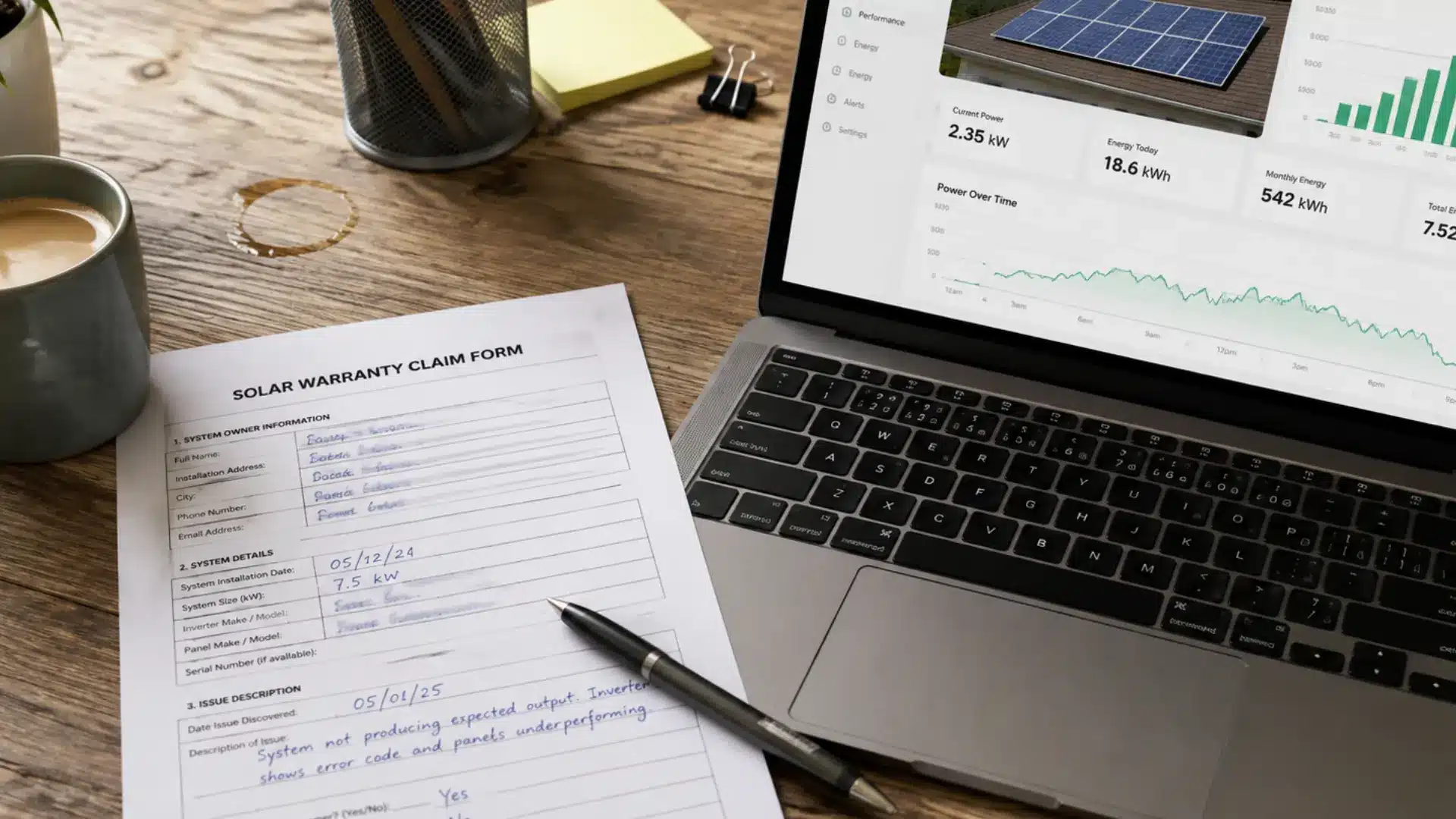
Filing a successful claim requires the right contact, complete records, clear evidence, and confirmation of every cost before repairs begin.
- Start with your installer if the issue involves workmanship, wiring, mounting, roof penetrations, or overall system performance.
- The panel manufacturer becomes the right contact once a technician confirms the problem traces back to a manufacturing or material defect.
- Gather your proof of purchase, installation agreement, warranty documents, maintenance records, and any required product registration details.
- Panel serial numbers, monitoring data, photographs, error messages, and technician or inspection reports all strengthen your case.
- Before authorizing any repairs, confirm who will pay for labor, shipping, panel removal, replacement work, and reinstallation.
Careful documentation and written cost confirmation can prevent delays, reduce disputes, and improve your chances of receiving approved warranty support.
Final Thoughts
A strong warranty should give you confidence, not leave you guessing about who pays when something goes wrong.
Before choosing a system, compare the product, performance, and workmanship terms side by side, including labor, shipping, removal, and reinstallation costs.
I would always give extra weight to the installer warranty, because that is often where the biggest coverage gap appears.
A well-written solar panel warranty can protect your investment for decades, but only when every part of the agreement works together.
Ask for each term in writing, read the exclusions carefully, and avoid relying on the headline number alone. Have you checked the warranty details in your solar quote? Share the coverage length or any concerns in the comments below today.
Frequently Asked Questions
How long do Solar Panels have a warranty?
Most solar panels carry a product warranty of 10 to 25 years covering defects and materials, alongside a separate performance warranty, often also up to 25 years, guaranteeing a minimum power output. These run at the same time but cover different things, so checking both numbers matters more than checking one headline figure.
Does a Solar Panel warranty cover labor?
Most manufacturer warranties cover defective panels but do not automatically pay for labor, shipping, removal, or reinstallation. Labor may be covered separately under the installer workmanship warranty, which often has a shorter term. Always check both documents to see who pays technician costs before assuming a warranty claim will be completely free.
What happens to Solar Panels after 25 years?
After 25 years, solar panels may continue producing electricity, but output levels are not guaranteed unless stated in the warranty. Many performance warranties set a minimum output threshold of about 80% to 90% by year 25. The exact percentage depends on the panel model, degradation rate, and warranty terms.
What can void a Solar Panel warranty?
Common causes include improper installation by an unauthorized installer, unapproved system modifications, and physical damage unrelated to a manufacturing defect. Sticking with certified installers and avoiding DIY changes to mounting or wiring preserves your manufacturer’s original coverage.