


Installing solar panels should not feel like a gamble with the roof protecting your home. Still, warranty concerns are one of the things homeowners raise before signing an installation contract.
I prefer to look at the fine print before assuming the worst, because the answer is rarely a simple yes or no.
The key question, do solar panels void roof warranty, depends on the installer, mounting method, roofing material, and the terms set by each warranty provider.
In many cases, properly installed panels do not cancel coverage, but poor workmanship can create gaps in protection.
Here I’ll explain the three warranties involved, what each one covers, and the steps that help you protect both your roof and your solar investment.
Do Solar Panels Void Your Roof Warranty?
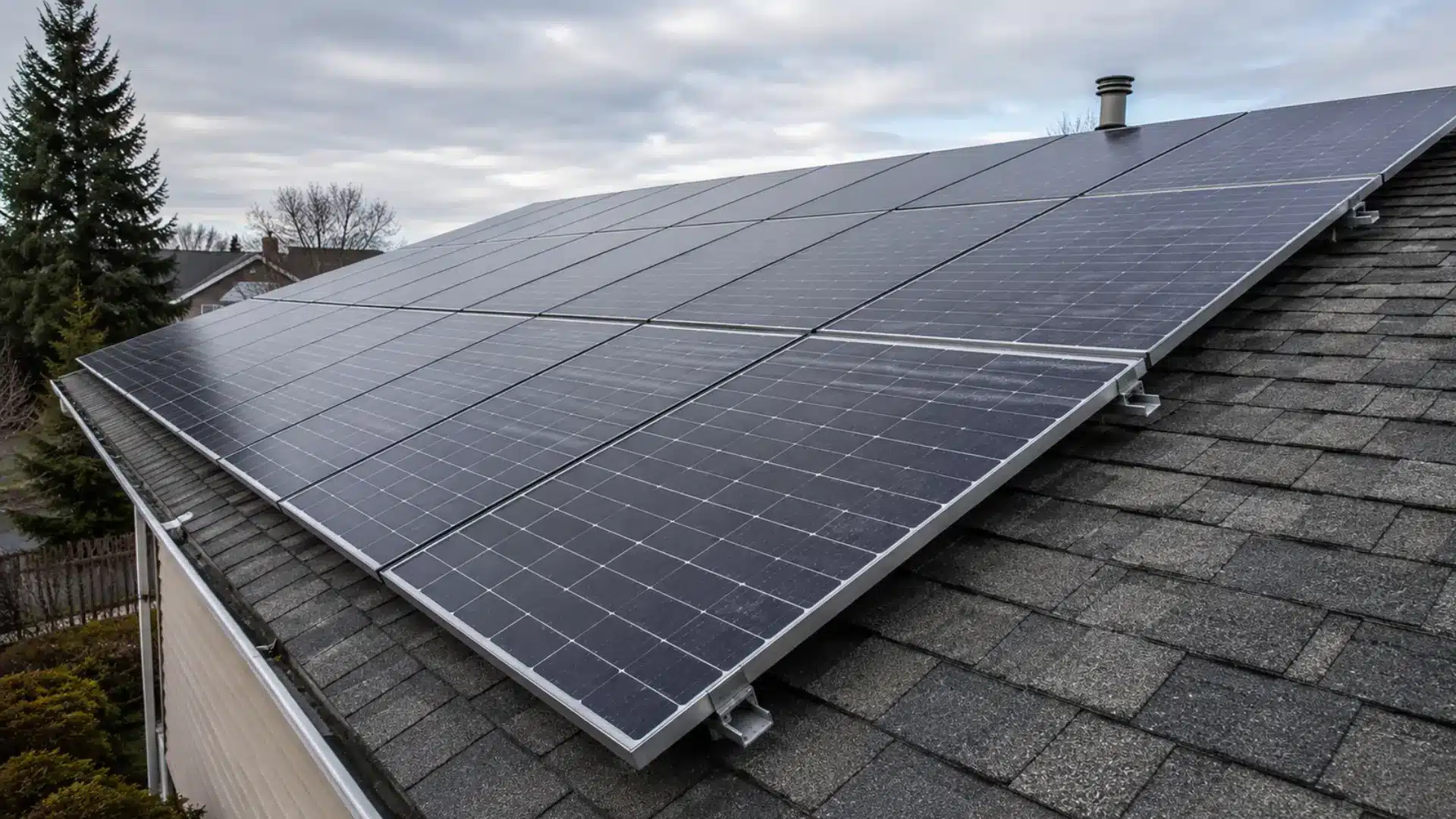
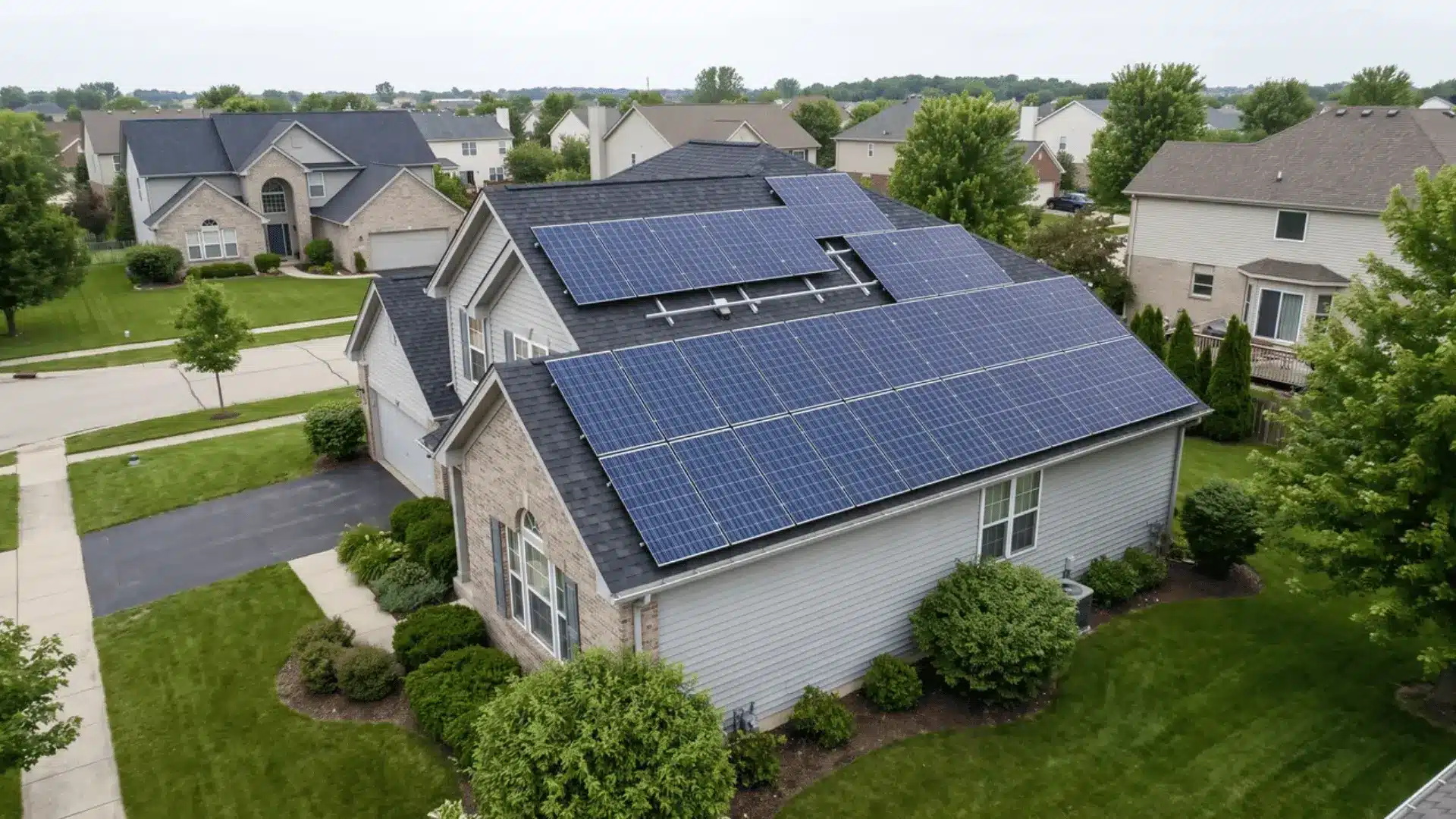
No, installing solar panels does not automatically void your roof warranty. Most shingle manufacturer warranties remain valid when the panels are installed correctly, and the installer follows the roofing brand’s approved guidelines.
The main risk comes from improper installation. An uncertified contractor may use the wrong mounting method, damage the shingles, or ignore required sealing steps.
A DIY installation can create the same problem because the work may not meet the manufacturer’s warranty conditions. It is also important to understand what “void” means in this situation.
In many cases, the entire roof warranty is not canceled. Instead, coverage may be denied only for the shingles, fasteners, or roof sections affected by the solar panel installation.
What Can Affect Your Roof Warranty After Solar Installation?
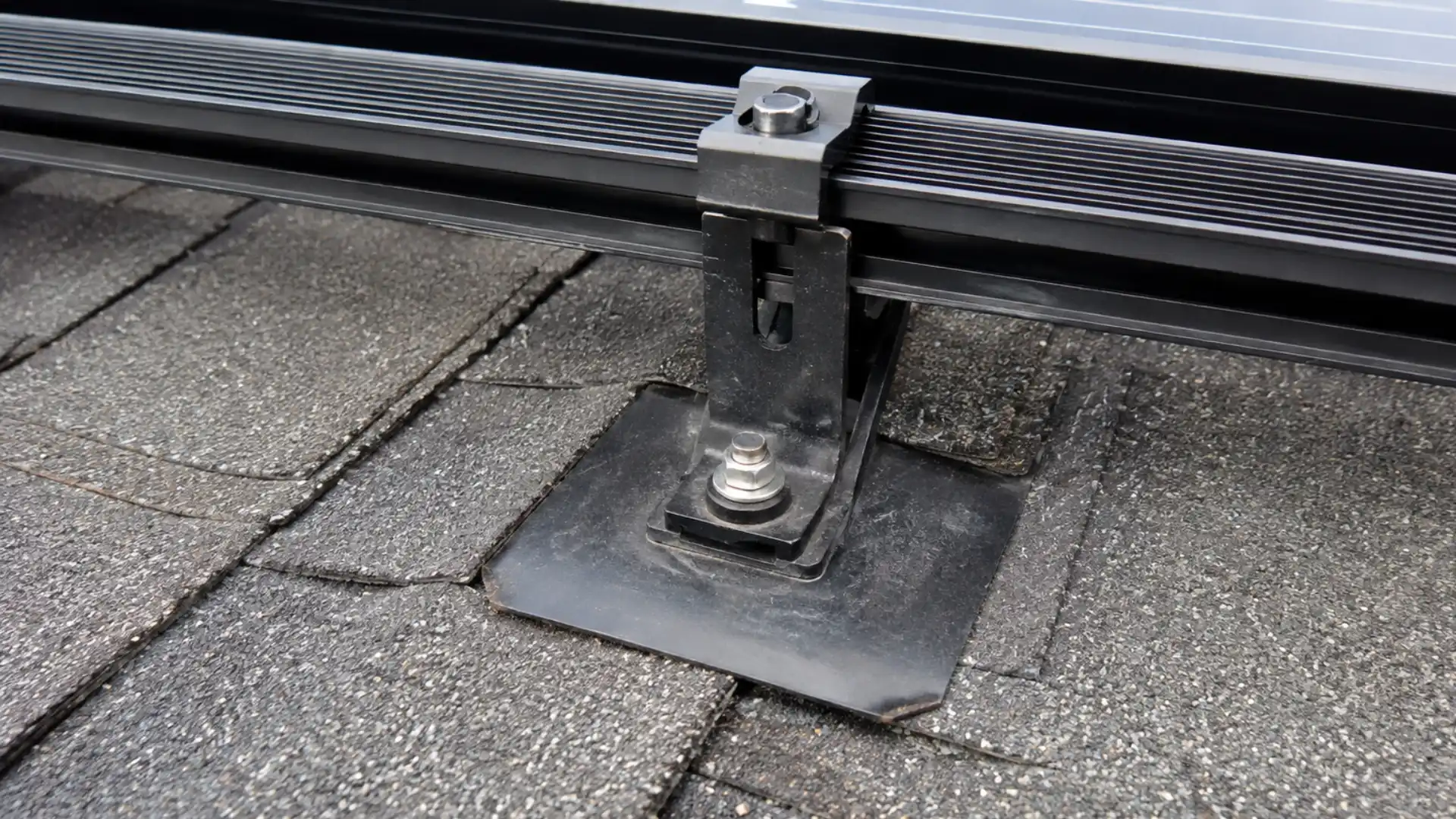
Knowing which slice of your warranty applies to a given problem is only half the picture. The next question is what actually puts that coverage at risk in the first place. The most important factor is whether the installation follows the roofing manufacturer’s written requirements.
Mounting hardware, flashing, fasteners, sealants, and roof penetrations must be suitable for the roofing system.
Poorly placed mounts or improperly sealed holes can damage shingles and create a path for water. Some manufacturers may also require approved products, trained installers, or specific roofing components for enhanced coverage.
Documentation matters as well. Missing permits, installation records, photographs, or contractor invoices can make a future claim harder to prove.
Since warranty conditions vary by brand, review your warranty and request written confirmation before installation begins.
The Three Warranties Homeowners Often Confuse
The term “roof warranty” usually refers to several separate agreements. Each one covers a different type of problem, so damage caused by solar installation may affect one warranty without canceling the others.
- Manufacturer’s materials warranty: This one covers qualifying defects in the shingles or roofing products themselves, such as manufacturing problems unrelated to installation.
- Original roofer’s workmanship warranty: Mistakes made when the roof was first installed fall under this warranty, with terms set by the roofing contractor’s written agreement.
- Solar installer’s workmanship warranty: When the solar crew caused the problem, whether that’s faulty flashing, damaged shingles, loose mounting hardware, or poorly sealed penetrations, this is the warranty that applies.
Before filing a claim, identify what caused the problem. That will usually determine which company and solar panel warranty should handle the repair.
What Happens If Solar Installation Causes a Roof Leak?
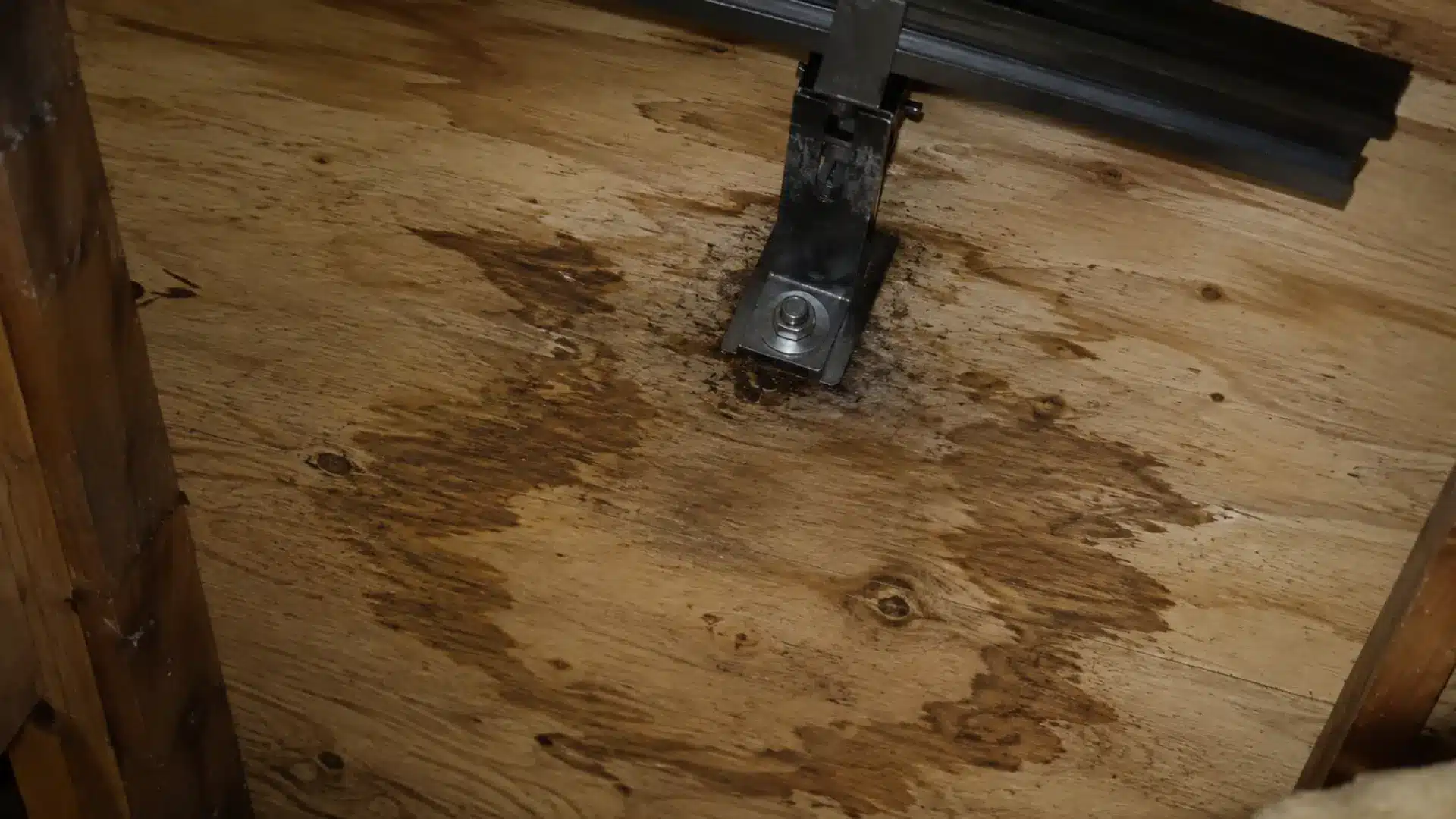
When a leak develops near solar mounting hardware, the first step is identifying its exact source. Water can travel beneath shingles or underlayment, so the visible ceiling stain may not sit directly below the damaged area.
If faulty flashing, damaged shingles, or poorly sealed penetrations caused the leak, the solar installer’s workmanship warranty may cover the repair.
The shingle manufacturer’s warranty will generally focus on qualifying product defects rather than damage caused by another contractor’s work.
Report the issue quickly and document it with photographs, inspection findings, contracts, and installation records.
Avoid hiring another company to make immediate changes unless emergency work is necessary. Unauthorized repairs could complicate the inspection or claim process.
How to Protect Your Roof Warranty Before Installation
Dealing with a leak after installation is far more stressful than heading one off before the crew shows up. A handful of checks on the contractor, materials, and mounting process can keep that scenario off the table entirely.
- Identify the shingle manufacturer. Find the roofing brand and pull the latest copy of its warranty terms before anything else.
- Check solar installation rules: does the manufacturer treat panels, mounts, flashing, fasteners, or roof penetrations as special conditions or exclusions.
- Verify the contractor is licensed, insured, and has real experience with your specific roofing system, not just solar installations in general.
- Review certification requirements, since some manufacturers only preserve certain coverage tiers for approved or credentialed installers.
- Get protection in writing: a workmanship warranty covering leaks, damaged shingles, faulty flashing, penetrations, and related interior water damage.
- Save every document. Contracts, permits, product details, inspection reports, installation photographs, approvals, and warranty records all belong in one folder
Keeping every approval, warranty, permit, and inspection record gives you clearer evidence if a roof or solar claim arises later.
What Happens When the Roof Needs Repairs or Replacement?
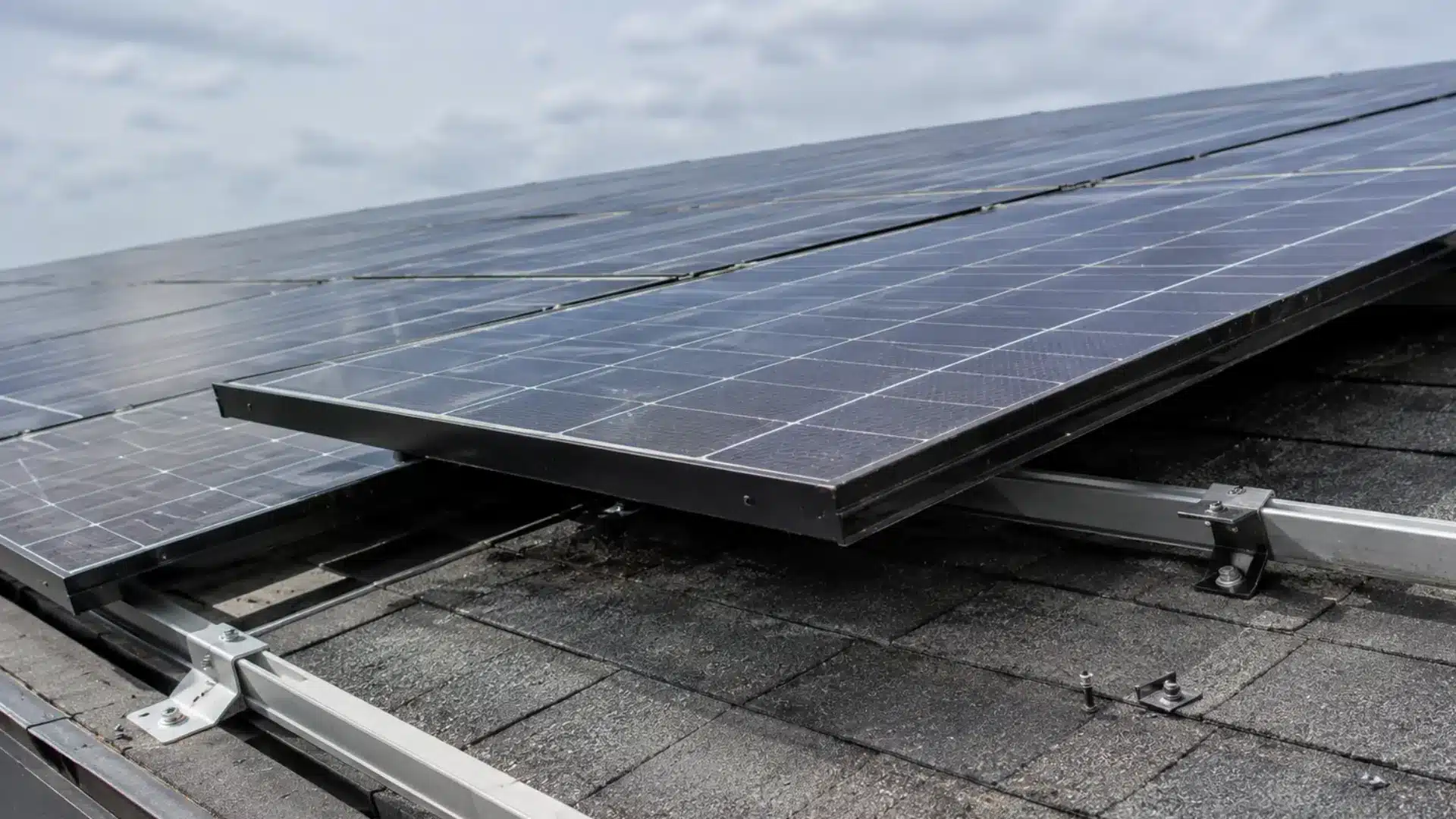
Solar panels may need to be removed temporarily when your roof requires major repairs or a full replacement.
The process usually includes disconnecting the system, removing the panels and mounting hardware, completing the roofing work, and reinstalling everything afterward.
Before any roof work begins, contact both your roofer and solar provider to confirm who is authorized to remove and reinstall the system.
Ask whether the work could affect either company’s workmanship warranty and who will inspect the flashing, mounts, and roof penetrations after reinstallation. You should also confirm who will pay for the additional labor.
Some enhanced warranty plans may cover part of the removal and reinstallation cost for approved claims, while standard warranties may not. Get the costs, responsibilities, work scope, and warranty terms in writing before scheduling the repair.
Conclusion
Solar panels and roof warranties can work together, but only when the installation follows the right rules from the beginning. The key is understanding that your coverage comes from three different sources, not one warranty.
When homeowners ask, “do solar panels void roof warranty,” the answer usually depends on installer certification, approved mounting methods, and written workmanship terms.
I recommend checking these details before any drilling begins, because fixing paperwork later is far harder than confirming it upfront.
Keep copies of every warranty, installation record, and manufacturer approval for future repairs.
Have you installed solar panels, or are you still comparing contractors? Share your experience, questions, or concerns in the comments so other homeowners can learn from what you found.
Frequently Asked Questions
Does adding solar panels cancel my roof’s manufacturer warranty?
Not automatically. Manufacturer warranties cover material and manufacturing defects, and that coverage typically stays active as long as installation follows the shingle brand’s certified process. What usually gets excluded is coverage for the specific area where panels were mounted, not the entire roof’s warranty.
Do solar installers provide their own warranty for roof damage?
Reputable solar installers typically offer a separate workmanship warranty, often around ten years, covering leaks or damage from the mounting hardware and roof penetrations they create. This is distinct from both the roofer’s original workmanship warranty and the shingle manufacturer’s materials warranty.
Can solar panels be removed later without affecting my warranty?
Yes, but only if certified technicians handle the removal and reinstallation. Doing it yourself, or using an uncertified crew for future roof repairs, can trigger the same exclusions that applied to the original installation, even years later.
Does installing solar panels myself void my roof warranty?
In most cases, yes. Manufacturer and workmanship warranties are tied to certified installation methods, and a DIY setup or an uncertified crew typically falls outside those terms. This is one of the few situations where warranty loss is close to guaranteed rather than conditional.