

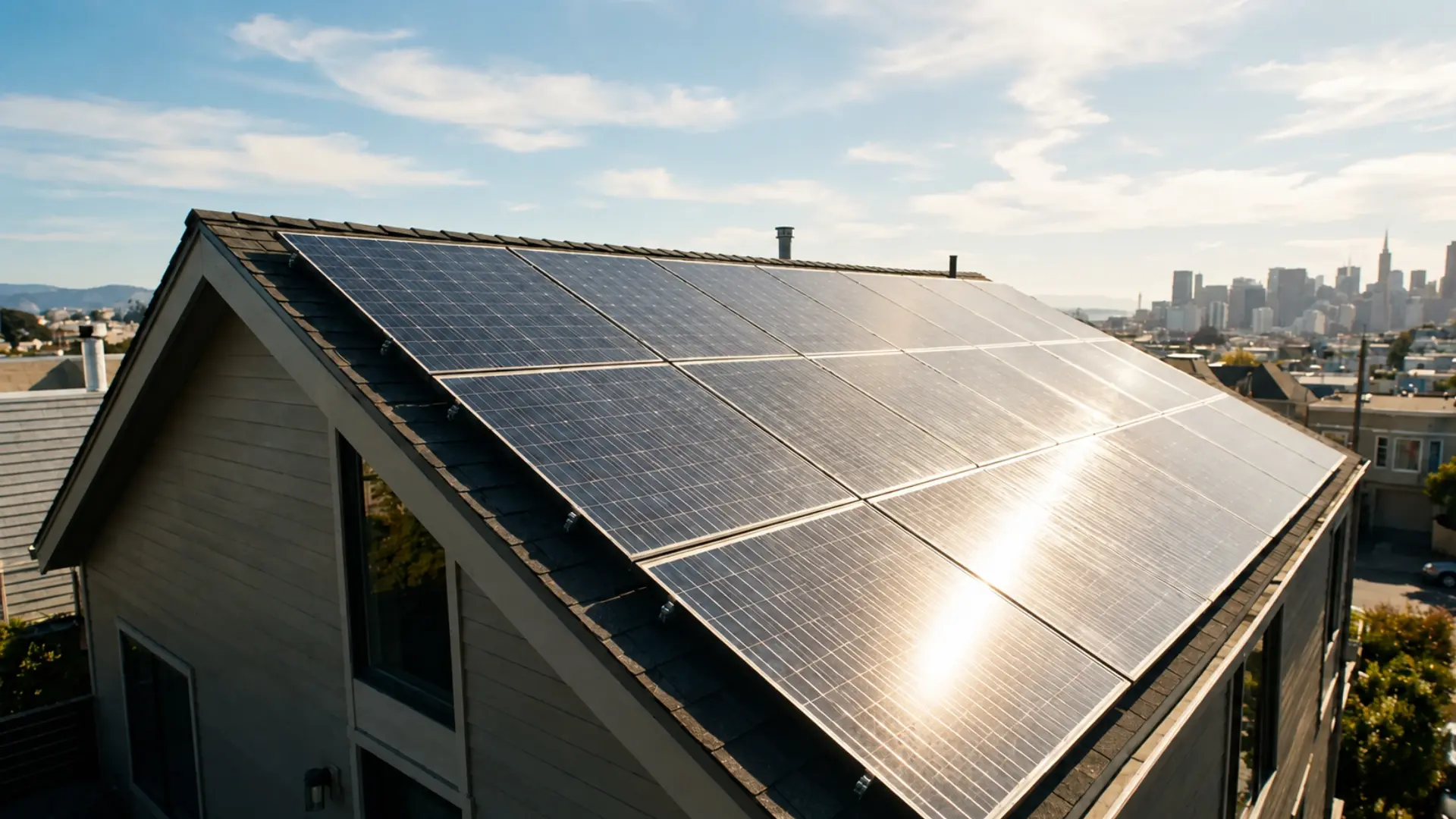
Choosing between solar shingles vs. solar panels isn’t as simple as picking the option that looks better. I know how confusing it can be when one promises higher efficiency while the other offers a cleaner roof design.
If you’re trying to lower electricity bills, improve your home’s value, or invest in renewable energy, you need clear answers before spending thousands.
I’ll break down the real differences in cost, efficiency, installation, maintenance, lifespan, and appearance without the technical jargon.
By the time you finish reading, you’ll have a much clearer idea of which system suits your roof, budget, and long-term energy goals.
What Are Solar Panels?
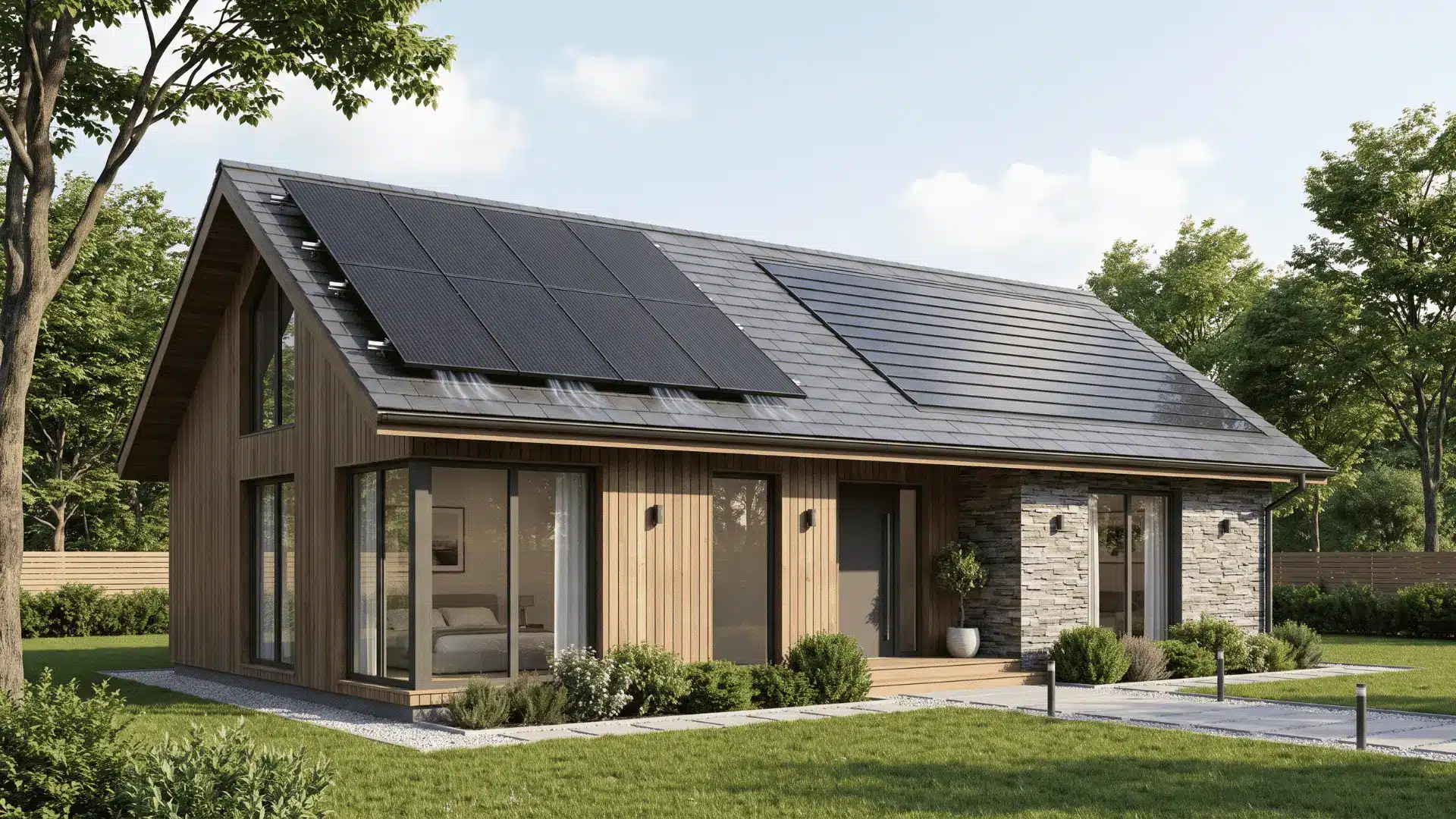
Solar panels are rooftop systems that convert sunlight into electricity using photovoltaic (PV) cells. They are mounted above an existing roof on metal racking, allowing airflow underneath to improve performance and keep the panels cooler during hot weather.
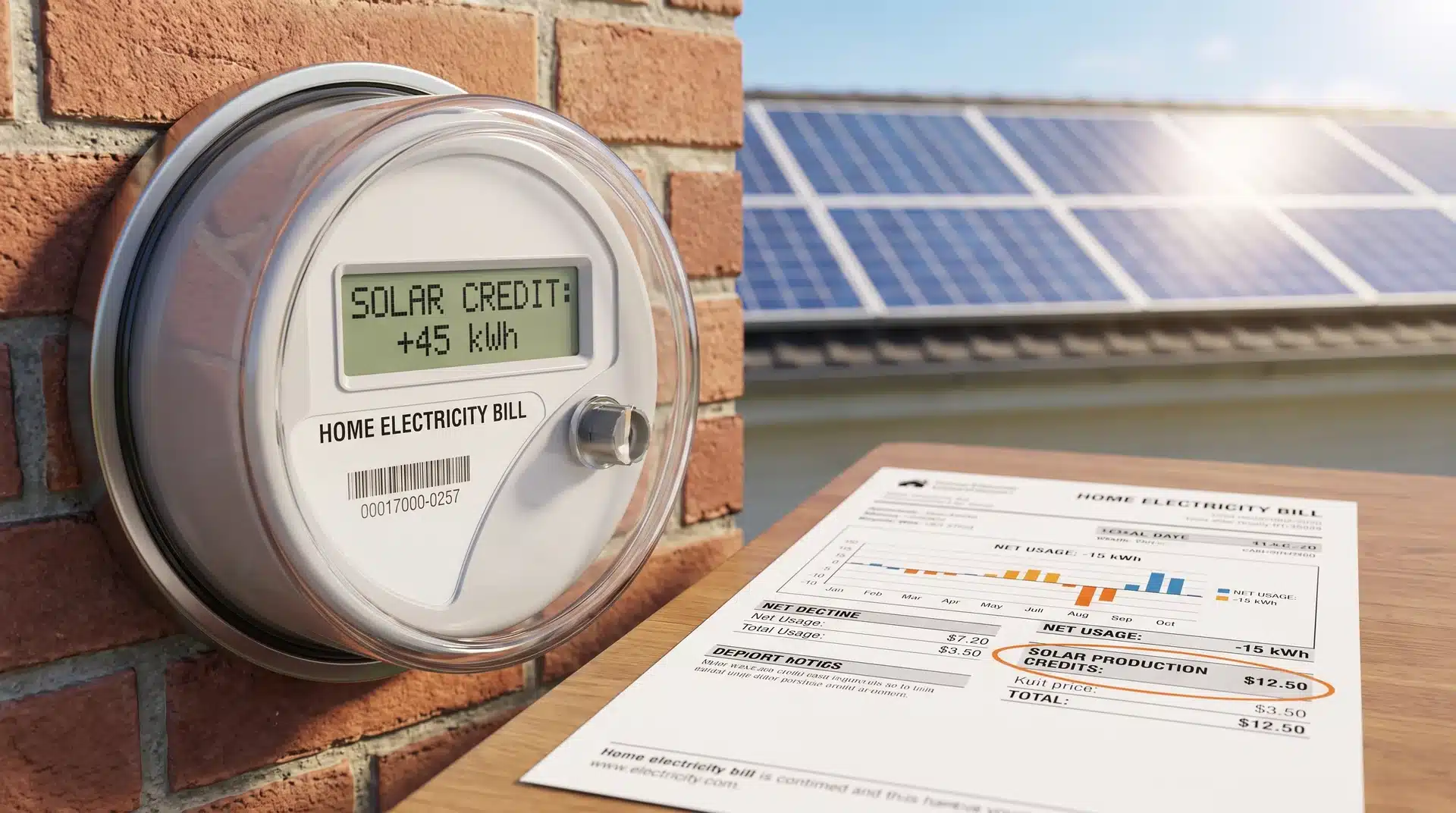
The electricity they generate can power your home, reduce reliance on the grid, and lower monthly energy bills. Most residential systems include an inverter that converts the electricity into a form your household appliances can use.
Solar panels are the most common residential solar solution because they offer high efficiency, lower installation costs, and straightforward maintenance.
They also make it easy to expand the system later by adding more panels if your energy needs increase.
What Are Solar Shingles?
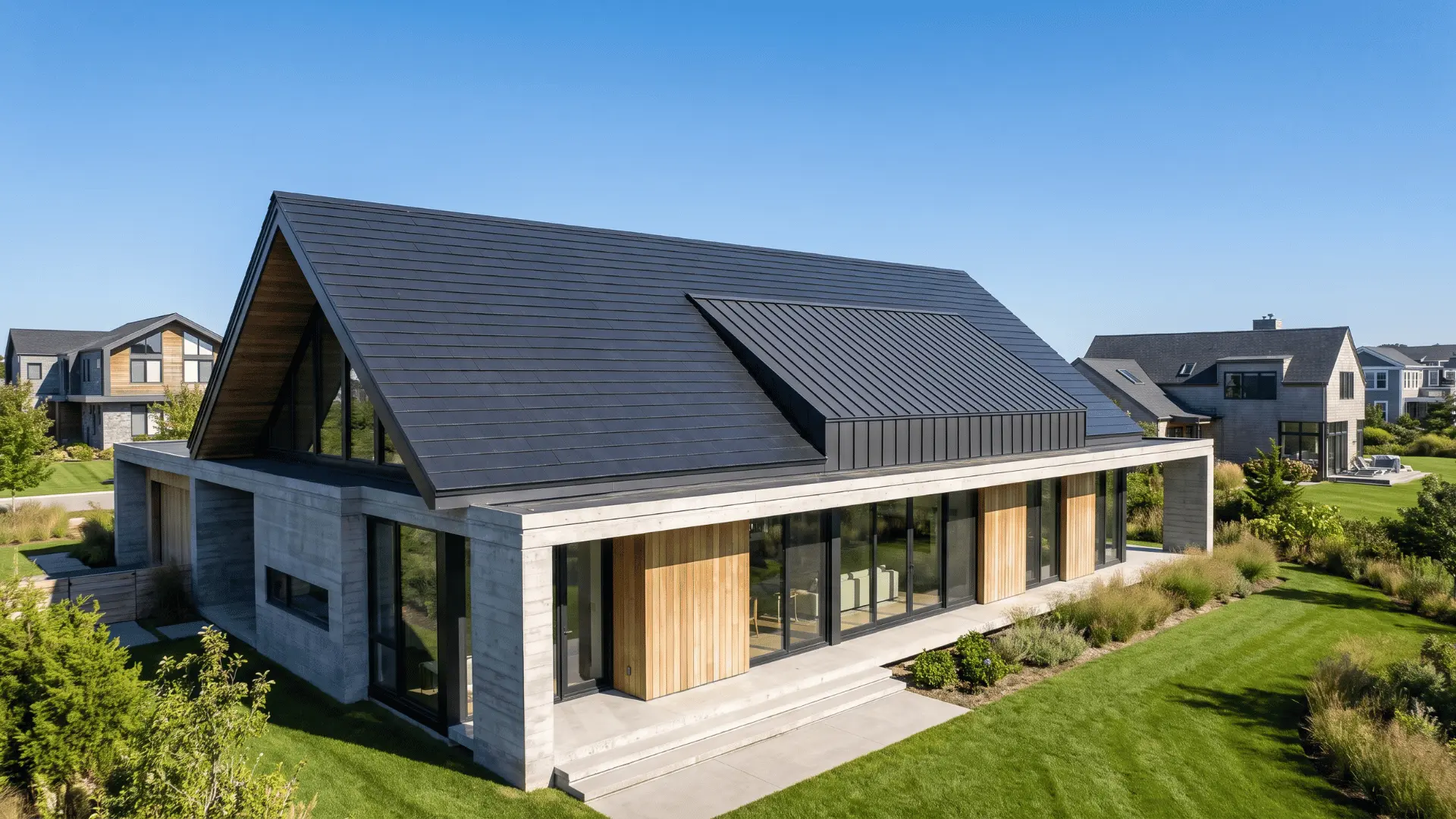
Solar shingles are roofing materials with built-in photovoltaic cells that generate electricity while protecting your home from the weather.
Unlike traditional solar panels, they replace conventional roof shingles instead of being installed on top of an existing roof. Their integrated design creates a cleaner, more uniform appearance because the solar technology blends into the roofline.
Solar shingles are commonly installed during new home construction or when an aging roof is being replaced, allowing homeowners to combine roofing and solar installation into one project.
While they generally cost more and produce slightly less electricity than traditional solar panels, they appeal to homeowners who prioritize appearance and want a roof that also functions as a renewable energy system.
Solar Shingles vs. Solar Panels: Key Differences
1. Installation Differences
Solar panels are installed on top of your existing roof, while solar shingles become part of the roof itself. Solar shingle installation is more complex because it combines roofing and electrical work into one project. That difference affects installation time, project cost, and future maintenance.
A typical solar panel installation takes one to three days once permits are approved. Installers secure mounting brackets to the roof structure before attaching the panels above the roofing material. If your roof is in good condition, this process is relatively straightforward.
Solar shingles require a much larger project. The existing roofing material must be removed before the new roof system is installed. Because the shingles generate electricity while serving as roofing material, installation is similar to a complete roof replacement and usually takes several days.
Solar panels are usually the simpler option for existing roofs, while solar shingles are best suited to new construction or planned roof replacements because installation is completed as part of the roofing project.
2. Efficiency and Energy Production
Energy efficiency determines how much electricity each system can generate from the available roof space. Solar panels generally operate at 20–22% efficiency, allowing them to produce more electricity from a smaller area.
Solar shingles typically operate at 15–20% efficiency, meaning they require more roof coverage to generate the same amount of electricity.
The difference becomes more noticeable on smaller roofs where installation space is limited. Higher-efficiency panels allow homeowners to maximize energy production without covering the entire roof.
Heat also affects performance. Traditional panels are mounted above the roof, allowing air to circulate underneath and helping keep temperatures lower. Solar shingles sit directly against the roof surface, trapping more heat, which can slightly reduce their electrical output during hot weather.
3. Lifespan and Durability
Both systems are designed to operate for decades, but their expected lifespan and maintenance requirements differ.
Most modern solar panels carry performance warranties of 25 to 30 years and often continue producing electricity well beyond that period with gradual efficiency loss.
Solar shingles generally last 20 to 30 years, depending on the manufacturer and roofing conditions.
4. Maintenance and Future Expansion
Maintenance costs are another important difference.
Solar panels are modular systems. If one panel is damaged, it can usually be replaced without disturbing the rest of the system. Cleaning requirements are minimal, and future expansion is relatively simple if additional roof space is available.
Solar shingles are integrated into the roofing system. Repairs are generally more complex because individual shingles are part of the roof itself.
Expansion is also limited. Adding more generating capacity later may require significant roof modifications, whereas expanding a panel system often involves installing additional panels and updating the inverter if necessary.
5. Appearance
Appearance is often the biggest reason homeowners consider solar shingles. Traditional solar panels remain visible above the roof, making them easier to identify from the street.
Solar shingles blend into the roof surface, creating a cleaner and more uniform appearance that many homeowners prefer.
For homes in strict neighborhoods or areas with architectural requirements, this integrated appearance can make solar shingles a more attractive option despite their higher cost.
Solar Shingles vs. Solar Panels Cost Breakdown
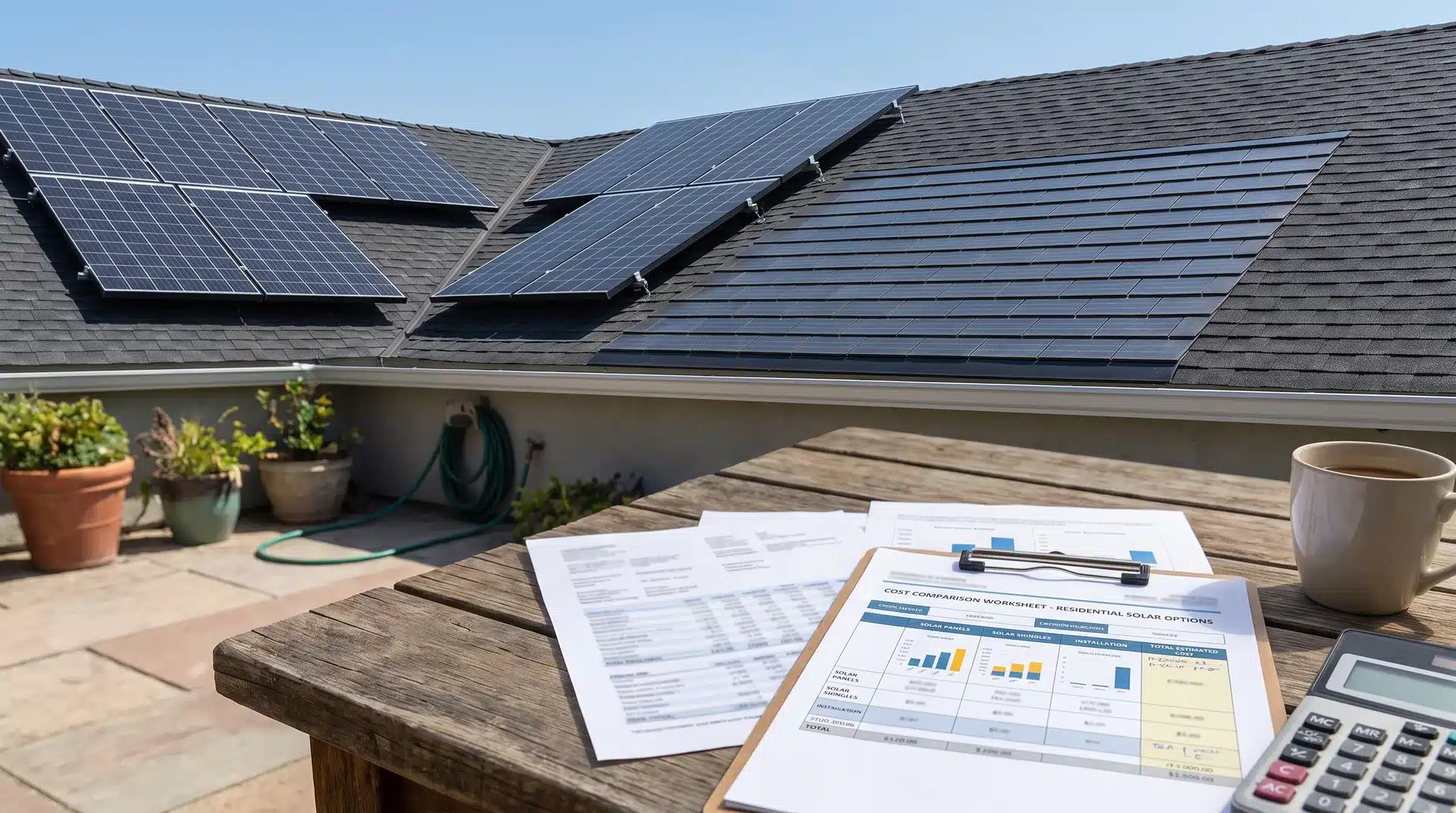
The upfront price difference between solar panels and solar shingles goes beyond the equipment itself. Installation, roofing work, labor, and long-term value all influence the total project cost.
While solar panels are usually the more affordable option, solar shingles can become more cost-effective if you’re already replacing an aging roof.
| Cost Factor | Solar Panels | Solar Shingles |
|---|---|---|
| Equipment | Lower | Higher |
| Installation | Lower labor costs | Higher labor costs |
| Roof Work | Installed on existing roof | Replaces roofing material |
| Average Total Cost | £20,000–£30,000 | £40,000–£70,000 |
| Return on Investment | Faster | Slower |
| Best Value | Existing roofs in good condition | New builds or roof replacements |
For most homes with a structurally sound roof, solar panels provide the lowest upfront investment and the quickest payback period. Solar shingles require a larger initial budget, but they combine roofing and solar installation into a single project, making them a practical choice during a planned roof replacement.
Federal Tax Credit and Incentives
Government incentives can significantly affect the cost of going solar, so it’s worth checking what’s available before requesting installation quotes.
For homeowners purchasing a solar system outright, the federal residential 30% solar tax credit no longer applies to systems placed in service after 31 December 2025. This means cash purchases and financed systems installed in 2026 are no longer eligible for that residential incentive.
Some leased systems and Power Purchase Agreements (PPAs) may still benefit indirectly because the installation company can claim separate commercial tax incentives and pass some of those savings on through lower monthly payments.
State, regional, and utility incentives continue to vary by location and can still reduce the overall cost of both solar panels and solar shingles. Always check local programs before making your final decision.
When Should You Choose Solar Panels or Solar Shingles?
The right choice depends on your roof, budget, and long-term plans rather than one product being universally better.
Solar panels are the better option if your roof is still in good condition and you want the highest energy production, lower upfront costs, easier maintenance, and the flexibility to expand your system later. They suit most homeowners because they deliver the fastest return on investment.
Solar shingles make more sense if you’re already replacing an aging roof, building a new home, or prioritizing a seamless roof appearance over maximum efficiency. They also work well in neighborhoods with strict architectural guidelines or HOA rules that discourage visible panels.
Before making a decision, compare quotes for both options, assess your roof’s remaining lifespan, and calculate the total project cost instead of focusing only on the price of the solar equipment.
Conclusion
Choosing solar shingles vs. solar panels comes down to matching the system to your home rather than chasing the newest technology.
I hope the comparisons on cost, efficiency, installation, maintenance, lifespan, and appearance have made the decision easier for you.
If your roof is in good shape and you want the best value and energy production, traditional panels are usually the stronger choice.
If you’re replacing your roof or care most about a seamless look, solar shingles may be worth the extra investment.
Take time to compare quotes, review local incentives, and assess your roof before deciding. If you still have questions, share them below or check out my related solar guides.
Frequently Asked Questions
Can solar shingles be installed on any type of roof?
No. Solar shingles work best on roofs with suitable pitch, good sun exposure, and minimal shading. Some roofing materials and complex roof designs may not be compatible or may increase installation costs. A professional site assessment is needed to confirm whether your roof is suitable.
Do solar shingles work during cloudy weather?
Yes. Solar shingles continue generating electricity on cloudy days, but output is lower because less sunlight reaches the photovoltaic cells. They produce the most electricity in direct sunlight, although modern systems are designed to capture diffuse daylight as well.
Do solar panels or solar shingles require battery storage?
No. Both systems can operate without a battery if they are connected to the electrical grid. A solar battery is optional and mainly provides backup power during outages, stores excess electricity for later use, and increases energy independence.
Can you mix solar panels and solar shingles on the same roof?
Yes. Some homeowners install solar shingles on the front-facing roof for a cleaner appearance while using traditional solar panels on less visible roof sections to maximize energy production and reduce overall costs. Compatibility depends on the system design and installer recommendations.
Which option is better for hot climates?
Traditional solar panels generally perform better in hot climates because they are mounted above the roof, allowing air to circulate underneath and reduce heat buildup. Solar shingles sit directly on the roof surface, which can cause higher operating temperatures and slightly lower energy output during very hot weather.