
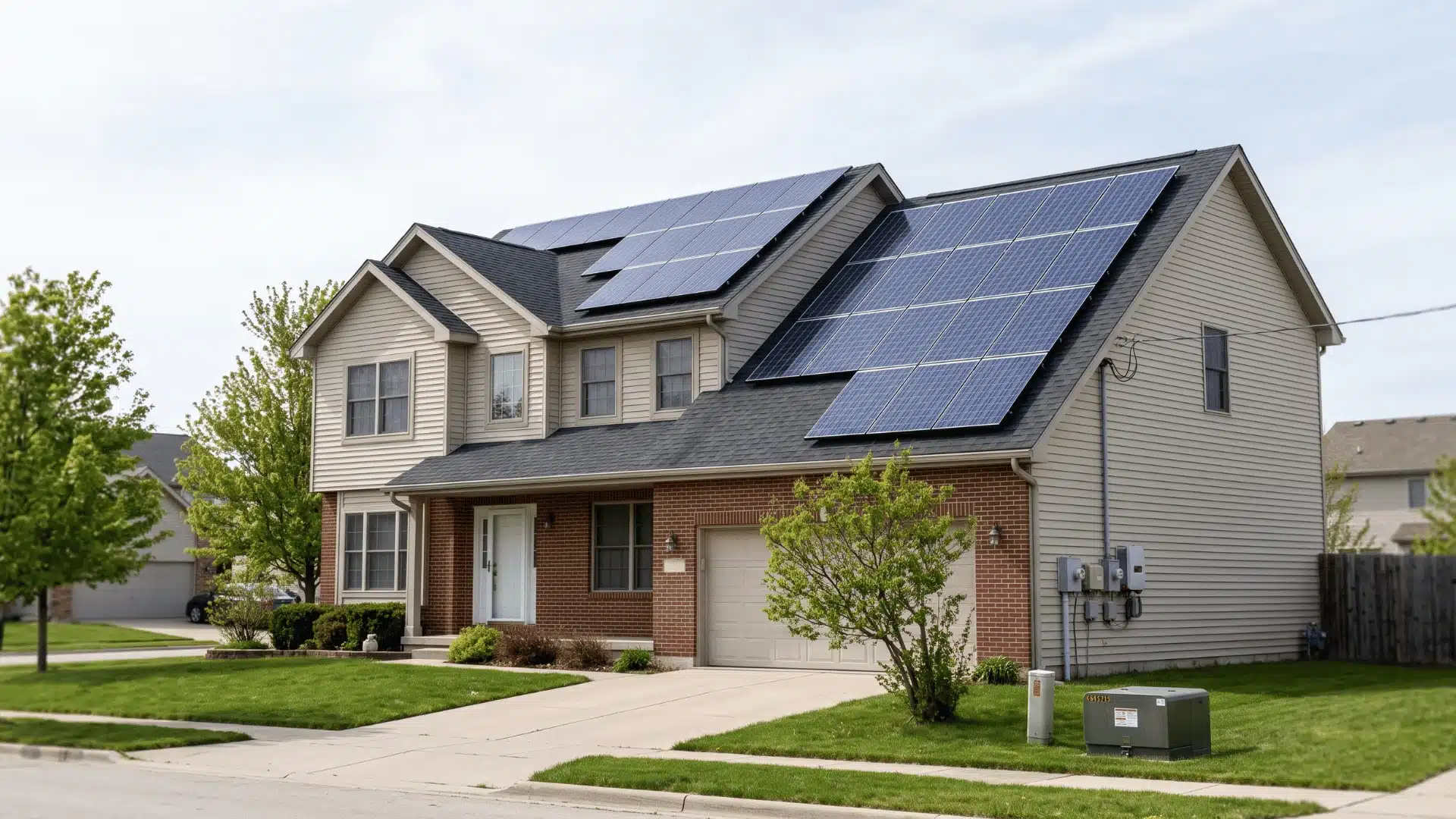


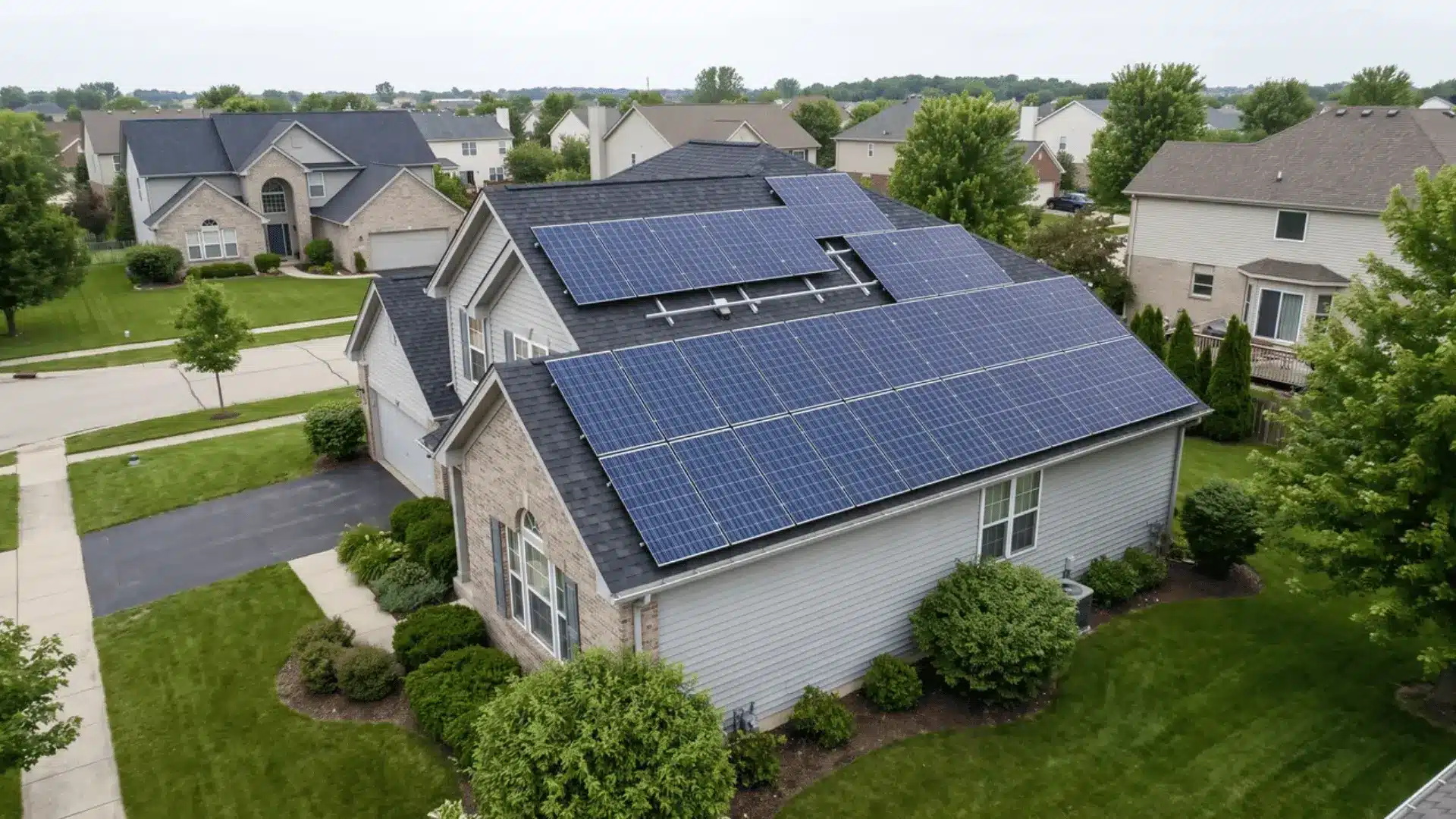
You have probably seen the offer: free solar panels, no upfront payment, and lower electricity bills from the first month of the agreement for your home.
A power purchase agreement (PPA) for solar can make that possible, but the word “free” does not mean the deal comes without long-term costs or conditions for homeowners.
Before signing, check who owns the system, how your electricity rate may rise, and what happens if you later sell, refinance, or move during the contract.
This blog explains the main benefits, costs, contract terms, and risks so you can decide if a solar PPA makes sense for your home and budget.
What is a Power Purchase Agreement?
A (solar) power purchase agreement is a contract where a company installs solar panels on your property and owns them. You never buy the equipment. You just buy the electricity it makes.
The rate is usually set below what your utility charges you right now. That’s the whole appeal.
But that rate isn’t locked in the way people assume. It can shift over the life of the contract, and the deal only works in your favor if utility rates keep climbing.
If your utility’s rates drop instead, the math flips. You could end up paying more for solar power than you would have paid the grid, which is part of why some homeowners weigh a PPA against other zero-down solar programs before signing anything.
How Does a Solar PPA Actually Work?
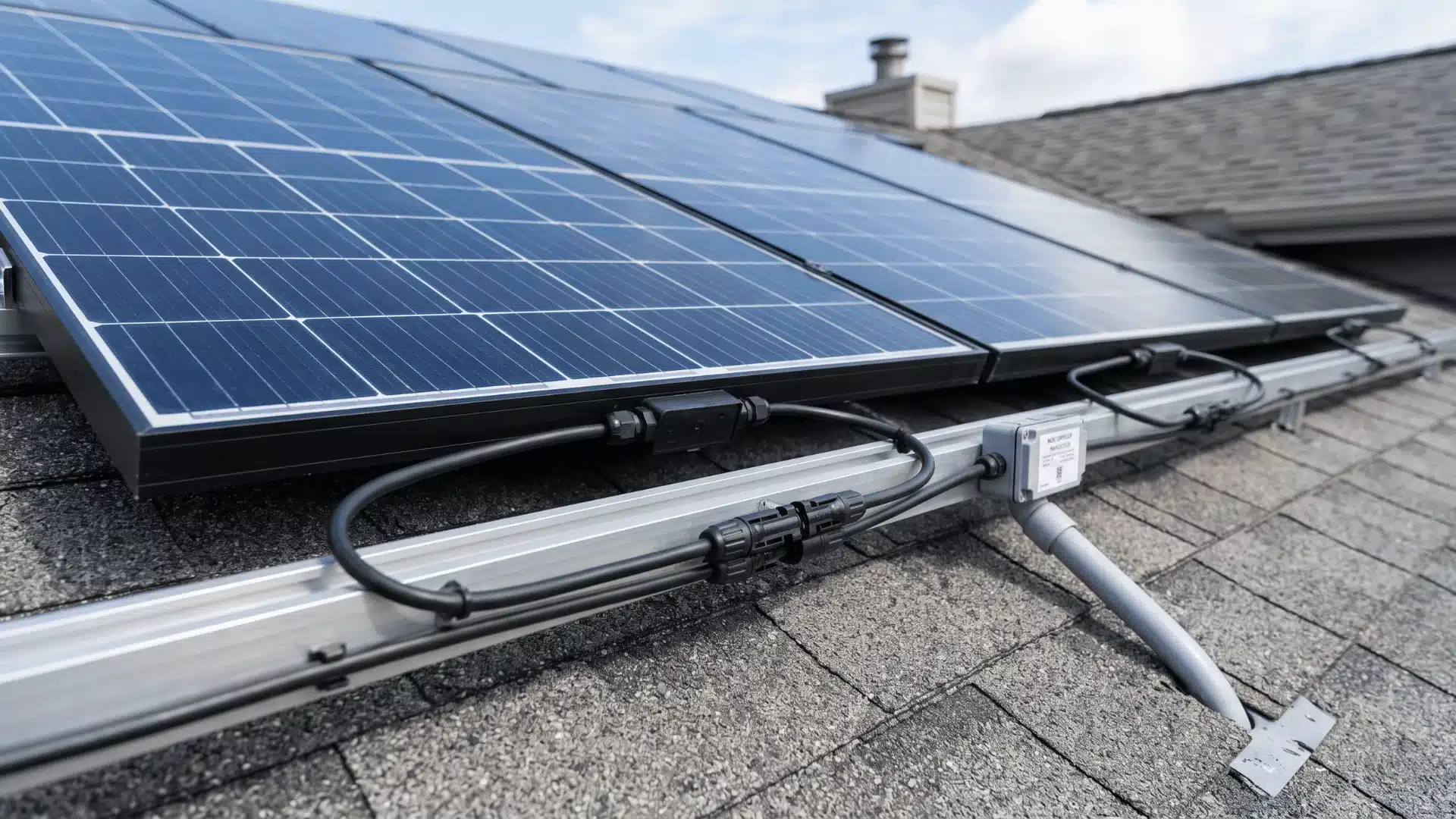
The pitch sounds simple: “zero upfront cost.” But there is a reason the provider can install your system without charging you thousands upfront.
The solar company owns the panels, which means they keep the tax credits, depreciation benefits, and other financial advantages tied to ownership.
You do not receive those benefits directly. Which incentives apply and who can claim them has shifted over the past year, so it’s worth understanding the current federal solar incentive rules before assuming either side of a PPA works the way it used to.
That ownership model is what allows them to offer you a lower electricity rate. Part of the savings comes from the incentives they receive and the way they structure the agreement.
Here is what your payment usually looks like:
- PPA payment: You pay the solar provider for the electricity your panels produce.
- Utility bill: You still pay your utility company for any electricity your panels do not cover, such as power used at night or during cloudy weather.
- Maintenance coverage: The provider handles issues with the solar equipment they own, but damage outside the system, such as roof repairs after a storm, may still be your responsibility.
One important detail to check is the escalator clause. Most PPA contracts include one, typically raising your electricity rate by 1% to 3% each year.
If your utility rates rise more slowly than your PPA rate, your expected savings can shrink or disappear over time. That is why looking beyond the first-year discount matters.
Solar PPA vs. Buying Solar Panels: Which Option Saves More?
Choosing between a solar PPA and buying solar panels comes down to what matters most to you: lower upfront costs or long-term ownership benefits.
Here is how the two options compare:
| Factor | Solar PPA | Buying Solar Panels |
|---|---|---|
| Upfront cost | Low or no upfront payment | Higher initial investment |
| Ownership | Solar company owns the system | Homeowner owns the system |
| Tax credit | Usually goes to the provider | Homeowner can claim it |
| Maintenance | Provider usually handles system repairs | Homeowner handles repairs |
| Long-term savings | Depends on PPA rate and contract terms | Often higher because you own the system |
A PPA can make solar easier to access, but buying panels may offer more financial benefits over time. The better choice depends on your budget, how long you plan to stay in your home, and how much control you want over your solar system.
What Are the Trade-Offs Compared to Owning Solar?
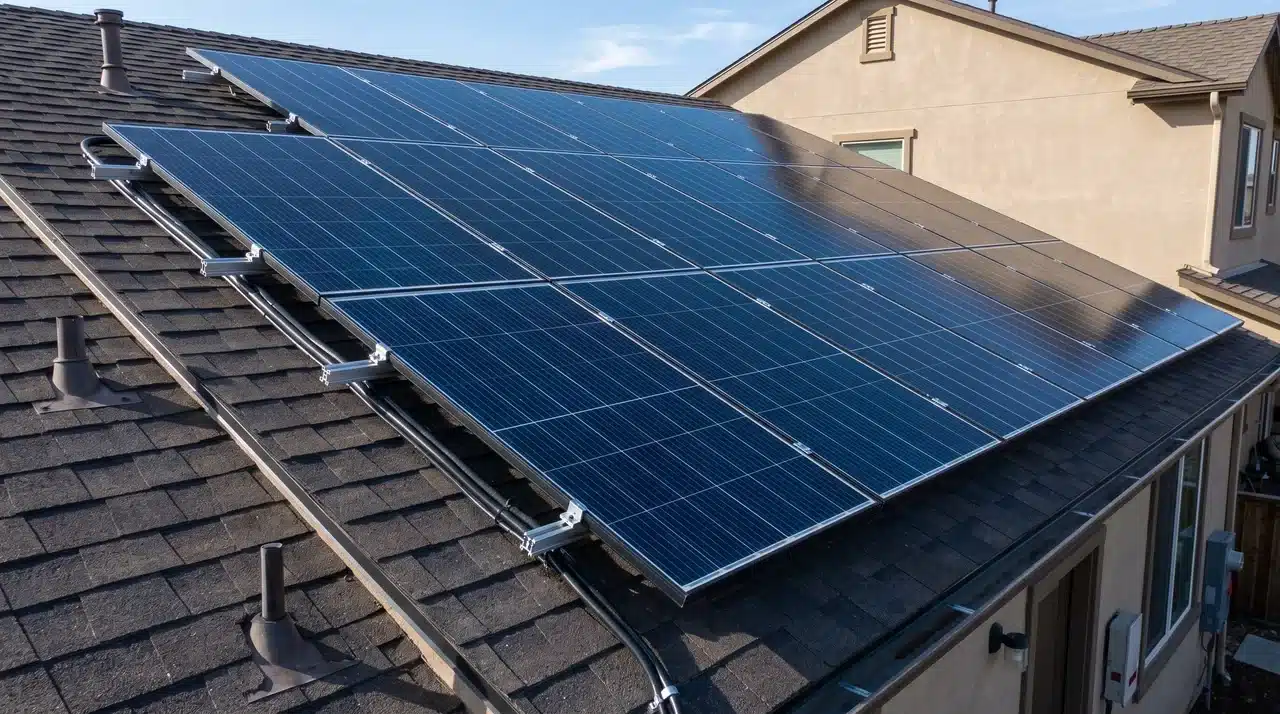
Every PPA benefit comes with a cost. You get lower upfront expenses and fewer responsibilities, but you give up some ownership benefits.
With a PPA, the provider owns the panels, so any tax benefits tied to ownership go to them.
Buying no longer changes that calculation the way it used to; the federal residential solar tax credit expired for systems placed in service after December 31, 2025, so homeowners who buy in 2026 don’t receive it either. Providers can still access a separate commercial credit, which is part of how they can offer a lower rate.
The trade-off is maintenance. If your inverter fails years later, the provider usually handles the repair. With a purchased system, that cost falls on you.
Over time, the difference can grow. Solar prices have dropped, while PPA rates often increase through escalator clauses.
Over a 20-year term, you may pay more for a PPA than owning the system outright, depending on your contract.
What Are the Benefits of a Solar PPA?
A solar PPA can make switching to solar easier for homeowners who want lower energy bills without the cost and responsibility of owning a system. Some key benefits include:
- No large upfront payment: The solar provider pays for the panels, installation, and setup. You only pay for the electricity your system generates.
- Lower maintenance responsibility: Since the provider owns the panels, they usually handle system repairs and maintenance throughout the agreement.
- Access to solar savings: A PPA lets you reduce your dependence on utility power without taking out a loan or paying for the entire system upfront.
- A simpler option for some homeowners: If you’re not planning to claim ownership incentives or handle repairs yourself, a PPA hands off the paperwork, permitting, and equipment upkeep to the provider.
A solar PPA can be useful, but the savings depend on the contract details. Check the rate increases, escalator clause, and transfer rules before signing to make sure the agreement fits your long-term plans.
What Happens to a Solar PPA When You Sell Your Home?
People assume solar panels sell with the house, the same way a furnace or a water heater does. Under a PPA, that’s not how it works.
- The panels aren’t yours. They’re the developer’s, tied to a contract, not the deed.
- When you sell, your buyer has to agree to take over that contract. They apply, get approved, and step into your remaining payments, rate, and years left on the term.
- If your buyer doesn’t want that, or doesn’t qualify, you’re stuck with two options.
- You can pay to buy out the rest of the contract yourself, ending it early. Or the developer can come remove the system before
- closing.
Either one can stall a sale that was otherwise ready to close. I’ve seen deals slip past their closing date over exactly this.
You don’t have to be selling to buy out a PPA. Typical buyout windows include:
- Year 6 or 7: purchase the system at fair market value and take over ownership
- Years 10–15: many contracts add a second window at this stage
Staying long-term? Check your buyout schedule now, before you’re forced into a rushed decision later.
Conclusion
A power purchase agreement solar can lower electricity costs without a large upfront payment, but the long-term value depends heavily on your individual contract terms.
You give up panel ownership, and annual rate increases and transfer rules may reduce your flexibility more than expected.
Note that the federal residential solar tax credit expired at the end of 2025, so buying a system no longer comes with that benefit either; the ownership trade-off now comes down mostly to long-term cost and control, not the tax credit.
For many homeowners, the deciding factor is simple: how long they expect to stay and how much control they want over the system in coming years.
Compare quotes from several solar providers, review the escalator and transfer clauses carefully, and choose the agreement showing the clearest long-term savings for your home.
Frequently Asked Questions
Is a PPA for solar a good idea?
A PPA works well if you want solar savings without paying upfront or fixing anything yourself. It makes less sense if you plan to sell soon, want the tax credit, or think your utility rates will stay flat.
What are the disadvantages of a power purchase agreement?
You give up the tax credit and depreciation benefits, since the developer owns the panels. Annual rate escalators can eat into your savings over time. Selling your home gets more complicated, since your buyer has to agree to take over the contract.
What is the PPA rate for solar power?
It’s the price you pay per kilowatt-hour for the electricity your panels produce. It usually starts below your utility’s rate, then rises 1% to 3% each year under an escalator clause built into most contracts.
How long do solar PPA contracts typically last?
Most run 20 years, though terms can range from 10 to 25. The length matches how long the panels are expected to keep working and how the developer structured their financing.