



A healthy lawn does not have to depend on a shelf full of strong chemicals. I used to think a quick spray and a fast green-up meant I was doing things right.
Then I started paying closer attention to what went into my soil and what my family and pets walked across.
That changed how I cared for my yard. Organic lawn care takes more patience, but it can help build stronger soil, thicker grass, and a yard that needs fewer synthetic treatments.
From feeding the soil to handling weeds naturally, small changes can make a real difference over time.
What Organic Lawn Care Means and Who It’s Best For
Organic lawn care means keeping the lawn you already have. You are not shrinking it or replacing it with gravel and drought-tolerant planting beds.
It’s just one path within the wider range of sustainable yard care practices, which can also include reducing turf, adjusting irrigation, or reworking planting beds altogether.
What changes is how you care for the grass. Instead of relying on synthetic fertilizers and pesticides, you focus more on building healthy soil and supporting the lawn naturally.
This can make sense if kids or dogs use the lawn, you grow vegetables nearby, or the yard drains toward a well, pond, or creek. I’ve seen dogs chew treated grass soon after spraying, which is one reason some homeowners avoid those products.
Organic care can reduce synthetic lawn treatments, but pests and weeds still need control. The trade-off is slower results, especially compared with the quick green-up from chemical treatments.
If you want a perfect-looking lawn by next weekend, this approach may frustrate you. It is better suited to someone who wants to build healthier soil and a stronger lawn over time.
How Organic Lawn Feeding Actually Works
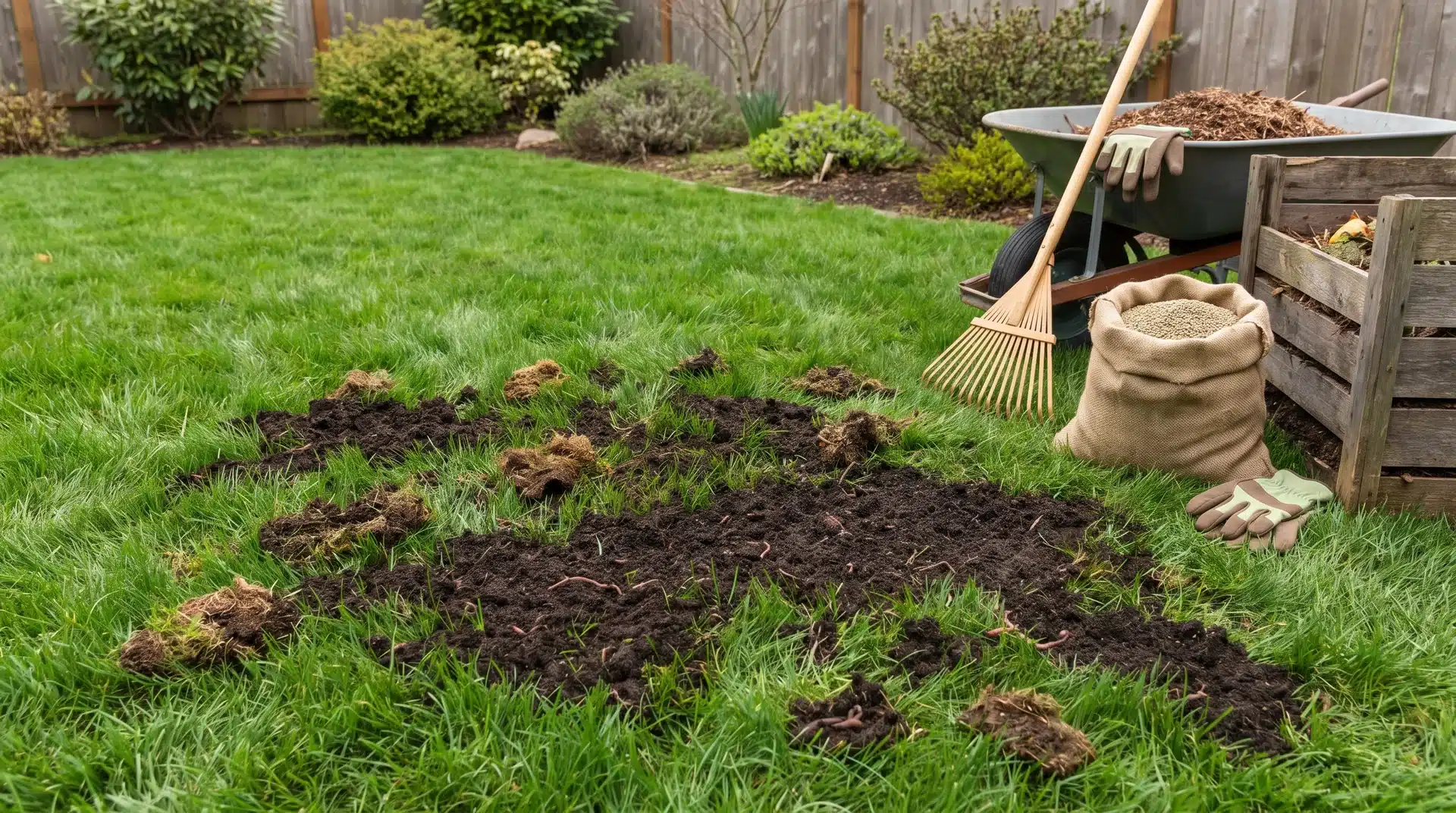
Every stage in organic lawn care builds on the one before it. You start with the soil, then work your way up to what happens on the surface. Skip a step, and the ones after it won’t work as well.
Why a Soil Test Matters Before You Feed an Existing Lawn
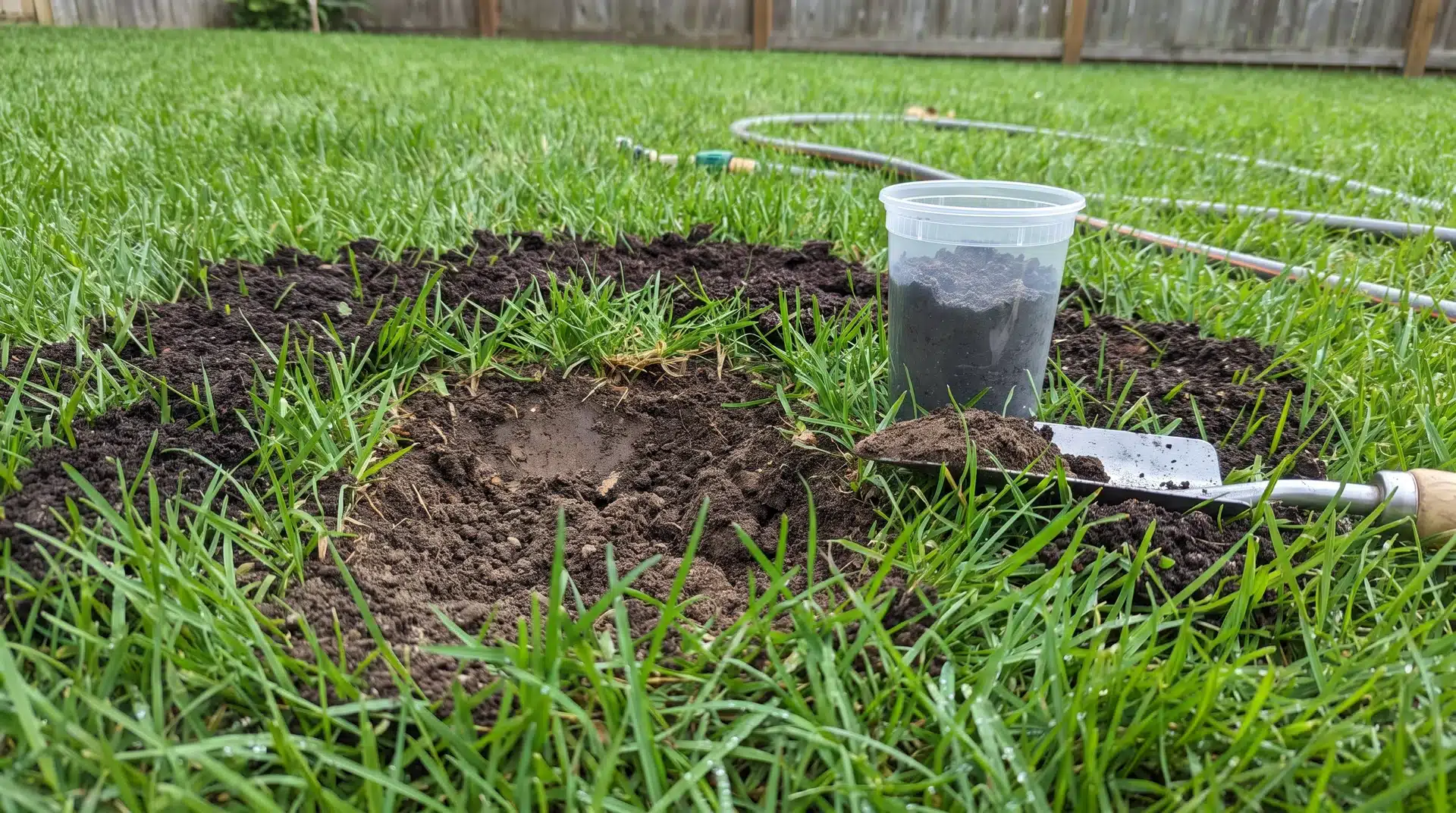
If your lawn is already established, test the soil before adding compost or fertilizer.
A soil test shows nutrient levels and pH, helping you see whether the soil is too acidic or too alkaline for healthy grass growth. Most grass types grow best in soil that is slightly acidic to neutral, though the ideal range depends on the grass type.
Testing first means you only add what your lawn actually needs, instead of guessing.
How Organic Fertilizer Feeds Your Lawn Through the Soil
Synthetic fertilizer feeds your grass directly. Organic fertilizer works differently. When you spread it, the fertilizer does not reach your grass right away. It feeds the microbes living in your soil first.
Those microbes break down the organic matter over days and weeks, and as they work, they release nitrogen your grass can use. This is why organic lawns green up slower than lawns on synthetic programs.
The food has to pass through the soil before it reaches the roots.
Natural Fertilizer Options for Organic Lawn Care
Common organic fertilizers include compost, fish emulsion, bone meal, feather meal, and manure. Each one feeds soil microbes differently, but all release nutrients slowly instead of all at once.
Corn gluten meal is another option worth knowing, since it works as a natural fertilizer and a pre-emergent weed control at the same time.
Apply these based on your soil test, and follow the product label so you do not overfeed your lawn or waste money.
How Soil Temperature Affects Organic Fertilizer
How fast organic fertilizer becomes available to your grass depends on soil temperature, since the microbes that break it down need warmth to stay active.
Below about 55°F, microbes slow down, so feeding too early into a cold snap can leave fertilizer sitting unused in the soil. Synthetic fertilizer skips this problem, since it works even in cold soil.
Apply organic fertilizer a few weeks before active growth starts, not the moment you want results.
How to Control Weeds, Pests, and Disease Naturally
Weeds, pests, and disease all take hold in the same conditions: thin turf, bare soil, and stressed grass. The goal in organic lawn care is to prevent these problems before they start, rather than treating them after the damage is visible.
| AREA | WHAT IT MEANS | WHAT TO DO |
|---|---|---|
| Weed Control | Organic weed control focuses on stopping weeds before they sprout, not killing them after. | Keep the lawn thick and apply a natural pre-emergent at the right time of year. |
| Thick Turf | Dense grass shades the soil and makes it harder for weed seeds to take hold. | Maintain healthy turf and avoid leaving bare patches. |
| Mowing Height | Cutting grass too short exposes soil and gives weeds an opening. | Keep grass at the right height for your grass type. |
| Thin Lawns | Neglected, patchy lawns take longer to fill in and let weeds move in. | Overseed bare spots and give the lawn consistent care. |
| Pests & Disease | Healthy turf resists common pests and lawn diseases better than stressed turf. | Focus on prevention instead of waiting for damage to appear. |
| Soil & Prevention | Healthy soil and strong grass reduce the need for synthetic chemicals. | Improve the soil, mow correctly, and maintain healthy grass before problems start. |
Thick turf and healthy soil solve most of these problems on their own, since dense grass crowds out weeds before they get a chance to grow and strong roots hold up better against pests and disease.
Still, one tool does more of the heavy lifting than the rest, and it deserves its own closer look.
Aeration, Thatch Removal, and Grasscycling: Keeping Full Turf Healthy
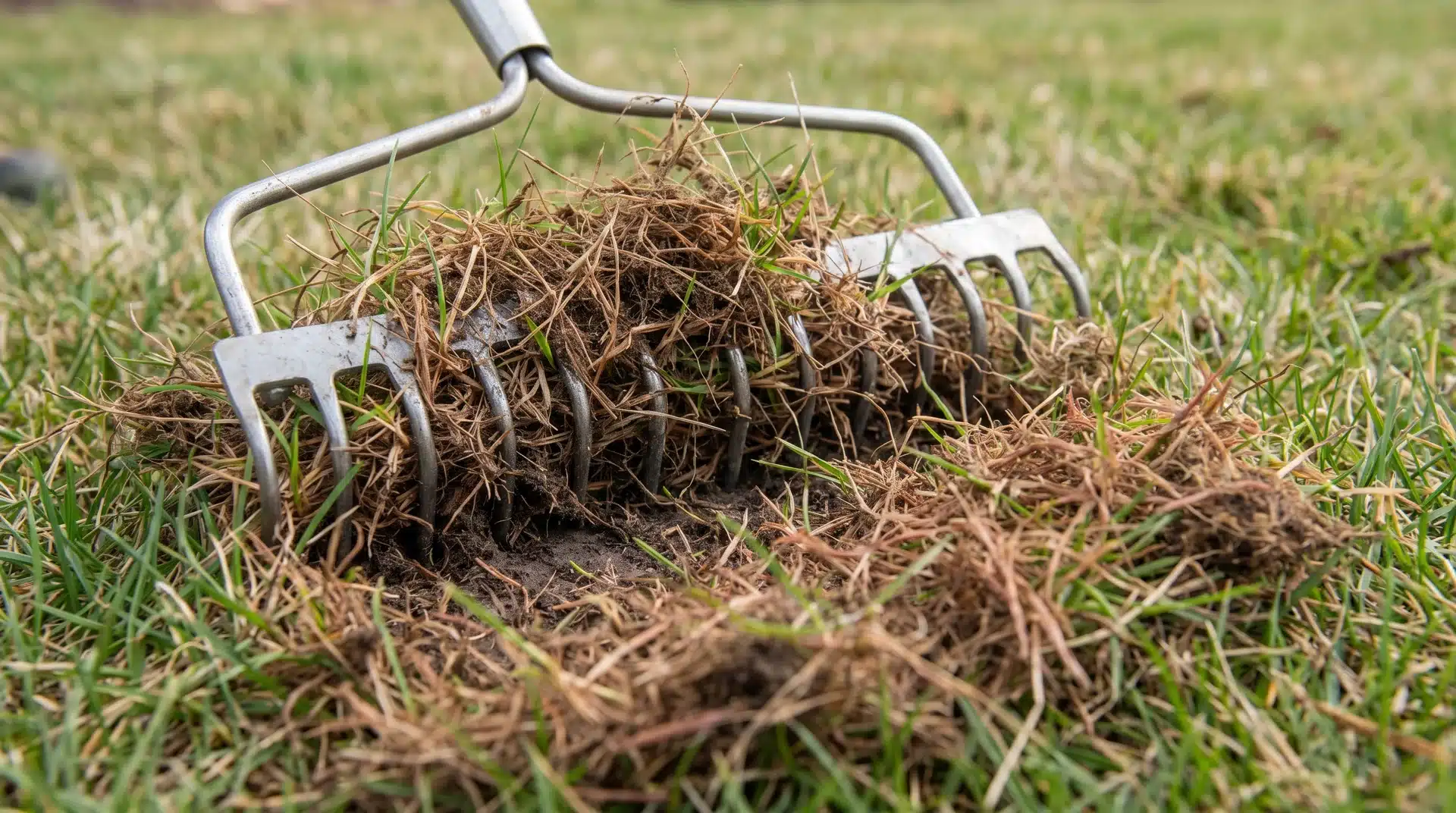
Compost and fertilizer only help when they reach the grass roots. Aeration opens up compacted soil, thatch removal clears the same path, and grasscycling returns nutrients with every mow.
Two more habits round out a full turf-care routine.
Mowing and Watering for a Healthier Lawn
Cutting grass too short weakens the roots and opens bare soil to weeds, so keep the blade height suited to your grass type, usually on the taller side.
Water early in the morning instead of at night, since this gives grass blades time to dry before dark and lowers the risk of fungal disease.
Together, correct mowing and morning watering keep turf dense enough to crowd out most problems on its own.
Overseeding Bare and Thin Spots
Thin or bare patches will not fill in on their own, and weeds are quick to move into any open ground.
Overseeding with grass seed suited to your lawn and climate helps close these gaps before weeds move in. Early fall is usually the best window for cool-season grass, while late spring works better for warm-season types.
Water lightly and often until the new seed takes root and blends in with the rest of the lawn.
The Realistic Timeline for an Organic Lawn Transition
Organic lawn care works on the soil’s timeline, not yours. Nutrients have to move through microbes before your grass can use them, so patience matters more here than with any synthetic program.
| Timeframe | What to Expect |
|---|---|
| First Few Weeks | Little visible change. Soil microbes are just starting to break down organic matter. |
| First Growing Season | Some thickening and root growth, especially with regular compost and correct mowing. Color may lag behind a synthetic lawn. |
| Cold Snaps (Spring/Fall) | Slower results, since microbes need warmer soil to stay active. |
| Full First Year | Noticeable improvement in turf density, fewer bare patches, and better soil structure. |
| Year Two and Beyond | Deeper roots, stronger drought tolerance, and fewer weeds as thick turf crowds them out. |
Give the process a full growing season before judging it. Thicker turf, fewer bare patches, and better root growth are the real signs of progress, not just how green the lawn looks on any given week.
Where It Breaks Down, and the One Compromise Worth Making
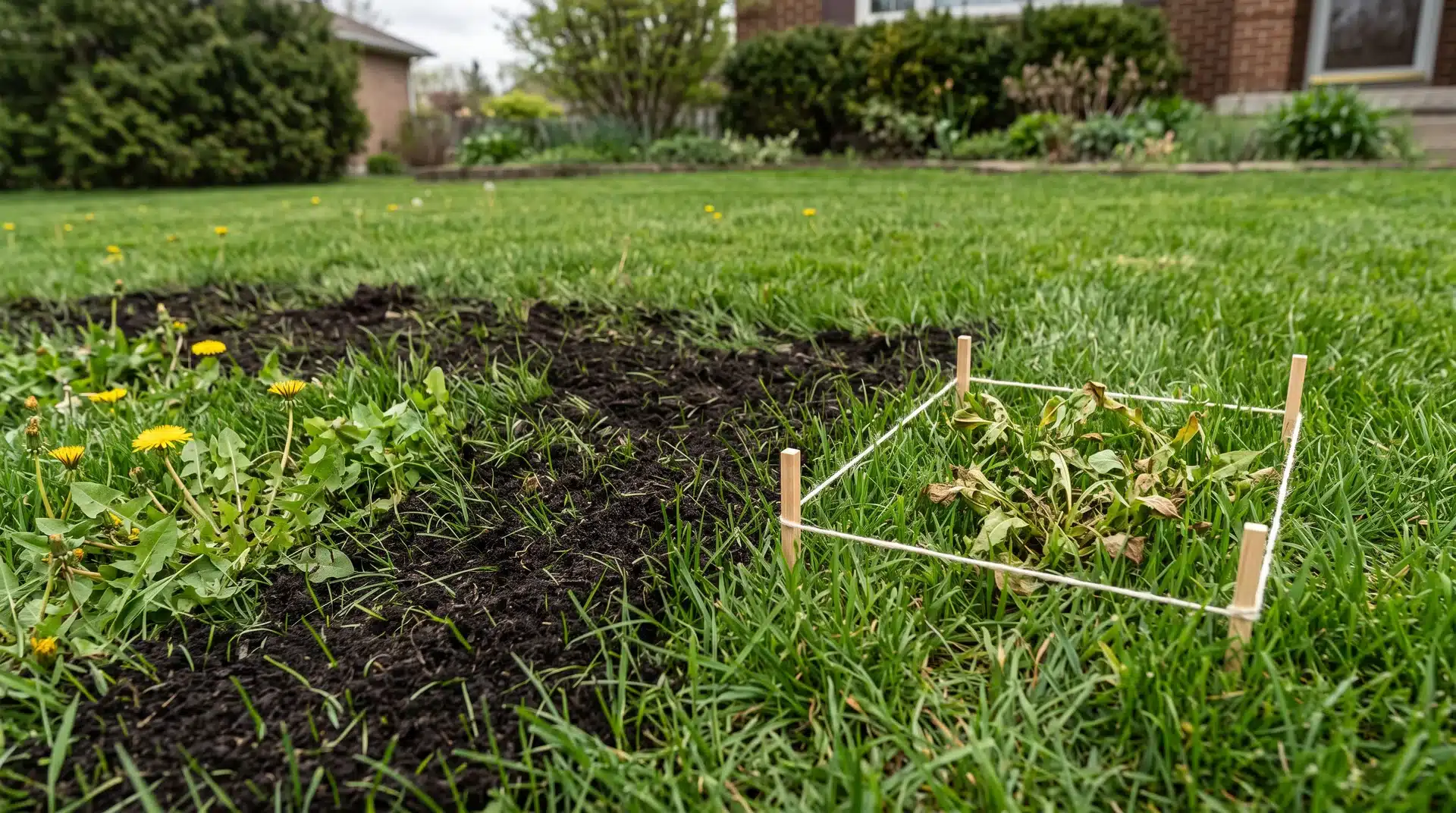
Most people who quit organic lawn care do not quit because it failed. They quit because the results take time, and that waiting period gets frustrating fast.
- Slow Start: Feeding the soil for weeks with little visible change pushes some people back to synthetic fertilizer, even though the organic approach is still working.
- Existing Problems Slow Things Down: Severe weed pressure or drought can make a rough lawn look worse for longer while the soil underneath improves.
- Progress Hides Underground: Soil changes are not always visible, which makes patience the hardest part.
- Not All or Nothing: Some homeowners use a synthetic pre-emergent once or twice a year while keeping the rest of their routine organic.
- One Compromise is Not a Failed Transition: A limited synthetic treatment for one problem does not erase the rest of the soil work you have done.
The lawns that make it through are usually the ones where the owner expects a slow first season. Build the soil first, and the visible improvements have a much better chance of following.
Wrapping Up
Organic lawn care is not about having a perfect lawn overnight. It is about giving your soil, grass, and roots the care they need to stay healthy for the long run.
I found that testing the soil, feeding it properly, mowing at the right height, and staying patient can make lawn care feel much more manageable.
You may still face weeds, pests, or slow growth, but you have practical ways to handle them without relying on synthetic treatments for every problem. Ready to give your lawn a more natural routine?
Share your favorite organic lawn care tip in the comments; I’d love to hear what has worked for you.
Frequently Asked Questions
Is It Safe for My Children and Pets to Play on an Organically Treated Lawn?
Yes, this is a primary benefit. Organic lawn care avoids synthetic pesticides and fertilizers, making it much safer for children and pets to play on the lawn immediately after products are applied.
Can I Treat Weeds Organically, and Will It Be As Effective as Chemical Sprays?
Organic weed control focuses on prevention using pre-emergents like corn gluten meal and promoting thick turf to crowd out weeds, which can be effective but may not eliminate all weeds as aggressively as synthetic herbicides.
What Are the Main Benefits of Choosing Organic Lawn Care?
The key benefits include improved soil health, a safer environment for children and pets, better long-term lawn resilience, and a reduced risk of chemical runoff polluting local waterways.
Can I Transition from Synthetic to Organic Lawn Care, and How?
Yes, you can transition by stopping synthetic applications and focusing on building soil health. Start with a soil test, then use organic fertilizers and practices like aeration and overseeding to improve the soil biology.