
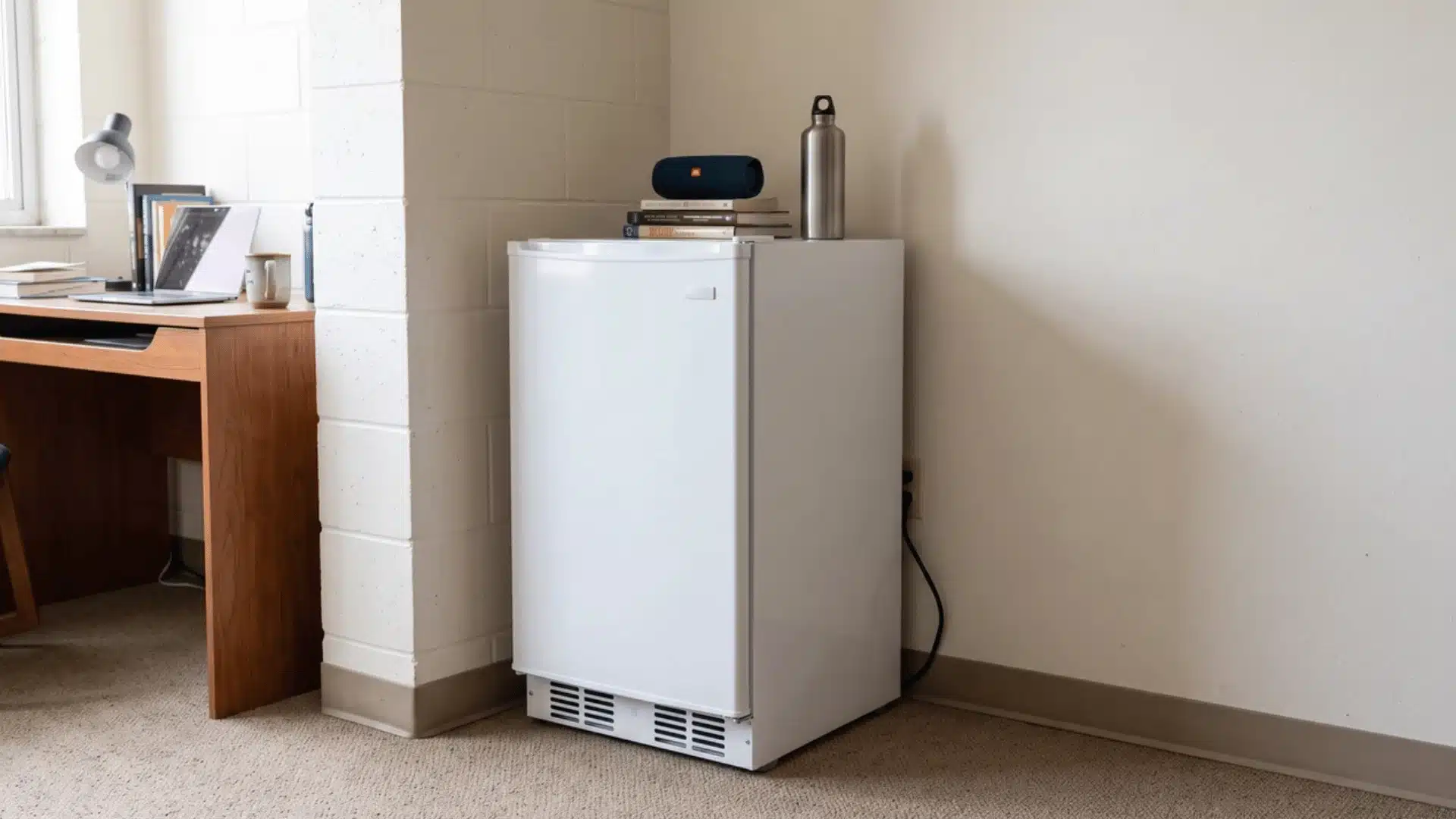


A mini fridge seems harmless until you start wondering what it adds to your electric bill.
If you have one running all day, you may ask, do mini fridges use a lot of electricity? The answer is usually no, but the real cost depends on the model, room temperature, settings, and how often the compressor runs.
I know wattage numbers can feel confusing, especially when you are trying to compare daily use with monthly cost.
Here, I explain typical power use, running costs, common factors that raise consumption, and simple ways you can keep energy use under control without making the fridge less useful.
How Much Electricity Does a Mini Fridge Use?
Many mini fridges use around 50 to 100 watts while actively cooling. That number does not mean the fridge draws the same amount of power every hour of the day.
The compressor switches on when the inside temperature rises and shuts off after the fridge becomes cold enough. Because of this cycling, daily electricity consumption is usually measured in kilowatt-hours rather than watts.
A mini fridge may use roughly 0.4 to 1 kWh per day, depending on the model and operating conditions.
Watts describe how much power an appliance draws at a particular moment. Kilowatt-hours, or kWh, measure how much electricity it uses over time. Utility companies usually calculate electricity bills using kWh.
For the most accurate estimate, check the EnergyGuide label or annual energy figure supplied by the manufacturer.
How Much Does It Cost to Run a Mini Fridge?
The monthly cost depends on two main numbers: how many kWh the fridge uses and how much the electric company charges per kWh.
The table below gives a simple example of how daily consumption can translate into longer-term electricity use.
| Usage Period | Estimated Energy Use | Possible Cost |
|---|---|---|
| Per day | 0.4-1 kWh | Varies by electricity rate |
| Per month | 12-30 kWh | About $2-$6 |
| Per year | 146-365 kWh | Depends on local rates |
These figures are estimates rather than fixed costs because electricity prices differ by location.
A simple calculation gives a better personal estimate: Electricity used in kWh × local electricity rate = operating cost
For example, a fridge using 20 kWh per month at a rate of $0.15 per kWh would cost about $3 per month to operate.
Two mini fridges of the same size can still have different costs. Compressor efficiency, insulation, freezer design, thermostat settings, and room temperature can all change how often the unit needs to cool.
How Many Watts Does a Mini Fridge Use?
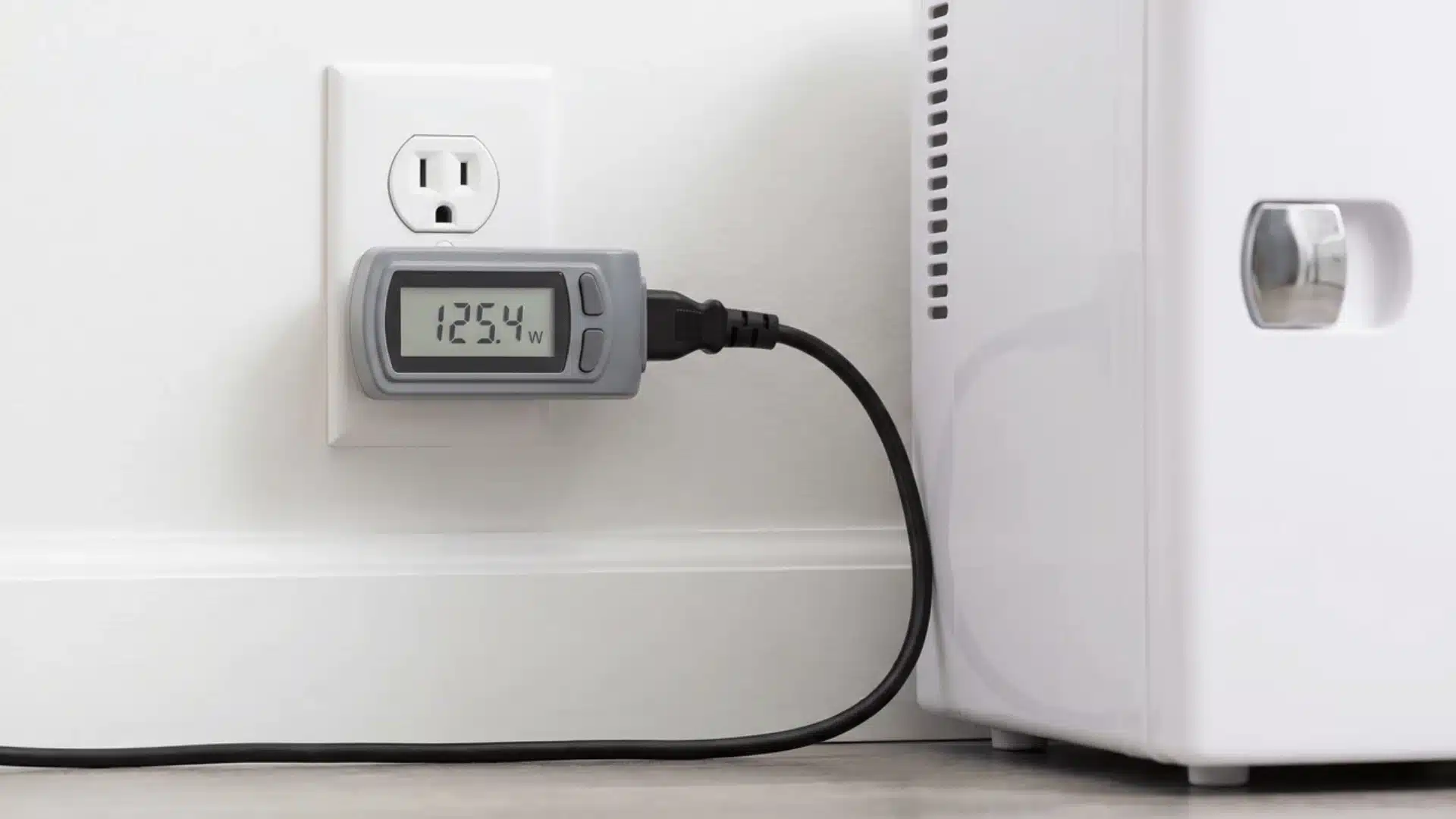
Wattage is useful when checking outlet capacity, generator requirements, or backup power needs. It should not be confused with total monthly electricity consumption.
1. Running Watts
Many compact refrigerators draw around 50 to 100 watts while the compressor is operating.
The exact number can vary based on fridge size, compressor type, temperature setting, and design. Very small models may draw less power, while larger units with separate freezer compartments may require more.
The electrical label on the back or inside of the fridge can provide model-specific information.
2. Starting Watts
A refrigerator compressor usually requires a short burst of additional power when it starts.
Some mini fridges may briefly require around 200 to 400 watts during startup. This higher draw lasts only a short time.
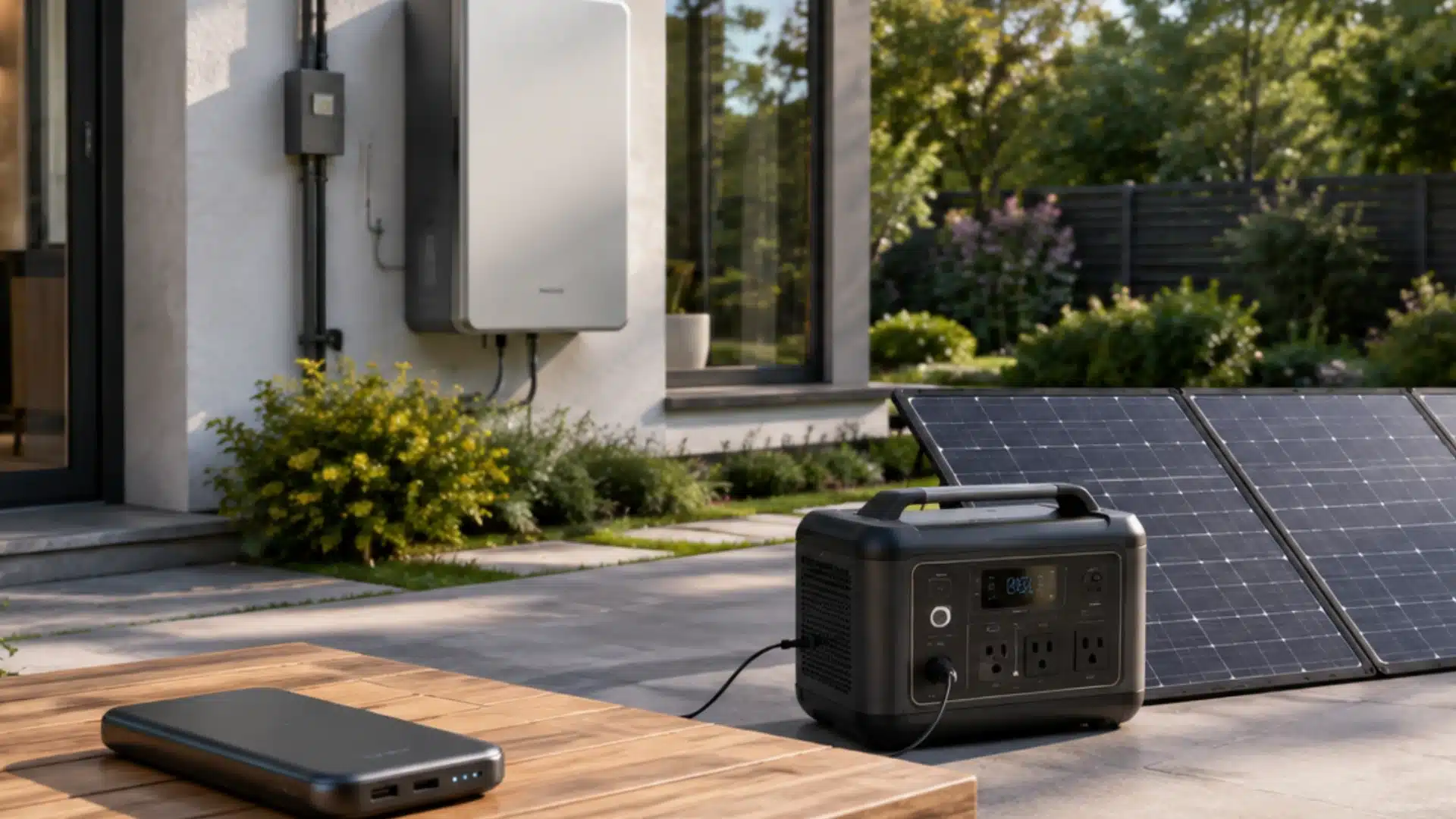
Starting wattage matters more when running a fridge from a generator, inverter, portable power station, or solar setup. For regular household electricity use, the short startup period contributes far less to the total bill than normal compressor operation.
How Many Hours a Day Does a Mini Fridge Run?
A mini fridge stays connected to electricity all day, but its compressor normally does not run for 24 straight hours.
Instead, it cycles on and off to keep the inside temperature within the selected range. The length and frequency of these cycles can change throughout the day.
A fridge may run more often when:
- The room is warm.
- The door is opened frequently.
- Warm drinks or food are placed inside.
- The thermostat is set very cold.
- Airflow around the appliance is restricted.
A unit in a cool bedroom may cycle less often than the same model sitting in a hot garage.
Because compressor cycles vary so much, estimating electricity use based only on operating hours can be misleading. Annual kWh figures give a more practical way to compare one model with another.
What Makes a Mini Fridge Use More Electricity?
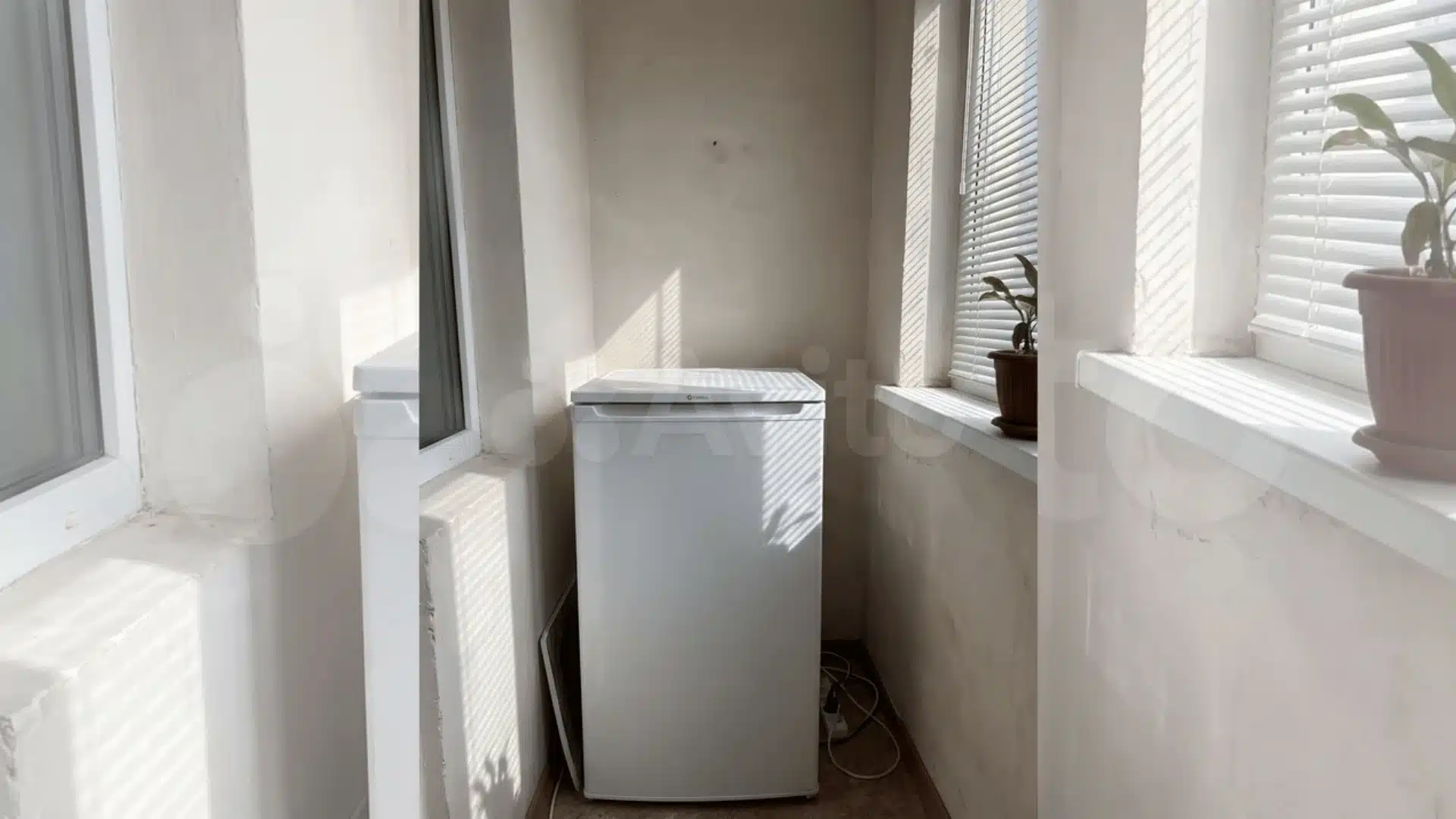
Several operating conditions can increase power consumption. Some relate to the fridge itself, while others come from where and how it is used.
1. Age and Condition
Older mini fridges may consume more electricity than newer units, especially if parts have worn down.
A weak door seal can allow cold air to escape. The compressor then has to run more often to maintain the correct temperature.
Poor insulation, aging components, and mechanical wear can also reduce efficiency over time.
2. Room Temperature
A mini fridge has to remove heat from inside the cabinet and release it into the surrounding room.
When the surrounding air is already hot, that process becomes harder. A fridge placed in a warm garage, shed, or sun-filled room may run longer than the same unit in an air-conditioned space.
Keeping the appliance away from ovens, heaters, and direct sunlight can help reduce unnecessary cooling cycles.
3. Thermostat Setting
Setting a mini fridge to its coldest level does not always provide a practical benefit.
Lower temperature settings usually require the compressor to operate more often. A moderate setting that keeps food safely chilled is often enough for normal use.
Changing the thermostat slightly can sometimes reduce unnecessary energy consumption.
4. Door Openings
Every time the door opens, warmer room air enters the fridge.
The appliance then has to remove that added heat. Frequent or long door openings can increase compressor activity, especially in hot rooms.
Keeping commonly used drinks or snacks easy to reach can shorten the time the door stays open.
5. Ventilation
Mini fridges release heat through coils or ventilation areas around the back and sides.
Placing the unit tightly against a wall can restrict airflow. Dust around vents or condenser areas may also make heat removal less effective.
Follow the manufacturer’s clearance instructions instead of pushing the appliance into a space with very little airflow.
6. Size and Freezer Compartment
Larger mini fridges usually have more interior space to cool.
Models with freezer compartments may also require more energy than basic drink coolers or very small compact units.
Still, size alone does not determine efficiency. Two models with similar capacity can have very different annual kWh ratings.
Do Older Mini Fridges Use More Electricity?
An older mini fridge can use more electricity, but age does not automatically make a unit inefficient.
Condition matters just as much.
A fridge with damaged seals, poor insulation, dusty condenser areas, or an aging compressor may need to run longer to keep food cold. Second-hand units can also have unknown maintenance histories.
Before replacing an older fridge, check its annual electricity consumption if that information is available. A plug-in electricity meter can also measure actual power use over several days.
Comparing that figure with the annual kWh rating of a newer model can show whether replacement would produce a meaningful reduction in energy costs.
Mini Fridge vs. Full-Size Fridge Electricity Use
If you are comparing appliances, you may also wonder: fridge electricity usage per day compared with a mini fridge? A full-size refrigerator generally uses more total electricity because it has a larger interior to keep cold. However, its energy use per cubic foot can be more efficient than that of some compact models.
A mini fridge usually consumes less total electricity because it cools a smaller space. Still, size alone does not determine efficiency. Compressor design, insulation, freezer space, temperature settings, and annual kWh ratings can all affect electricity consumption
The comparison below shows the main differences to consider.
| Factor | Mini Fridge | Full-Size Fridge |
|---|---|---|
| Storage space | Small | Large |
| Total power needs | Usually lower | Usually higher |
| Best use | Drinks, snacks, limited food | Main household food storage |
| Electricity per cubic foot | Can be relatively high | Often more efficient for capacity |
| Freezer space | Limited or small | Usually larger |
Total consumption and storage efficiency tell different stories.
A compact fridge may cost less to operate each year while using more electricity for each cubic foot of usable storage. If only a few drinks or snacks need cooling, the smaller appliance may still make practical sense.
How to Reduce Mini Fridge Electricity Use
Small changes can help prevent the compressor from running more than necessary.
- Check Door Seals: Make sure the gasket closes firmly around the entire door. Loose seals allow cold air to escape.
- Leave Ventilation Space: Keep the recommended clearance around the appliance so heat can move away from the condenser area.
- Use Moderate Settings: Avoid choosing the coldest thermostat setting unless the stored food or drinks actually require it.
- Limit Door Openings: Open the door only as long as needed, especially when the room temperature is high.
- Keep Coils Clean: Remove dust from accessible condenser areas according to the manufacturer’s cleaning instructions.
- Avoid Hot Locations: Keep the fridge away from direct sunlight, ovens, heaters, and other strong heat sources.
- Check Energy Ratings: Compare annual kWh figures before buying a new model instead of judging efficiency from wattage alone.
These habits mainly help by reducing unnecessary compressor cycles rather than changing the fridge’s basic power rating.
Is a Mini Fridge Expensive to Run?
For many modern models, the operating cost is relatively small compared with larger appliances.
A typical compact fridge may add only a few dollars to the monthly electric bill under normal conditions. The exact amount depends on local electricity prices and the unit’s annual energy consumption.
The most useful number to check is usually annual kWh rather than running watts.
A newer fridge in a cool room may consume far less electricity than an old unit in a hot garage. Maintenance, temperature settings, ventilation, and door use can also affect the final cost.
Final Thoughts
A mini fridge usually uses a modest amount of power, but the real cost depends on how and where you use it.
If you are still asking, do mini fridges use a lot of electricity, the best answer comes from checking annual kWh, local electricity rates, and the fridge’s condition.
I also suggest watching room temperature, door seals, thermostat settings, and ventilation because each one can affect compressor runtime. These details make it easier for you to estimate monthly costs and spot waste before it becomes expensive over the course of a year.
Try the energy-saving tips above, check your fridge’s label, and share your experience or questions in the comments.
Frequently Asked Questions
Do mini fridges use a lot of electricity at night?
Mini fridges continue cycling at night just as they do during the day. Electricity use may drop slightly if the room becomes cooler and the door stays closed for longer periods.
Does an empty mini fridge use more electricity?
An empty fridge can experience quicker temperature changes when the door opens because there is less cold mass inside. Actual energy use still depends on the model, room temperature, insulation, and compressor cycling.
Should I unplug my mini fridge when I am not using it?
Unplugging can make sense during long periods of non-use. Remove all food, defrost the unit if needed, clean the interior, dry it fully, and leave the door slightly open to prevent odors.
How can I find my mini fridge’s actual electricity use?
Check the EnergyGuide label or manufacturer’s annual kWh rating. For real-world usage, a plug-in electricity meter can track how much power the fridge consumes over several days or weeks.