


Your refrigerator runs day and night, but that does not mean it pulls the same amount of power every hour.
If your electric bill feels hard to read, I get why fridge usage can be confusing.
So, how much electricity does a refrigerator use in a normal day? For many homes, the answer depends on the fridge’s size, age, efficiency, temperature settings, and how often the compressor runs.
Here, I explain how watts and kWh differ, what typical daily and monthly use looks like, and how you can estimate your own cost. You can also see what raises energy use and which simple checks may help lower it.
How Much Electricity Does a Refrigerator Use on Average?
A standard refrigerator may use around 1–2 kWh of electricity during a typical day. That works out to roughly 30–60 kWh per month or 365–730 kWh per year.
Those figures are broad estimates, not fixed limits. A smaller, newer fridge can use less, while a large refrigerator with several cooling zones, an ice maker, or older components may use more.
The watt rating tells a different part of the story. Some full-size refrigerators may draw several hundred watts while cooling systems and other components are active. The compressor does not normally run at full output for every minute of the day, so rated wattage alone can make daily consumption look much higher than it really is.
Here is a simple reference for comparing the main measurements.
| Measurement | General Estimate |
|---|---|
| Active power draw | Varies widely; often a few hundred watts |
| Daily energy use | About 1–2 kWh |
| Monthly energy use | About 30–60 kWh |
| Annual energy use | About 365–730 kWh |
| Running cost | Depends on electricity rate |
These numbers are useful for rough budgeting. The refrigerator’s EnergyGuide label or an electricity meter provides a better estimate for one specific appliance.
How Many Watts Does a Refrigerator Use?
Freezers also cycle on and off rather than drawing their rated power continuously. People checking circuit capacity may also want to know how many amps does a deep freezer use.
Many household models draw only a few amps while running, although compressor startup can cause a brief higher surge. The appliance label gives the most accurate amperage for a specific freezer. That distinction matters with refrigerators because their power demand changes throughout the day.
Running Wattage
When the compressor is cooling the cabinet, the refrigerator draws more electricity than it does while sitting at the set temperature. Fans, lights, electronic controls, defrost systems, and ice makers can also affect the reading.
Full-size refrigerator power ratings vary considerably by model. Some sources place larger household appliances in the 300–800 watt range during active operation, while measured compressor draw on efficient models can be lower.
The number on the appliance label should therefore be treated as a power rating, not a statement that the refrigerator consumes that amount continuously.
Startup Power
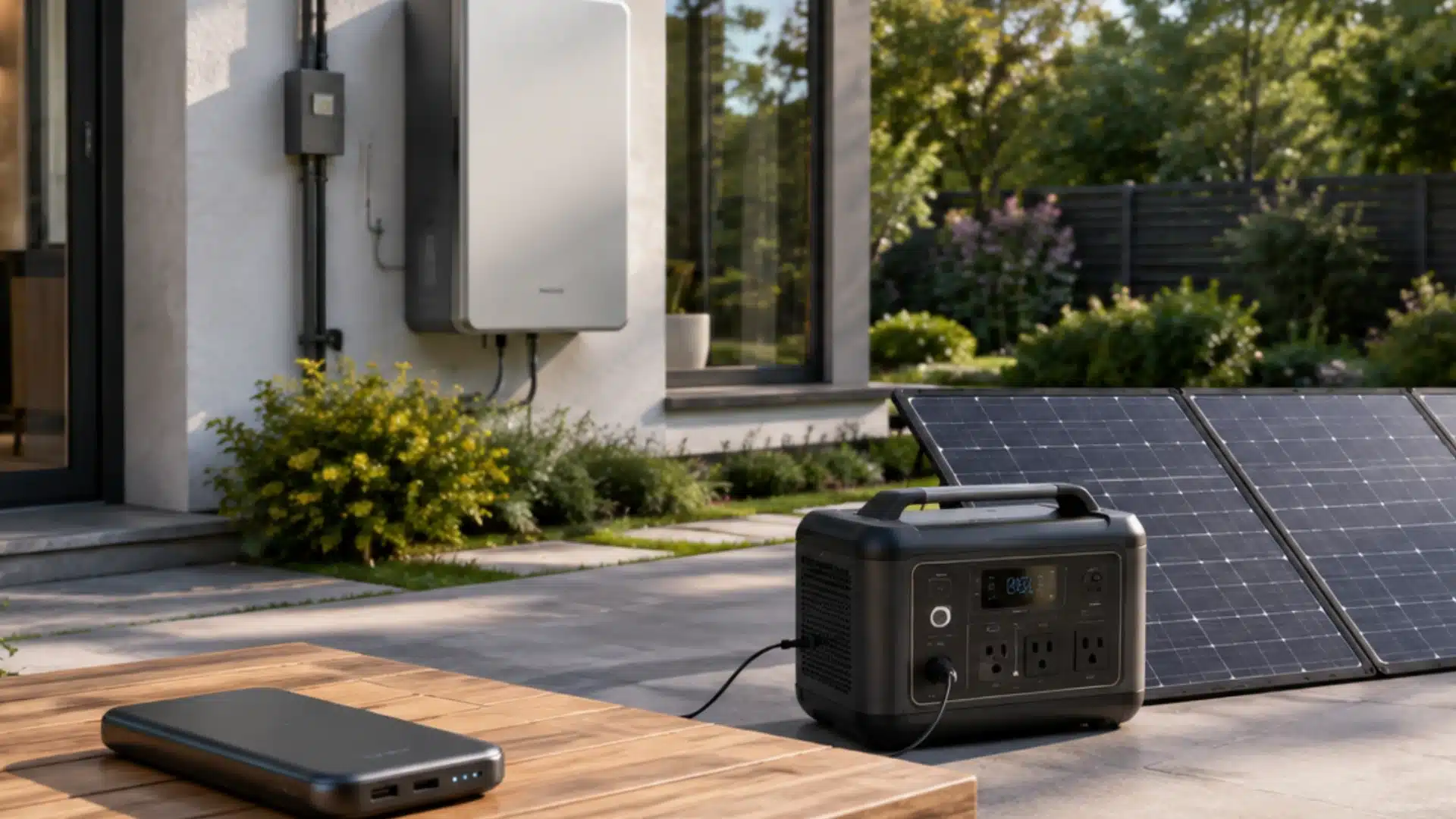
A refrigerator compressor may briefly draw more power when it starts. That short surge matters mainly when choosing equipment such as:
- Generators
- Portable power stations
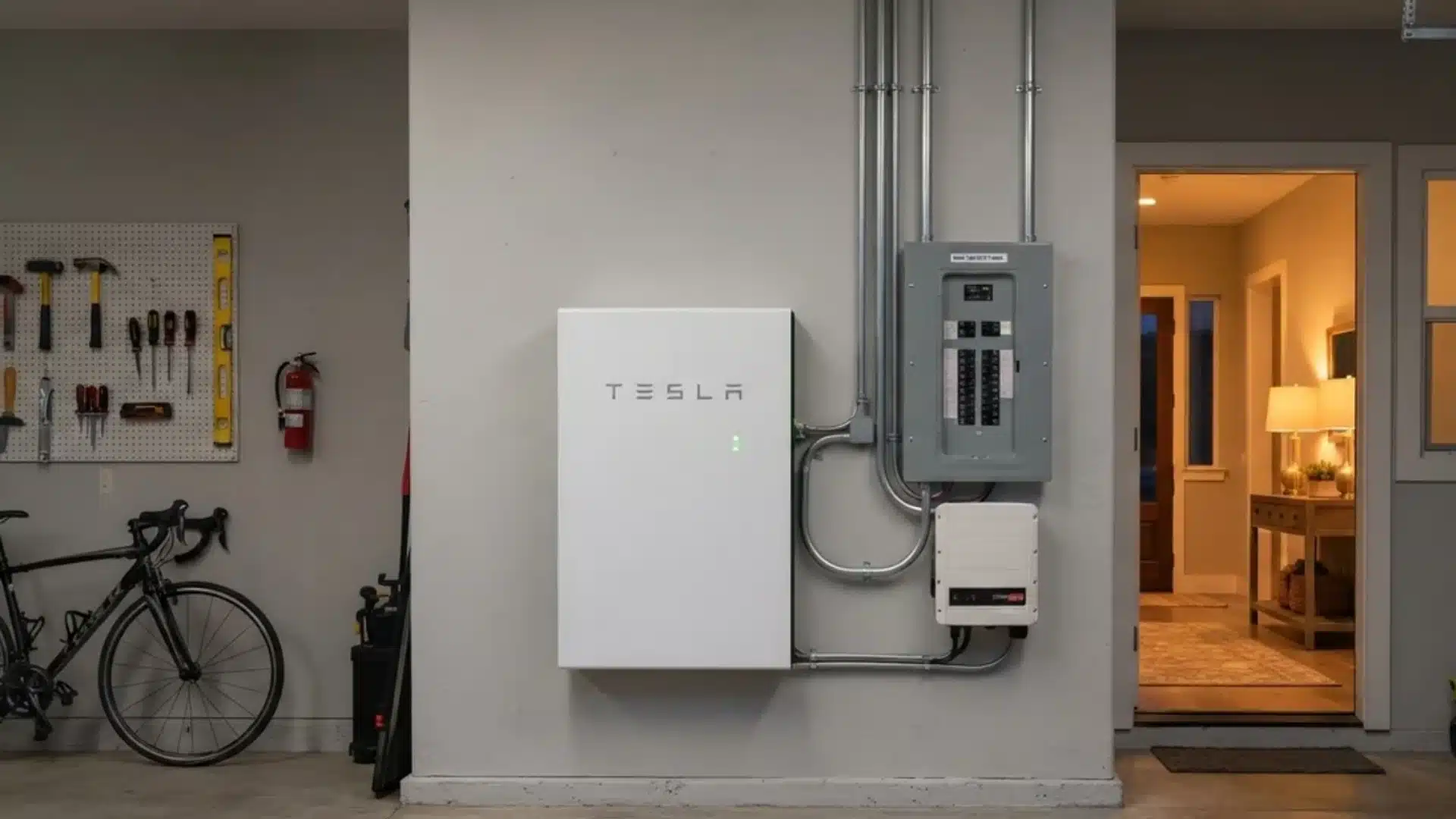
- Battery backup systems
- Solar inverter systems
Startup demand is much less important when estimating a normal monthly utility bill because the surge lasts only a short time.
How Much Does It Cost to Run a Refrigerator?
The cost depends on two numbers: the refrigerator’s electricity consumption and the price charged for each kilowatt-hour.
The basic calculation is: Monthly kWh × electricity price per kWh = monthly refrigerator cost
For example, a refrigerator consuming 45 kWh each month would cost $7.20 to operate at an electricity rate of $0.16 per kWh.
The table below shows how the cost changes at several example electricity rates.
| Monthly Use | $0.12/kWh | $0.16/kWh | $0.20/kWh | $0.25/kWh |
|---|---|---|---|---|
| 30 kWh | $3.60 | $4.80 | $6.00 | $7.50 |
| 45 kWh | $5.40 | $7.20 | $9.00 | $11.25 |
| 60 kWh | $7.20 | $9.60 | $12.00 | $15.00 |
These figures are only examples. Using the electricity rate shown on a recent utility bill gives a more useful estimate of refrigerator electricity cost.
Taxes, time-of-use pricing, and tiered utility rates can make the final amount slightly different.
Refrigerator Power Use by Type
Refrigerator style can affect energy use, but the category alone does not tell the whole story. Capacity, efficiency rating, insulation, features, and operating conditions can be just as important.
Here is how common refrigerator types generally compare.
| Refrigerator Type | General Energy Pattern |
|---|---|
| Mini refrigerator | Lower total consumption in many cases |
| Top-freezer model | Often efficient among full-size designs |
| Bottom-freezer model | Usually moderate consumption |
| Side-by-side model | Can use more because of size and layout |
| French-door model | Larger versions may consume more |
| Garage refrigerator | Usage can rise during very hot or cold weather |
Mini refrigerators often consume less energy overall than full-size models because they cool a smaller space. Still, if you are wondering do mini fridges use a lot of electricity, the answer depends on the model’s age, efficiency, temperature setting, and how often the compressor runs. An older or poorly ventilated mini fridge may use more power than expected.
What Affects Refrigerator Electricity Consumption?
Two refrigerators with similar capacities can still produce noticeably different electricity readings. Several conditions affect how often the compressor needs to operate.
- Refrigerator Size: A larger cabinet contains more air and food that must remain cold. Large models may also include extra compartments, fans, displays, ice makers, or water systems that use additional electricity. Capacity does not automatically mean poor efficiency, but bigger appliances often have higher total energy requirements.
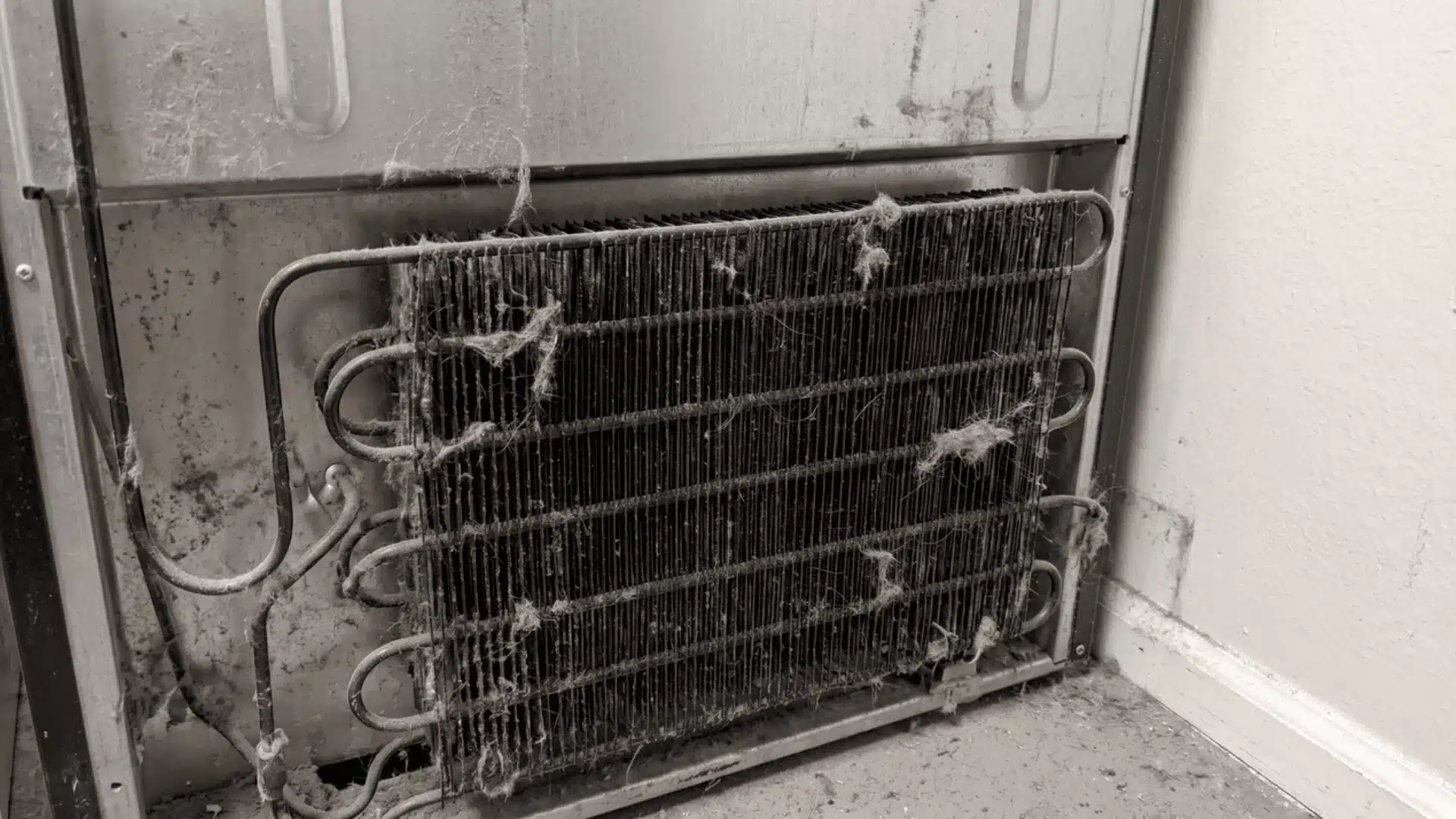
- Age and Condition: Older refrigerator designs may be less efficient than newer models. Wear can also increase refrigerator power consumption over time. A weakened door seal, dirty condenser area, failing sensor, or struggling compressor can cause longer cooling cycles.
- Room Temperature: Refrigerators remove heat from inside the cabinet and release it into the surrounding room. When the appliance sits in a hot garage, near an oven, or in direct afternoon sunlight, the cooling system may operate longer to maintain the same internal temperature.
- Temperature Settings: Setting the refrigerator colder than necessary can increase energy consumption. A common refrigerator setting is around 37°F, while the freezer is commonly kept near 0°F. Food-safety guidance should always take priority, and the refrigerator compartment should remain safely cold.
- Door Opening: Every long door opening allows warmer room air into the cabinet. A few short openings are normal. Repeatedly leaving the door open while deciding what to take out gives the cooling system more heat to remove afterward.
- Door Seals: A worn gasket can allow cool air to leak around the door even when it appears closed. One warning sign is a section of the gasket that no longer sits firmly against the cabinet.
- Condenser Condition: Dust and debris around accessible condenser coils or ventilation areas can interfere with heat removal. Cleaning instructions differ between models, so the manufacturer’s maintenance directions are the safest reference.
- Internal Airflow: Cold air needs room to move inside the cabinet. A well-stocked refrigerator can hold temperature effectively, but tightly packing food against vents can interfere with circulation and create uneven cooling.
How to Calculate Your Refrigerator’s Electricity Use
A household-specific number is more useful than an internet average. There are three practical ways to estimate it.
Check the EnergyGuide Label
Many refrigerators sold in the United States include a yellow EnergyGuide label showing estimated annual electricity consumption.
Suppose the label lists: 500 kWh per year
Divide that number by 12: 500 ÷ 12 = about 41.7 kWh per month
That figure gives a reasonable starting point for estimating yearly and monthly costs.
Use a Daily kWh Reading
Some energy monitors provide the total energy consumed over a full day.
If a refrigerator measures 1.4 kWh per day: 1.4 × 30 = 42 kWh per month
For an annual estimate: 1.4 × 365 = 511 kWh per year
I consider this method more informative than checking one instant watt reading because it captures normal compressor cycling.
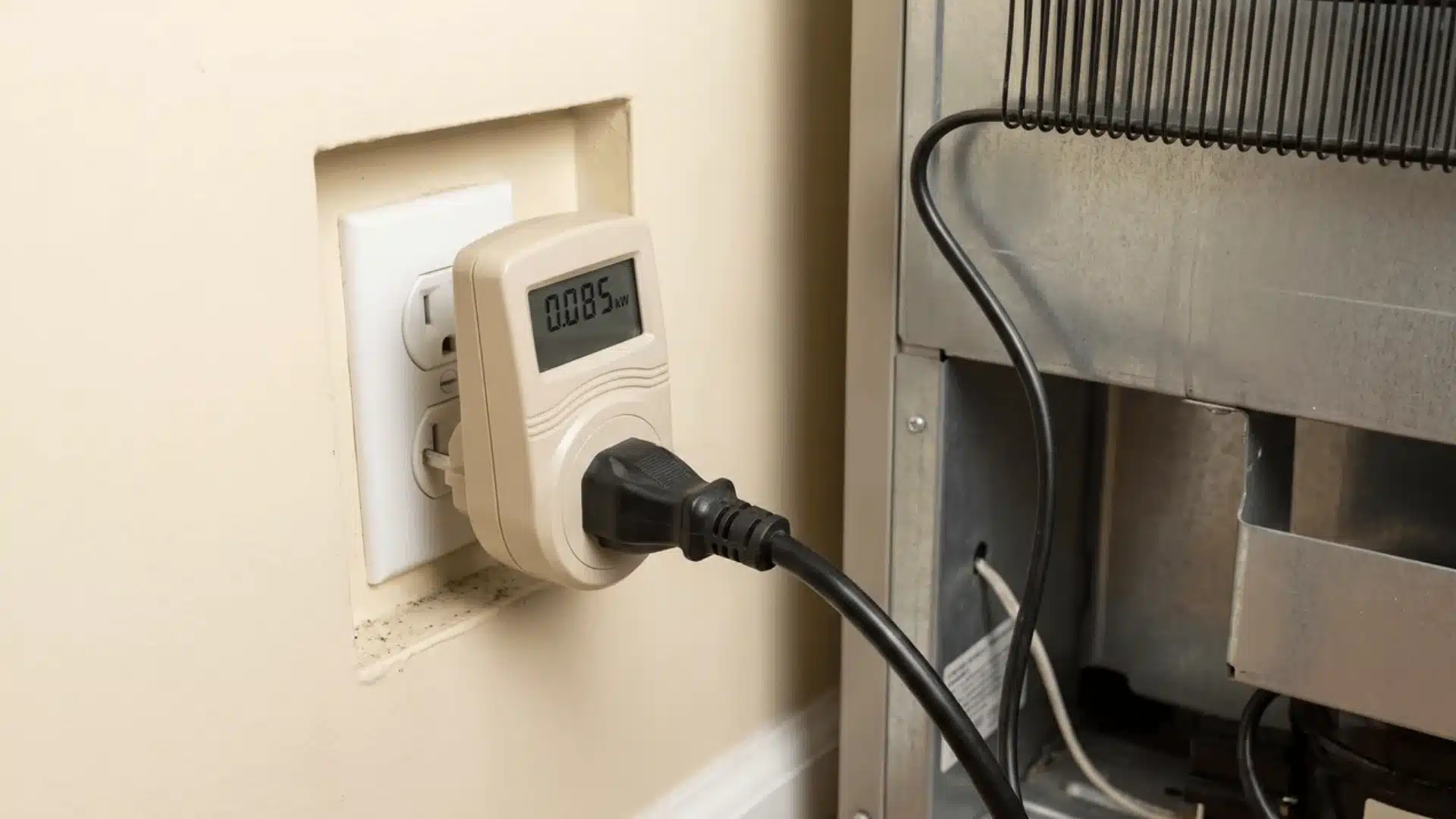
Measure It With a Plug-In Electricity Meter
A plug-in meter can record actual fridge power usage over several days.
Longer measurements are useful because refrigerator operation changes with room temperature, cooking activity, door openings, defrost cycles, and food loading.
I recommend measuring several normal days rather than relying on a single hour.
Why Rated Watts Can Give the Wrong Estimate
One of the easiest mistakes is multiplying the refrigerator’s watt rating by 24 hours.
Suppose a label shows 500 watts. Multiplying it directly gives: 500 W × 24 hours = 12 kWh
That calculation assumes the refrigerator draws 500 watts continuously for the entire day.
A normal refrigerator does not operate that way. Once the cabinet reaches the set temperature, the compressor can stop or reduce output until more cooling is required. Other components also switch on and off independently.
For utility-cost calculations, kWh per day or kWh per year is much more useful than a single-watt figure. Rated watts still matter when checking circuit capacity or choosing backup power equipment.
Do Older Refrigerators Use More Electricity?
An older refrigerator can use considerably more electricity, but age alone does not prove that an appliance is inefficient. Condition matters just as much.
Higher consumption may come from:
- Worn door gaskets
- Older compressor technology
- Poor insulation
- Dirty heat-transfer surfaces
- Temperature sensor problems
- Excessively long cooling cycles
Replacing an old refrigerator only to reduce electricity costs does not always make financial sense.
A better comparison is to measure its yearly consumption and compare that number with the EnergyGuide rating of a similar new model. The difference shows how much electricity a replacement could realistically save.
That approach also makes it easier to compare the energy savings with the purchase price of a new appliance.
How to Reduce Refrigerator Electricity Use
Small maintenance problems can make a refrigerator work harder than necessary. These steps address the main sources of avoidable electricity use.
- Check Door Seals: Inspect gaskets for cracks, gaps, or areas that no longer sit firmly against the cabinet.
- Clean Condenser Areas: Remove accessible dust according to the maintenance instructions supplied with the refrigerator.
- Use Sensible Settings: Keep food safely cold without setting the thermostat much lower than needed.
- Limit Long Openings: Take out several needed items at once instead of leaving the door open during food preparation.
- Keep Vents Clear: Leave enough internal space for cooled air to circulate through the refrigerator.
- Reduce Nearby Heat: Keep the appliance away from strong heat sources when the kitchen layout allows it.
- Measure Actual Consumption: Check several days of kWh readings if energy use suddenly seems higher than expected.
Good maintenance often has a more meaningful effect than constantly changing everyday habits.
Is Your Refrigerator Using Too Much Electricity?
Higher electricity use deserves attention when it appears alongside changes in refrigerator performance.
Possible warning signs include:
- The compressor seems to run almost continuously
- Food is warmer than usual
- Frozen food begins softening
- Frost develops in unusual areas
- The cabinet becomes unusually hot
- Electricity consumption rises suddenly
- The refrigerator struggles to maintain its set temperature
A refrigerator naturally works harder during hot weather, after loading a large amount of warm food, or after repeated door openings. Short periods of longer runtime are not automatically a problem.
Persistent high consumption paired with poor cooling is more concerning. A damaged seal, ventilation problem, sensor fault, fan issue, or compressor problem may require inspection.
Community Discussion: Real Refrigerator Power Measurements
In the Reddit discussion “Confused about fridge power consumption figures”, a user questioned if a small fridge could realistically use less than 1 kWh per day. Several commenters said it could.
One person reported about 150 watts average power use for a large fridge, while another measured just 0.39 kWh daily for a 110-liter model and 1.4 kWh for a 500-liter fridge. Others noted that actual consumption depends on fridge size and usage.
I think these real-world readings show why annual kWh labels are more useful than a single watt figure. Checking electricity use over several days gives a clearer estimate, especially when planning solar power, battery storage, or monthly energy costs.
Final Thoughts
Refrigerator energy use makes more sense when you focus on kWh instead of a single-watt rating. A typical fridge may use around 1–2 kWh per day, but size, age, room temperature, settings, and condition can shift that number.
If you still wonder how much electricity a refrigerator uses in your home, check the EnergyGuide label or measure actual use for a few days. I think that gives you a much better answer than guessing from rated watts alone.
It also helps you spot unusually high use and decide if maintenance or replacement makes sense. Try the checks above, compare your results, and share what your refrigerator uses in the comments.
Frequently Asked Questions
How much does it cost to run a fridge per month?
Most home refrigerators cost roughly $5 to $12 a month. That figure comes from taking the annual kWh number on the Energy Guide label, dividing by 12, and multiplying by a typical electricity rate around $0.16 per kWh not from the wattage printed on the label
Can a refrigerator cause a high electric bill?
An older or poorly maintained refrigerator can raise your bill, especially with dirty coils, worn door seals, or overly cold settings. A well-maintained, appropriately sized, Energy Star-certified model rarely drives a major share of your costs.
What pulls the most electricity in a house?
Heating and cooling systems usually draw the most electricity in a home, followed by water heaters and large appliances like dryers and ovens. A refrigerator uses modest power alone, but running nonstop all year adds up.
What appliance is the biggest energy waster?
Older appliances built before modern efficiency standards tend to waste the most energy, since outdated compressors and insulation use far more power. Refrigerators are a common example, as efficiency rules have cut typical usage repeatedly.