


I have seen claims about solar panels creating toxic waste, but those headlines often leave out important details about how panels actually work.
During normal use, solar panels are not considered toxic. The more useful question is what happens when they age, break, or get retired.
I look at what panels contain, how their materials stay protected for decades, and what tests determine whether those materials create a real hazard.
Understanding the difference between a potential risk and an actual one helps me see why this myth gained attention and where the facts really stand.
Are Solar Panels Actually Toxic?
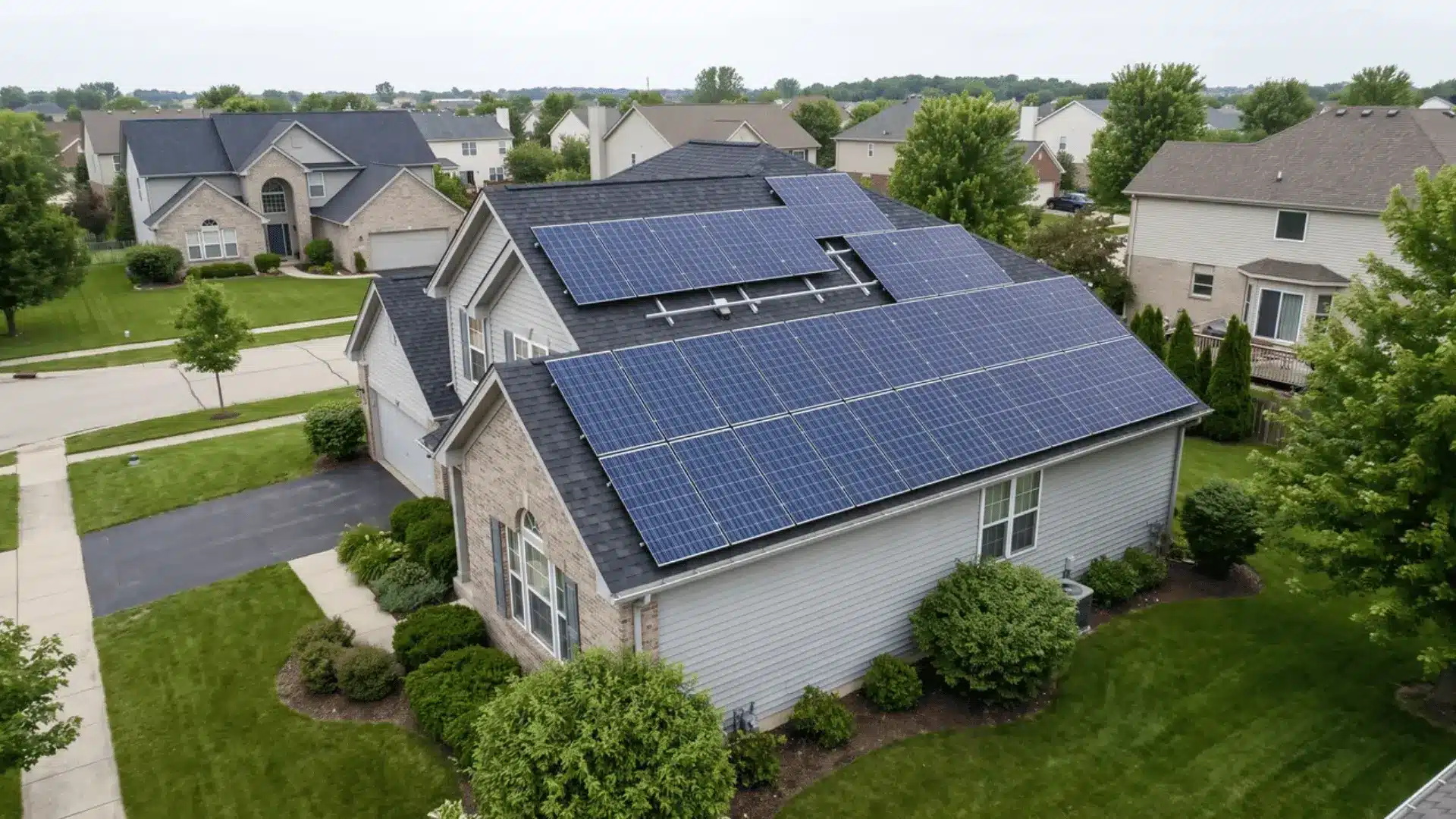
No, not under normal use. A solar panel sitting on your roof isn’t leaking anything into your air or your yard.
I’ve had people ask me this after seeing a scary headline about cadmium. The panels themselves aren’t built from hazardous junk.
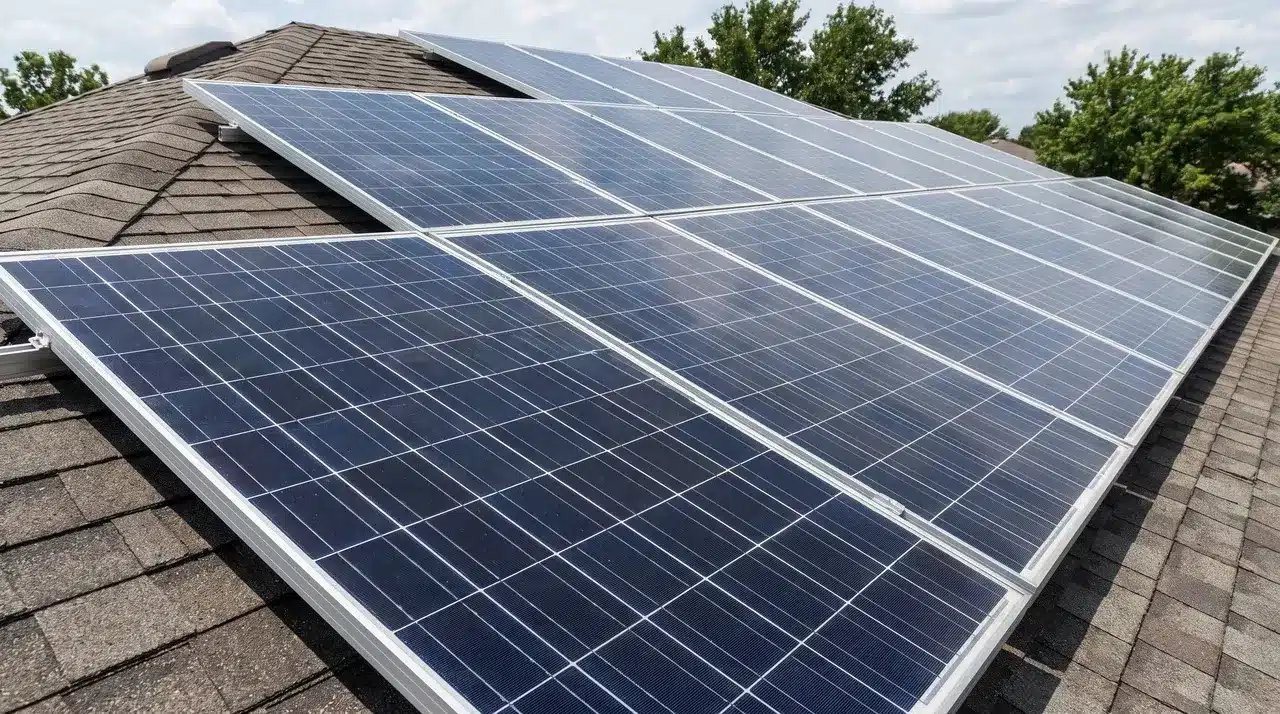
Silicon, glass, aluminum. That’s most of what you’re looking at.
Some panels do carry trace heavy metals, like lead in the solder or cadmium in certain thin-film types. That’s the real source of the confusion.
But trace amounts sealed inside a panel aren’t the same as exposure. The question worth asking isn’t whether these materials exist.
It’s what happens to them if the panel gets damaged or ends up in a landfill. That’s a different problem entirely.
What’s Actually Inside a Solar Panel

Two categories of materials drive this whole conversation: heavy metals and PFAS chemicals.
Most panels are silicon, glass, and aluminum. That part really is as harmless as it sounds.
The heavy metals show up in specific places. Here’s where you’ll actually find them:
- Lead, used in the solder that connects the cell circuits together
- Cadmium telluride, used in some thin-film panels instead of traditional silicon cells
Not every panel contains these. Standard silicon panels often skip cadmium entirely.
So knowing which type you have already narrows down the actual concern.
PFAS is a separate issue, and it gets far less attention. It shows up in the backsheet, the outer layer that protects the panel from weather.
PFAS stands for a group of man-made chemicals used because they resist heat, water, and wear. You’ll also find them in things like non-stick pans and rain jackets.
They’re prized for durability. But they break down extremely slowly once they’re out in the environment.
Silicon and glass aren’t the whole panel. The backsheet is a real part of it too, and it’s where PFAS lives.
None of this means exposure is happening right now. A trace amount sealed into a component isn’t the same as something touching your skin or your water supply.
Why Containment, Not Composition, Determines the Risk
Risk changes the moment the seal fails, not the moment the panel gets old or picks up a scratch.
It’s not about whether lead or cadmium exist inside a panel, but about whether they’re sealed in or exposed to the outside world.
Same materials, completely different risk, depending on what’s protecting them.
During Operation (Intact Panels)

A working panel is built like a sandwich. The cells sit locked between tempered glass and tough polymer layers.
That seal is the whole point. It’s what keeps any trace metals from ever touching air, water, or soil.
A surface crack doesn’t usually break that seal. Tempered glass tends to crack in small sections rather than shatter completely.
The layers underneath often stay intact even when the top looks damaged. That’s why the EPA has found no measurable leaching in testing, even on panels with visible weather damage.
At End of Life (Damaged, Crushed, or Landfilled Panels)

The risk picture changes once a panel is crushed, burned, or left to break down over years.
Crushing destroys the sealed structure that kept everything contained. That’s the real turning point, not the panel’s age.
Once that structure fails, trace metals can start to move. Rain works through broken layers in a landfill and can carry them into soil over time.
This is also why some retired panels get classified as hazardous waste. Regulators test this directly, using something called the Toxicity Characteristic Leaching Procedure.
Technicians crush panel samples and soak them in a mild acid. Then they measure how much lead or cadmium ends up in that liquid.
Panels that release more than 5 milligrams of lead per liter fail the test. That result, not what’s sitting inside a working panel, is what determines hazardous waste status.
So the classification isn’t about what a panel contains on your roof. It’s about what happens once the container breaks down completely.
What This Means for Owning or Retiring a Panel
Once you understand that containment is the real variable, the practical takeaway gets simple.
If your panels are up and working, you don’t need to do anything different. No special monitoring, no yearly checks for leaks.
The seal doing its job is what matters, and it’s designed to hold for decades.
Retiring a panel is where your choice actually counts. Recycling isn’t just a feel-good move here.
It’s what stops that sealed structure from ever breaking down in a landfill. That’s the point where risk would otherwise start.
One thing worth knowing before you get to that stage. Recycling programs for solar panels are still catching up to demand.
Availability depends heavily on where you live. Some states have dedicated e-waste recyclers that accept panels; others don’t yet, so it’s worth checking local options before your panels reach the end of their life, not after.
There’s one gap worth knowing about: Current recycling recovers glass, aluminum, and silicon well.
PFAS in the backsheet is a different story. Most recycling processes don’t remove or break it down.
That doesn’t cancel out the value of recycling the rest of the panel. It just means PFAS is a problem the industry hasn’t solved yet, not one your recycler can fix today.
One Last Thing
I’ve watched this myth spread the same way most solar myths do. A scary word gets pulled out of context, and the nuance gets left behind.
Cadmium and lead sound alarming on their own. Sealed behind glass and laminate for twenty-five years, they’re a non-issue.
The real story isn’t about what’s inside a panel. It’s about whether that seal holds, and what happens once it doesn’t.
That’s the question worth asking before you worry about the materials themselves.
Frequently Asked Questions
Are There Any Health Risks with Solar Panels?
No meaningful health risks exist during normal operation. Heavy metals stay locked behind tempered glass and laminate, so they never reach the air or soil around your home. The only real risk comes from physical damage severe enough to break that seal, which standard weather conditions rarely cause.
Is It Safe to Live Next to Solar Panels?
Yes. Panels generate electricity without emissions, noise, or runoff, so nearby homes face zero exposure to what’s sealed inside. The glass and laminate construction exists specifically to keep internal materials from ever touching the surrounding environment.
Are Solar Panels Toxic if Broken?
A cracked panel can expose small amounts of lead or cadmium compounds, but that alone doesn’t make it hazardous waste. The material has to leach past a specific threshold to qualify. Treat a broken panel carefully and recycle it rather than leaving it exposed outside.
Are Solar Panels Toxic to Dispose Of?
Not automatically. A leaching test determines hazardous status, and plenty of panels pass despite containing trace metals. Proper disposal still matters, since panels left to degrade outdoors can eventually break down. Certified recyclers can safely recover the glass, aluminum, and silicon inside.