


A TV can run for hours every day, but many people do not know how much power it actually uses. It is easy to assume a big screen is one of the main reasons your electricity bill rises.
The reality is usually different. Most modern TVs use between 40 and 200 watts while they are on. Your actual cost depends on the TV size, screen type, brightness, and how long you watch it.
I have seen many people focus on the TV size first, but daily viewing time often matters just as much. A smaller TV running all day can use more power than a larger TV used for a few hours.
Knowing your TV’s wattage helps you understand where your electricity goes. It also makes it easier to decide if a few small changes can lower your energy use.
Understanding TV Electricity Consumption
A TV’s electricity use depends on more than just its screen size. Factors like display technology, brightness settings, picture mode, and daily viewing hours all affect how much power it consumes.
Modern televisions are designed to be more energy-efficient, but larger screens and higher brightness levels can still increase electricity use.
The power rating of a TV is measured in watts, while the total energy used over time is measured in kilowatt-hours (kWh), which is what appears on your electricity bill.
Understanding these measurements helps you estimate your TV’s actual energy cost rather than relying solely on size-based assumptions.
By checking wattage and usage habits, you can get a clearer idea of your TV’s electricity consumption
How Much Power Does a TV Use?
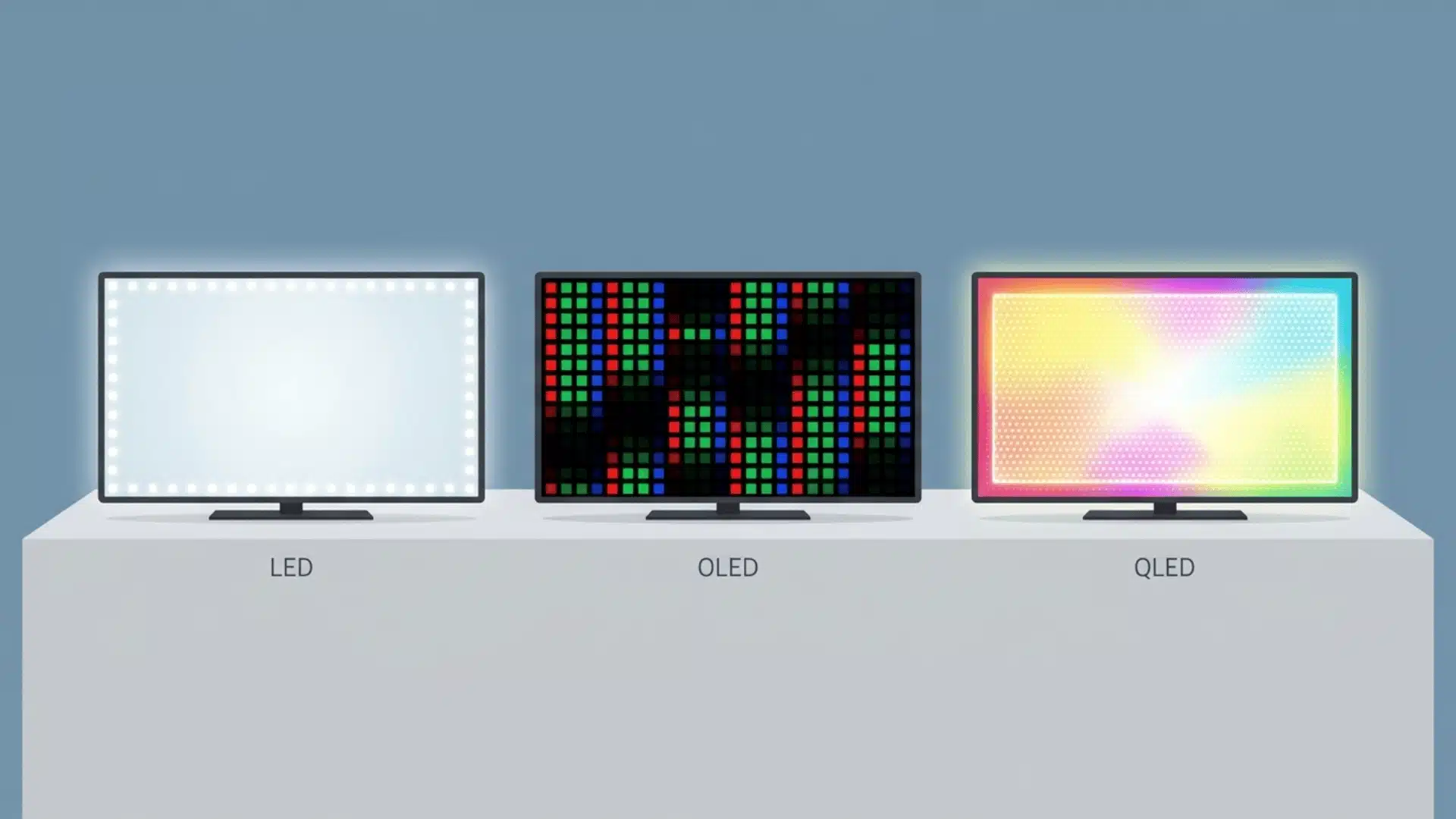
Most modern TVs use between 40 and 200 watts of electricity when turned on. The exact amount depends on factors such as screen size, display technology, brightness settings, and how many hours you watch each day.
A watt (W) measures the amount of power your TV uses at a specific moment, while a kilowatt-hour (kWh) measures the total electricity consumed over time. Your electricity bill is calculated using kWh.
For example, a 100-watt TV uses: 100 ÷ 1,000 = 0.1 kW
If you watch it for five hours: 0.1 kW × 5 hours = 0.5 kWh
The actual power use may vary from the listed wattage. A TV showing a dark movie scene may use less electricity, while bright content, gaming, and HDR settings can increase energy consumption.
Average TV Wattage by Screen Size
Screen size is one of the biggest factors affecting electricity use. Larger TVs need more power because they have bigger displays and require more energy to produce a bright image.
| TV Size | Typical Wattage |
|---|---|
| 32-inch | 30–50W |
| 43-inch | 50–75W |
| 55-inch | 70–100W |
| 65-inch | 90–130W |
| 75-inch | 120–200W |
These figures are average estimates for modern TVs. A high-end 55-inch TV with higher brightness settings may use more power than a basic 65-inch model.
Manufacturer specifications often list maximum power ratings that may not match everyday viewing conditions. Your actual electricity use depends on your TV settings, content type, and usage habits.
How Much Electricity Does a TV Use Per Hour, Day, and Month?
To estimate your TV’s energy consumption, use this formula: Watts ÷ 1,000 × Hours Used = kWh Used
For example:
- 40W TV: 40 ÷ 1,000 = 0.04 kWh per hour
- 80W TV: 80 ÷ 1,000 = 0.08 kWh per hour
- 150W TV: 150 ÷ 1,000 = 0.15 kWh per hour
Daily electricity use depends on how long the TV runs:
| Daily Viewing Time | 80W TV Usage |
|---|---|
| 2 hours/day | 0.16 kWh |
| 4 hours/day | 0.32 kWh |
| 8 hours/day | 0.64 kWh |
For monthly consumption, multiply daily use by 30 days.
An 80-watt TV used for 4 hours daily: 0.32 kWh × 30 days = 9.6 kWh per month
This is why viewing habits often matter more than small differences between TV models. A lower-wattage TV running all day can use more electricity than a larger TV used only for a few hours. Compared with other major home energy users, a TV usually has a much smaller impact on your monthly electricity consumption.
Does a TV Use Electricity When It Is Turned Off?
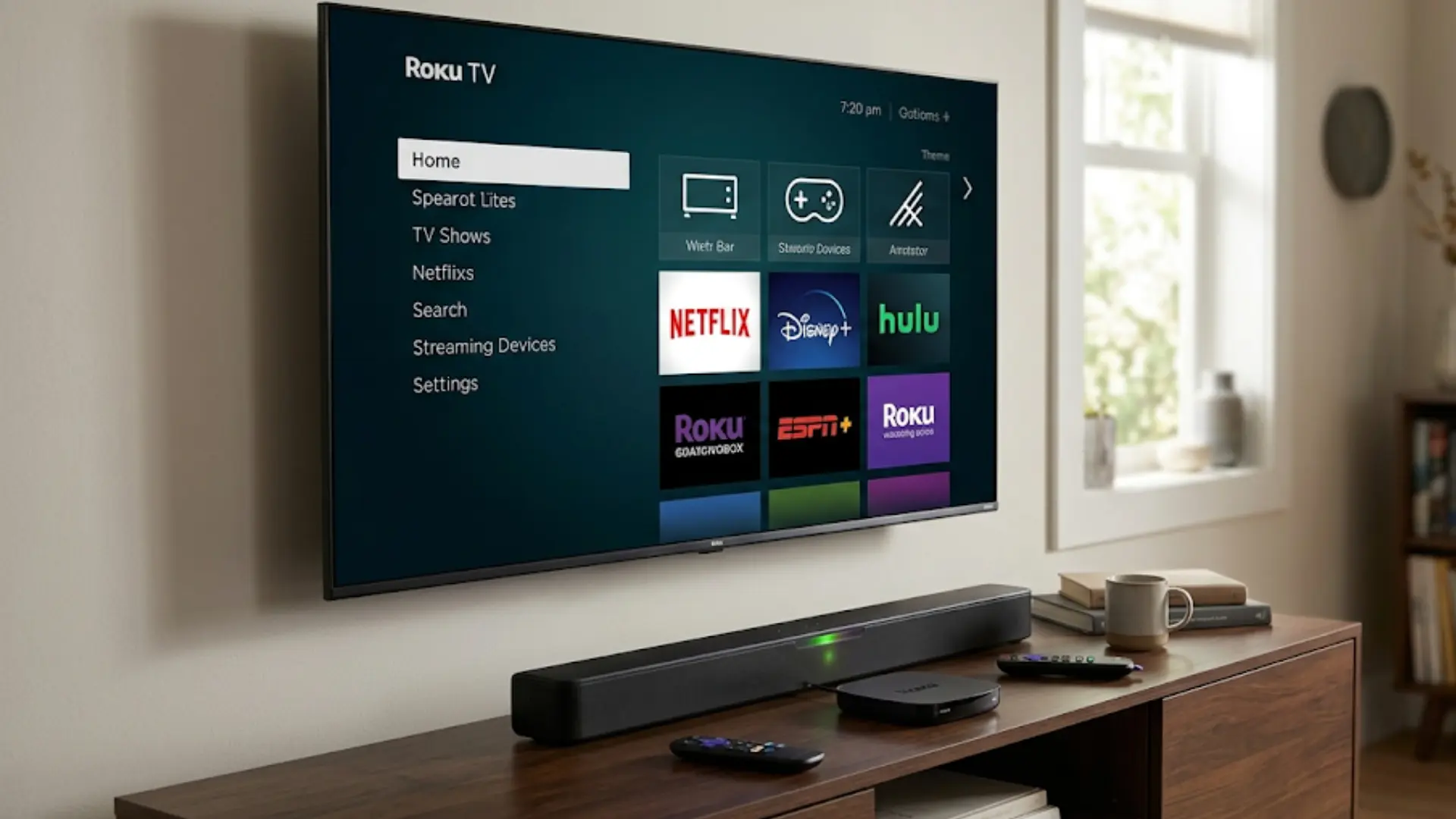
Yes, many modern TVs still use a small amount of electricity after you turn them off.
Most smart TVs enter standby mode rather than fully disconnect from power. In this state, they usually use around 1–3 watts.
Standby power keeps features working, including:
- Remote control sensors
- Network connections
- Automatic updates
- Voice assistant features
The power used by one TV is very small. However, connected devices can add up.
A TV setup with a soundbar, streaming device, gaming console, and smart speaker may continue using power even when the screen is dark.
I have seen standby power become more noticeable in entertainment setups with several devices plugged in together.
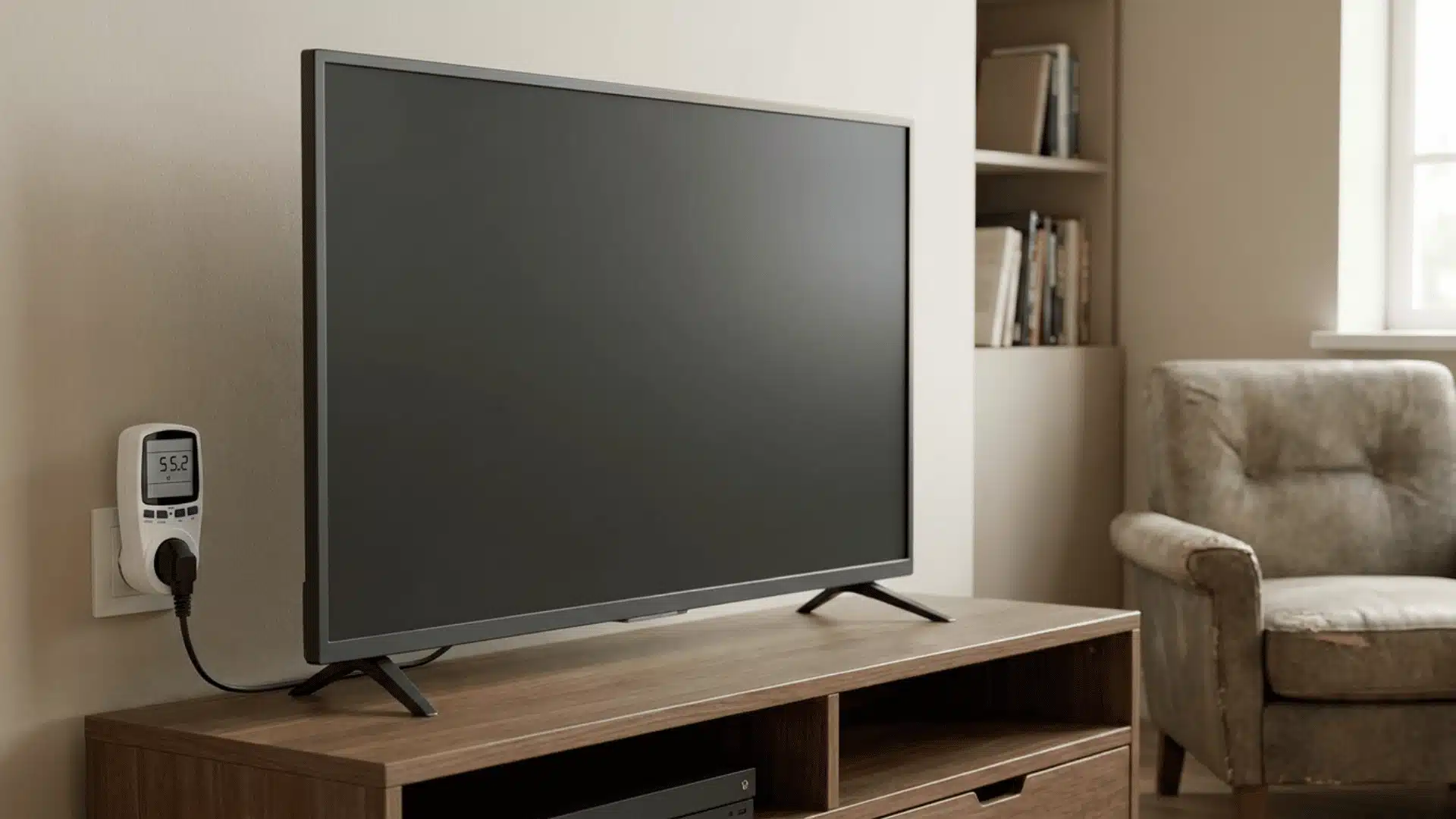
How to Find Your TV’s Exact Wattage?
There are three ways to find your TV’s exact wattage, each with a different trade-off between accuracy and effort.
- Plug-in Energy Monitor: measures actual power draw under your viewing conditions. The only method that captures your brightness settings and standby transitions.
- EnergyGuide Label: found on the unit or in the manual. Reliable as a ballpark, but based on standardized testing that may not match your usage.
- Manufacturer Spec Sheet: searchable by model number. Lists peak wattage only. Real-world draw typically runs 20 to 40 percent lower.
- Your Electricity Bill + a Smart Plug: Some smart plugs track per-device consumption in real time. If you already own one, it’s the easiest option of the four.
If you’re working from spec data, factor in that gap. Otherwise, your cost estimates will run higher than your actual bill.
Does a TV Use a Lot of Electricity Compared With Other Appliances?
A TV can run for several hours, but it usually is not one of the biggest electricity users in your home.
The reason is simple: TVs use relatively low power compared with appliances that create heat or move parts. Air conditioners, refrigerators, and water heaters need much more energy because they run compressors, motors, or heating elements.
Here is how typical power use compares:
| Appliance | Typical Energy Use |
|---|---|
| TV | 40–200W |
| Ceiling fan | 50–80W |
| Refrigerator | 100–800W |
| Air conditioner | 1,000W+ |
I often see people blame the TV when their electricity bill rises, but the TV is usually not the main cause. A few extra hours of air conditioning can add more energy use than many days of normal TV watching.
If you are trying to lower your bill, check your larger appliances first. Your TV matters, but it is rarely the biggest energy expense.
Ways to Reduce Your TV’s Electricity Consumption
You can lower your TV’s electricity use with a few simple changes. Focus on settings, viewing habits, and connected devices that continue to use power.
- Lower your TV’s brightness to reduce the power required to produce light.
- Enable energy-saving or eco mode to automatically adjust power-consuming settings.
- Turn off the TV completely when nobody is watching it.
- Use a switched power strip to reduce standby electricity from connected devices.
- Unplug rarely used streaming devices, gaming consoles, and accessories.
- Choose an energy-efficient TV model when replacing an older television.
Simple changes like adjusting settings and avoiding unnecessary usage can reduce electricity waste while keeping your TV experience comfortable.
Wrapping Up
Your TV’s electricity use is usually lower than many people expect, but understanding the numbers helps you manage energy use more effectively.
Screen size, brightness settings, display type, and daily viewing time all affect consumption. I found that checking the wattage and calculating actual usage gives a clearer picture than guessing based only on TV size.
Knowing how much electricity does a TV use can help you avoid unnecessary power waste and make smarter choices when using or replacing a television.
Small changes, like lowering brightness and reducing standby power, can make a difference over time. Try these tips with your own TV and share what you find.
Frequently Asked Questions
Does leaving a TV on all day increase my electricity bill significantly?
Leaving a TV on for long periods can increase energy use, especially with larger screens and higher brightness settings. The exact cost depends on the TV’s wattage, viewing hours, and local electricity rates.
Do OLED TVs use less electricity than LED TVs?
It depends on the content being displayed. OLED TVs can use less power when showing darker scenes because individual pixels can turn off, while bright images may increase energy use. LED TVs often have more consistent power consumption.
Can a smart TV increase electricity costs due to its internet features?
Smart features use a small amount of additional electricity for Wi-Fi connections, updates, and background processes. The extra consumption is usually minor compared with the power used while the screen is on.
Does watching TV through a streaming device use more electricity?
Yes, a streaming device adds some extra power consumption. Devices like streaming sticks, boxes, and gaming consoles typically use a few additional watts while operating, but the TV remains the main energy user.