


Why does your electricity bill stay high even when no single appliance seems to be to blame?
The fastest savings come from fixing heating and cooling waste, phantom power, and inefficient lighting. A smart thermostat can reduce heating and cooling costs by 8 to 15 percent.
Add smart plugs and LED bulbs, and total savings may reach 15 to 25 percent, with many upgrades paying for themselves within two years.
After installing thermostats and energy monitors in homes, I have seen the same pattern: small habits often cost more than one major appliance.
Heating and cooling can account for nearly half of household energy use, while idle electronics add more. Smart home upgrades target these losses without requiring a full HVAC replacement.
Find out Where Your Electricity is Actually Going
Before buying any smart device, spend ten minutes identifying what is actually raising your electricity bill. Guessing can lead to the wrong purchase and delay real savings.
In many homes, replacing older equipment with energy-efficient appliances makes a bigger difference than adding smart devices alone, especially when the existing appliances consume far more electricity than newer models.
Start with these three checks:
- Compare the last two utility bills using kWh, not just total cost, since electricity rates can change.
- Use a basic watt meter to measure the standby power of always-on devices, such as televisions, routers, and gaming systems.
- Consider a whole-home energy monitor when you want continuous usage data instead of a single reading.
Once you know whether heating and cooling, phantom power, or lighting creates the most waste, focus on that area first.
This approach helps you avoid unnecessary gadgets and spend money on upgrades that can make a measurable difference.
Cut Your Biggest Cost: Heating and Cooling
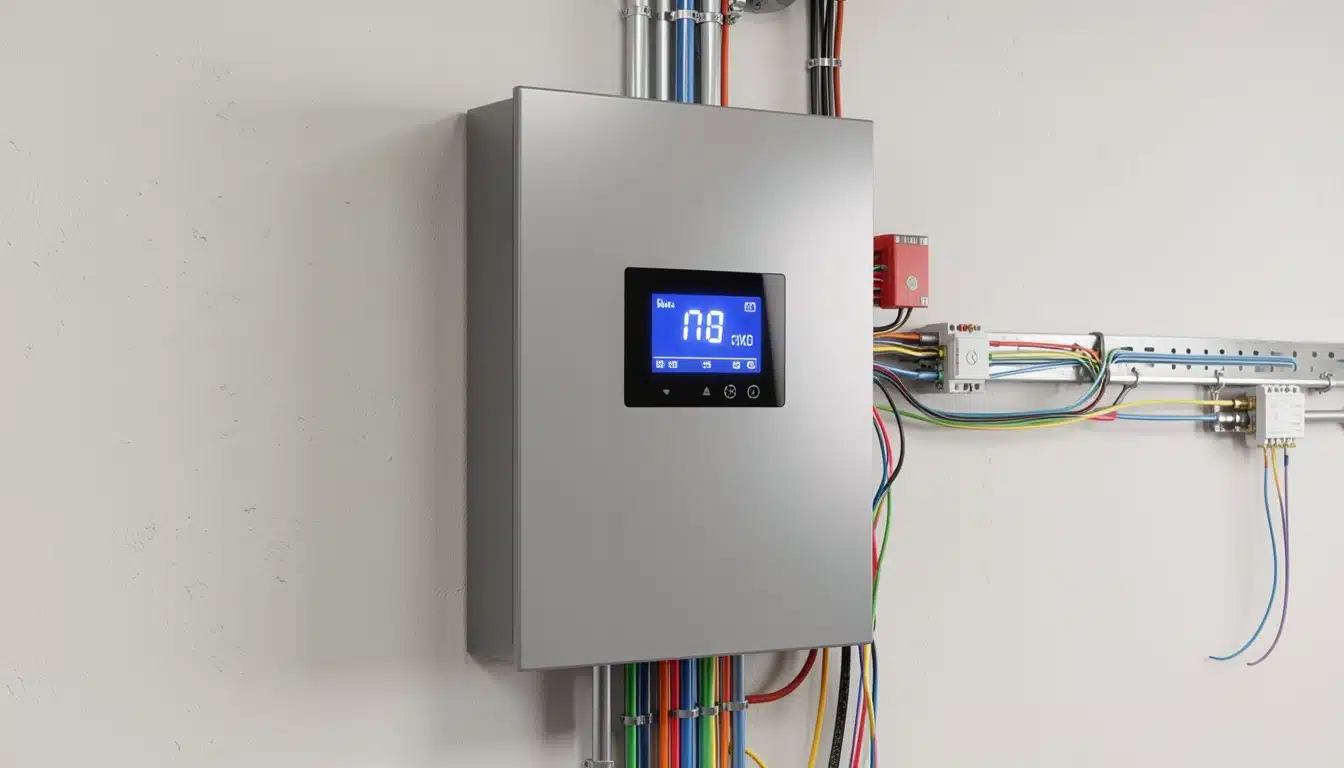
Two separate fixes matter here: the thermostat itself and how well your system runs behind the scenes.
1. Upgrade to a Smart Thermostat
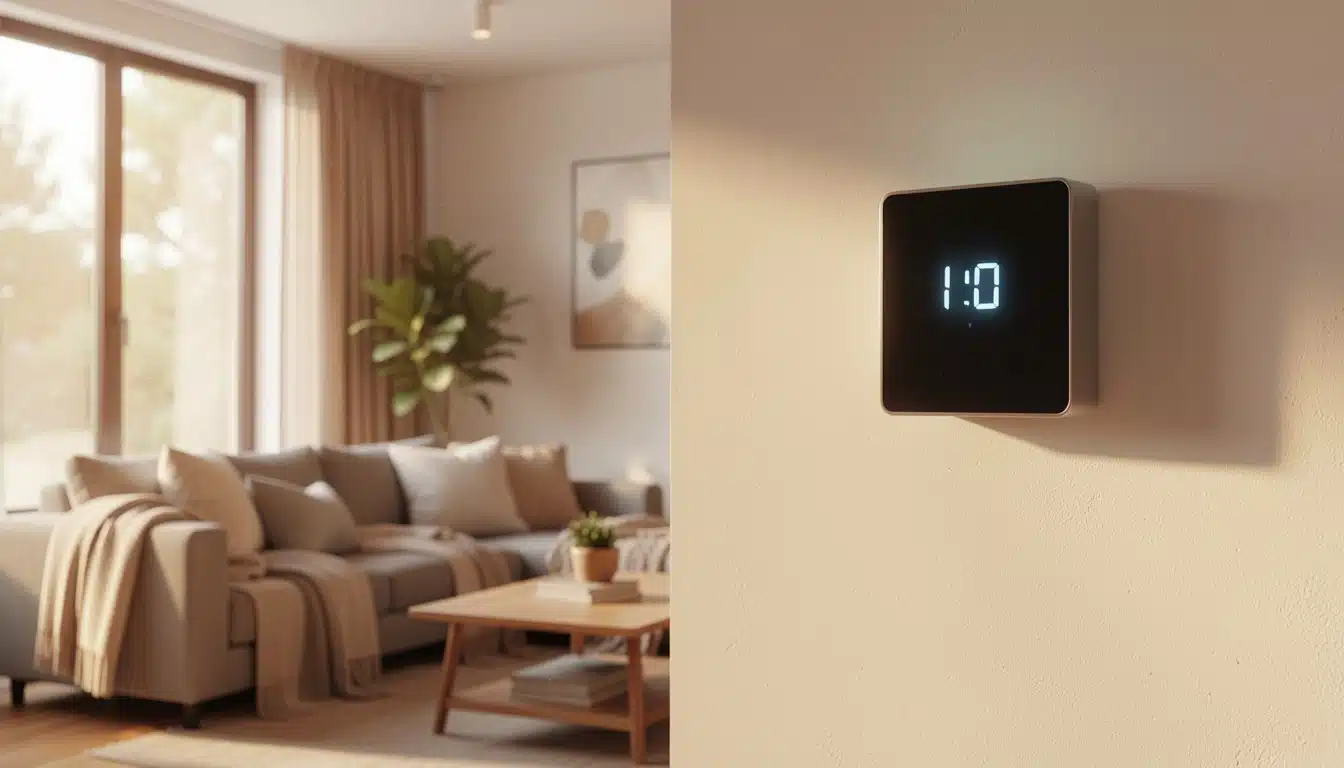
Smart thermostats can lower heating and cooling costs by adjusting temperatures when the home is empty or everyone is asleep.
ENERGY STAR certified models save households an average of 8 percent on these expenses.
The Department of Energy also estimates that lowering the thermostat by 7 to 10 degrees for eight hours daily may reduce annual heating and cooling costs by up to 10 percent.
Savings depend on household routines:
- Empty homes during the day usually see greater savings.
- Work-from-home households may save less because temperatures remain steady.
- Geofencing adjusts settings when the last person leaves.
- Scheduling prevents unnecessary heating or cooling overnight.
- Regular usage reports help identify further energy waste.
- The thermostat works best when its settings match the household’s actual schedule.
2. Keep Your HVAC System Itself Efficient
A smart thermostat can reduce wasted heating and cooling, but it cannot correct basic maintenance problems.
A dirty filter restricts airflow, forcing the HVAC system to run longer and increasing energy use while putting extra strain on the equipment.
Air leaks around windows, doors, and ductwork can also let conditioned air escape before it reaches the room. Fixing these issues often costs less than buying another smart device and can improve comfort at the same time.
Focus on these steps:
- Replace or clean HVAC filters every 60 to 90 days.
- Check windows and doors for visible gaps or drafts.
- Seal leaks with weatherstripping or caulk where appropriate.
- Inspect exposed ductwork for loose joints or damaged sections.
- Keep vents clear of furniture, rugs, and other obstructions.
Kill Phantom Power Draining Money 24/7
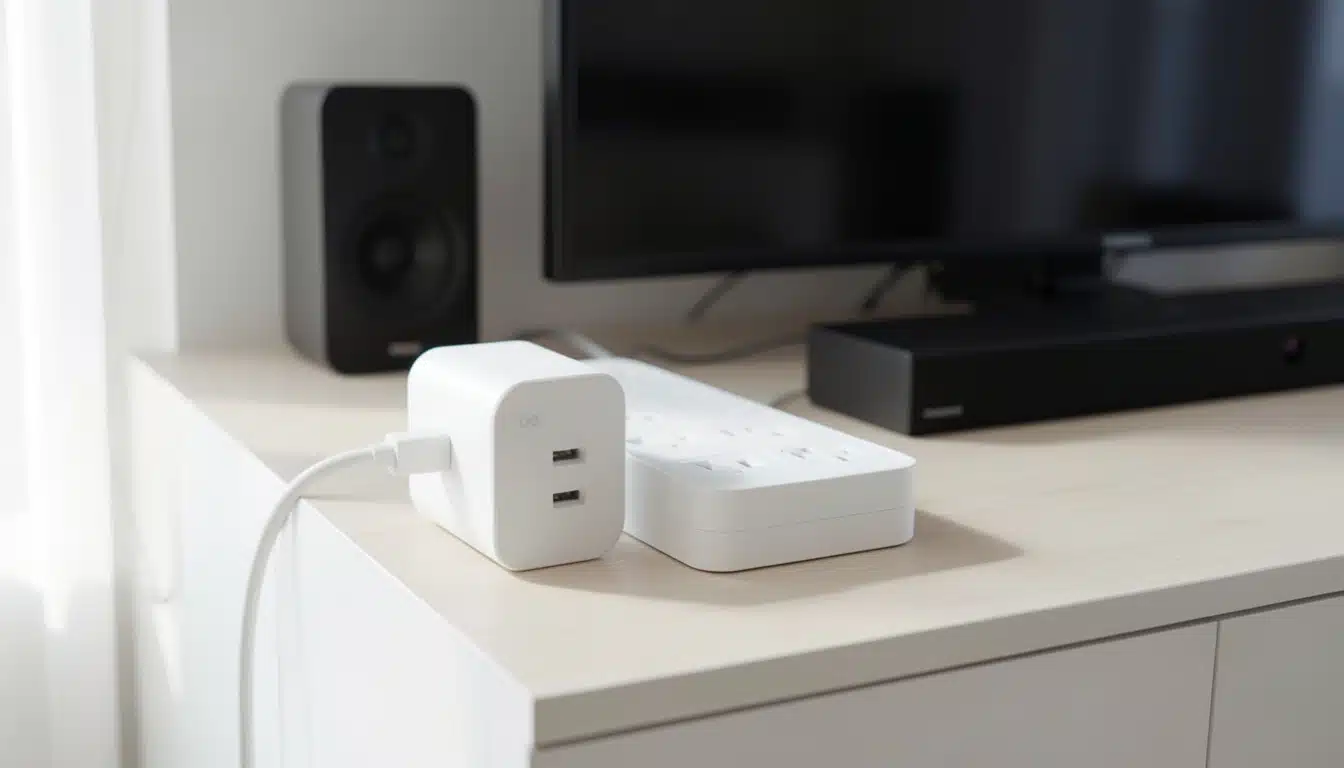
Phantom load, also called standby power, is the electricity devices use while they appear to be turned off.
Idle electronics can account for up to 10 percent of a home’s electricity bill, costing the average household up to $100 per year.
Many devices never shut down completely. Cable boxes keep schedules active, game consoles remain ready for quick startup, and plugged-in chargers continue drawing small amounts of power.
The total waste depends on the number and age of your electronics. Entertainment centers with televisions, soundbars, consoles, and streaming boxes often draw more standby power than other areas.
Older devices usually consume more than newer ENERGY STAR models. Smart plugs and advanced power strips help by shutting off multiple connected devices on a schedule or with a single control. Start with the entertainment center.
Swap to Smart, Efficient Lighting
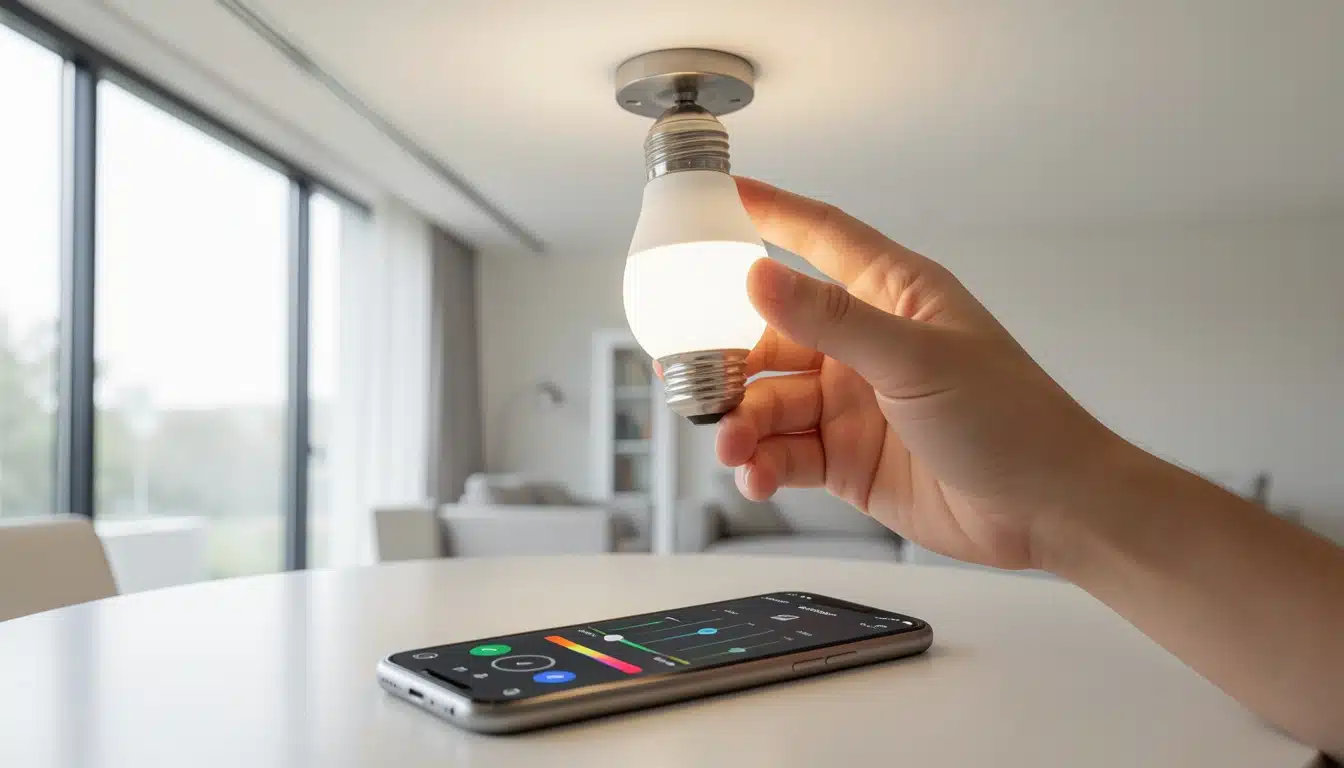
Lighting is one of the simplest and most affordable places to cut electricity use.
ENERGY STAR-rated LED bulbs use up to 90 percent less energy than incandescent bulbs and last much longer, which reduces both power costs and replacement expenses.
Smart bulbs can add another layer of savings through schedules, timers, and motion detection.
Hallways work well with motion sensors because lights switch on only when someone passes through. Bedrooms and living rooms often benefit more from schedules, since lights are commonly left on by mistake.
Start with your five most-used fixtures instead of replacing every bulb at once. These lights run for most of the day, so they usually deliver the fastest payback and make the clearest difference on your bill.
Get Whole-Home Visibility with a Smart Panel or Energy Monitor
Long-term savings become easier to find when energy use is tracked by circuit rather than shown as a single total.
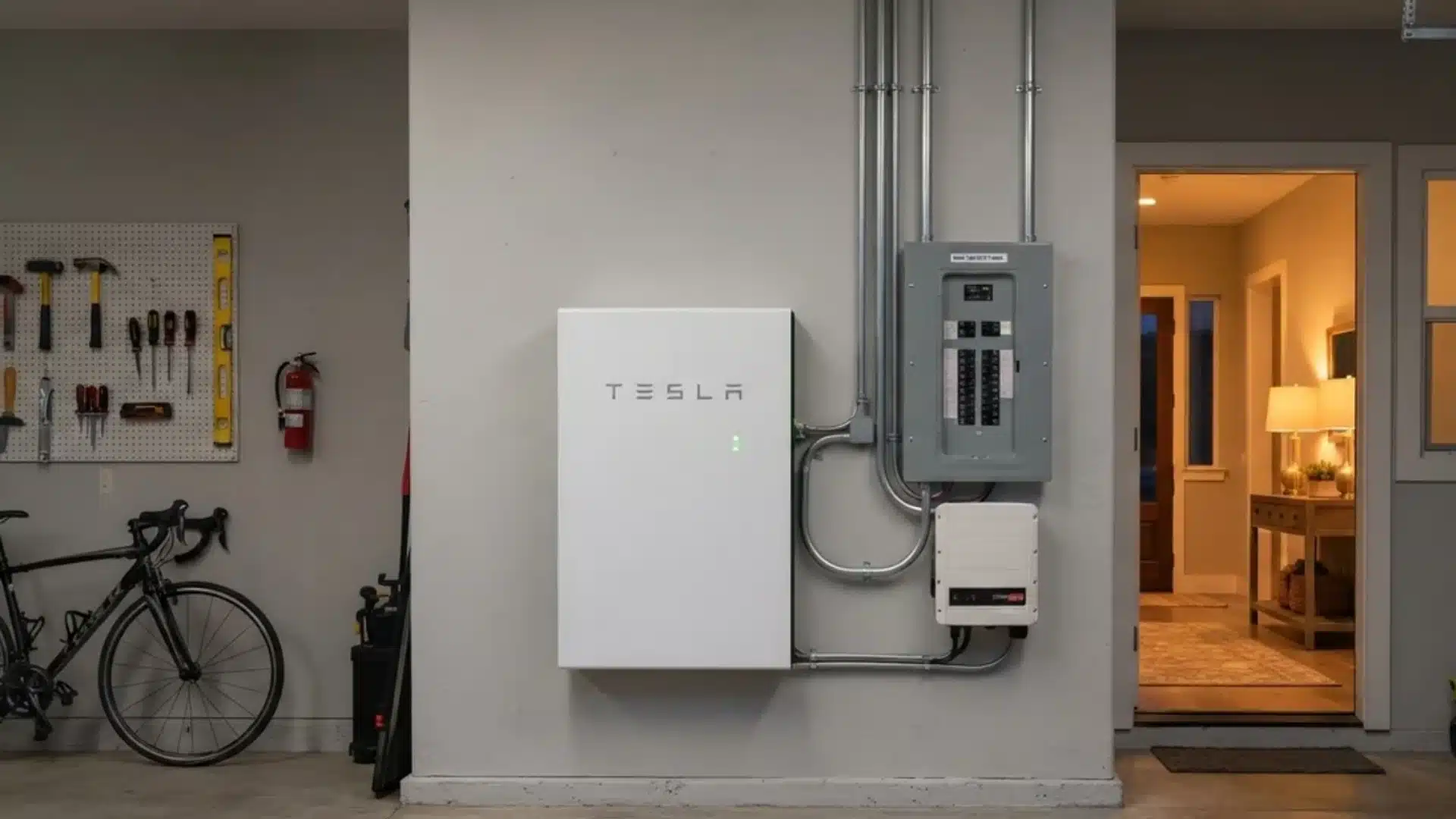
A smart electrical panel or add-on energy monitor reveals which appliances and systems are using the most power in real time.
This level of detail is especially useful in homes with solar panels, EV chargers, or multiple HVAC zones.
Compare the two options:
- Smart Electrical Panel: Provides circuit-level monitoring, remote control, and outage management, but installation can cost several thousand dollars.
- Add-on Energy Monitor: Offers detailed usage data for a few hundred dollars without replacing the existing panel.
- Best Starting Point: Most homeowners can begin with an add-on monitor and upgrade later if they need greater control.
Both options replace guesswork with clear data, helping households focus on the circuits where savings matter most.
Conclusion
Lowering your electricity bill works best when each upgrade solves a proven source of waste. Start with an energy audit to identify whether heating and cooling, standby power, or lighting is costing you the most.
Fix HVAC inefficiencies first; they usually have the biggest impact on expenses. Next, use smart plugs to control devices that draw power while idle, then replace bulbs with LED or smart lighting.
Add a whole-home energy monitor later if you want continuous data and circuit-level visibility. These changes do not require major renovations, and many can recover their cost within one or two years. Which upgrade would you try first?
Comment below and share your thoughts, experiences, or best energy-saving tip with other homeowners.
Frequently Asked Questions
How much can smart devices realistically lower my electricity bill?
Most households see 15 to 25 percent total savings when combining a smart thermostat, smart plugs, and LED lighting. Results vary by climate, occupancy, and the age of your current setup. Homes with older HVAC systems or heavy standby loads tend to see the largest gains.
Do I need to replace my whole electrical panel to save money?
No. A full smart panel replacement helps with circuit-level control and outage planning. An add-on energy monitor delivers most of the visibility for a fraction of the cost. Start with the cheaper option unless you have solar, an EV charger, or complex wiring needs.
Which upgrade pays for itself fastest?
LED bulbs and smart plugs typically pay back within months because they cost little upfront. Smart thermostats take longer, often 6 to 24 months. They still deliver the largest dollar savings, since heating and cooling make up such a large share of the bill.
Do smart devices work if I rent instead of own?
Yes. Smart bulbs, plugs, and power strips need no wiring changes and travel with you when you move. Smart thermostats are trickier since some require swapping your existing unit. Check your lease or ask your landlord before installing one.