
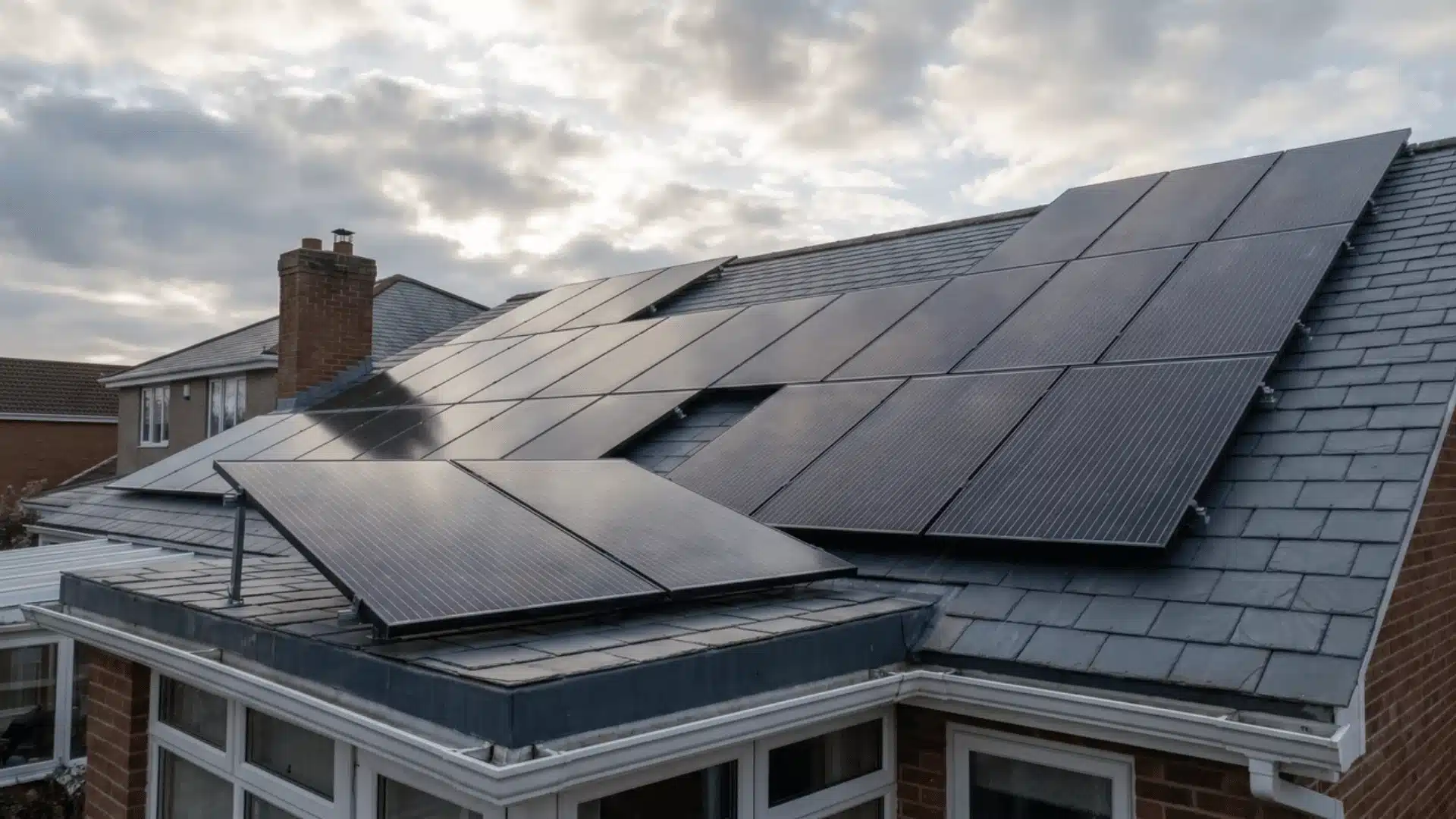

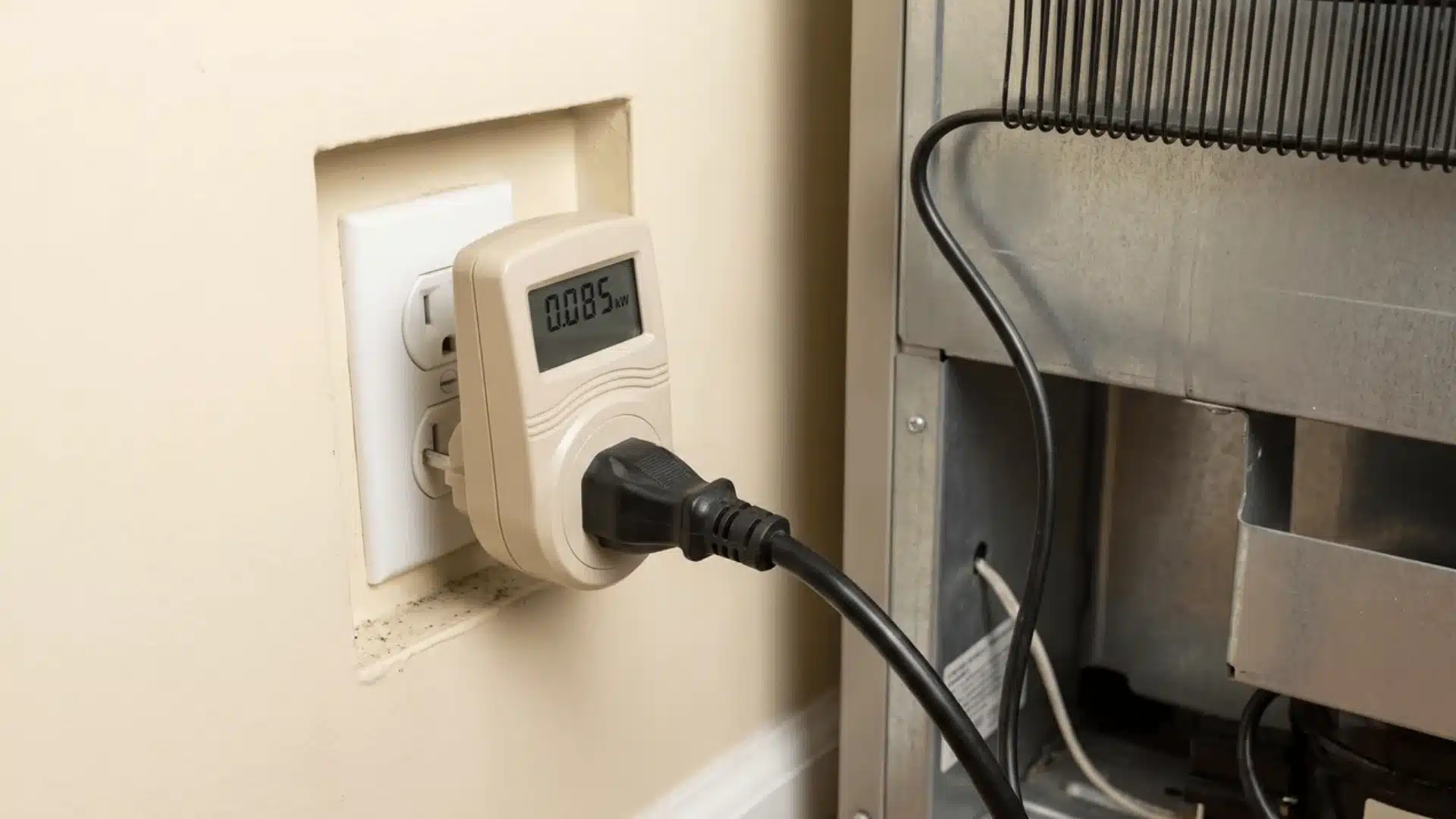
You don’t need perfect sunlight for solar panels to work. I’ve seen plenty of systems running under partial shade and still producing usable power, even when people question solar panel performance without sunlight.
The key point is simple: panels respond to light particles, not heat or direct sunlight. Understanding solar power without direct sunlight also explains why it continues to produce power even when conditions are less than ideal.
Even on cloudy or shaded days, some light still reaches the surface. That’s why shade lowers output instead of stopping it. It changes how much light arrives, not whether the system runs at all.
Do Solar Panels Work in the Shade?
Yes, solar panels generate electricity in the shade, though they produce less power than in full sun.
Shade reduces the amount of light reaching the solar cells, so electricity generation drops instead of stopping completely.
The impact depends on how much of the panel is shaded and for how long.
Light, occasional shade has a much smaller effect than dense or prolonged shading, which is why understanding your shading pattern is more important than simply asking whether panels work in the shade.
How Much Power Do Solar Panels Lose in Shade?
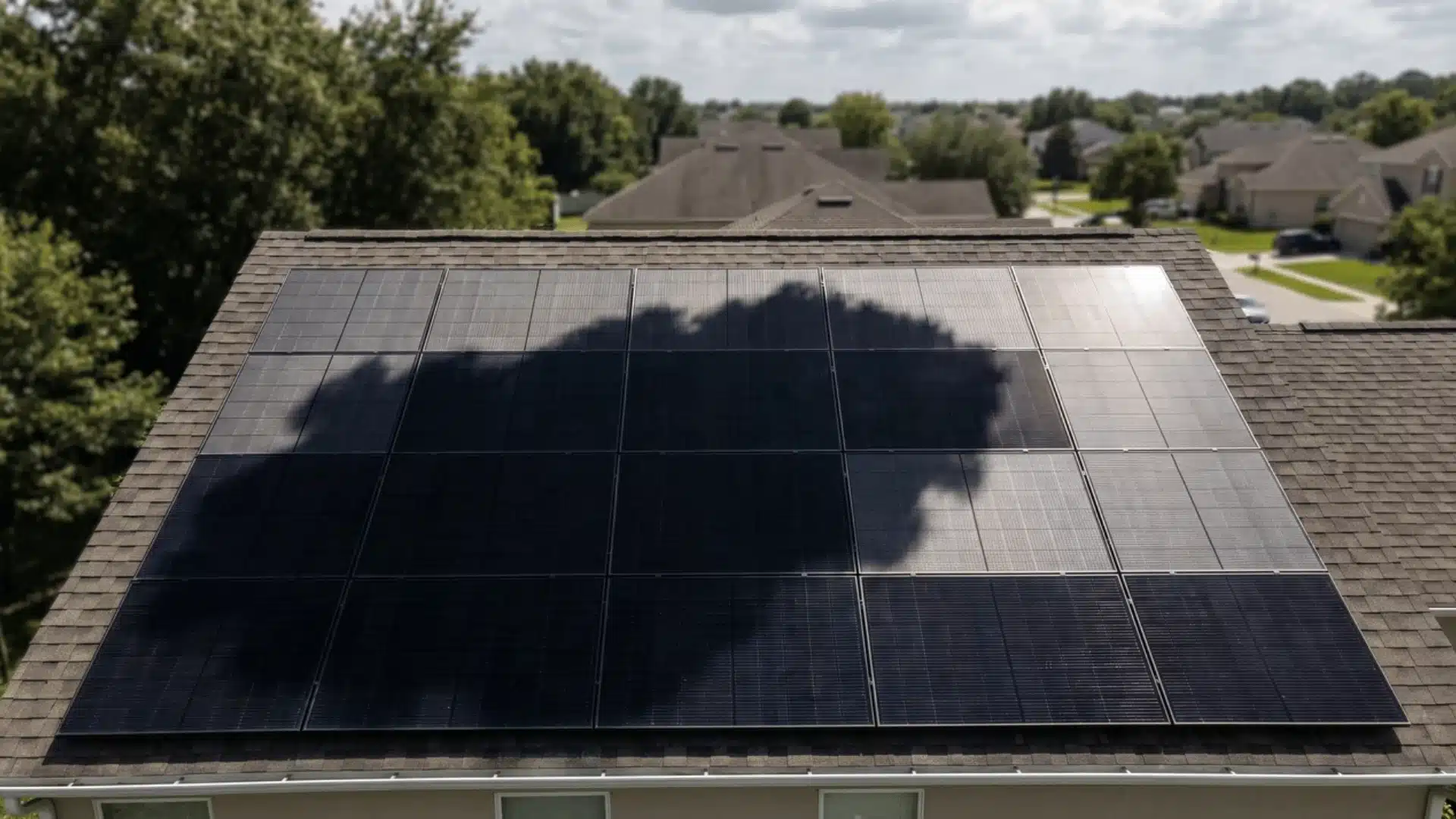
Hard shade cuts output by 50% to 70%. Soft shade cuts it by 15% to 25%. That gap matters more than most people realize. A tree branch across one corner of your roof is a very different problem than morning haze.
Hard shade means something is blocking light completely. Think chimneys, thick branches, or a neighbor’s roofline. Soft shade is lighter. Thin clouds, smog, or a distant tree that only softens the light instead of blocking it.
Here’s the part that catches people off guard. If your panels are wired together in a string, one shaded panel doesn’t just lose its own power. It drags the whole string down with it.
I’ve seen systems where a single shaded panel cut total output by far more than its share. The other panels were fine. They just couldn’t outrun the weak link. So the real question isn’t “is there shade.” It’s what kind, where it falls, and how your system is wired.
How Solar Hardware Limits or Recovers Shade Losses
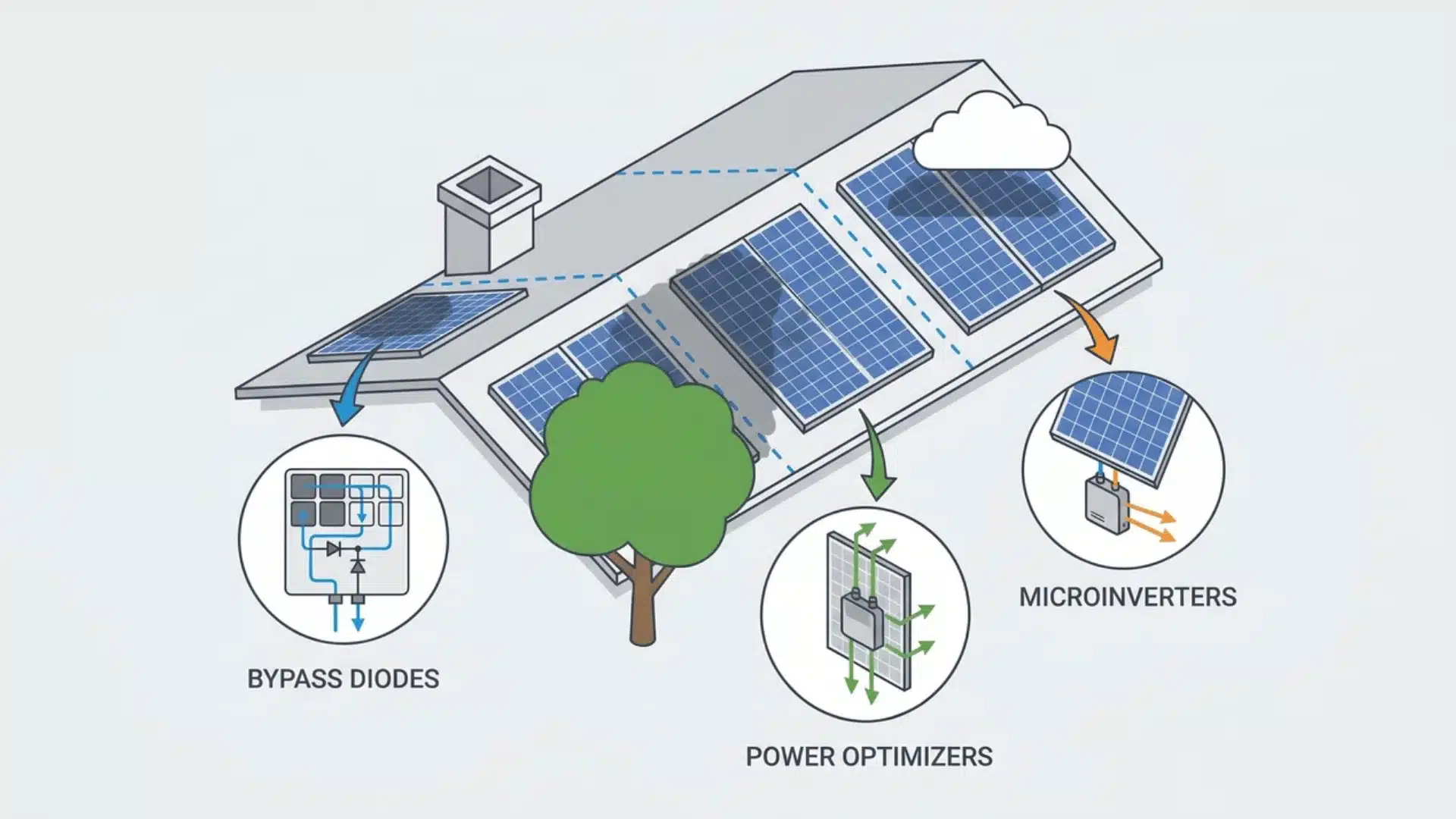
Modern solar systems include technologies designed to reduce shading losses. To understand how they help, it’s useful to first see why shading affects a solar panel’s performance in the first place.
Why Does Shading One Cell Affect the Whole Panel?
A shaded panel doesn’t just lose its own power. It can drag down cells that never lost any light at all. Here’s why that happens.
A solar cell needs light to generate current. Block the light, and that cell stops pulling its weight. But the cell doesn’t just sit there quietly. It starts blocking current from the surrounding cells, too.
The unshaded cells are still producing energy. That energy has nowhere to go, so it backs up into the shaded cell. The shaded cell absorbs it and turns it into heat. Over time, this creates a hot spot.
Hot spots aren’t just a performance problem. They can quietly damage the panel itself. This is worse in older systems, where every panel connects to a single string. One weak link, and the whole string suffers.
How Bypass Diodes Reduce Shade Losses
Bypass diodes are built into modern solar panels. When part of a panel is shaded, the diode redirects current around the affected cells rather than letting them limit the entire panel.
This allows the unshaded sections to keep generating electricity. You still lose the output from the shaded cells, but the rest of the panel continues operating normally.
How Microinverters and Half-Cut Cells Improve Performance
Other technologies reduce shading losses at the panel and cell level.
Microinverters allow each solar panel to operate independently. If one panel is shaded, the remaining panels continue producing their normal output instead of being limited by the weakest panel.
Half-cut cells improve performance by creating additional current paths inside the panel. This design reduces the impact of partial shading because fewer cells are affected when one section loses light.
None of these technologies eliminates shade completely, but they significantly reduce the amount of energy lost compared with older solar systems.
How to Assess Whether Your Shading Pattern Is a Problem
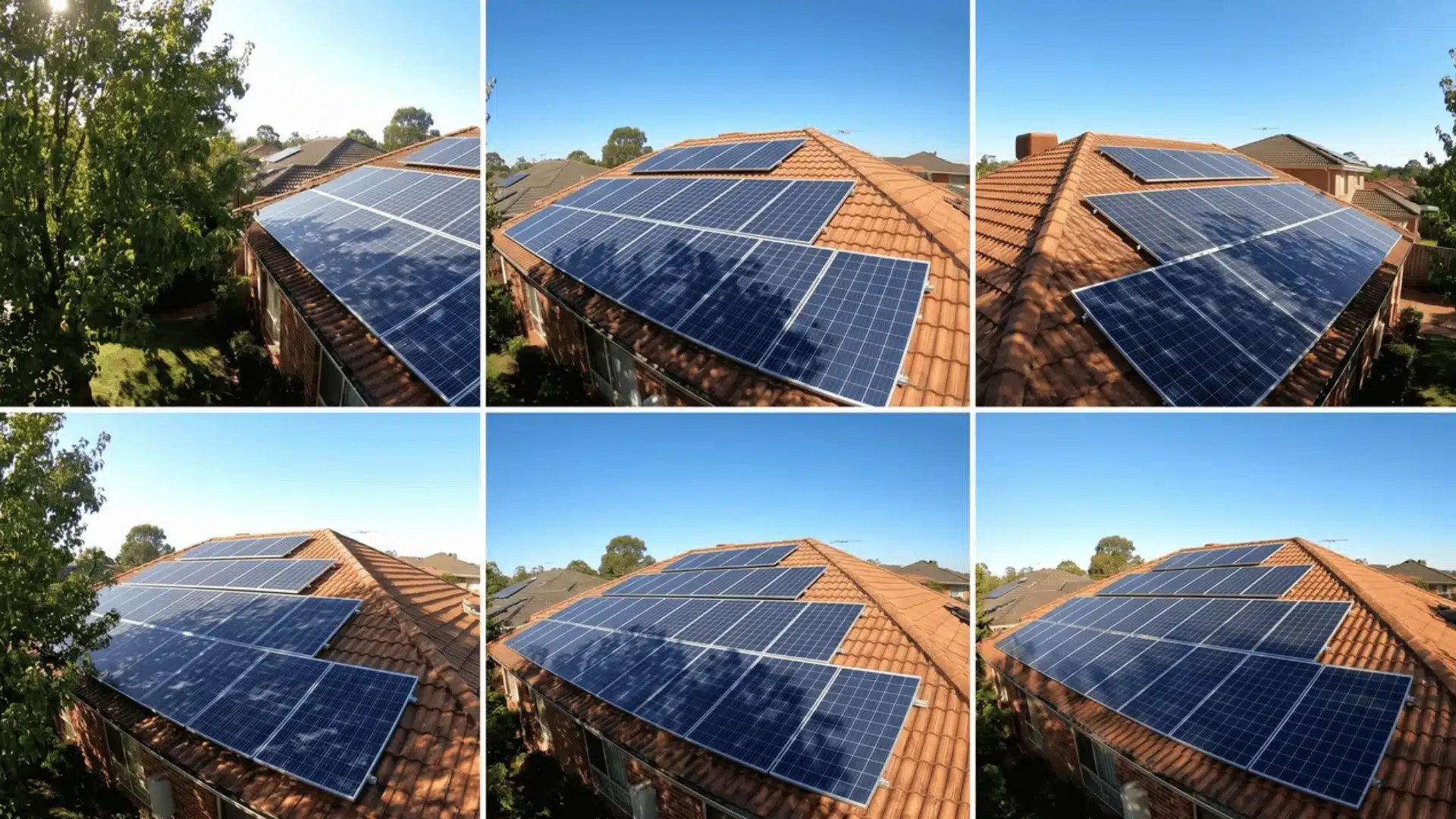
There’s a rough guideline where shade stops being a minor issue. It’s often referred to as the 33% rule. If shade reduces your roof’s usable solar exposure by roughly one-third or more over the course of a year, that area may no longer be suitable for solar panels.
That doesn’t mean a single shadow at noon makes solar a bad investment. The assessment considers shade across different seasons and times of day. A tree that’s bare in winter but full in summer changes the calculation, as does a chimney that casts a shadow only in the late afternoon.
The key question isn’t whether your roof has shade, but how often and how long that shade reduces solar production throughout the year.
A professional shading assessment can provide a much more accurate answer than a quick visual inspection.
Wrapping Up
Shade doesn’t stop solar panels. It simply reduces the amount of light that reaches them. The system keeps working as long as there is daylight.
What really matters is understanding your shade pattern. A small shadow behaves very differently from full blockage, especially across seasons and roof angles.
If you’re unsure about your setup, get it checked. A quick assessment can show whether your roof is actually underperforming or just shaded occasionally.
Frequently Asked Questions
How effective are solar panels in the shade?
Solar panels stay effective in light or soft shade, typically losing only 15% to 25% of their output. Heavy shade from branches or structures is a bigger problem, often cutting power by 50% to 70%. The real deciding factor isn’t just shade itself, but how much of the panel and roof it actually covers.
Do solar panels work if not facing the sun?
Yes, solar panels can still produce power without facing the sun directly, since they respond to visible light rather than a direct beam alone. Output is lower than an optimally angled, south-facing panel, but panels facing east, west, or even flat can still generate meaningful electricity throughout the day.
What is the 33% rule in solar panels?
The 33% rule is a rough guideline used to assess whether shading makes solar impractical: if shading reduces a roof’s usable solar exposure by more than about a third over the year, the system’s output and payback period usually suffer enough that solar stops being a good investment for that spot.
How do solar panels work if there is no sun?
On overcast or heavily clouded days, solar panels still generate electricity from the diffused daylight that reaches the ground, just at a reduced rate compared to direct sunlight. At night, with no daylight at all, panels produce no power, which is why battery storage or grid backup is used after dark.