
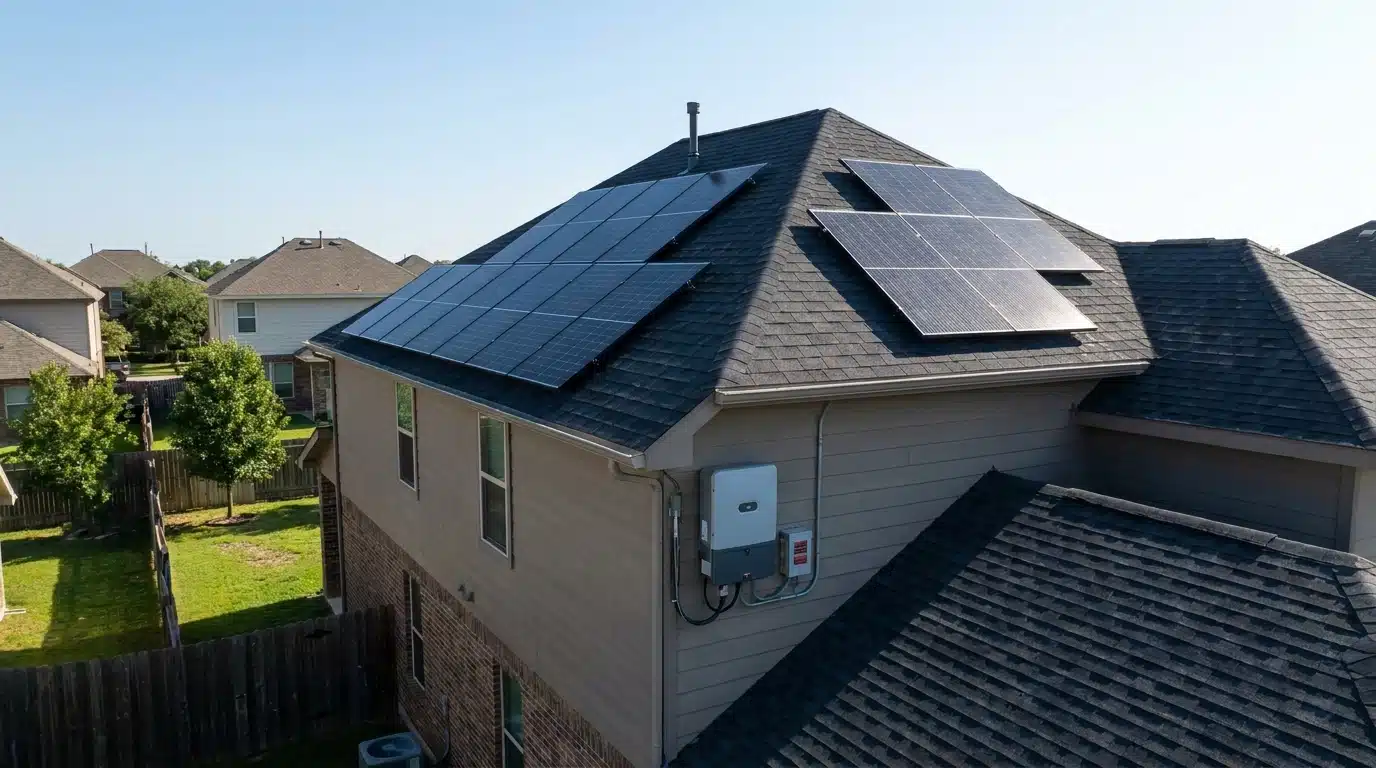

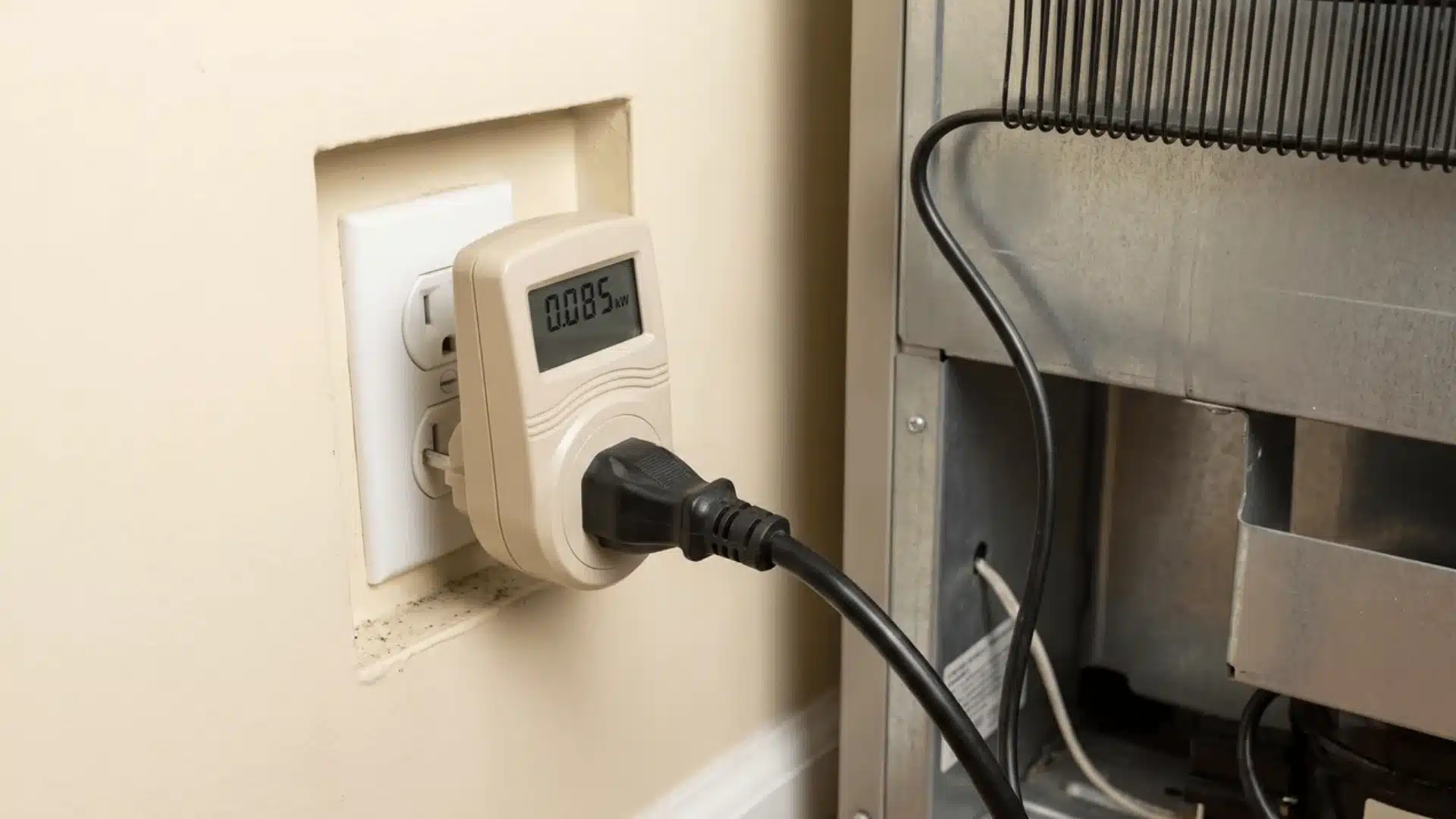
Texas gets more sun than almost any other state and has some of the highest residential electricity rates in the country. On paper, that combination makes solar an obvious decision.
In practice, the deregulated grid introduces variables that alter the financial outcome in ways most guides entirely skip. Two homeowners with identical systems can end up with very different annual bills.
How much you save depends less on your panels and more on your utility territory and the buyback plan you choose. Those two factors don’t exist as variables anywhere else in the same way.
Getting solar right in Texas means understanding what makes it structurally different before you look at costs, incentives, or anything a salesperson puts in front of you.
How Solar Economics Actually Works in Texas
Texas solar savings depend less on how many panels you install and more on which utility territory you’re in and which buyback plan you choose. That distinction doesn’t exist in other states.
Texas runs on ERCOT, a grid that operates almost entirely outside federal oversight. That means Texas sets its own rules, including never mandating statewide net metering.
Homeowners hear “no net metering” and move on. What it actually means for your bill is worth slowing down on. Your panels reduce your consumption first. Only the surplus flows back to the grid. What that surplus earns you depends entirely on the buyback plan you enroll in.
Some plans credit exports at the full retail rate, dollar-for-dollar against what you consume. Others pay a flat rate below retail.
That gap matters more than it sounds. A below-retail export credit means your panels work harder to keep power in your home than to send it out. A retail-match plan changes that equation entirely.
Before you look at costs or incentives, you need to know which side of that line you’re on.
What Solar Panels Cost in Texas and What Lowers that Number?
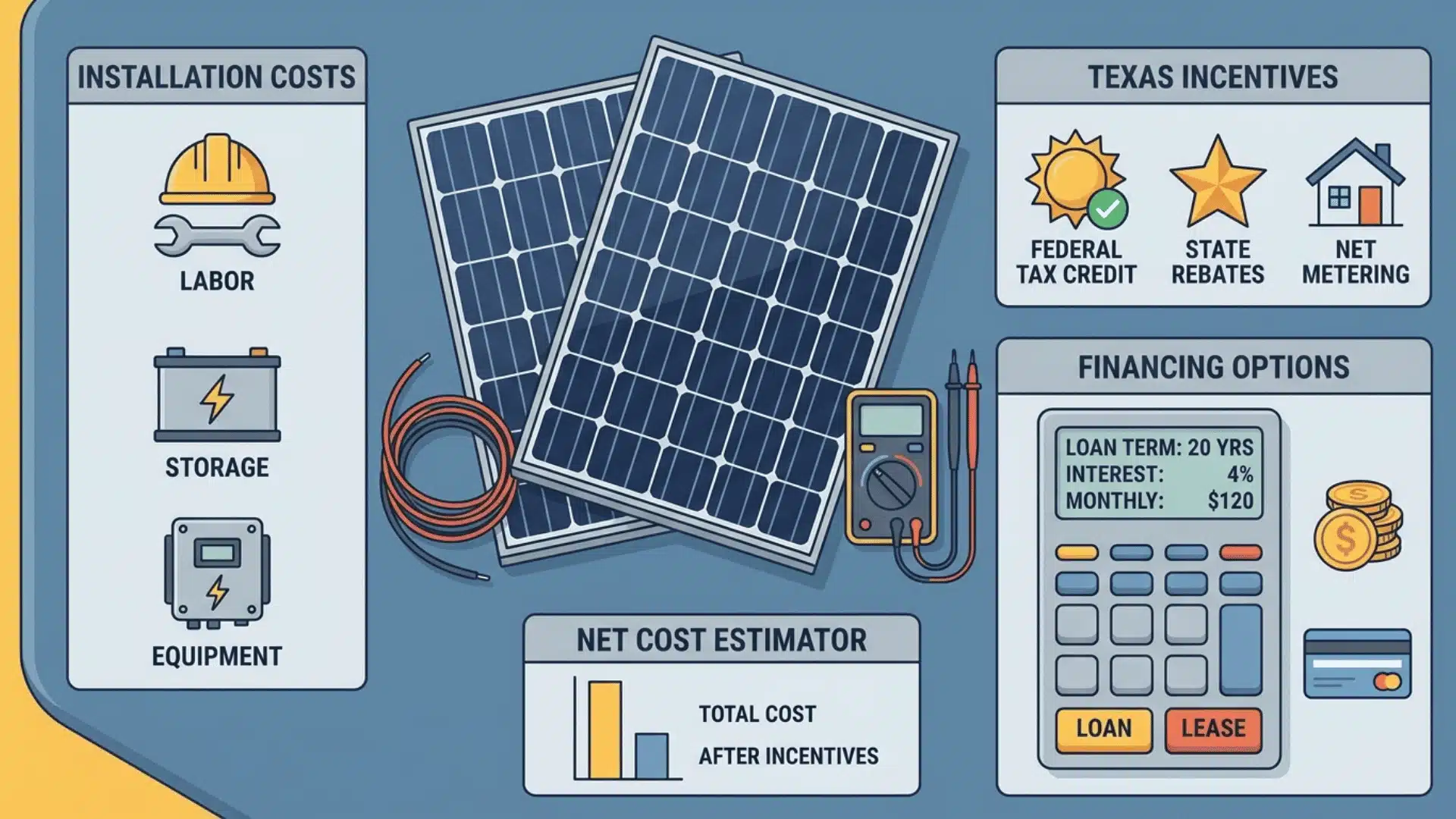
A typical Texas solar installation costs between $25,000 and $30,000 before incentives. How much lower it goes depends on your system size and how you’re paying for it.
The figures cited online assume a 10-13.5 kW system, sized for Texas’s above-average consumption. Smaller household, smaller system, lower cost. Per-watt pricing shifts regularly, so use EnergySage or an installer quote for current numbers.
Two incentives reduce that cost. They work differently, and the order matters.
The Federal Tax Credit: What It Actually Covers
The federal Investment Tax Credit lets you deduct 30% of your total installed cost from your federal tax liability. That’s not a rebate. It reduces what you owe at tax time, dollar for dollar.
If you pay cash, you capture the full benefit in the year you install. If you finance, the credit still applies to the full system cost, but it only helps you if you have enough tax liability to absorb it.
The credit is active as of this writing, but its future has been a live political question. Verify its current status before you build it into your budget.
Texas Property Tax Exemption
Solar adds value to your home. In Texas, that added value is permanently excluded from your property tax assessment, as long as the system is in place.
You claim it by filing Form 50-123 with your county appraisal district. It costs nothing to file and requires no renewal.
Over a 20- to 25-year system life, the cumulative tax savings can run into the thousands, quietly, without you doing anything after that first filing.
Solar Buyback Plans: How Texas Credits Your Excess Power
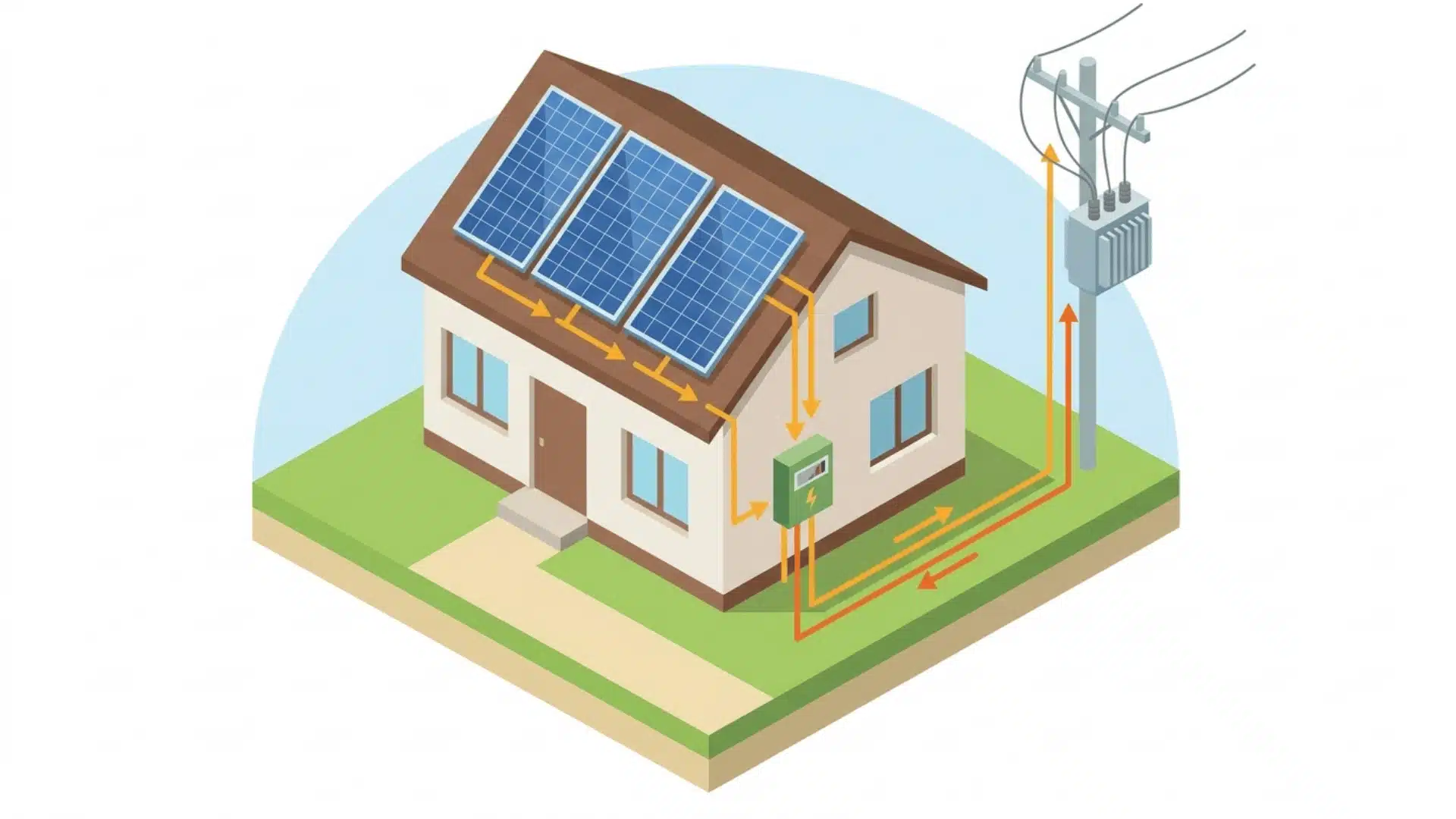
In Texas, how much you earn from excess solar depends on which utility territory you’re in and which buyback plan you enroll in. There is no single statewide export rate.
The difference between plan types isn’t small. A retail-match plan credits your exported energy at the same rate you pay to consume it, the closest Texas gets to true net metering. A flat-rate export plan pays a fixed credit that often sits below retail.
On a flat-rate plan, storing your surplus and consuming it later beats exporting it. That’s when battery storage starts making financial sense, not as an upgrade, but as a returns decision.
Here’s how the three main territories work.
Oncor Territory (Dallas–Fort Worth)
Oncor is the utility that owns the wires. You choose your retail electric provider separately. In Oncor territory, providers like TXU Energy offer retail-match buyback plans, meaning your exported kilowatt-hours are credited at effectively the same rate you pay.
For high-consumption Texas households with large systems, this is the structure that gets you closest to zeroing out your bill.
CenterPoint Territory (Houston)
CenterPoint covers the Houston metro. Providers here, including Green Mountain Energy and Chariot Energy, generally offer flat-rate export credits rather than retail-match plans.
That fixed credit rate changes the math on oversizing your system. Exporting more doesn’t earn proportionally more. Sizing to your consumption, not beyond it, tends to perform better here.
Austin Energy
Austin Energy is a municipal utility operating outside the deregulated ERCOT market. It runs its own Value of Solar rate, a separate program that pays a set credit per kilowatt-hour exported, recalculated annually.
You can’t compare it directly to deregulated buyback plans on a per-kWh basis because the billing structure is different.
If you’re in Austin Energy’s service area, evaluate it on its own terms and check the current VOS rate before you size your system.
Is Solar Worth It in Texas? How to Read Your Own Numbers
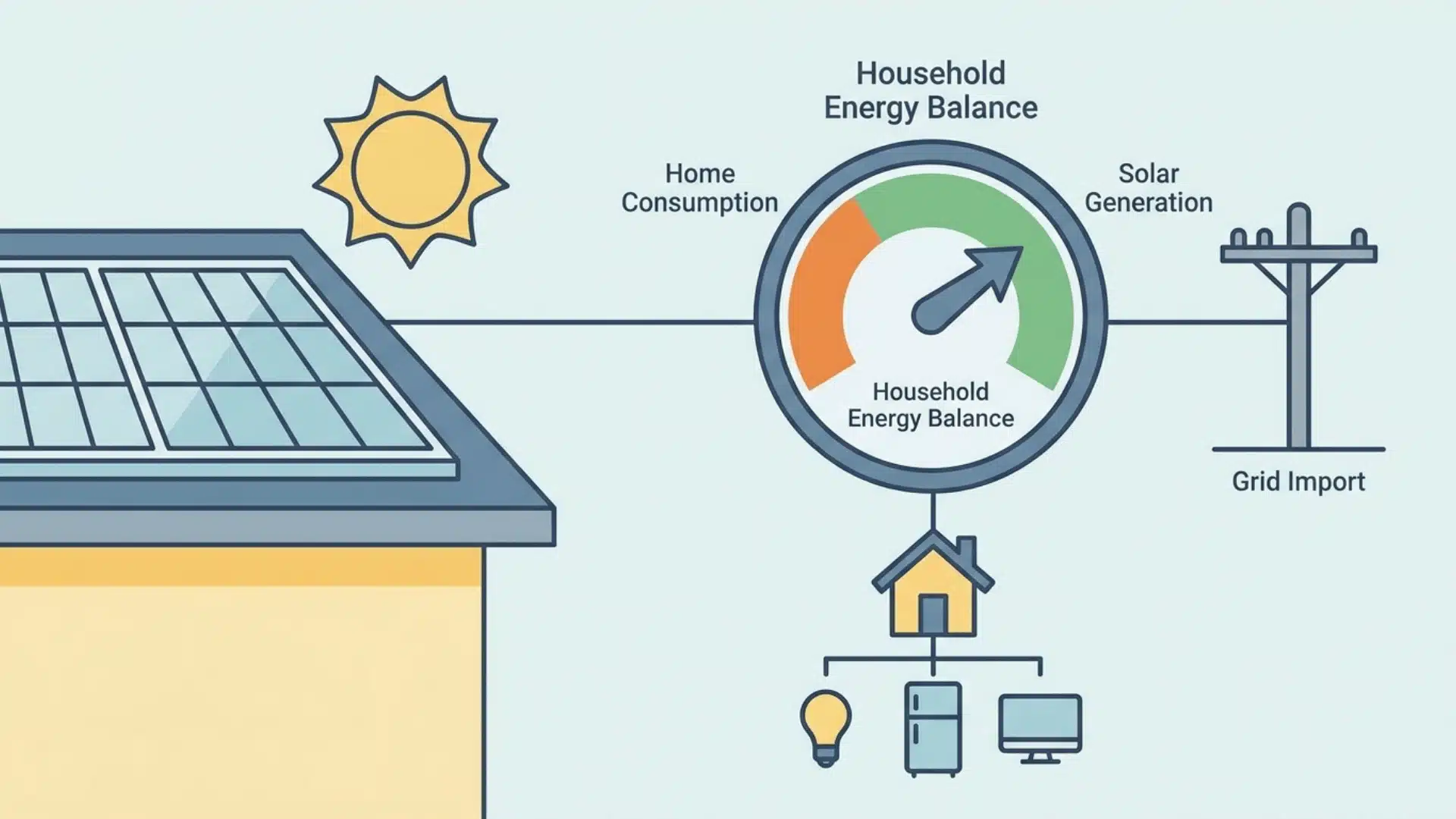
Whether solar pays off in Texas depends on your utility territory, your current electricity rate, and how accurately your system is sized to your actual consumption, not on statewide averages.
The “9-year payback” figure you’ll see cited assumes all three variables land in your favor. They don’t always. Your timeline comes down to three things:
- Current electricity rate: The higher you pay per kilowatt-hour, the faster your panels offset that cost.
- System size vs. actual usage: A system sized to your real consumption performs better than one sized to your roof’s maximum capacity.
- Buyback plan access: Which plan your territory offers determines how much your surplus generation is actually worth.
Change any one of them, and the timeline shifts. A household in Oncor territory with high summer AC loads and a retail-match plan is in the best position that Texas offers.
Upfront cost is the other half of the payback equation. Even with the same utility and electricity usage, differences in system size, roof complexity, and installer pricing can significantly affect the investment, which is why you need to know how much solar panels cost in Texas before comparing payback estimates.
Where Solar Projections Break Down
Where projections go wrong is worth knowing before you sign anything:
- Oversized systems: They look better on paper but earn diminishing returns if your consumption doesn’t justify the size, especially on flat-rate export plans.
- Buyback terms: They can change after installation. If you switch providers or your plan structure shifts, the economics you planned around may no longer apply.
- Roof orientation and shading: They matter more than proposals typically acknowledge. A system modeled under ideal conditions will underperform on a roof that doesn’t match them.
The honest read: Solar works well in Texas for the right household. The work is figuring out whether yours is one of them, before you commit, not after.
Wrapping Up
Solar in Texas rewards the homeowners who do the work upfront. The sun is not the variable; your utility territory, your buyback plan, and how accurately your system is sized to your actual usage are what determine whether this pays off.
The federal tax credit and property tax exemption are real, meaningful benefits. But they don’t rescue a poorly structured decision or a plan with terms that shift after installation.
Start with your territory. Understand your export terms and whether credits roll forward or reset monthly. Confirm that your installer is TDLR-registered, and know that Texas law gives you 5 days to cancel any contract signed at your home.
Then get quotes sized to your consumption, not your roof. That’s where a sound investment begins, and where most people who end up frustrated skipped a step.
Frequently Asked Questions
Does Texas have net metering for solar panels?
Texas does not have a statewide net metering mandate. Instead, homeowners in the deregulated ERCOT market enroll in solar buyback plans through their retail electric provider. Credit rates vary by plan and territory; some offer retail-rate matching, others pay a flat export credit below the retail rate. Austin Energy operates its own separate program.
What is the 30% federal solar tax credit, and does it apply in Texas?
The federal Investment Tax Credit lets you deduct 30% of your total solar installation cost from your federal income tax liability. It applies in Texas the same as in any other state. It reduces taxes owed dollar for dollar; it is not a refund. Homeowners who owe less than the credit amount can carry the remainder forward to the following tax year.
Will Texas pay for my solar panels?
The State of Texas does not offer direct grants or rebates for residential solar. The primary state-level benefit is a property tax exemption that excludes the added home value from solar from your taxable assessment. Some municipal utilities, notably Austin Energy, offer upfront rebates, but these are utility-specific rather than statewide programs.
How do I choose a solar buyback plan in Texas?
Start by confirming your utility territory (Oncor, CenterPoint, or a municipal utility). Then compare retail electric providers that offer buyback plans for your ZIP code using tools like Choose Texas Power or ElectricityPlans.com. Prioritize plans that credit exports at or near the retail rate, and confirm terms lock in for the duration of your loan or financing period.