

Solar installers in Texas price by the watt, not the square foot. That single fact explains most of the confusion people run into when comparing quotes.
The ranges published online are wide because they pull from different system sizes, time periods, and whether labor is included. They are not contradicting each other.
What actually moves your number is system size, roof complexity, installer overhead, and which utility territory you are in. Those four variables explain almost every quote difference.
Understanding them before you talk to an installer is the difference between negotiating confidently and signing whatever lands in your inbox first.
How Much Do Solar Panels Cost in Texas?
A 13.5 kW system, the most common size installed in Texas, runs between $29,000 and $33,000 before incentives.
Installers price by the watt, and average solar cost in Texas ranges from $2.50 to $3.10 per watt for a fully installed system in 2026. Quotes above $3.10 per watt are worth pushing back on unless your roof complexity justifies it.
Those figures are not contradicting each other across sources. They pull from different system sizes, time periods, and whether installation labor is included.
| System Size | Typical Cost Before Incentives | After 30% Federal Tax Credit |
|---|---|---|
| 5 kW | $10,900 – $16,250 | $7,630 – $11,375 |
| 7 kW | $15,300 – $22,750 | $10,710 – $15,925 |
| 10 kW | $21,850 – $25,000 | $15,295 – $17,500 |
| 13.5 kW | $27,000 – $33,000 | $18,900 – $23,100 |
The after-credit figures assume you have sufficient federal tax liability to absorb the full 30% in the year of installation. If you do not, the remainder carries forward but is not guaranteed beyond the credit’s current active period.
Two quotes for the exact same system can still differ by more than $8,000. The gap usually comes down to four things:
- A steep roof takes longer to work on and costs more to install
- Older roofing materials add complications most quotes do not advertise upfront
- Large installers with high sales overhead quote differently than lean local operations
- Installer margin varies far more than panel quality does
Financing structure significantly affects the effective cost; a cash purchase, a solar loan, and a lease yield three different real costs even at identical system prices.
What System Size Do You Actually Need?
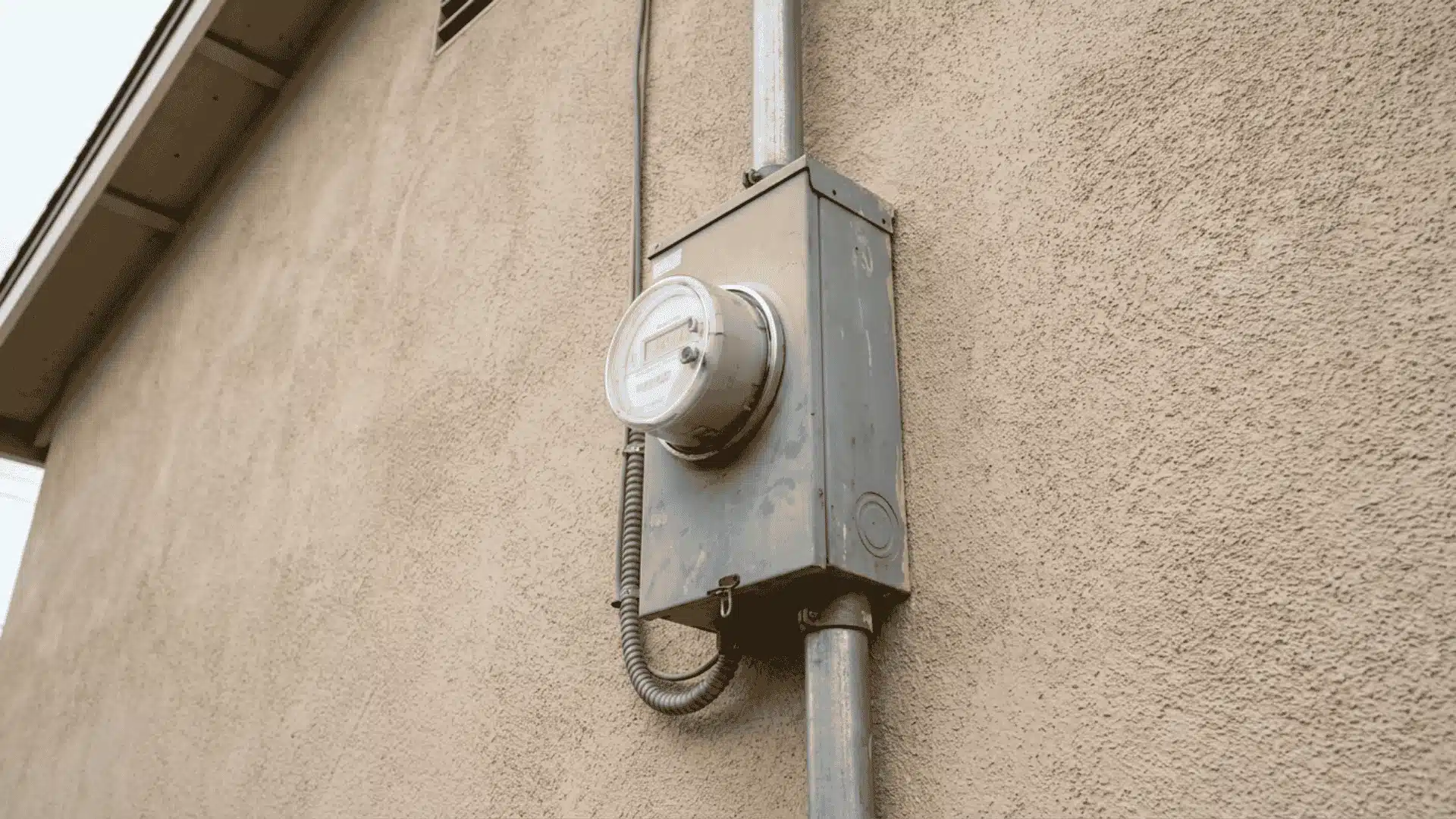
Texas homeowners use significantly more electricity than the national average, between 1,200 and 1,500 kWh per month compared to roughly 900 kWh nationally.
That gap exists because of summer cooling loads, and it is the primary reason Texas systems run larger than other states.
System size is calculated from your actual consumption, not your square footage. Two homes with identical footprints can need completely different systems depending on appliances, HVAC age, and whether you have a pool, electric dryer, or EV charger pulling additional load.
The calculation works like this: take your annual kWh usage, divide by your local peak sun hours per day, then divide again by 365.
Texas averages 4.5 to 5 peak sun hours daily. A home using 1,500 kWh per month, 18,000 kWh annually, needs roughly a 10 to 11 kW system under Texas sun conditions.
| Monthly Usage | Annual kWh | Estimated System Size | Approximate Cost Before Incentives |
|---|---|---|---|
| 800 kWh | 9,600 | 5–6 kW | $10,900 – $16,250 |
| 1,000 kWh | 12,000 | 7–8 kW | $15,300 – $22,750 |
| 1,200 kWh | 14,400 | 9–10 kW | $21,850 – $25,000 |
| 1,500 kWh | 18,000 | 12–14 kW | $27,000 – $33,000 |
Any installer worth hiring asks for 12 months of utility bills before quoting a system size. If someone quotes you a system without first asking about your usage, that is a red flag regardless of how competitive the price looks.
Pull your last 12 months of bills before any conversation begins. Your annual kWh is the only number that actually drives your system size, your cost, and your payback period.
What Incentives Actually Reduce Your Cost in Texas?
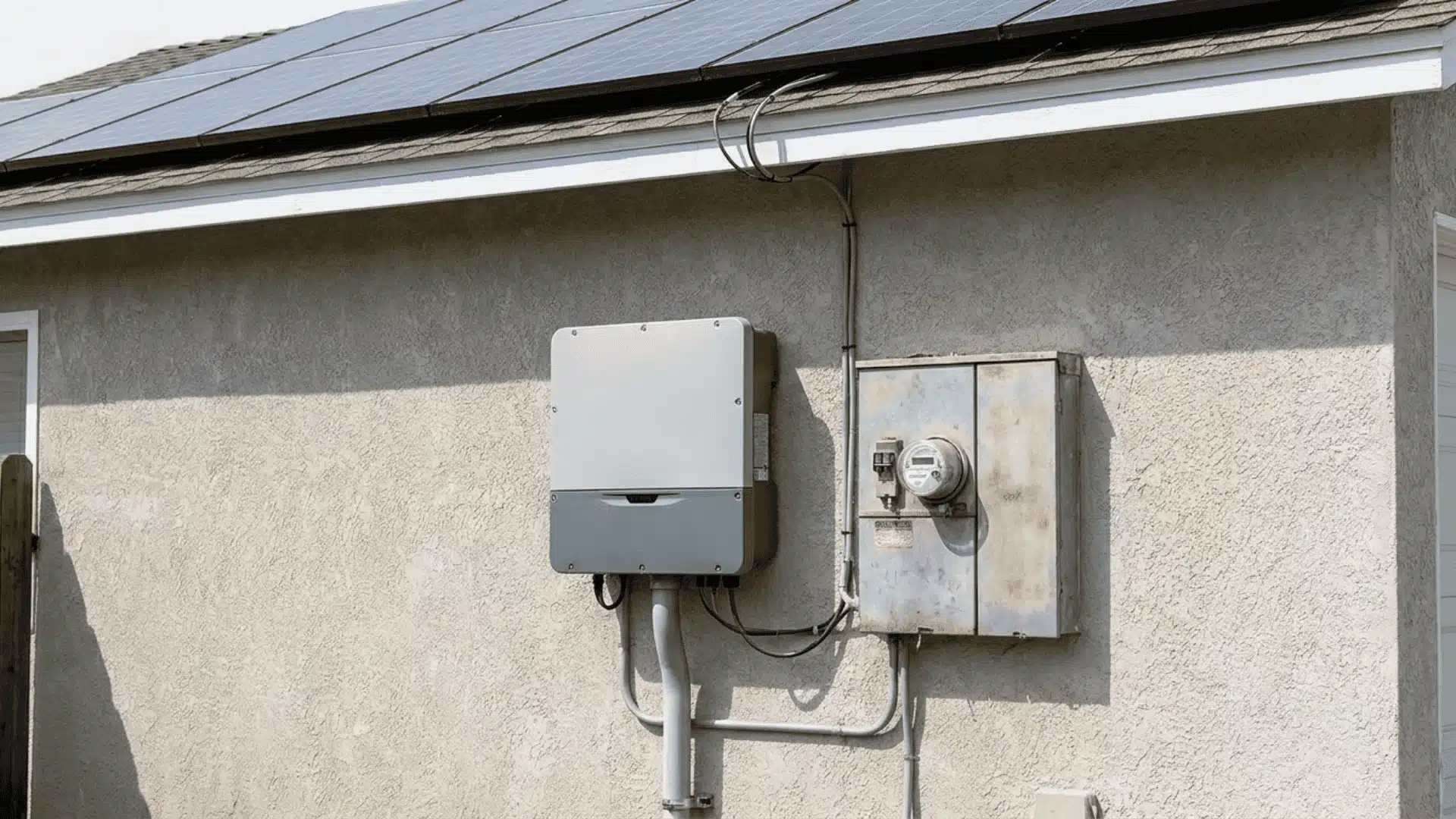
Texas solar incentives work in three layers:
- Federal tax credit: Reduces your upfront system cost through the 30% Investment Tax Credit.
- Texas property tax exemption: Prevents the added home value from solar from increasing your property tax bill.
- Utility buyback program: Determines what your excess solar generation is worth over the life of your system.
These incentives do not overlap, and each one affects your overall savings in a different way. The 30% federal Investment Tax Credit has already been factored into the cost table above. It applies to purchased systems only, leased systems pass the credit to the installer, not to you.
Texas Property Tax Exemption
Solar adds measurable value to your home. In Texas, that added value is permanently excluded from your property tax assessment for as long as the system remains installed.
You claim it once by filing Form 50-123 with your county appraisal district. No renewal required. No annual paperwork.
The financial impact is quiet but cumulative. A system adding $20,000 to your home’s assessed value at a 2.5% effective tax rate would otherwise cost you $500 per year in additional property taxes. Over a 25-year system life, that exemption is worth $12,500, real money that most payback period calculations ignore entirely.
Utility Rebate Programs
This layer is territory-dependent and the most variable of the three.
- Austin Energy runs a Value of Solar tariff, a fixed per-kWh buyback rate recalculated annually. It is more predictable than deregulated market rates and often more generous.
- CPS Energy (San Antonio) has historically offered upfront rebates for qualifying systems. Check current availability before sizing your system around it.
- Oncor and CenterPoint territories do not offer utility rebates directly. Savings from excess generation depend entirely on which retail electric provider you enroll with and what buyback rate their plan offers.
The state of Texas offers no grants, direct rebates, or state income tax credits for residential solar. What sits at the state level is the property tax exemption above and nothing else.
Before you count on buyback savings, check your utility territory first. Who buys your excess power matters as much as how much you produce.
Those differences come from the way Texas structures its electricity market. Utility territories, ERCOT, and buyback programs all affect long-term savings, so understanding how solar panels work in Texas makes it much easier to evaluate the true cost of a system.
Should You Add a Battery, and What Does It Cost?
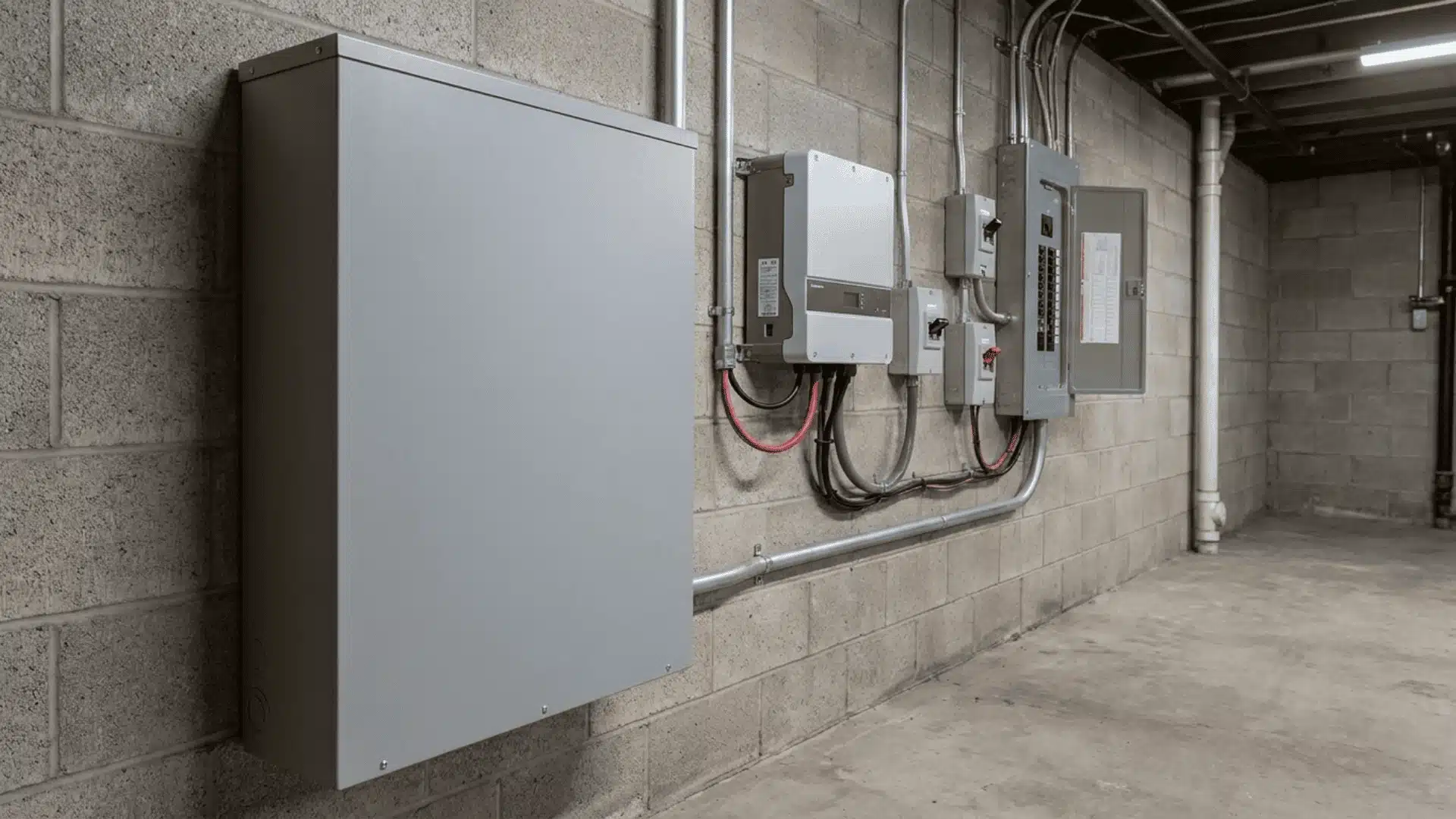
Adding a battery to your solar system costs between $15,000 and $30,000 in addition to your panel installation. It’s a separate decision from whether solar makes sense for your home.
Here’s what you actually need to know before adding one:
- Not a performance upgrade: A battery doesn’t make your panels work better; it changes what you do with the energy they produce.
- The Texas pricing gap: Most REPs pay you less for exported energy than they charge for imported energy, and a battery lets you use your own power instead of selling it cheaply and buying it back expensively.
- Where the case weakens: Austin Energy’s Value of Solar tariff pays a fair fixed rate for exported power; in that territory, the battery payback period stretches out significantly.
- Outages change the math: If your area loses power regularly, a battery carries real value beyond the financial calculation alone.
Before you decide, find out what your utility pays per kWh for exported energy and how often your area loses power. Those two answers will tell you most of what you need to know.
What Affects Your Final Quote Beyond the Panels?
Panel cost is only part of what you are paying for. Installation labor, inverter type, and installer overhead collectively explain why two quotes for identical systems diverge, sometimes by more than $8,000. Here is what each variable actually contributes.
Roof Complexity
Roof conditions are non-negotiable and priced into every quote whether itemized or not.
| Roof Factor | Typical Cost Addition |
|---|---|
| Steep pitch (above 6:12) | $500 – $1,500 |
| Older or mixed roofing materials | $500 – $2,000 |
| Obstructions (skylights, vents, chimneys) | $300 – $1,000 |
| Full roof replacement required before install | $8,000 – $15,000+ |
If your roof has any of these conditions, ask every installer to itemize them separately. It makes comparison between quotes meaningful rather than misleading.
Inverter Type
The inverter converts DC power from your panels into usable AC electricity. The type you choose affects both performance and cost.
- String inverters connect all panels in a single circuit. They cost less and perform well when your roof gets consistent, unobstructed sun. One shaded panel reduces output across the entire string.
- Microinverters optimize each panel independently. They cost more, typically $1,000 to $3,000 additional on a standard system, and the premium is genuinely justified when part of your roof faces shade during peak hours. It is not justified on a clean south-facing roof with no obstructions.
The microinverter upsell is legitimate in the right situation. Ask your installer to show you the shading analysis before agreeing to the upgrade.
Installer Margin
Installer margin represents 20 to 30% of a total quote in Texas. That figure is not panel quality or labor, it is overhead, sales costs, and profit built into the per-watt price.
The most effective way to compress it is straightforward: get three competing quotes.
When installers know they are competing for the same job, margins tighten without you having to negotiate directly on any single line item.
When comparing quotes, look at three numbers specifically, per-watt price, system size in kW, and inverter type. A quote that looks cheaper may be using a smaller system or a lower-tier inverter to get there. Normalize for those two variables first and the real price difference becomes visible.
Wrapping Up
The cost of solar panels in Texas isn’t one number; it never was. What you’ll actually pay depends on how much electricity you use, what your roof looks like, which utility territory you’re in, and how many quotes you bother collecting.
The incentives are real, but they don’t all work the same way. The averages are useful, but only as a sanity check.
The quote sitting in your inbox tells you more than any published figure ever will. Go get three of them. Compare the per-watt price, the system size, and the inverter type.
That’s where the real number lives, not in an average, but in the competition between installers who want your business.
Frequently Asked Questions
How much do solar panels cost for a 2,000 square foot house in Texas?
Square footage doesn’t determine system size; your electricity usage does. A 2,000 sq ft home using 1,000–1,200 kWh per month typically needs an 8–10 kW system, costing roughly $17,500–$22,000 before the federal tax credit in Texas.
Is solar really worth it in Texas in 2026?
For most Texas homeowners, yes, particularly those with high summer cooling bills and good roof sun exposure. Payback periods typically run 8–11 years. Weaker buyback rates in most Texas utility territories mean self-consumption matters more than export.
Is the 30% federal solar tax credit still available?
As of mid-2026, the 30% Investment Tax Credit remains available for residential solar installations. Legislative discussions around its future have created uncertainty. Verify current status with a tax professional before filing, especially if your install is planned for late 2026 or beyond.
Why is my electric bill still high after installing solar panels?
Solar reduces but doesn’t eliminate grid dependence without battery storage. Most Texas homeowners remain grid-connected and draw power at night or on cloudy days. If bills stay unexpectedly high, check your panel output via the inverter’s monitoring app, shading, a tripped breaker, or a faulty panel are common causes.