

Cleaning solar panels is simple when you use the right tools at the right time. Use the wrong product or clean at the wrong moment, and you can cause more harm than the dirt ever would.
I’ll keep this short and cover two things: how to know whether your panels actually need cleaning, and the right method when they do. Let’s start with the first one.
Do Your Solar Panels Actually Need Cleaning?
Most production drops have nothing to do with dirt. I’ve seen homeowners spend an afternoon on a roof only to find their output numbers unchanged, because the real issue was a shading problem, a failing string, or a faulty component.
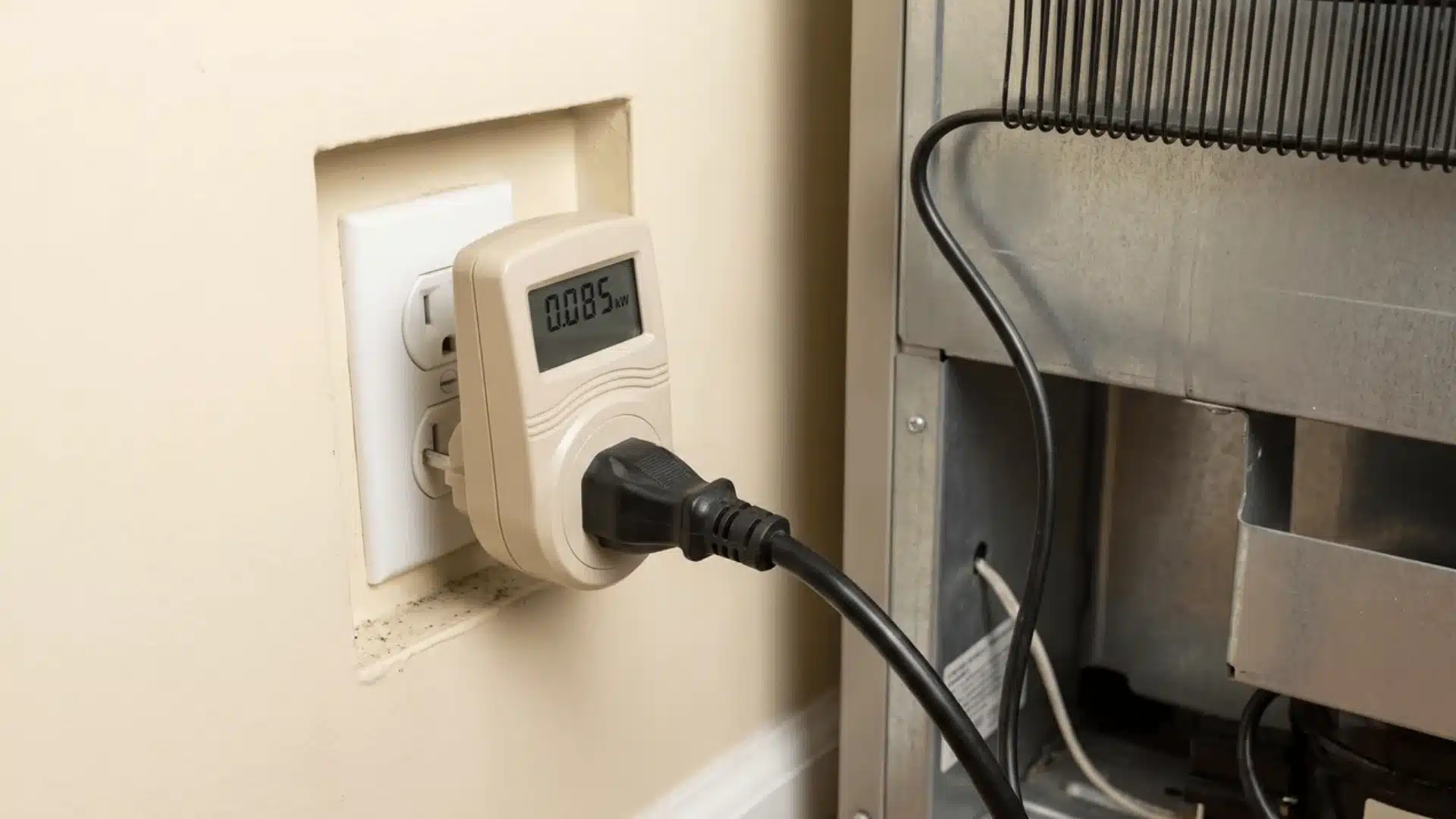
Before you grab the hose, open your inverter app.
Pull up your production data and compare today’s output to the same type of day a month ago. A steady 5–10% drop held across multiple days is a real signal. A single-day dip isn’t.
Then look at the panels from the ground.
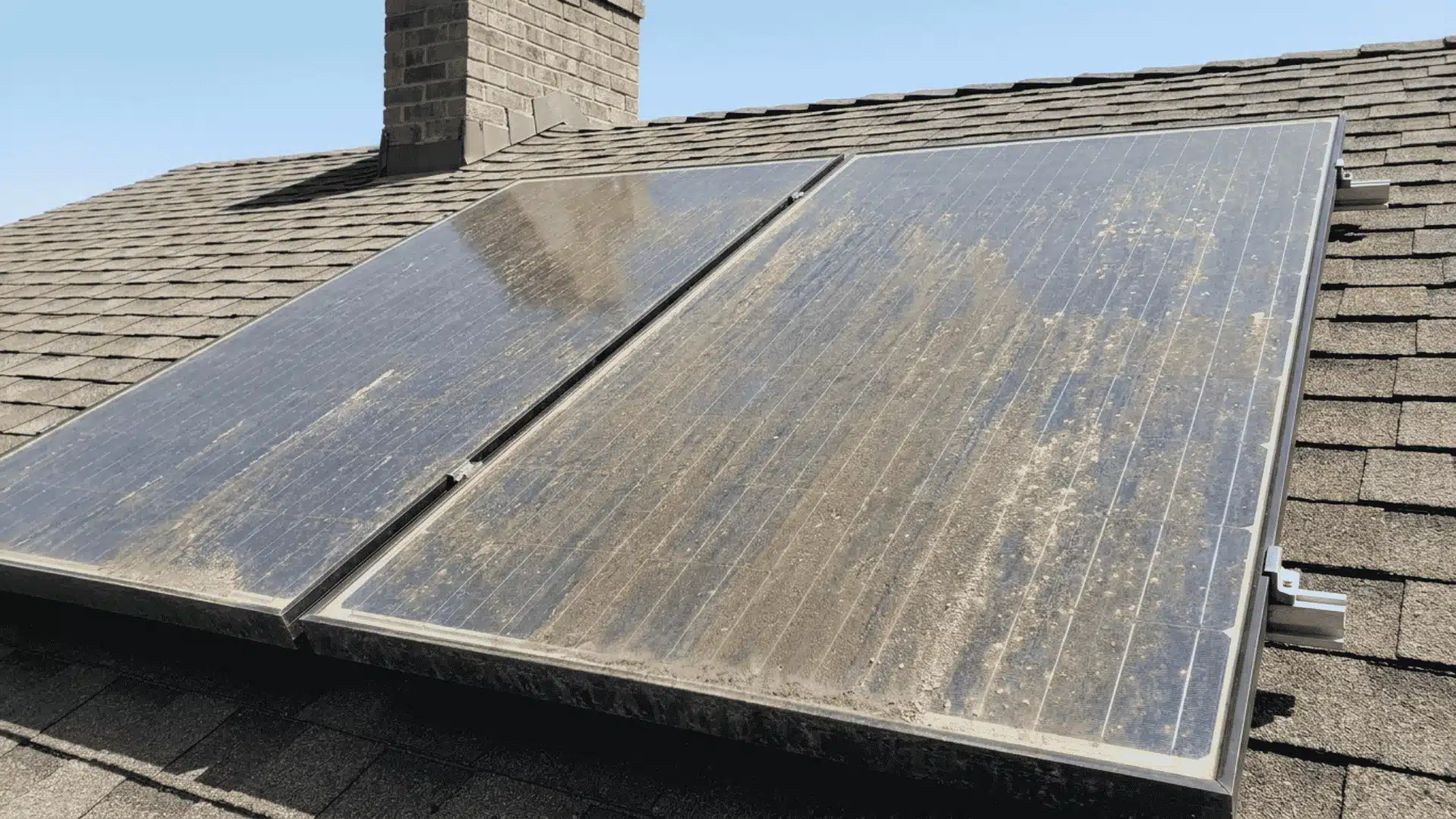
A visible film, a pollen coating, or bird droppings covering a real area confirms it. Light dust you can barely see is rarely the problem.
If it rained in the last two days, give the system time to recover before you decide anything. Rain clears most light dust on its own.
If your data looks normal and there’s nothing visible on the glass, you don’t need to do anything. You probably won’t need to clean as often as you think.
Near construction sites or in agricultural areas, the visual check takes over as your main signal. Soiling builds fast enough there that you’ll see it before the data catches up. Everywhere else, let the numbers lead.
Only DIY Solar Panel Cleaning Guide You Need
The steps are straightforward. What goes wrong is almost always a timing mistake, a bad product choice, or a tool that should never have come near a panel.
Before You Start
Clean in the early morning.
Panels heat up fast once the sun is up, and cold water hitting hot glass causes thermal shock. Think of it like pouring cold water on a hot windshield; the sudden temperature change stresses the glass. An overcast day works just as well as early morning if you can’t get up before sunrise.
Before any water touches the panels, shut your system down fully.
Some inverters stay live even after you flip the breaker. Check your manual for the complete shutdown sequence, not just the breaker switch, but every step your manufacturer lists.
Get everything ready before you go up: a garden hose, a soft-bristled brush on an extension pole, and a squeegee on a stick if you’re in a hard water area.
Step 1: Rinse First
Start with plain water from the garden hose. No soap at this stage. The water knocks off loose dust and pollen and wets the glass so the brush has something to glide on.
Normal hose pressure is all you need; don’t crank it up.
Step 2: Check What’s Left
After the first rinse, look closely at the glass before you move on. Bird droppings and pollen often leave small yellow or white spots that water pressure won’t shift on its own. Catch them now and you won’t have to start over.
Step 3: Scrub Gently
Use a soft-bristled brush while the water is still running. Let the bristles do the work; don’t push hard.
For stuck-on bird droppings or caked grime, mix one part white distilled vinegar with eight parts water and apply it before scrubbing. That ratio is enough to break down the residue without touching the surface coating.
Step 4: Rinse Again
Hose the panels down a second time, top to bottom. This clears everything the brush lifted. Skip it and whatever’s left dries straight back onto the glass.
Step 5: Squeegee if Needed
In hard water areas, water that sits on the glass dries into mineral spots that block light. Pull a squeegee across the surface in single overlapping strokes from top to bottom before it dries.
For a fully spot-free finish, do the final rinse with distilled water or attach an inline garden hose filter to pull out the minerals before they hit the glass.
For a full walkthrough of the process, check out the video tutorial below:
What Not to Use
Here’s the part that catches most people off guard:
Every panel has an anti-reflective coating, a thin layer on the glass that cuts down light reflection and lets more energy through to the cells. You can’t see it, but it matters. And once it’s gone, it doesn’t come back.
Three things destroy it: ammonia–based cleaners, commercial glass cleaners like standard window spray, and any abrasive pad or scouring tool.
The damage doesn’t show up right away. It appears over months as a slow, steady output drop you can’t explain and can’t undo.
I’d put pressure washers in a category of their own. The force can crack cells, break frame seals, and push water into gaps that should stay dry. Check your warranty before you use anything beyond a soft brush, some manufacturers void it specifically for pressure washer use.
The only safe additive for general cleaning is a small amount of mild biodegradable soap, and only when it’s fully rinsed off afterward.
How Often Should You Clean Solar Panels?
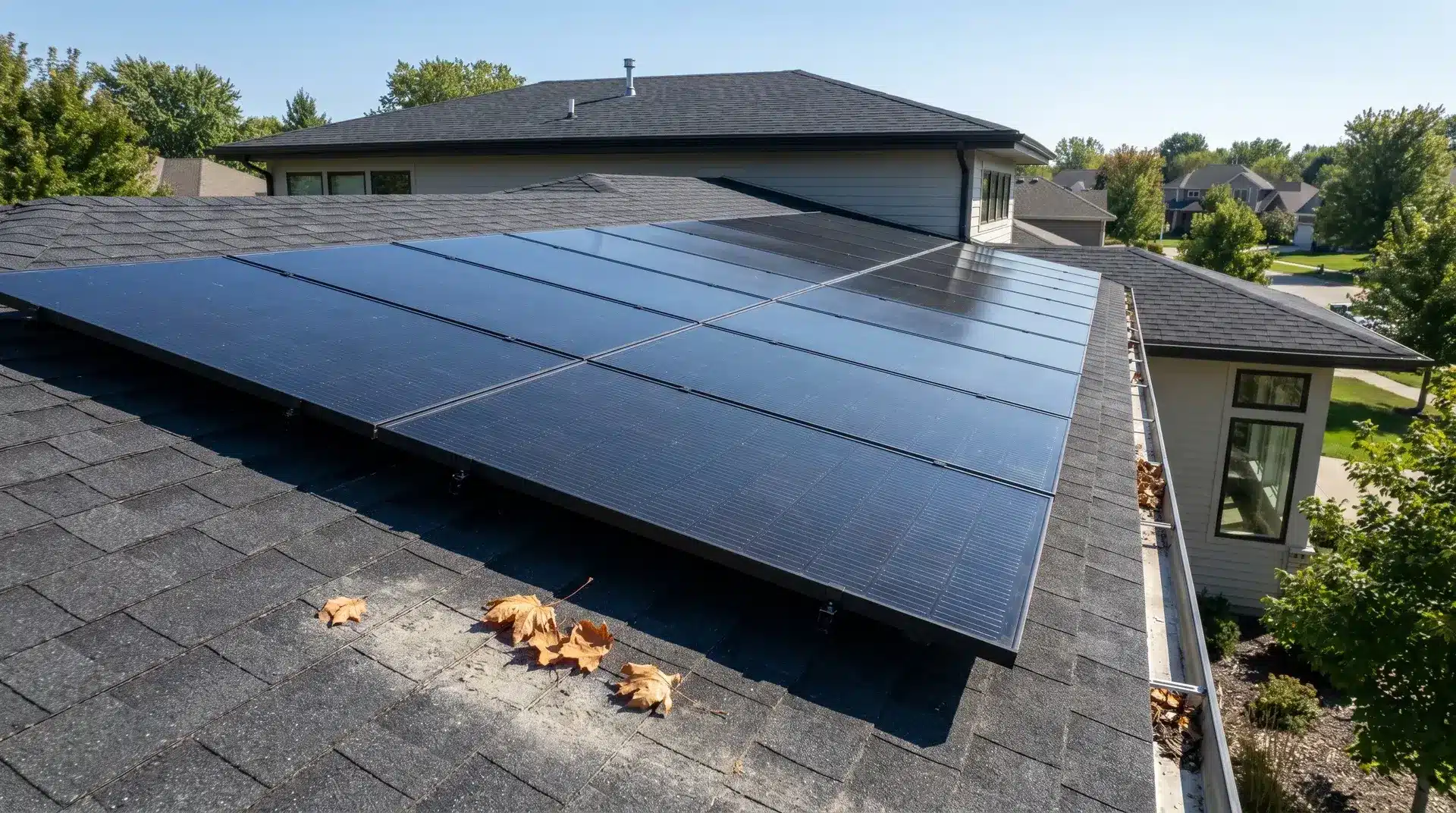
Drop the calendar and open your inverter app instead. When output falls consistently below what comparable weather days used to show, that’s your cue.
How often that happens depends entirely on where you live; there’s no single schedule that works everywhere, and I’ve seen people over-clean systems that didn’t need it just as often as I’ve seen the opposite.
Here’s how the main environments break down, and what each one means for your routine:
- Temperate climate with regular rainfall: once or twice a year is plenty. Rain takes care of most light dust between cleans, so you’re really just catching what it misses.
- Dry region, agricultural area, or high pollen zone: three to four times a year is more realistic. Your production data will usually dip before anything looks visibly dirty on the glass.
- Ground-mounted system in a dusty area: check monthly during dry seasons. Ground-mounted panels pick up soiling faster than roof systems, with less airflow and more splash from the ground below.
- Near construction or heavy traffic: clean after any big activity regardless of your normal schedule. That kind of dust sticks differently than the natural stuff, it doesn’t rinse off as easily.
- Flat or low-tilt panels need more attention than steeper installations: Rain doesn’t shed debris off a flat surface the way it does off an angled one, so err toward the higher end of whatever range fits your climate.
Set a rough seasonal range for your conditions, then let the inverter data make the final call. If the numbers look fine and the panels are fine, put the hose away.
Wrapping Up
Knowing how to clean solar panels correctly comes down to three things: the right timing, the right tools, and knowing when cleaning is actually needed. Get those three right and the rest takes care of itself.
Your inverter app runs through all of it. It tells you when to act, and after you’ve cleaned, it tells you whether it worked. Output recovers; you did it right. It doesn’t; the problem isn’t dirt, and no amount of cleaning will fix it.
Check the data first. Clean when the evidence points to it, and keep the tools simple. That’s everything.
Frequently Asked Questions
What’s the best thing to clean solar panels with?
A soft-bristled brush on a long extension pole, plain water from a garden hose, and a mild biodegradable soap for stubborn buildup. For bird droppings or caked-on grime, mix one part white distilled vinegar with eight parts water. Avoid ammonia, commercial glass cleaners, and pressure washers, all three damage the anti-reflective coating permanently.
What is the 120 rule for solar panels?
The 120 rule is a rooftop safety guideline. It states that the combined angle of your roof pitch and the sun’s angle should not exceed 120 degrees when you’re working on the roof. In practice, it means avoiding rooftop work when the sun is high and the pitch is steep, both reduce safe footing.
Is Dawn dish soap safe for solar panels?
Yes, in very small amount, a few drops in a bucket of water is enough. The risk isn’t the soap itself but insufficient rinsing. Any residue left on the glass attracts dust faster than a clean surface would. Rinse thoroughly after scrubbing, and consider a squeegee pass in hard water areas.
Can I wash my solar panels myself?
Yes, for panels you can safely reach from the ground with a long-handled brush. Roof access is the real decision point; a dry, low-pitch roof is manageable for most people. A steep pitch, a wet surface, or any sign of cracked glass, discoloured cells, or exposed wiring means you call a professional instead.