

The clean-and-cheap summary is true. But it barely touches what makes solar energy genuinely remarkable.
A teenager’s accidental lab finding in 1839. A material that comes from beach sand. Panels running in conditions no other power source could survive.
These ten facts go deeper than the talking points most people already know.
What Makes Solar Energy So Remarkable
Before we get into costs and practicalities, the history here is worth a moment. It is stranger and older than most people expect.
1. The Sun Sends More Energy in One Hour Than We Use in a Year
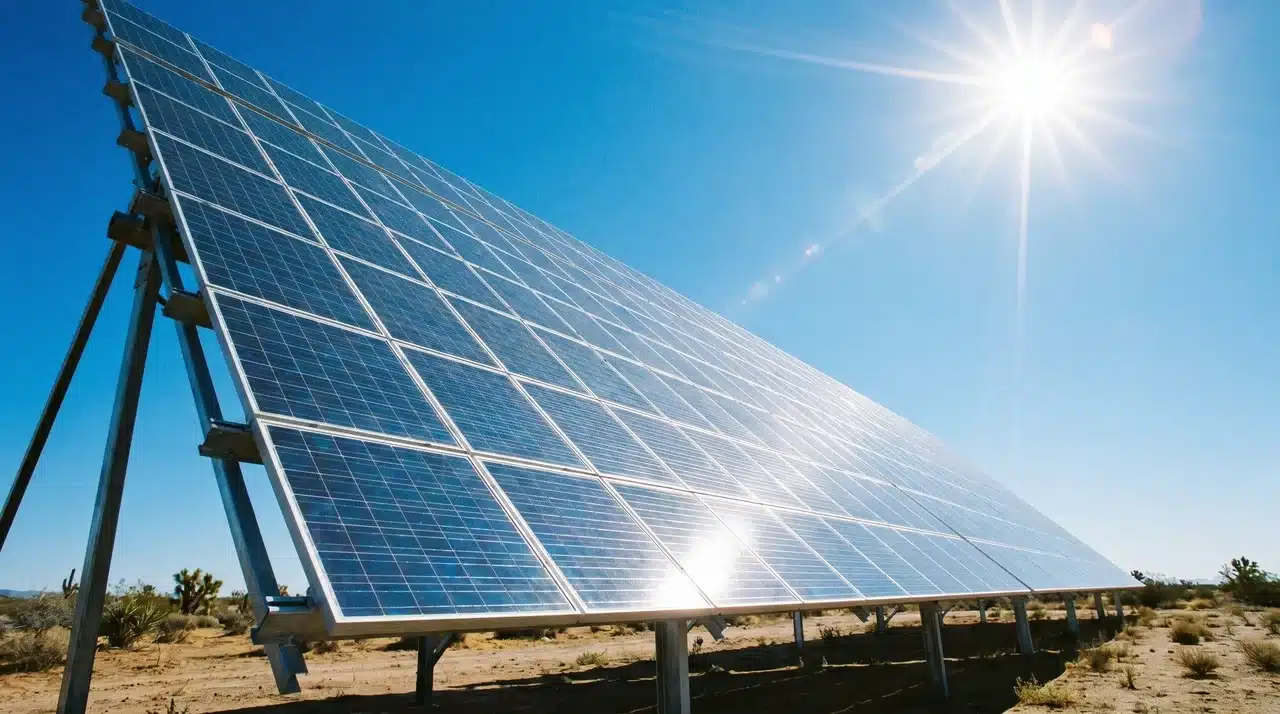
Every hour, roughly 173,000 terawatts of solar energy hit the Earth, according to the U.S. Department of Energy. That’ss more than 10,000 times everything the world uses in a year, combined.
The sun is not running short. It delivers energy constantly, whether we catch it or not.
I think this is the fact that changes the whole conversation. The question was never whether solar could power the world. The limit has always been capture, not supply. Building enough panels to catch what already arrives every day is an engineering problem, not an energy one.
2. A 19-Year-Old Accidentally Discovered How Solar Works
In 1839, a French scientist named Alexandre-Edmond Becquerel was running experiments when he noticed something unexpected. Shine light on certain materials, and they produce a small electric current.
He was 19. He called what he found the photovoltaic effect. That is just the technical name for light turning into electricity.
His discovery sat mostly unused for 115 years. The science was right from the start. What took time was materials science, finding the right substances and learning to work with them precisely enough to be useful.
The first working silicon solar cell was built at Bell Labs in 1954. Four years later, solar panels were already in space.
3. People Were Using Solar Long Before Panels Existed
If you think solar is a modern idea, the Romans would disagree. They built bathhouses with large south-facing windows and thick walls. The walls soaked up heat during the day and gave it back slowly at night.
No switches. No wires. Just building design that worked with the sun.
Then there is Archimedes, who reportedly used polished bronze shields to focus sunlight onto enemy ships at the Battle of Syracuse in 212 BC. Scientists have tested the idea and confirmed it works physically.
Focused sunlight carries real, concentrated energy. People understood that long before science gave it a name.
How Solar Changed the Economics of Energy
The financial case for solar has flipped in the past fifteen years. These facts explain why the change is not going backwards.
4. Solar Is Now the Cheapest Electricity in History
Not the cheapest renewable energy. The cheapest electricity of any kind, anywhere in the world.
Since 2010, the cost of solar panels has dropped by roughly 90 percent, according to IRENA’s global renewable energy cost data.
I’ve watched this conversation shift completely. It used to be about sacrifice. You paid more for solar because you wanted to do the right thing, not because it made financial sense.
That conversation is over. In most markets today, building new solar costs less than keeping old coal plants running, and that difference keeps growing.
For home systems, costs vary more by location and local grid pricing, so the big-picture numbers do not map directly to your roof. But the direction is the same. Check current figures before you publish, as this area moves fast.
5. A Solar Panel Installed Today Will Still Work in the 2050s
Most solar panels come with a 25 to 30-year performance warranty. After 25 years of real use, a well-made panel still runs at around 80 percent of its original output.
It does not suddenly stop. It just very slowly produces a little less each year.
The reason is simple: solar panels have no moving parts. Nothing spins, nothing pumps, nothing wears down from friction.
Compare that to a car engine or a washing machine, where parts wear out no matter how carefully you use them. A panel installed this year will very likely still work when children starting school today are adults. The place this breaks down is a bad original installation or an extreme weather event, not normal use.
6. The Main Ingredient in Every Solar Panel Is Sand
Silicon is what makes a solar panel work. It sits inside every cell, catching incoming light and turning it into electricity you can use.
Silicon is also the second most common element in the Earth’s crust. It is in rocks, in quartz, and in the beach sand under your feet.
Getting from raw silicon to panel-grade material takes serious processing. The final product needs to be about 99.9999 percent pure. That is genuinely hard to produce.
But the raw material is everywhere. Most energy sources have a weak point in their supply chain. Solar does not have that problem at its base. The main ingredient will never run out.
How Solar Actually Works in the Real World
Cloudy days. Space. Efficiency numbers. This is where most of the confusion lives, and the real answers are more interesting than the simple version.
7. Solar Panels Work on Cloudy Days
Solar panels do not need bright sun to make electricity. They respond to daylight, not direct sunlight. On an overcast day, output drops to between 10 and 25 percent of full capacity, but it does not stop.
You probably picture solar as something that only works in Arizona or Spain. Germany is one of the cloudiest countries in northern Europe. It is also consistently one of the world’s largest solar energy producers.
Panels react to photons, not heat. Clouds reduce photon intensity but do not cut it to zero. On cooler, overcast days, panels can actually run slightly more efficiently, because heat causes them to lose output.
8. Solar Has Been Proven in the Harshest Environment Imaginable
Want to know if a technology truly works? Look at where it gets used when failure is not an option.
The International Space Station runs entirely on solar power. Eight large panels, each roughly the size of a doubles tennis court, supply all the electricity the station needs every single day.
Solar was chosen for space because the alternatives simply do not work up there. You cannot run a fuel line to an orbiting station. You cannot send a repair crew when something breaks.
Solar solved both problems. No fuel supply. No moving parts to fail in a vacuum. The first solar-powered satellite launched in 1958. This technology has been running in extreme cold, extreme heat, constant radiation, and zero atmospheric protection for nearly 70 years.
Solar Impulse II completed a full trip around the world in 2016, powered entirely by solar energy. No fuel at all.
9. Solar Panels Have Gone From 1% to Over 20% Efficient
The first silicon solar cells built at Bell Labs in 1954 turned less than 1 percent of sunlight into electricity. That was the starting line, not a flaw.
Today’s standard panels convert between 20 and 25 percent of sunlight into usable electricity. The best cells in labs right now are pushing past 30 percent.
Two technologies are driving that next jump. Bifacial panels capture light from both sides, picking up reflected light from the ground below. Perovskite cells use a completely different material from silicon and have hit efficiency results in lab conditions that silicon alone cannot match.
Here is the thing most people miss: lab efficiency and real-world panel efficiency are not the same number. Lab conditions are ideal. Your roof is not. The gap between those two numbers is where a lot of the hype falls apart.
10. Solar Power Uses No Water to Generate Electricity
Standard solar photovoltaic systems use zero water to generate electricity. Photovoltaic means light-to-electricity conversion using semiconductor cells, and it needs no cooling, no steam, no water at all.
Fossil fuel and nuclear plants need millions of gallons for cooling and steam. Solar PV needs none of it. In places where water is already scarce, that difference has real long-term weight. It is one reason solar gets more competitive over time, not less.
Where Solar Is Going Next
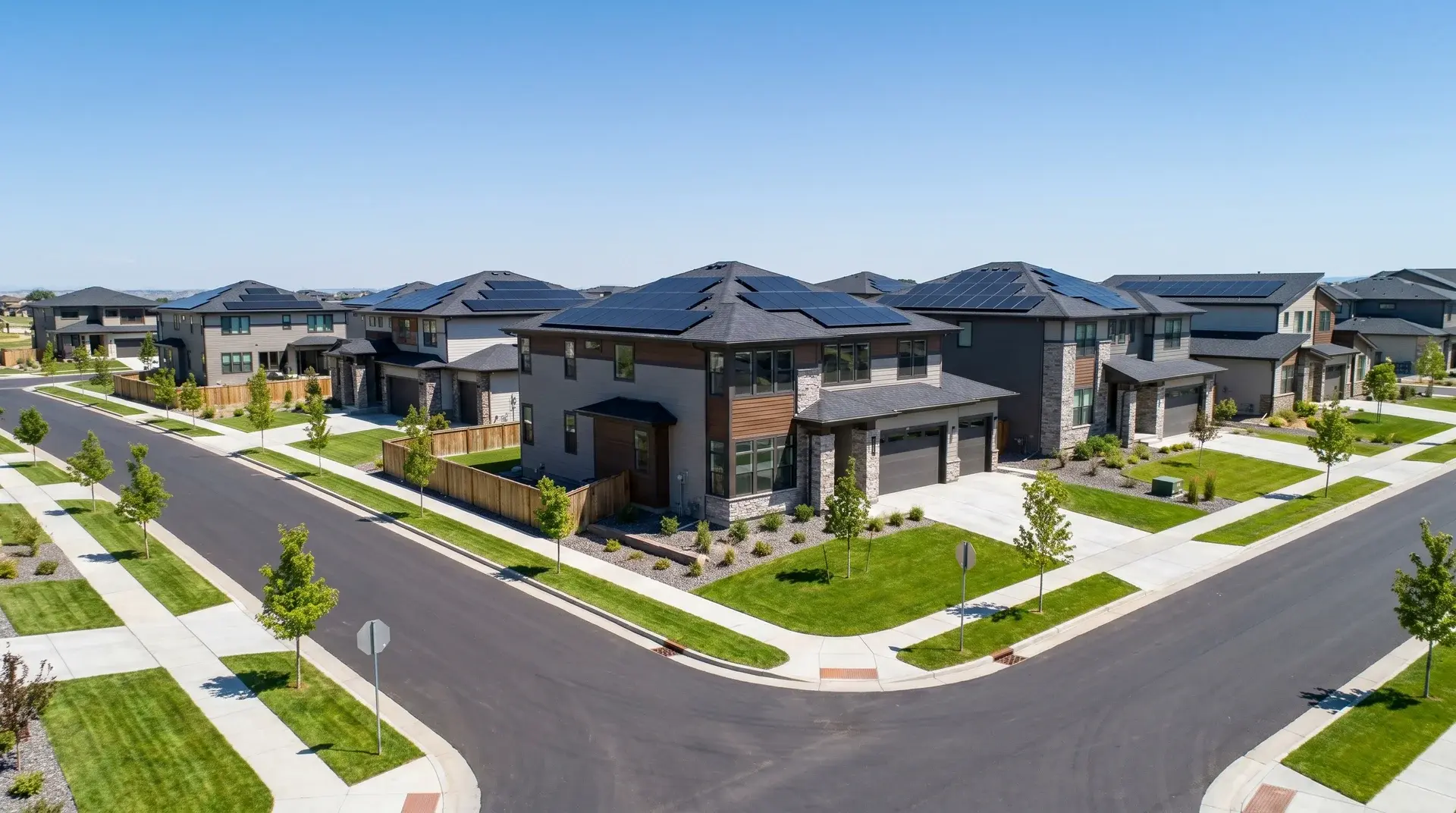
Solar has moved from something you choose to something being written into law. Here’s what that shift looks like on the ground, and in your home’s value:
Solar Is Becoming a Standard Feature of New Homes
For most of the past twenty years, going solar was a personal call. You did your research, compared costs, and watched what your neighbours did first.
That is changing fast. In the UK, the Future Homes Standard is scheduled to require solar panels on most new homes built from 2027 onwards. Not an optional add-on, but a standard feature, the same way insulation already is. Confirm the current status before publishing, as 2027 is a scheduled date and may shift.
In the United States, large amounts of solar are being added straight into existing energy grids. When a technology goes from personal choice to legal requirement, the argument about whether it works is over.
Solar Panels Increase the Value of Your Home
Installing solar panels raises what your home sells for. Homeowners get back a meaningful share of the installation cost when they eventually sell.
I find this is the fact that catches people most off guard. The financial conversation about solar almost always focuses on monthly electricity savings. The resale angle is real and rarely part of the conversation.
Where it changes: an older system near the end of its warranty adds less value than a newer one. Local buyer appetite and energy market conditions also affect how much the uplift is worth where you live.
Wrapping Up
Taken together, these facts show something the headline version of solar energy misses: this is a technology with deep roots, a proven record in the most demanding conditions on Earth and beyond, and a core material that will never run short.
It is not a new idea, still proving itself. It is a very old idea that has been proving itself for nearly 200 years, and the pace has picked up sharply.
If you are ready to move from curiosity to action, the U.S. Department of Energy website lists current state and federal incentives. The Solar Energy Industries Association (SEIA) platform lets you compare consumer options. Both are the right places to start.
Frequently Asked Questions
Does solar energy really power the whole world in just one hour of sunlight?
Yes. Every hour, the sun delivers roughly 173,000 terawatts of energy to Earth, more than 10,000 times what the entire world uses in a year. The challenge has never been solar’s supply. It has always been building enough panels to capture what is already arriving.
Do solar panels work when it’s cloudy?
Yes, though output drops. On an overcast day, most panels produce between 10% and 25% of their sunny-day capacity. They respond to daylight, not direct sunshine. Germany, one of the cloudiest countries in Europe, is consistently among the world’s largest solar energy producers.
How long do solar panels last?
Most panels carry a 25 to 30-year performance warranty. After 25 years of real use, a well-made panel still runs at around 80% of its original output. Because there are no moving parts, degradation is gradual, not sudden. Many panels outlast their warranties by years.
What are 5 interesting facts about solar energy?
Solar delivers more energy in one hour than humanity uses in a year. Panels still work on cloudy days. The photovoltaic effect was discovered in 1839. Silicon, the core panel material, comes from sand. And the International Space Station has run entirely on solar power for decades. Each one points to a different reason this technology is more remarkable than most people realize.