

If you’ve seen ads for free solar panels, you’ve probably wondered whether the offer is real or just a pitch. The honest answer: it depends on which of three very different things the ad is describing.
The first is a financing deal. You pay nothing upfront but make monthly payments for years.
The second is a genuine no-cost install reserved for income-qualified households.
The third is a federal tax credit that cuts what you owe the IRS, but only if you buy the system yourself.
Which one applies to you comes down to your income and whether you want to own the panels. This article walks through all three so you can figure out where you actually stand.
What Does “Free Solar Panels” Actually Mean?
The phrase covers three genuinely different programs: a zero-down financing deal, an income-qualified grant, and a tax credit that offsets your purchase cost. Each one has a different price, a different owner at the end, and different rules about who gets the benefit.
Here’s the thing most people don’t figure out until they’re already in a sales call:
The company that installs your panels often keeps ownership of them.
When a company owns your panels, they, not you, claim the federal tax incentive tied to the install.
You get cheaper electricity. They get the tax credit. It’s legal, it’s common, and it’s not free in any normal sense of the word.
Genuinely free solar does exist, but it’s locked behind income limits. Programs like Solar for All and DAC-SASH cover the full install for qualifying households. No upfront cost, no monthly payment, and the system is yours.
The catch: limited slots and strict eligibility rules.
Some ads, though, use “free” to mean “no upfront cost” while hiding a 25-year contract in the fine print. Knowing which category you’re dealing with before you pick up the phone is the whole game.
How Do Solar Leases and PPAs Work, and What Do They Actually Cost?
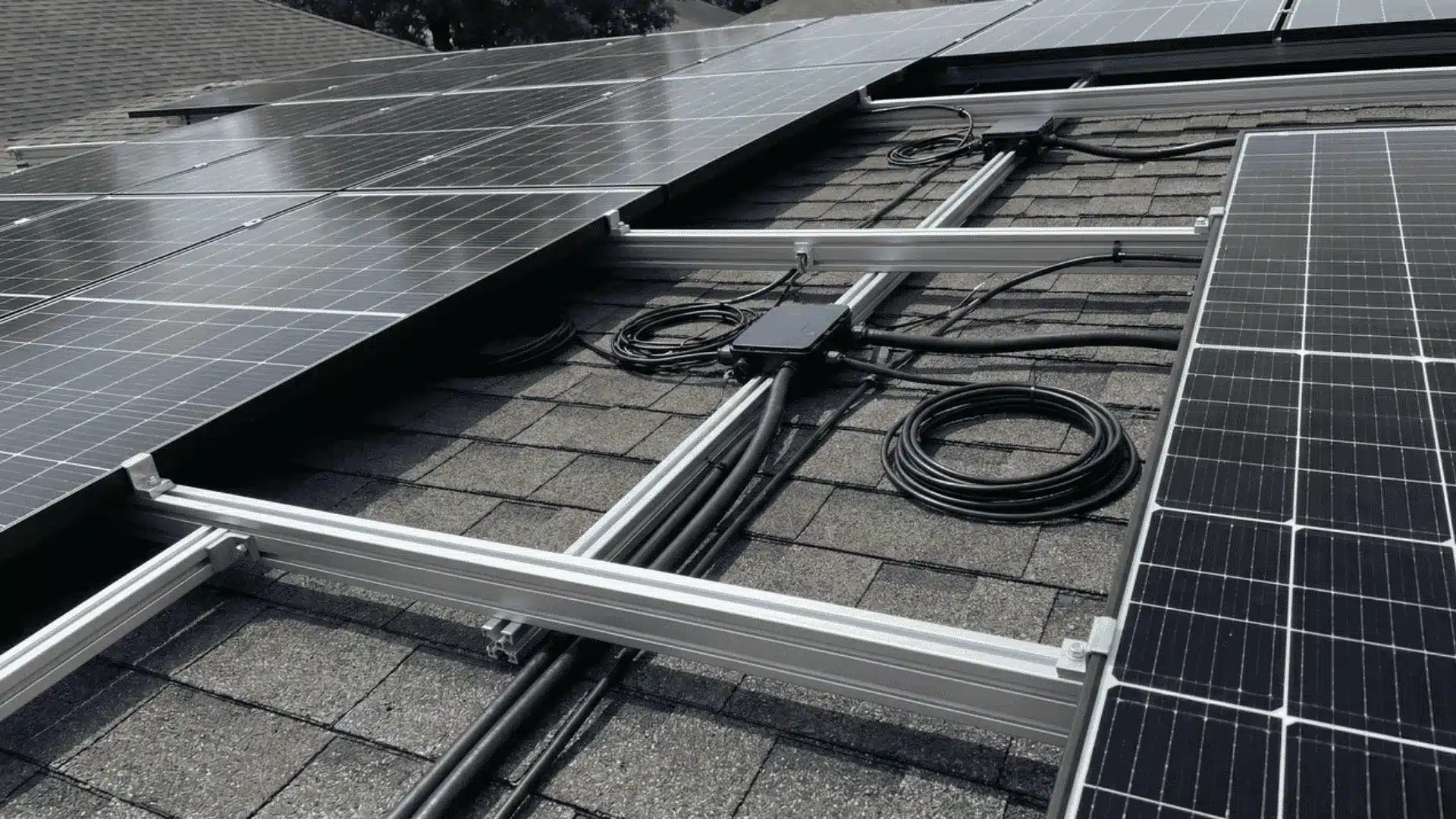
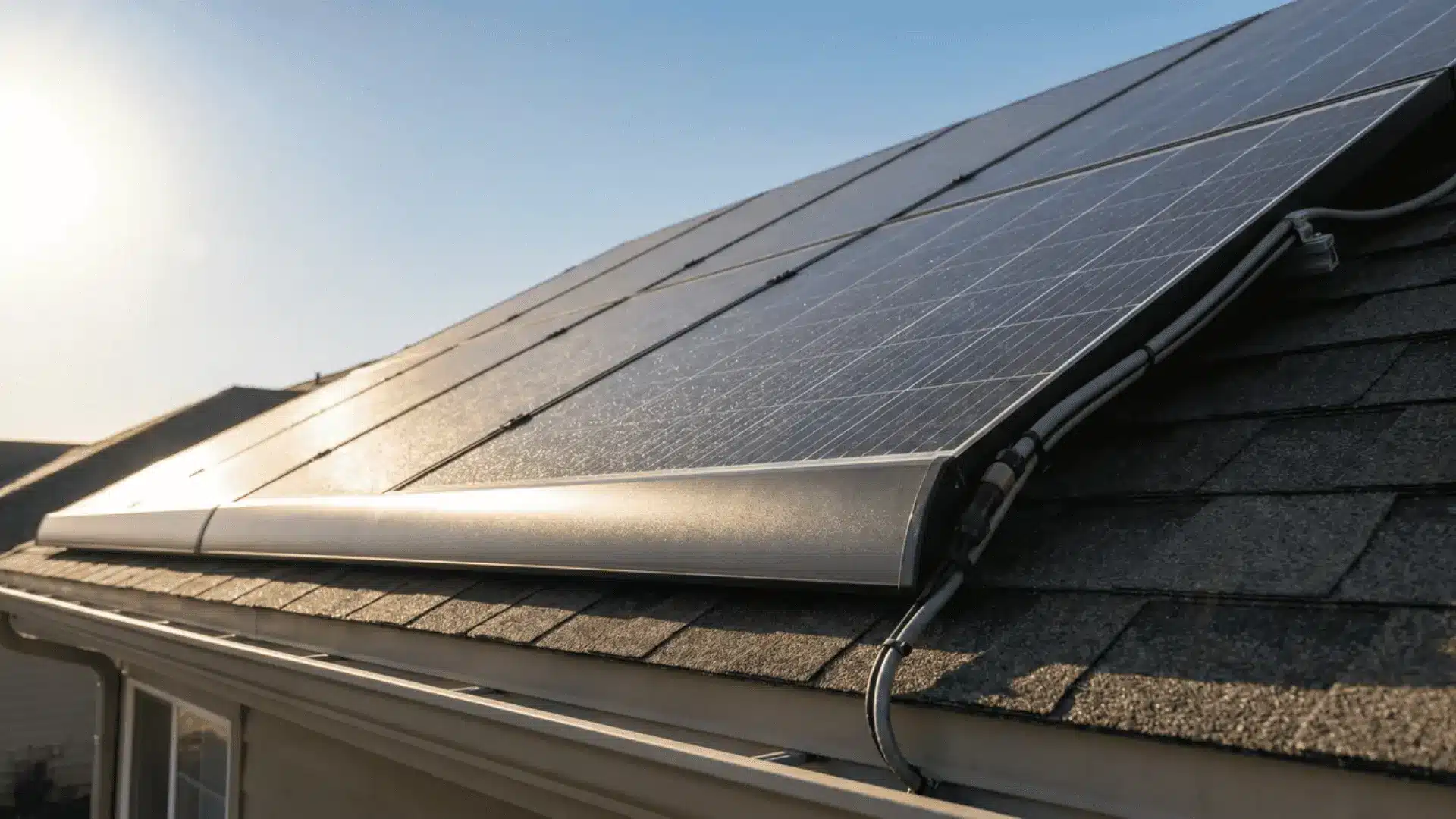
Zero-down solar means a company puts panels on your roof for free. You pay for the electricity they produce, not for the panels themselves. That one difference is where things get complicated fast.
Two structures do this differently. A solar lease charges a fixed monthly fee no matter how much power the panels make. A Power Purchase Agreement, or PPA, charges you per kilowatt-hour the system generates, usually at a rate below what your utility charges.
Both look good on day one. What’s buried in the contract is where I’d focus your attention.
Lease vs. PPA: Which Costs More?
Lease payments are predictable, and that’s their main selling point. PPA payments move with production. A cloudy month lowers your bill. A sunny summer raises it.
I’ve watched people pick a PPA thinking payments would stay low, then get hit with a higher bill during peak production months. The per-kWh rate is usually below your utility’s, but your total cost depends on how much electricity the panels actually make each month.
The number that really matters is the escalator clause. Most lease and PPA contracts raise your rate every year, typically 1% to 5% annually, per DOE, over a 20- to 25-year term.
A payment that looks fine today can grow a lot by year 15. Whether that ends up cheaper than your utility bill depends on how local grid prices move over the same stretch.
What Happens When You Sell Your Home?
This is where zero-down solar breaks down most often. It catches sellers off guard more reliably than any other part of this deal.
When you sell, the lease or PPA doesn’t go away. It either transfers to the buyer or you buy it out.
Transferring means the buyer has to qualify with the solar company and agree to take on the contract. Not every buyer will do that.
A buyout ends the contract early, but the cost can reach several thousand dollars, and it comes straight out of your sale proceeds.
The ownership structure also blocks you from the 30% federal Investment Tax Credit with a lease or PPA, the solar company claims that credit, not you, because they own the system.
You get lower electricity costs. They get the tax benefit. That’s the trade you’re making when you sign.
Which Government Programs Actually Give You Free Solar Panels?
Genuinely free solar with no monthly payment, no contract, and full ownership exists for income-qualified households through specific state and federal programs. Slots are limited, and eligibility is means-tested, which means the program checks your income before saying yes.
I’ve seen households that could never have touched solar on their own get a fully installed system through state programs, systems they own outright, with no ongoing payment. The eligibility bar is real, though, and the application process is where people drop the ball.
Who Qualifies? Income Thresholds and How They Work
Most programs cut off at 80% or below of your area’s median income, called AMI, per EPA eligibility guidelines for low-income solar programs.
Some use a simpler screen: if your household already gets SNAP, Medicaid, or similar federal assistance, you likely pass the income test automatically.
The “disadvantaged community” label adds a geographic layer on top of income. It’s based on census tract data. You could qualify based on where you live even if your income is slightly above the standard cutoff.
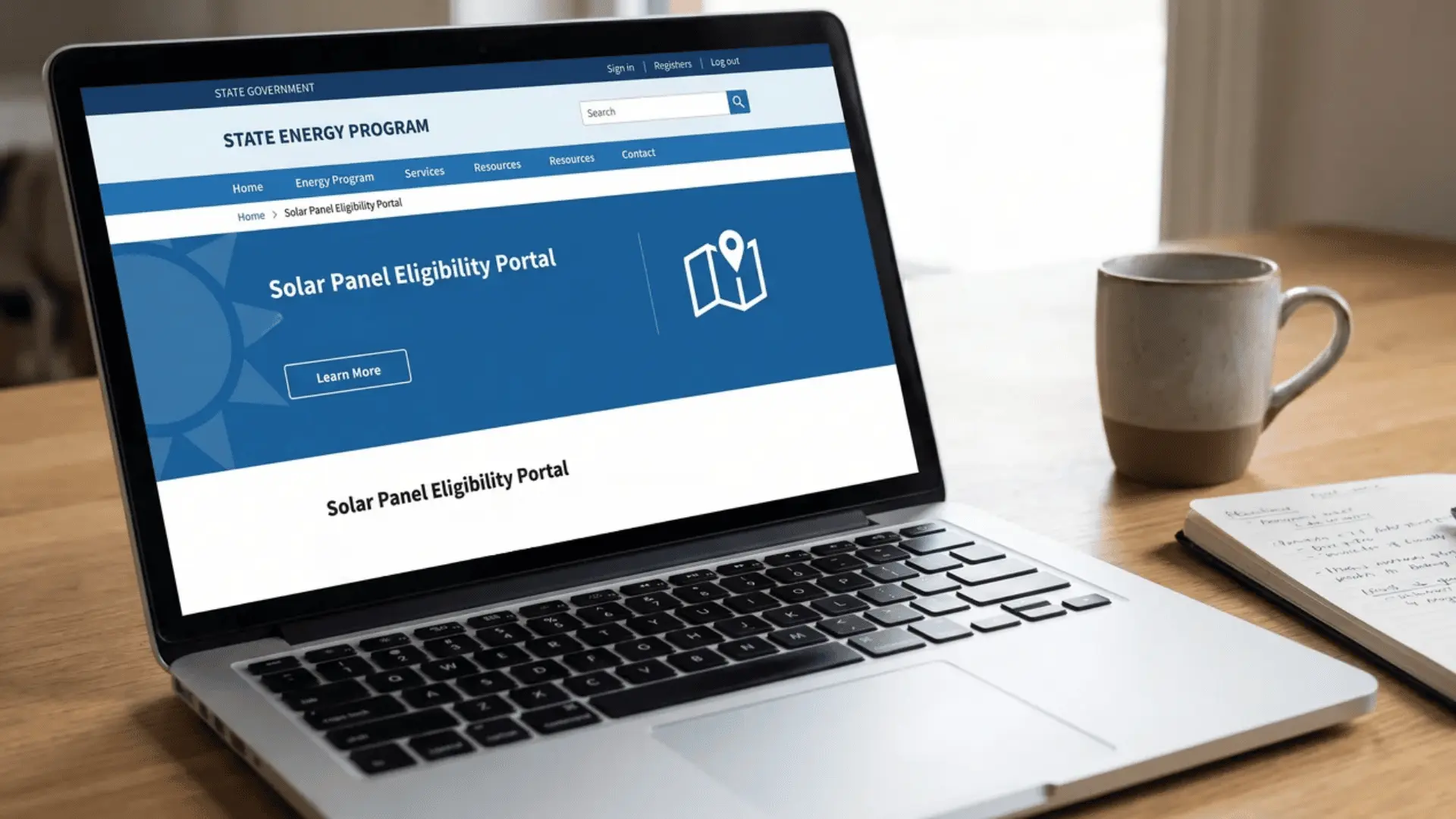
If you’re not sure where you fall, your state’s energy department website is the fastest place to check. Most list income tables by household size, and it takes five minutes to run your numbers.
Named Programs by State
The program options vary by state, but a few are well-established enough to know by name.
California has two. SASH (Single-family Affordable Solar Homes) and DAC-SASH (Disadvantaged Communities Single-family Affordable Solar Homes) both provide no-cost rooftop installs and energy-efficiency upgrades for qualifying low-income residents.
Illinois Solar for All covers community solar subscriptions and fully subsidized on-site installs, with ongoing system support built in for approved households.
Delaware’s LMI Solar Pilot Program installs panels for qualifying households and handles monitoring and maintenance at no cost to the homeowner at any stage.
The EPA’s Solar for All program funds local groups across multiple states to deliver zero-cost installs for low-income and disadvantaged households. Program availability changes. Federal funding for this program has faced cuts in recent years. Verify the current status at your state energy office before you apply.
GRID Alternatives and Non-Profit Routes
GRID Alternatives is the biggest non-profit in the country delivering no-cost solar to low-income families.
It runs in multiple states and often reaches households that fall between the cracks of state program eligibility. If your state doesn’t have an active government program right now, check GRID Alternatives directly.
Their eligibility rules sometimes differ from what your state offers. Confirm what’s currently available before you apply.
How Does the Federal Solar Tax Credit Work, and Who Can Actually Use It?
The federal Investment Tax Credit, or ITC, lets homeowners who buy a solar system subtract 30% of their install cost from their federal tax bill. That’s the number in the ads. What the ads skip are the two conditions that decide whether it actually works for you.
1. You Have to Own the System
Buy it outright or finance it with a loan in your name. A lease or PPA cuts you out automatically; the third-party company is the legal owner, so they file the credit, not you.
2. You Have to Owe Enough Federal Tax
This is the part I see trip people up most. The ITC reduces your tax liability, which is what you owe the IRS, not a refund of what you already paid in. If your total federal tax bill in the install year is less than 30% of the system cost, you can’t use the full credit that year.
The leftover carries forward to the next tax year. It doesn’t disappear, but it won’t show up as a check either. If you’re expecting a rebate and this is your first time hearing otherwise, you’re not the only one. This surprises a lot of people at tax time.
Financing doesn’t change your eligibility. A solar loan still puts ownership in your name, so the ITC still applies. The 30% rate is current as of now, but Congress has changed this credit before.
Check IRS guidance for the current residential rate when you’re ready to move forward.
How Do You Find Legitimate Solar Programs in Your State?
Start at your state’s official energy department website or utility portal. Not an ad. Not a door-to-door pitch. Not a lead-generation form that sells your number to three solar companies.
Official sources tell you what’s actually funded and taking applications right now.
Four steps get you there without the runaround. Work through them before you hand your contact info to anyone:
- State energy websites: Search “[your state] energy office solar programs” and go straight to the .gov domain. Most states list incentives and income-qualified programs together in one place.
- Utility program portals: Your electricity provider often runs its own solar incentives, separate from what the state offers. Check their site under rebates or energy efficiency; it’s easy to miss.
- EnergySage: A legitimate third-party tool that pulls together available programs and installer quotes by zip code. Good for cross-checking what you find on official sites.
- Check program caps and deadlines: funded programs close when slots fill. Something listed online today may have a waitlist or be on pause; always confirm before you apply.
Twenty minutes running these checks tells you whether a real program exists in your area. That’s worth doing before you talk to a single salesperson.
The Bottom Line on Free Solar
The category you’re in changes everything. It determines what you pay, who owns the panels, and whether any tax benefit is even on the table. That’s not a footnote, it’s the whole decision.
If you’re income-qualified, genuinely free solar panels through programs like DAC-SASH or GRID Alternatives are worth pursuing seriously.
If you’re not, a lease or PPA can still cut your electricity bill; just go in clear-eyed about the contract length, the annual rate increase, and what a home sale would cost you.
Programs change, funding gets cut, and tax law shifts. Knowing which category fits you means you can evaluate whatever’s available when you’re ready, without starting from scratch every time the landscape moves.
Frequently Asked Questions
Can you get solar panels for free if you don’t qualify for a low-income program?
No, but zero-down options exist. Solar leases and PPAs let you install panels with no upfront payment. You pay a monthly fee or a per-kWh rate instead. You won’t own the panels, so you can’t claim the federal tax credit, but your electricity bill typically drops from day one.
Is the government going to pay for solar panels?
The federal government funds Solar for All grants for income-qualified households and offers a 30% tax credit for homeowners who purchase systems. It does not pay for solar panels for the general public. State and utility programs vary significantly. Check your state energy office for what’s currently funded and available in your area.
What is the federal solar tax credit and how much is it worth?
The federal Investment Tax Credit lets you subtract 30% of your solar install cost from your federal tax bill. It only applies if you own the system; leases and PPAs don’t qualify. It reduces what you owe the IRS, not what you already paid. Unused credit carries forward to the next tax year.
How do I find out if I qualify for a free solar program?
Start at your state’s official energy department website or utility portal, not ads. Look for income-qualified or Solar for All programs. Eligibility is usually tied to your household income relative to your area’s median, or enrollment in programs like SNAP or Medicaid. Slots are limited, so apply as soon as you know you qualify.