
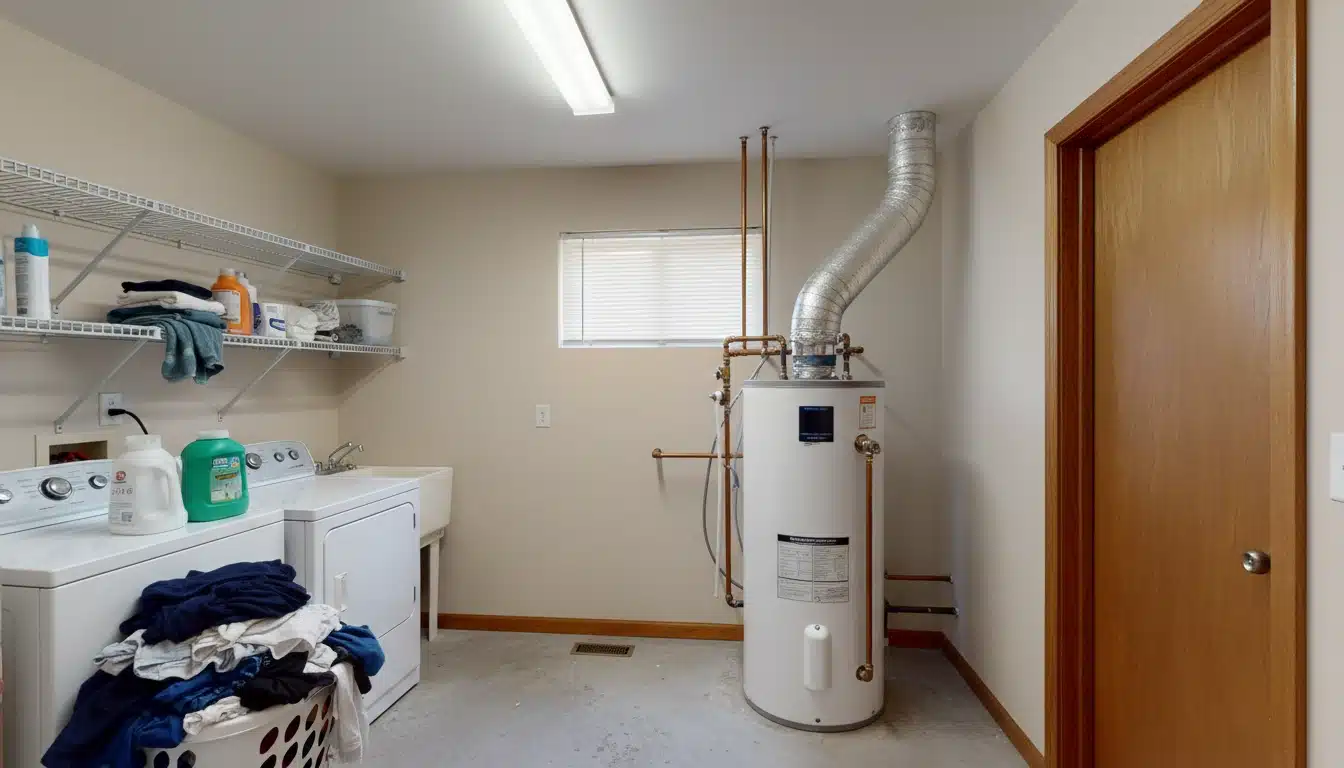

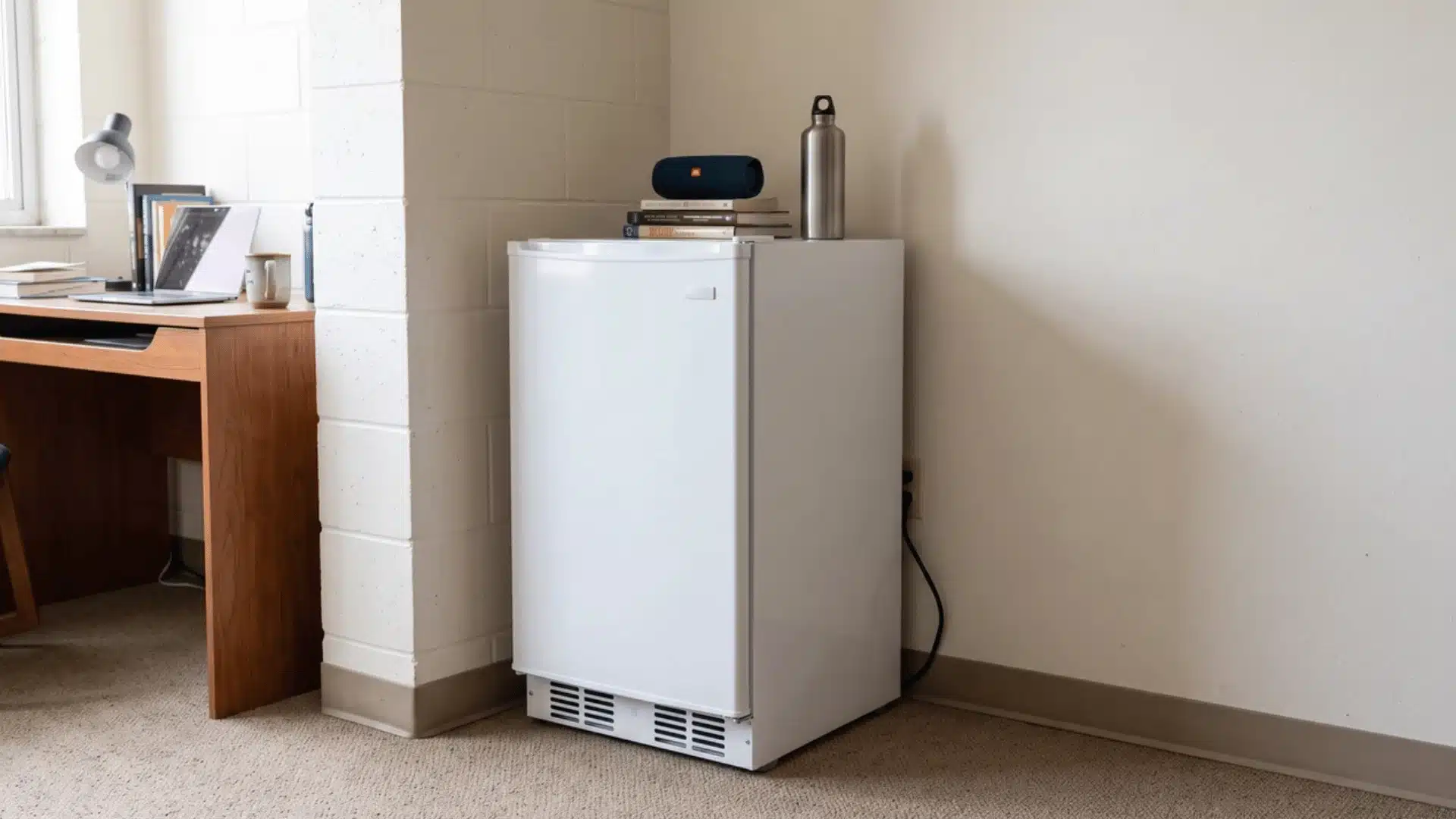
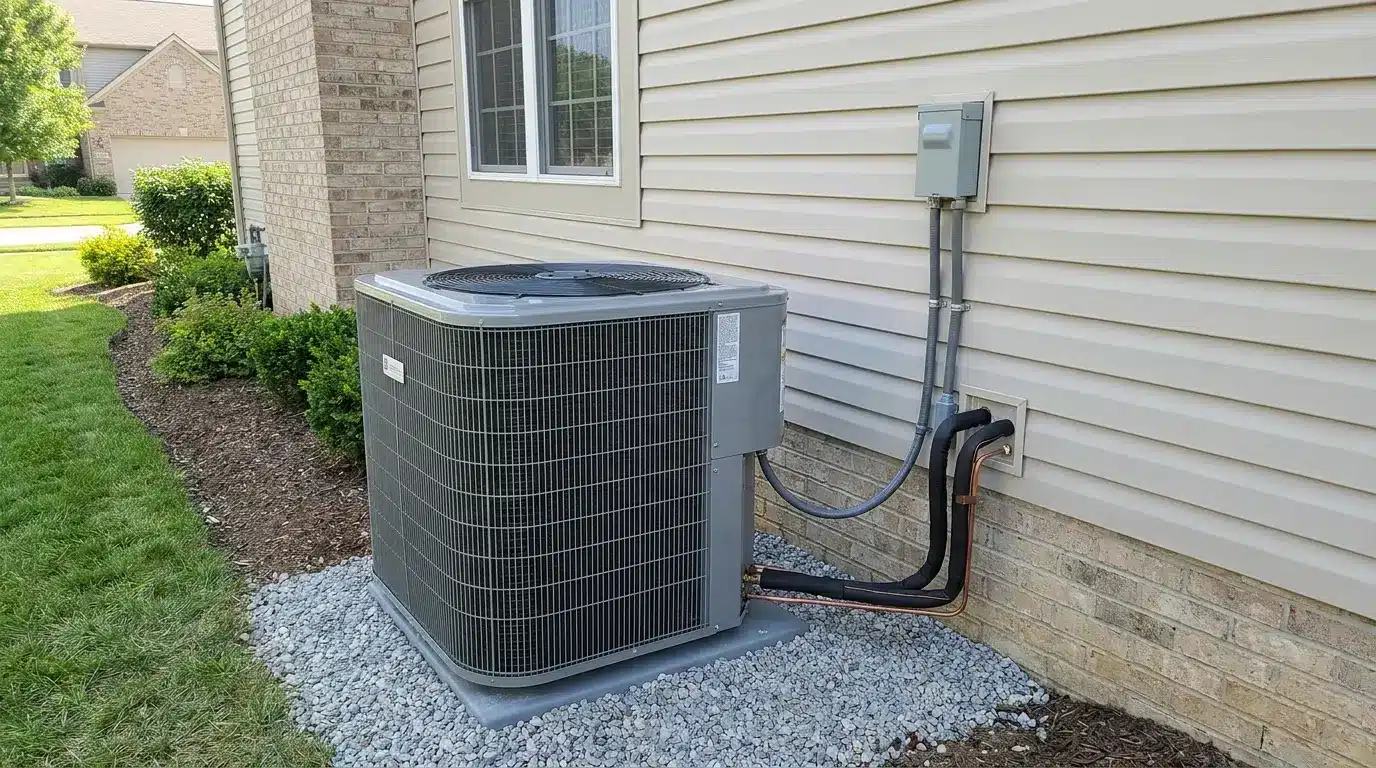
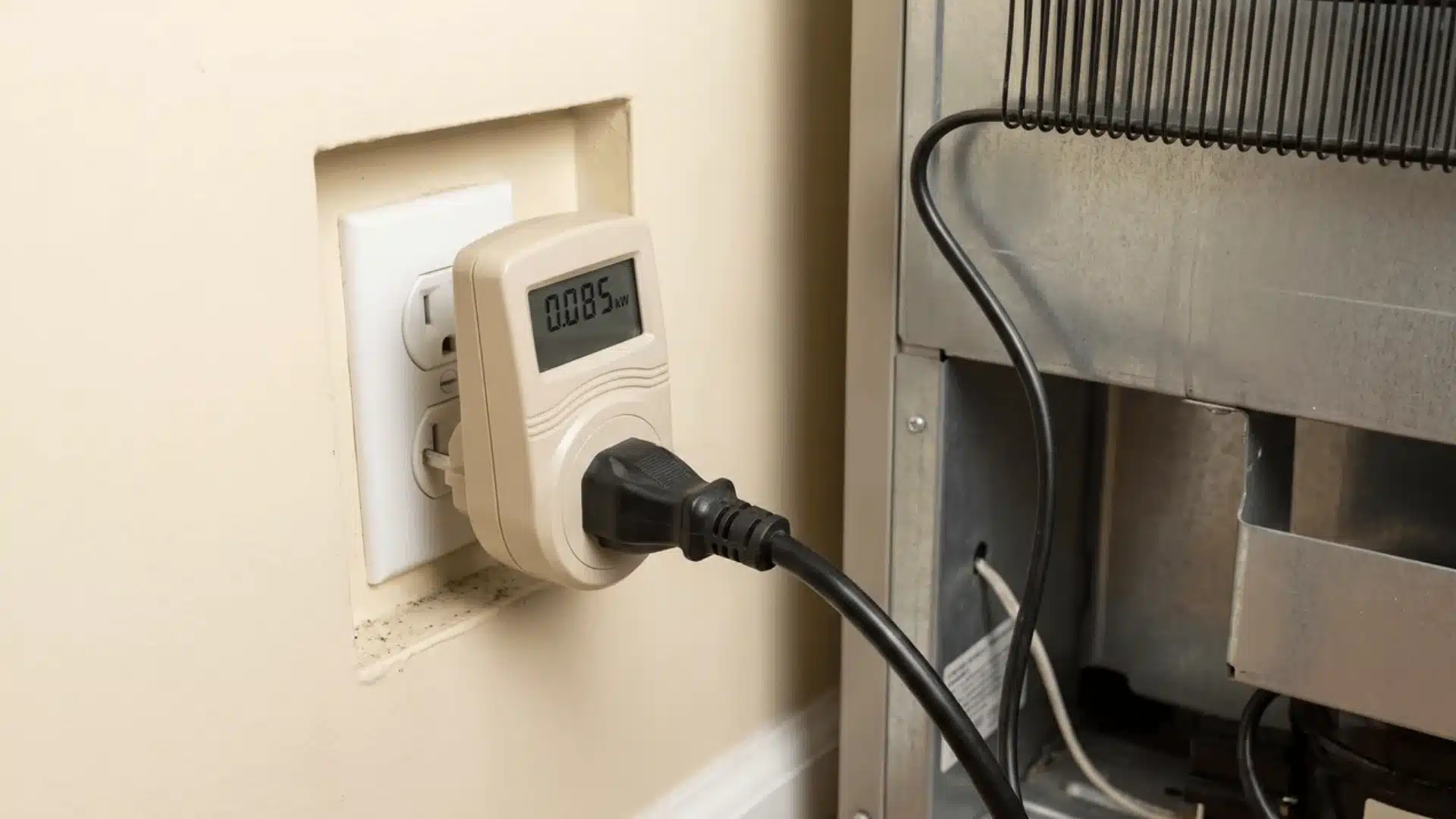
Does an energy-efficient appliance really lower your bills, or does the label raise the price?
According to EPA estimates, efficient models can reduce electricity and water use by 10 to 50 percent compared with standard appliances.
The biggest savings often come from refrigerators and HVAC systems because they operate for more hours each year.
Still, not every upgrade pays off at the same speed. After replacing three appliances in my home, I noticed that the refrigerator delivered savings much sooner than the dishwasher.
That difference matters when a broken appliance forces a quick decision.
Checking the ENERGY STAR label, EnergyGuide sticker, purchase price, and expected usage can help you judge the real value. The right choice depends on the appliance and household habits.
What Makes an Appliance Energy Efficient
Two labels provide the clearest information when comparing energy-efficient appliances: the ENERGY STAR logo and the EnergyGuide tag.
ENERGY STAR shows that a product meets stricter efficiency requirements than the federal minimum. These products are independently tested under standards managed by the EPA and the Department of Energy.
The EnergyGuide tag gives an estimated yearly energy cost, making it easier to compare similar models before buying.
Check the following details:
- Look for the ENERGY STAR logo on the appliance, packaging, or online product listing.
- Compare the EnergyGuide estimate instead of focusing only on the purchase price.
- Check the appliance size and capacity, since larger units generally consume more energy.
- Consider daily usage habits because actual savings depend on how often the appliance runs.
An efficient appliance may cost more upfront, but lower operating expenses can make it cheaper over its full lifespan.
Choosing efficient models is one practical step, but everyday habits also matter. Learning how to reduce electricity bill costs at home can help you get even more value from your appliances over time.
Which Home Appliances Drain The Most Energy
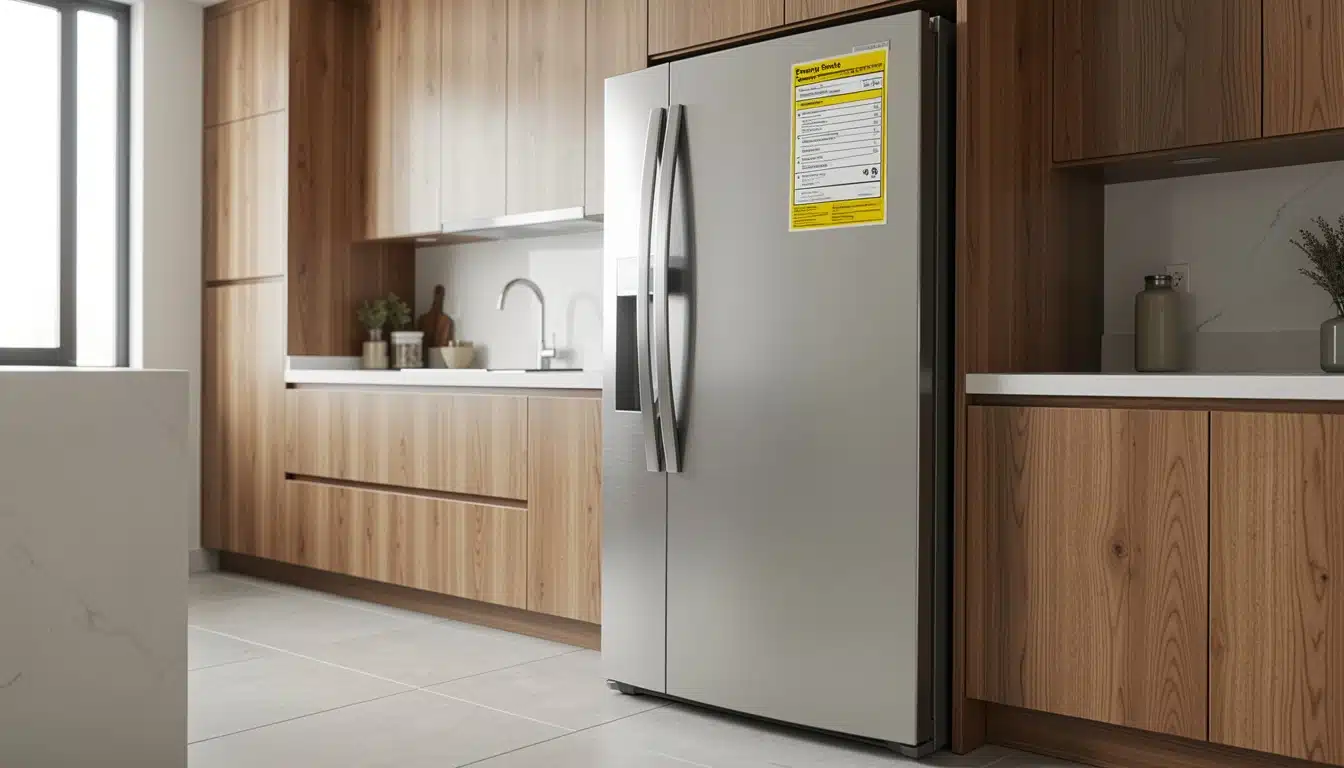
Not every appliance affects your bill equally. A few categories do most of the damage, and knowing which ones matters before you start shopping.
Refrigerators
Refrigerators operate 24 hours a day, making efficiency especially important. Models purchased before 1993 may cost families over $100 more each year to run than newer ENERGY STAR units.
Design also affects consumption. Top-freezer refrigerators generally use less electricity than side-by-side models, while built-in icemakers and dispensers increase energy demand.
Regular maintenance helps preserve performance and prevents wasted power.
Key efficiency tips:
- Choose a top-freezer model when layout and storage needs allow.
- Compare yearly operating costs on the EnergyGuide tag.
- Avoid unnecessary features that increase electricity use.
- Check door seals for gaps, cracks, or loose sections.
- Keep the refrigerator organized so cold air can circulate.
- Do not pack the freezer so tightly that airflow becomes restricted.
Heating and Cooling
Heating and cooling systems account for close to half of household energy consumption in many homes. Because these systems run for long periods, even a small efficiency improvement can produce noticeable savings.
Programmable and smart thermostats reduce waste by adjusting temperatures based on schedules, occupancy, and sleeping hours.
Heat pumps can be another efficient option because a single system provides both heating and cooling, eliminating the need for separate equipment.
Ways to improve efficiency:
- Set a temperature schedule that matches daily household routines.
- Avoid large temperature changes that force the system to work harder.
- Replace or clean air filters at recommended intervals.
- Seal air leaks around windows, doors, and ductwork.
- Schedule routine maintenance to keep equipment operating properly.
- Compare heat pump options when replacing older heating or cooling systems.
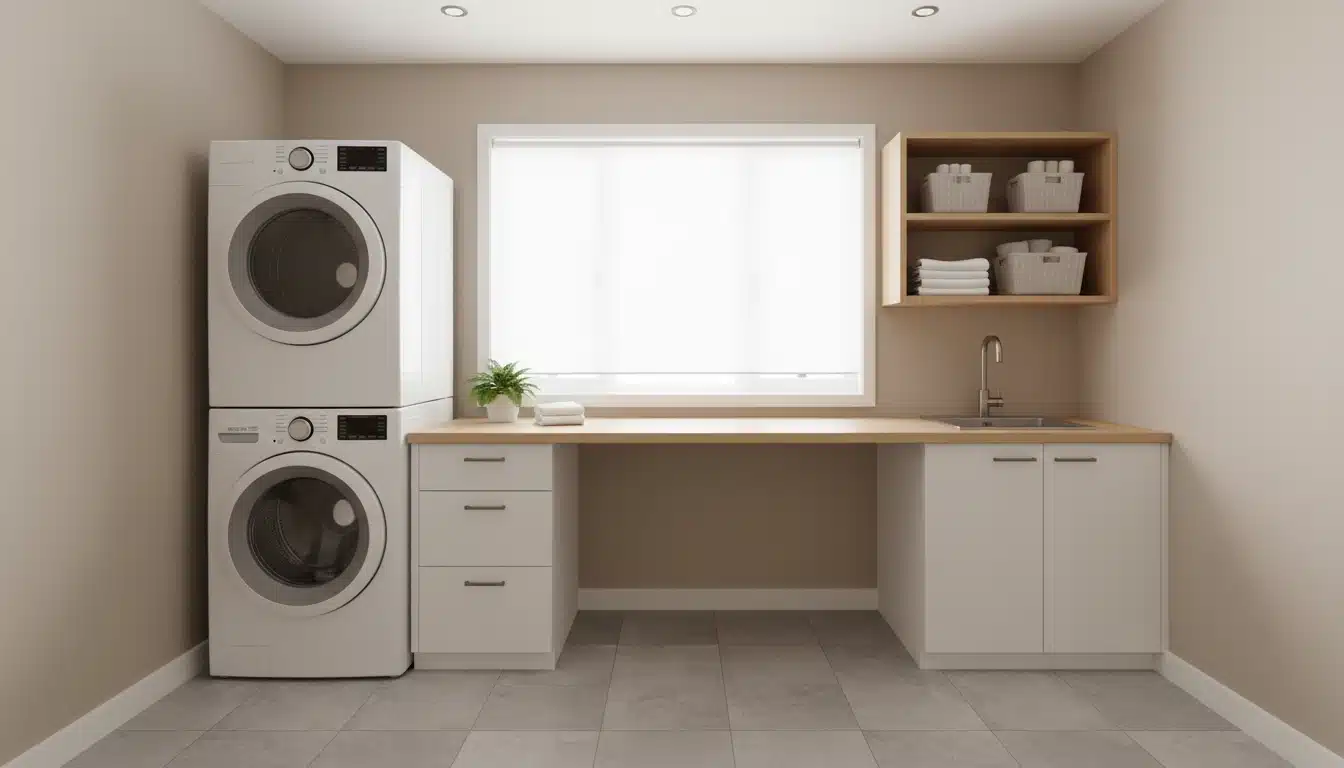
Laundry Machines
Laundry appliances use much of their energy to heat water and air rather than rotate the drum.
ENERGY STAR clothes dryers use about 20 percent less electricity than standard models, while heat pump dryers can further reduce energy consumption by recycling warm air.
Front-load washing machines also use less water than many older top-load models. This reduces both water consumption and the energy needed to heat each load.
Simple ways to save:
- Wash clothing in cold water whenever the fabric allows.
- Run full loads instead of several small cycles.
- Choose a front-load washer with a suitable capacity.
- Consider a heat pump dryer for frequent laundry use.
- Use moisture sensors instead of fixed drying times.
- Clean the dryer lint filter after every load.
- Air-dry clothing when weather and space permit.
How to Compare Models Before You Buy
Shopping for a new appliance requires comparing more than the sticker price.
Repair expenses and yearly operating costs can make a cheaper model more expensive over its 10- to 15-year lifespan.
A well-matched appliance may cost more upfront but use less energy, need fewer repairs, and deliver better long-term value.
Use this checklist before buying:
- Compare Energy Guide Estimates Across Models of similar sizes and capacities.
- Check Available Rebates from utility providers, manufacturers, or local energy programs.
- Choose a Size that Fits Your Household, rather than paying for unused capacity.
- Confirm the Installation clearance requirement to ensure the appliance has sufficient airflow.
- Review Warranty Coverage and expected repair costs before making a final decision.
The best choice is the model that fits your daily needs, space, and budget, not simply the largest or most feature-heavy option available.
Smart Features That Push Efficiency Further
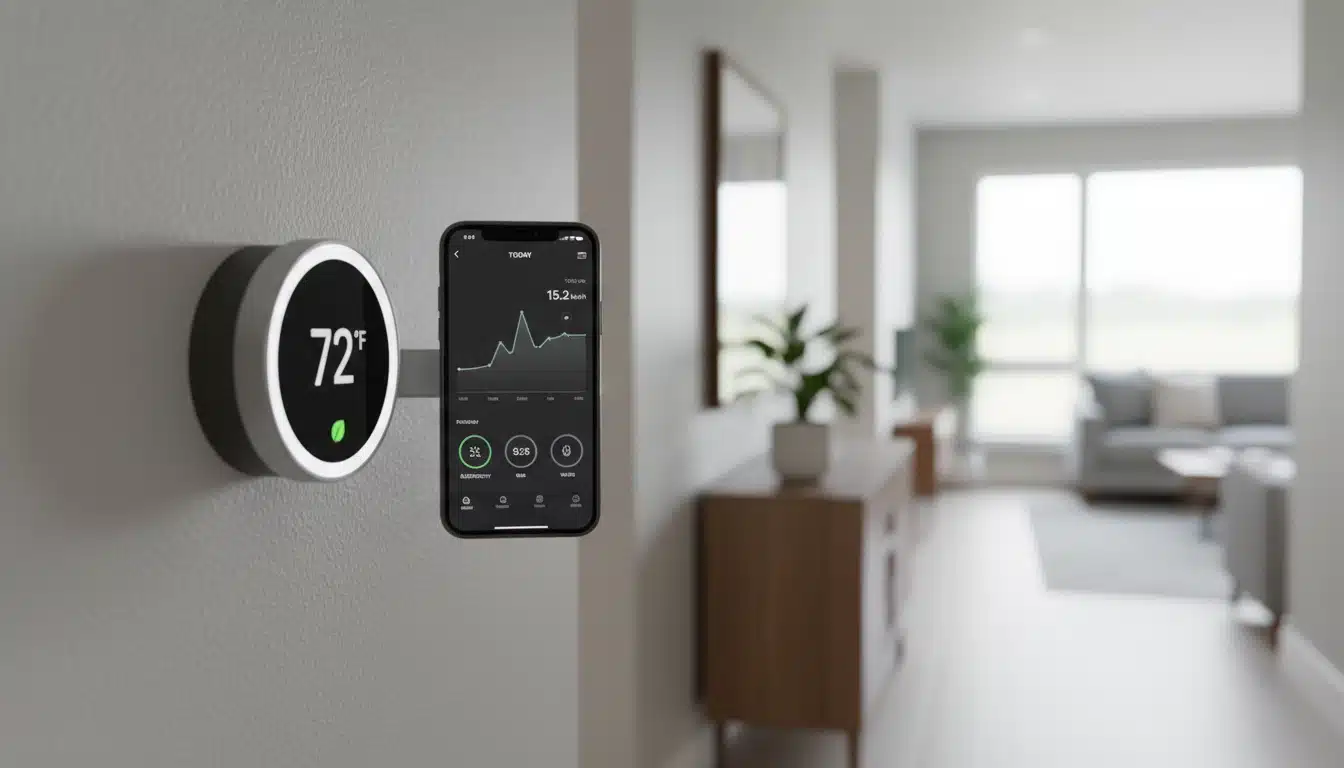
Modern appliances pair efficient hardware with smart controls that fine-tune how power gets used. These features do not replace a good ENERGY STAR rating, but they help you get more out of one.
Worth looking for when you shop:
- Smart thermostats that learn your schedule and adjust automatically
- Inverter compressors in refrigerators and ACs, which adjust output instead of switching fully on and off
- Sensor-based dishwasher and washer cycles that measure soil level and adjust water use
- App-based energy tracking that shows real usage instead of estimates
These small adjustments add up across a full year of daily use.
What Comes Next For Home Appliance Efficiency
Appliance efficiency standards continue to improve, encouraging manufacturers to build products that use less electricity and water without sacrificing performance.
Future models are expected to include smarter energy management features, expanded use of heat pump technology in dryers and water heaters, and better integration with home energy systems.
These changes can help households monitor and reduce energy use more effectively.
What to expect in the coming years:
- More appliances with built-in energy usage tracking.
- Wider adoption of heat pump technology across major household appliances.
- Better integration with smart home and home energy management systems.
- Improved automation that adjusts performance based on daily usage patterns.
- Easier access to real-time energy data through mobile apps.
As these technologies become more common, measuring actual energy consumption will become much simpler than relying on efficiency labels alone.
Conclusion
After replacing several appliances in my own home, I have seen that efficiency labels can reflect real savings.
The ENERGY STAR logo and EnergyGuide estimate help show what an appliance may cost to run, not just what it costs at checkout.
Start with your refrigerator and HVAC system because they often account for a large share of household energy use.
Compare similar models by yearly operating cost, capacity, warranty, and available rebates. Even modest efficiency improvements can add up over years of regular use.
Before replacing anything, check the age, condition, and energy use of your current appliance. Then compare EnergyGuide numbers and local incentives. Which appliance is raising your energy bill the most?
Share your experience in the comments.
Frequently Asked Questions
Do energy-efficient appliances really save money?
Yes. Efficient appliances use 10 to 50% less energy and water than standard models. The extra purchase cost is usually recovered within a few years.
Is ENERGY STAR the only label I need to check?
Check both. ENERGY STAR confirms the appliance meets efficiency standards. The EnergyGuide label shows the estimated yearly cost for comparing specific models.
Which appliance should I replace first for the biggest savings?
Start with your refrigerator if it is over 10 years old, since it runs constantly. Heating and cooling systems come next, given how much of your total bill they represent.
Do smart features actually improve efficiency, or are they just for convenience?
Smart features like sensor-based cycles and inverter compressors genuinely reduce energy use. They adjust output to actual demand rather than running at full power.