

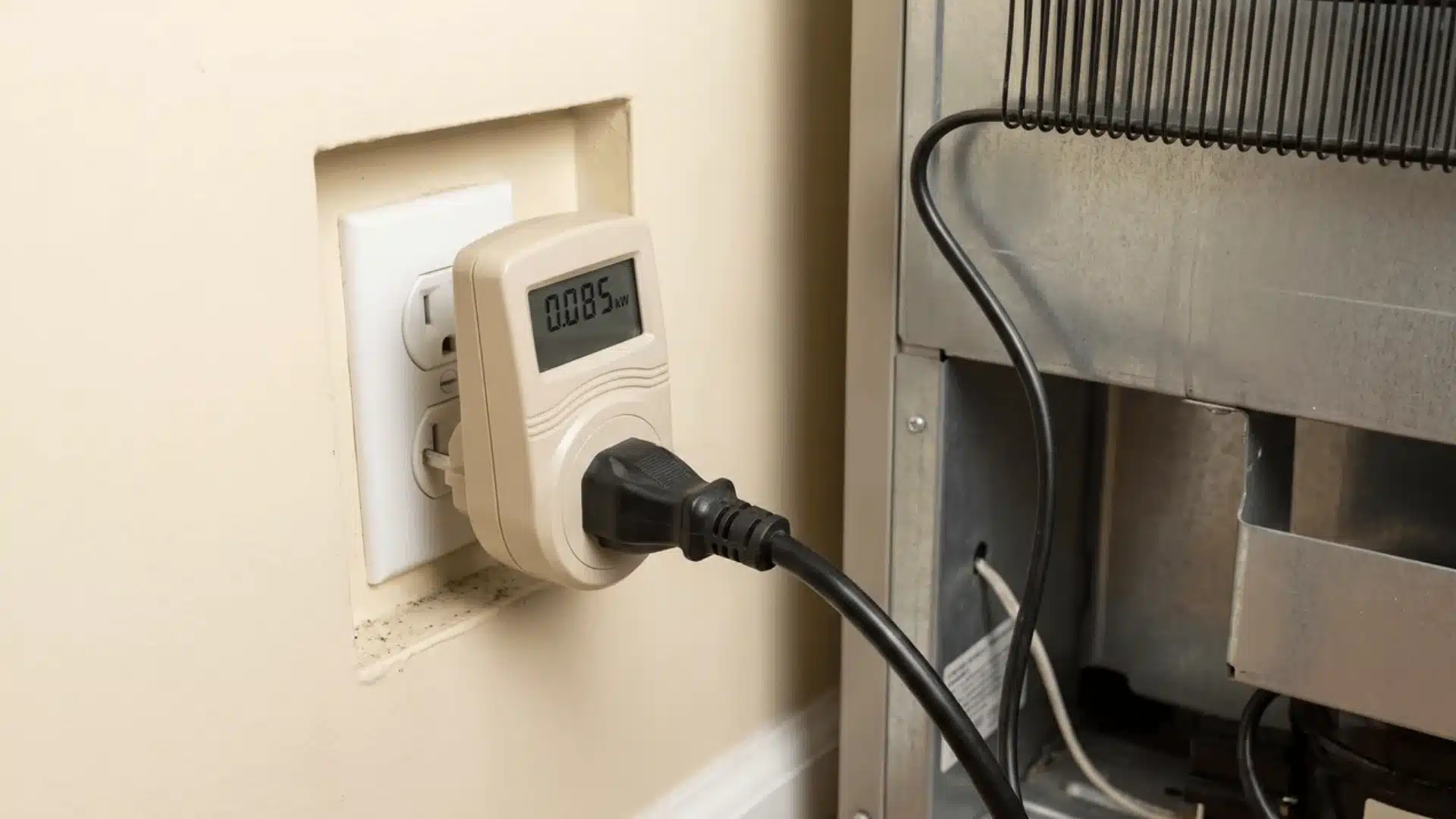
Your roof is quietly costing you more energy, more money, and more landfill space than you probably realize. Sustainable roofing sounds simple until you start comparing materials, and every option claims to be the greenest choice.
I get why that feels overwhelming. Metal, tile, green roofs, coatings- they all measure eco-friendliness differently, and choosing wrong means paying for it twice.
I’ll break down what actually makes a roof sustainable, compare the top materials by cost, durability, and performance, and help you match a solution to your climate and budget.
You’ll walk away knowing exactly which option fits your home, and why it’s worth the investment.
What Makes a Roofing Solution Sustainable?
A roofing solution is sustainable when it reduces environmental impact throughout its full life cycle, from material sourcing and manufacturing to installation, maintenance, and disposal.
Effective sustainable roofing solutions last for decades, limit replacement waste, and improve energy performance by reflecting sunlight, releasing absorbed heat, or supporting insulation.
Materials with recycled content can reduce demand for new resources, while recyclable components help keep old roofing out of landfills. Responsible sourcing is also important for wood, slate, clay, and other natural materials.
Climate suitability matters because a roof must withstand local heat, rain, snow, wind, and humidity without frequent repairs.
Low-maintenance systems are generally more sustainable because they use fewer replacement parts, coatings, labor, and transportation over time.
Best Sustainable Roofing Solutions Compared
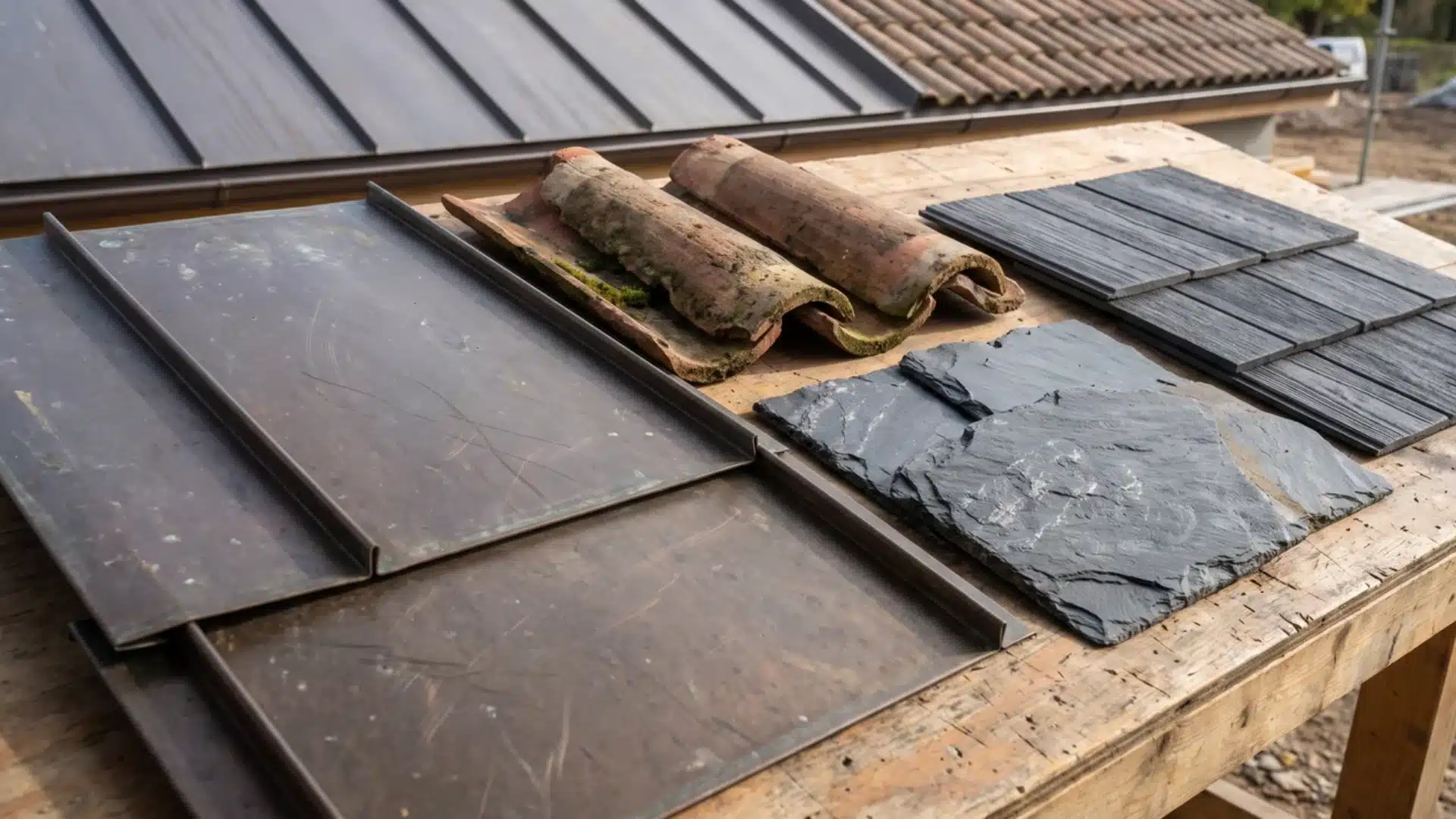
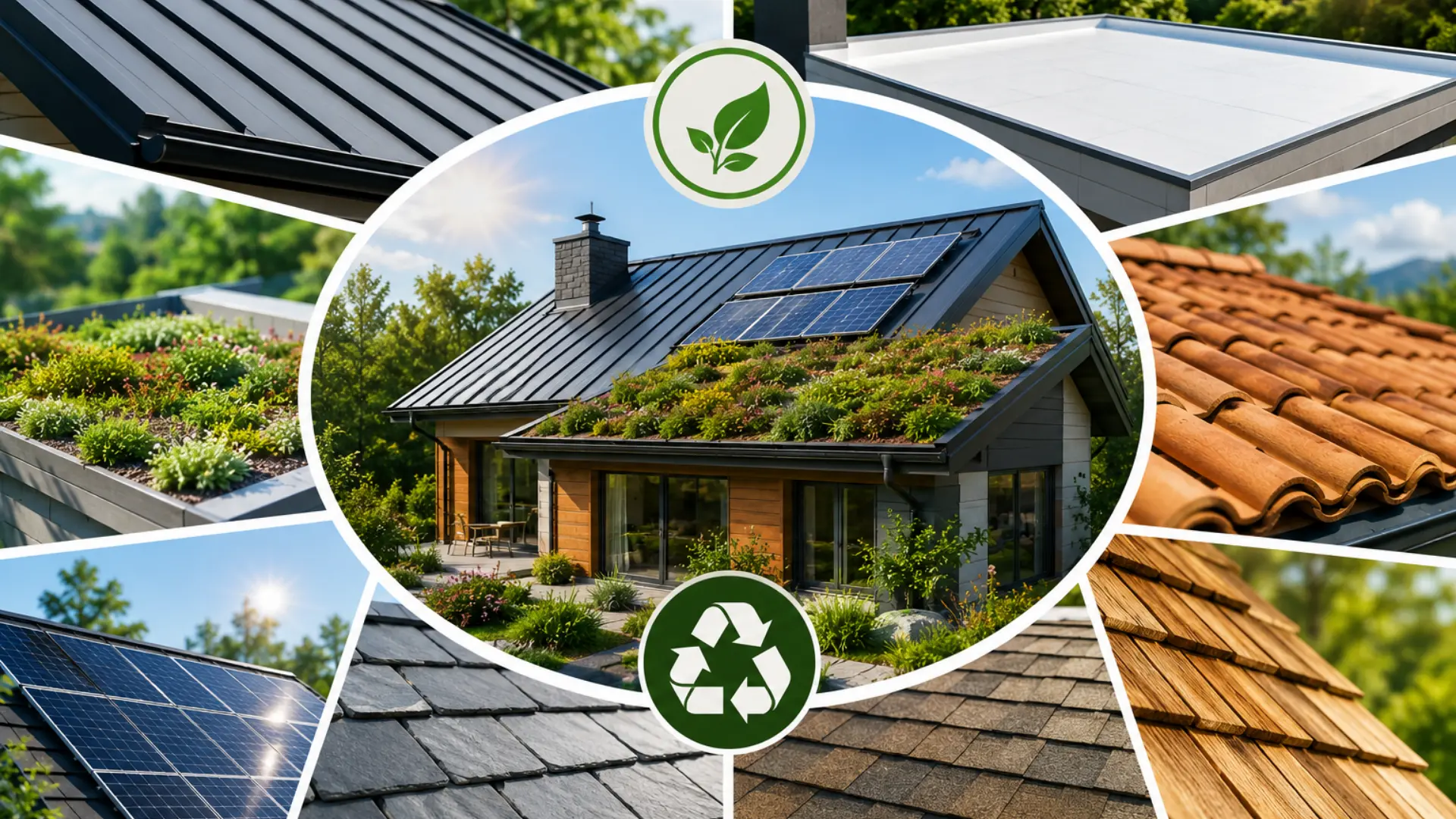
Each sustainable roofing option offers different benefits, costs, structural demands, and climate suitability, so compare materials before making a choice.
1. Recycled Metal Roofing
Recycled metal roofing uses steel or aluminum that may contain substantial post-consumer or industrial material. It resists fire, wind, rain, and snow while lasting several decades with proper maintenance.
Reflective finishes can reduce summer heat absorption, and most panels remain recyclable after removal. However, installation costs are higher, and poor insulation may increase rain noise inside the building during storms.
2. Cool Roof Systems
Cool roof systems use light-colored membranes, reflective shingles, coated metal, tiles, or specialized surface treatments to reflect sunlight and release absorbed heat. They can lower roof temperatures and reduce cooling demand in hot, sunny climates.
Their benefits may be smaller in heating-dominated regions, while dirt, aging, and poor maintenance can gradually reduce reflectivity and overall energy performance over many years.
3. Green or Living Roofs
Green or living roofs combine vegetation, growing media, drainage, waterproofing, and root barriers above the roof deck. They absorb rainfall, reduce surface temperatures, support urban biodiversity, and provide some insulation.
These systems work best on flat or low-slope buildings designed for extra weight. Reliable performance requires strong waterproofing, efficient drainage, suitable plants, irrigation planning, routine inspections, and regular seasonal maintenance.
4. Solar Roofing Systems
Solar roofing systems include conventional rooftop panels and solar shingles integrated directly into the roof surface. Both generate renewable electricity and can reduce dependence on grid power when sunlight, orientation, and shading are favorable.
However, solar components do not automatically make the underlying roof sustainable. Assess roof condition, remaining lifespan, installation cost, efficiency, warranty coverage, and local incentives before proceeding.
5. Clay and Terracotta Tiles
Clay and terracotta tiles are made from natural mineral materials and can remain serviceable for many decades when installed correctly. Their thermal mass and heat resistance suit warm, dry, and coastal climates, while individual tiles may sometimes be reused.
However, these roofs are heavy, brittle under impact, labor-intensive to install, and may require reinforced framing before roofing installation work begins.
6. Natural Slate Roofing
Natural slate is quarried stone known for exceptional durability, fire resistance, and a lifespan that can extend across generations. Its longevity reduces replacement frequency and may offset some impacts from extraction, processing, and transportation.
Slate suits historic properties and permanent homes, but it is expensive, extremely heavy, breakable during handling, and dependent on experienced specialist installers for correct long-term performance.
7. Recycled and Composite Shingles
Recycled and composite shingles may combine rubber, plastic, mineral fillers, or reclaimed roofing waste to imitate traditional asphalt, wood, or slate. They provide a familiar appearance and can divert some material from disposal.
Sustainability varies considerably by manufacturer, so homeowners should compare recycled content, durability, warranties, fire ratings, regional availability, and realistic end-of-life recycling options before purchasing a specific product.
8. Reclaimed or Certified Wood Shingles
Reclaimed or responsibly certified wood shingles offer a renewable roofing choice with warm, traditional character. Reclaimed timber reduces demand for newly harvested material, while credible forestry certification supports better sourcing practices.
Wood performs best in suitable dry or moderate climates but requires attention to fire codes, moisture, insects, decay, protective treatments, storm exposure, and ongoing maintenance throughout its life cycle.
9. White and Reflective Roof Coatings
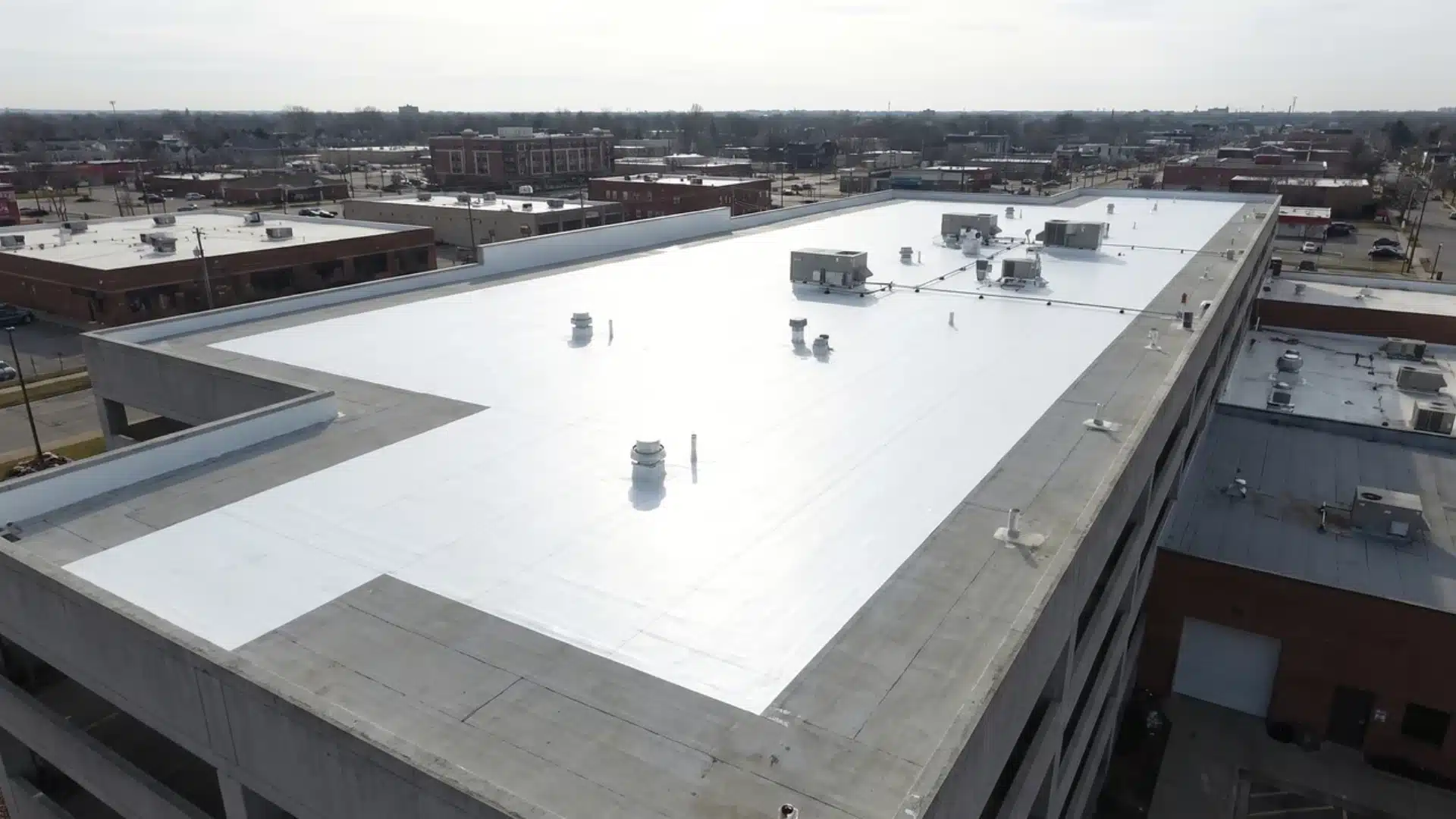
White and reflective roof coatings can restore compatible existing surfaces, increase solar reflectance, and delay complete replacement. Acrylic, silicone, elastomeric, and other approved products are often used on low-slope roofs in serviceable condition.
Effective results require thorough preparation and correct application. Coatings cannot correct saturated insulation, trapped moisture, structural damage, active leaks, poor drainage, or serious, chronic ponding water problems.
10. Single-Ply Roofing Membranes
Single-ply membranes such as TPO and PVC create lightweight, reflective surfaces for commercial buildings and low-slope homes. Properly selected systems can reduce heat absorption and provide dependable waterproofing with relatively quick installation.
Their sustainability depends on product composition, service life, repairability, and local disposal options. Poor seam welding, punctures, chemical exposure, or incompatible materials can shorten performance significantly over time.
Environmental Benefits of Sustainable Roofing
Choosing a sustainable roof does more than protect your home; energy-efficient roofing reduces energy waste, cuts landfill contributions, and supports a healthier environment for years after installation.
- Lowers energy consumption through better insulation and reflectivity
- Reduces landfill waste with recyclable or long-lasting materials
- Improves stormwater management via green or permeable roofing systems
- Decreases urban heat island effect in dense neighborhoods
- Supports renewable energy use when paired with solar panels
These benefits add up over time, making sustainable roofing a practical choice for homeowners who want lower utility bills alongside a smaller environmental footprint.
Sustainability Depends on More Than Roofing Material
Roofing material is only one building-envelope layer, and poor insulation, ventilation, flashing, or installation can significantly undermine otherwise sustainable performance.
1. Insulation and Air Sealing
Attic insulation slows heat transfer between the roof, attic, and living spaces, helping maintain steadier indoor temperatures throughout changing seasons. Air sealing closes gaps around lights, ducts, pipes, wiring, and attic hatches where conditioned air can escape.
Together, these measures reduce energy waste, ease heating and cooling demand, limit moisture movement, and improve the roof assembly’s overall performance and longevity.
2. Balanced Roof Ventilation
Balanced roof ventilation pairs adequate intake vents, usually at the soffits, with properly sized exhaust vents near the ridge. This continuous airflow helps remove excess attic heat and moisture before they damage insulation, decking, or roofing materials.
Too much exhaust without enough intake can create pressure imbalances, draw conditioned air upward, and reduce the system’s efficiency and reliability over time.
3. Durable Underlayment and Flashing
Underlayment provides a secondary moisture barrier beneath the visible roof covering, while flashing seals vulnerable joints around valleys, chimneys, vents, skylights, and wall intersections.
Correctly designed drainage details direct water away before it reaches the roof deck. Compatible materials, proper overlaps, and careful sealing reduce leaks, protect structural components, prevent rot, and significantly extend the entire roof system’s service life.
4. Proper Installation
Even premium sustainable roofing can fail early when installation details are incorrect. Improper fasteners may loosen or corrode, poorly placed flashing can admit water, and weak seams may separate under wind or temperature changes.
Incorrect slopes and ventilation layouts can also trap moisture. Skilled installation following manufacturer instructions and local codes protects durability, efficiency, warranties, and overall long-term environmental value.
Best Sustainable Roof by Priority
The most sustainable roof depends on the homeowner’s primary goal, whether that is durability, energy savings, lower maintenance, renewable power, or roof preservation.
| Main Priority | Roofing Solutions to Consider |
|---|---|
| Longest service life | Natural slate, clay tile, or high-quality metal roofing |
| Hot-climate energy performance | Cool roof systems, reflective metal, or light-colored tile |
| Renewable electricity | Rooftop solar panels or integrated solar shingles |
| Stormwater control | Green or living roof systems |
| Recycled content | Recycled metal or verified recycled composite products |
| Lower upfront cost | Reflective shingles or a compatible restoration coating |
| Low maintenance | Metal, slate, or high-quality composite roofing |
| Historic appearance | Natural slate, clay tile, or certified wood shingles |
| Flat commercial roof | Reflective membrane, roof coating, or green roof |
| Wildfire resistance | Class A-rated metal, slate, clay, or concrete tile |
| Coastal conditions | Properly coated metal, clay tile, or compatible membrane |
| Reduced replacement waste | Long-lasting metal, slate, or clay tile |
| Existing-roof preservation | Restoration coating when the current roof assembly is suitable |
Use this comparison as a starting point, then confirm structural limits, climate suitability, local codes, installer experience, and full lifetime costs before choosing.
How to Choose the Right Sustainable Roof
Choosing the right sustainable roof requires more than selecting an eco-friendly material. Climate, structure, cost, performance, and installation quality should guide the final decision.
- Evaluate the local climate: Consider heat, rainfall, humidity, snow, wind, hail, wildfire risk, and salt exposure. The roofing system should resist local conditions while supporting efficient indoor temperature control.
- Check structural capacity: Heavy materials such as slate, clay tile, green roofs, or solar systems may require an engineer to assess framing strength and possible reinforcement needs.
- Compare lifetime costs: Review installation, maintenance, repairs, energy savings, replacement frequency, warranties, and disposal expenses instead of choosing solely by the lowest initial quote.
- Review verified product data: Check reflectance ratings, recycled content, fire resistance, environmental certifications, warranties, and building-code approval rather than relying on broad sustainability claims.
- Plan for end-of-life disposal: Confirm whether removed roofing materials can be reused or recycled locally, because recyclable products may still enter landfills without suitable collection facilities.
- Hire an experienced installer: Choose a contractor familiar with the selected roofing system. Correct flashing, fasteners, ventilation, underlayment, seams, and drainage are essential for durable performance.
A climate-appropriate material installed correctly will usually deliver better environmental and financial value than a fashionable option that fails early or needs frequent repairs.
Can an Existing Roof Be Made More Sustainable?
Complete replacement isn’t always the greenest choice; extending a safe, functional roof often conserves more resources than removing it early.
Consider repairing isolated leaks or flashing failures, improving attic insulation and air sealing, and adding balanced ventilation to ease strain on the system.
Cleaning a reflective roof can restore lost performance, while a compatible restoration coating may extend service life further. If you’re considering solar, check roof condition first before installing panels.
Undamaged slate or tile can often be reused, and tear-off materials may be recyclable where local facilities accept them.
That said, coatings should never be used to mask structural damage, saturated insulation, active leaks, or failing decking; those issues need repair, not concealment.
Final Thoughts
A roof that lasts longer, wastes less energy, and keeps materials out of landfills does more for your home than any single “green” label ever could.
Sustainable roofing isn’t about picking the trendiest material; it’s about matching performance, climate, and lifespan to how you actually live in your home.
Metal lasts decades and recycles fully, cool roofs cut cooling costs, and even your current roof can often be improved instead of replaced.
What matters most is choosing a system that fits your structure, budget, and local weather, then having it installed correctly so it performs the way it should.
Try applying these factors to your own roof, and share which option feels right for yours.
Frequently Asked Questions
Is a metal roof considered sustainable?
Yes. Metal roofing is made from 25–95% recycled content and is fully recyclable at the end of life. It typically lasts 40–70 years, which means fewer replacement cycles and less total material use over a building’s lifespan. Its sustainability case rests on longevity and recyclability, not energy performance alone.
What is the difference between a green roof and a sustainable roof?
A green roof is one specific type of sustainable roofing, a vegetative system installed on a flat or low-slope structure. Sustainable roofing is a broader category that includes metal, cool-roof membranes, reclaimed tile, and more. Not all sustainable roofs are green roofs, and green roofs carry structural and maintenance requirements that other options don’t.
Does sustainable roofing qualify for tax credits or rebates?
Some products do, particularly cool roofs, solar-integrated systems, and certain energy-efficient materials. Eligibility depends on the product, installation type, and your location. Programs change regularly. Check ENERGY STAR and your local utility for current incentives before purchasing.
How long do sustainable roofing materials last compared to standard asphalt?
Standard asphalt shingles last 20–30 years. Most sustainable alternatives last longer; metal runs 40–70 years, slate can exceed 100 years, and reclaimed clay sits in a similar range. Cool-roof membranes vary more widely. That durability gap is a large part of why sustainable roofing can be cost-competitive over a full building lifecycle.