


A roof can look perfectly fine and still make your home harder to cool. If you are comparing energy efficient roofing, the real challenge is knowing which materials actually reduce heat and which claims are mostly marketing.
Color matters, but it is only one part of the decision. Solar reflectance, thermal emittance, insulation, ventilation, roof slope, and local climate all affect performance.
I have broken these factors into clear sections so you can compare metal, shingles, tile, coatings, membranes, green roofs, and solar options with confidence.
By the end, you will know what to check, which features matter most, and how to choose a roof that supports comfort, durability, and lower energy use.
What Makes a Roof Energy Efficient?
An energy-efficient roof reduces the amount of outdoor heat that enters a home.
High solar reflectance allows the surface to bounce sunlight away instead of absorbing it, while strong thermal emittance helps release any heat that is absorbed.
Roofing color also matters because lighter or specially coated surfaces usually stay cooler than conventional dark materials. However, energy-efficient roofing depends on more than the outer covering.
Adequate insulation slows heat transfer into living areas, and balanced attic ventilation allows trapped hot air and moisture to escape. Correct installation is equally important because gaps, damaged flashing, or blocked vents can reduce performance.
A reflective roofing material cannot deliver its full benefits when attic insulation is weak, air leaks are present, or ventilation is restricted.
Best Energy Efficient Roofing Materials
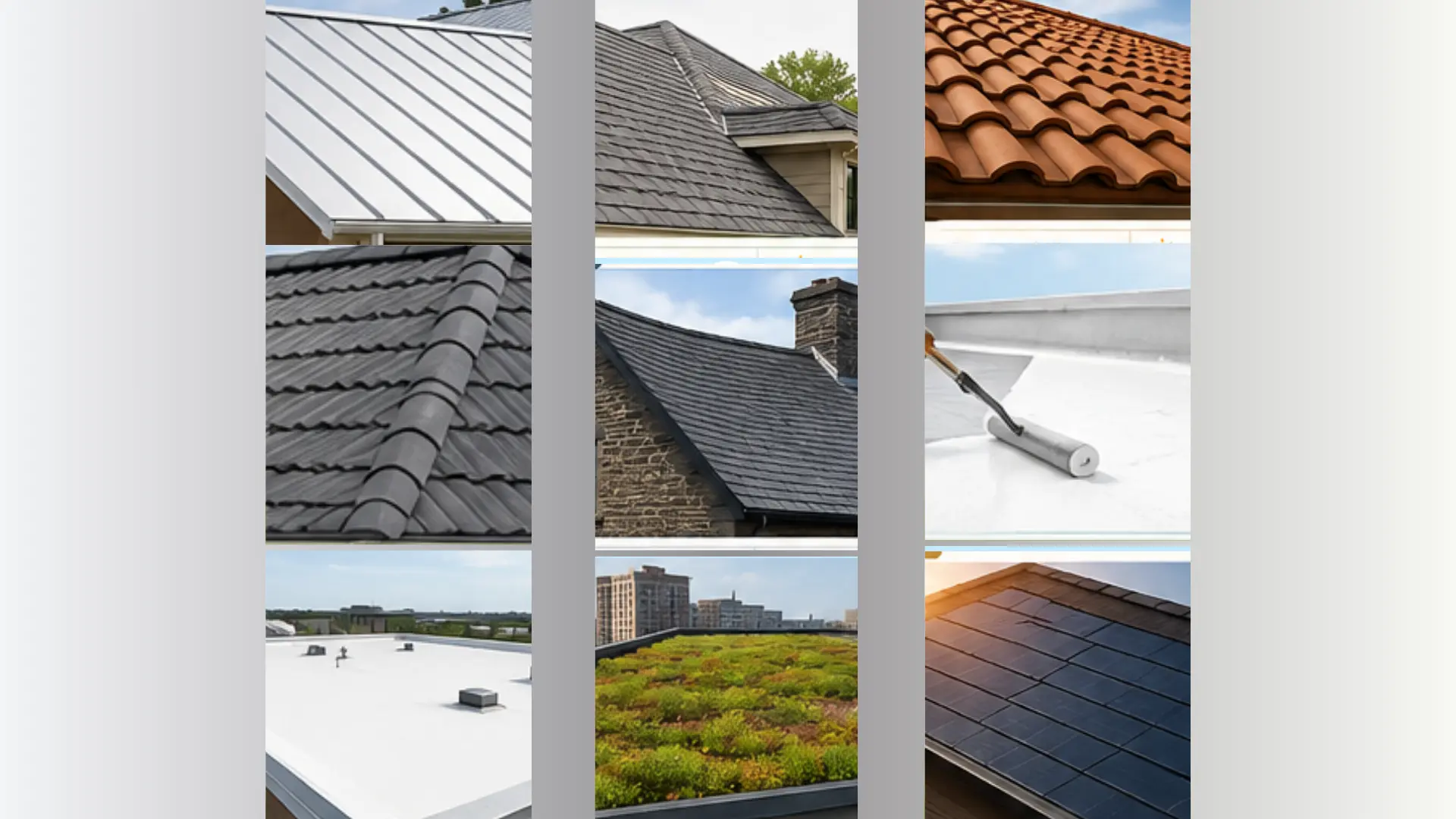
Compare each roofing material by reflectivity, durability, installation cost, maintenance needs, structural demands, and overall performance across different climate conditions.
1. Reflective Metal Roofing
Reflective metal roofing uses coated steel or aluminum panels to bounce sunlight away and release absorbed heat efficiently. Light colors and cool-roof finishes improve solar reflectance, helping homes stay cooler during warm weather.
Metal also performs well in snowy and mixed climates, resists fire, lasts for many decades, and can often be recycled responsibly when its service life finally ends.
2. Cool Asphalt Shingles
Cool asphalt shingles contain reflective granules that absorb less solar heat than standard dark shingles. They offer a familiar appearance, wide availability, and a lower installation cost than metal, slate, or tile roofing.
These shingles suit many residential roofs, but they usually have a shorter lifespan and may lose some reflectivity as dirt, weather, and aging gradually affect the surface.
3. Clay Roofing Tiles
Clay roofing tiles naturally resist heat and create air spaces beneath the roof covering, helping reduce heat transfer into the home.
They work especially well in hot, dry, and sunny climates while offering long-lasting color and durability. However, clay tiles are heavy, costly to install, and may require structural reinforcement before they can be safely added to an existing roof.
4. Concrete Roofing Tiles
Concrete roofing tiles provide thermal mass that slows daytime heat transfer and helps stabilize indoor temperatures. They come in various colors, shapes, and reflective finishes, making them suitable for many architectural styles.
Compared with clay, concrete is often more affordable but equally heavy. It may absorb more moisture and require periodic cleaning, sealing, or replacement of cracked tiles over time.
5. Slate Roofing
Slate roofing offers exceptional durability, natural fire resistance, and a service life that can extend for many decades. Its dense structure performs best when combined with proper insulation, ventilation, and careful installation.
Slate can suit mixed and cold climates, but its high material cost, substantial weight, and need for specialized roofers make it impractical for many standard residential roofing projects.
6. Cool Roof Coatings
Cool roof coatings use reflective acrylic, silicone, or elastomeric materials to reduce solar heat absorption on suitable existing roofs. They are often applied to metal, membrane, and low-slope surfaces, extending roof performance without full replacement.
Successful results depend on thorough cleaning, repairs, dry conditions, and product compatibility. Damaged, wet, or weak roofs should not simply be coated over without inspection.
7. Single-Ply Roofing Membranes
Single-ply roofing membranes, including reflective TPO and PVC systems, are commonly installed on flat or low-slope roofs. Their light-coloured surfaces can reflect significant sunlight and reduce rooftop temperatures.
Properly welded seams, drainage, flashing, and installation are essential for reliable performance. These membranes are especially common on commercial buildings but also suit modern homes, extensions, and residential structures with low slopes.
8. Green Roof Systems
Green roof systems use layers of vegetation, growing medium, drainage, and waterproofing to shade the roof and reduce surface temperatures. As sustainable roofing solutions, they can also manage rainwater, support urban biodiversity, and provide additional insulation.
However, these systems require strong structural support, careful waterproofing, dependable drainage, irrigation planning, and ongoing maintenance. Their higher installation cost makes professional design and a detailed structural assessment especially important.
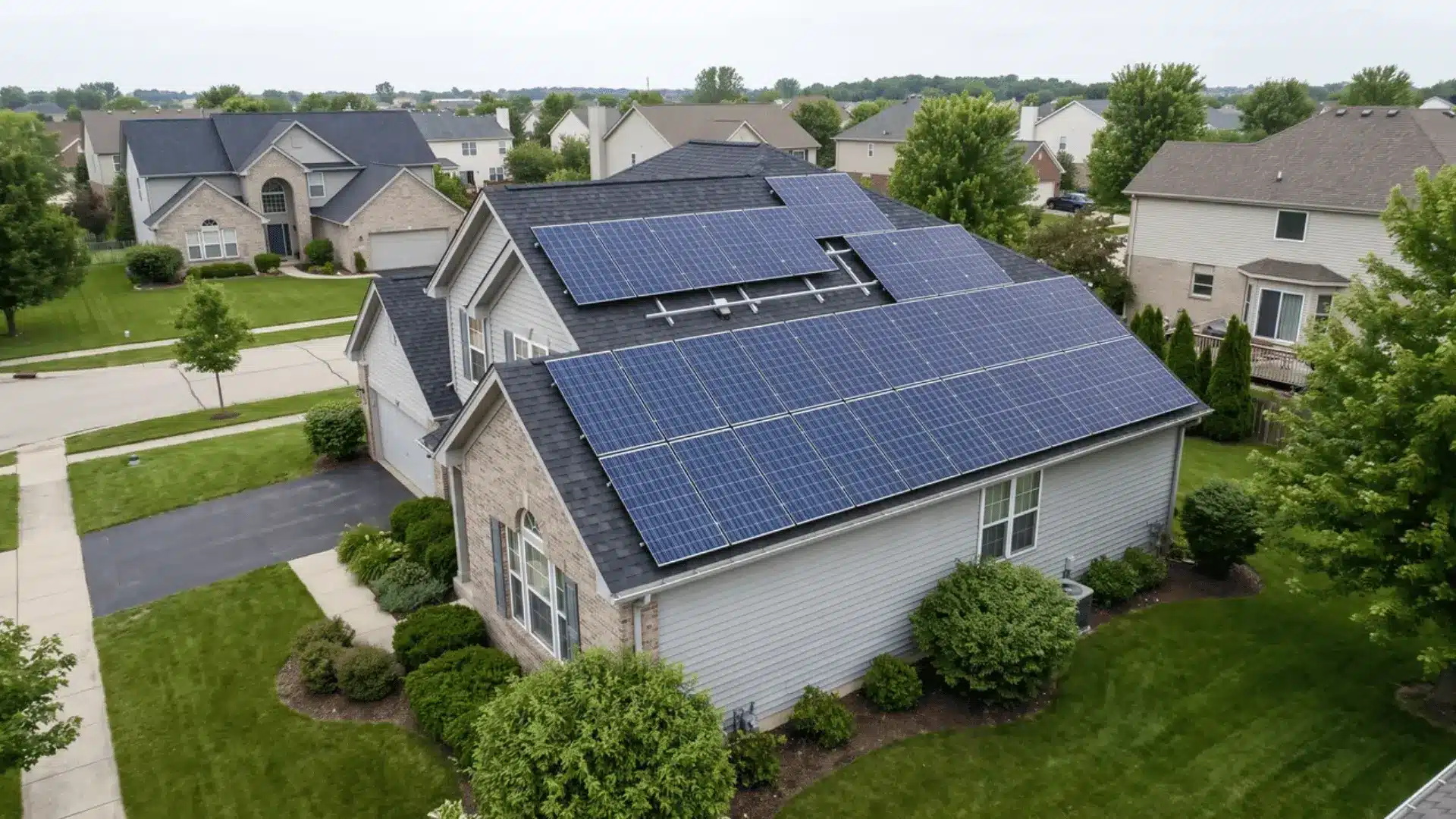
9. Solar Shingles and Solar Roofing
Solar shingles and integrated solar roofing generate electricity rather than relying only on reflective surfaces to reduce heat gain. Their low-profile appearance can blend more smoothly with the roof than conventional panels.
Performance depends on sunlight, roof orientation, slope, shading, and system design. Installation is specialized, costs are high, and future repairs may be more complex than standard roofing work.
How Cool Roofs Reduce Home Energy Use
Cool roofs control solar heat before it enters the home, helping indoor spaces remain comfortable while reducing pressure on air-conditioning systems.
- Sunlight reaches the roof: The roof surface receives direct solar radiation, especially during clear, hot, and sunny weather.
- Reflective materials redirect sunlight: Cool roofing sends more solar energy away instead of allowing the surface to absorb excessive heat.
- Thermal emittance releases heat: The roofing material quickly releases much of the heat it absorbs back into the surrounding air.
- Lower temperatures protect the attic: A cooler roof limits heat transfer into the attic, insulation, ceilings, and rooms below.
- Cooling demand may decrease: Reduced indoor heat gain allows the air-conditioning system to run less frequently during warm periods.
Actual savings depend on climate, roof area, insulation, air leakage, shading, electricity rates, thermostat settings, and the overall condition of the building.
Solar Reflectance and Thermal Emittance Explained
Solar reflectance measures how much sunlight a roofing surface sends back instead of absorbing as heat. A higher reflectance value generally means the roof remains cooler under direct sunlight.
Thermal emittance describes how effectively the material releases absorbed heat into the surrounding air. The solar reflectance index combines both measurements to estimate how hot a roofing surface may become compared with standard black and white surfaces.
For example, a dark conventional asphalt roof absorbs more solar energy and can transfer additional heat into the attic. A light-coloured metal roof or reflective cool-roof membrane reflects more sunlight and releases heat faster, helping reduce rooftop temperatures.
However, actual performance also depends on roof age, surface cleanliness, climate, insulation, ventilation, shading, and the quality of installation.
Insulation and Attic Ventilation
Energy-efficient roofing performs best when insulation, ventilation, and air sealing work together to control heat, moisture, and indoor comfort.
1. Roof and Attic Insulation
Roof and attic insulation slows conductive heat transfer between hot roofing materials, attic spaces, ceilings, and occupied rooms below.
Proper insulation helps homes stay cooler in summer and warmer in winter, reducing pressure on heating and cooling equipment. The suitable insulation type, thickness, and performance rating depend on local climate, roof design, building age, moisture conditions, and applicable construction requirements.
2. Soffit and Ridge Ventilation
Balanced soffit and ridge ventilation creates a continuous airflow path through the attic. Soffit vents draw cooler outdoor air inward, while ridge vents allow warm, moist air to escape near the roof peak.
This movement can reduce trapped heat and condensation. Adding exhaust vents without enough intake ventilation may create airflow, pressure imbalances, or moisture problems instead of improving performance.
3. Air Sealing
Air sealing closes gaps that allow conditioned air to leak between living spaces and the attic. Common problem areas include recessed lights, duct openings, plumbing pipes, wiring penetrations, wall top plates, and attic hatches.
Sealing these leaks before adding insulation improves comfort, limits energy waste, reduces moisture movement, and helps new insulation deliver more consistent performance throughout the home overall.
Best Energy Efficient Roofing by Climate
Climate strongly influences roof performance, so compare materials by local heat, humidity, snow, wind, salt exposure, and supporting installation requirements.
| Climate | Suitable Roofing Options | Important Supporting Features |
|---|---|---|
| Hot and sunny | Cool metal, clay tile, concrete tile, reflective shingles | High reflectivity, attic ventilation, and radiant heat control |
| Hot and humid | Coated metal, cool shingles, suitable tile | Moisture management, balanced ventilation, and mold resistance |
| Cold and snowy | Metal, slate, durable cool-rated products | Strong insulation, ice-dam prevention, and safe snow shedding |
| Mixed climate | Metal, cool shingles, clay or concrete tile | Balanced performance across changing seasonal temperatures |
| High-wind area | Wind-rated metal, shingles, or tile | Secure fastening and tested installation systems |
| Coastal area | Corrosion-resistant metal, tile, or slate | Salt-resistant coatings, fasteners, flashing, and regular inspections |
Local building codes, storm risks, roof slope, structural capacity, and contractor experience should guide the final choice beyond climate alone.
Improving the Efficiency of an Existing Roof
Homeowners can improve roof performance without full replacement by addressing reflective surfaces, insulation, air leaks, ventilation, and inefficient attic ductwork.
- Apply a compatible cool roof coating: A reflective coating can reduce heat absorption on suitable metal, membrane, or low-slope roofs after repairs and surface preparation.
- Improve attic insulation: Adding or replacing insulation helps slow heat transfer, especially where existing material is thin, compressed, damaged, or unevenly installed.
- Seal attic air leaks: Close gaps around lights, pipes, wiring, ducts, wall plates, and attic hatches to reduce conditioned-air loss.
- Correct attic ventilation: Balanced intake and exhaust vents help remove trapped heat and moisture without creating pressure problems or ineffective airflow.
- Repair and insulate ductwork: Sealing leaky attic ducts and improving insulation prevents cooled air loss before it reaches the home’s rooms.
These upgrades work best after a professional inspection identifies moisture, structural damage, blocked vents, worn coatings, and other conditions limiting roof efficiency.
Energy Efficient Roof Certifications and Ratings
Roofing certifications and ratings help buyers compare verified performance instead of relying only on marketing claims.
Check the product’s published solar reflectance, which shows how much sunlight the surface reflects, and its thermal emittance, which measures how effectively absorbed heat is released.
The solar reflectance index combines both values to estimate surface temperature performance. Buyers should also review independent product testing, climate-specific standards, warranty terms, and compliance with local building codes.
Some ratings may vary by color, coating, finish, or product line, so confirm that the listed values apply to the exact roofing material being installed.
Ask the manufacturer or contractor for current technical documents, testing certificates, and warranty details before making a final decision. Verified ratings make it easier to compare products fairly and choose roofing suited to local conditions.
Final Thoughts
The right roof should control heat, support indoor comfort, and suit the way your home is built.
Energy efficient roofing works best when reflective materials, thermal emittance, insulation, ventilation, and air sealing are considered together.
Metal, tile, cool shingles, coatings, and low-slope membranes can all perform well, but climate, roof structure, maintenance, and budget should guide the final choice.
I recommend checking verified product ratings instead of relying on color or advertising claims alone.
You should also inspect the attic before replacing the roof, since poor insulation or blocked ventilation can limit the benefits of a better surface.
Compare installation quotes, review warranties, and choose the system that fits your home for the long term.
Frequently Asked Questions
What is the most energy-efficient roofing material?
Metal roofing with a cool-roof coating consistently scores highest on combined solar reflectance and thermal emittance. Tile is a close second; its natural emittance is strong, and the air gap between tile and deck adds passive insulation. The best choice for your home depends on climate, roof pitch, and budget. In hot climates, both outperform asphalt by a meaningful margin.
What roofing products qualify for the federal energy tax credit?
Products that meet Energy Star’s cool roof criteria may qualify for the federal residential energy efficiency tax credit. For steep-slope roofs, that means hitting a minimum solar reflectance threshold. Eligibility and credit amounts change with legislation, so verify current figures at energystar.gov or with a tax professional before you buy.
Is a metal roof worth the higher upfront cost for energy savings alone?
In hot, cooling-dominated climates, the payback period on energy savings typically runs 15–25 years, which aligns with metal’s lifespan advantage over asphalt. In mixed or colder climates, the energy savings are smaller, and the cost case weakens. There, durability and longevity carry more of the justification than efficiency alone.
Does attic insulation matter more than roofing material for energy efficiency?
Both matter, but they do different jobs. The roof surface controls how much solar heat enters the attic. Insulation controls how much of that heat moves from the attic into your living space. A high-performance roof over poor insulation still underperforms, and so does good insulation under a low-SR roof. The biggest gains come from addressing both together.