



Solar power sounds clean, but the full environmental story is more complicated than a sunny rooftop and a lower electricity bill.
If you are asking, “Are solar panels bad for the environment?”, the honest answer is that they create impacts during manufacturing, transportation, land use, and disposal.
I also know these concerns can feel confusing when one source describes solar as completely clean while another focuses only on mining, chemicals, or future waste. Looking at the pros and cons of solar panels across their full lifecycle provides a clearer answer.
The key is to compare their upfront environmental costs with the emissions they avoid during decades of electricity generation. Carbon payback, panel lifespan, project location, recycling access, and the electricity source being replaced all influence the final environmental outcome.
Are Solar Panels Actually Bad for the Environment?
Solar panels are not environmentally neutral, but their manufacturing footprint is finite, front-loaded, and generally outweighed by decades of lower-emission electricity generation.
Most of the environmental cost is concentrated at two points: manufacturing and end-of-life management. Both occur before or after the panel’s main operating period.
During the years between those stages, a photovoltaic panel generates electricity without burning fuel. It does not directly release carbon dioxide, smoke, sulfur dioxide, or nitrogen oxides while operating.
The right question is not whether solar energy causes any harm. Almost every energy source requires materials, land, infrastructure, and transportation. The better question is whether solar’s total lifecycle damage is greater or smaller than the energy source it replaces.
When solar displaces electricity generated from coal or natural gas, its lifetime environmental benefit is usually much greater than its initial manufacturing cost.
How Solar Panels Affect the Environment
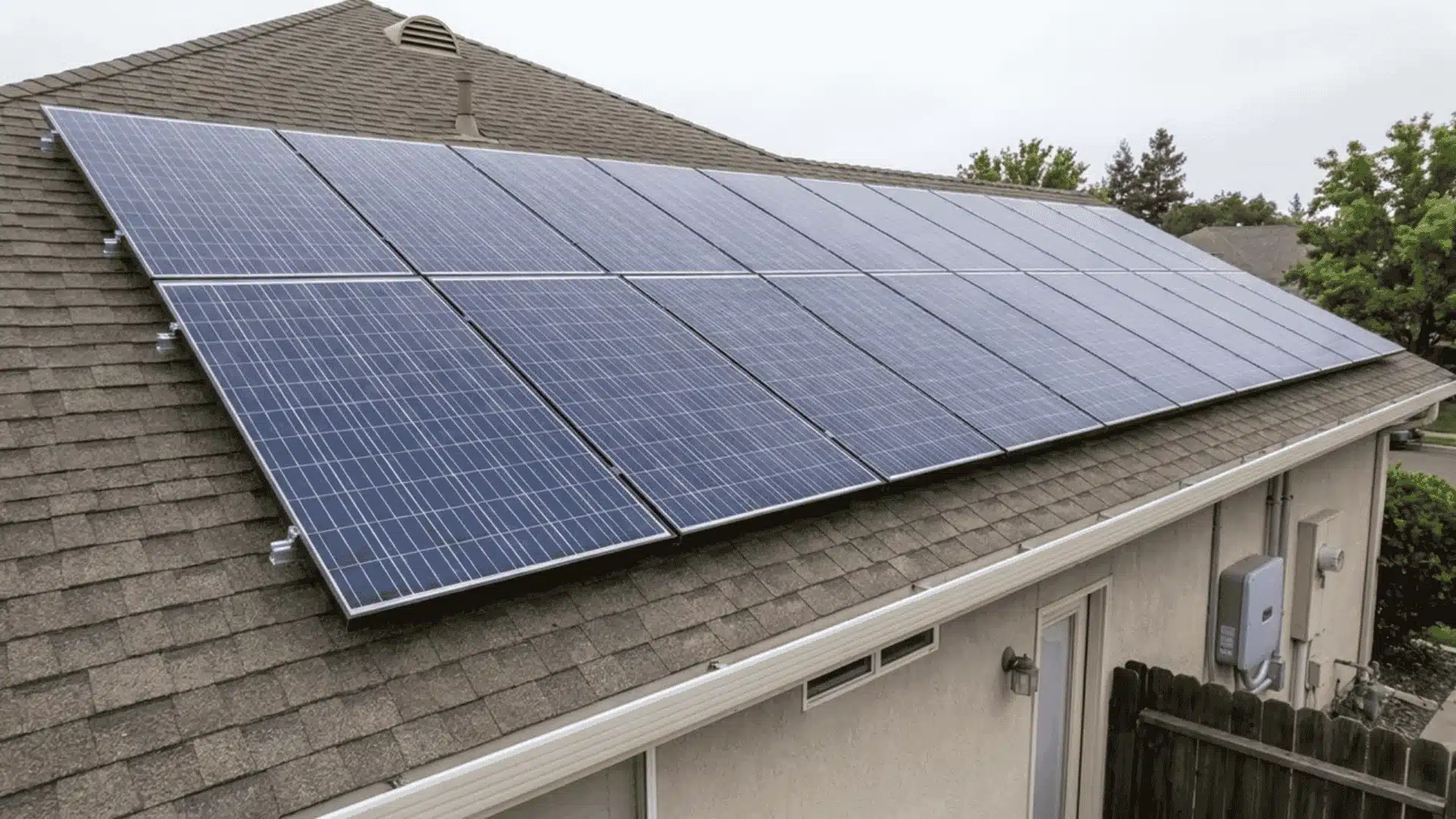
A solar panel’s footprint develops across its entire lifecycle. Looking only at rooftop operation hides the manufacturing impact, while looking only at production ignores decades of electricity generation.
The main stages include:
- Mining and processing raw materials
- Manufacturing solar cells and modules
- Transporting equipment
- Installing panels and electrical components
- Generating electricity
- Maintaining or replacing equipment
- Removing, reusing, recycling, or discarding panels
Mining, manufacturing, and disposal create the largest concerns. Operational impacts are generally smaller because photovoltaic panels do not require a continuous supply of fuel.
This is one of the main differences between solar and fossil-fuel electricity. A coal or gas plant continues extracting, transporting, and burning fuel whenever it produces power. Solar requires a larger upfront material investment but does not repeat that fuel cycle every day.
What Manufacturing a Solar Panel Costs the Planet
Most of a solar panel’s environmental cost is paid before installation. Silicon purification, cell production, glass manufacturing, aluminum processing, assembly, and international transportation all require energy.
Silicon used in common photovoltaic panels must be processed at high temperatures. The electricity source powering that process strongly affects the panel’s embedded carbon footprint.
A factory relying heavily on coal produces panels with a larger manufacturing footprint than a facility powered by lower-carbon electricity. Factory efficiency, material use, production waste, and pollution controls also influence the result.
Several factors drive manufacturing impact:
- Factory electricity: Silicon processing and module production consume energy. Cleaner factory grids reduce embedded emissions.
- Material production: Aluminum, glass, copper, silver, and plastics require mining, refining, and industrial processing.
- Chemical handling: Silicon cell production may use substances such as hydrofluoric acid and silicon tetrachloride.
- Water demand: Manufacturing facilities need water for cleaning, cooling, and processing.
- Transportation: Materials and finished panels may travel between several countries before reaching an installation site.
Manufacturing chemicals present the greatest risk to factory workers and nearby environments when storage, handling, or wastewater controls are weak. They are not normally released by an intact residential panel after installation.
The panel’s embedded carbon is largely fixed when it leaves the factory. Depending on the technology, manufacturing location, power source, and expected output, lifecycle emissions may fall within a range of roughly 20 to 50 grams of carbon dioxide equivalent per kilowatt-hour.
That footprint is real, but it does not continue rising every year after installation.
Mining Materials Used in Solar Panels
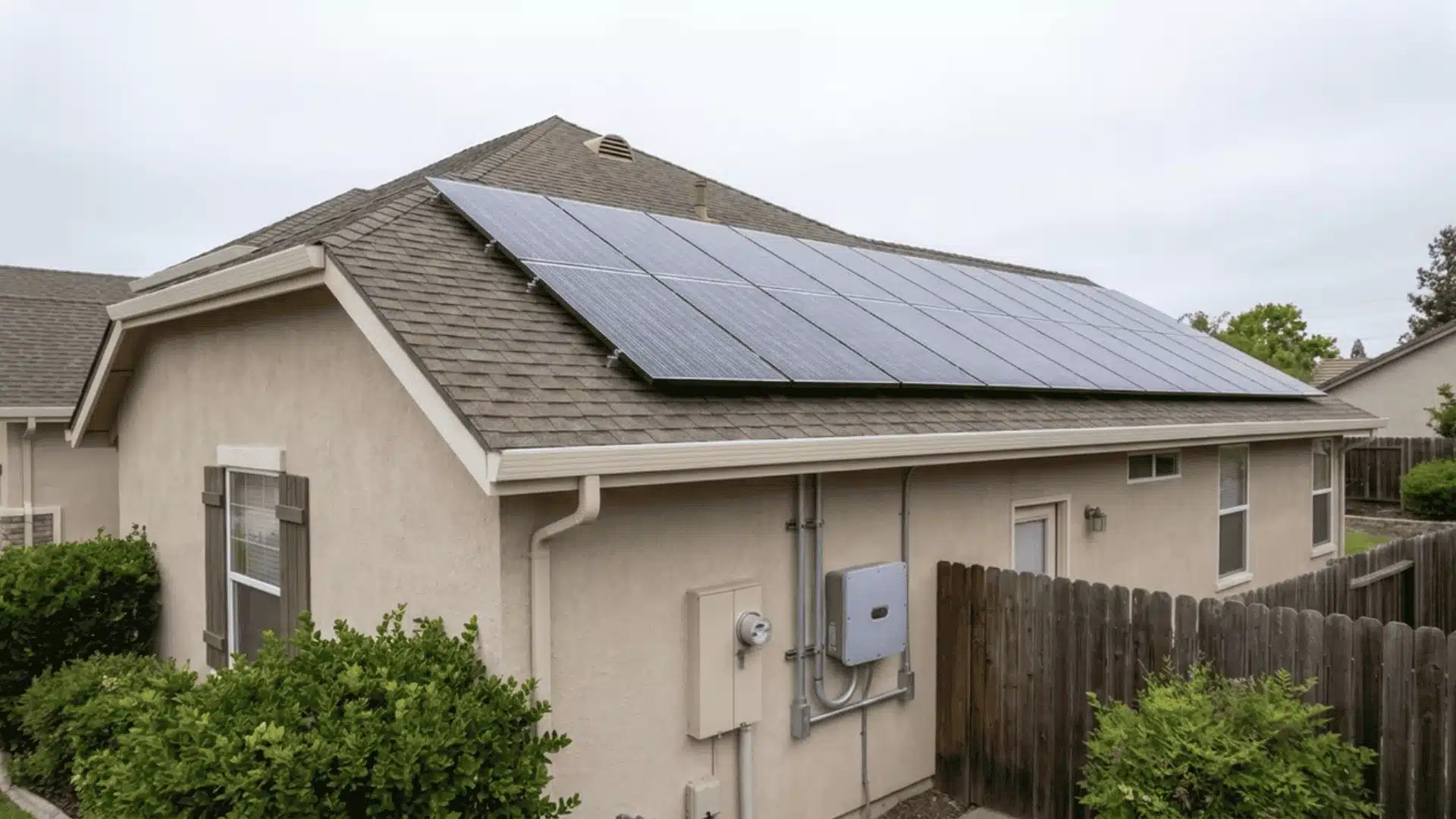
Solar panels rely on mined materials whose extraction can affect land, water, air quality, ecosystems, and surrounding communities during production.
1. Habitat and Soil Disturbance
Mining quartz, aluminum, copper, and silver can remove vegetation, strip topsoil, and reshape natural terrain. Roads, pits, and waste piles may fragment habitats and disturb wildlife movement.
Poorly restored sites can also increase erosion, reduce soil fertility, and leave surrounding ecosystems vulnerable long after active mining operations have ended in the affected area, unless companies complete careful rehabilitation and monitoring.
2. Water and Air Pollution
Mining and mineral processing can release dust, wastewater, and chemical residues when controls are weak. Airborne particles may affect workers and nearby communities, while contaminated runoff can enter rivers, groundwater, or farmland.
Water-intensive processing may also strain local supplies, especially in dry regions where communities, agriculture, and ecosystems already compete for limited resources during both seasonal droughts and prolonged shortages.
3. Responsible Material Sourcing
Manufacturers can reduce mining impacts by using recycled aluminium, copper, and glass, selecting suppliers with stronger environmental standards, and improving material efficiency.
Panel designs that require less silver or other scarce resources can further lower pressure on extraction. Transparent supply chains, independent audits, safer mining methods, and effective site restoration also support more responsible sourcing across the entire solar industry.
Do Solar Panels Produce Pollution While Operating?
Photovoltaic panels generate electricity without combustion. They do not need coal, oil, or natural gas to produce power once installed.
During normal operation, panels do not directly emit:
- Carbon dioxide
- Smoke
- Soot
- Sulphur dioxide
- Nitrogen oxides
- Combustion particles
There are still indirect impacts. Maintenance vehicles use fuel, damaged electrical equipment may require replacement, and panel washing can consume water.
Battery storage also carries a separate manufacturing footprint when included in a solar system. Batteries require mined materials, factory energy, transportation, safety controls, and end-of-life management.
These supporting impacts should be included in a complete assessment, but they are generally much smaller than the continuous pollution produced by burning fossil fuels.
Land Use and Habitat: Rooftop Solar vs. Utility-Scale Farms
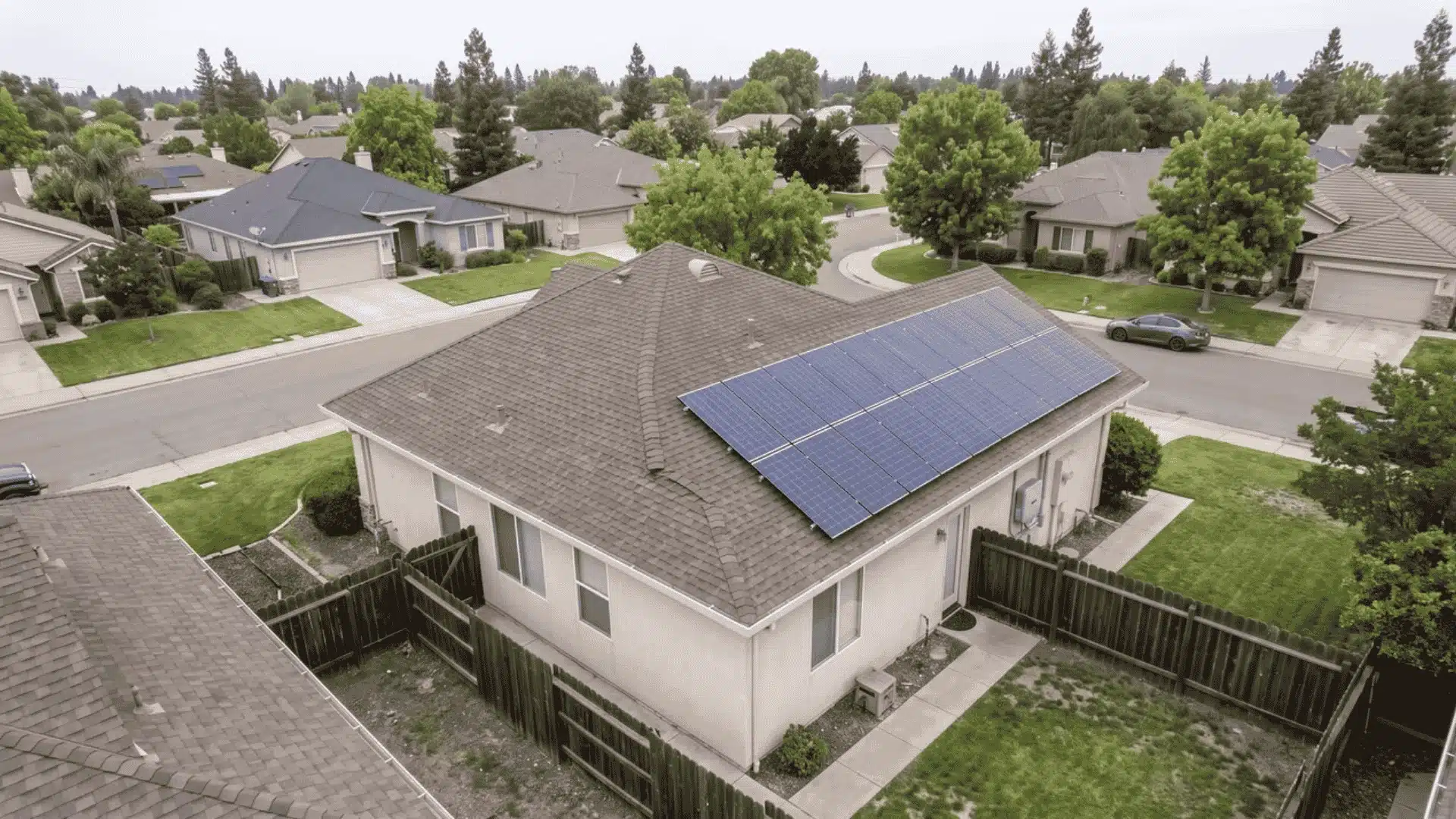
For rooftop installations, land use is a non-issue. For utility-scale farms, the environmental outcome depends almost entirely on where the project is sited and how.
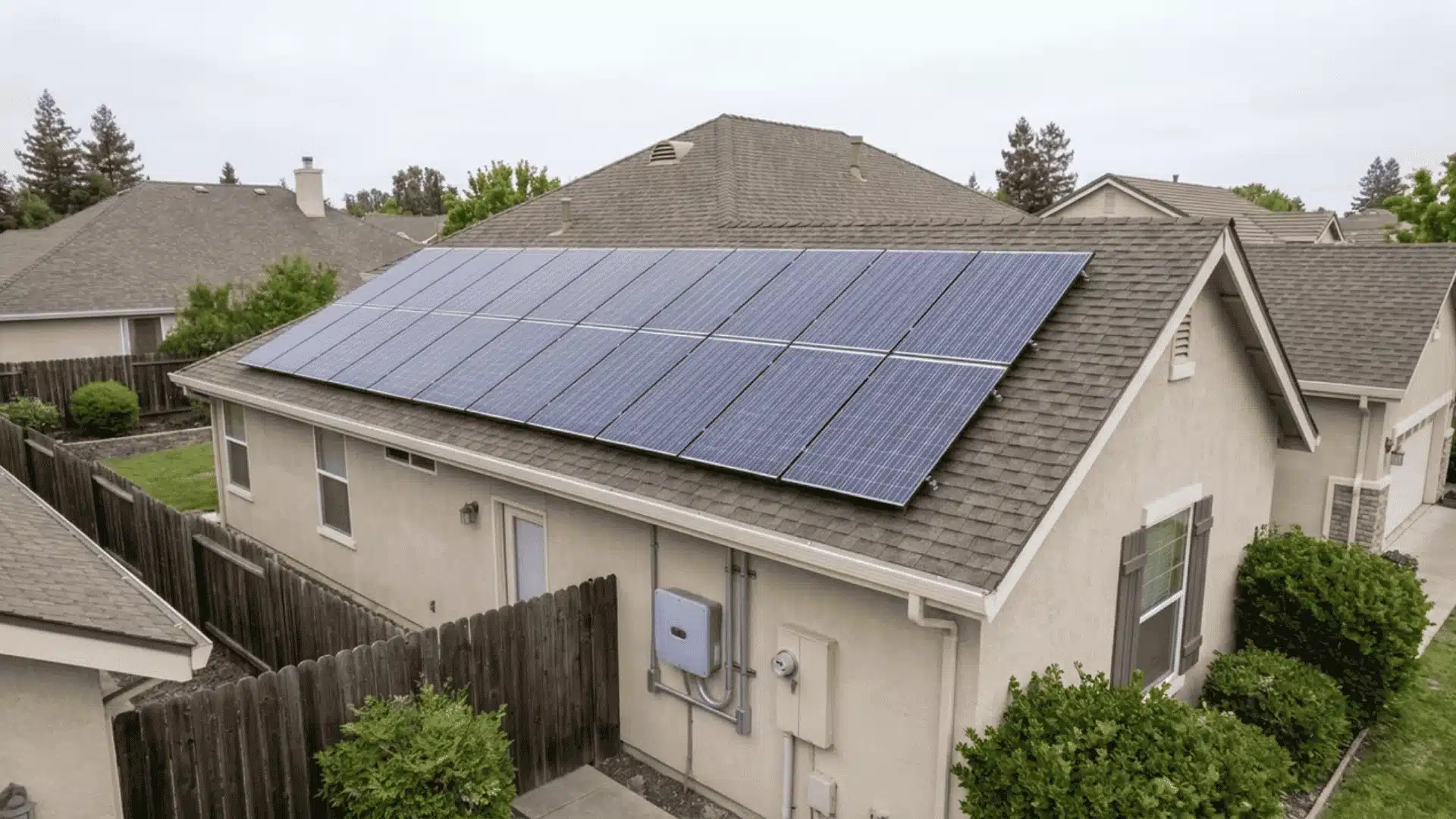
Rooftop solar occupies surfaces that already exist. No habitat is cleared, no hydrology is altered, and no land changes hands. The land-use concern simply does not apply here.
Utility-scale farms are a different category entirely. Habitat fragmentation, altered water runoff, and displacement of existing land uses are real risks that responsible siting decisions can reduce but not eliminate entirely.
Agrivoltaics and floatovoltaics move beyond mitigation. They represent siting models where the solar installation actively produces a secondary environmental benefit rather than just minimizing a tradeoff.
Where solar is placed matters as much as whether it is placed. The technology is not the variable. The siting decision is.
The Solar Panel Waste Problem
Panel waste is a growing concern, but whether it becomes a serious environmental crisis depends heavily on collection systems, recycling economics, and regulation.
Many early solar installations will reach retirement during the 2030s and 2040s. Other panels may be removed sooner because of storm damage, roof repairs, installation failures, transportation breakage, or upgrades.
A panel reaching the end of its original warranty is not always unusable. Many continue producing electricity at a lower output and may be suitable for sheds, farms, workshops, off-grid systems, or lower-demand projects.
Premature disposal increases waste and reduces the environmental value gained from the manufacturing footprint.
The landfill concern is genuine in places where disposal is cheaper than recycling. Without take-back rules or dedicated collection systems, owners and installers may have little financial incentive to transport bulky panels to specialist facilities.
The problem is therefore partly technical, but it is also economic and regulatory.
How Solar Energy Can Reduce Its Environmental Footprint
Solar energy can become cleaner through decisions made by manufacturers, developers, regulators, installers, and panel owners.
The most useful improvements include:
- Powering factories with lower-carbon electricity.
- Reducing silver and other resource-intensive materials.
- Increasing recycled aluminum, copper, silicon, and glass.
- Strengthening chemical and wastewater controls.
- Designing panels for repair and disassembly.
- Prioritizing rooftops, car parks, brownfields, and disturbed land.
- Protecting native plants and wildlife corridors.
- Using agrivoltaics where farming and solar can coexist.
- Keeping functional panels in service longer.
- Expanding manufacturer take-back and recycling programs.
A panel that performs efficiently for 30 years has a smaller environmental impact per unit of electricity than one discarded after ten years.
Conclusion
Solar panels have an environmental footprint, but that footprint must be judged across their lifecycle.
Manufacturing uses energy and chemicals, solar farms can affect habitats, and weak recycling rules may send old panels to landfill.
However, carbon payback usually happens within a few years, followed by decades of electricity with far lower lifecycle emissions than fossil fuels.
When you ask, “Are solar panels bad for the environment?”, I think the fairest answer is that they cause manageable harm while replacing a more damaging energy system.
You can improve the outcome by choosing efficient panels, using existing rooftops, checking recycling options, and supporting responsible siting. Share your view or read my related solar guides next.
Frequently Asked Questions
Are solar panels bad for the environment overall?
No. Solar panels carry a real but finite environmental footprint concentrated at manufacturing and end-of-life disposal. Over a 25 to 30 year operating life, a panel generates electricity at a lifecycle emissions rate roughly 20 times lower than coal. The manufacturing cost is outweighed by the clean generation that follows, typically within 1 to 4 years of installation.
How long does it take for a solar panel to offset its manufacturing carbon footprint?
Between 1 and 4 years, depending on three variables: panel technology, local solar irradiance, and the carbon intensity of the grid the panel displaces. Monocrystalline panels in sunny, coal-heavy grid regions pay back fastest. After payback, every year of remaining operating life generates a net environmental return that compounds across the panel’s full lifespan.
Do solar panels leak toxic chemicals into the ground?
Residential solar panels are made of silicon, aluminium, and glass, all sealed and non-porous. Under normal operating conditions they do not leach chemicals into soil or groundwater. The hazardous chemicals used during manufacturing are an occupational risk at the production facility. They do not travel with the panel after it ships.
Is utility-scale solar farming bad for the environment?
It carries real risks that rooftop solar does not. Large ground-mounted installations can fragment habitat, alter local hydrology, and displace existing land uses. Responsible siting, buffer zones, and dual-use models like agrivoltaics and floatovoltaics materially reduce those impacts. Where regulation requires responsible siting, the environmental tradeoff shrinks significantly.