


Installing solar panels feels like the big step, but what happens afterward matters just as much. I have seen homeowners expect their electric bill to disappear, only to wonder why charges remain or why the house loses power during an outage.
Learning how to use solar panels helps you understand where the electricity goes, when your home pulls power from the grid, and how batteries change the process.
Your setup also affects everything. A grid-tied home, an off-grid cabin, and a balcony solar unit each work differently.
Once you understand how solar energy works and how sunlight is converted into usable electricity, the system feels far less confusing.
You can plan energy use more carefully, read your bill with confidence, and get more value from every unit your panels produce each day.
What Type of Solar Setup Determines How You’ll Use It
The way you use solar power depends on the type of system installed. Start by identifying which of these three setups applies to you:
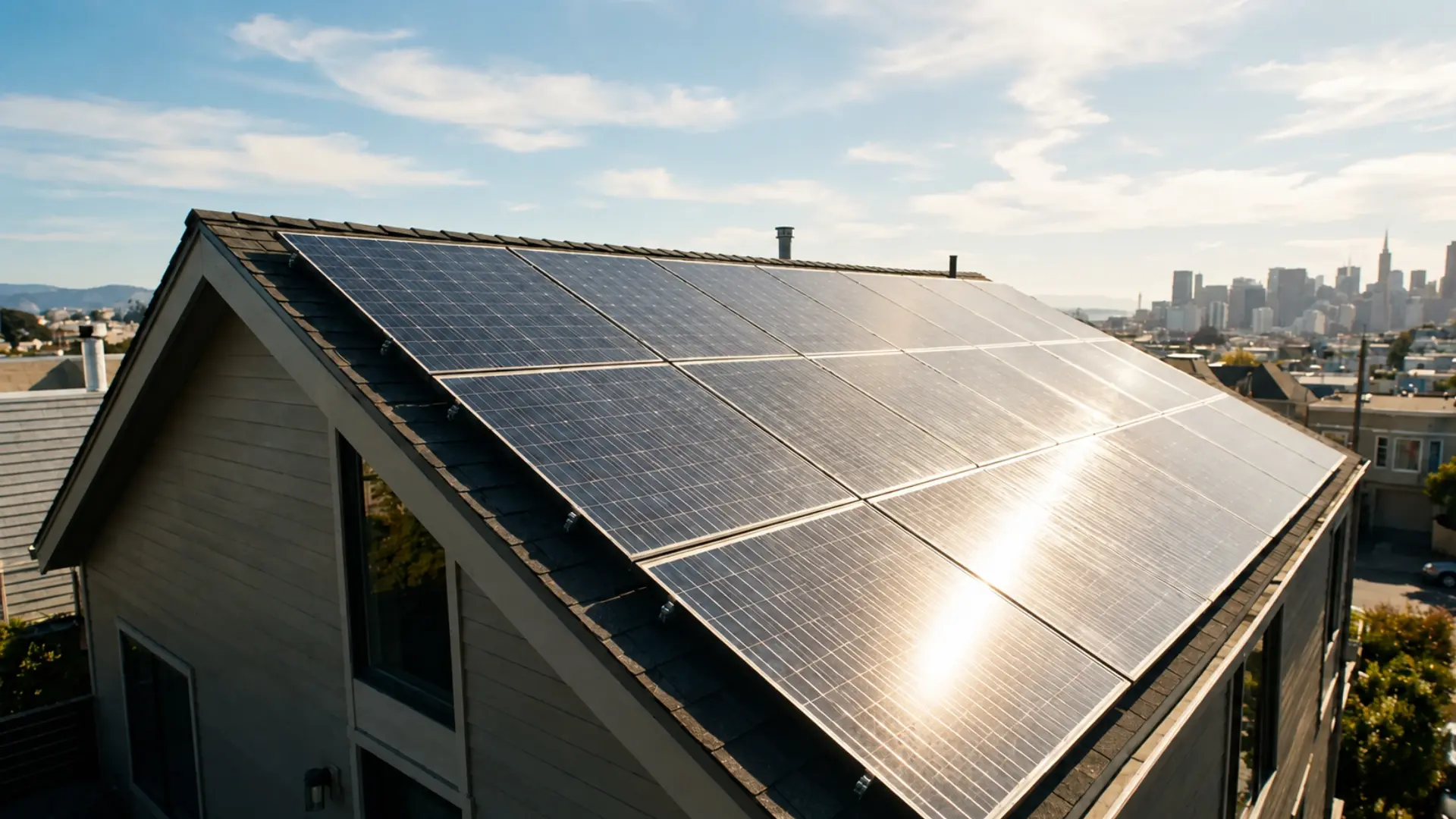
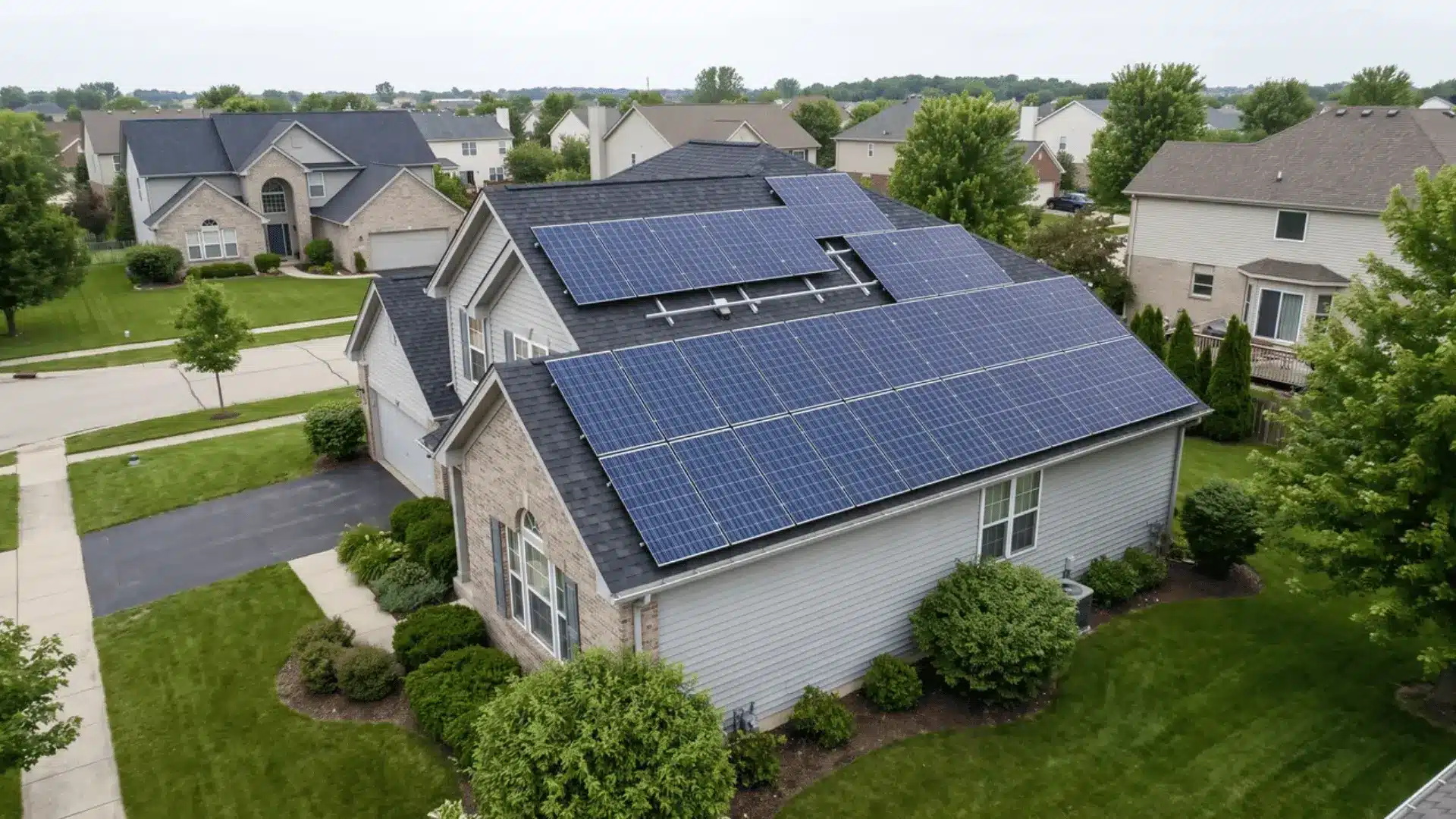
- Grid-tied systems: These connect to the local utility grid. Your home uses solar power first, and any excess electricity may flow back to the grid for billing credits.
- Off-grid and RV systems: These operate without a utility connection. Solar energy must be stored in batteries because there is no grid power available as backup.
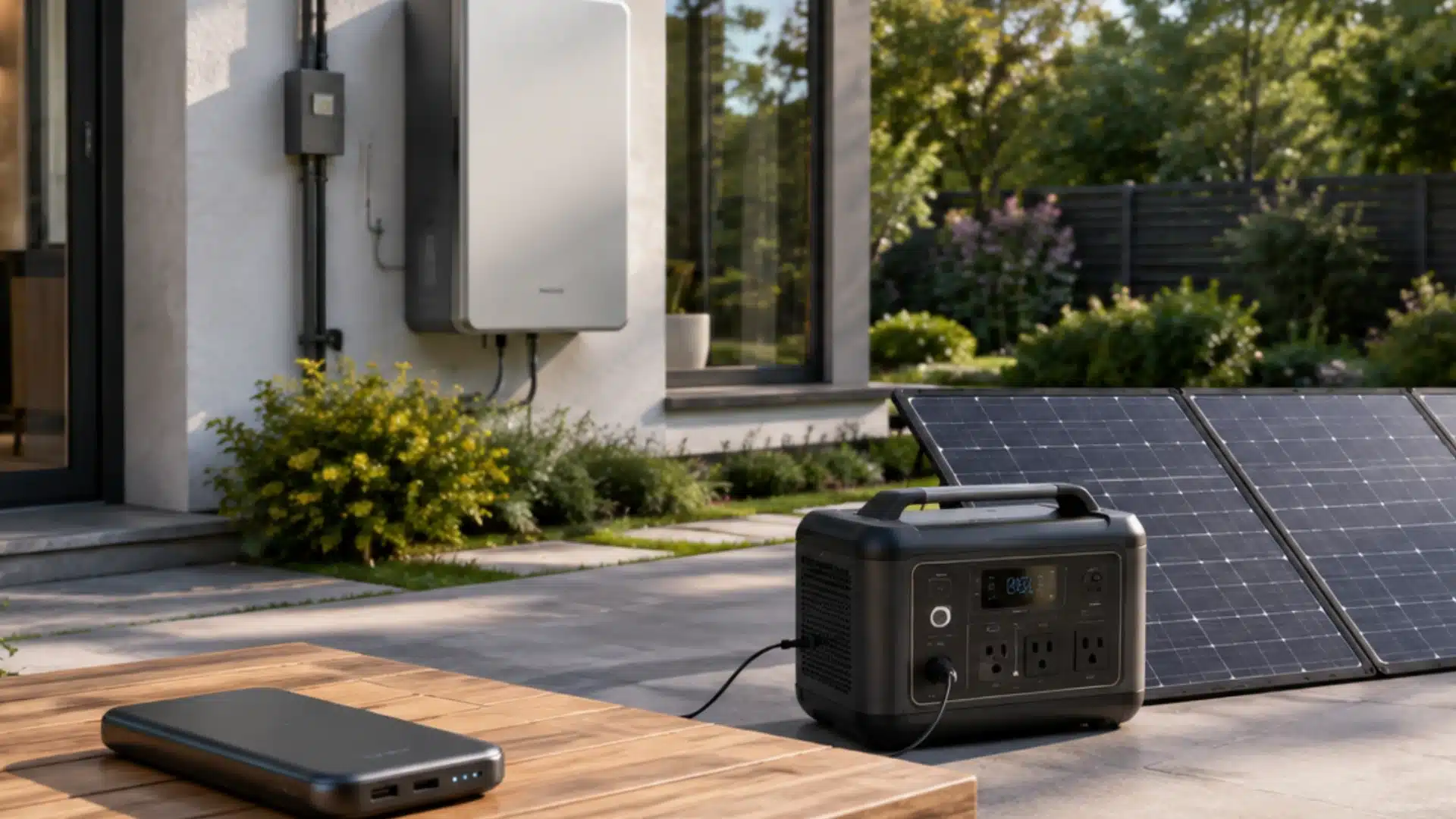
- Plug-and-play systems: These small units usually include a 100- to 400-watt panel and a compatible inverter. They reduce daytime grid use but cannot power an entire home.
Once you identify your system type, it becomes much easier to understand how electricity moves, where extra power goes, and what happens when solar production drops.
How Each System Actually Operates Once the Sun Hits the Panel
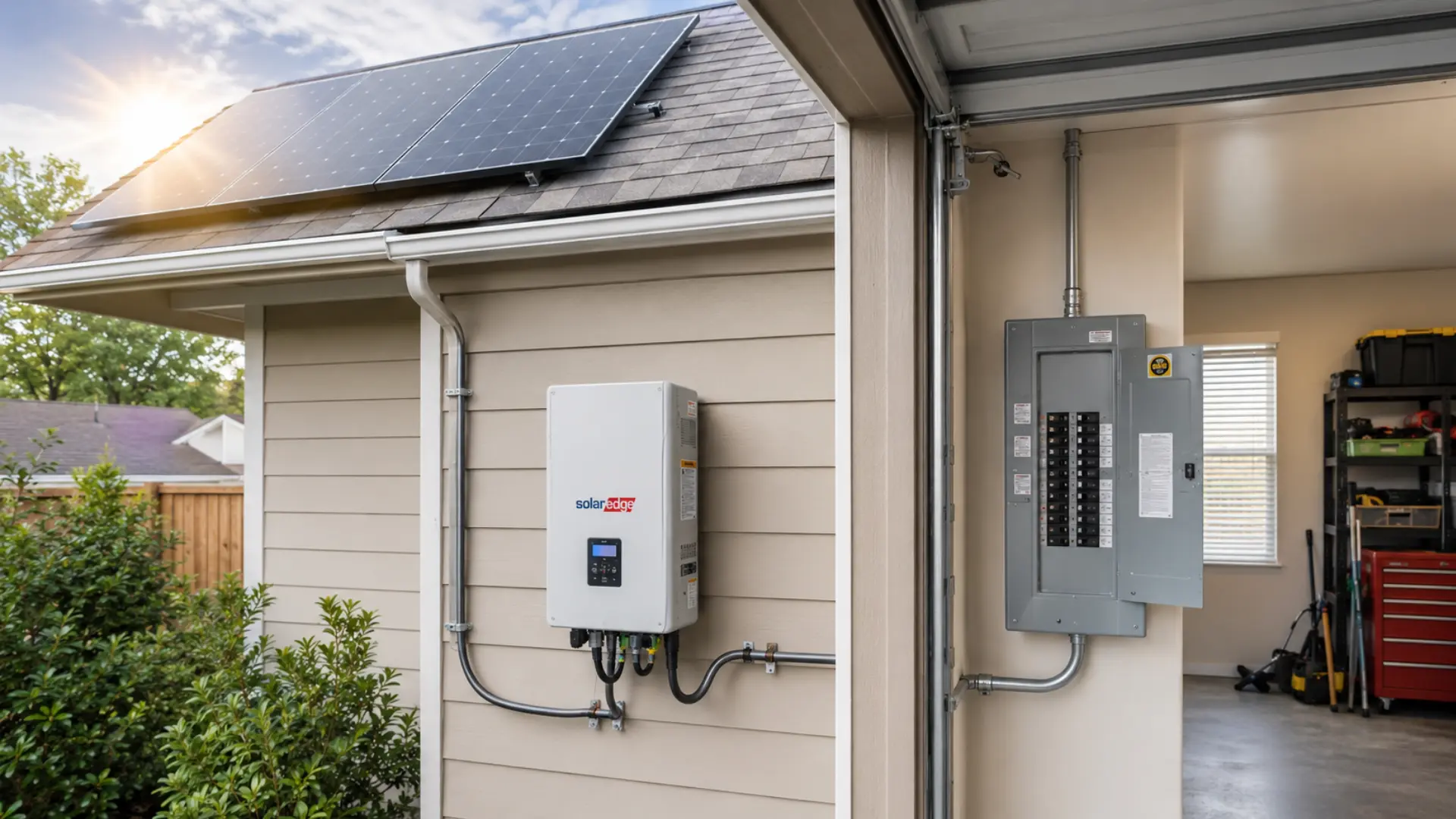
Every solar setup, regardless of type, follows the same core mechanism: panels generate Direct Current (DC) power, and that DC must be converted into Alternating Current (AC) before it can power anything in your home. This conversion happens through an inverter, and it’s the one step that nothing works without.
1. Grid-Tied Operation
Sunlight strikes the panels, generating DC electricity. A string inverter or microinverter converts it into AC electricity.
Your home uses that power first, while any excess passes through a bidirectional meter to the utility grid and may earn credits.
2. Off-Grid or RV Operation
Panels generate DC power just like a grid-tied system, but instead of going to a home or the grid, it first passes through a charge controller.
The controller prevents your batteries from overcharging while storing the energy. When you need power, an inverter pulls it from the batteries and converts it to AC on demand.
3. Plug-and-Play Operation
This is where most confusion happens. The panel still generates raw DC power, but it can’t go straight into your outlet. It first passes through a grid-tie micro-inverter, which converts it to AC and detects your home’s grid power.
If the grid goes down, the micro-inverter halts production automatically to prevent dangerous backfeeding into your wiring.
Why You Can’t Just Plug a Panel Into an Outlet
A solar panel produces direct current, or DC, electricity, but your home’s outlets, wiring, and appliances are designed for alternating current, or AC.
That means you cannot safely connect a bare panel straight to a wall outlet. A compliant inverter must sit between the panel and your home to convert DC power into usable AC electricity.
Skipping this step can damage appliances, create electrical hazards, and violate local building or utility rules. The same applies to using an inverter that has not been approved for grid connection.
Plug-and-play solar kits may look simple, but they still use a proper microinverter to manage the conversion safely. Before installing one, check local electrical codes and utility requirements.
Some areas also require permits, inspections, or approved equipment before a unit can legally feed power into your home’s electrical system.
What Happens Before Your System Turns On
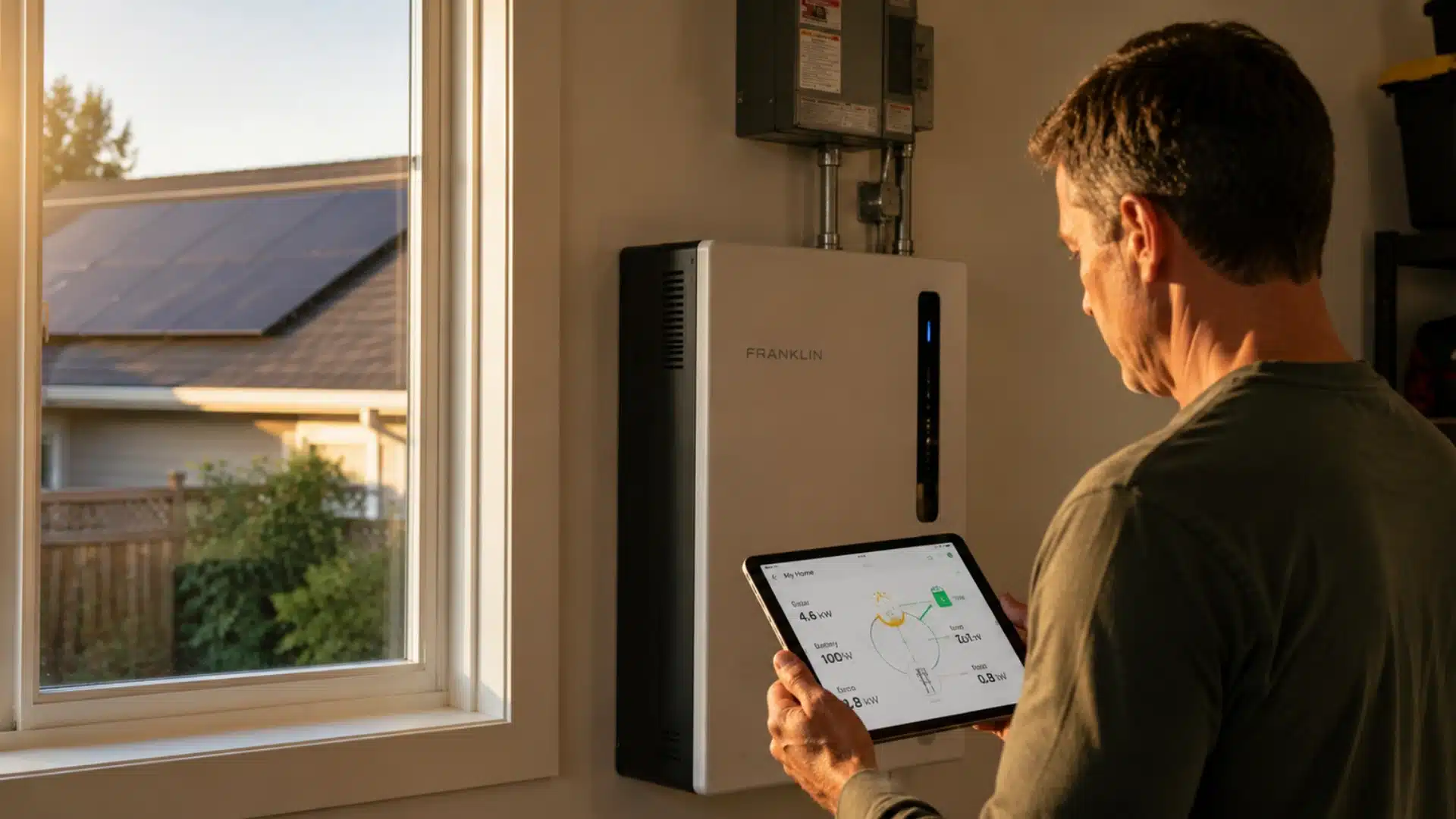
A grid-tied system doesn’t start producing usable power the moment the last panel is bolted down. Before your setup goes live, two approvals usually have to happen first.
A local inspector checks the wiring, grounding, and mounting against building and electrical codes. Once that passes, your utility company has to interconnect the system to the grid and issue what’s known as permission to operate (PTO) — sometimes it involves a technician visiting to swap in a meter that can track power flowing in both directions. Only after PTO is granted can the system legally start sending power to your home or the grid.
This step is easy to overlook because it happens after the visible installation work is done, but it’s often the reason a system sits idle for one to several weeks after the panels go up. If your production monitoring shows nothing even though the panels are physically installed, PTO status is the first thing to check with your installer or utility.
Why Your Bill Might Still Be High After Going Solar
Your solar panels may be working properly even when the electric bill remains higher than expected. The issue often comes down to when energy is produced and when it is used.
- Net metering only credits excess electricity sent to the grid. It does not cancel the power your home uses later.
- Solar panels produce the most electricity around midday, when household energy use is often lower.
- Most homes use more power in the morning and evening, when solar production is limited or unavailable.
- This timing gap forces your home to draw electricity from the grid, which keeps part of the utility bill in place.
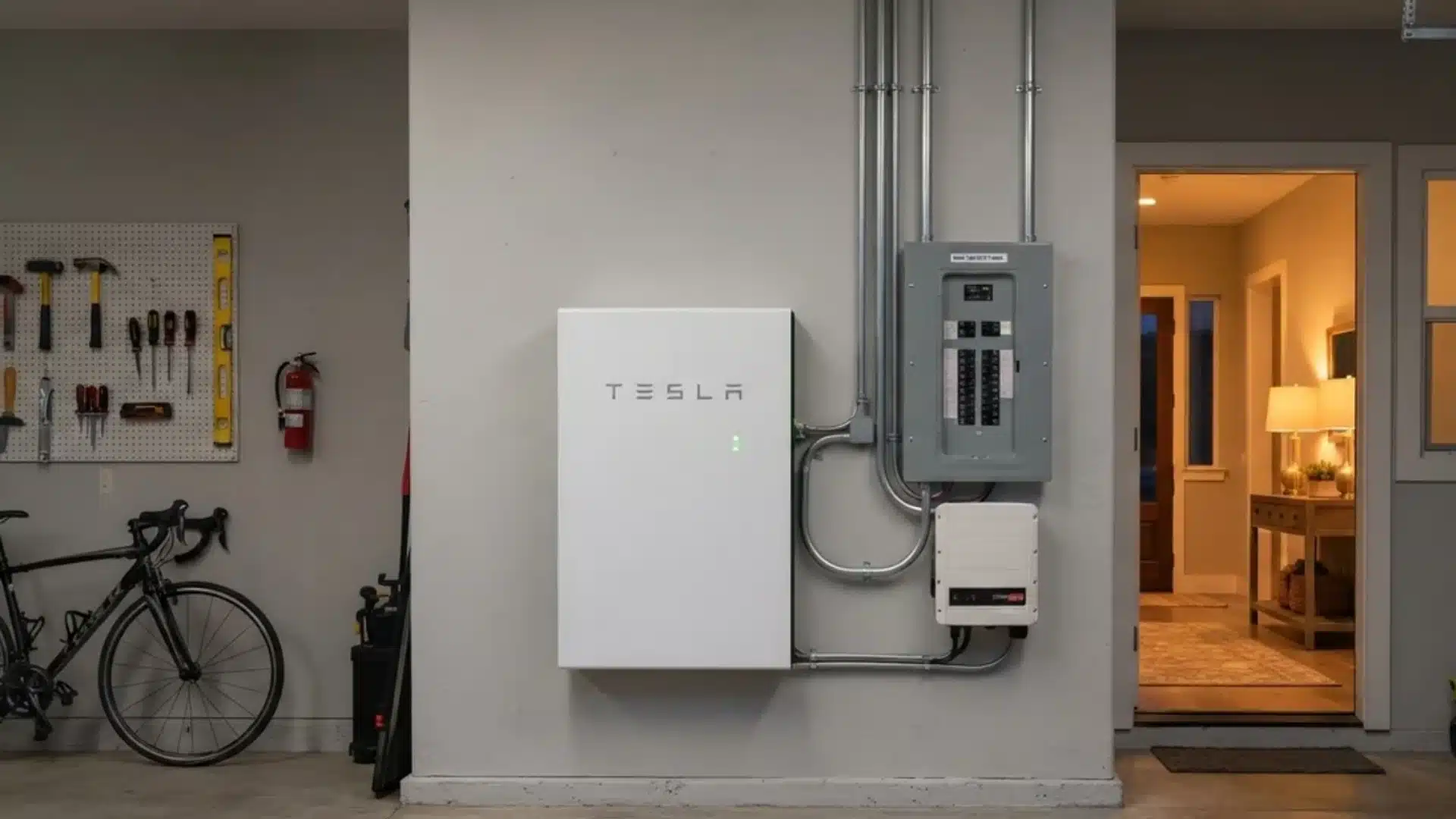
- Battery storage can store midday solar power for later use, while shifting appliance use to daylight hours can reduce grid dependence.
Matching your energy use with peak solar production can help lower costs and improve the value of your system.
How to Get More Value From the Solar Power You Generate
Producing solar electricity is only part of the process. Using more of that power while your panels are active can reduce the amount of electricity you need from the grid.
Run energy-heavy appliances, such as washing machines, dishwashers, pool pumps, and water heaters, during peak sunlight hours whenever possible.
Check your inverter app or monitoring system regularly to compare production with household use. A sudden drop in output may point to shade, dirt buildup, equipment trouble, or changing weather conditions.
Battery owners should also review charging settings so stored power is available during evenings, higher-rate periods, or outages.
Keep panels reasonably clean and arrange professional inspections if production falls without a clear reason. Small changes in timing and monitoring can help your system deliver steadier savings without changing its installation.
Conclusion
Getting the most from a solar system is not about constantly checking panels or watching every sunny day. It is about understanding how your setup works and making small changes that improve daily energy use.
Once I understood the basics, the numbers on my electric bill made much more sense, and I knew what to expect throughout the day.
Knowing how to use solar panels also helps you avoid common mistakes, make smarter decisions about batteries or net metering, and get better long-term value from your investment.
Every home and energy routine is different, so there is no single approach that fits everyone. How has your solar experience been so far? Share your questions, tips, or lessons in the comments below and join the conversation.
Frequently Asked Questions
Can I plug a solar panel directly into an outlet?
No. A raw panel produces DC power, which home wiring and appliances can’t use directly. It has to pass through a compliant micro-inverter first, which converts it to safe AC and syncs with the grid before it reaches an outlet. Skipping this step risks equipment damage or unsafe wiring.
How do you activate solar panels after installation?
After installation, a local inspector checks the wiring and mounting, and your utility company has to sign off with permission to operate before the system can legally start generating for your home. Once that clears, your installer or the utility flips the system on remotely or on-site, and the panels generate automatically whenever there’s daylight from then on — no manual daily “turn on” step required.
Do solar panels work without batteries?
Yes, for grid-tied systems. Power generated during the day is used immediately or sent to the grid for credit. Batteries are only required for off-grid or backup setups where there is no utility connection to fall back on at night.
Why is my electric bill still high with solar panels installed?
Usually a timing mismatch. Your panels generate most of their power midday, but much of household use happens in the morning and evening, drawing from the grid at those times. Net metering credits help but rarely eliminate the bill unless the system is sized generously or paired with storage.