
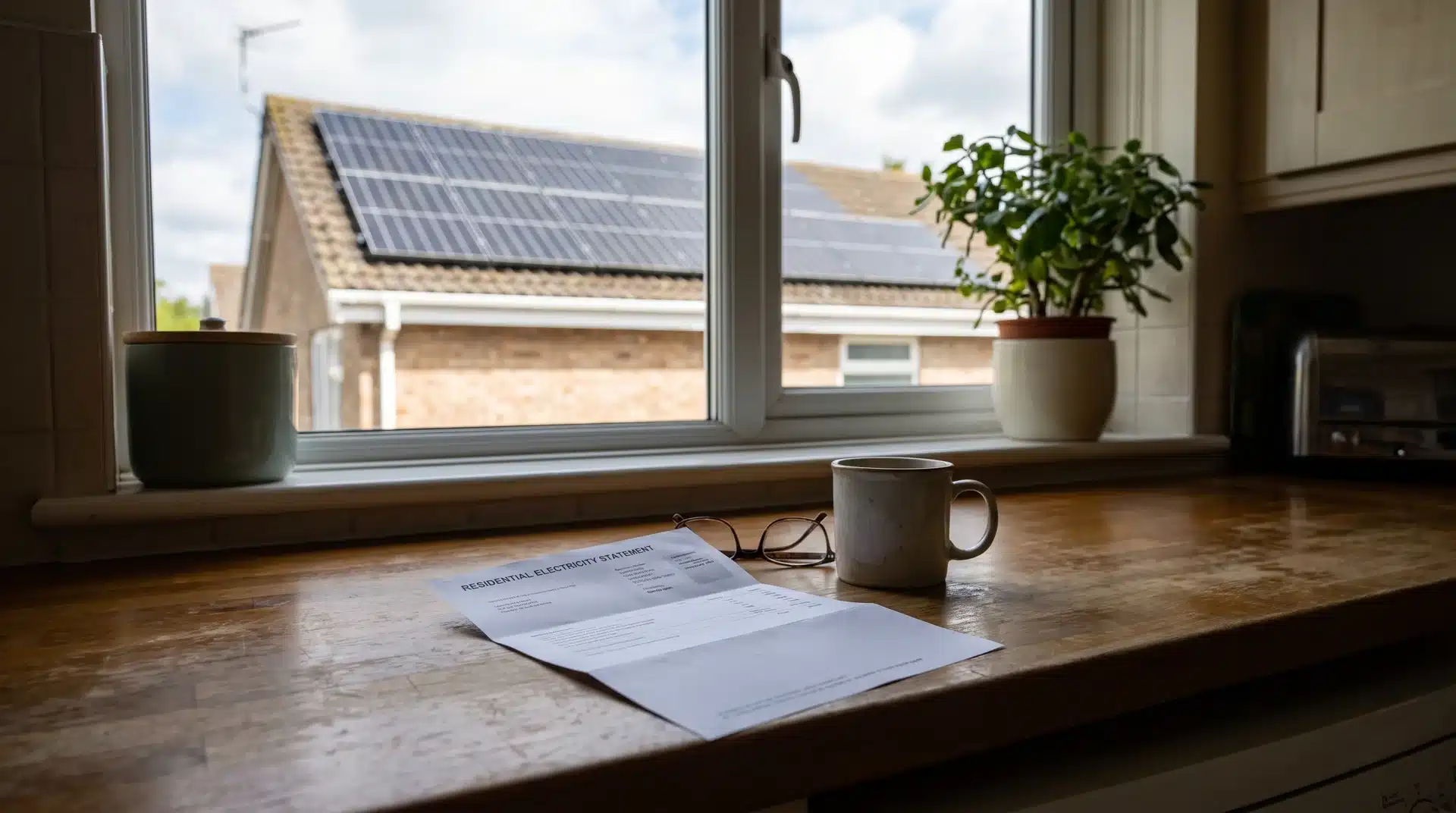


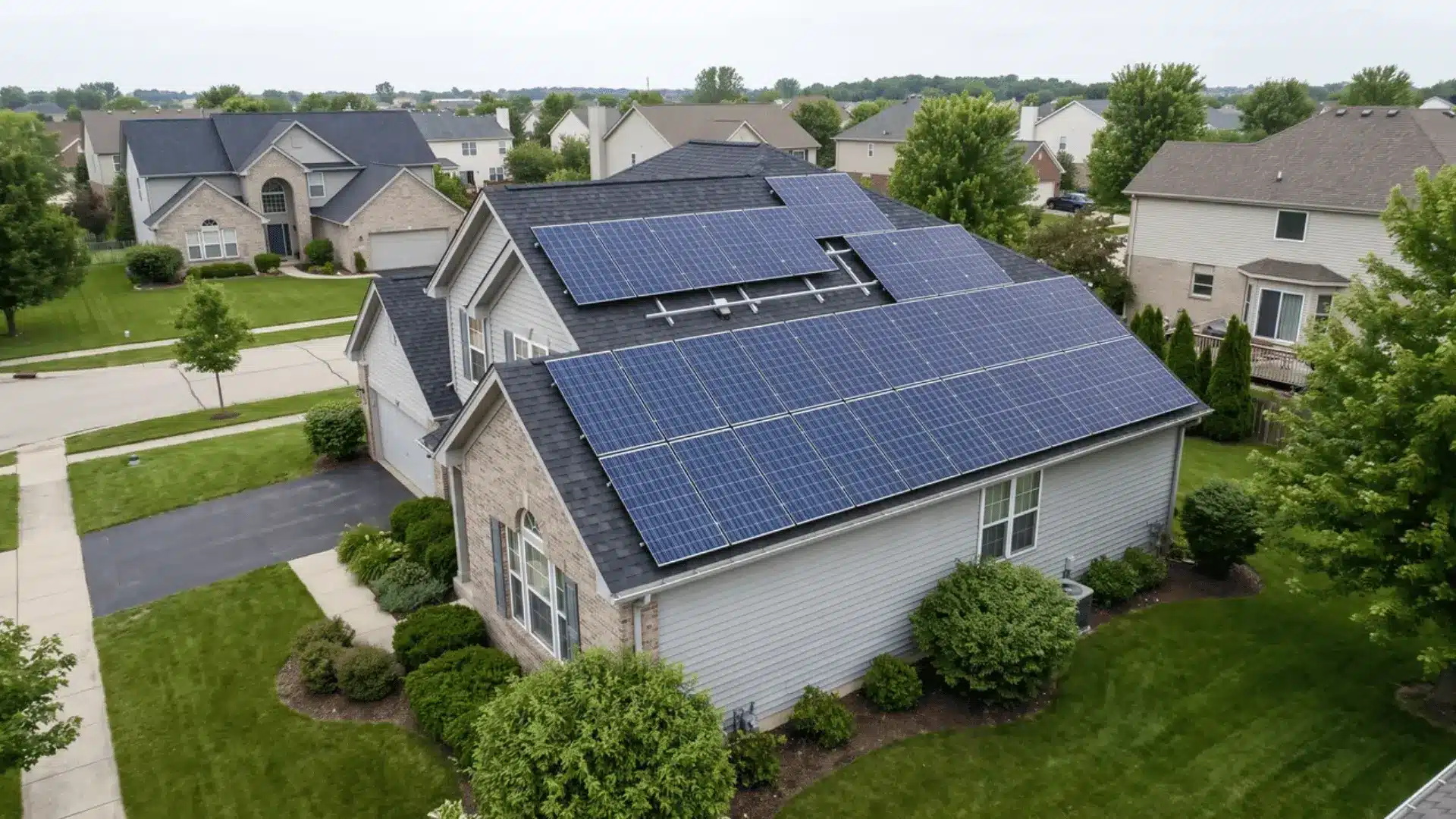
Your solar panels are working, yet your utility bill still arrives every month. Do you still have an electric bill with solar panels? I had the same question because paying for solar makes it easy to expect those monthly bills to disappear.
Instead, seeing new charges can leave you wondering if something is wrong with your system.
The good news is that this is normal for most grid-connected homes, especially if your utility uses net metering to calculate your monthly bill
You’ll learn why your utility still sends a bill, what the different charges actually mean, how net metering affects what you pay, and what a realistic monthly electric bill looks like after switching to solar.
Do You Still Have an Electric Bill With Solar Panels: What to Expect
Seeing an electric bill after installing solar can feel confusing at first. Many homeowners expect the bill to disappear completely once their panels are turned on.
The reason it doesn’t is simple: solar changes how you get and pay for electricity, but it doesn’t replace every part of your relationship with the utility.
Instead of paying the same way you did before, your monthly bill now reflects a mix of solar production, household energy use, and your utility’s billing rules.
The number that matters most is not whether the bill reaches zero. It is whether your total energy costs are lower than they were before solar.
How the Grid Still Supports Your Solar System
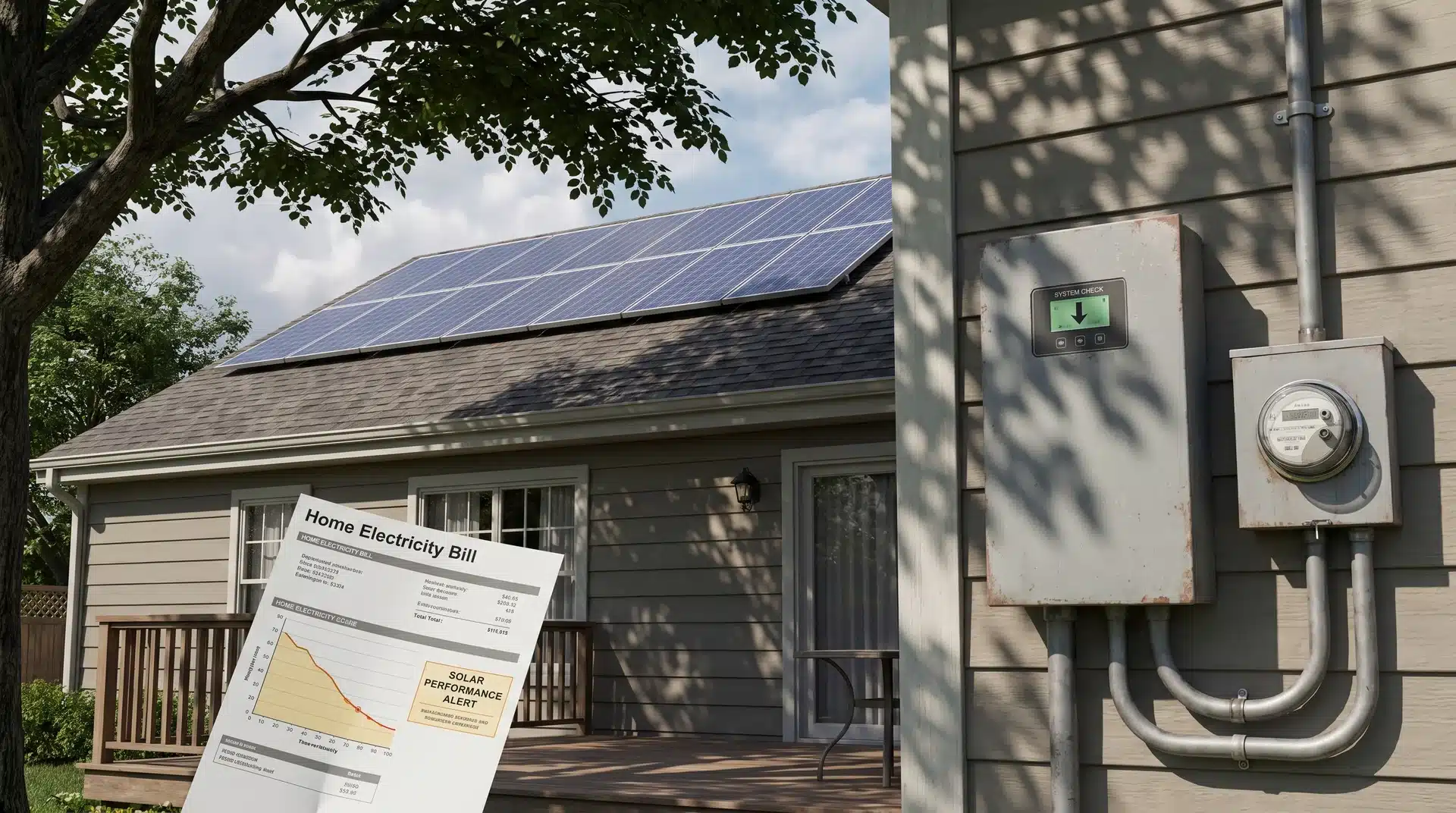
Grid-tied solar works well for most homes because the utility grid acts as a backup whenever your panels are not producing enough electricity.
During sunny afternoons, your system often generates more power than your home needs, but production drops in the evening and stops completely after sunset.
Since most households use more electricity in the morning, evening, and overnight, you still rely on the grid during those hours. Without a battery, extra daytime electricity can’t be saved for later use inside your home.
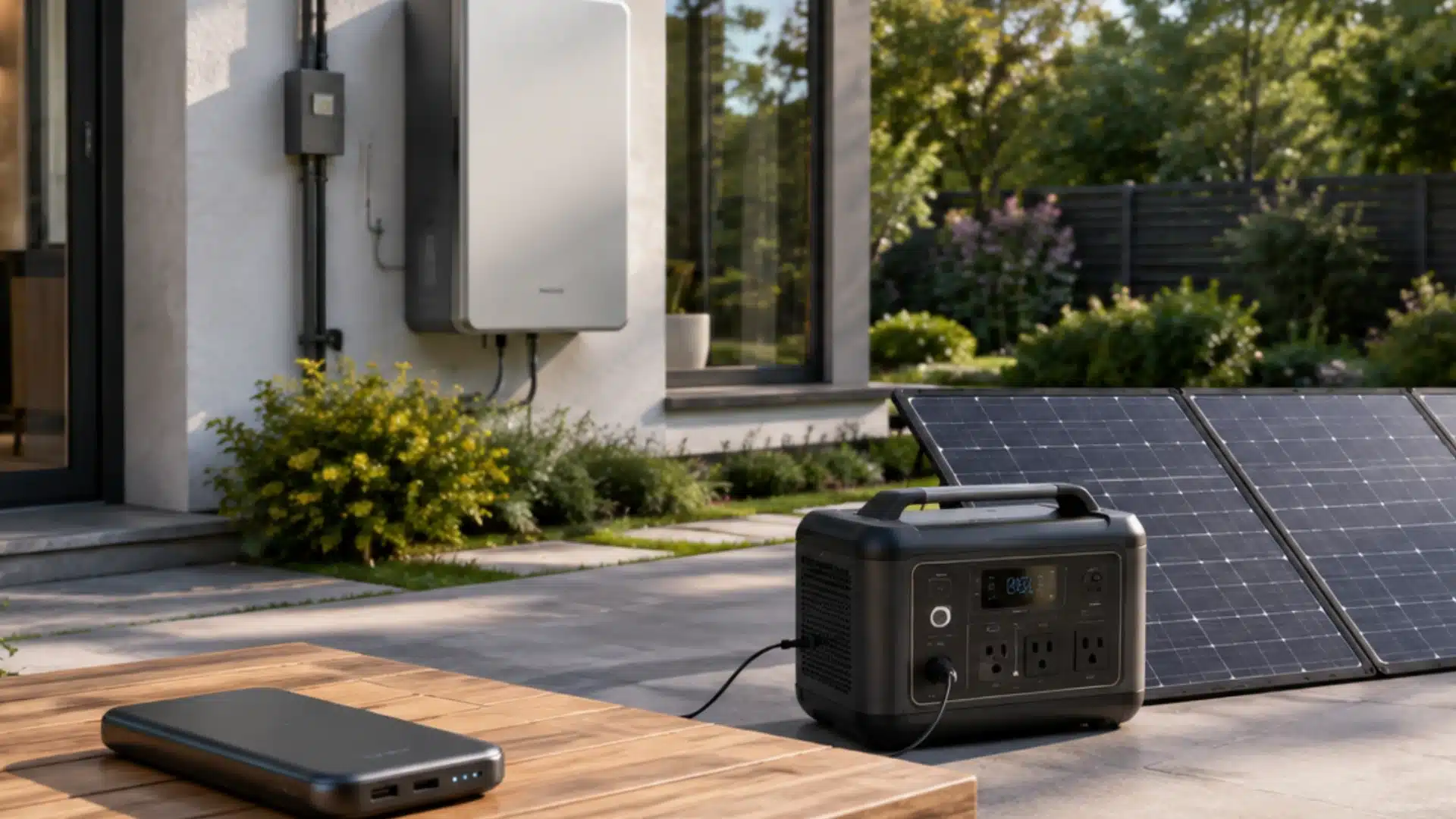
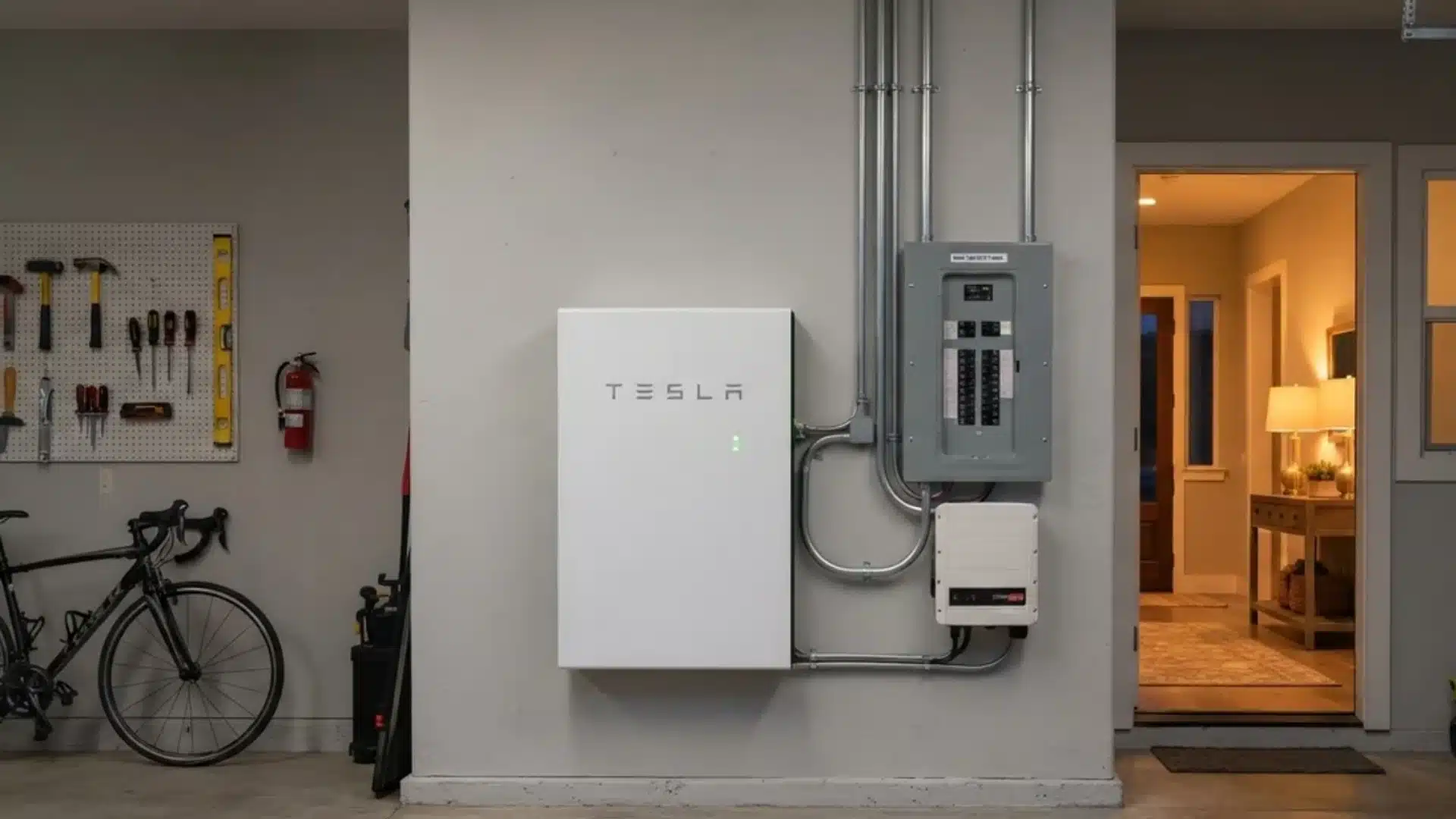
Adding a battery lets you store surplus solar energy and use it after dark, reducing how much electricity you buy from the grid. It won’t remove fixed utility charges, and the extra cost doesn’t make sense for everyone.
Fully off-grid systems can eliminate utility bills, but they require large battery banks, cost much more, and remain uncommon for most homeowners.
What Your Bill Actually Charges You for After Solar
Most people expect a smaller bill after going solar. What surprises them is seeing multiple charges that aren’t tied to electricity use. Here’s what actually appears on your bill.
Fixed Fees: What You Owe Regardless of Output
Your utility charges a monthly base fee for grid connection. It may be called a connection charge, customer charge, or delivery fee, but it applies even if your solar system produces more power than you use.
The reason is straightforward. The utility maintains the lines, transformers, and infrastructure that make your grid connection possible.
That infrastructure has a cost, and they recover it through a fixed monthly fee. Most residential customers pay somewhere between $10 and $30 per month for this alone, though some utilities set a higher minimum bill instead of a flat connection charge.
Credits When Your Bill Goes Negative
In months when your panels produce the most, usually spring and summer, your credits can cover your usage charges completely. Your bill may then show only the fixed fee from your utility.
In months with less sunlight, your system produces less electricity. The credits you saved from earlier months help reduce that cost, but once those credits are used up, your normal usage charges come back.
The math resets on a cycle set by your utility, monthly or annually. A zero-dollar bill in July doesn’t mean your yearly cost is zero; it only means July was a strong month.
Why Your Bill Might Still Be High Even With Solar
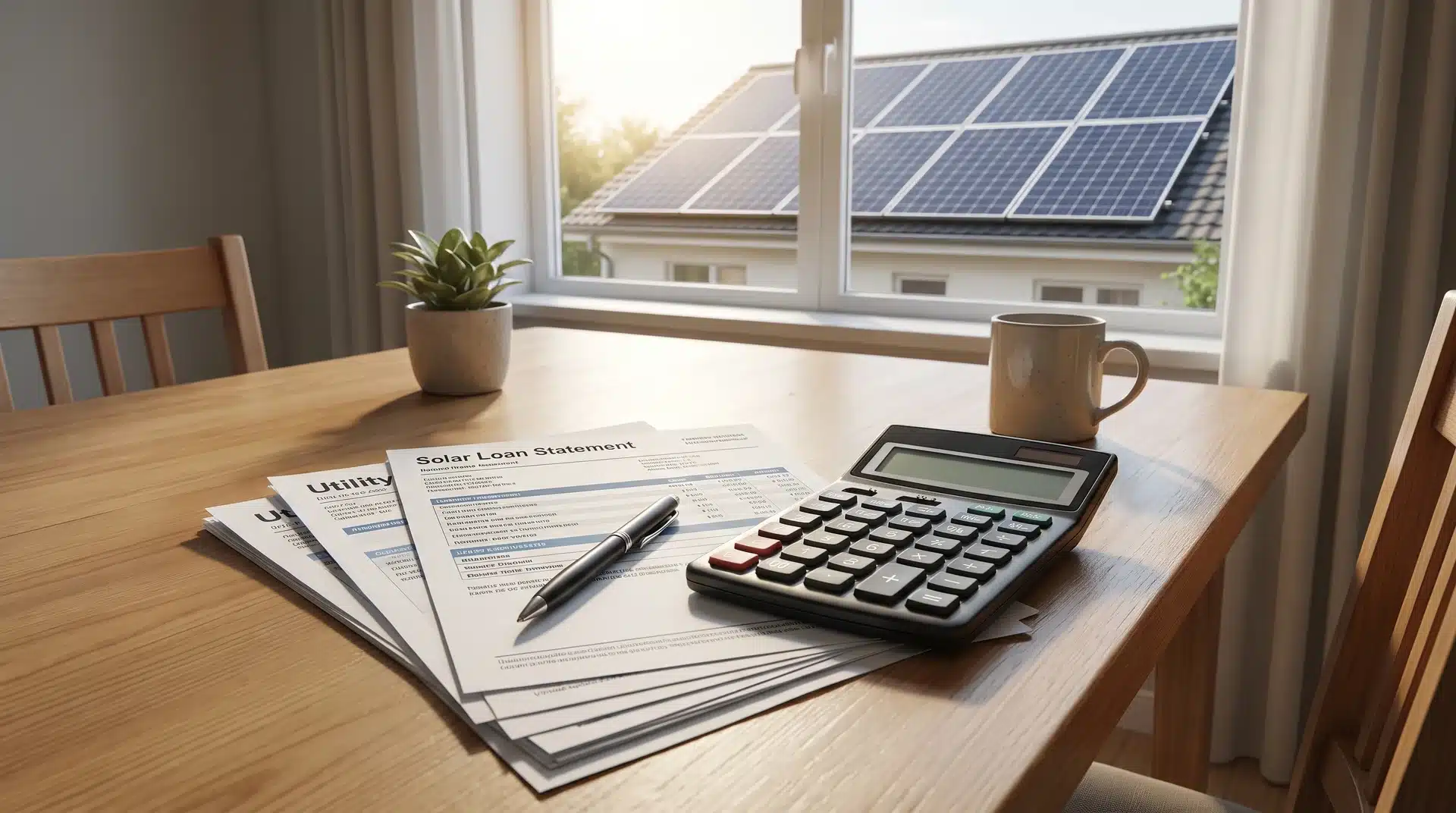
A significant bill after installing solar can feel like something went wrong, but often the system is working as designed. The issue may be that it doesn’t cover your household’s actual energy needs.
1. Your System May Not Be Sized for Your Real Usage
Solar systems are usually sized based on your past 12 months of electricity use. That gives installers a target to design around, but your old usage may not always match what you’ll need in the future.
If you added an EV, started working from home, upgraded your appliances, or more people moved into your house, your electricity use may be higher than what your solar system was built to handle.
Your panels may not be underperforming; they’re covering a smaller share of a larger load. I’ve seen this confuse many solar customers because the system is working as designed, but their electricity use has changed.
2. Your Panels May Be Producing Less Than Expected
Small changes can slowly reduce solar output without making your system look broken. These are some of the most common reasons your panels may not produce what you expected:
- Shading: Trees can grow taller over time, or new structures can block sunlight. Even partial shading on one panel may reduce output across the system, depending on how it is wired.
- Inverter issues: A failing inverter can stop your system from converting DC power from the panels into usable AC electricity for your home.
- Panel degradation: Solar panels slowly lose output over time, typically around 0.5% of their capacity each year, according to NREL field studies.
Over a decade, that small drop adds up. A system still producing at 95% of its original capacity isn’t broken, but it may not be meeting the numbers you were expecting.
The frustrating part is that it usually doesn’t trigger an obvious warning. Your system keeps running, but your electricity bill can slowly climb higher than planned.
3. Your Net Metering Terms May Have Changed
Net metering rules are controlled by states and utilities, not solar installers, and those rules can change over time. Some states have lowered export credit rates, which means the extra electricity your panels send to the grid may be worth less than it used to be.
If your installer’s original savings estimate was built around a net metering rate that no longer exists, the math changes even if your panels are producing exactly what they always have.
It’s worth pulling your current utility agreement and comparing the export rate against what your system was originally projected around. If there’s a gap, that’s likely where part of your bill is coming from.
What a Realistic Monthly Bill Looks Like With Solar
The number you’ll see cited most often is an average. It’s also the least useful figure for understanding your own situation.
A national average electric bill with solar hides the factors that actually matter. Your bill depends on location, utility rates, net metering rules, and how well your system matches your usage. Similar systems can have different costs in different states.
| Situation | What Happens | Typical Monthly Cost |
|---|---|---|
| Peak production months | Solar covers most usage, leaving only fees and small grid charges. | About $10 to $50 |
| Fixed connection fee | Utility charges remain even with solar. | Usually $10 to $30 |
| Winter months | Lower solar output and higher usage bring back some grid charges. | Higher than summer bills |
| Solar lease or PPA | You pay the solar provider instead of owning the system. | Depends on the agreement |
The most accurate way to estimate your solar bill is to check your utility’s fixed fee, estimate nighttime usage, and review your state’s net metering rules and rates. These matter more than national averages.
Conclusion
Solar can dramatically reduce your electricity costs, but it doesn’t usually eliminate your utility bill completely.
Do you still have an electric bill with solar panels? For most homeowners, the answer is yes, because fixed utility fees, nighttime grid electricity, and local billing policies still apply.
Now that you know what those remaining charges represent, it’s much easier to tell the difference between a normal bill and a potential issue with your system.
Use this information to review your own statement with confidence and better understand how much your solar panels are actually saving you each month.
Frequently Asked Questions
Do solar panels eliminate your electric bill entirely?
Almost never. Grid-tied solar, which is what most homes have, keeps you connected to the utility. That means you’ll always pay at least the fixed connection fee, which typically runs $10 to $30 per month. In peak production months, your variable charges can drop to zero. But the fixed fee stays regardless of how much your panels produce.
Why am I still paying for electricity when I have solar panels?
Your panels only produce electricity when the sun is out, and mostly around midday. At night, your home draws from the grid, and that draw gets billed. Without a battery, there’s no way to store the day’s surplus for evening use. You’re also paying the fixed connection fee your utility charges every customer, regardless of solar output. Both charges are normal — they don’t mean your system isn’t working.
How does net metering affect what I owe each month?
When your panels produce more than your home uses, the surplus goes to the grid. Net metering gives you a credit for it. That credit reduces what you owe for grid electricity in lower-production months. How much it helps depends on your state’s rules and your utility’s current export rate, both of which can change over time.
What is the average electric bill with solar panels?
There’s no single figure that’s useful here. Your bill depends on your utility’s fixed fees, how much grid electricity you use at night, and whether net metering is available in your area. A well-sized system with net metering can bring monthly costs down to the fixed fee alone. An undersized system or unfavorable policy environment will leave more variable charges intact.