

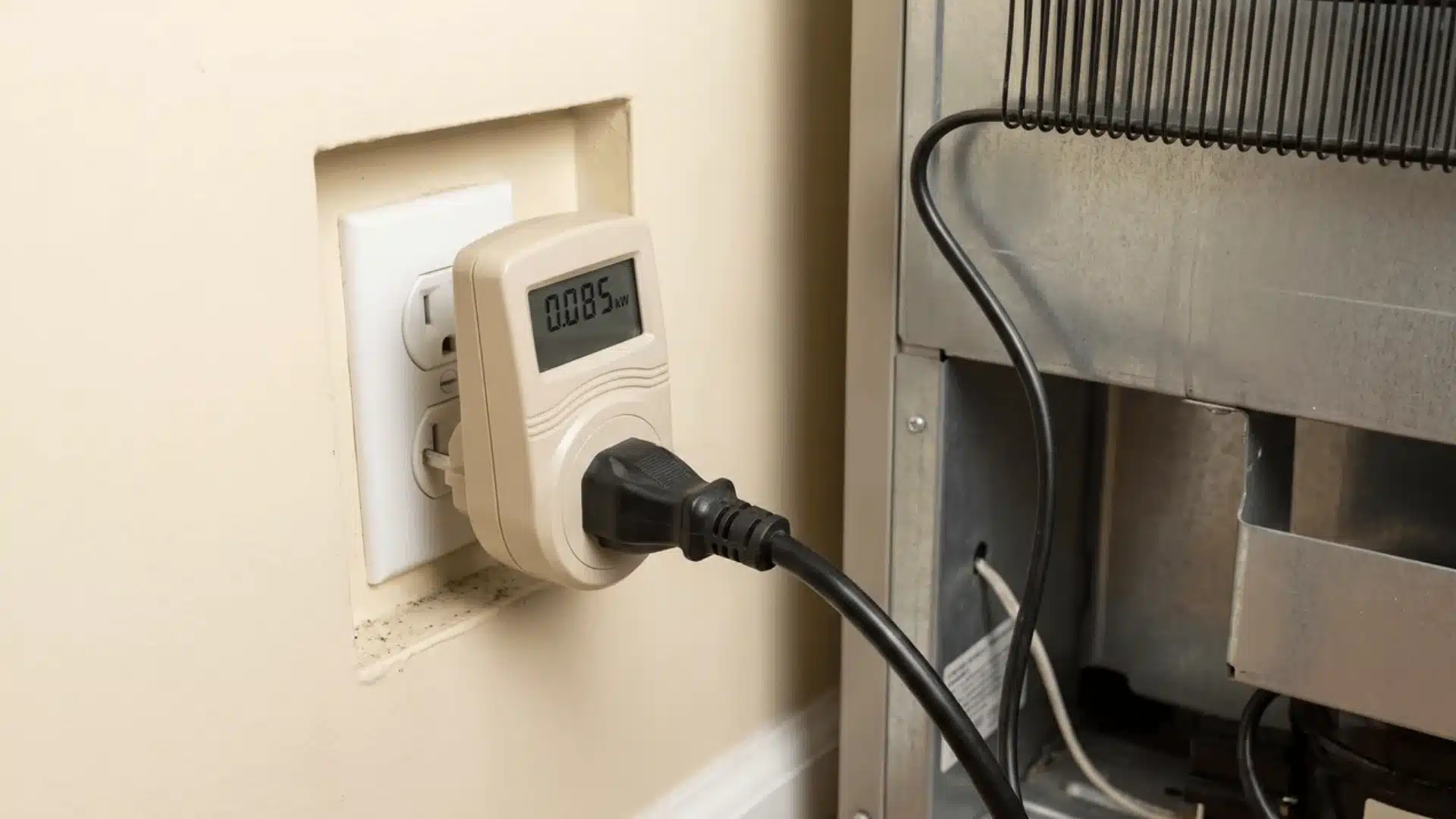
I have seen AGM batteries create confusion because two people can own the same battery and get completely different results.
One may last for years, while another loses performance much sooner because charging habits, temperature, and usage patterns are different.
If you are wondering how long do AGM batteries last, the answer depends on more than a number printed on the label.
I’ll explain what affects AGM battery life, why some applications wear them faster, and the habits that help you get more reliable performance.
How Long Can You Expect an AGM Battery to Last?
AGM batteries typically last 3–7 years, while well-maintained units in low-stress conditions can reach around 10 years.
Two identical AGM batteries can reach very different lifespans because usage habits often matter more than the battery model itself.
A battery used for starting a vehicle, running backup power, or supporting solar equipment faces different demands.
Age alone does not tell the full story. Charging habits, temperature, discharge depth, and usage patterns decide how long your battery actually lasts.
If you are asking how long do AGM batteries last, the answer depends on how the battery is used, charged, and maintained over time.
Why the Lifespan Differs by Application
An AGM battery can last three years in one setup and eight years in another because each application creates different stress.
Starting cycles, storage conditions, and discharge patterns all affect how quickly battery capacity declines.
| Application | Main Stress | Lifespan Impact |
|---|---|---|
| Automotive and start-stop | Frequent starts and electrical demand | Built for repeated cycling and fast recharge |
| Standby and UPS | Long periods connected to charge | Depends heavily on correct float voltage |
| Deep cycle (solar, RV, marine) | Regular charging and discharging | Depends heavily on cycle depth |
Automotive and Start-Stop
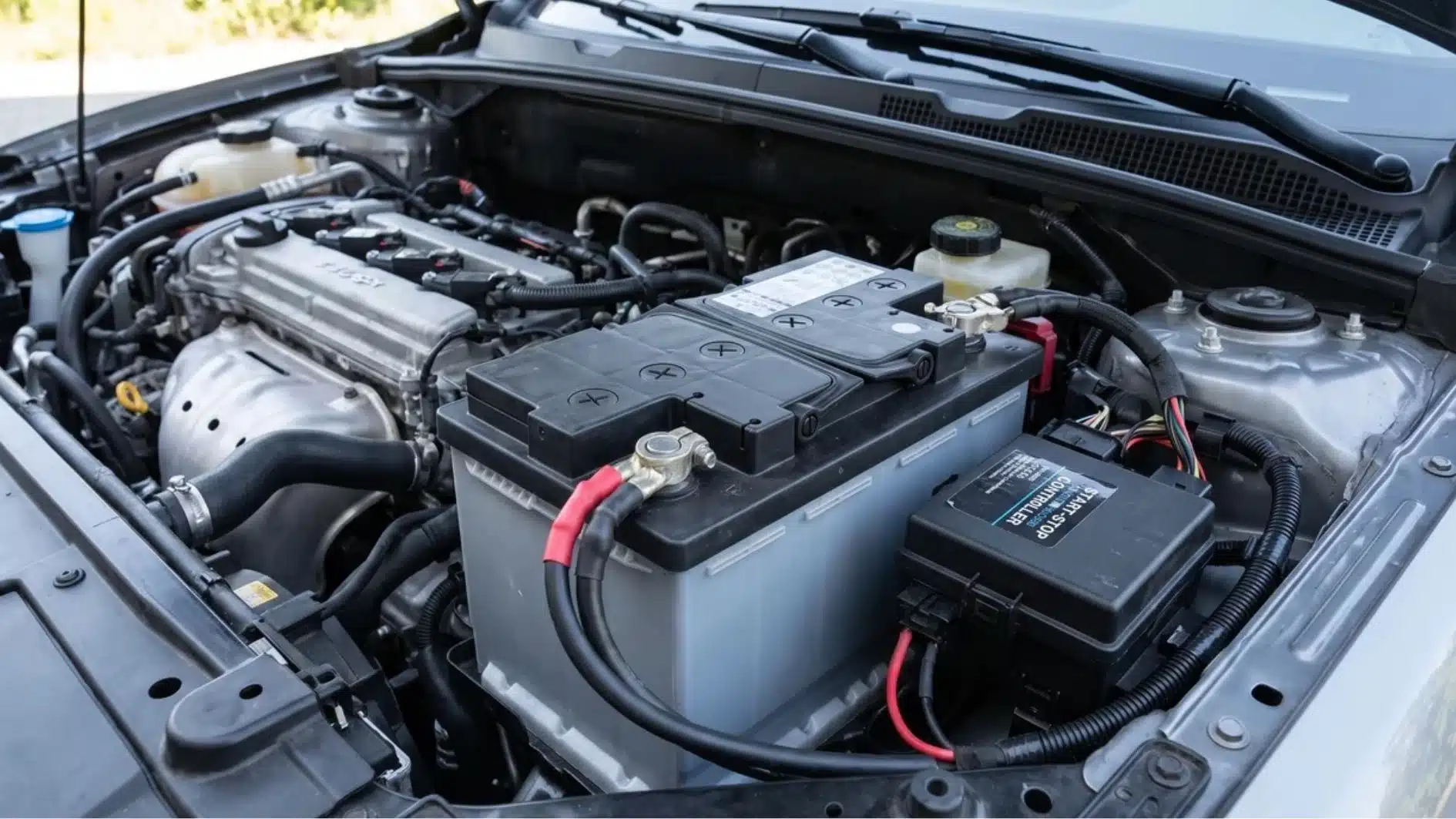
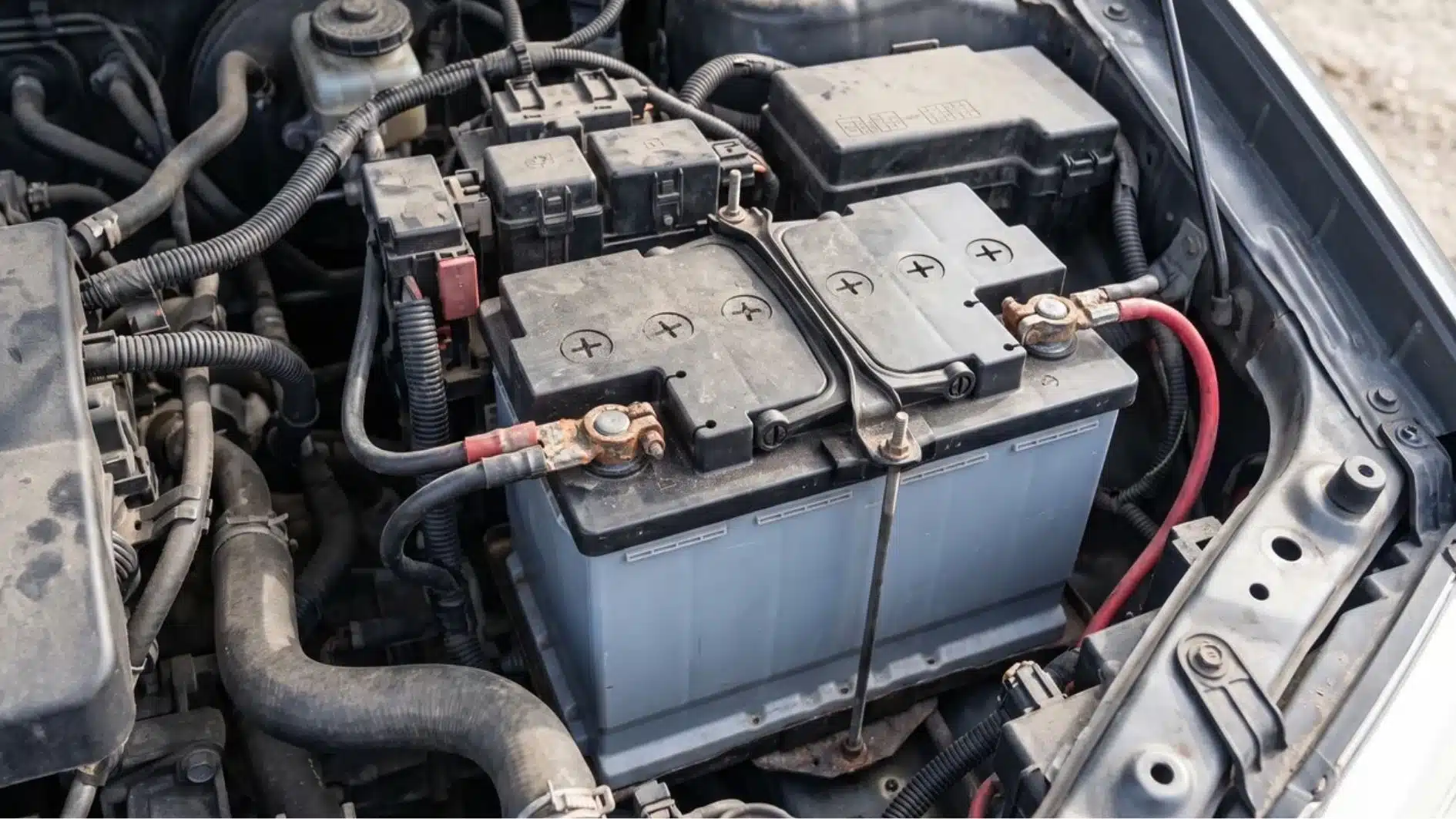
Automotive AGM batteries usually recover charge through the vehicle alternator after each drive.
Start-stop systems create extra demand because engines may shut down and restart many times during a trip.
AGM batteries handle repeated cycling better than many flooded batteries because they accept charge efficiently.
Short journeys can still shorten lifespan because the battery may not have enough time to recover fully.
Standby and UPS
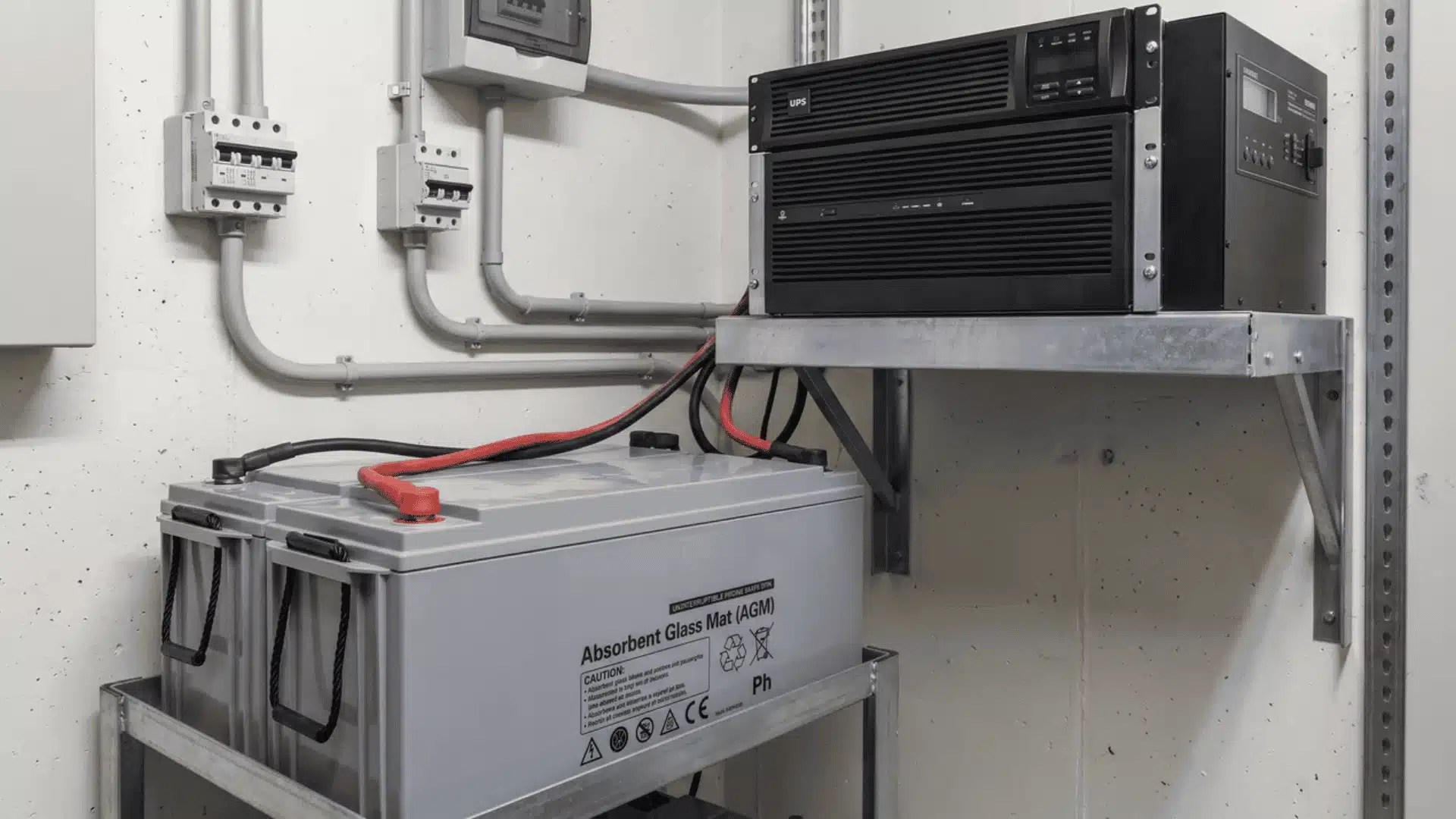
Standby AGM batteries spend most of their time connected to a charger and waiting for use.
Low cycling reduces wear, but charging accuracy becomes extremely important over long periods.
Incorrect float voltage can slowly damage internal components, even when the battery rarely powers equipment.
In my experience, storage batteries fail from poor charging settings far more often than from heavy usage.
Deep Cycle (Solar, RV, Marine)
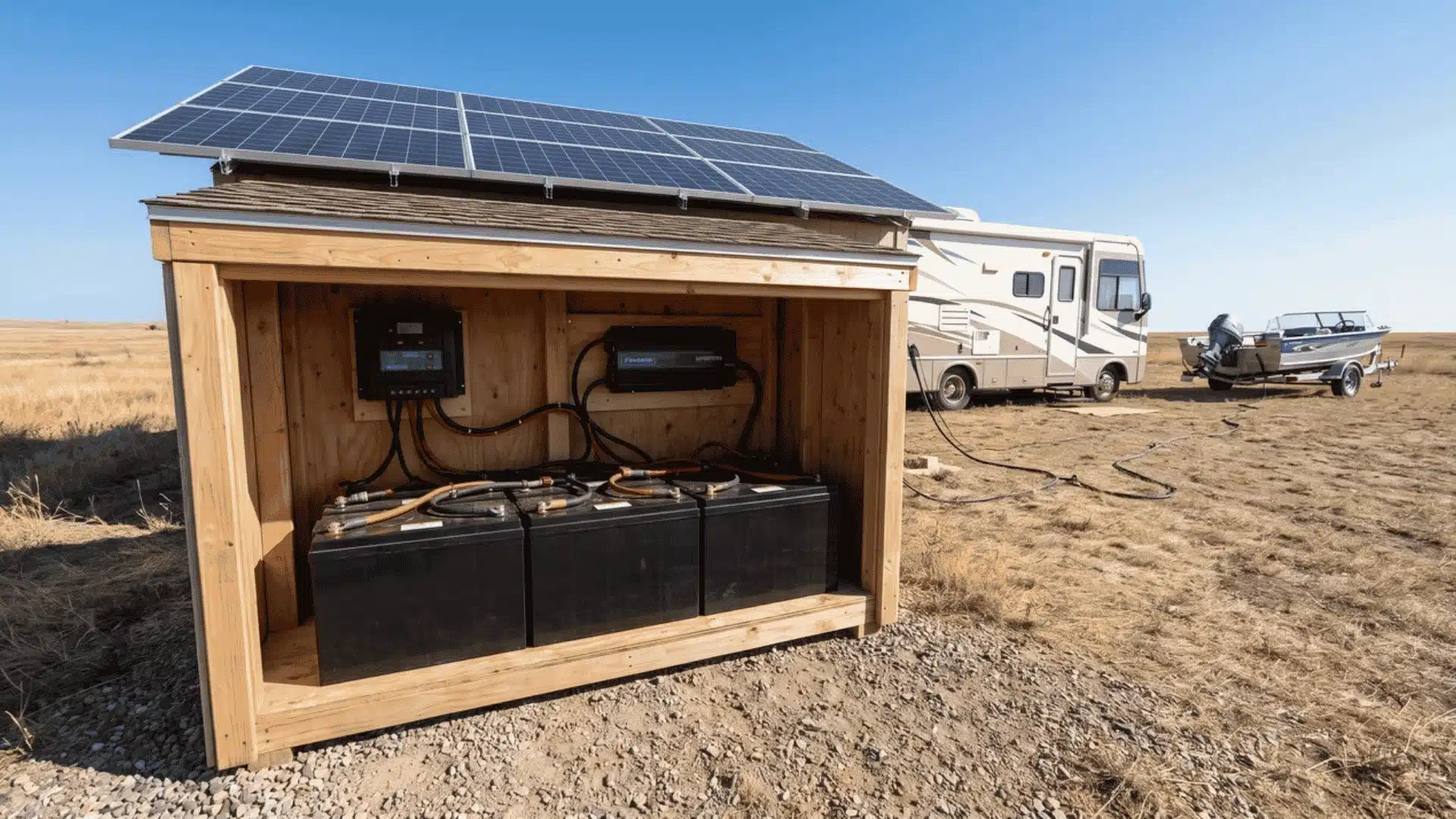
Deep-cycle AGM batteries experience heavier stress because they regularly discharge and recharge.
Solar systems, RVs, and marine setups often use stored energy before charging again.
Repeated deep cycles gradually reduce capacity, especially when discharge levels frequently go beyond recommended limits.
What Actually Kills an AGM Battery Early
Most early AGM failures come from repeated stress rather than a defective battery.
Deep Discharge and Sulfation
Deep discharge is one of the biggest causes of reduced AGM battery life.
During normal use, sulfate forms on lead plates and dissolves again when charging happens correctly. Problems begin when charge levels drop too low or batteries remain partially discharged for long periods.
Sulfate crystals become harder and cover active plate surfaces, reducing how much energy the battery can store. Normal charging cannot fully remove these deposits once permanent sulfation develops.
Batteries lose capacity early most often when they are repeatedly drained low and never properly restored.
Common signs include:
- Shorter runtime between charges
- Faster voltage drops under load
- Reduced starting performance
Avoiding unnecessary deep cycles protects battery life better than simply charging more often.
Heat and Its Compounding Effect
Heat speeds up internal chemical reactions and increases battery aging over time.
A battery operating in high temperatures can degrade faster than one stored in cooler conditions. Small temperature increases may seem harmless, but years of heat exposure gradually reduce useful lifespan.
Batteries installed near hot engine areas often face more stress than those placed in cooler locations.
Charger Compatibility
AGM batteries require charging settings designed for sealed battery construction.
If you know how an AGM battery works, you can understand why using the wrong charger affects battery performance.
Undercharging: Leaves the battery partially charged. Encourages sulfate buildup.
Overcharging: Creates excess internal pressure. Can force gas through the safety valve. May cause permanent electrolyte loss.
Lost electrolyte cannot be replaced because AGM batteries do not have refill caps like flooded models.
How to Get the Most Years From an AGM Battery
Long AGM battery life usually comes from consistent habits rather than expensive upgrades.
1. Use an AGM-Compatible Charger
A smart charger with an AGM setting adjusts voltage throughout charging. It helps maintain charge without constantly forcing excessive power into the battery.
For storage periods, avoid basic chargers that lack proper regulation.
2. Avoid Unnecessary Deep Discharges
Deep-cycle AGM batteries last longer when they are not repeatedly drained too far.
Keeping discharge levels within manufacturer recommendations preserves more usable cycles. Always check battery specifications because limits vary between designs.
3. Store Batteries Properly
Cool, dry storage helps slow internal aging during periods of inactivity.
Aim for a storage spot between 50°F and 77°F (10–25°C) where possible, since temperatures outside that range accelerate self-discharge and internal aging
Keeping a battery fully charged prevents sulfation from developing during storage. A compatible maintainer can help preserve charge without creating overcharging problems.
Conclusion
You have learned that AGM battery lifespan depends less on the number printed on the label and more on daily conditions.
Charging habits, storage choices, discharge depth, and usage patterns usually decide how long a battery continues performing well, often more than the brand or price you paid.
A battery used in a demanding setup, like frequent start-stop driving or deep-cycle solar use, needs different care from one handling occasional vehicle starts or sitting mostly idle in standby duty.
I have found that the batteries that last closest to that 10-year ceiling are rarely the most expensive ones. They are simply the ones charged correctly and never left partially discharged for long.
When you understand what shortens AGM battery life, you can avoid common mistakes and make better replacement decisions.
Frequently Asked Questions
How do I know if my AGM battery needs replacing?
A failing AGM battery may struggle to hold charge, crank slowly, or lose voltage soon after charging. A load test or conductance tester gives a clearer answer than checking voltage alone, since it measures how the battery performs under actual demand rather than just its resting charge
Do AGM batteries go bad from sitting unused?
Yes. An AGM battery left discharged for long periods can develop permanent sulfation.
Store it fully charged and use a compatible maintainer during extended storage.
Do AGM batteries last longer than standard flooded batteries?
Generally, AGM batteries last longer in demanding applications because they resist vibration and avoid water loss.
A flooded battery may still be a better choice for simple vehicles with lower electrical needs.
Why do some AGM batteries fail after only 2–3 years?
Early failures usually come from deep discharge, incorrect charging, heat exposure, or long periods without proper charging.
Battery quality matters, but surrounding conditions often determine actual lifespan.