


A solar upgrade can become expensive fast if you choose the system before checking your roof. The solar roof tiles vs panels decision involves far more than appearance or the first quoted price.
Roof condition, usable space, sunlight, installation work, output, and repair access can all affect long-term value. I know those details can make a simple shingles-versus-panels comparison feel complicated.
Here, you can see how each system works, what each may cost, and where each option makes practical sense. I also compare efficiency, installation timelines, warranties, maintenance, HOA rules, and resale concerns.
With these facts, you can assess itemized quotes and choose a setup that suits your property, energy needs, and budget.
What Are Solar Roof Tiles and Solar Panels?
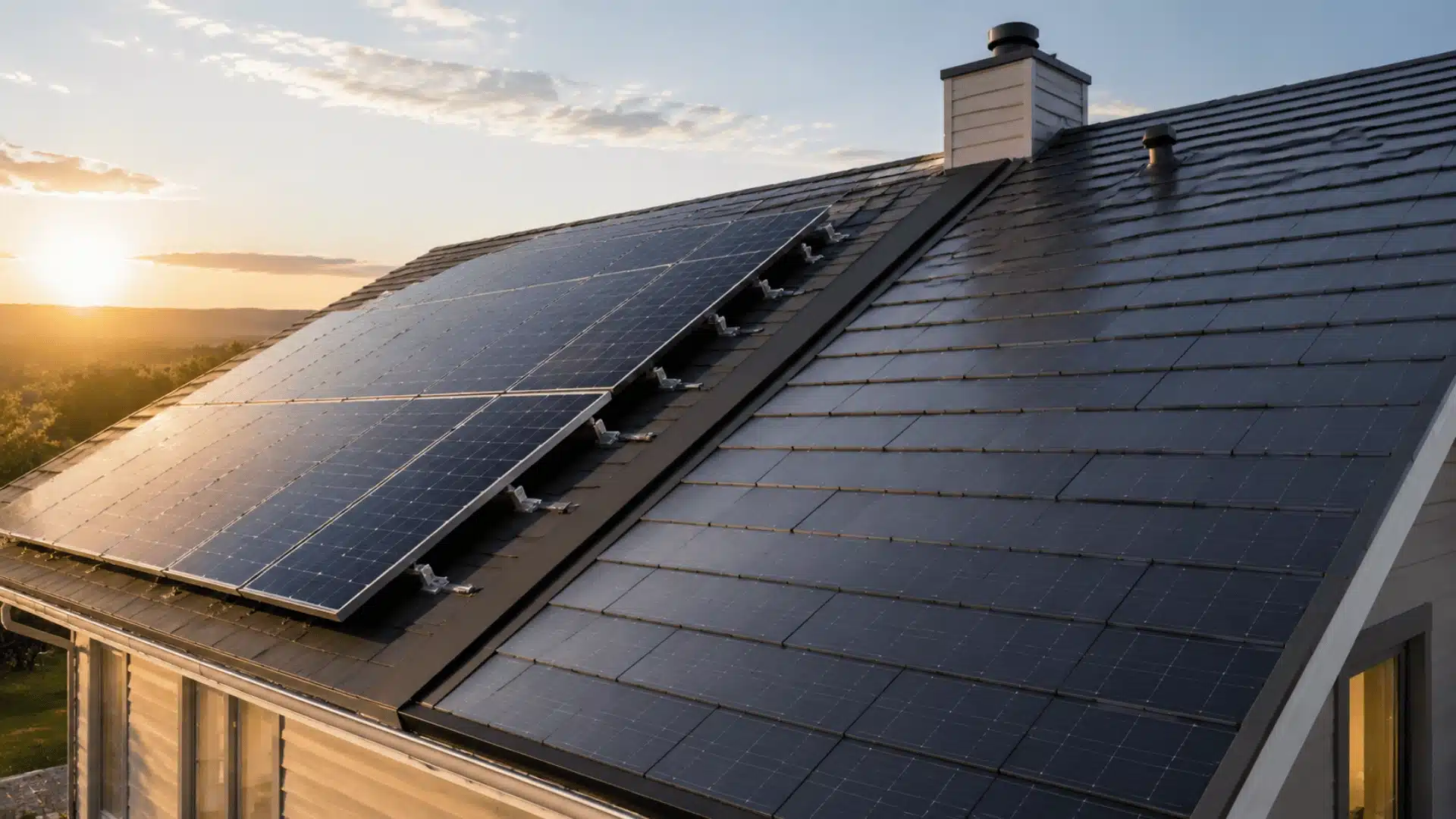
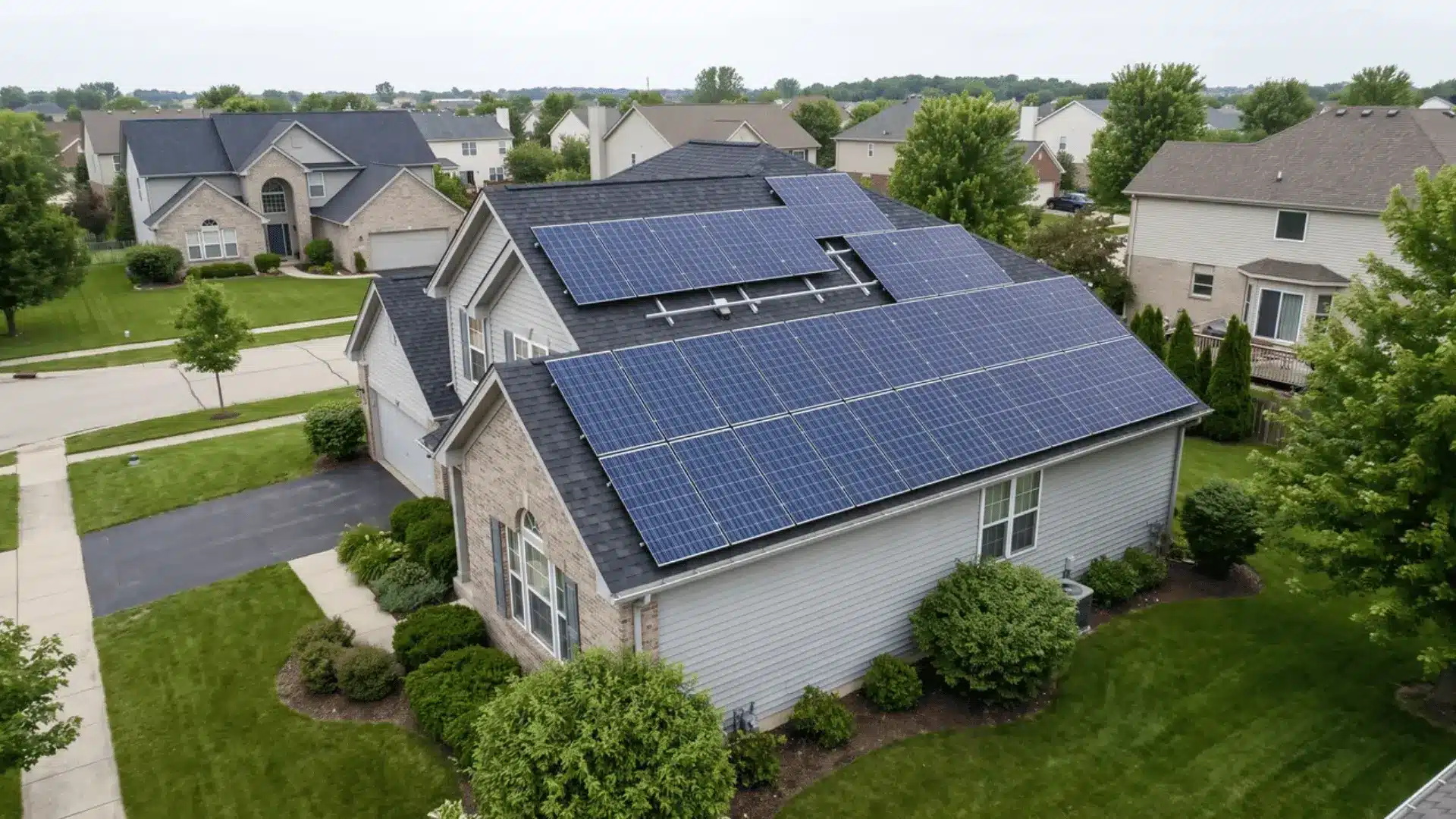
Solar panels are photovoltaic modules installed above an existing roof. A mounting system secures them to the structure while leaving space for wiring and ventilation.
Installers often attach the racks through the roofing material and into the rafters. Proper flashing and sealing protect these attachment points from water.
Solar roof tiles, also called solar shingles, contain photovoltaic cells within roofing components. They produce electricity while protecting parts of the roof from rain and wind.
Some products form a complete roofing system using both active solar tiles and matching inactive tiles. Others are installed alongside standard asphalt shingles, one of several solar panel types homeowners weigh before settling on a system.
The main difference is placement. Panels sit above the roof, while solar tiles become part of its outer surface. Both systems still need inverters, wiring, permits, inspections, and utility approval.
Solar Roof Tiles vs Panels Cost
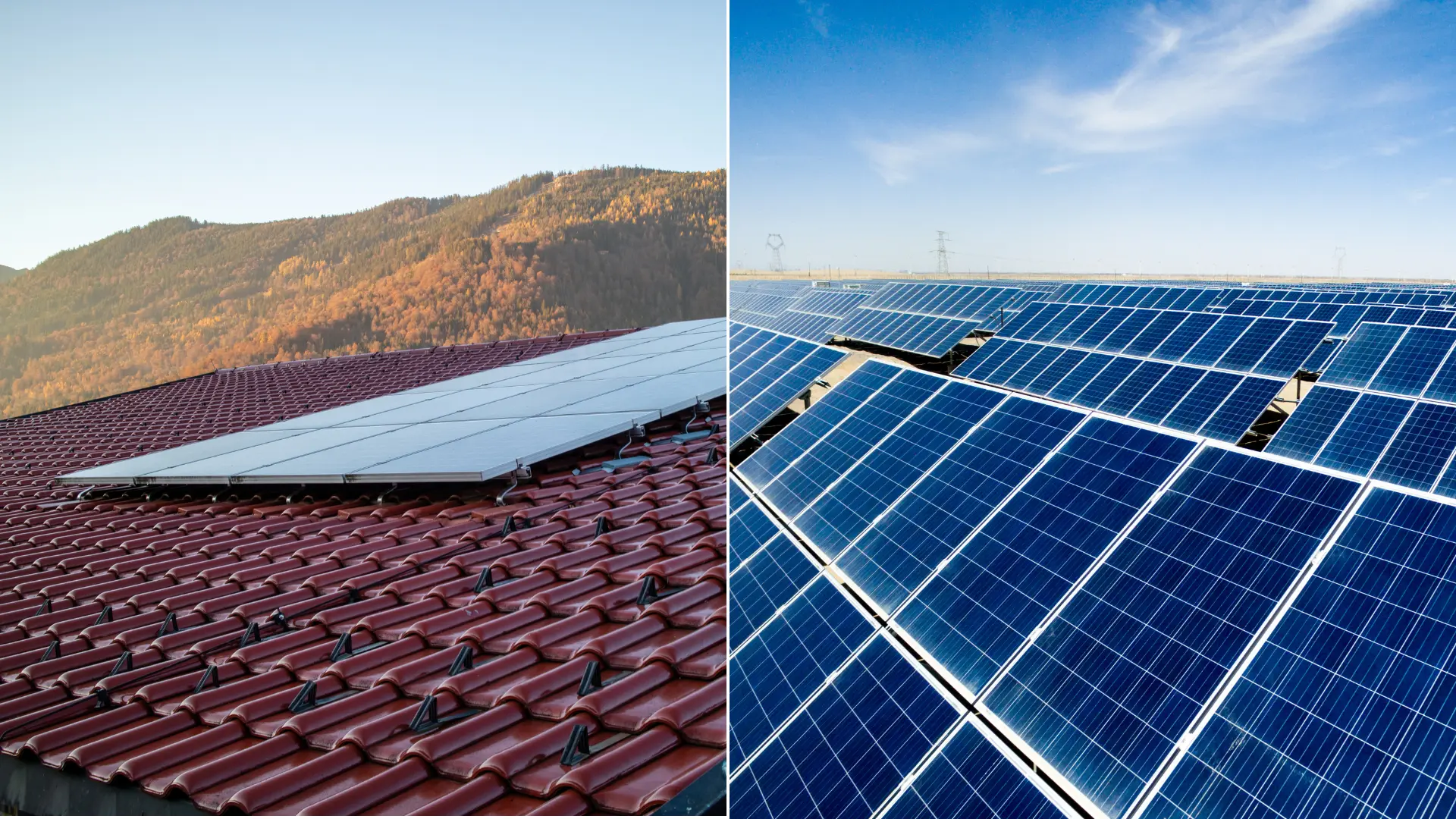
Prices vary by system size, roof shape, equipment, labor rates, and location. Solar roof quotes should therefore be compared using both total cost and cost per watt.
The following ranges provide a broad starting point rather than a guaranteed project price.
| Cost Factor | Solar Panels | Solar Roof Tiles |
|---|---|---|
| Typical cost per watt | Often around $2.75–$3.50 | Often around $3.50–$10.50 |
| Roof replacement included | No | Usually required or included |
| Best-value situation | Roof is in good condition | Roof already needs replacement |
| Product availability | Widely available | Limited by brand and service area |
| Quote complexity | Relatively simple | Depends heavily on roof size and shape |
Solar roofing may cost between $3.50 and $10.50 per watt, although estimates vary considerably by product and project design. Standard panel costs also change by state and installer. Forbes Home’s solar roofing cost overview provides current national estimates.
Comparing cost per watt alone can still be misleading. A solar tile quote may include roofing removal, underlayment, flashing, inactive tiles, and electrical equipment.
A panel quote normally covers the solar equipment and installation but not a new roof. If the existing roof needs replacement, add that work to the panel estimate before comparing totals.
Panels remain the less expensive choice when the roof has many useful years left. Solar tiles become more competitive when roof replacement is already part of the budget.
Do Solar Systems Still Qualify for a Federal Tax Credit?
The draft’s 30% federal credit claim is no longer current for new residential installations completed in 2026.
According to the Internal Revenue Service, the Residential Clean Energy Credit applies to qualified property installed from 2022 through December 31, 2025. It is unavailable for property placed in service after that date.
State rebates, utility incentives, renewable-energy certificates, and local financing programs may still be available. Check current requirements for the property’s location before calculating the final cost.
Efficiency and Power Output
Standard solar panels generally produce more electricity per square foot than solar roofing. However, a single efficiency range does not represent every product on the market.
Panel efficiency commonly falls around 19% to 23% for modern residential models. Solar tile performance varies by manufacturer, panel cell type, roof layout, and the amount of active roofing installed.
Panels also have several design advantages:
- Better Placement: Installers can position modules on roof sections with stronger sunlight and fewer obstructions.
- Higher Power Density: Full-size modules can fit more generating capacity into a limited usable area.
- Improved Ventilation: Space beneath the array can help release heat, although performance still depends on weather and equipment.
- Flexible System Sizing: Installers can add modules until the target capacity or usable roof limit is reached.
Solar tiles must follow the roof’s existing pitch and direction. Dormers, valleys, vents, chimneys, and shaded surfaces may limit where active tiles can go.
A blanket claim that tiles need exactly 30% more roof space is not reliable. Ask each installer for the proposed system size in kilowatts and estimated annual production in kilowatt-hours.
The Department of Energy’s solar rooftop guidance notes that shading, roof direction, pitch, construction, and location all affect solar potential.
Installation Process and Timeline
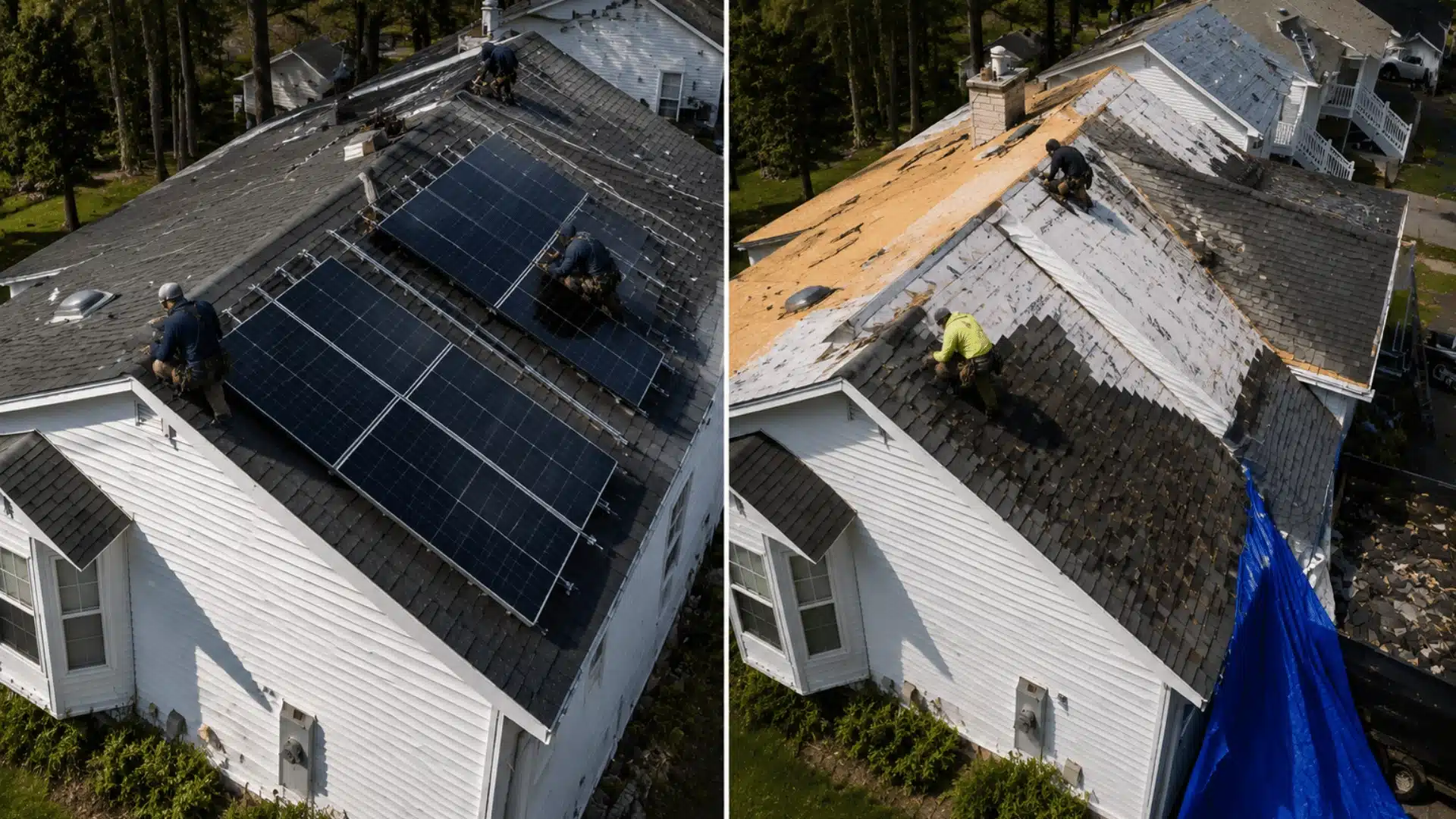
Solar panel installation usually involves a site assessment, system design, permits, mounting hardware, modules, wiring, and an inverter. Physical installation may take only a few days.
The entire project often takes longer because permit reviews, inspections, equipment availability, and utility interconnection happen before or after the roof work.
Solar tile installation is more involved. The crew may need to:
- Remove the old roofing.
- Inspect and repair the roof deck.
- Install underlayment and flashing.
- Place active and inactive roofing components.
- Complete the electrical connections.
- Pass building and electrical inspections.
Roof size, pitch, weather, structural repairs, and product availability can extend the schedule. Some systems also require contractors trained or certified by the manufacturer.
Panels are normally easier to add to a sound roof. Solar tiles suit a coordinated roofing and electrical project, particularly during new construction or planned replacement.
Roof Condition and Structural Requirements
The roof should be inspected before requesting final solar proposals. Its age alone does not confirm whether it is suitable.
An installer, roofer, or structural engineer may check:
- Remaining roofing life
- Leaks or damaged decking
- Rafter condition and spacing
- Roof load capacity
- Shade from trees and nearby structures
- Orientation and pitch
- Available space around vents and ridges
Installing panels over roofing that needs replacement soon can create extra costs. The array may need to be removed and reinstalled when the roofing work begins.
Solar tiles solve that timing problem by combining the roof and energy installation. However, hidden deck damage can still increase the project price after removal starts.
The Department of Energy recommends having a qualified solar installer, roofing specialist, or structural engineer assess roof suitability.
Lifespan, Warranties, and Maintenance
Quality solar panels can continue producing power for 25 years or longer. The Department of Energy states that modules are expected to last at least 25 years while retaining much of their original output.
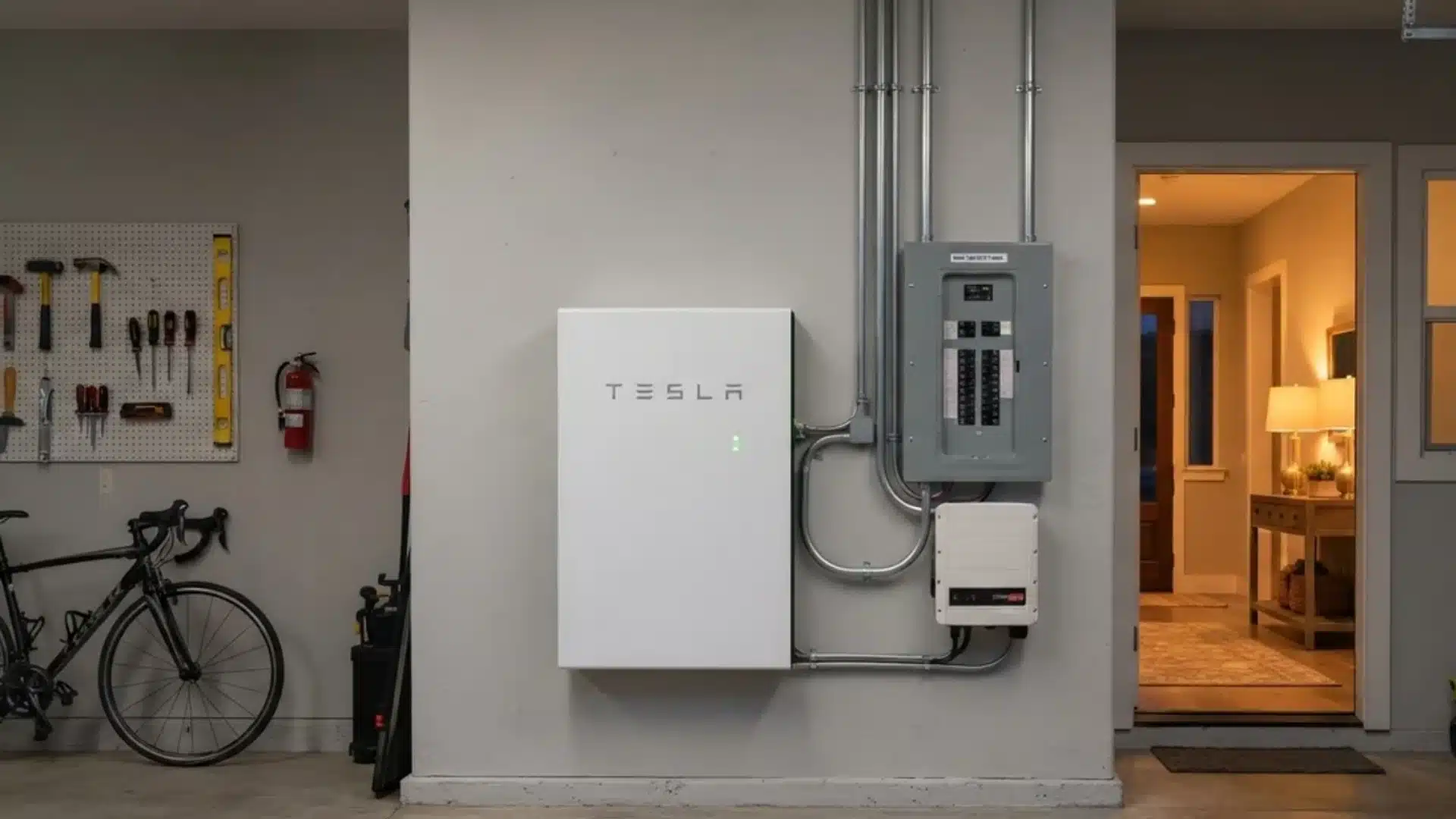
Solar roofing may also carry 25-year protection, but coverage varies by manufacturer. For example, the Tesla Solar Roof warranty includes separate weatherization, module, and power-output terms.
Read each warranty closely because one document may contain several coverage periods and exclusions.
| Warranty Area | Solar Panels | Solar Roof Tiles |
|---|---|---|
| Product defects | Usually covered separately | Often included in the roofing system warranty |
| Power output | Commonly covered for 25 years | Depends on manufacturer and product |
| Roof leaks | May fall under installer workmanship | May be included under weatherization terms |
| Inverter | Usually has separate coverage | Usually has separate coverage |
| Labor and removal | Not always included | Not always included |
Warranty length does not show who pays for diagnosis, labor, shipping, roof access, or replacement. Those terms deserve the same attention as the headline number.
Panels are generally easier to inspect and replace because technicians can remove individual modules from the rack. Roof repairs may still require temporary array removal.
Solar tile service can be more specialized. Reaching a failed component may involve nearby roofing pieces, and finding qualified technicians can depend on the manufacturer’s local network.
Appearance, HOA Rules, and Resale
Solar tiles have a lower profile because they sit within the roof surface. Standard panels remain visible, even when dark frames and low-profile mounting systems are used.
Appearance may matter in historic areas or communities with architectural review. However, it is inaccurate to assume that an HOA can always prohibit panels.
Solar-access laws differ by state. Some restrict an association’s power to ban rooftop solar, while still allowing reasonable placement or design rules. Historic properties may face separate local requirements.
Ask for written confirmation from the HOA, local planning department, or preservation office before choosing a system. Do not rely only on a contractor’s general description of the rules.
Solar may support resale value, but there is no firm basis for claiming that tiles always provide a greater increase than panels. Ownership, energy savings, system condition, roof age, and buyer preferences can all affect the result.
Financed or leased systems may also complicate a sale. Review transfer conditions before signing any solar agreement.
Pros and Cons of Solar Roof Tiles vs Panels
The main differences become clearer when the practical benefits and limits are placed side by side.
Solar Panels
| Pros | Cons |
|---|---|
| Lower cost per watt in many markets | Remain visible above the roof |
| Higher output per square foot | May need removal during future roof replacement |
| Wider choice of brands and installers | Mounting points must be properly flashed and sealed |
| Faster physical installation | Roof and solar warranties may involve different companies |
| Easier module access for repairs | Not ideal for roofing near the end of its life |
Panels suit an existing roof that is structurally sound and expected to last for many more years.
Solar Roof Tiles
| Pros | Cons |
|---|---|
| Form part of the finished roof surface | Higher initial cost in many cases |
| Combine roofing and energy work | Fewer products and qualified installers |
| Lower-profile appearance | Lower power density for many systems |
| Useful during a planned roof replacement | Longer and more complex installation |
| Some brands coordinate roof and solar coverage | Repairs may require specialized roofing work |
Solar tiles make more financial sense when new roofing is already necessary, but the combined quote still needs careful review.
Are Solar Shingles Better Than Solar Panels?
Solar shingles are not better than solar panels for every property. Standard panels usually cost less, produce more electricity per square foot, and are easier to inspect, repair, or replace. More brands and contractors are available for panel installations in many areas.
Solar shingles make more sense when an aging roof already needs replacement or a low-profile finish is a major priority. Because they become part of the roof, they combine roofing and power generation in one project.
However, installation is often slower, product availability is limited, and repairs may require specialized technicians.
I recommend comparing total installed cost, expected annual output, warranty coverage, financing, and roof condition. Those figures can show which system offers stronger long-term value for you.
Conclusion
The right solar system should suit both your roof and your energy goals. Standard panels usually provide more power per square foot, cost less, and offer easier access for repairs.
Solar tiles cost more, but they combine roofing and electricity generation in one project. That can make sense when your roof already needs replacement or a low-profile finish matters.
I recommend comparing project costs, annual production, warranties, financing, and included roofing work before deciding. An independent roof inspection can reveal problems that may affect either option.
For me, solar roof tiles vs panels comes down to long-term value, not appearance alone. Get quotes for both systems, compare numbers, and choose what fits your property best.
Frequently Asked Questions
Are Solar Shingles as Good as Solar Panels?
Solar shingles do the same basic job as panels, just less efficiently. They run at 14 to 18 percent efficiency compared to 17 to 22 percent for panels, mainly due to trapped heat underneath them.
Do Solar Shingles Increase Home Value?
Yes, solar installations generally boost resale value, and shingles may hold a slight edge over panels. Their dual roofing and energy function appeals to buyers who also want an updated, low-maintenance roof.
How Long Do Solar Shingles Last Compared to Panels?
Both typically last 25 to 30 years, with some premium panels reaching up to 40 years. Warranty coverage differs, though, since shingles often bundle roofing and energy protection into one policy.
Do I Need a New Roof to Install Solar Shingles?
Not necessarily a brand-new roof, but shingles replace your existing roofing material rather than sitting on top of it. They make the most financial sense during a planned roof replacement.