




A yard that needs constant watering, frequent mowing, and ongoing upkeep can become more work than most homeowners expect.
I have seen how quickly the wrong plants, poor soil, or an inefficient sprinkler setup can turn a simple outdoor space into an ongoing chore.
Sustainable landscaping offers a practical way to care for your yard while keeping a clean, planned look. It especially helps homeowners lower maintenance, reduce water use, and make choices that suit their local climate.
Here I’ll cover plant selection, irrigation, soil care, lawn reduction, common mistakes, and the local resources that can help you plan with confidence.
What Is Sustainable Landscaping?
Sustainable landscaping is a way to design and care for your yard that uses fewer resources while working with your local climate instead of against it.
It focuses on choosing the right plants, managing water wisely, and building healthy soil rather than forcing your yard into a style that doesn’t fit where you live.
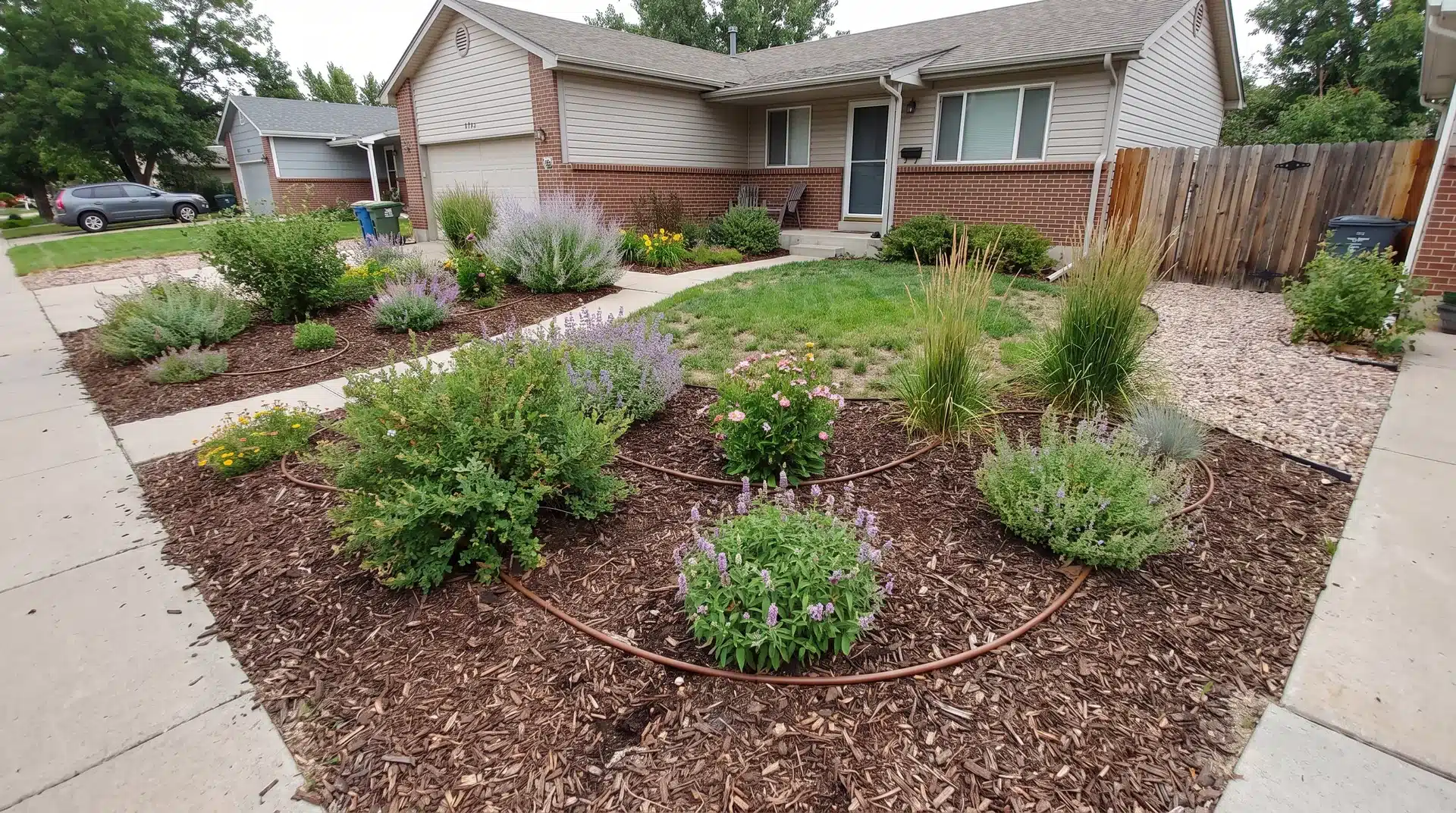
One common approach is xeriscaping, which uses drought-tolerant plants, mulch, and gravel to cut down on watering, and it works especially well in hot, dry regions with limited rainfall.
The exact method changes based on where you live. A yard in Arizona might lean on agave and native desert grasses, while a yard in Washington might use rain gardens with moisture-loving plants like sword ferns.
Benefits of Sustainable Landscaping
Sustainable landscaping does more than cut down on chores. It changes how your yard uses water, energy, and money over time, and it helps the local environment too. Here is what you can expect once your yard is set up this way.
- Lower Water Bills: Drought-tolerant and native plants need less watering once established, which can significantly cut your outdoor water use.
- Less Time on Maintenance: Smaller lawn areas mean less mowing, less fertilizing, and fewer hours spent on upkeep each week.
- Healthier Soil Through Organic Lawn Care: Compost and organic matter improve drainage and moisture retention, so plants grow stronger with less added help and fewer synthetic treatments.
- Support for Local Wildlife: Native plants give birds, bees, and butterflies food and shelter, which helps pollinators thrive in your area.
- Less Stormwater Runoff: Rain gardens and reduced turf allow water to soak into the soil instead of running off into streets and storm drains.
These benefits build on each other. Better soil supports stronger plants, stronger plants need less water, and less water use means lower bills and less runoff.
The result is a yard that costs less to maintain and does more good for the environment around it.
What Practices Does Sustainable Landscaping Include?
Sustainable landscaping uses practices that reduce water use, support local plants, and keep your yard healthier over time.
The goal is to create a landscape that works with nature instead of relying on constant watering, chemicals, and extra maintenance.
1. Prioritize Native and Regionally Adapted Plants
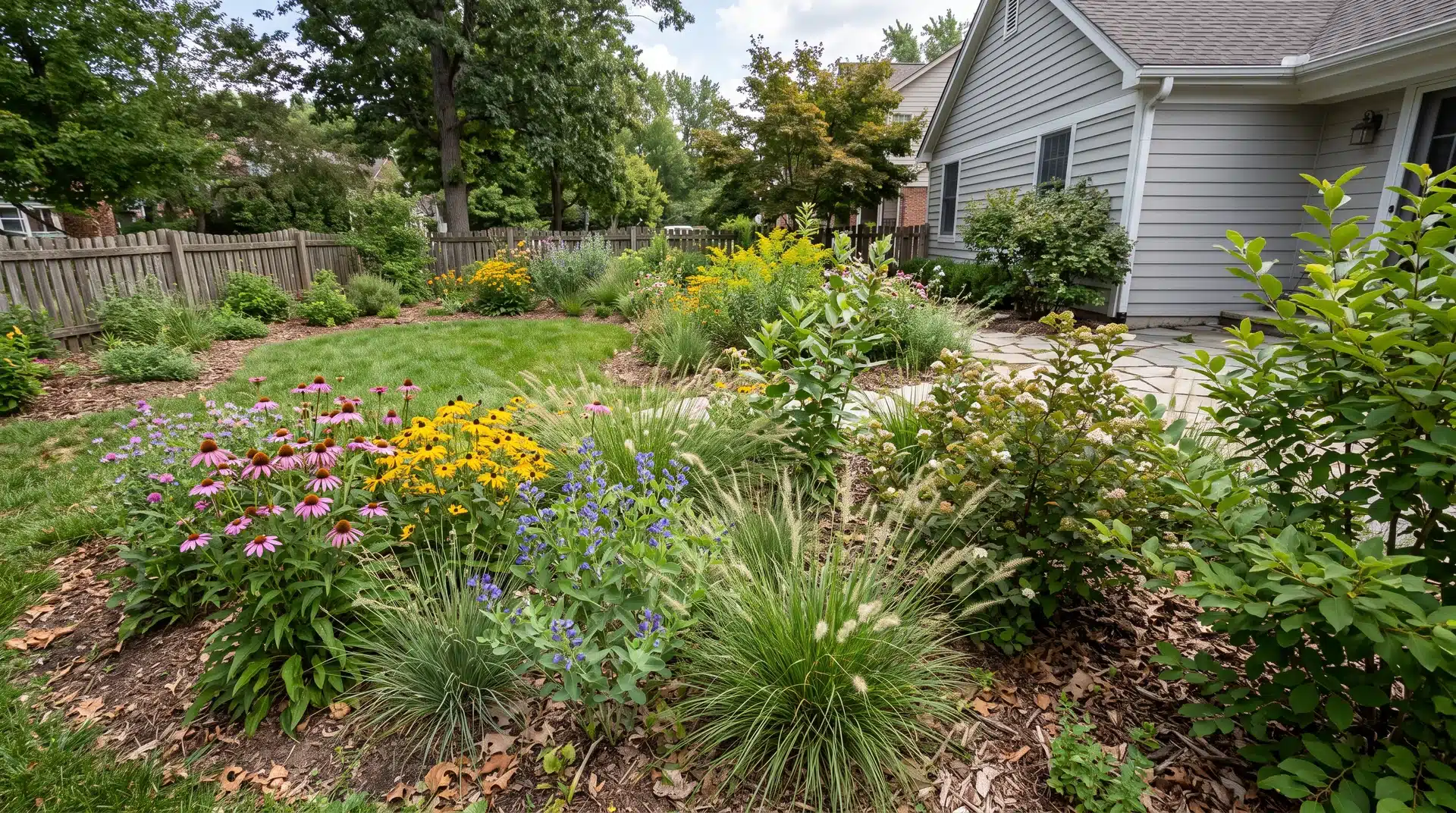
Native plants grow naturally in your region and are already suited to local conditions. They often handle local rainfall, temperatures, and soil types better than plants from different climates.
Once established, many native plants need less extra watering and fewer treatments than plants brought in from other climates. Switching to well-suited, drought-tolerant plants can cut outdoor water use by 20 to 50 percent, depending on the plants and the setup.
Some non-native plants can work if they suit your area and do not spread into natural spaces. The key is knowing how a plant behaves locally, as a low-maintenance plant in one region may need more care elsewhere.
Note: Check resources from your state extension service, native plant societies, botanical gardens, and master gardener programs. They can help you choose plants that fit your yard and avoid future problems.
2. Supporting Local Wildlife and Pollinators
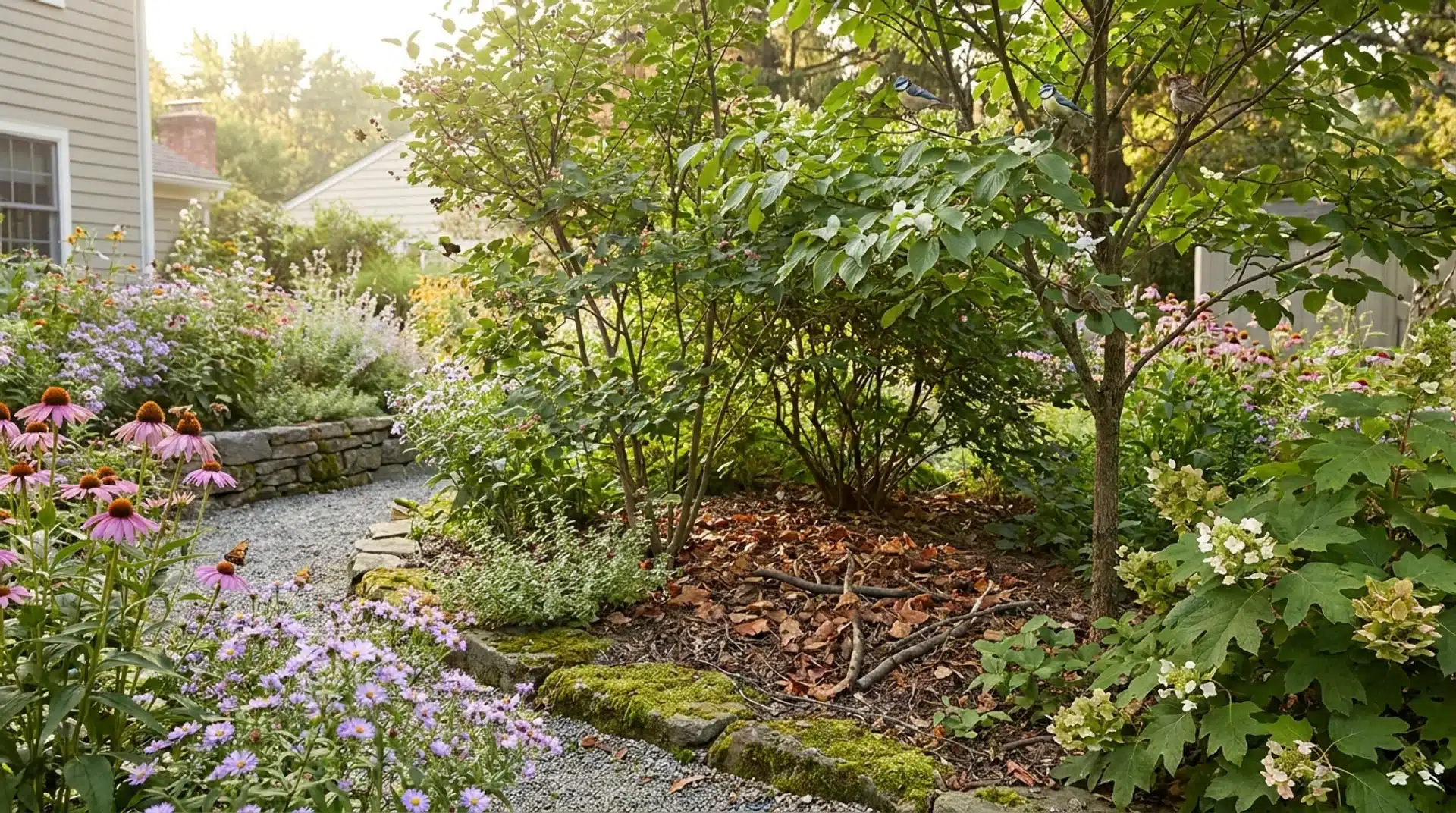
Native plants give birds, bees, and butterflies the food and shelter they need to survive. Planting flowers, shrubs, and trees that bloom at different times keeps a steady source of nectar and pollen available through the seasons.
Skipping pesticides also protects beneficial insects that naturally keep pests in check. Even small choices, like leaving a patch of leaves over winter, can give ladybugs and other helpful insects a safe place to shelter.
3. Water-Efficient Irrigation
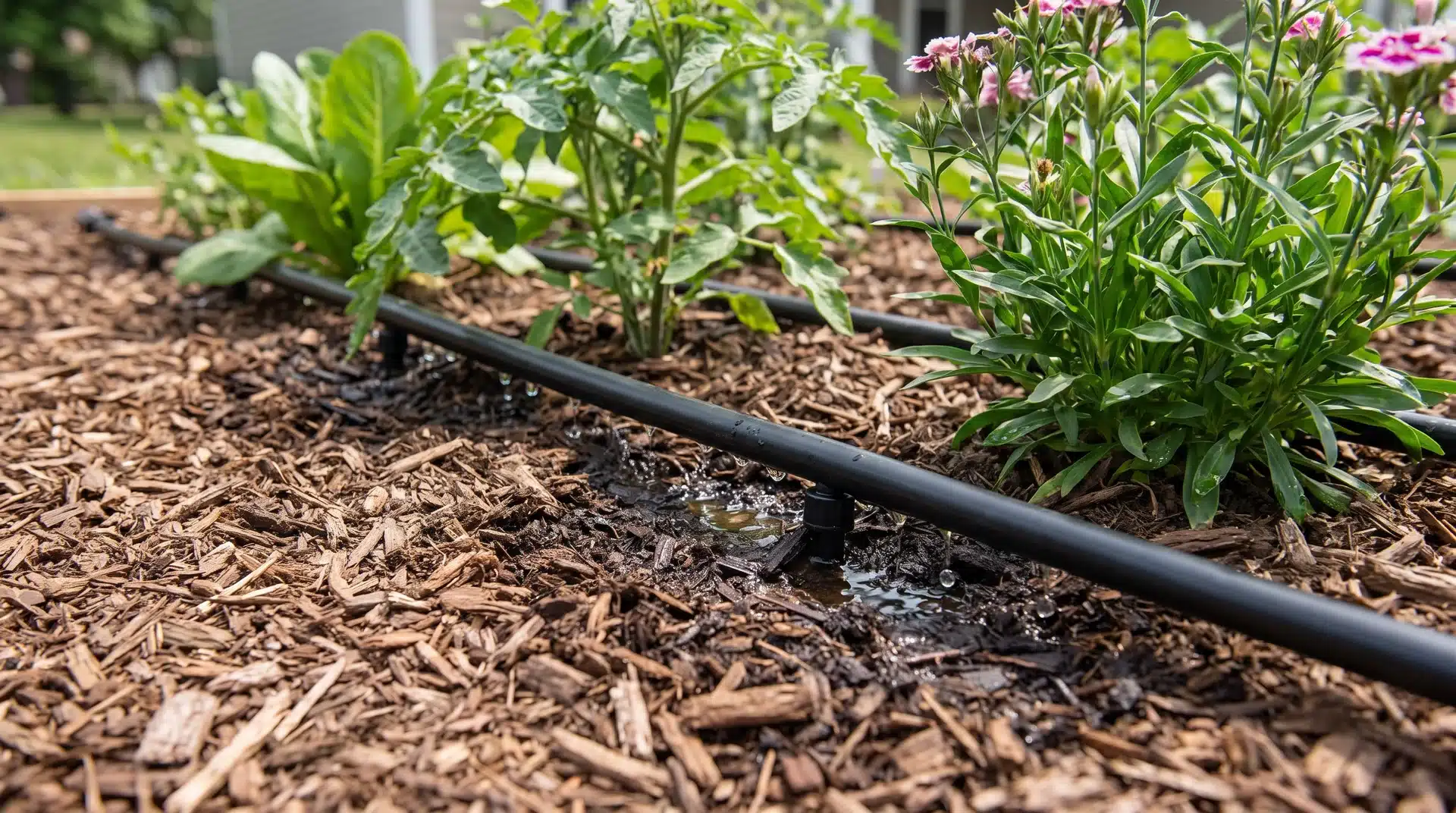
Using water wisely is another key part of sustainable yard care: Drip irrigation, soaker hoses, and properly timed watering help deliver moisture where plants need it while reducing water lost through evaporation.
I’ve found that many watering problems come from the setup rather than the plants themselves.
A sprinkler running at the wrong time or watering the wrong areas can waste water without helping the landscape. Nationally, outdoor watering makes up close to 30 percent of household water use, so a poorly timed or poorly placed sprinkler adds up fast.
4. Building Healthy Soil and Reducing Chemical Dependence
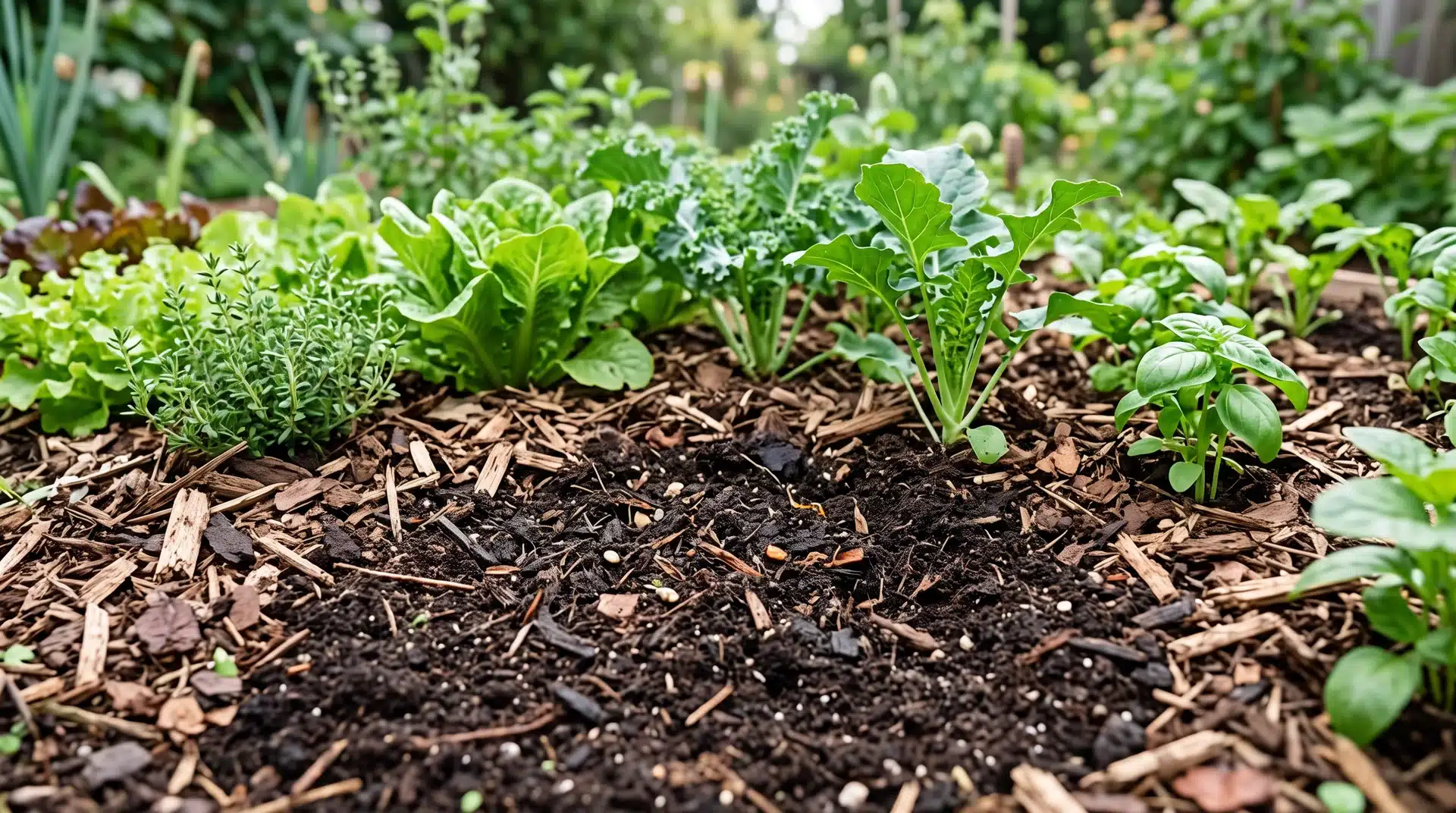
Healthy soil helps plants grow stronger with less outside help. Adding compost and organic matter improves drainage, holds moisture better, and supports deeper root growth.
This also cuts down the need for synthetic fertilizers and pesticides, since well-fed soil naturally resists pests and disease better than depleted soil.
Mulching and composting are two simple habits that build soil health over time without added chemicals.
5. Reduced Turf and Repurposed Materials
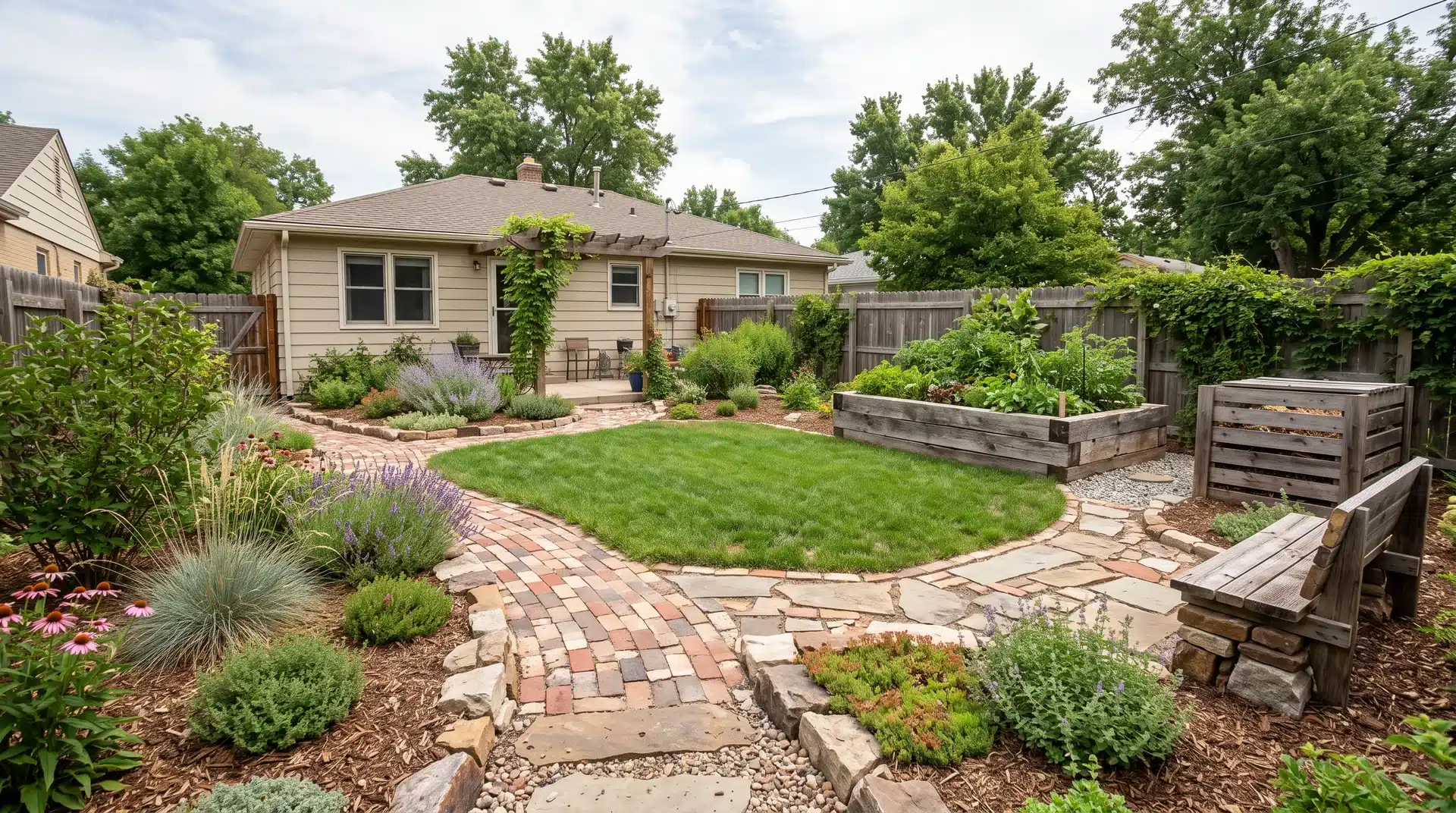
Reducing the amount of lawn in your yard can lower the time and resources needed for maintenance. Less turf means less mowing, watering, and fertilizer use throughout the year.
Using repurposed materials like recycled stone, brick, or wood can also help fill these areas while adding useful spaces without creating extra upkeep.
Common Sustainable Landscaping Mistakes
Sustainable landscaping can fail when changes ignore your yard’s existing conditions. Avoiding common mistakes helps you save money, choose better plants, and create a landscape that works long-term.
| Mistake | What Can Go Wrong | Better Approach |
|---|---|---|
| Removing All Lawn Without a Plan | Bare areas can become muddy, weedy, or difficult to use. | Plan the space first with options like planting beds, paths, or ground covers. |
| Assuming Native Plants Need No Care | Plants can still struggle with poor soil, wrong sunlight, or moisture levels. | Place plants where they fit best and water them while roots establish. |
| Using Too Much Mulch | Deep mulch can trap moisture and limit airflow around roots. | Apply the right mulch depth and keep it away from stems and trunks. |
| Buying Plants Before Checking Your Yard | Plants may fail if conditions like light, drainage, or soil are unsuitable. | Check your yard first, then choose plants that match the conditions. |
| Misusing Natural Products | Organic treatments can still harm plants, wildlife, pets, or waterways. | Use products only when needed and follow instructions carefully. |
| Ignoring Local Rules | Larger projects may need approval or follow specific regulations. | Check local requirements before making major changes. |
| Expecting Fast Results | Soil, plants, shade, and wildlife systems need time to develop. | Make changes gradually and allow time for the landscape to adapt. |
A sustainable yard does not come from making the biggest changes first. It comes from understanding your space, making informed choices, and giving plants and soil the time they need to adjust.
Use Local Resources Before Making Changes
Sustainable landscaping decisions work best when they match your local conditions. These resources can help you choose suitable plants, manage water use, and avoid costly mistakes.
- Government Agencies: Check state environmental, water conservation, agriculture, and waste management resources for guidance on native plants, irrigation, composting, drought-friendly yards, and local water rules.
- University Extension Programs: Use research-based advice from extension services for plant selection, soil testing, lawn care, pest control, and irrigation practices suited to your region.
- Botanical Gardens: Look to local botanical gardens for plant recommendations, native species information, and sustainable gardening practices that match your climate.
- Native Plant Societies: Use regional plant lists and supplier directories to find species that support local wildlife and grow well in your area.
- Master Gardener Programs: Get practical advice from trained local volunteers who understand common gardening challenges, seasonal care, soil issues, and plant selection.
- Municipal Programs: Check city and water authority programs for rebates, compost services, water restrictions, tree programs, and approved plant lists.
- Qualified Professionals: Hire certified landscape professionals, arborists, irrigation specialists, or soil experts for complex projects involving drainage, large trees, irrigation systems, or major soil problems.
Using local guidance helps you create a yard that works with your area’s conditions. The right advice early can prevent wasted money, failed plants, and unnecessary maintenance later.
Wrapping Up
Sustainable landscaping comes down to choosing plants that suit your region, using water carefully, and building healthier soil.
Reducing turf, reusing materials, and planning each change around your yard’s actual conditions can also lower maintenance over time.
From what I have seen, the best results rarely come from changing everything at once. They come from making one practical choice, seeing how the yard responds, and adjusting from there.
If you want a yard that uses fewer resources without looking neglected, sustainable landscaping offers a clear approach. Start by noting your yard’s sunlight, drainage, soil, and watering needs before buying anything.
Frequently Asked Questions
Does a Rain Garden Attract Mosquitoes and Cause Other Problems?
A properly functioning rain garden drains within 24 hours, preventing mosquitoes from breeding. It is a recessed area planted with native species that captures stormwater, allowing it to soak into the ground and reduce runoff.
Can Sustainable Landscaping Increase My Home’s Resale Value?
Yes, it can boost curb appeal and property value. Homebuyers increasingly value the lower maintenance costs and environmental benefits of native and drought-tolerant landscapes, which can signal a well-cared-for property.
Are There Government Rebates or Incentives for Sustainable Landscaping?
Many local municipalities and water districts offer rebates, tax credits, or free materials to homeowners who replace lawns with water-efficient xeriscaping or install rain gardens. Check with your local water provider for specific programs.
What Kind of Maintenance Does a Sustainable Yard Actually Require?
While it requires less maintenance than a traditional lawn, it still needs routine care. This includes inspecting and adjusting irrigation systems, replenishing mulch, weeding, and pruning to ensure plant health and water efficiency.