

I get why solar panels and wind power sound like an easy win. Lower bills, cleaner air, no more begging the utility company for mercy on rate hikes.
But before you sign anything, I checked the numbers behind renewable energy, and the picture is more mixed than the sales pitch suggests.
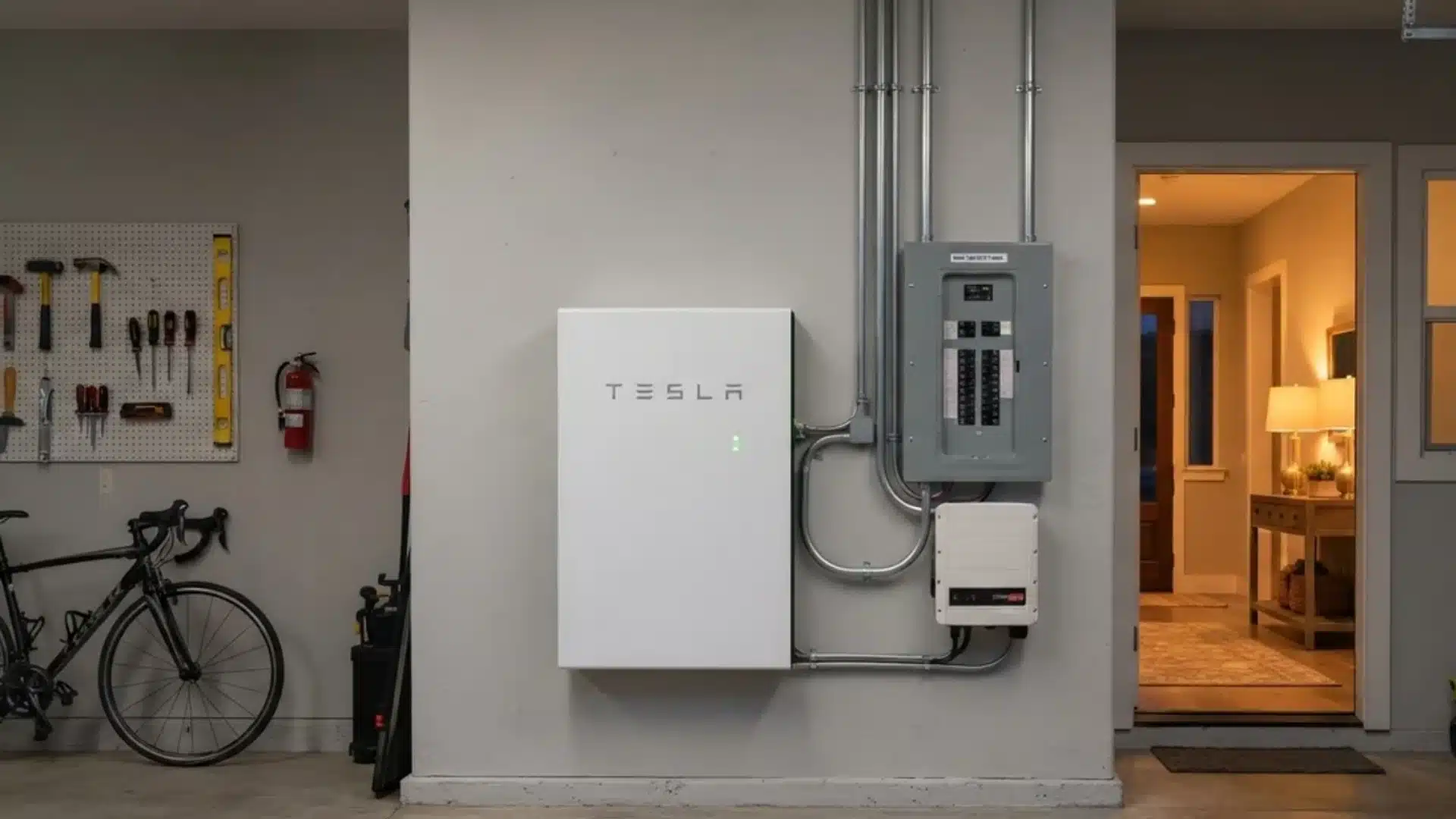
Cloudy weeks still cut into solar output. Batteries that store extra power cost real money.
A full system can run thousands of dollars before you see a single dollar in savings. None of this means renewable energy is a bad choice.
It means the cons of renewable energy deserve the same scrutiny as the benefits, especially if your budget, roof, or location makes some of these trade-offs bigger than others.
Here is what actually holds people back, and why.
What is Renewable Energy and Why Is It Important?
Renewable energy comes from natural sources that can restore themselves over time. These sources include sunlight, wind, flowing water, heat from the earth, and organic materials.
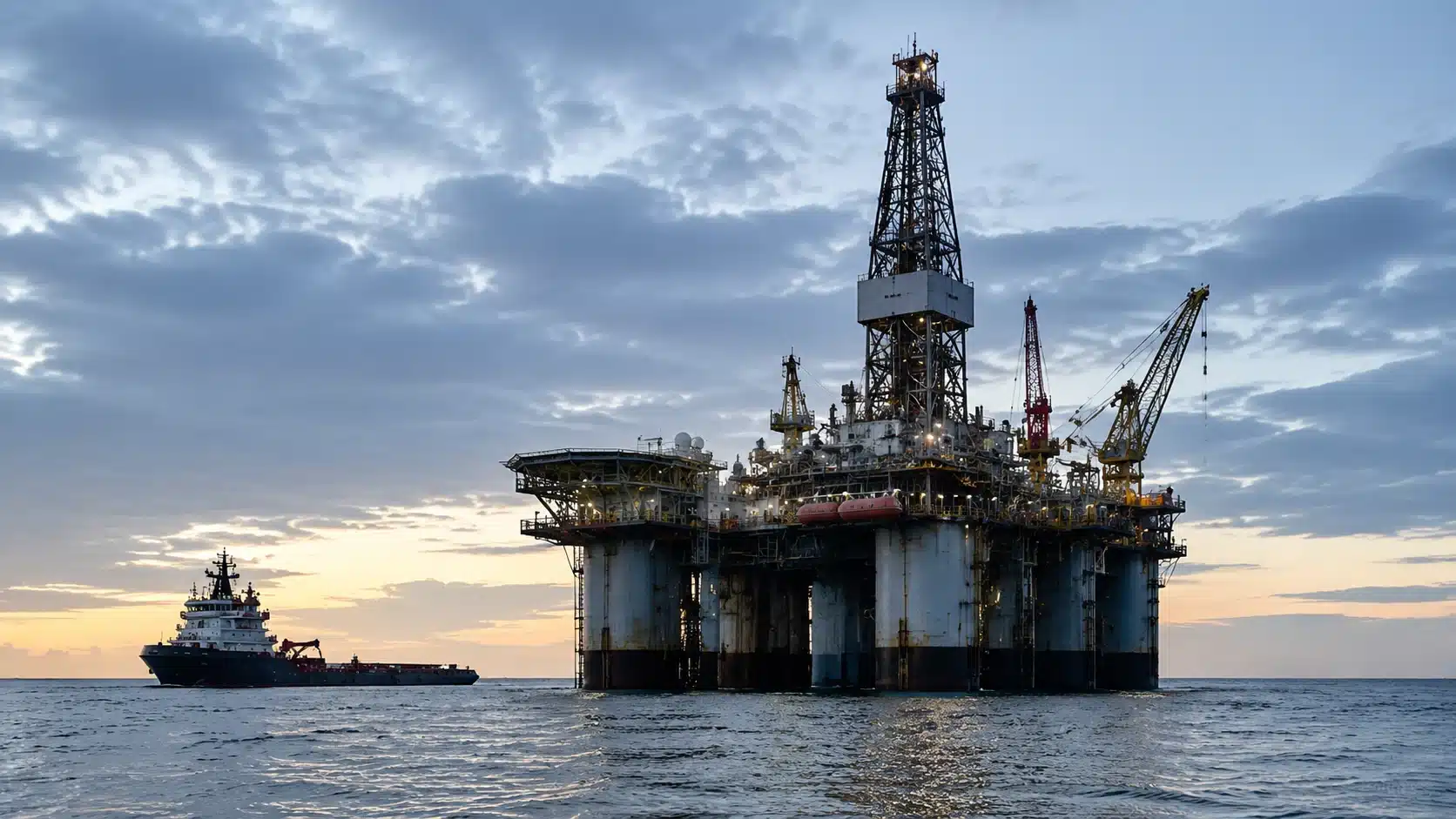
Unlike fossil fuels, renewable sources do not depend on limited supplies. Coal, oil, and natural gas take millions of years to form and cannot be replaced quickly once used.
Solar panels convert sunlight into electricity, while wind turbines use moving air to generate power. Hydropower relies on flowing water, and geothermal systems use heat from underground.
Biomass energy uses organic materials, such as plant waste, to produce usable energy. Each system works differently, but they all aim to reduce dependence on fossil fuels.
Renewable energy has become an important part of modern energy planning. Countries, businesses, and homeowners are investing in these systems to lower emissions and create more flexible energy options.
What are the Main Cons of Renewable Energy?
Renewable energy offers clear advantages, but it is not a perfect solution for every situation.
When you look at these systems in practice, the biggest challenges usually come down to reliability, cost, storage, and resource needs.
Understanding these limits helps you see where renewable energy works best.
1. Weather Dependence
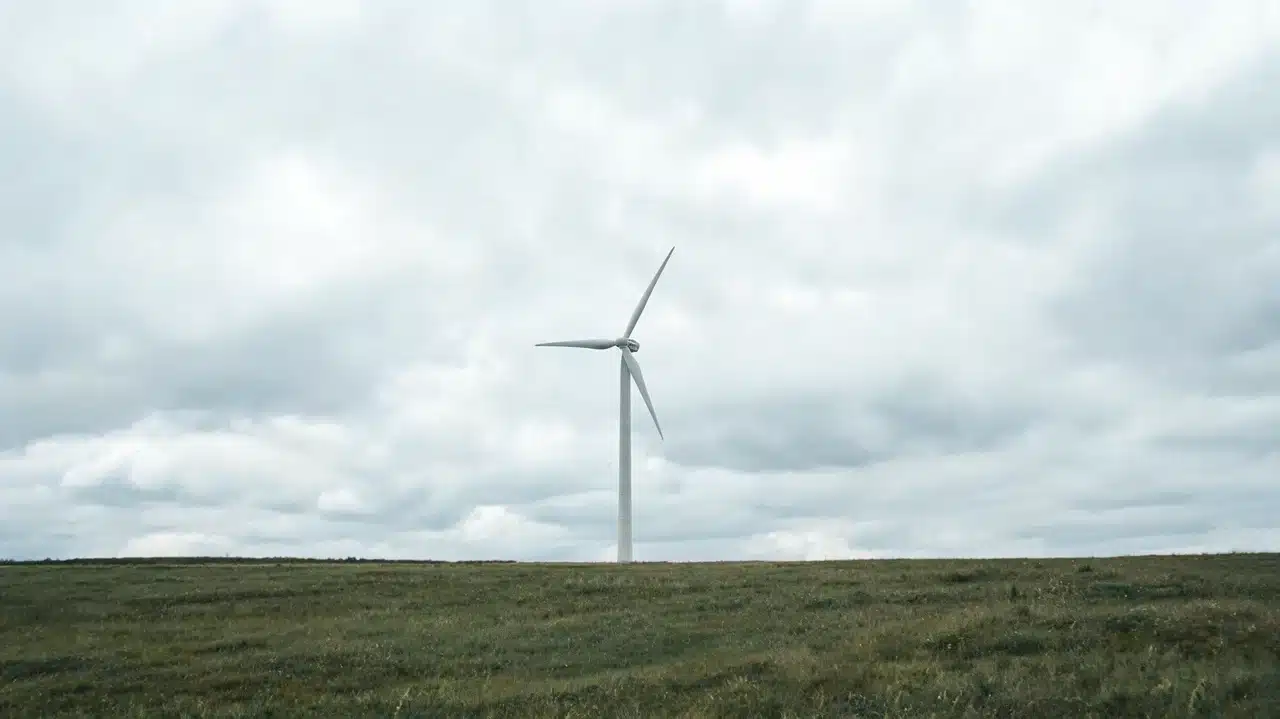
One of the biggest challenges with renewable energy is its connection to weather conditions.
Solar panels work best when sunlight is available. Cloudy days, shorter winter days, and nighttime hours can reduce electricity production.
On a cloudy day output typically drops to about 10% to 25% of a panel’s rated capacity, which is enough to notice on your bill during a stretch of gray weather.
Wind energy has a similar limitation.
Turbines need steady wind speeds to produce power efficiently. A location with weak or unpredictable winds may not deliver the expected results.
Hydropower is often more consistent, but it can still be affected by droughts and changing rainfall patterns. Lower water levels can reduce electricity generation when demand is high.
The issue is not that renewable systems stop working. The challenge is matching energy production with the times when people need electricity most.
This is why storage systems, backup power sources, and stronger grids play an important role in renewable energy planning.
2. Storage Challenge
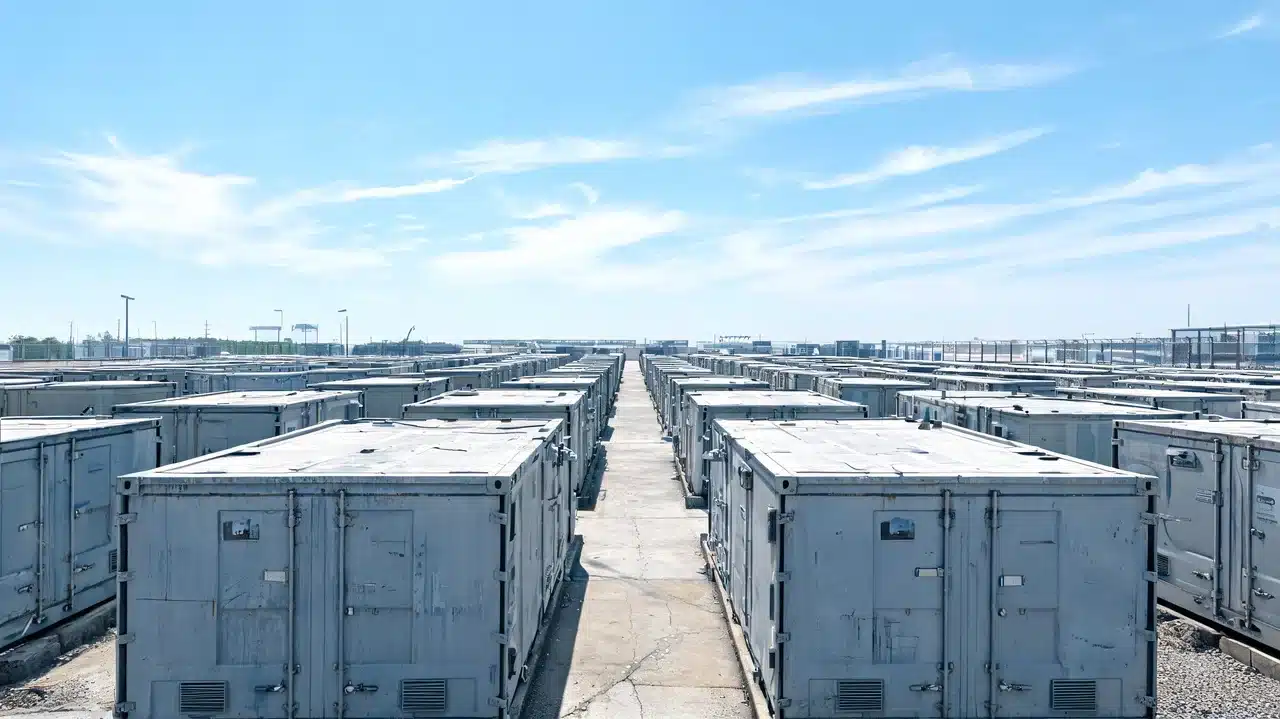
If you use solar or wind energy, one challenge becomes clear quickly: energy production does not always happen when you need electricity.
Solar panels often generate the most power during sunny hours, but many homes use more electricity in the evening.
Wind energy can also produce more power during certain weather conditions and less during calmer periods.
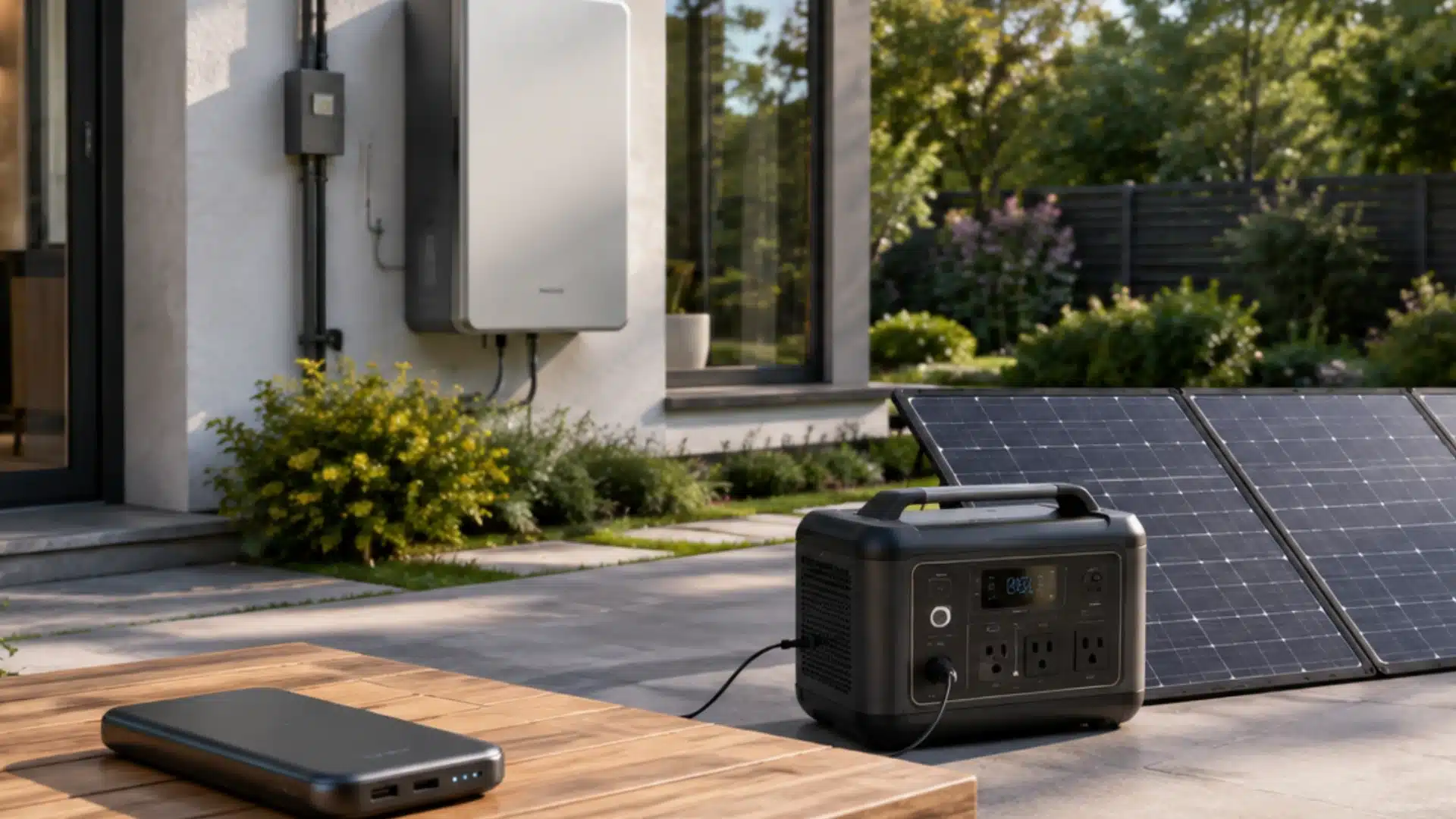
Storage systems help solve this problem by saving extra electricity for later use. For example, a battery can store daytime solar power and provide energy after sunset.
However, large-scale storage is still one of the biggest challenges in renewable energy.
Batteries are improving, but they remain expensive for many projects and cannot always provide enough backup for long periods.
In my own conversations with installers, most homeowners underestimate battery costs by half until they get a real quote.
If you want a closer look at what is actually available right now, our breakdown of best home solar batteries compares capacity, price, and backup time across the top models.
The storage challenge also depends on where the system is installed. A small home solar setup has different needs than a large power grid serving millions of people.
3. High Initial Investment
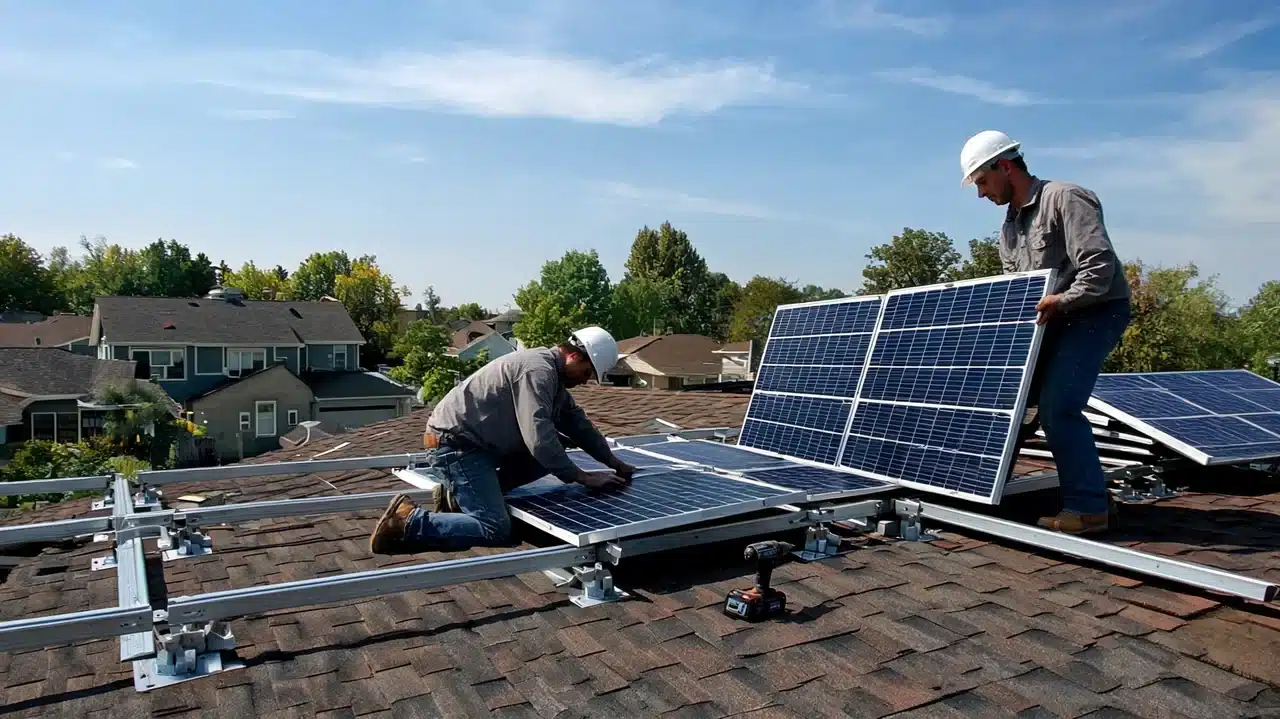
One of the first concerns people notice when considering renewable energy is the upfront cost.
Solar panels, wind turbines, batteries, and grid connections require significant investment before the savings begin. For homeowners and businesses, this upfront cost can be the biggest barrier.
The long-term picture is different. Once installed, renewable systems usually have lower operating costs because sunlight and wind do not require fuel purchases.
However, the benefit depends on several factors. Your location, energy usage, equipment quality, and available incentives can all affect how quickly the investment pays off.
Here is one thing worth knowing right now: the federal 30% Residential Clean Energy Credit credit expired in 2025, so it no longer offsets a new system’s cost the way it did a year ago.
Some states and utilities still run their own rebates and financing programs, so it is worth checking what is currently available in your area before assuming there is no help left.
4. Land and Space
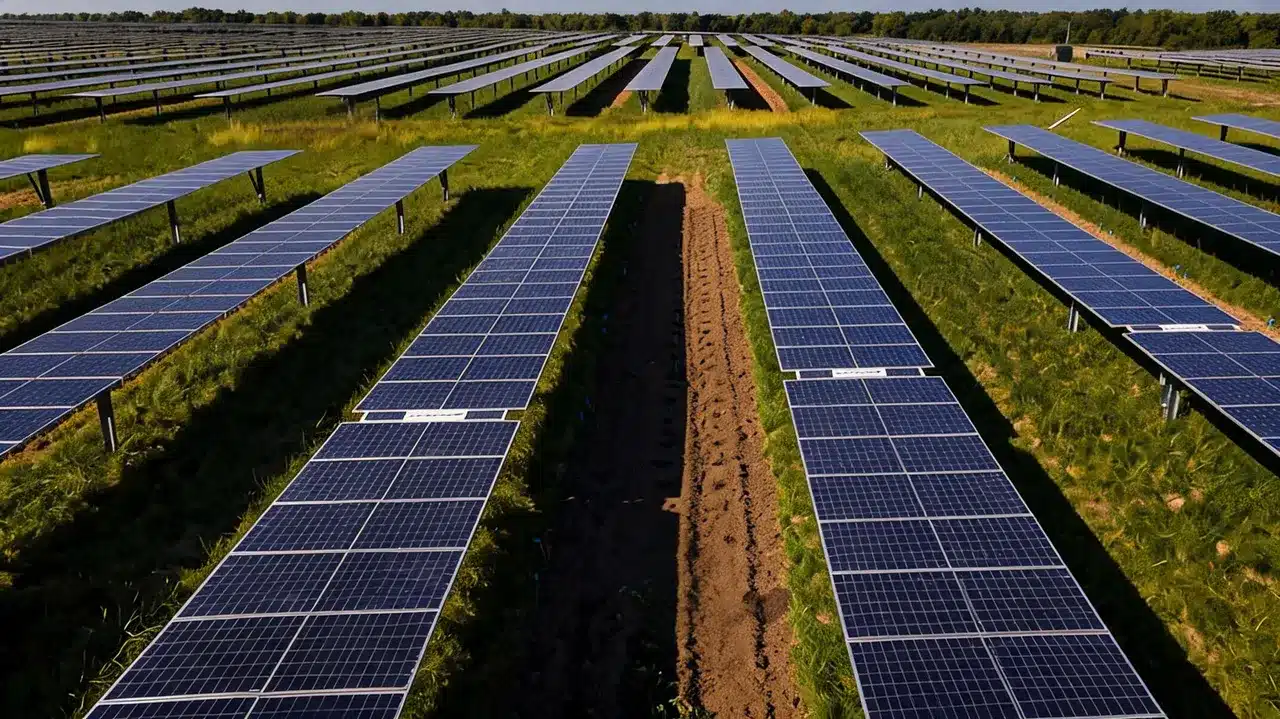
When people think about renewable energy, they often focus on technology. However, the location of these systems matters just as much.
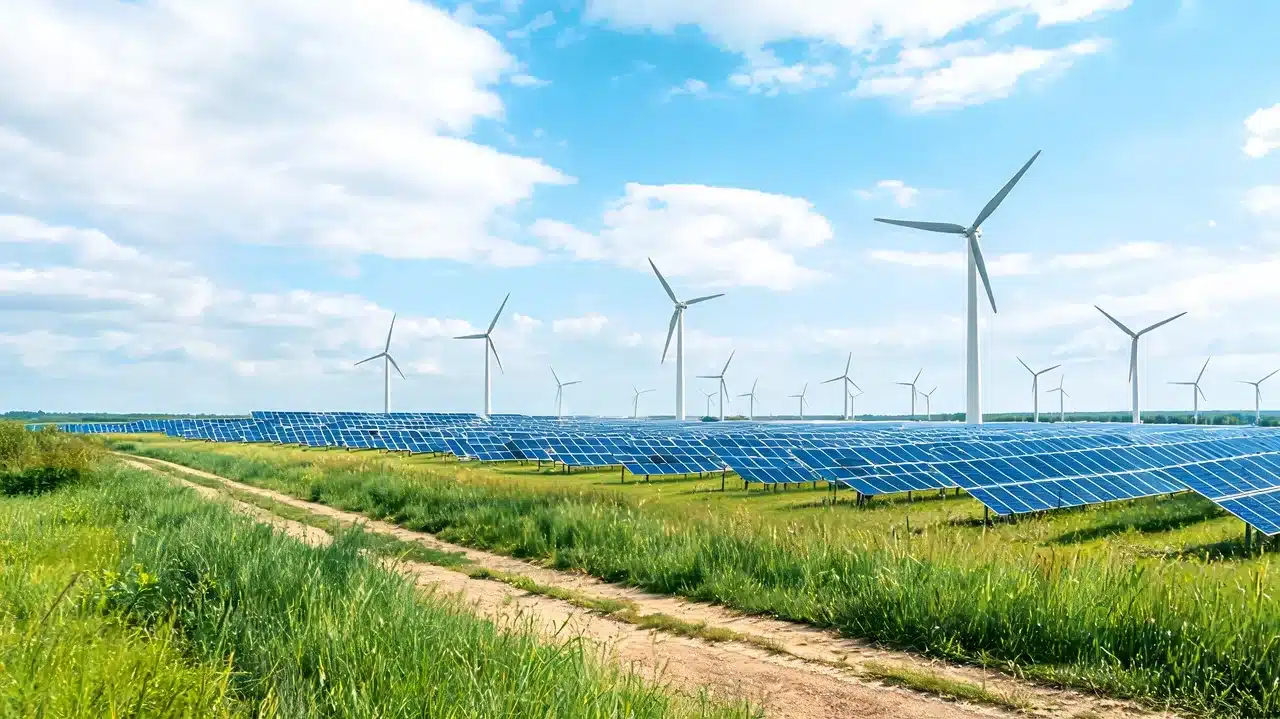
Large solar farms and wind projects need enough space to generate meaningful amounts of electricity.
Solar installations require open areas with strong sunlight, while wind turbines need enough distance between units for safe operation.
This can create challenges in areas with limited land. Solar projects may compete with farmland, and poorly planned developments can affect natural habitats.
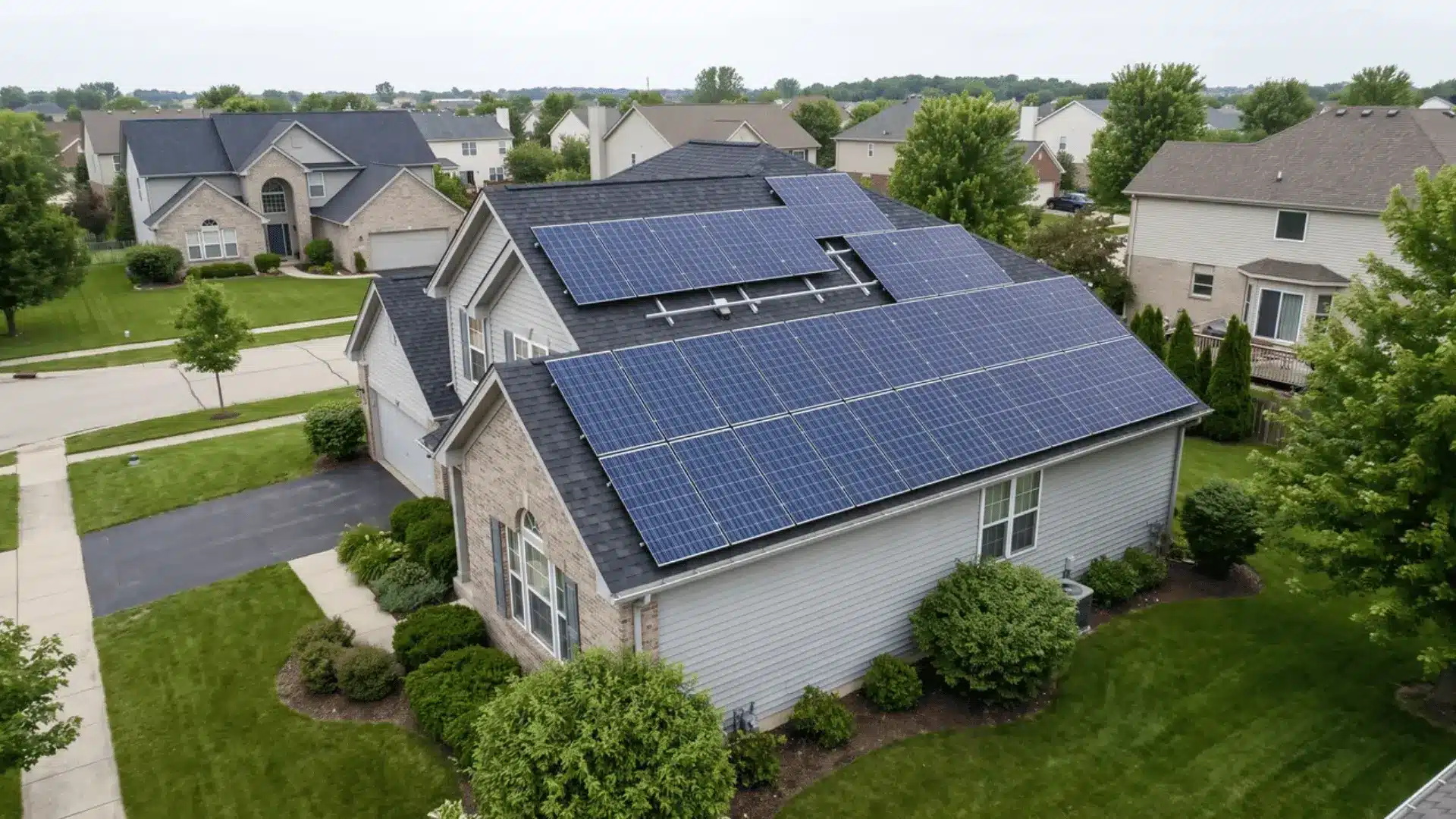
The solution is not always to use more land. Rooftop solar, parking lot installations, and systems that combine farming with energy production can reduce these concerns.
Good planning plays a major role here. The same renewable project can have very different effects depending on where and how it is built.
5. Environmental Impact
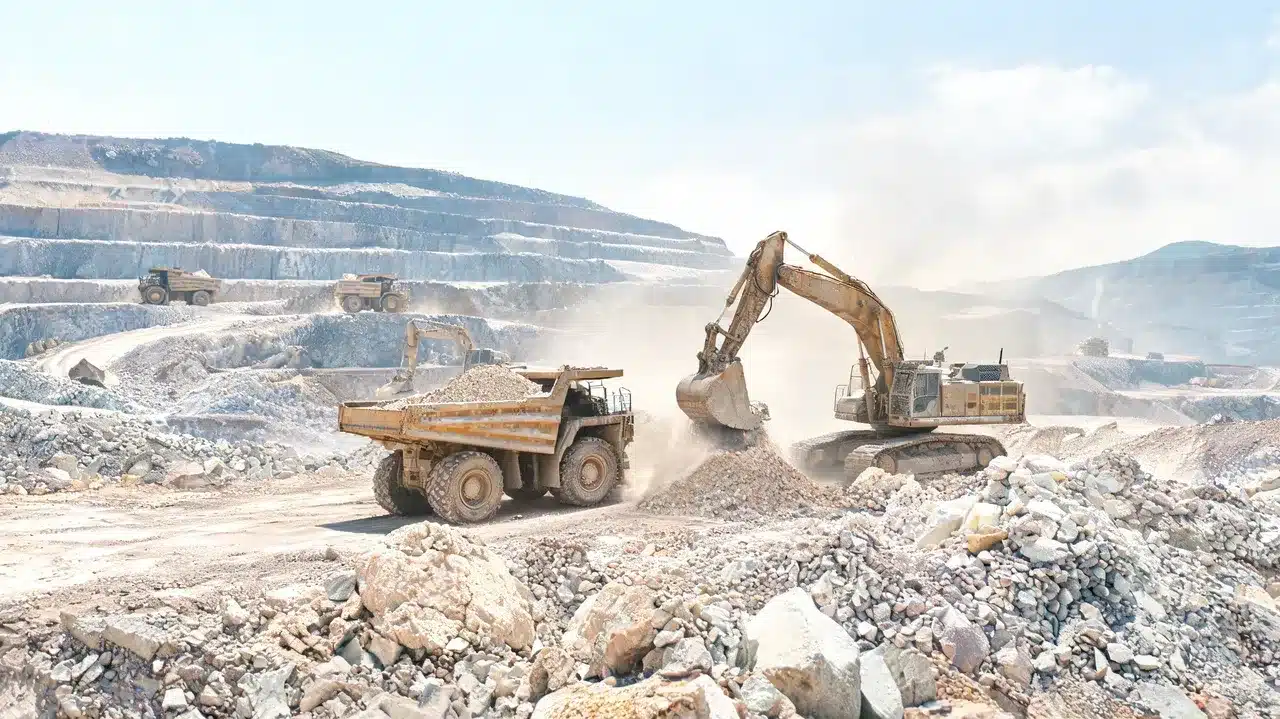
Renewable energy is cleaner than fossil fuels during operation, but it still has an environmental footprint.
Manufacturing solar panels, batteries, and wind turbines requires materials such as lithium, cobalt, and rare earth elements. Extracting these resources can affect ecosystems and use significant amounts of water.
The manufacturing stage also creates emissions. This is especially true when factories rely on fossil-fuel energy during production.
Most solar panels recover the energy payback period of their manufacturing within 1 to 3 years of use, and large wind turbines can recover it in as little as six months.
Waste is another issue that becomes more important as renewable adoption grows. Old solar panels and batteries eventually need recycling or responsible disposal.
The good news is that these challenges are not ignored. Better recycling methods and improved manufacturing processes are helping reduce the impact of future renewable projects.
Benefits of Renewable Energy Despite These Challenges
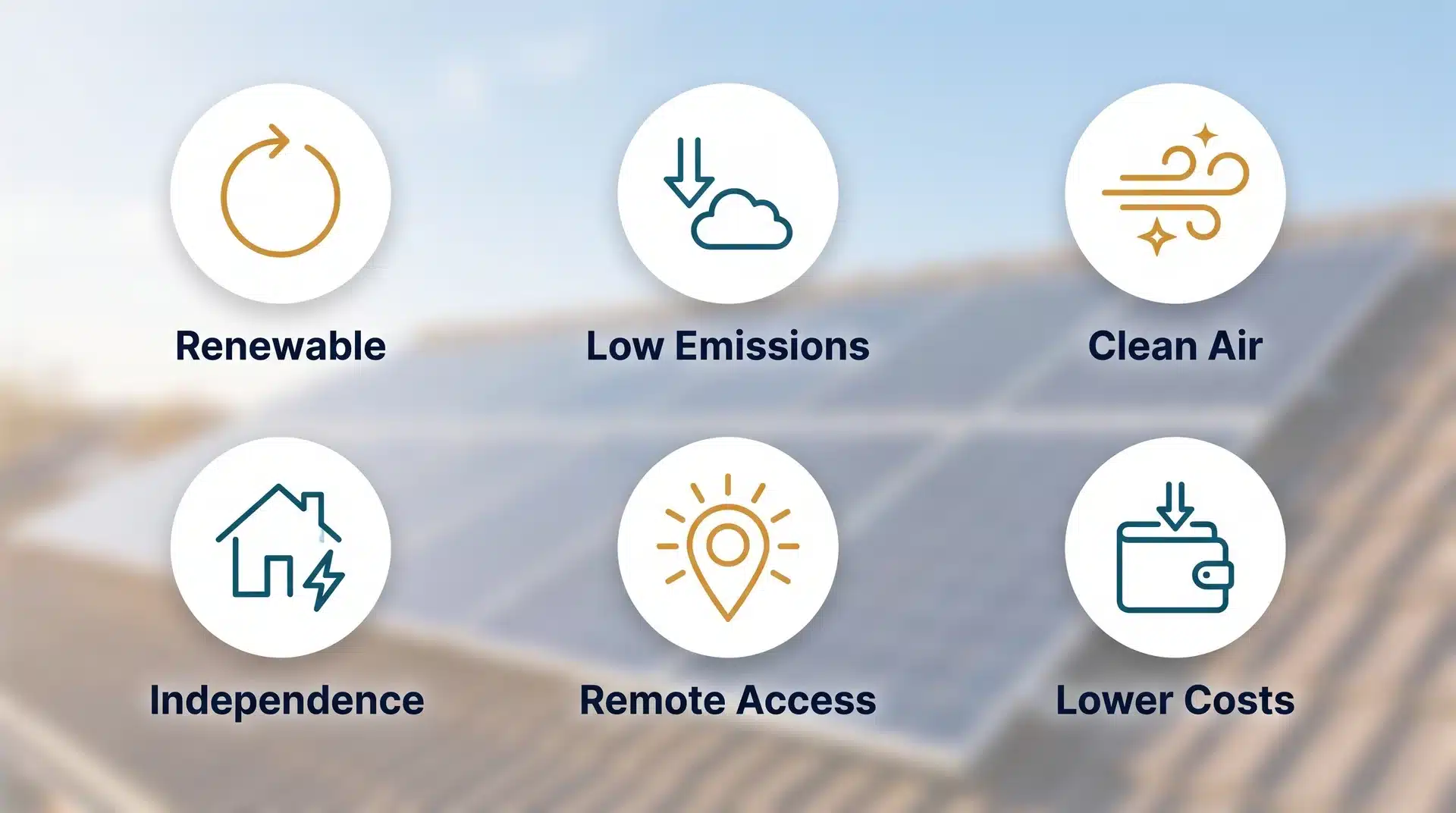
Understanding the disadvantages of renewable energy is important, but it is only one side of the picture.
Over time, these systems’ advantages explain why so many homes, businesses, and governments continue investing in them.
- Naturally replenishing supply: Solar, wind, and other renewable sources rely on resources that naturally replenish rather than limited fuel reserves.
- Lower emissions: Renewable systems produce far less pollution during operation than fossil fuel-based energy.
- Cleaner air: Reducing fuel combustion can help lower pollutants linked to poor air quality.
- Energy independence: Countries and communities can rely more on local energy sources instead of imported fuels.
- Access in remote areas: Solar systems and microgrids can provide electricity where traditional grid expansion is difficult.
- Lower operating costs: After installation, renewable systems usually avoid ongoing fuel expenses.
These benefits do not remove the challenges discussed earlier. Instead, they show why renewable energy remains an important part of future energy planning.
How Do Renewable Energy Challenges Compare With Fossil Fuels?
Renewable energy’s challenges are mostly technical and financial, while fossil fuels carry deeper structural problems tied to pollution and a finite resource base.
The table below breaks down where each source runs into trouble.
| Aspect | Fossil Fuels | Renewable Energy |
|---|---|---|
| Emissions | Produce significant carbon emissions during use | Produce very low emissions during operation |
| Resource availability | Depend on limited fuel supplies | Use naturally replenished resources |
| Pricing | Can change because of fuel markets and global events | Often becomes more predictable after installation |
| Environmental effects | Causes damage through extraction, transportation, and burning | Creates impacts mainly through manufacturing and land use |
| Main challenges | Pollution, climate effects, and fuel availability | Storage, weather changes, and grid improvements |
| Role of technology | Cannot remove fuel depletion completely | Can reduce many challenges through better systems |
The key difference is where the problems come from. Fossil fuel limitations are tied to the resource itself, while many renewable challenges can improve through better technology and planning.
Can Renewable Energy Challenges Be Reduced in the Future?
Yes, many of these limitations are already shrinking as storage technology, smarter grids, and recycling systems mature.
Renewable energy is still developing, and current limitations are receiving real investment and attention.
Battery technology is improving, which can help store electricity produced during sunny or windy periods. This matters because energy production does not always match daily demand.
Smarter power grids can also make renewable systems more reliable.
These networks can move electricity between areas with extra supply and places that need more power. Combining different renewable sources can also improve performance.
For example, wind energy may provide support when solar production is lower.
Recycling improvements will also become more important as older equipment reaches the end of its useful life. Recovering materials from batteries and panels can reduce waste and lower the need for new resources.
Renewable energy still has challenges, but continued improvements are helping make these systems more practical.
Wrapping Up
The cons of renewable energy are real, but so is the upside once you weigh them against your own roof, budget, and location.
Weather dependence, storage costs, upfront pricing, land needs, and manufacturing impacts are the trade-offs worth knowing before you commit, not reasons to rule solar or wind out entirely.
For a lot of homeowners, the math still works once incentives, location, and system size line up. I would rather you go in with real numbers than a sales pitch.
What has held you back from going solar, cost, roof shading, something else? Tell us in the comments, we read every one.
Frequently Asked Questions
Can Renewable Energy Replace Fossil Fuels Completely?
Renewable energy can supply most of the world’s power, but full replacement depends on stronger grids, more storage capacity, and continued cost declines. Sunlight and wind cannot be turned on demand the way a gas plant can, so a full transition needs backup systems and better infrastructure, not just more panels and turbines.
Do the Disadvantages of Renewable Energy Outweigh the Benefits for Most Homeowners?
For most homeowners, no. Upfront costs and weather dependence are real, but lower operating costs, rising utility rates, and available incentives usually tip the math toward renewable energy within 10 to 15 years. The disadvantages matter most for homes with heavy roof shading, unusual financing needs, or very low electricity use.
Does Adding a Home Battery Fully Solve the Storage Problem?
Not completely. A home battery smooths out daily gaps between when solar panels produce power and when a household uses it, but most residential batteries only hold enough for a few hours to a couple of days. They reduce reliance on the grid, but they rarely replace it entirely.
How Do Land Requirements for Solar and Wind Compare With Fossil Fuel Infrastructure?
Solar and wind need more surface land per unit of electricity than a power plant, since sunlight and wind are spread out rather than concentrated. Fossil fuel infrastructure uses less land directly but adds mining sites, pipelines, and drilling areas elsewhere, so the comparison depends on which impacts you count.
What is the Fastest Way to Reduce the Upfront Cost of Going Solar?
Check for state and utility rebates first, since the federal tax credit expired at the end of 2025. Getting quotes from at least three installers, sizing the system to actual usage instead of roof space, and asking about financing or lease options can also bring the starting cost down quickly.