


A third power outage in one year can make backup energy feel less optional and more practical. Still, choosing the right setup is not as simple as buying the largest battery you can afford.
A home energy storage system can keep essential devices running, lower dependence on the grid, and store electricity for later use.
Options such as residential battery storage and renewable energy storage also give homeowners more control over when and how they use stored power. I tend to look at these systems by function first, not brand or size.
The questions are what the system includes, how long it can supply power, whether solar is necessary, and which limitations matter before installation. Here, I’ll explain each point clearly.
What Is Home Energy Storage?
Home energy storage is a rechargeable battery system that stores electricity at your house so you can use that power later when needed.
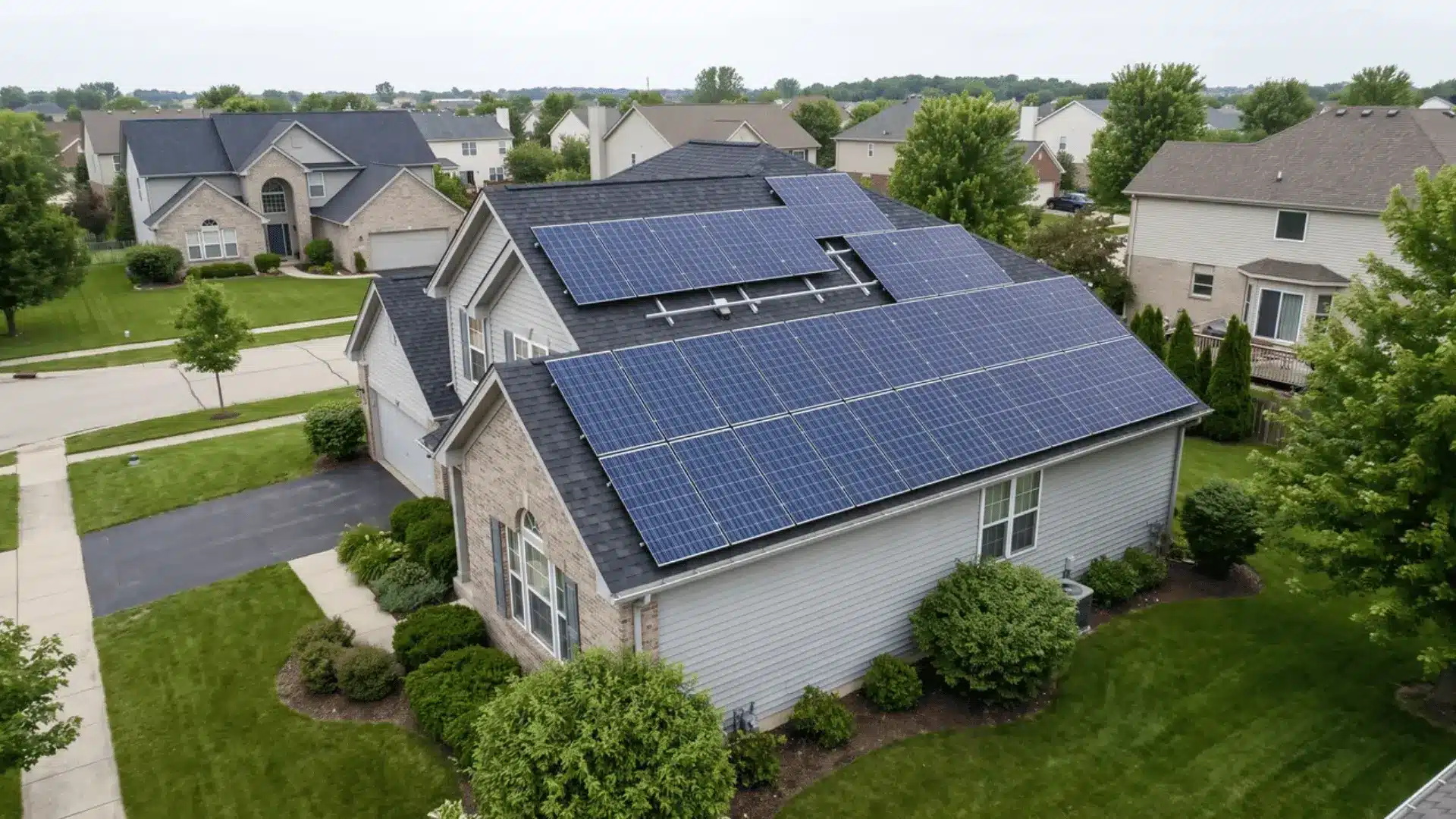
The system can charge from rooftop solar panels, the electrical grid during lower-cost off-peak hours, or a combination of both.
That stored electricity can then support your home during outages or reduce grid use when electricity rates are higher. Home energy storage refers to a category of equipment, not a single product.
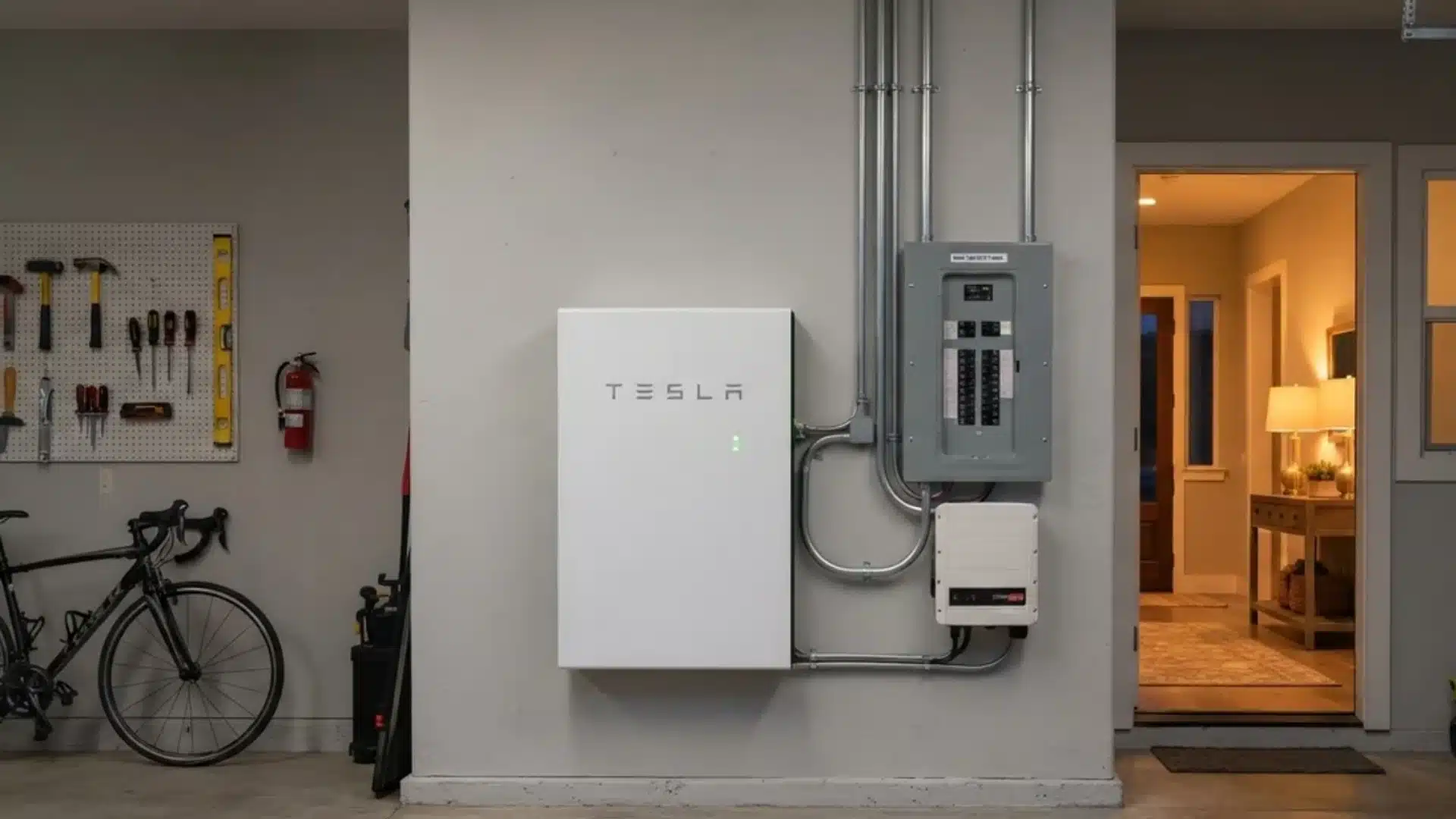
Tesla Powerwall is widely known, while brands such as EcoFlow, EG4, and Anker offer competing systems with different capacities and features.
Most systems include a battery and inverter connected to your electrical panel. The battery is commonly mounted in a garage, utility room, basement, or another approved installation area.
What Types of Home Energy Storage Systems Are Available?
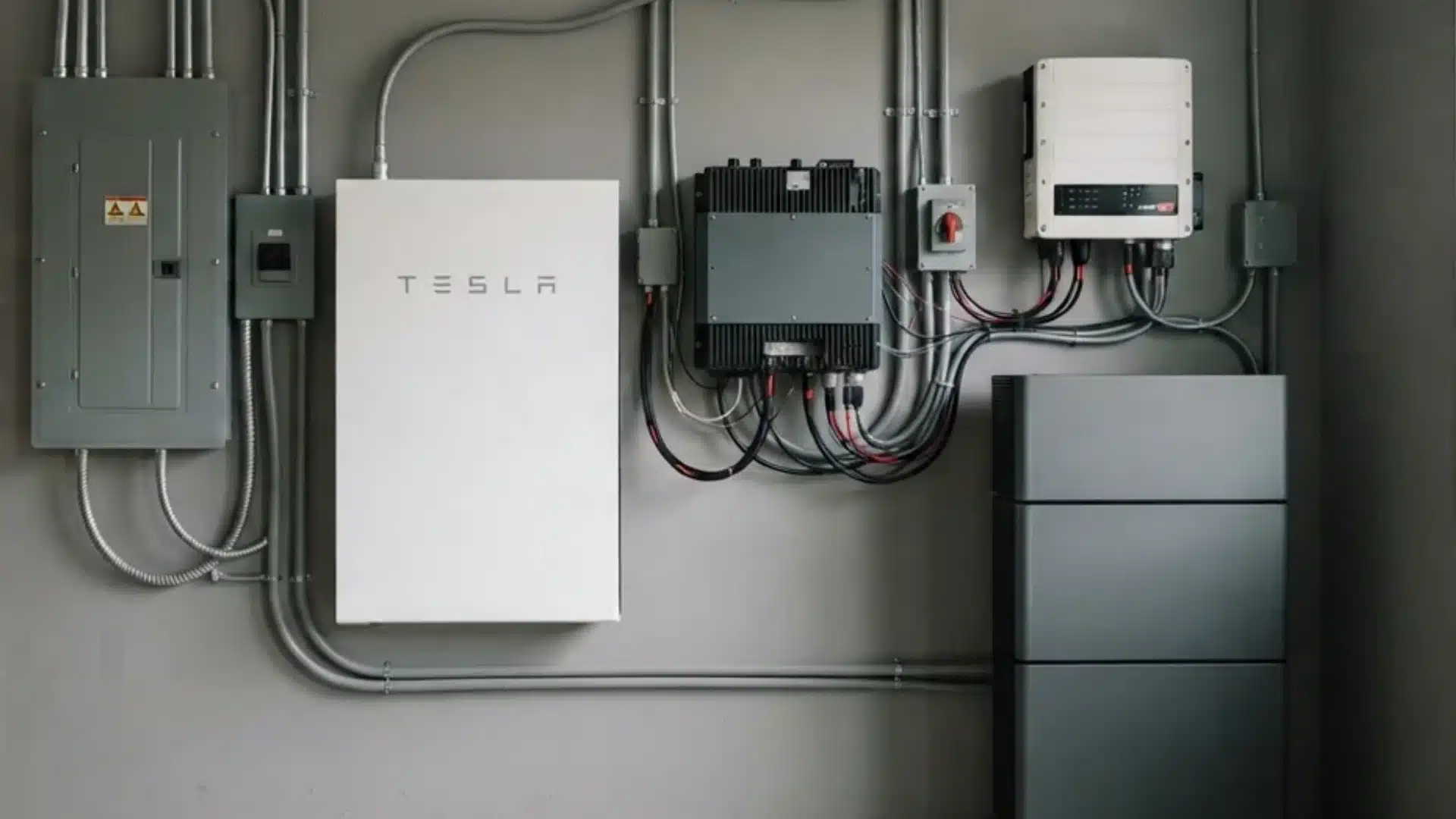
Home energy storage systems differ mainly by battery chemistry, installation design, power capability, and how they connect with solar equipment.
1. Lithium Iron Phosphate Batteries
Lithium iron phosphate, or LFP, batteries are now common in residential storage systems because they offer long cycle life, good thermal stability, and relatively low maintenance.
Major systems from Tesla, FranklinWH, Enphase, EcoFlow, and other manufacturers currently use LFP chemistry in at least some residential products.
2. Other Lithium-Ion Batteries
Some residential batteries use other lithium-ion chemistries, including nickel-manganese-cobalt, or NMC.
These batteries can provide high energy density, although chemistry, thermal management, warranty coverage, and installation requirements vary by manufacturer.
3. Lead-Acid Batteries
Lead-acid batteries remain available for certain backup and off-grid systems.
They generally cost less upfront than modern lithium batteries but usually provide lower usable capacity, shorter cycle life, and more maintenance.
4. Flow and Emerging Battery Technologies
Flow batteries, sodium-ion batteries, and other storage technologies continue to develop, but they are much less common in typical residential installations.
For most homeowners comparing currently available systems, LFP-based lithium batteries will make up most of the practical choices.
How Residential Battery Storage Works
Residential battery storage works by saving electricity when power is available, then supplying that stored energy when your home needs it most.
- Charging the Battery: The system stores electricity from solar panels or the grid, often charging during daylight hours or lower-rate periods.
- Supplying Stored Power: The battery releases stored electricity at night, during outages, or when utility electricity becomes more expensive.
- Battery Capacity: Capacity is measured in kilowatt-hours, or kWh. Many residential systems offer around 5 kWh to 20 kWh of storage.
- Expandable Storage: Stackable battery systems let homeowners add more capacity as backup needs, household electricity use, or future energy requirements increase.
- Solar Is Optional: Solar panels are not required. Grid-charged batteries can provide outage backup and shift electricity consumption away from higher-rate periods.
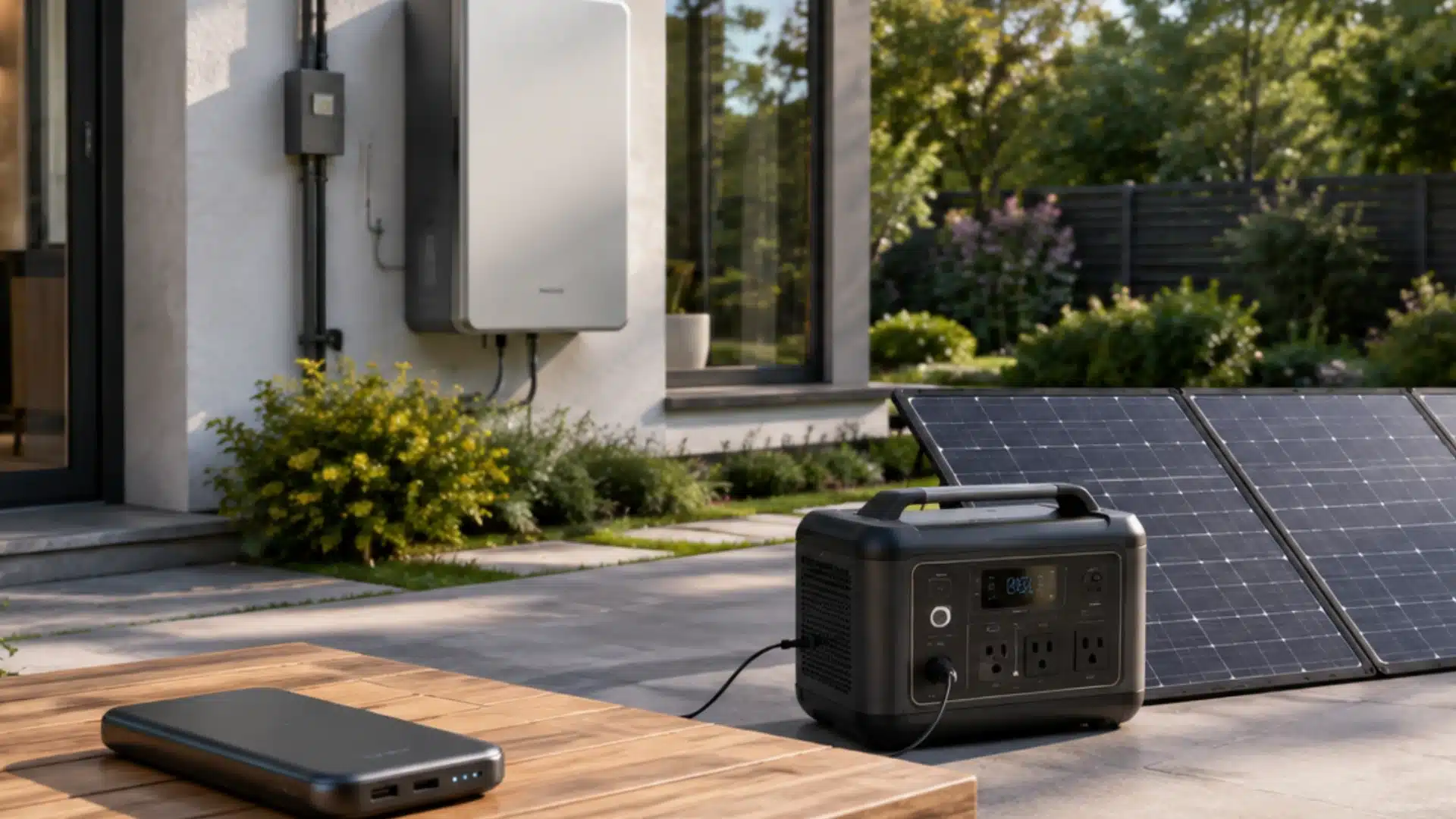
- Renewable Energy Storage: This generally uses the same battery technology but focuses on storing electricity generated from renewable sources such as solar power.
Understanding this charging and discharging cycle makes it easier to estimate battery capacity, backup duration, and the right setup for your home.
What Home Energy Storage Can and Cannot Power
Battery size alone does not determine backup performance, because capacity, power output, appliance startup demand, and circuit coverage all affect real-world results.
| Factor | What It Means | Why It Matters |
|---|---|---|
| Capacity, kWh | Total energy the battery stores | Determines how long appliances can run |
| Output, kW | Power available at one time | Determines how many devices can run together |
| Startup Surge | Short burst of power appliances need to start | AC units and well pumps may exceed battery output |
| Partial Backup | Powers selected essential circuits | Usually covers lights, fridge, internet, and outlets |
| Whole-Home Backup | Powers most or all household circuits | Often needs larger batteries or multiple units |
| HVAC Backup | Supports heating or cooling equipment | Requires enough continuous and startup output |
Before buying, confirm both usable capacity and maximum output, especially if you expect air conditioning, pumps, or other high-demand appliances to stay running.
Why Home Energy Storage Matters
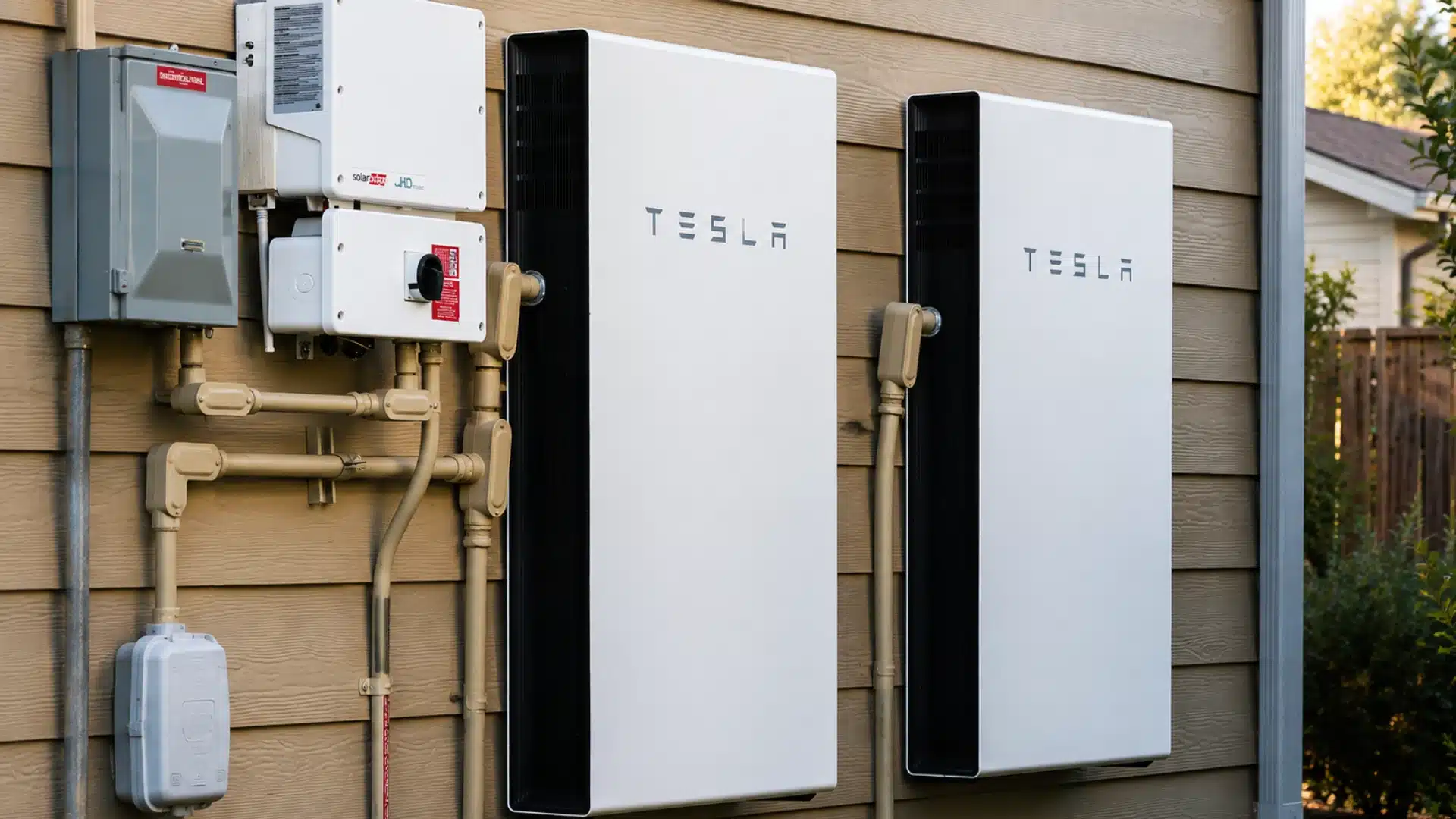
Home energy storage can improve backup reliability, reduce electricity costs, and help homeowners use more of the energy they already generate or purchase.
- Backup power: Keeps essential appliances, lights, internet equipment, and selected circuits running when the utility grid fails.
- Time-of-use savings: Charges during cheaper off-peak periods and supplies stored electricity when utility rates increase later in the day.
- Better solar use: Stores excess rooftop solar power instead of sending all unused generation back to the grid immediately.
- Lower peak demand: Reduces reliance on grid electricity during expensive or high-demand periods, depending on the local utility rate structure.
- Energy independence: Gives homeowners more control over when they use stored electricity and how much power they draw from the grid.
- Cleaner energy use: Makes it easier to save solar-generated electricity for evening hours when panels are producing little or no power.
The value depends on electricity rates, outage frequency, battery size, and solar production, so the best system should match your household’s actual energy needs.
What Are the Short-Term and Long-Term Benefits of Home Energy Storage?
Home energy storage can provide immediate backup benefits while also changing how a household manages electricity over several years.
| Time Frame | Potential Benefit | What It Means |
|---|---|---|
| Short term | Outage backup | Essential circuits can continue operating when grid electricity fails |
| Short term | Peak-rate reduction | Stored electricity can replace grid power during expensive rate periods |
| Short term | Better solar use | Excess daytime solar can be saved for evening consumption |
| Long term | Greater energy control | Households can depend less on electricity purchased during expensive periods |
| Long term | Protection from some rate changes | Stored solar or off-peak electricity can reduce exposure to peak pricing |
| Long term | Extended solar value | More locally generated electricity can be consumed instead of exported |
Financial savings are highly location-dependent. A battery may provide stronger economic value where electricity prices vary by time, export compensation is limited, or outages occur frequently.
How Much Does Home Energy Storage Cost?
Home energy storage is a major investment, with installed costs varying by battery size, equipment, electrical work, location, and installer requirements.
Costs may include:
- Battery equipment: The physical storage modules make up a large portion of the system price.
- Inverter equipment: Some batteries include an inverter, while others require separate equipment.
- Backup hardware: Gateways, transfer equipment, controllers, or smart panels may be needed for outage operation.
- Electrical upgrades: Older panels, wiring, or service equipment may require additional work.
- Labor and permits: Installation costs depend on local requirements and project complexity.
- Additional batteries: Whole-home or extended backup can require two or more units.
The federal residential clean-energy credit ended after 2025, though state, utility, and local battery incentives may still reduce installation costs.
Which Home Energy Storage Companies and Products Stand Out?
Several companies now compete in residential battery storage, but their systems differ considerably in capacity, output, expansion options, solar compatibility, and warranty terms.
| Company | Current System | Usable Capacity | Continuous Output | Useful For |
|---|---|---|---|---|
| Tesla | Powerwall 3 | 13.5 kWh | 11.5 kW | Integrated solar and backup systems |
| FranklinWH | aPower 2 | 15 kWh | 10 kW | Larger loads and expandable whole-home backup |
| Enphase | IQ Battery 10C | 10 kWh | 7.08 kW | Modular storage and Enphase-based solar systems |
| EcoFlow | OCEAN Pro | 10 kWh modules | System-dependent, up to 24 kW | Highly expandable whole-home systems |
| EG4 | WallMount models | Varies by model | Depends on inverter | Flexible residential and off-grid configurations |
No single product fits every household. Existing solar equipment, required backup loads, local installer support, warranty terms, and expansion plans matter more than brand recognition alone.
What Maintenance and Installation Does Home Energy Storage Require?
Home energy storage systems need limited routine maintenance, but proper installation, regular monitoring, clear surroundings, and professional service support safe, reliable long-term operation.
- Keep the Area Clear: Remove leaves, dust, stored items, and other obstructions around the battery to maintain proper airflow and accessibility.
- Check System Status: Use the manufacturer’s app, display, or indicator lights to confirm the battery and inverter are operating normally.
- Respond to System Alerts: Temperature warnings, connectivity problems, fault codes, or unexpected shutdowns may require troubleshooting or professional inspection.
- Follow Installation Requirements: Batteries must meet manufacturer specifications for location, temperature, clearance, mounting surfaces, moisture protection, and indoor or outdoor placement.
- Plan Electrical Connections: Installers assess the electrical panel, battery capacity, inverter or gateway requirements, backup circuits, and existing solar equipment before installation.
- Confirm Backup Coverage: Determine which circuits and appliances will receive power, especially HVAC systems, pumps, electric ranges, refrigerators, and other high-demand equipment.
Following manufacturer guidance and using qualified installers can reduce avoidable problems while helping the battery, inverter, wiring, and backup equipment perform reliably and safely over time.
How Long Does Home Energy Storage Last?
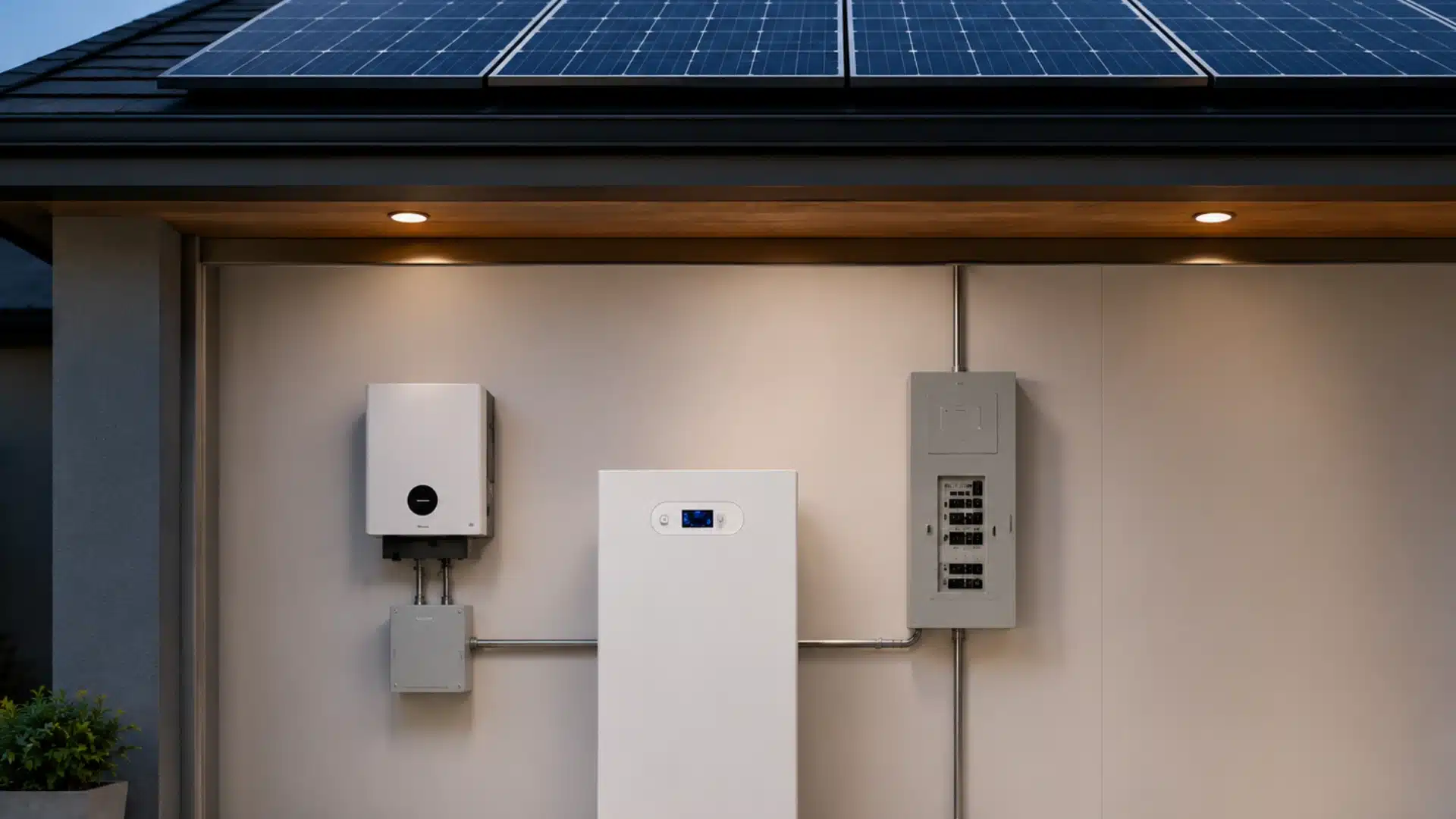
Home batteries gradually lose usable capacity as they age and complete repeated charging cycles, so lifespan matters when comparing systems.
Most residential lithium batteries include warranties lasting about 10 to 15 years, although coverage varies by manufacturer, cycle limits, energy throughput, and remaining capacity.
Tesla currently offers a 10-year warranty for Powerwall 3, while FranklinWH lists 15 years for a Power 2. Enphase provides coverage of up to 15 years or 6,000 cycles for the IQ Battery 10C.
Reaching the end of a warranty does not mean the battery immediately stops working. Available capacity usually declines gradually over time.
Temperature, charging patterns, installation conditions, and cycling frequency can affect performance.
Also compare remaining-capacity guarantees, throughput limits, labor coverage, transferability, and separate inverter warranties.
How to Choose the Right Home Energy Storage System
Choosing the right home energy storage system means matching battery capacity, power output, installation needs, and costs to your household.
- Outage Frequency: Consider how often outages occur and how long they usually last before deciding how much backup capacity you need.
- Essential Loads: Identify which appliances and circuits must stay powered, including refrigerators, lights, internet equipment, pumps, and HVAC systems.
- Electricity Rates: Time-of-use pricing can make battery storage more valuable by shifting electricity use from expensive periods to lower-rate hours.
- Battery Capacity and Output: Compare usable kWh with maximum kW output so the system can support both backup duration and simultaneous appliance demand.
- Solar Compatibility: Check whether the battery works with your existing solar setup or whether you need additional inverter equipment or electrical changes.
- Installation and Budget: Factor in equipment costs, available installation space, permits, electrical upgrades, warranty coverage, and possible future battery expansion.
Comparing these factors together helps you avoid oversizing the system and ensures the battery supports your actual backup and savings goals.
Conclusion
Choosing the right battery comes down to understanding two limits: how much energy it stores and how much power it can deliver at once. That distinction matters more than buying the biggest system.
When comparing home energy storage, residential battery storage, or renewable energy storage, focus on usable capacity, continuous output, startup surge, and the circuits included in the backup plan.
Solar can improve charging options, but a battery can provide value without it. I recommend comparing quotes by asking what the system will run during an outage, not just how large the battery is.
Get answers, compare costs and coverage, then choose the setup that fits your home. Ready to compare options? Start requesting quotes today.
Frequently Asked Questions
Do I need solar panels to have home battery storage?
No. A home battery can charge directly from the grid during cheap, off-peak hours and still provide backup power and savings. Pairing it with solar adds a second charging source and speeds up payback, but it isn’t required for the system to work.
Does a bigger battery mean more backup power?
Not necessarily. Capacity (kWh) determines how long a battery can supply power, but its output rating determines how much it can power at once. A large-capacity, low-output unit can still fail to start high-draw appliances like an air conditioner.
What’s the difference between partial and whole-home backup?
Partial backup powers select circuits, like your fridge, lights, and internet, during an outage. Whole-home backup covers your entire electrical panel, including HVAC. Whole-home systems need more capacity and output, and they cost more, so the right choice depends on which appliances you can’t live without.
How does home battery storage lower electricity bills?
Batteries store power when it’s cheap, from solar or off-peak grid rates, and release it during expensive peak-rate periods. That time-of-use shift lowers your overall electricity spend without changing how much power your home actually uses.