





You’ve probably heard two very different claims about oil.
Some people insist petroleum is renewable, since the earth is still quietly making more of it somewhere beneath the ocean floor.
Others say that’s beside the point, because nothing being created today will reach a drill bit anytime soon.
I checked the numbers behind both claims, and they’re not really in conflict; they’re answering two different questions.
One question is whether oil forms naturally.
The other is whether it forms fast enough to matter. Those two questions get confused constantly, which is exactly why the classification of oil trips people up.
Before answering the renewable-or-not debate, it helps to see where petroleum actually comes from and what happens to it underground long before anyone drills for it.
Where Does Petroleum Come From?
Petroleum comes from the remains of ancient marine organisms, mostly tiny algae and plankton, that sank to ocean floors hundreds of millions of years ago and were gradually buried under layer after layer of sediment.
It doesn’t come from dinosaurs or other large prehistoric animals, despite the popular image.
The U.S. Energy Information Administration traces the same story: heat and pressure from those buried layers slowly turned the organic remains into crude oil over millions of years.
That’s also where the term “fossil fuel” comes from.
It has nothing to do with fossilized bones, and everything to do with ancient organic material preserved underground long enough to change into something else entirely.
How is Oil Processed?
Petroleum is really a broad term for the hydrocarbons trapped in that underground material.
Crude oil is the liquid form that gets pulled out through drilling and sent off for refining into gasoline, diesel, and hundreds of other products.
1. Burial Under Sediment

Dead marine organisms get buried under mud, sand, and rock, which cuts off their oxygen supply and slows the usual process of decay.
As more sediment piles on top, pressure builds, and the buried material starts changing chemically long before anything resembling oil exists.
2. Kerogen Formation

Before it becomes crude oil, the buried material turns into kerogen, a waxy substance locked inside sedimentary rock.
Kerogen still needs the right combination of heat and pressure to convert further: too little heat, and it stays put; too much, and it produces natural gas instead of oil.
3. The Oil Window
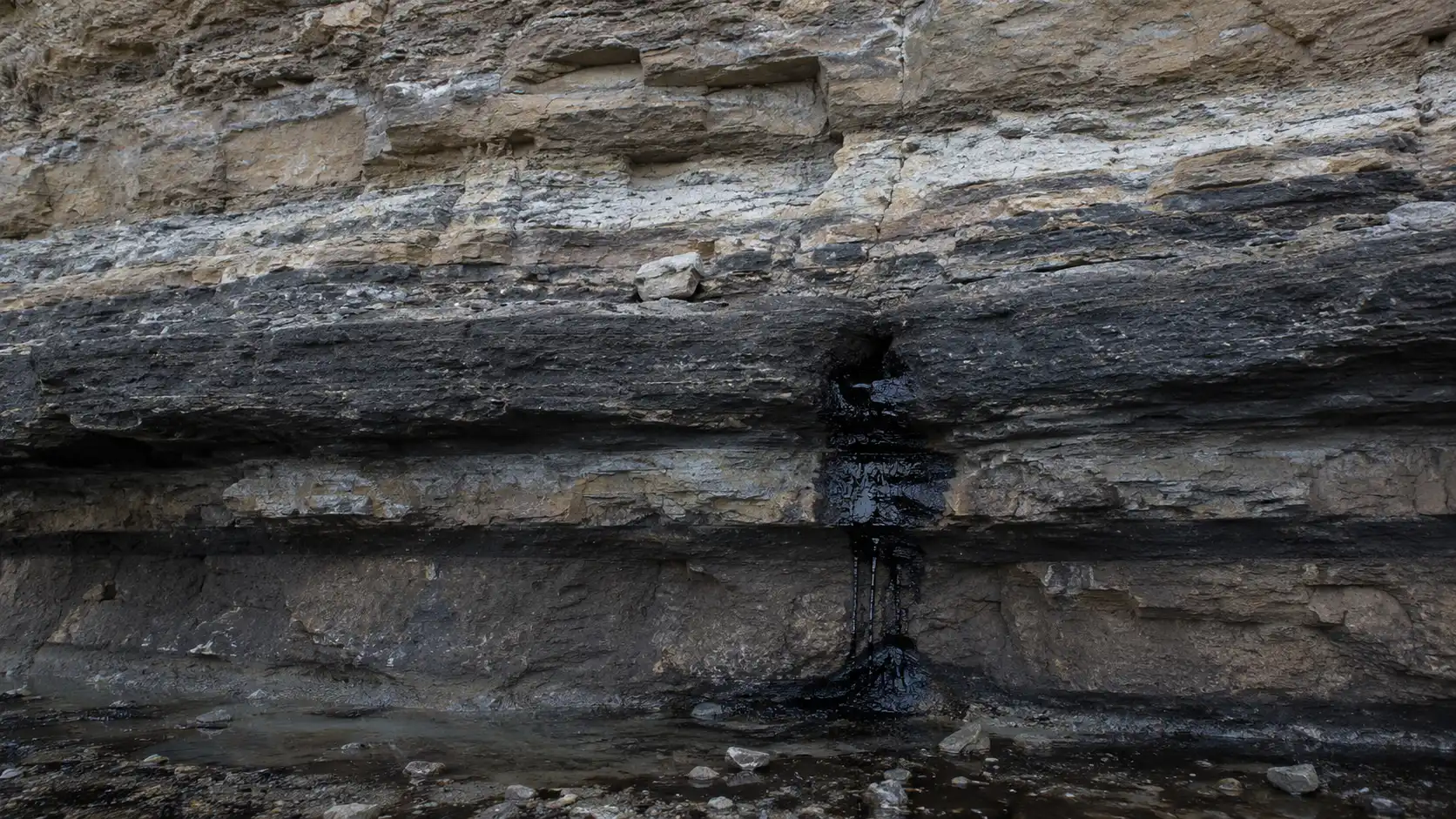
The range where kerogen changes into crude oil is called the oil window.
Geologists study this range when looking for possible oil deposits. They examine rock layers, depth, and temperature to understand where oil may exist.
Oil deposits are not found everywhere because the formation process requires several conditions to occur together.
Is Oil Renewable or Nonrenewable?
Oil is nonrenewable: it forms naturally, but so slowly that human consumption drains it far faster than geology can replace it.
That’s the entire disagreement in one sentence. People who call oil “renewable” are technically right that petroleum keeps forming somewhere underground right now.
The catch is that a barrel forming today won’t be usable for millions of years, while the world uses roughly 100 million barrels a day.
The EIA’s own Short-Term Energy Outlook tracks global oil demand at that scale every month, and no amount of ongoing formation comes close to keeping pace.
Geologists and energy researchers focus on replacement speed, not on whether formation happens at all, because replacement speed is what determines whether a resource can support long-term use.
That’s also why coal and natural gas get grouped with oil as fossil fuels: they form the same slow way and get used up the same fast way.
Renewable sources like sunlight and wind get judged differently because they replenish on a timescale that actually matches how people use them.
There’s a smaller wrinkle worth knowing: abiogenic oil theory, the idea that some petroleum might form without ancient organic material at all, through purely chemical processes deep in the earth.
Numbers Make the Mismatch Easier to See
Most petroleum researchers treat this as a minor, unproven factor rather than a real source of future supply, so it doesn’t change the nonrenewable classification in any practical way.
| Factor | Petroleum Formation | Human Use |
|---|---|---|
| Timeframe | Millions of years | Years to decades |
| Speed | Extremely slow geological process | Billions of barrels used yearly |
| Result | New supplies form very slowly | Existing reserves decrease |
Why Does Natural Formation Not Always Mean Renewable?
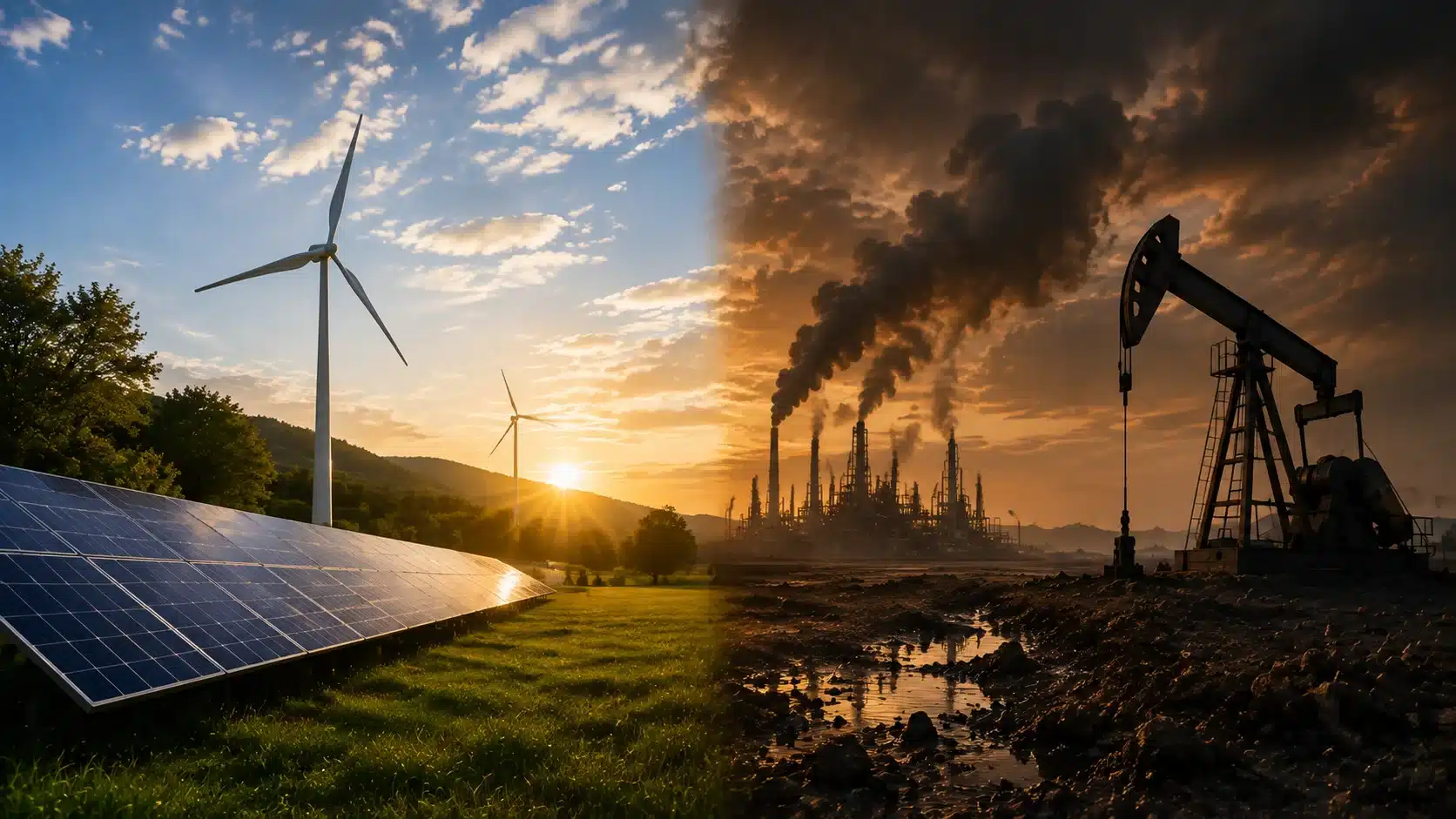
A resource can exist naturally without being renewable. The main factor is how quickly new supplies become available after use.
Some people consider oil renewable because nature still creates petroleum underground. Their view focuses on continued formation rather than the speed of replacement.
However, renewable resources are usually judged by their ability to support ongoing human needs.
Sunlight and wind return constantly, while petroleum depends on geological changes over very long periods.
Oil depends on rare geological settings that cannot be quickly recreated. The amount of new petroleum formed cannot match the amount used worldwide.
This explains why oil remains grouped with fossil fuels like coal and natural gas. They occur naturally, but they cannot be recovered within a practical timeframe.
What This Means for Your Own Energy Costs?
Here’s what that actually means for your bill: as a nonrenewable resource, oil and the natural gas that heats a lot of American homes are subject to price swings that have nothing to do with your own household.
Supply disruptions, refinery slowdowns, and global demand shifts all show up as changes in what you pay, and none of that is something a homeowner controls.
I’ve walked homeowners through their utility bills for years, and the pattern is consistent: households heating with gas or running on grid electricity tied to oil and gas prices absorb those swings directly, month to month.
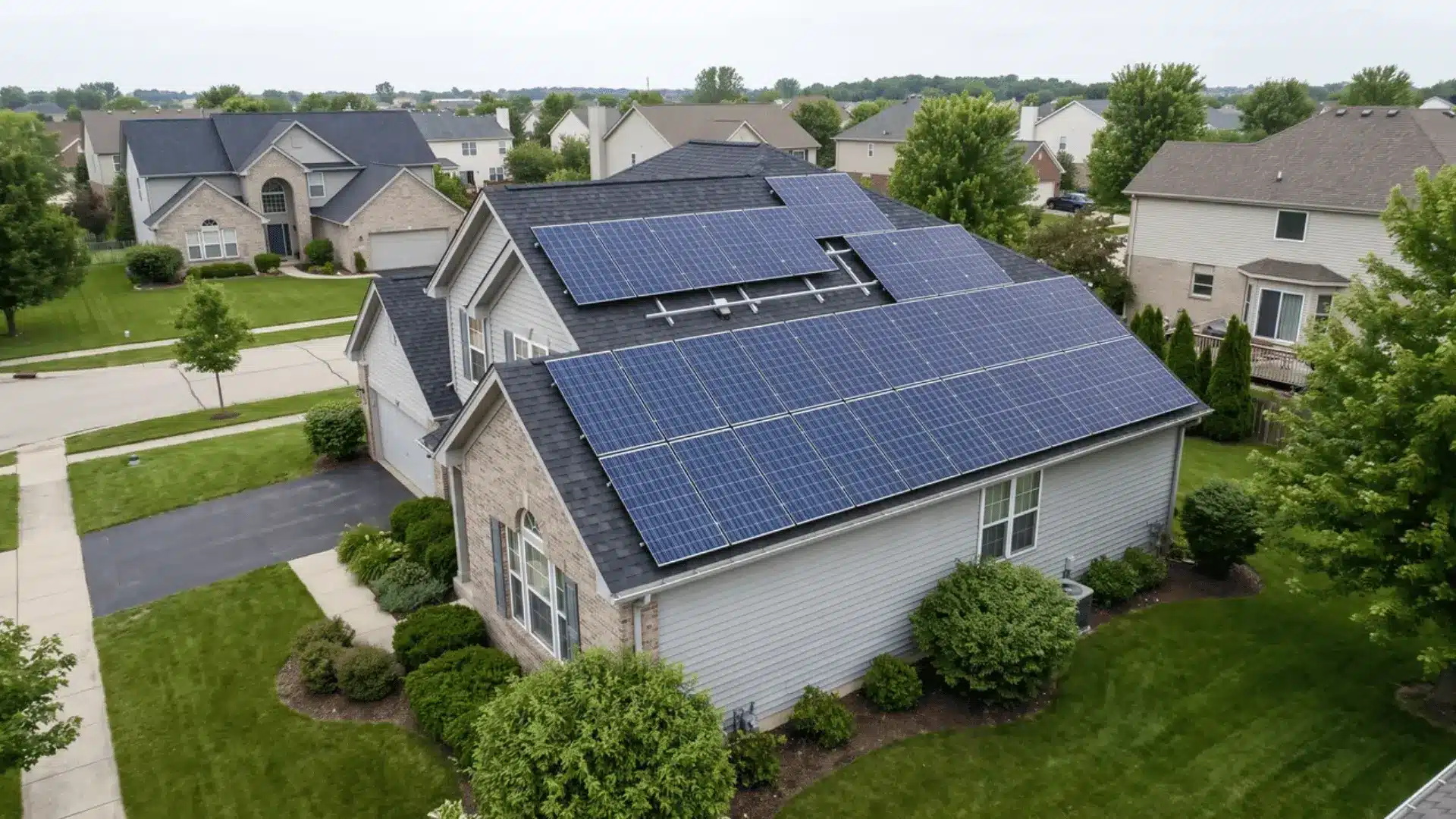
A home solar system doesn’t erase that volatility everywhere, but it locks a meaningful share of your energy cost into equipment you already own instead of a commodity that keeps getting scarcer.
That’s the real argument for pairing this kind of energy literacy with an honest look at your own payback period and whichever incentives currently stack in your state.
Conclusion
Petroleum forms naturally, but that does not make it renewable in any practical sense. The process takes millions of years, while people consume oil on a much shorter timescale.
That mismatch is why oil remains classified as a nonrenewable resource alongside coal and natural gas.
Understanding where petroleum comes from also makes the energy debate easier to follow, because the real issue is not whether nature can create more oil, but how slowly it happens.
For homeowners, that matters because fuel prices can still shift with supply, demand, and global events.
Comparing those risks with renewable options like solar can help you make better long-term energy decisions.
Frequently Asked Questions
What Products are Made from Petroleum?
Petroleum gets refined into gasoline, diesel, asphalt, plastics, lubricants, and dozens of other products used across transportation, manufacturing, and daily life. A single barrel of crude oil actually yields slightly more finished product than its original volume once refining is done, because the refining process itself adds volume.
How is Crude Oil Extracted?
Crude oil comes up through wells drilled into underground reservoirs, where natural pressure and mechanical pumps push it toward the surface. From there it travels to a refinery, where it gets separated into the specific fuels and products people actually use every day.
Will the World Run out Of Oil?
Not on any fixed timeline, since drilling technology keeps making previously unreachable reserves viable, and consumption patterns shift as prices and policy change. What’s certain is that existing reserves only get replaced at a fraction of the rate they’re used, which is the whole basis for calling oil nonrenewable in the first place.
How Does Going Solar Reduce a Household’s Exposure to Oil and Gas Prices?
Solar panels convert sunlight instead of a priced commodity into electricity, so once a system is paid off, a real share of a home’s power draws on a free, renewable input rather than fuel markets. That doesn’t erase every cost, but it shields part of a household’s bill from the swings that come with a genuinely nonrenewable resource.
Are Coal and Natural Gas Nonrenewable for the Same Reasons as Oil?
Yes. Coal and natural gas form through the same slow burial-and-pressure process as oil, just from slightly different source material and depths, and people use both at a rate that far outpaces new formation. That shared formation story is why all three get grouped together as fossil fuels instead of being treated as separate cases.