
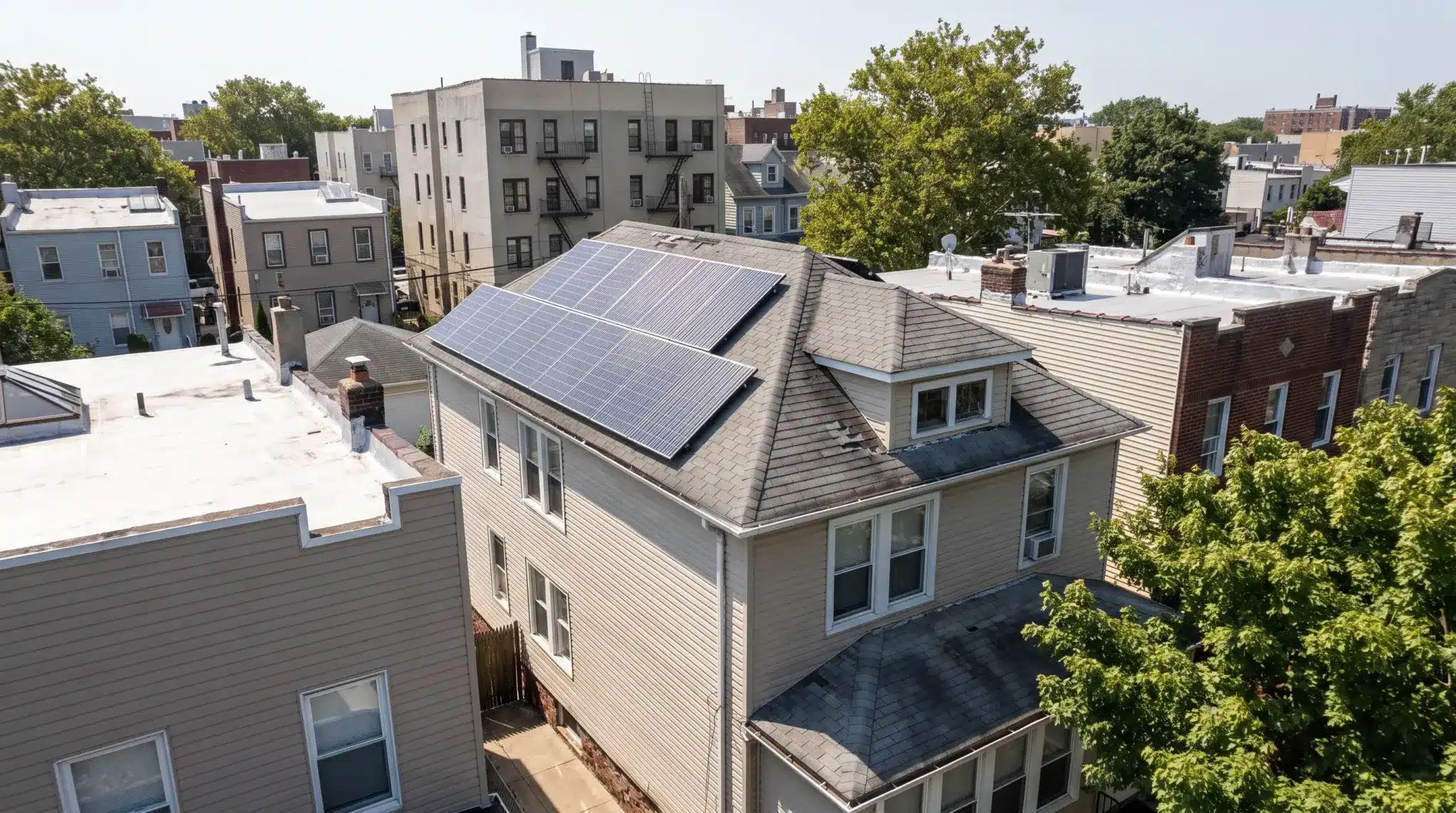

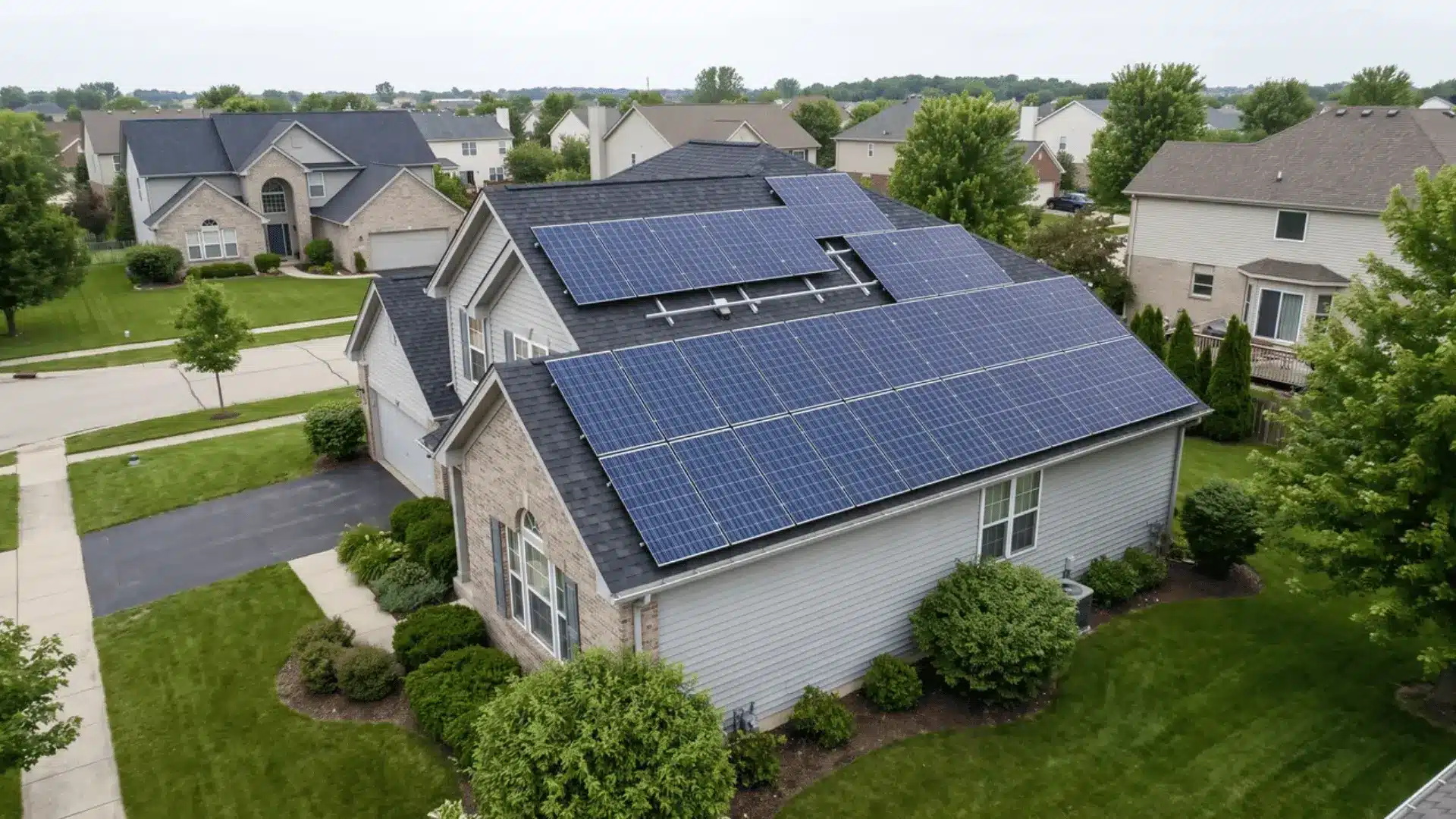
If you have opened a New York electric bill and wondered why it keeps climbing, solar has probably crossed your mind. Producing power on your roof could reduce how much electricity you buy each month.
Still, the installation price may make you hesitate. You want measurable savings, not a long contract built around a salesperson’s promises.
Your roof, electricity use, system price, and plans for the property shape the answer. A sunny home with high bills may see much better results than a shaded property using little power.
So, are solar panels worth it in NY? Reviewing the costs, incentives, expected production, and payback period can help you make a practical decision.
Are Solar Panels Worth It in NY?
Solar panels can be worth the cost for New York residents with high electric bills, good roof sunlight, and plans to remain in the property for several years. State incentives can reduce the initial expense, while monthly savings may help an owned system pay for itself in roughly 9 to 12 years.
Several factors have the greatest effect on the financial return:
- High Electric Bills: Solar replaces some electricity normally purchased from the utility. Greater electricity use often creates more room for savings.
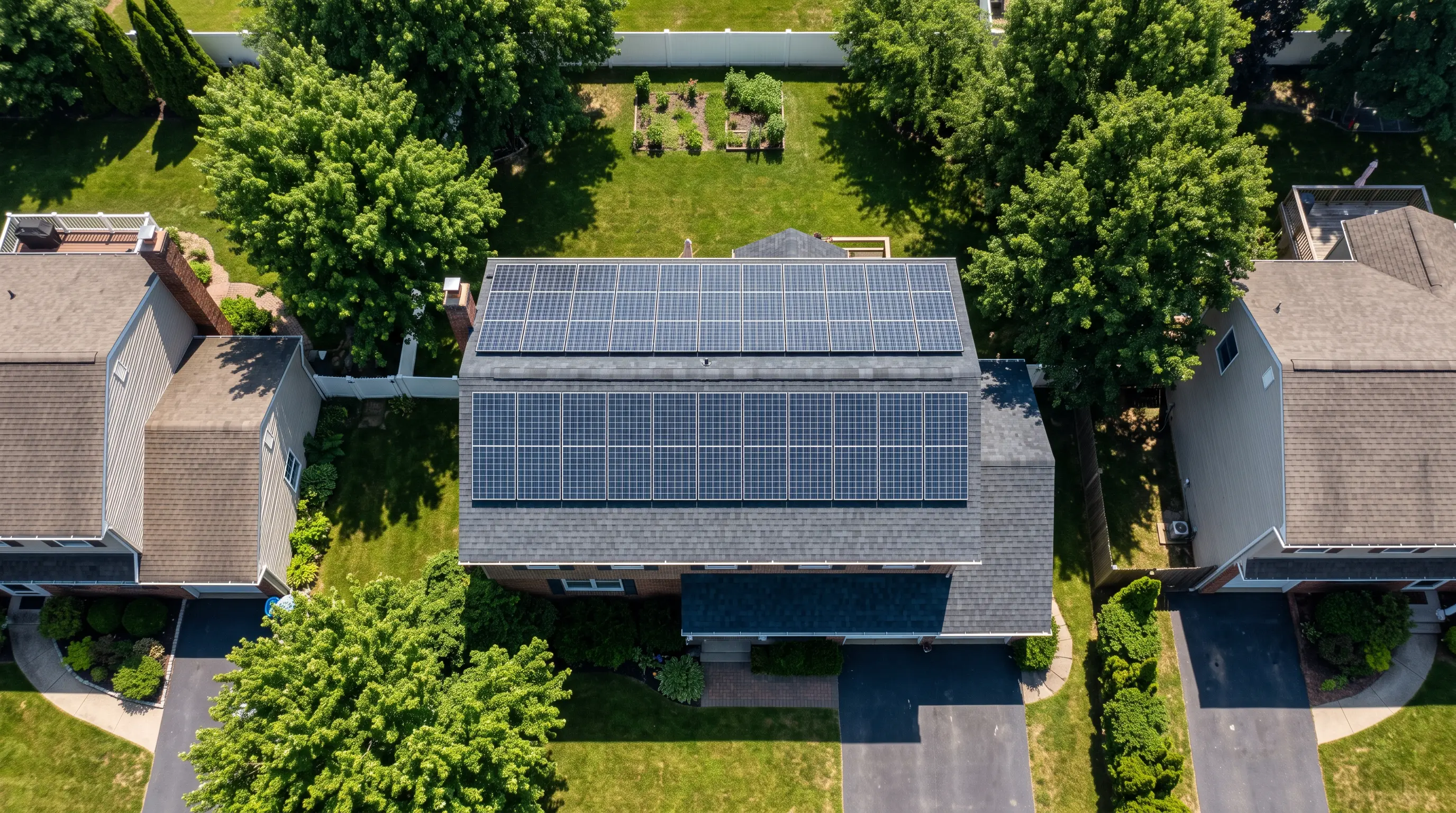
- Good Roof Sunlight: Direct sunlight supports higher annual production. Trees, nearby buildings, and heavy shade can reduce output. Checking your roof’s sun exposure before requesting quotes gives you a more realistic production estimate to compare against.
- Long-Term Ownership: Remaining in the property gives the system more time to recover its cost. Moving within a few years may limit the return.
- Fair Installation Price: A reasonably priced system can reach its payback point sooner. Compare at least three itemized quotes.
- Affordable Financing: Interest charges and dealer fees reduce lifetime savings. Request the cash and financed prices separately.
- Sound Roof Condition: An aging roof may need replacement before installation. Removing and reinstalling panels later adds another expense.
A shaded roof, low electricity use, inflated quote, or costly loan can create a much weaker result. How much shade actually cuts into output varies by roof, so your electric bills, roof condition, and installation price provide a better answer than statewide averages.
Solar Costs, Incentives, Savings, and Payback in New York
A residential solar system in New York may cost around $14,000 to $28,000 before available incentives. The final price depends on system size, roof design, equipment, electrical work, and payment method.
The following factors can raise or lower an installation quote.
| Cost Factor | Effect on the Price |
|---|---|
| System size | More panels increase the total project cost |
| Roof condition | Repairs or replacement add another expense |
| Roof design | Difficult layouts may require additional equipment and labor |
| Electrical work | Panel or wiring upgrades can increase the price |
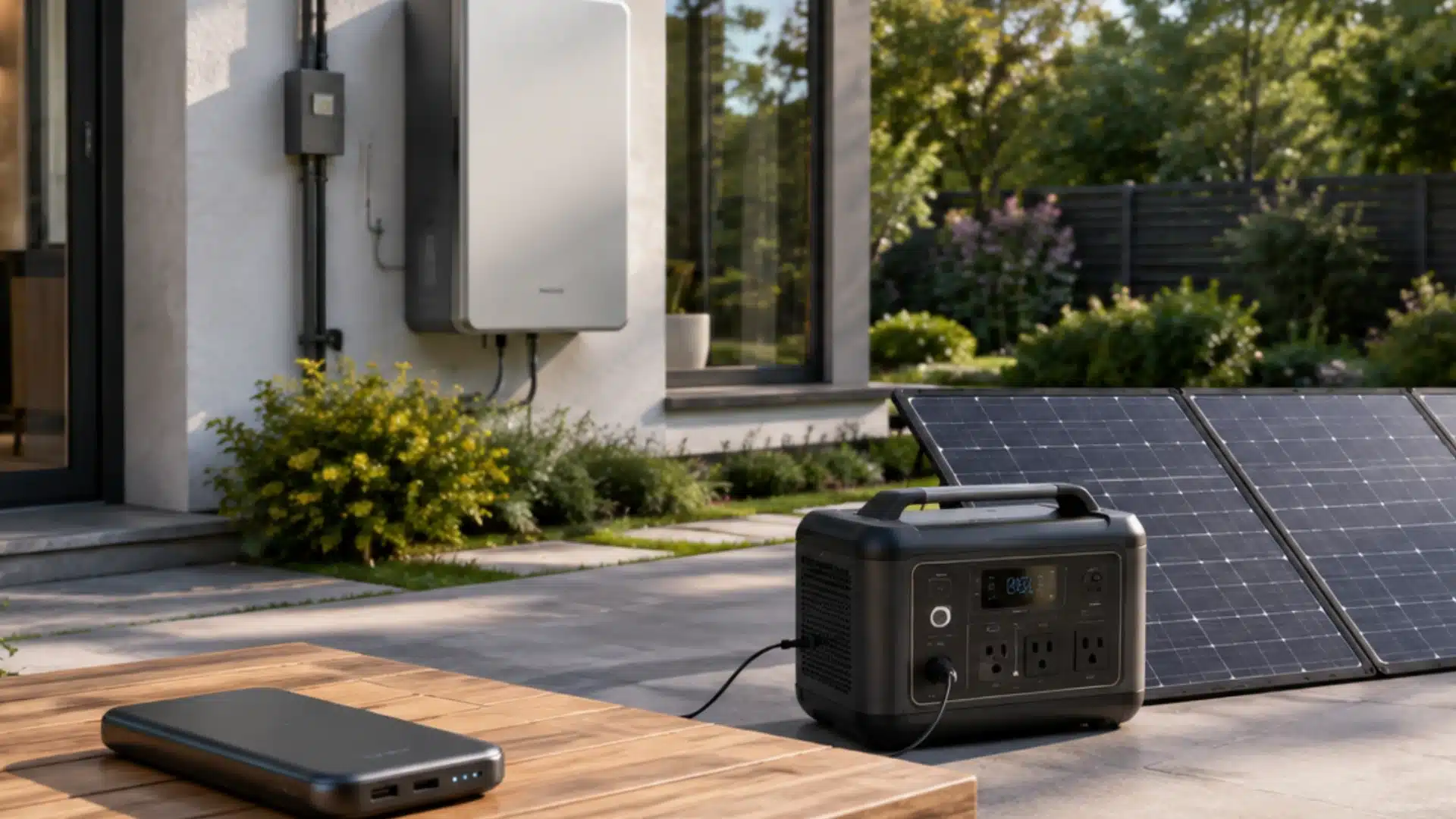
| Battery storage | Backup power may add thousands of dollars |
| Financing | Interest and dealer fees increase the lifetime cost |
Ask what the cash price includes before comparing payment plans. Permits, equipment, labor, electrical upgrades, and connection fees should appear clearly in each quote.
New York Solar Incentives
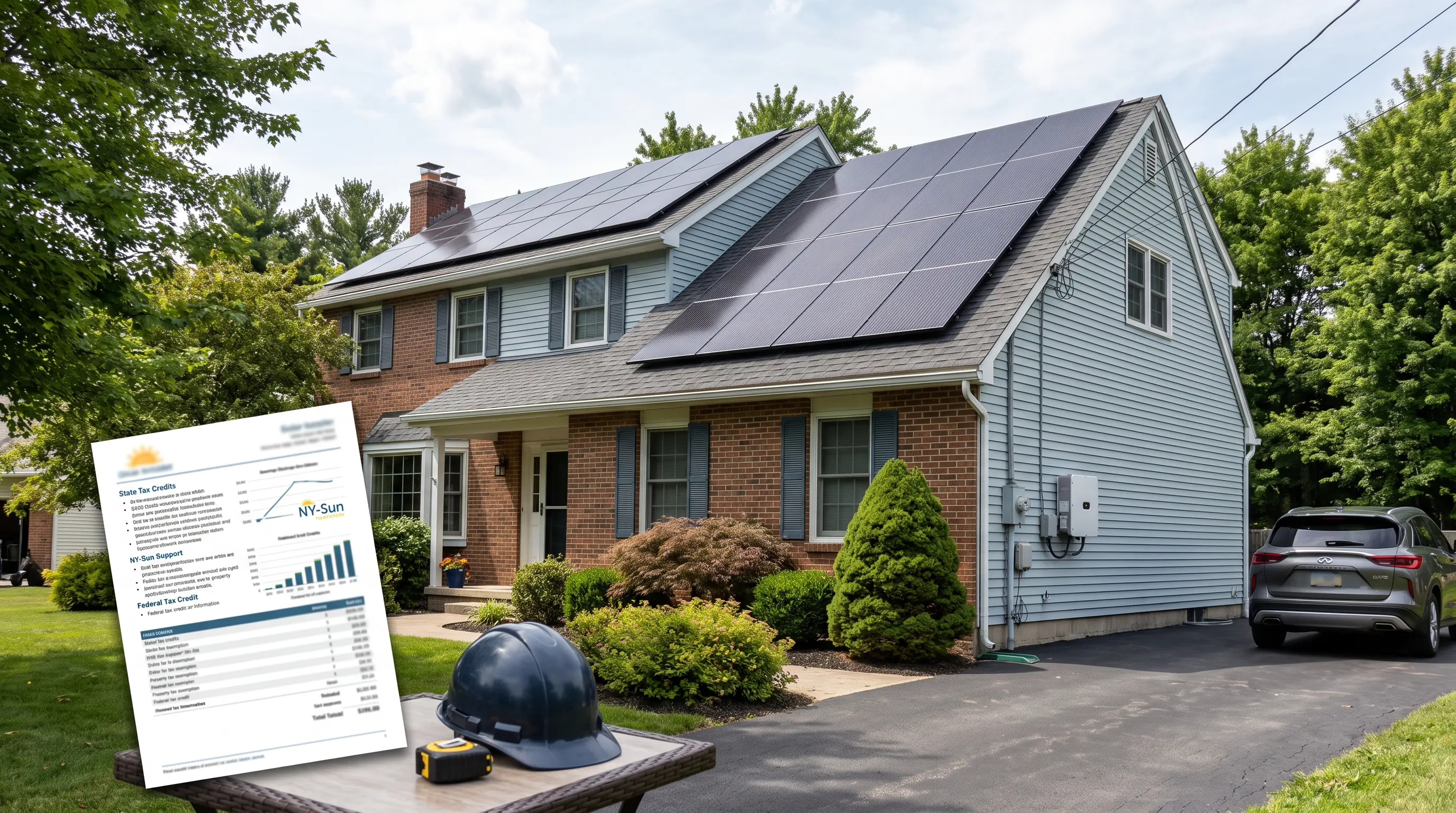
Several New York programs may reduce the net cost of a residential solar system. Eligibility depends on the property, location, contractor, tax position, and installation date.
- State Solar Income Tax Credit: Eligible homeowners may claim 25% of qualified solar equipment costs, up to $5,000. The system must serve a principal residence in New York State. New York State Department of Taxation and Finance. The credit is nonrefundable, so its value depends on the amount of state income tax you owe. Speak with a tax professional before including the full credit in your cost estimate.
- NY-Sun Incentive: NY-Sun provides financial support for qualifying grid-connected solar systems. Available amounts depend on the property’s region, project type, and remaining funding. An approved contractor normally applies for the incentive and includes it in the quoted price. Ask the installer to list the amount separately. NYSERDA.
- Sales Tax Exemption: Qualified residential solar equipment is exempt from New York State’s 4% sales and use tax. Local tax treatment may differ, so check the rules for your address. New York State Department of Taxation and Finance.
- Property Tax Exemption: An eligible solar system may increase a home’s value without increasing its assessed value for 15 years. Some local governments have opted out, making it important to confirm the exemption with your assessor.
- New York City Tax Abatement: Qualifying New York City properties may receive a separate property tax abatement for solar installations. The current program covers eligible systems placed in service through December 31, 2034. NYC Department of Buildings.
- Federal Tax Credit Update: The 30% federal Residential Clean Energy Credit applies to eligible home solar systems placed in service through December 31, 2025. Current IRS rules do not allow the credit for residential systems placed in service after that date. Check any recent quote that includes the federal credit. Removing an expired credit can significantly change the estimated cost and payback period. Internal Revenue Service
Estimated Solar Savings
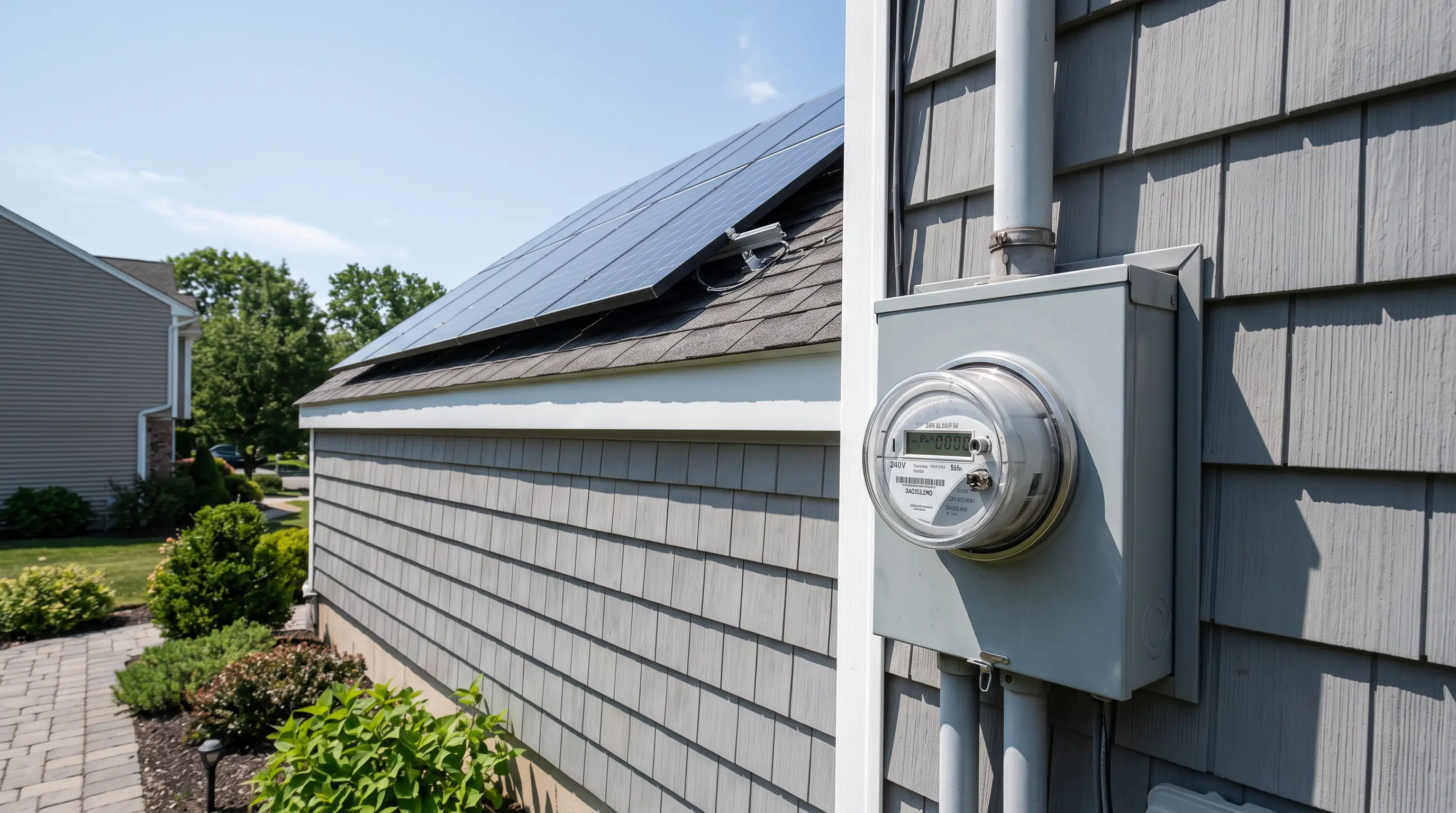
Savings depend on system output, electricity use, utility rates, shade, and export-credit rules. A basic first-year estimate uses this calculation:
Electricity produced × value per kilowatt-hour = estimated annual savings
For example, a system producing 7,000 kilowatt-hours per year at an average value of $0.22 per kilowatt-hour could save approximately $1,540 in the first year.
Actual results may be higher or lower. Request an annual production estimate that accounts for roof direction, shade, seasonal weather, and gradual panel degradation.
New York uses net metering to value power a system sends back to the grid. Exporting excess electricity earns a bill credit at or near the retail rate, and that credit offsets electricity pulled from the grid at night or during winter months.
Without net metering, a system without battery storage would lose the value of any power produced beyond what the home uses in that moment
Estimated Payback Period
Many New York estimates place the solar payback period at approximately 9 to 12 years. Calculate it with this formula:
Net system cost ÷ estimated annual savings = payback period
For example, a system costing $15,000 after incentives and saving $1,500 annually has an estimated 10-year payback period.
Check the following details before accepting an installer’s calculation:
- Net System Cost: Subtract only incentives that apply to your property and tax position.
- Annual Production: Use output calculated after shade, seasonal changes, and equipment losses.
- Electricity Value: Confirm the rates used for electricity consumed at home and power exported to the grid.
- Financing Expense: Add interest and dealer fees to the total system cost.
- Utility Charges: Account for fixed charges that remain after solar installation.
- Future Repairs: Consider inverter replacement, roof work, and possible panel removal costs.
These details produce a more realistic timeline than dividing a promotional monthly payment by an estimated utility bill reduction.
Total Savings Over 25 Years
Most solar panels carry a production warranty of around 25 years, so multiplying annual savings across that span shows the larger financial picture. Using the earlier example of $1,500 in yearly savings, a system could offset roughly $37,500 in electricity costs over 25 years, before accounting for rising utility rates or gradual panel degradation.
Rising electricity prices tend to increase this total. Panel degradation and occasional repairs tend to reduce it. Ask your installer for a full 25-year production and savings projection rather than relying on the first-year number alone.
When Solar May Not Be Worth the Cost
Solar may provide limited financial value when the property has poor roof conditions, low electricity use, or an overpriced installation plan.
Common warning signs include:
- Heavy shade from trees or nearby buildings
- A roof that needs replacement soon
- Low annual electricity consumption
- A quote far above comparable local prices
- High-interest financing or large dealer fees
- Plans to sell the property before the payback point
- A lease or power purchase agreement with difficult transfer terms
- Production estimates that ignore shade or winter conditions
- Savings calculations that use expired tax credits
One drawback does not automatically rule out solar. However, several combined problems may make community solar or standard utility service a better financial fit.
How to Review a New York Solar Quote
Start with the cash price instead of the monthly loan payment. The cash amount makes it easier to compare contractors and identify hidden financing fees.
- Ask each installer for the following information:
- Total cash price
- Financed price and interest rate
- Dealer or loan fees
- System size in kilowatts
- Price per watt
- Estimated annual production
- Shade and seasonal loss assumptions
- Equipment brands and model numbers
- Incentives included in the quote
- Labor, roof, and equipment warranties
- Utility interconnection responsibilities
- Property-sale and contract-transfer terms
Collect at least three quotes for systems with similar sizes and equipment. Comparing equivalent proposals makes unreasonable prices and production claims easier to spot.
Final Verdict
I would not judge a solar proposal by its monthly payment alone. The cash price, annual production estimate, available incentives, and financing cost provide a clearer answer.
For a New York resident with high electric bills, a sunny roof, and plans to stay for several years, an owned solar system can be a sound long-term purchase. Poor roof conditions, heavy shade, costly loans, and short ownership periods can weaken the return.
I would also avoid contractors using hidden fees, expired federal credits, or unsupported savings claims. So, are solar panels worth it in NY? Often, yes, but the property, electricity use, installation price, and ownership period must support the numbers.
Frequently Asked Questions
Do Solar Panels Work Well During New York Winters?
Solar panels usually work well in New York because summer production can offset weaker winter output. Annual savings depend on shade, roof angle, usage, and utility rules in your area.
What Happens When Snow Covers Solar Panels?
Snow can lower production for a short time, but tilted panels often shed it after sunlight returns. Installers should account for local snowfall when estimating your system’s yearly energy output.
Can Solar Panels Make a Home Harder to Sell?
Owned solar panels may help a home appeal to buyers, but leased systems can complicate a sale. Review transfer terms, payoff rules, warranties, and records before listing the property publicly.
Can New York Renters Use Solar Power?
Renters can consider community solar, which assigns credits from an off-site project to an electric bill. Read the contract, savings rate, cancellation fee, and enrollment terms before signing anything final.