


Solar panels have improved far beyond simply placing more cells under glass. A newer design uses both sides of the panel to capture available light, changing how energy output is measured in certain installations.
Bifacial solar panels can deliver extra power when the setup allows reflected light to reach the rear face.
Today, I’ll explain how the technology works, what affects its real-world gains, and where it makes the most sense.
What Is a Bifacial Solar Panel?
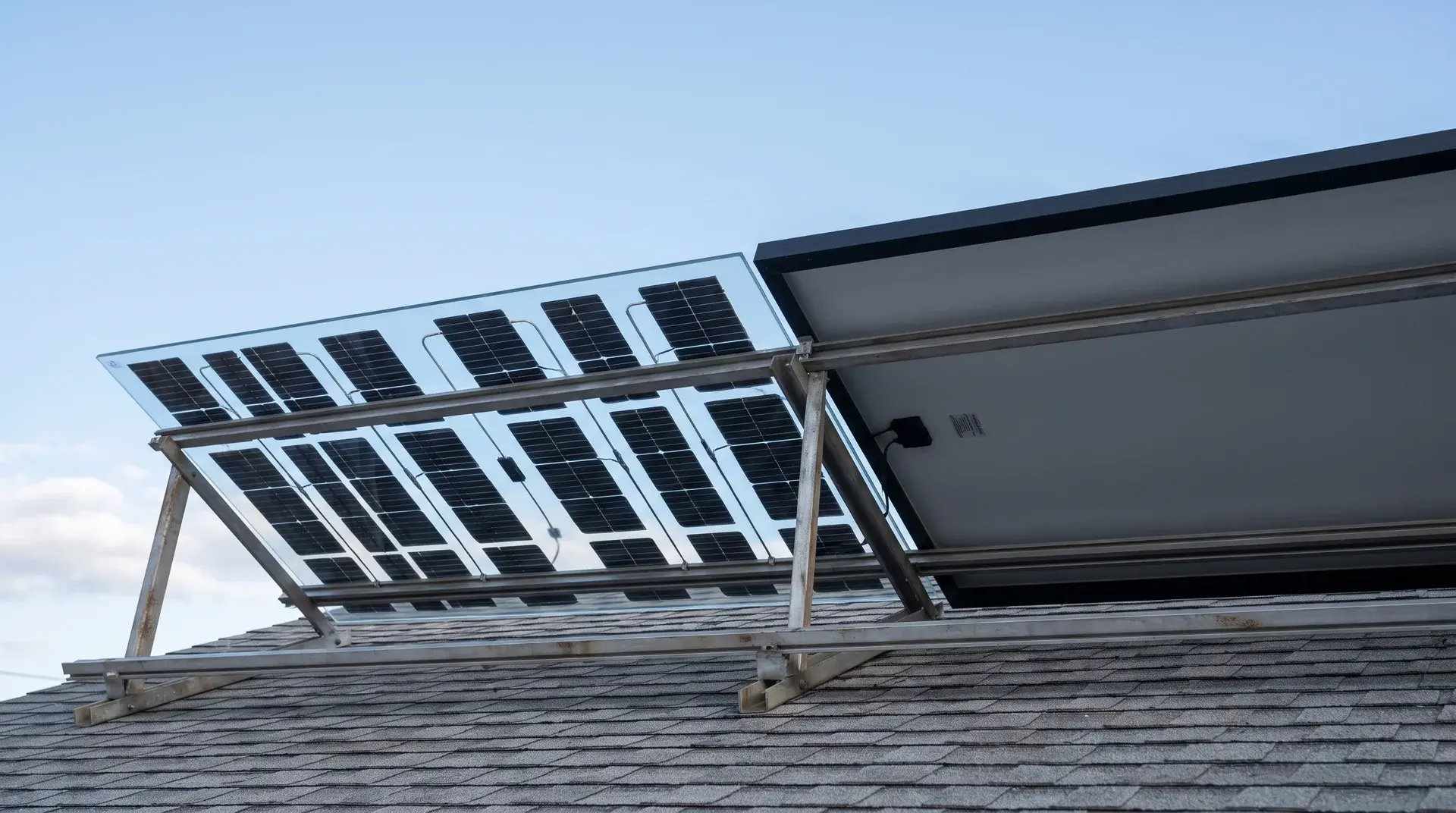
A bifacial solar panel replaces the standard opaque rear with a transparent layer, letting both faces generate electricity.
That rear layer is what separates it from a conventional panel. A standard monofacial panel has an opaque backsheet, typically white or black, that blocks all incoming light.
Change that backing to something transparent, and the rear face becomes active.
There are two ways manufacturers do this, and they’re not the same product.
Dual-glass panels sandwich the cells between two glass layers: one front, one rear. Heavier than most panels, but glass holds up better against moisture and UV over the long run.
Transparent backsheet panels keep glass on the front and use a clear polymer film on the rear. They’re lighter and cheaper to produce, but polymer degrades faster than glass under sustained UV exposure.
The cell technology inside doesn’t determine whether a panel is bifacial. The rear material does.
How Do Bifacial Solar Panels Generate Electricity From Both Faces?
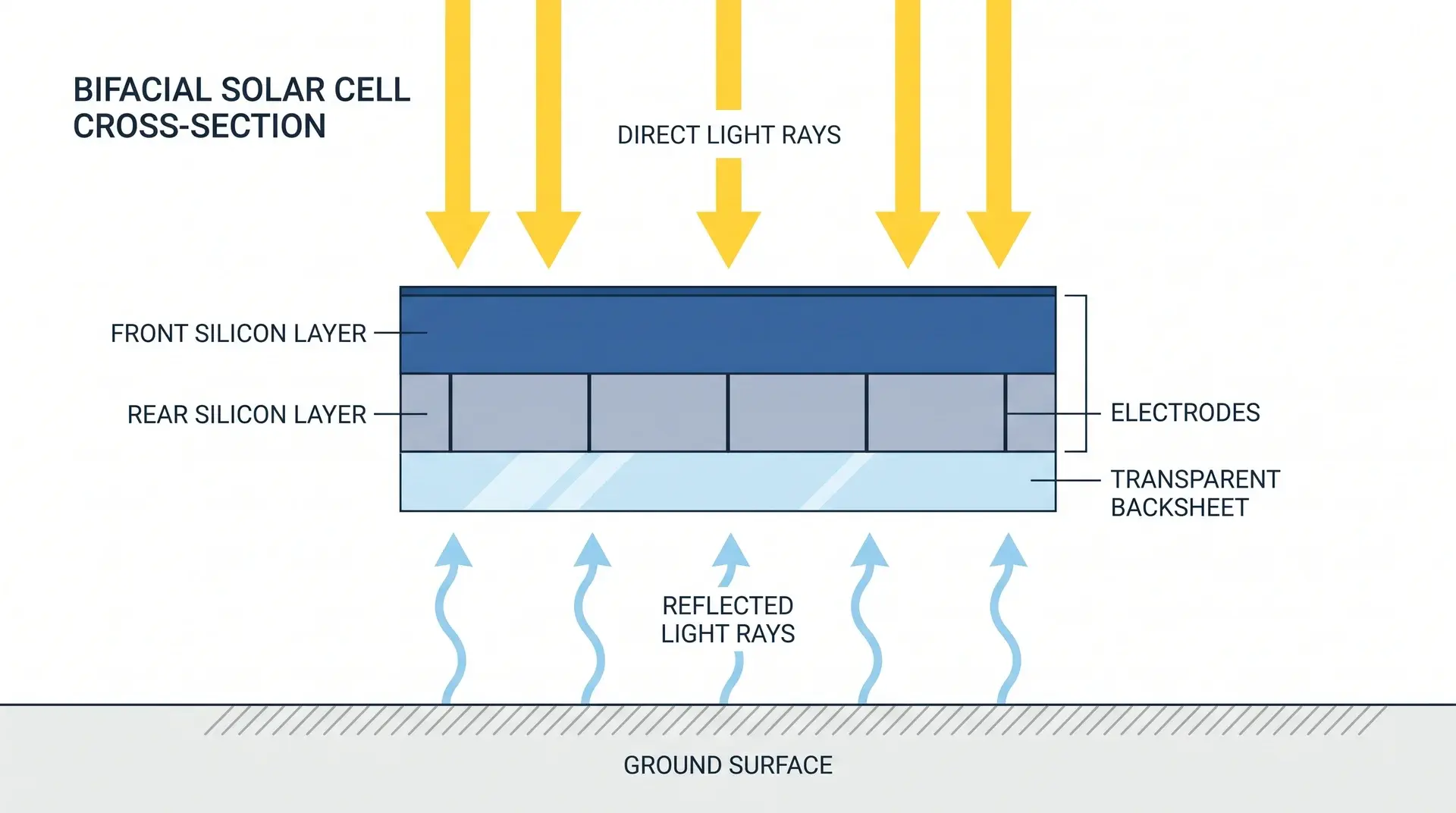
The rear face of a bifacial panel runs on reflected light, not direct sunlight. That reflected energy is called albedo.
Albedo describes how much of the sun’s light a surface bounces back upward rather than absorbs. The rear face harvests what would otherwise be wasted.
How Each Face Generates Current
The front face works like any solar panel. Sunlight hits the silicon cells, photons knock electrons loose, and current flows.
The rear face catches light that has already hit a surface below and bounced back up. It passes through the transparent back layer and strikes the cells from below.
Both faces generate current at the same time.
Why Transparency Alone Isn’t Enough
Standard solar cells have solid opaque metal contacts on the rear. Those contacts block incoming light, even when the backsheet behind them is clear.
Bifacial cells replace those with thin-line or transparent rear electrodes:
- The contacts are still there, but they cover a fraction of the cell surface instead of most of it
- The rest of the surface stays exposed
- Light passes through the backsheet, reaches the silicon, and generates current
That electrode change is what makes dual-sided generation actually work. A transparent backsheet opens the door. Redesigned rear contacts are what let light through it.
How Much More Power Do Bifacial Panels Actually Produce?
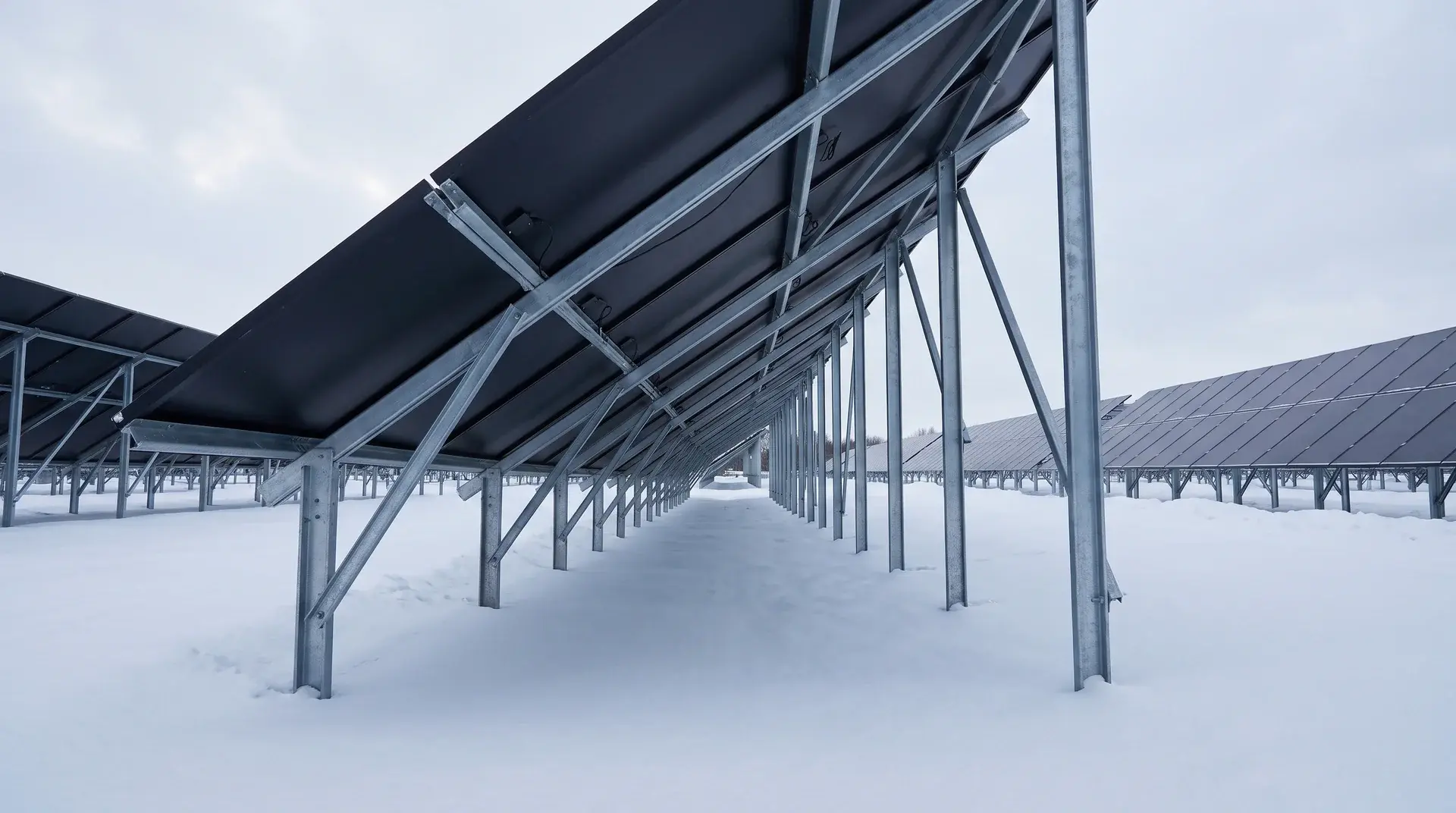
The 5-30% gain isn’t a spec printed on your panel. It’s an outcome your site produces, based on rear irradiance and how the panel is installed.
Three things decide where you land in that range: the reflected light reaching the panel’s rear, the panel’s bifacial factor, and your site’s own setup.
Here’s how each one plays out:
The Bifacial Factor
The bifacial factor is a ratio manufacturers publish, usually between 0.65 and 0.90. It tells you how well the rear cells convert light compared to the front.
A higher factor means the rear face works almost as hard as the front once light hits it. A lower factor means you need stronger reflected light just to notice a gain.
A panel with a 0.85 bifacial factor converts rear-side light at 85% the efficiency of the front cells under identical conditions. One rated at 0.65 needs roughly 30% more reflected light to produce the same rear-side output.
Site Conditions
Site conditions set the ceiling before the panel even gets involved. Ground albedo does the heavy lifting here.
- Snow reflects about 80% of incoming light
- White gravel reflects significantly more than bare soil, enough to meaningfully boost rear-face irradiance in ground-mount installations
- Sand reflects around 40%
- Dark asphalt reflects as little as 5%
Height above that surface matters just as much as the albedo number. So does row spacing on ground-mount arrays.
Tightly packed rows reduce how much open sky the rear face can access, cutting into the irradiance the back cells actually receive, and the tilt angle you set the panel at.
Tracking systems add one more variable worth knowing. A fixed-tilt panel catches rear irradiance from the same angle throughout the day. A single-axis tracker that rotates to follow the sun increases the number of hours that angle is favorable for rear generation, which compounds across the full day.
Combined, a tracked bifacial system over high-albedo ground can outperform a fixed-tilt monofacial system by well over 25%, because tracker gain and bifacial gain stack.
Fixed-tilt bifacial arrays over the same surface rarely reach that ceiling without near-ideal conditions across every other variable.
Why These Factors Don’t Work Alone
Albedo numbers and bifacial factor ratings only tell part of the story. A panel sitting over snow but mounted low still misses most of that light.
The angle just isn’t right for the rear cells to catch it. I’ve seen this trip up plenty of people who assumed a snowy roof guaranteed a big gain.
They hear “up to 30%” and expect it on their own roof, when their actual setup barely clears 5%.
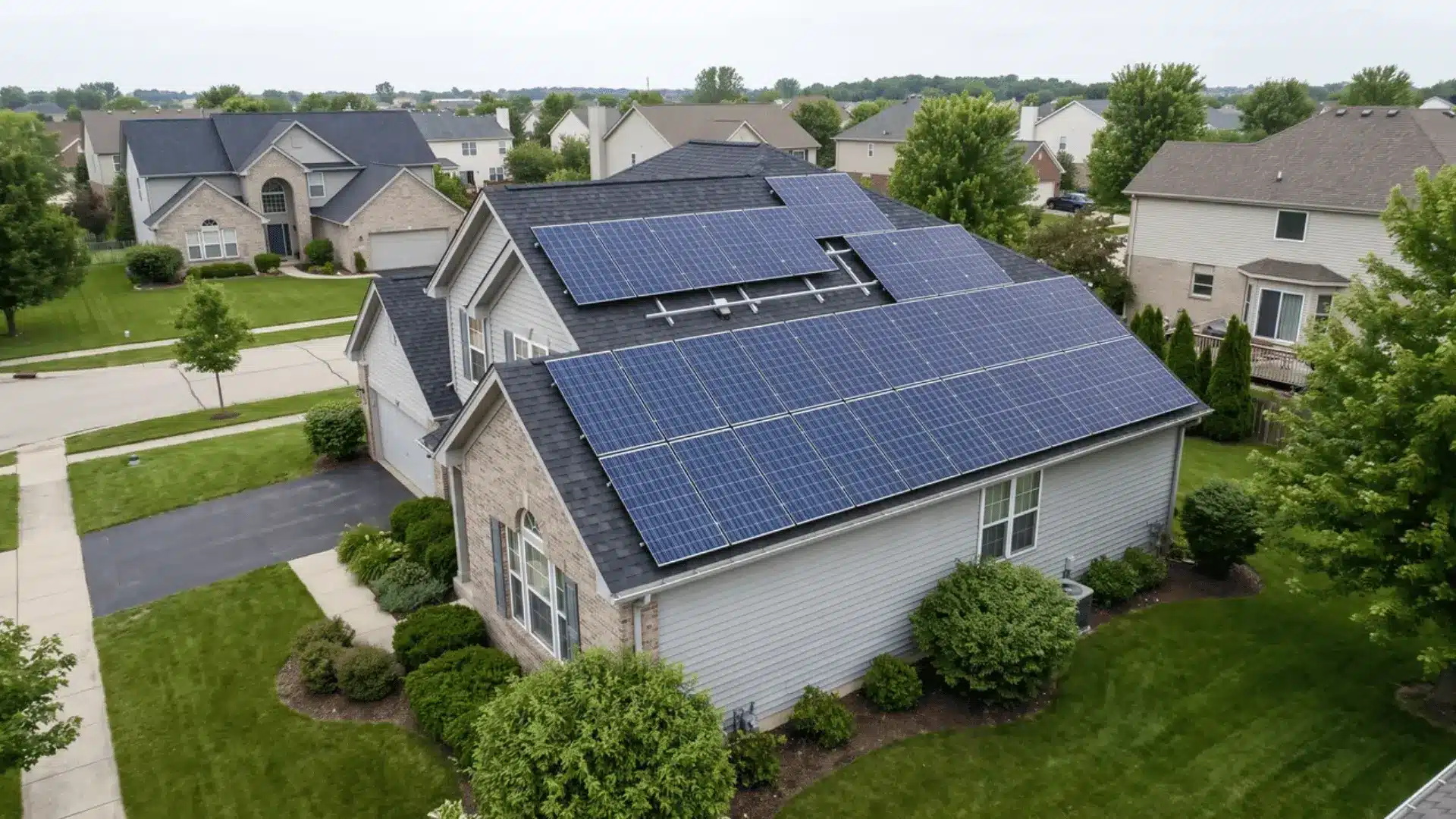
- A residential panel bolted flush to dark shingles captures very little rear-side irradiance, typically a small fraction of what a raised ground mount achieves
- A raised ground mount over snow or white gravel can get close to 25-30%
That upper range shows up in field data, but only under those specific conditions.
Where Do Bifacial Solar Panels Perform Best, and Where They Don’t
Whether bifacial panels beat monofacial ones comes down to two things: how high the panel sits, and how reflective the surface below it is. The panel technology itself isn’t the deciding factor.
| Setup Type | Height Above Surface | Surface Reflectivity | Example Installations |
|---|---|---|---|
| High-gain | 18 inches or more | High albedo | Ground mounts over white gravel, sand, or snow; commercial flat roofs with white membranes |
| High-gain (vertical) | N/A; faces sun directly | N/A | Highway noise barriers, building facades catching sun at different times of day |
| Low-gain | Flush or near-flush | Low albedo | Residential rooftops over dark shingles |
| Low-gain (shaded) | Any height | Any | Installations where the mounting structure itself blocks the rear face |
That last row matters more than people expect. Shade from the frame does the same damage as shade from a tree.
Here’s the decision rule I’d use before spending more on bifacial: the premium runs under 5% more than an equivalent monofacial panel. That premium only pays off when your installation lets real reflected light hit the rear face.
In a tight rooftop mount, you’re paying for a feature you can’t use.
Wrapping Up
Bifacial solar panels are not automatically better in every installation. Their value depends on how much usable light reaches the rear side and whether the mounting setup allows that extra generation.
A reflective surface, proper spacing, and the right design can turn the rear face into a useful power source. Poor placement can remove most of the advantage.
The key takeaway is to match the panel type with the site instead of focusing only on the advertised gain. Check your installation conditions before choosing a system.
Frequently Asked Questions
What are the downsides of bifacial solar panels?
Bifacial panels cost slightly more, usually 5% or less than monofacial ones. That premium disappears in installations with negligible rear irradiance, like rooftops flush against dark shingles. They also need mounting hardware that avoids shading the rear face. That adds a small but real design constraint.
Are bifacial solar panels the same as monocrystalline panels?
No, they describe different things. Monocrystalline refers to the cell type inside the panel. Bifacial refers to whether the panel generates power on both faces. Many bifacial panels use monocrystalline cells, especially N-type. But a panel can be one without being the other.
Can bifacial solar panels work on a standard residential rooftop?
Yes, but rear-side gain is usually minimal. A flush residential mount sits close to dark shingles, which reflect very little light. The front face still works normally. The extra 5-30% mostly disappears without elevation above a reflective surface.
What is bifacial gain?
Bifacial gain is the extra energy a bifacial panel produces versus an equivalent monofacial panel at the same site. It comes from rear irradiance multiplied by the panel’s bifacial factor. It ranges from near zero in poor conditions to roughly 30% over high-albedo ground mounts.