


Power goes through several changes before it reaches the devices you use every day. That’s why understanding converter vs inverter is more useful than it first seems.
I used to think they did the same job because both deal with electricity, but they solve very different problems.
One adjusts electrical power, while the other changes DC power into the AC power most homes need. Mixing them up can lead to the wrong equipment, extra costs, or a system that doesn’t work as expected.
A simple explanation makes it much easier to see where each device fits and why both are often used together.
Converter vs. Inverter Explained
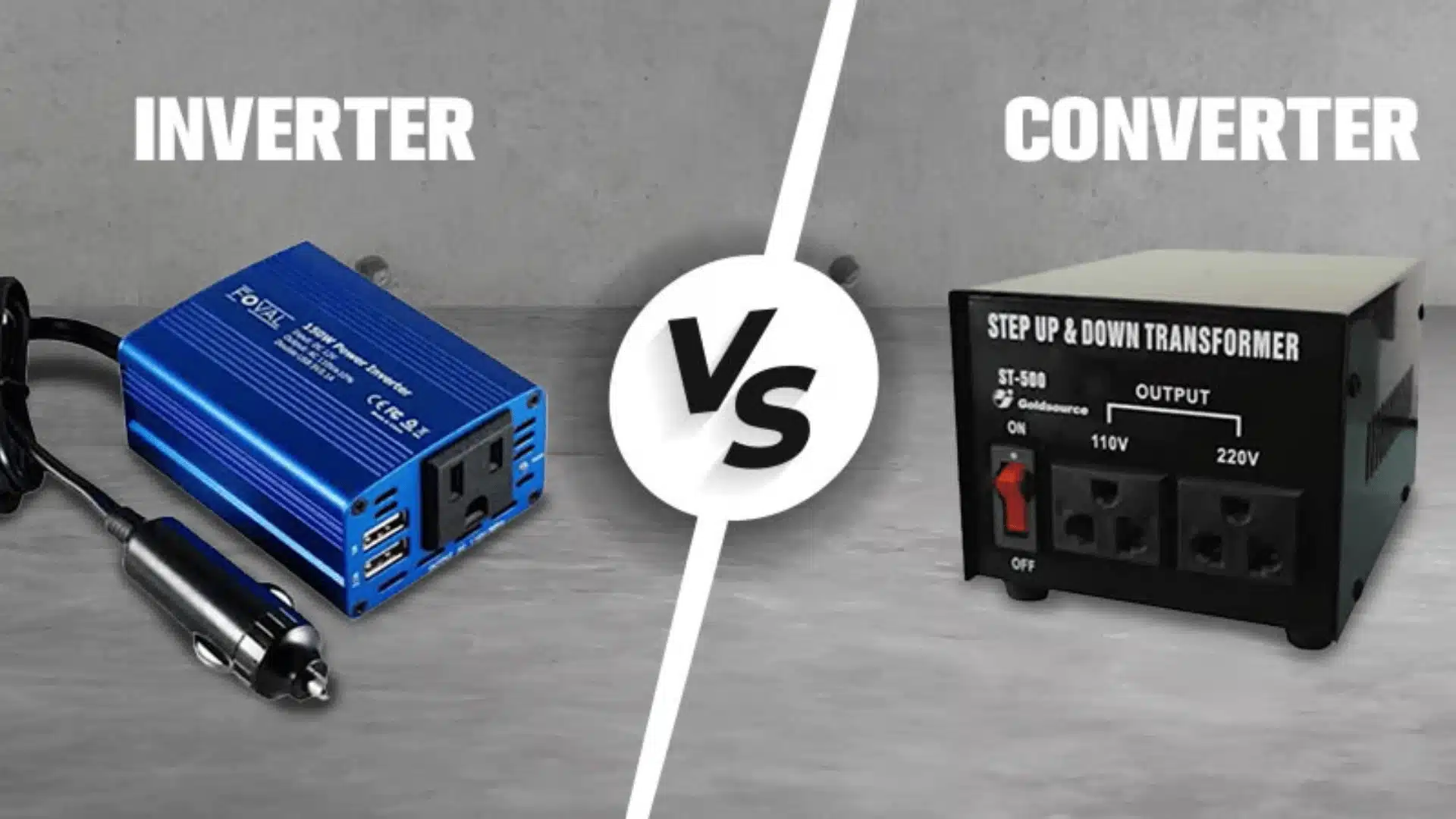
A converter changes electrical power from AC to DC or adjusts DC voltage levels. An inverter converts DC into AC. That difference matters in how devices are built and used.
Unlike an inverter, a converter does not create AC power from DC. Instead, it works with existing electrical power by converting AC to DC or changing DC voltage levels, depending on its design.
An inverter has a harder job. AC power alternates direction many times per second. It must turn DC into a controlled alternating waveform.
This added complexity increases cost and energy loss. A converter avoids that because it only adjusts existing power rather than building a new waveform. These devices solve different problems and are not interchangeable.
Difference Between Converter and Inverter in Solar Systems
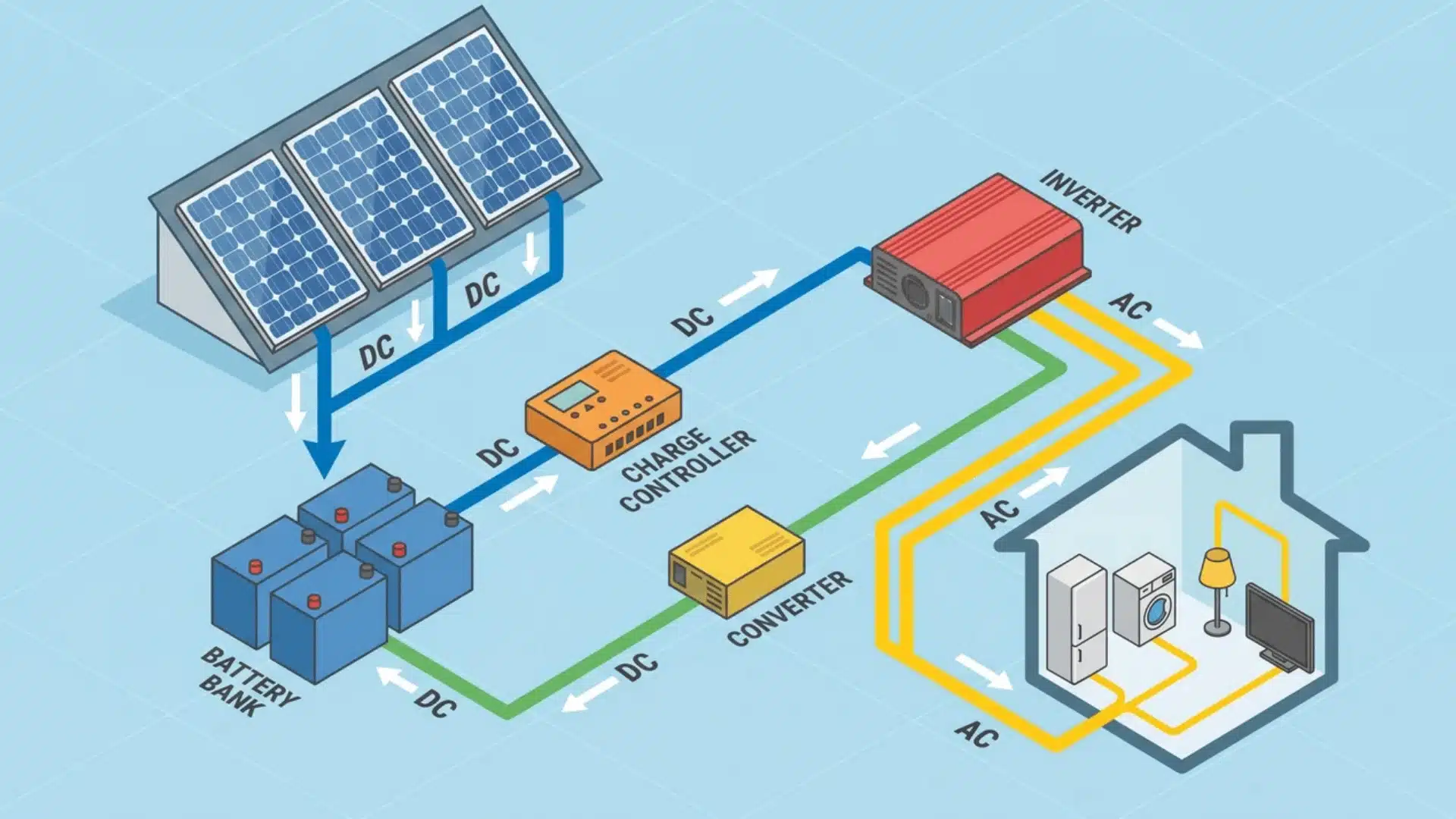
Most explanations describe converters and inverters as if you pick one or the other. In practice, a well-designed solar system usually contains both, because they’re solving two separate problems in the same energy chain.
From Panel to Outlet: The Path DC Takes
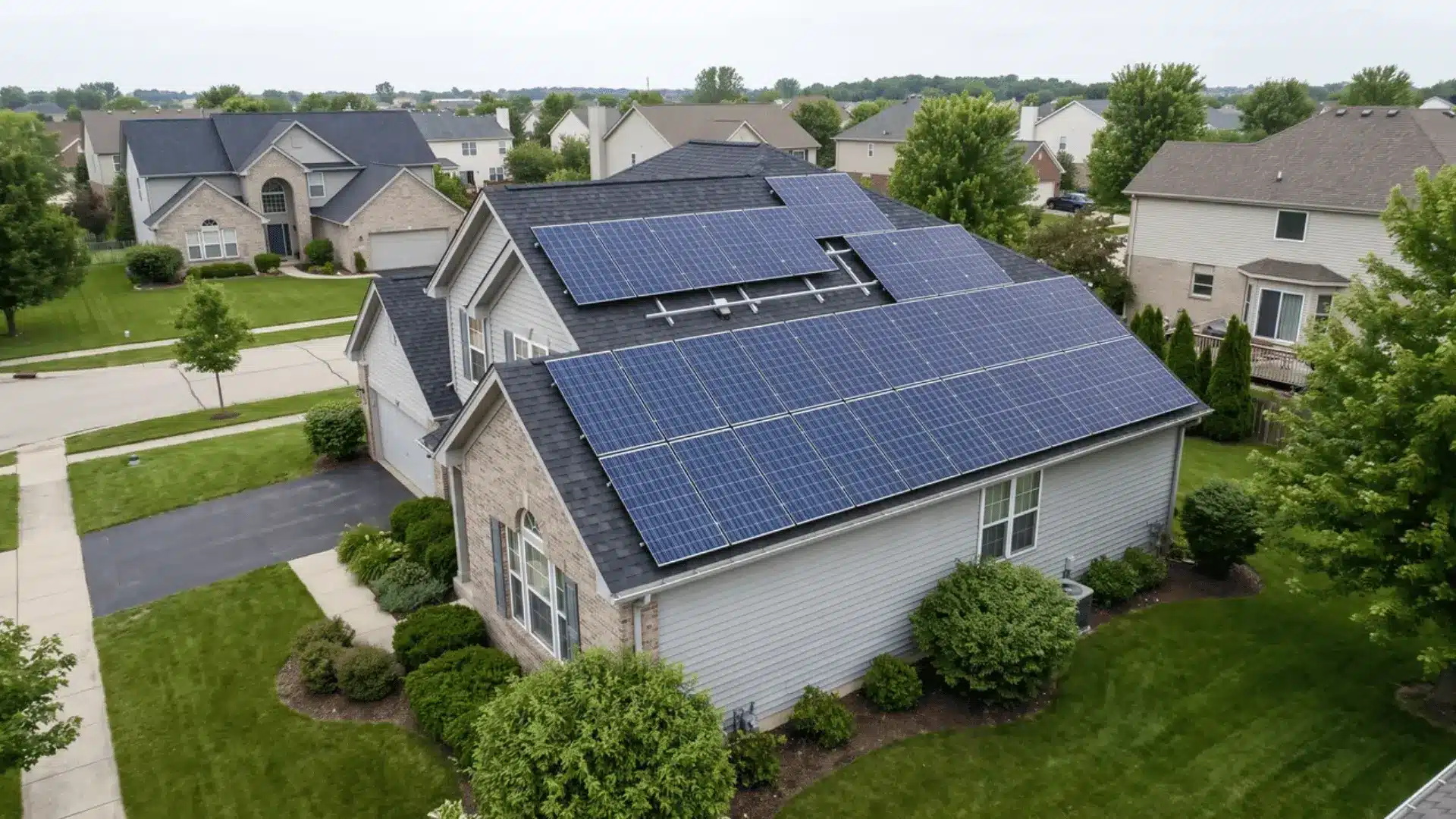
Solar panels produce DC electricity. Your refrigerator, TV, and lighting all run on AC. That gap has to be crossed somewhere, and the inverter is what crosses it.
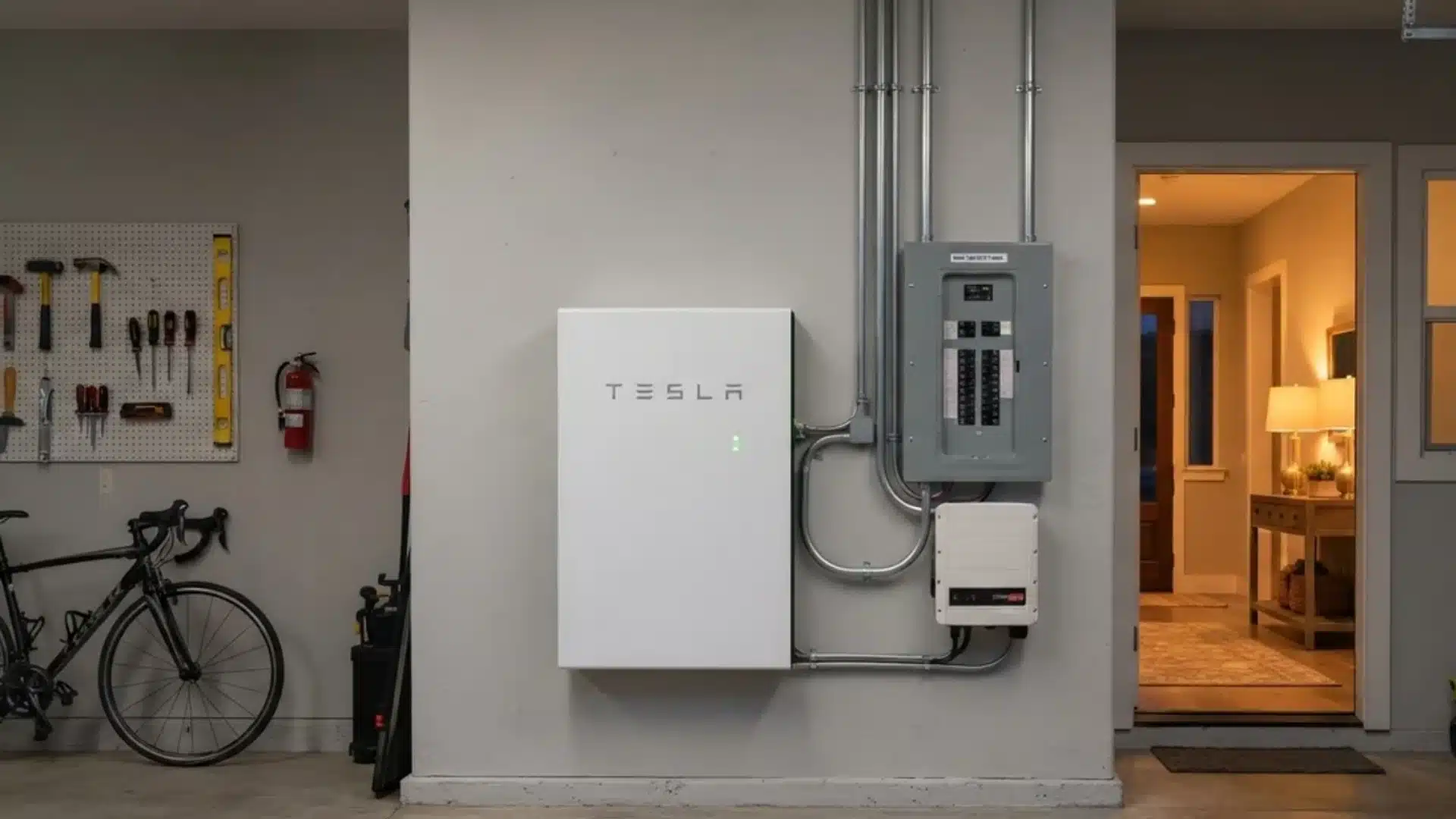
The path looks like this: panels generate DC, which powers a battery bank; the inverter draws from the battery bank and produces AC, which reaches your outlets.
Every step on the DC side, generation, storage, and regulation happens before the inverter. Everything on the AC side happens after it.
Where the Converter Operates in That Path
In most off-grid solar systems, the DC-DC converter operates entirely on the DC side.
Battery banks are often built around 48V for efficiency. But many DC accessories, such as lights, fans, and small appliances, run at 12V.
A DC-DC converter bridges that gap without first sending the power through an inverter.
That’s the key point: the inverter and converter aren’t competing for the same slot.
One handles the DC-to-AC conversion. The other manages voltage within the DC side. In most off-grid setups, both are present because both problems exist.
What Makes Them Different: A Direct Comparison
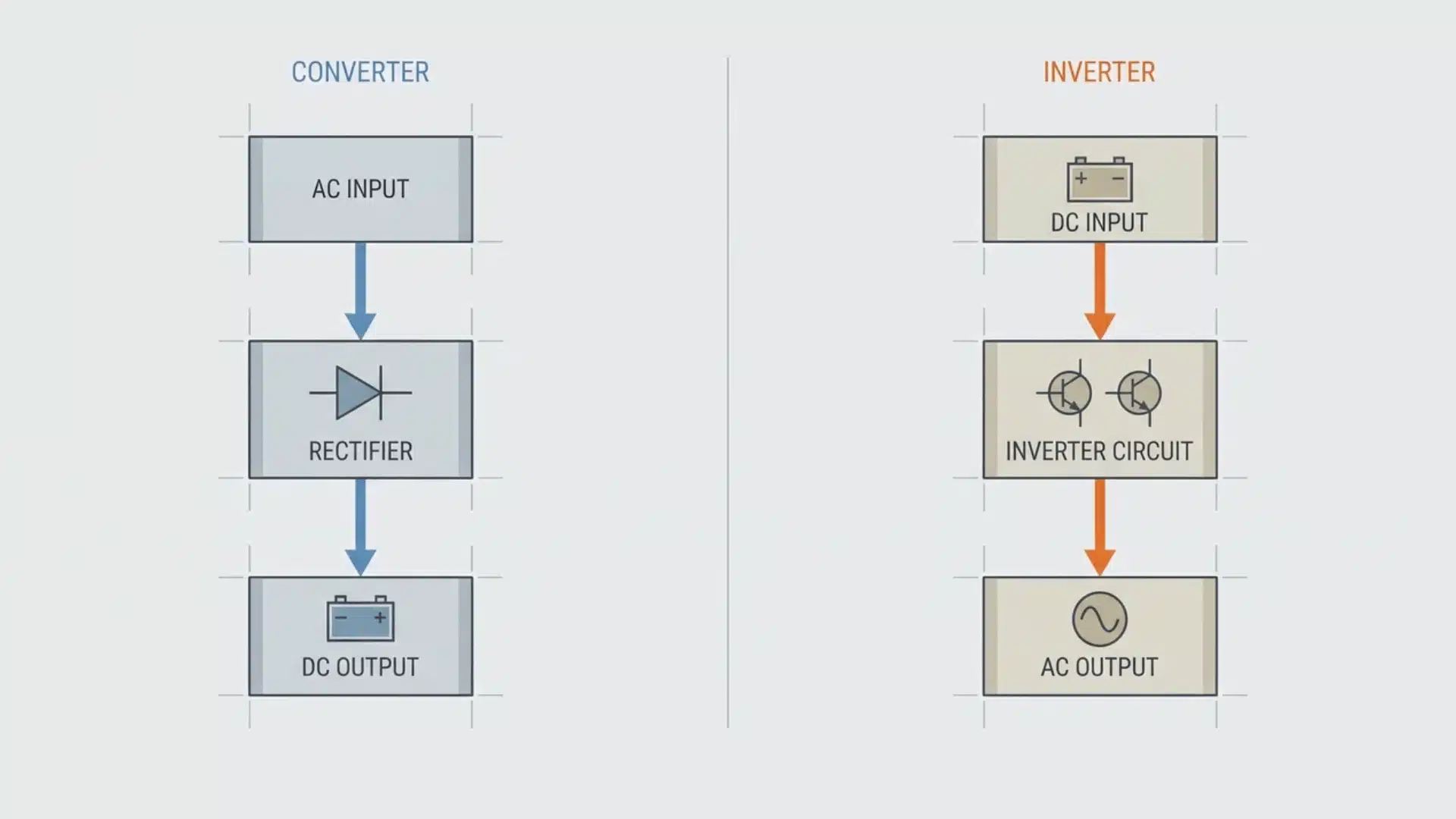
A converter and an inverter are often mentioned together, but they solve different problems. One adjusts power that already exists in a usable form. The other has to create a new type of electrical signal from scratch.
| Aspect | Converter | Inverter |
|---|---|---|
| Input power | AC or DC | DC only |
| Output power | Same type or adjusted DC level | AC power |
| Core job | Adjust or convert within the existing form | Create an alternating waveform |
| Signal handling | Works with the existing signal | Builds a waveform from zero |
| Complexity | Lower | Higher |
| Efficiency loss | Minimal | 2–5% typical loss |
What Each Device Actually Does to The Current
A converter stays within the limits of the input it receives. It either shifts voltage levels or converts AC to DC, but it does not invent a new electrical pattern. The work stays controlled and contained.
An inverter converts DC to AC. That means building an alternating waveform that changes direction many times per second. It must stay stable in frequency and voltage the entire time it runs.
Why That Difference Shows Up in Cost and Efficiency
Waveform creation needs tighter control and more components. That extra circuitry is why inverters cost more and run with some energy loss. The energy loss typically ranges from 2–5% during conversion.
A converter avoids that step completely. Since it does not generate an alternating signal, it runs with fewer losses and a simpler design. That makes it more efficient for straightforward voltage or rectification tasks.
Where Each One Belongs
An inverter converts DC power to AC power to run AC equipment. A converter is used when power needs to be adjusted without changing its basic form.
Both often sit in the same system because real setups need both types of changes. One handles transformation, the other handles adjustment.
Which One Does Your Setup Actually Need?
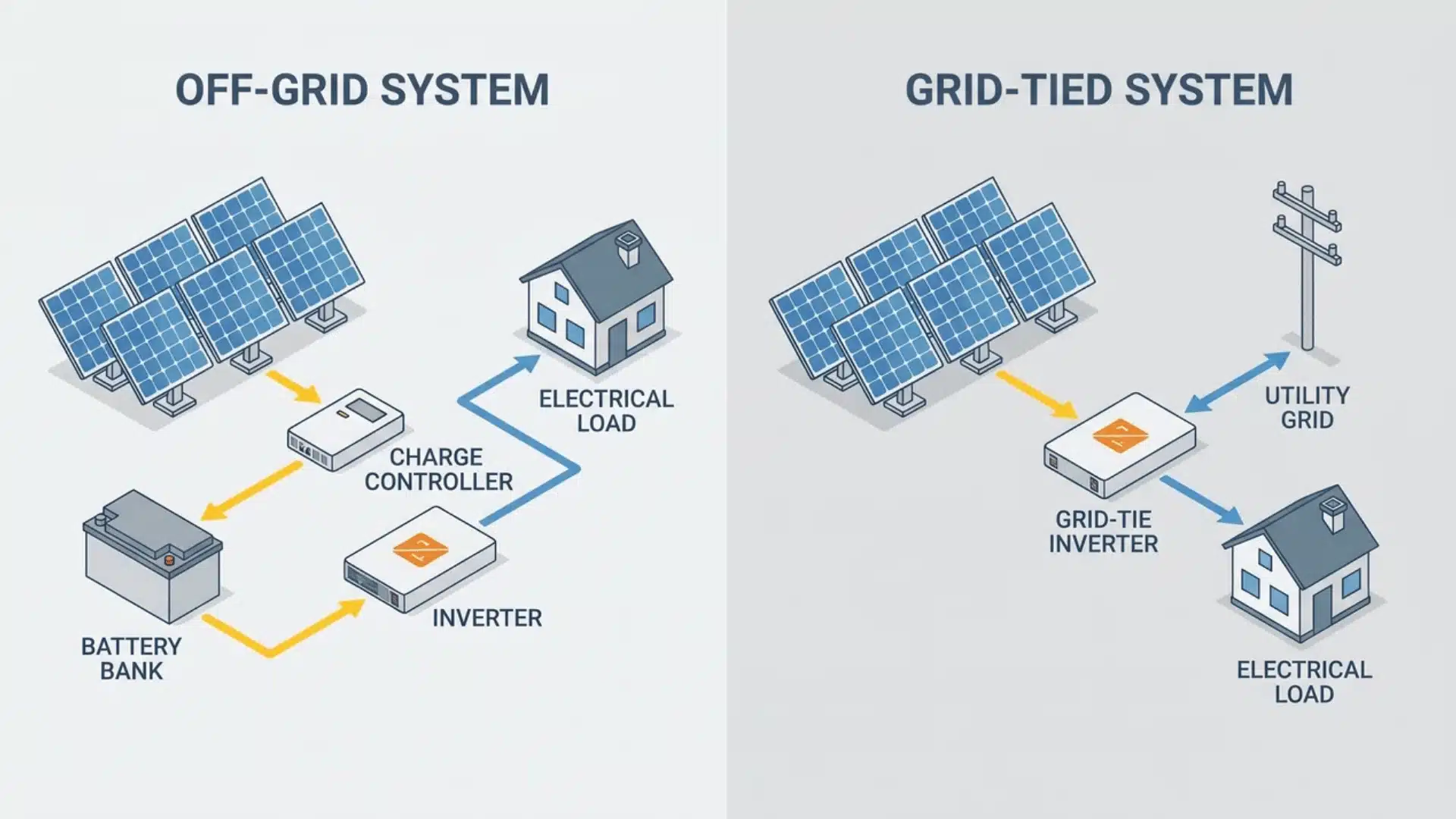
The decision starts with one simple check. Look at what you’re powering. If it’s AC or DC, everything else becomes clearer.
Grid-Tied Solar
- Inverter: Required. No workaround here.
- Converter: Usually not needed in the main flow.
Grid systems push DC from panels into the grid as AC. That shift only happens through an inverter. A converter can’t replace it because it doesn’t generate AC power.
Most setups still use converters in small roles. These handle separate DC voltage requirements, such as accessories operating outside the main battery voltage range.
Off-Grid Solar with AC Appliances
- Inverter: Essential.
- Converter: Used for voltage adjustments inside DC systems.
Off-grid setups still need AC for regular appliances. The inverter connects DC storage to those loads. Without it, the system stays incomplete for everyday use.
Converters step in when DC parts don’t match. A 48V battery feeding 12V devices is a common case. The converter safely lowers the voltage without engaging the inverter.
The Exception that’s Worth Knowing
- No inverter: Only when everything runs on DC
- Converter: Still needed if voltages differ
Some setups skip AC completely. Certain vehicles and marine systems operate entirely on DC at a single fixed voltage. In those cases, an inverter becomes unnecessary.
This is rare in practice. Most real-world systems mix AC appliances with DC devices. That mix is exactly why both tools often show up together.
Wrapping Up
An inverter and a converter are not the same device, and treating them as interchangeable leads to the wrong setup. One builds an alternating waveform from scratch. The other adjusts power that already exists in a usable form.
In practice, most systems need both. The inverter handles the DC-to-AC conversion that makes solar power usable for everyday appliances. The converter manages voltage on the DC side, quietly doing its job before the inverter ever gets involved.
Knowing which problem each device solves makes it easier to plan a system that actually works.
If you’re building or upgrading a solar setup, start with what you’re powering; everything else follows from there.
Frequently Asked Questions
Are a converter and an inverter the same thing?
No. An inverter converts DC power to AC power. A converter either transforms AC into DC or adjusts DC voltage levels. They perform different operations and typically serve different parts of the same system. Most off-grid solar installations include both rather than choosing between them.
What is the difference between a solar converter and a solar inverter?
In a solar system, the inverter converts panel-generated DC electricity into AC power for household appliances. A converter manages voltage levels on the DC side, for example, stepping a 48V battery bank down to 12V for DC accessories. Both devices handle DC power, but at different points and for different purposes.
Do I need an inverter or a converter for off-grid solar?
Most off-grid solar setups need an inverter to power standard AC appliances. A converter becomes necessary if your system includes DC accessories running at a different voltage than your battery bank. For a system powering only standard household appliances, the inverter is the component you can’t do without.
Can I run a solar system without an inverter?
Yes, but only if every device in the system runs on DC power. This setup works for certain off-grid cabins, marine systems, or vehicles that operate entirely on a single DC voltage. Most homes and RVs use standard AC appliances, so an inverter is required to make solar power usable for everyday equipment.