
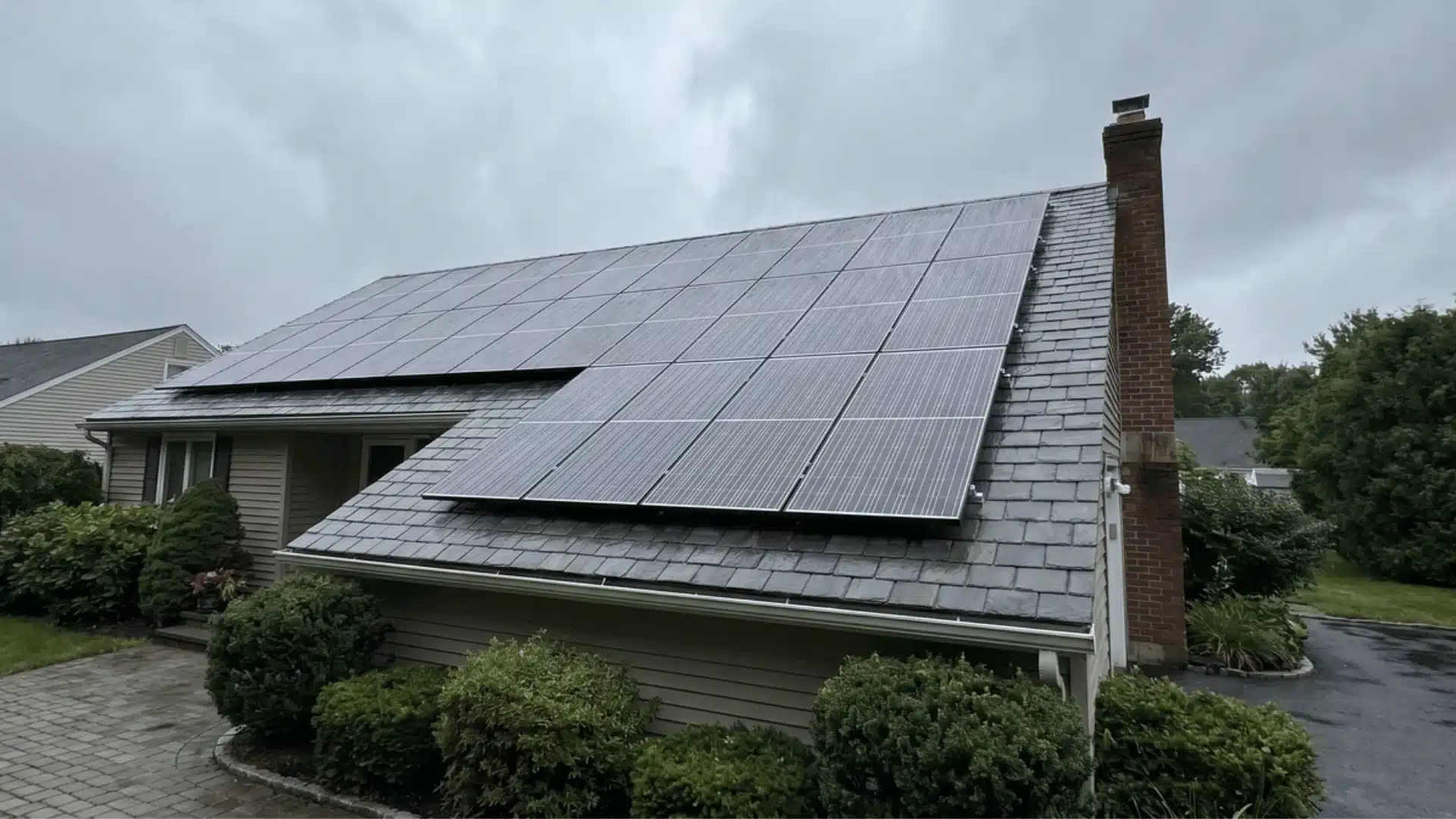

Yes, solar panels still work when it’s cloudy. They just don’t produce as much electricity as they do under clear skies.
Cloud cover reduces the amount of sunlight reaching your panels, so power output drops instead of stopping altogether. How much electricity your system generates depends largely on the type and thickness of the clouds overhead.
Think of it less like an on/off switch and more like a dimmer. Thin clouds may only reduce output slightly, while dense storm clouds can cause a much larger drop in production.
Do Solar Panels Work on Cloudy Days?
Yes, solar panels generate electricity on cloudy days. They just produce less of it.
What changes isn’t whether they work, but how much light actually reaches the cells. Even on grey days, sunlight still hits the earth as scattered photons, and panels keep converting it into electricity.
This is where solar efficiency in cloudy weather becomes important, since output depends heavily on how well panels handle reduced and scattered light.
On a clear day, that light arrives directly from the sun. Physicists call this direct normal irradiance (DNI), a concentrated, straight-line beam. DHI carries fewer photons than direct sunlight, but it still carries photons.
On a cloudy day, clouds scatter the beams across the sky. The light becomes diffuse. It arrives from many angles at once, not one. This is diffuse horizontal irradiance (DHI).
Your panels can capture both types. So when clouds roll in, output doesn’t switch off. It shifts down, but by how much depends entirely on what kind of clouds are above you. Thin, scattered cloud cover barely makes a dent.
A thick storm system can cut production to a fraction of its clear-sky potential. That’s a spectrum, not a switch.
Cloud cover is only one part of the picture. If you’re wondering how diffuse light, shade, and direct sunlight compare, see whether solar panels need direct sunlight.
Why Cloud Conditions Matter More Than You Think
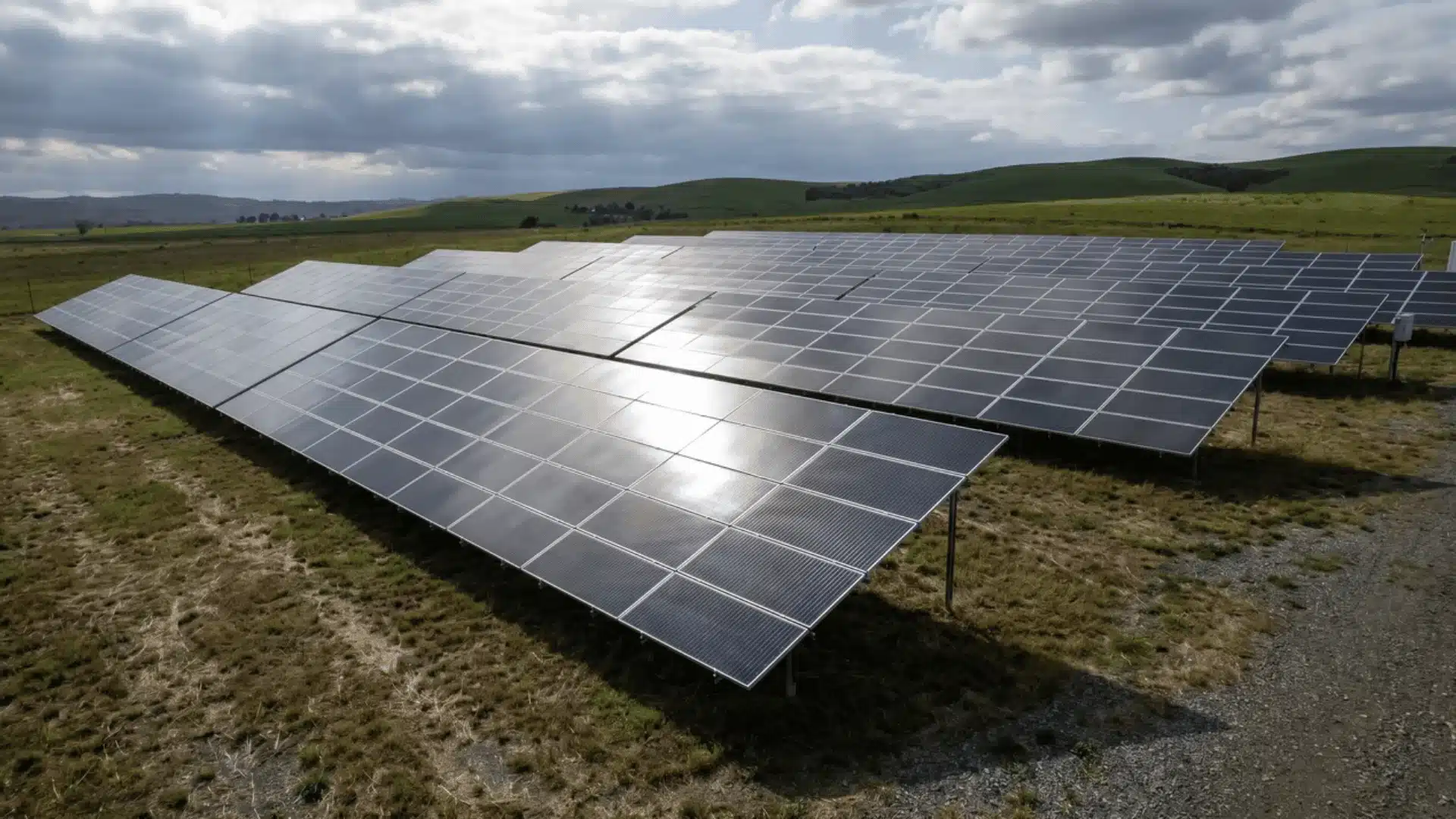
Not all cloudy days affect solar panels the same way. Thin, high clouds allow much more sunlight to reach your panels than thick storm clouds, so electricity production can vary significantly even when the sky looks overcast.
Partly cloudy conditions can sometimes produce brief increases in output because sunlight becomes concentrated around the edges of passing clouds before reaching the panels.
These short-lived spikes are normal and can occasionally push production above what you’d expect under completely clear skies. Seasonal weather patterns also make a difference.
Regions with frequent light cloud cover often receive more annual solar energy than places with long periods of dense, low cloud, even if both locations have a similar number of cloudy days.
What Determines How Much Power You Get on a Cloudy Day
Cloudy-day solar output isn’t fixed. A few real-world conditions push it up or down.
| Factor | What It Does | How It Affects Power Output |
|---|---|---|
| Cloud thickness | Controls how much sunlight reaches panels | Thin clouds keep output closer to 30–40%, and thick clouds can drop it near 10% |
| Cloud height | Changes how light is scattered | High clouds let more diffuse light through; low clouds block more of it |
| Weather pattern | Determines how long clouds stay in place | Short cloudy spells keep production steadier; multi-day storms can push output below 10% |
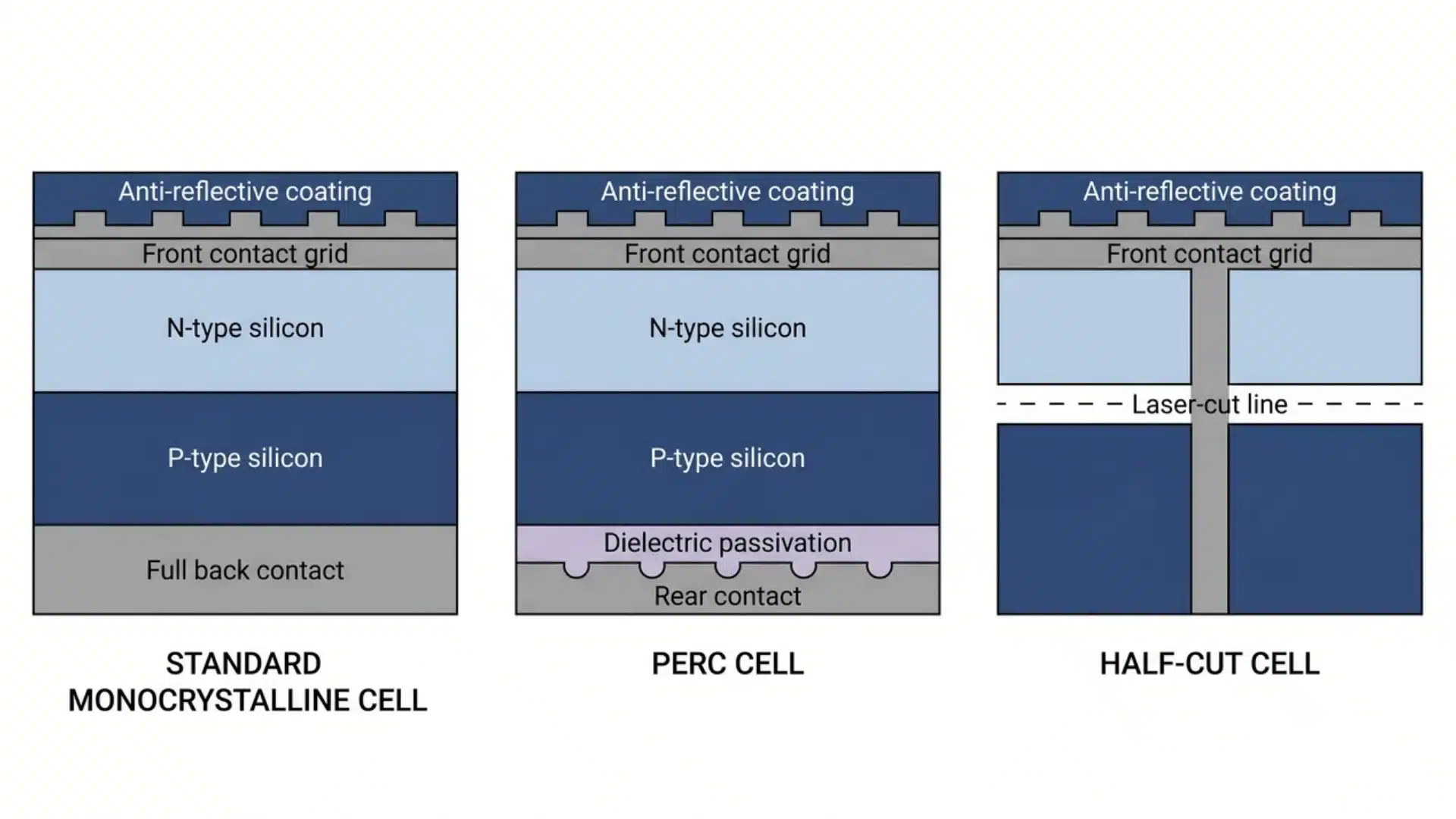
| Panel type | Affects how well scattered light is captured | Modern monocrystalline and PERC panels perform better than older polycrystalline ones |
Each of these factors works together, not in isolation. That’s why two cloudy days that look the same can still produce very different results.
How to Handle the Power Dip on Cloudy Days
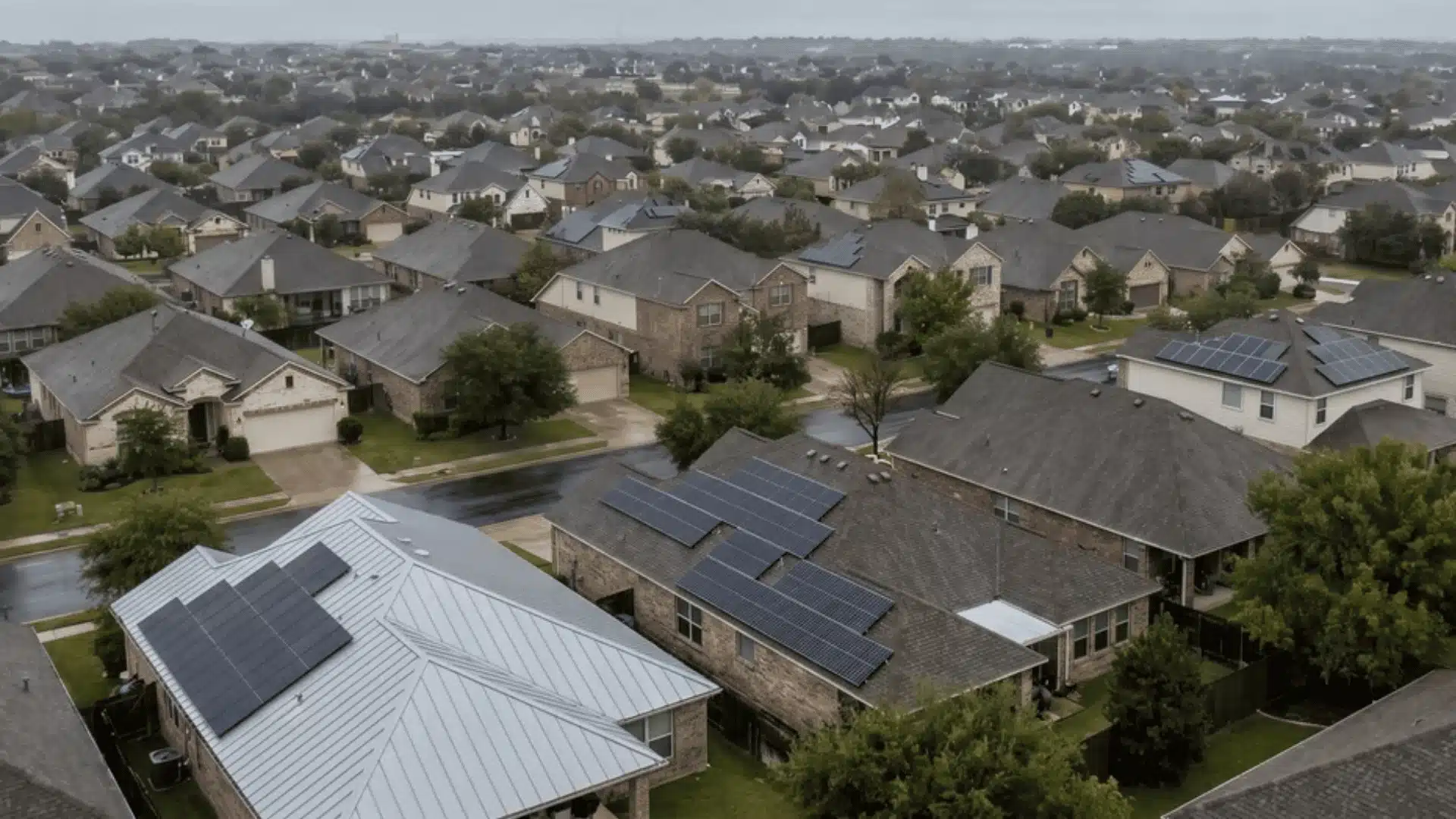
A dip in output isn’t something you need to fix. Most systems are already built to handle it. If you’re connected to the grid, net metering does the work for you. Extra power you send out on sunny days earns credit.
You draw on that credit when a cloudy stretch cuts your production. No extra cost, no manual adjustment needed. Off-grid systems work differently.
Without a grid to lean on, you need a battery that stores surplus power from clear days. That stored power kicks in the moment generation drops. Even heavy rain won’t completely stop your panels from working.
They’ll keep producing at a reduced rate, similar to a heavily overcast day. There’s a small upside too. Rain rinses dust and debris off your panels, so output often ticks up slightly once the sky clears.
Wrapping Up
Solar panels keep working when clouds move in, but at lower output depending on the type of light, cloud thickness, and the panel technology used in the system.
Your location matters more than perfect weather. Even cloudy regions produce solid yearly output when systems are sized correctly for local conditions.
Reviewing your area’s annual solar irradiance data gives a much more accurate picture of how much electricity your system is likely to generate.
Check your roof potential before deciding. A quick system design review shows what you can realistically generate across seasons and cloud patterns today with installer.
Frequently Asked Questions
How effective is a solar panel on a cloudy day?
You’ll usually see 10 to 40 percent of normal output. The exact number depends on how thick the clouds are. Thin, high clouds let more light through. Dense, low ones cut it back hard. Either way, your panels keep working.
Do solar panels work with moonlight?
Not in any meaningful way. Moonlight is reflected sunlight, but it’s far too weak to produce a usable amount of electricity. While solar panels may generate an extremely small electrical response under bright moonlight, the output is too low to power a home or contribute to normal energy production.
Do solar panels work on rainy days?
Yes. Rain doesn’t block the diffuse light your panels rely on, so they keep generating power. The output looks similar to that of a heavily overcast day. And the rain itself washes dust off your panels, which helps once the sky clears.
Do solar panels work on snowy days?
Yes, as long as snow isn’t sitting on top of them. A light dusting often melts fast on an angled panel. Fresh snow can even reflect extra light onto your system for a short while. Heavy buildup is the only real problem, and it clears on its own or with a quick sweep.