

Cold rooms and rising energy bills often signal that an aging heating system needs attention. However, choosing a replacement involves far more than comparing equipment prices.
I have seen homeowners save money upfront, only to face higher energy costs later. Others invested in premium efficiency ratings their homes could not fully benefit from because of poor insulation or outdated ductwork.
The heat pump vs furnace decision depends on your winter weather and local energy rates. Your insulation and current HVAC setup also affect which system works best.
The right equipment should keep your home comfortable without placing unnecessary pressure on your long-term budget.
Understanding Heat Pumps and Furnaces
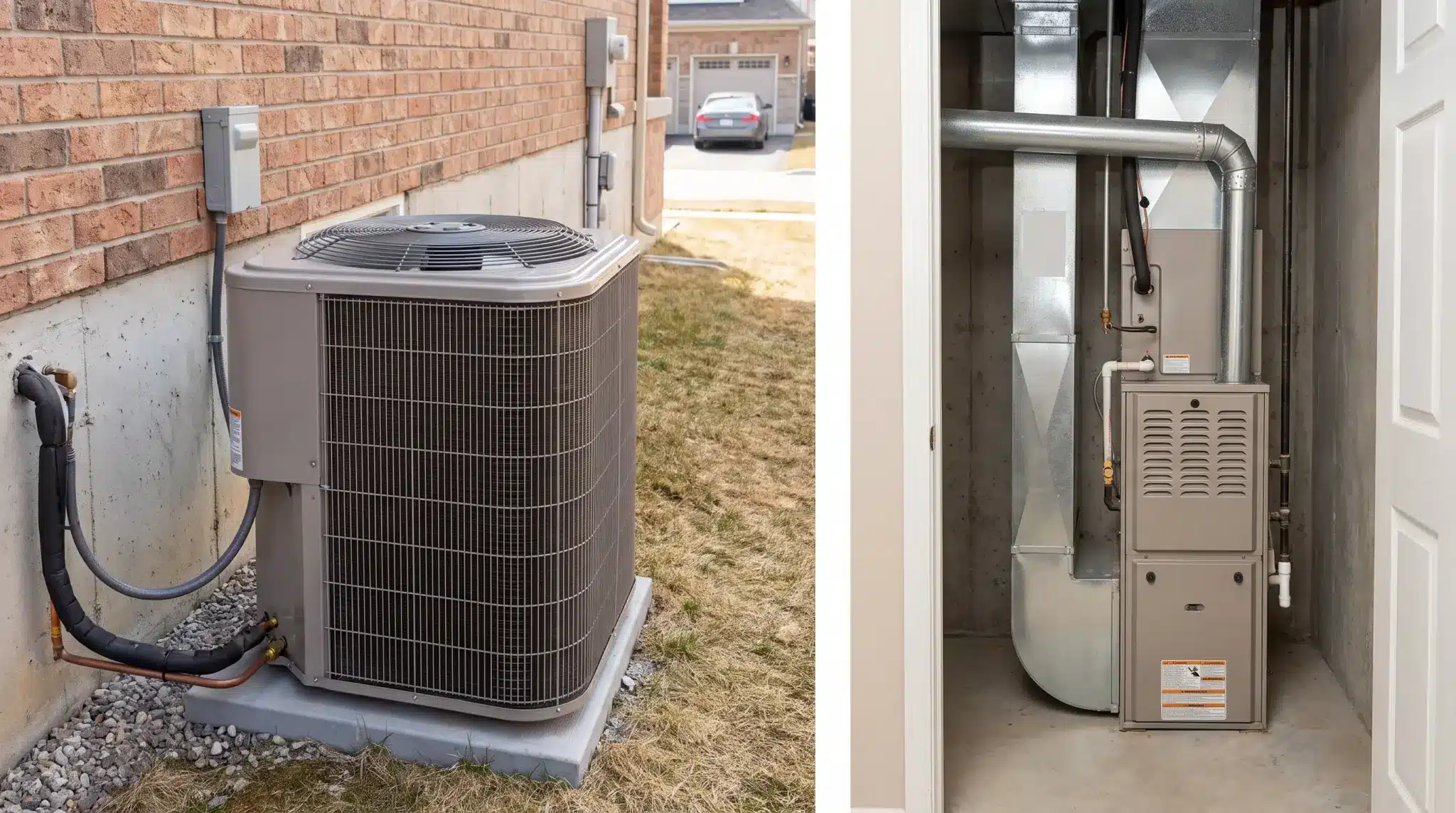
A heat pump uses electricity to transfer heat rather than create it. During winter, it collects heat available in the outdoor air and moves that warmth inside your home.
In summer, the system reverses this process and carries indoor heat outside. As a result, a single heat pump can provide both heating and cooling throughout the year.
A furnace works differently because it produces heat directly. Gas furnaces burn natural gas or propane, oil furnaces use heating oil, and electric models create heat through warmed coils.
Once the air is heated, a blower moves it through the ductwork and into each room. Because a furnace only provides heating, your home will still need an air conditioner or another cooling system for summer.
Heat Pump and Furnace: Cost Breakdown
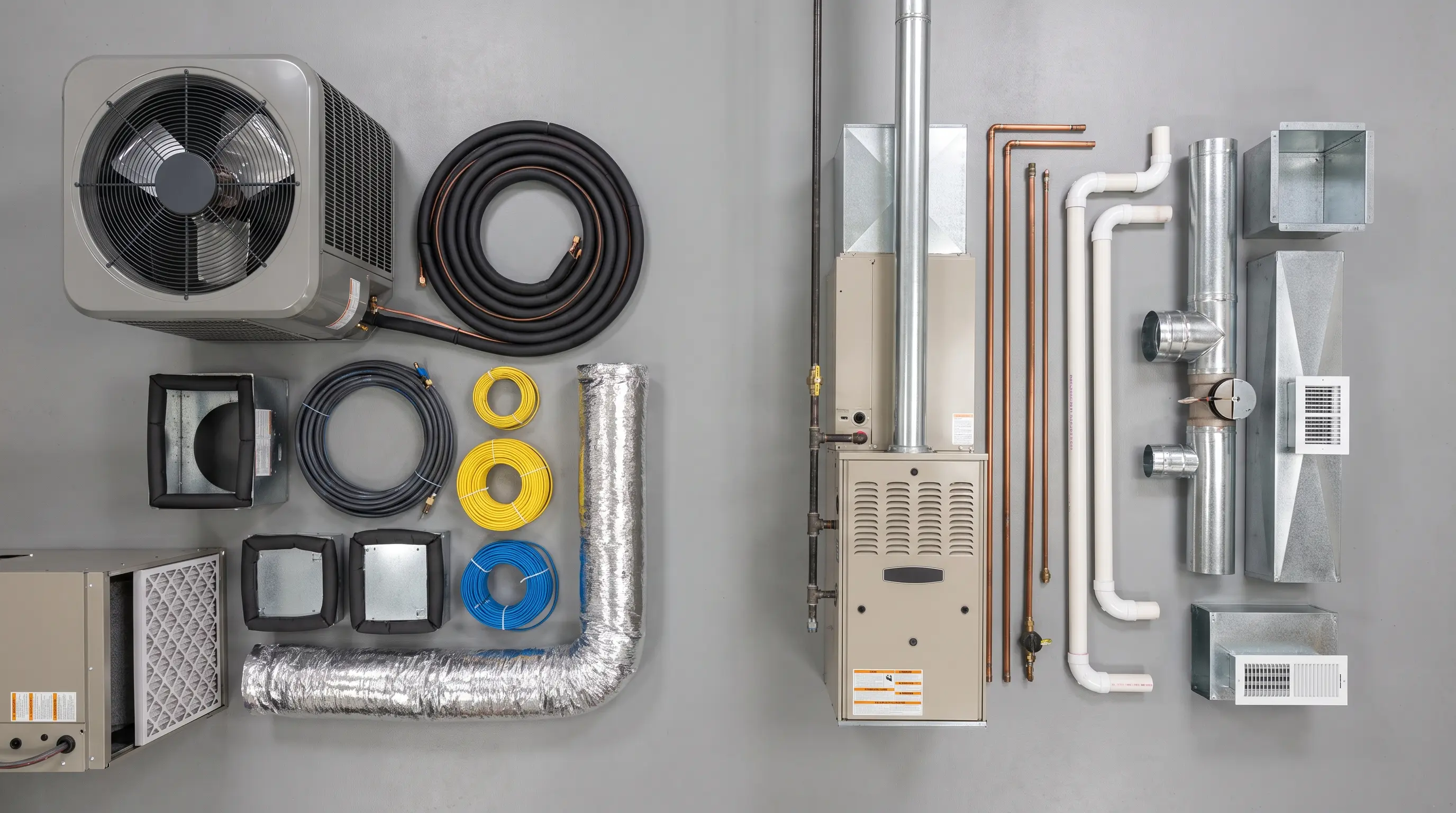
The equipment price represents only one part of your total expense. Installation requirements, local energy rates, maintenance, and possible home upgrades can all affect how much you ultimately spend.
| Cost Factor | Heat Pump | Furnace |
|---|---|---|
| Typical installation | About $5,000 to $10,000 | About $2,500 to $6,000 |
| Monthly energy use | Often lower in moderate climates | May cost less where natural gas is inexpensive |
| Cooling equipment | Cooling is included | A separate air conditioner is required |
| Possible extra work | Electrical panel, wiring, or duct upgrades | Gas lines, venting, or duct repairs |
| Maintenance | Year-round operation may require more service | Seasonal operation may reduce yearly wear |
| Typical lifespan | Around 12 to 15 years | Around 15 to 20 years |
These figures are general US estimates rather than guaranteed prices. Your final quote may change based on equipment size, efficiency level, local labor rates, and the condition of your existing system.
Request an itemized estimate that includes equipment, labor, permits, old-system removal, controls, and any necessary upgrades. Before signing a contract, also check which federal, state, utility, or manufacturer incentives may apply.
How Heat Pumps and Furnaces Work
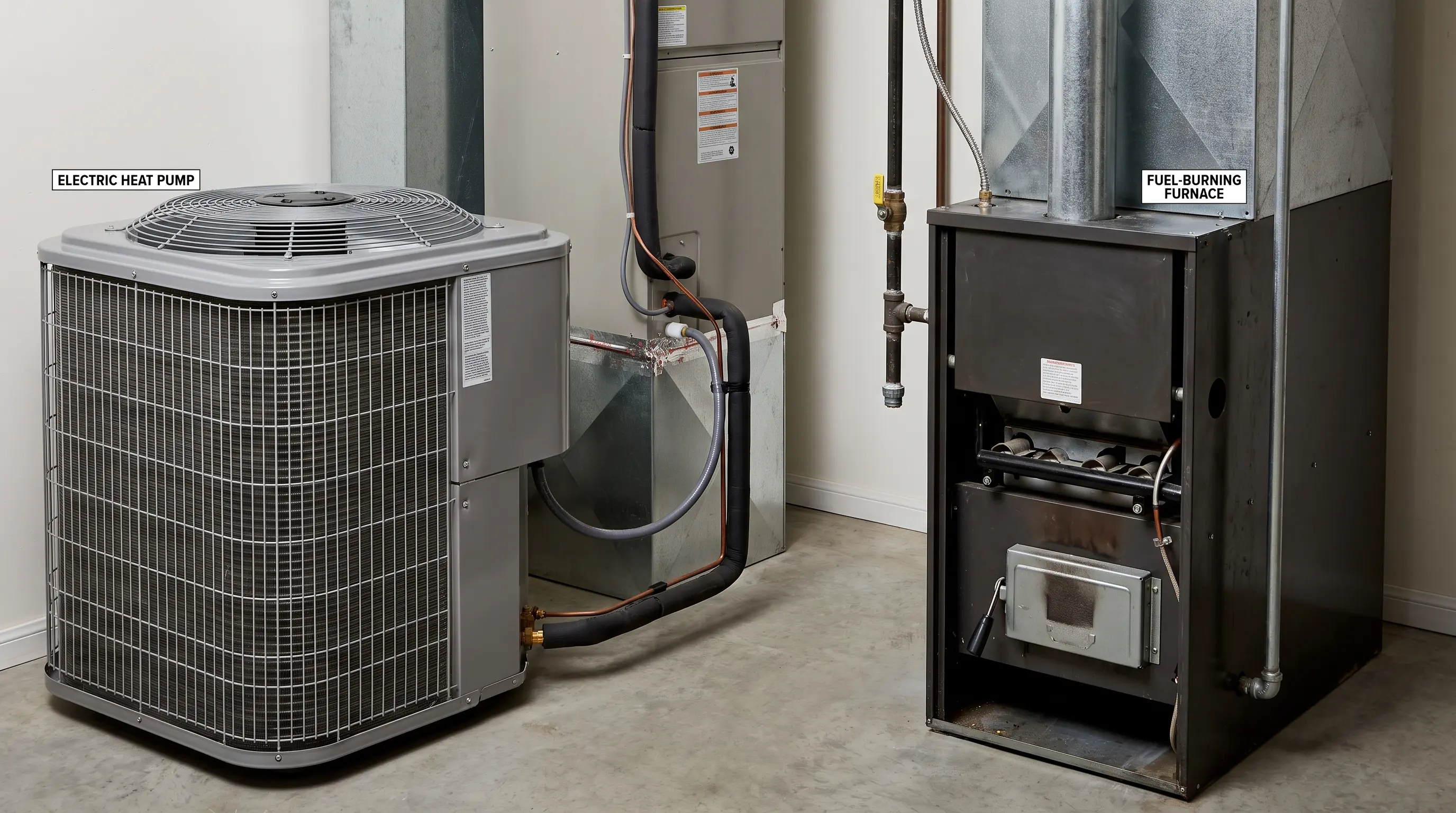
Both systems can rely on ducts and a blower to circulate warm air. The main difference is how that warmth is produced, which affects efficiency, airflow, and performance during winter.
How a Heat Pump Works
A heat pump transfers available outdoor heat through a sealed refrigerant system. Although the process involves several components, it can be divided into four basic stages:
- Heat Collection: The outdoor coil absorbs heat from the surrounding air, even when outdoor temperatures feel cold.
- Heat Transfer: Refrigerant collects the absorbed heat and carries it toward the compressor. The compressor then increases the refrigerant’s temperature and pressure.
- Indoor Release: The heated refrigerant travels through the indoor coil, where it releases warmth into the air passing across it.
- Air Circulation: A blower pushes the warmed air into the supply ducts, which carry it to rooms throughout the home.
Under suitable conditions, this process can require less electricity than electric resistance heating. However, as outdoor temperatures fall, the system’s heating capacity and efficiency will usually decline.
How a Furnace Works
Instead of transferring existing heat, a furnace produces warmth before distributing it through the home. The exact heating method depends on whether the system uses fuel or electricity:
- Heat Production: A fuel-burning furnace creates heat through combustion, while an electric furnace warms the air using heated coils.
- Air Intake: Cooler indoor air enters through the return vents and travels toward the furnace. Before heating begins, a filter removes dust and other airborne particles.
- Heat Exchange: The returning air passes across a heat exchanger or electric coils, absorbing warmth as it moves through the equipment.
- Air Circulation: The blower sends the heated air into the supply ducts, and vents distribute it throughout the home.
Furnaces generally produce hotter supply air than heat pumps. Because of this, rooms may feel noticeably warmer soon after the system begins running.
Which System Handles Cold Weather Better?
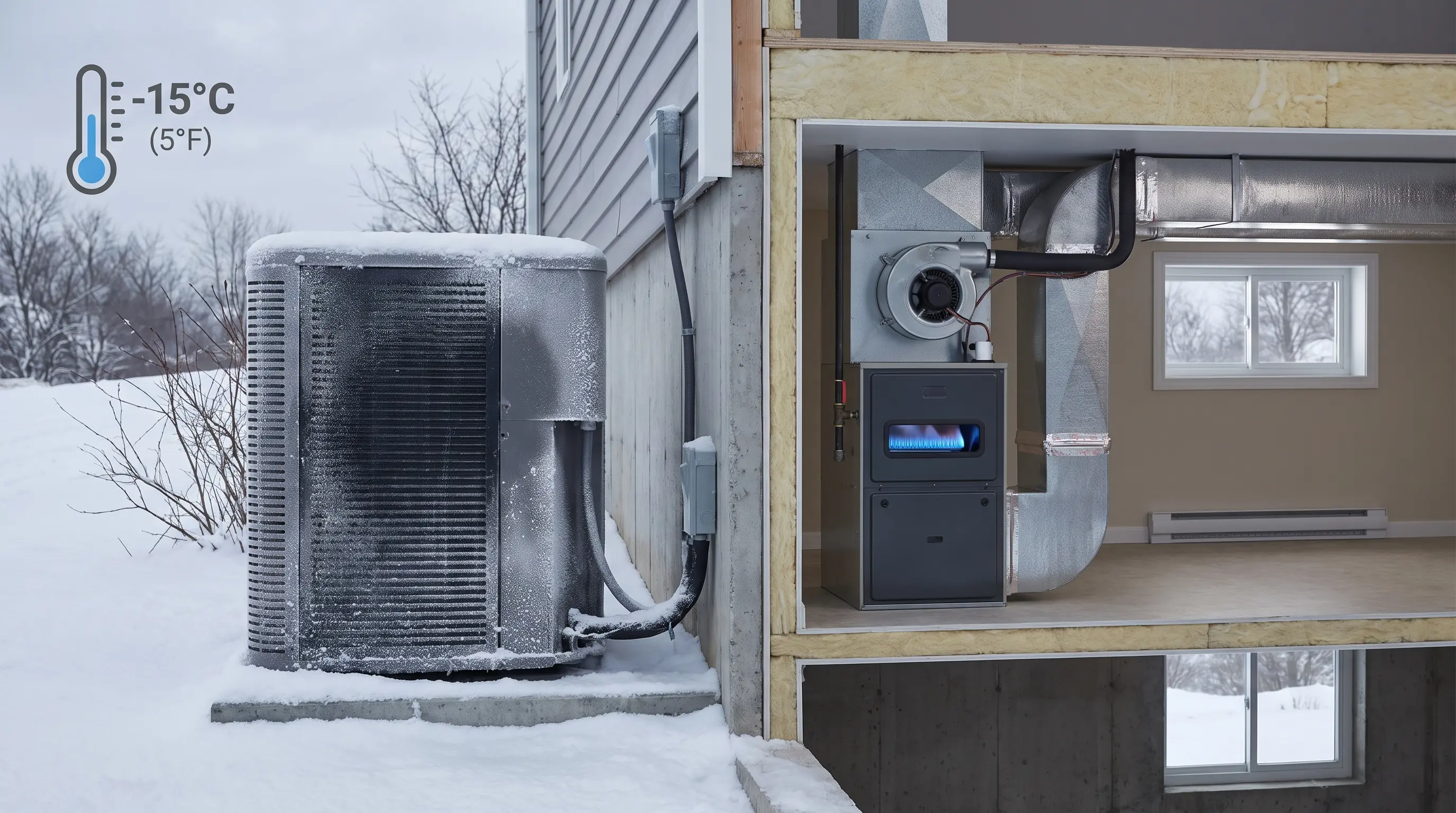
A furnace usually provides more consistent heat during extended periods of severe cold. Its heating capacity does not depend on warmth in the outdoor air.
Standard heat pumps may lose capacity, run longer, or use backup heat as temperatures fall. Cold-climate models work below freezing, although performance varies by model.
Ask for model-specific performance data at your area’s expected winter low. General efficiency ratings do not show how equipment performs during extreme cold.
A dual-fuel system can suit regions with changing winter temperatures. It uses the heat pump in milder weather and switches to furnace heat when needed.
Heat Pump Pros and Cons
A heat pump can be a practical choice when your heating and cooling equipment both need replacement. Its overall value, however, still depends on your climate, electricity rates, and existing home systems.
| Pros | Cons |
| Year-round operation: One system provides winter heating and summer cooling. | Higher installation cost: Electrical or duct upgrades may increase the final price. |
| Lower energy use: Moving heat can reduce energy consumption during moderate weather. | Reduced cold-weather capacity: Some models require backup heating during severe cold. |
| No indoor combustion: The equipment does not burn gas, propane, or oil inside the home. | Potential electrical work: Older homes may need new wiring or a larger electrical panel. |
| Steady temperatures: Longer heating cycles can provide consistent airflow with fewer temperature swings. | More annual operation: Year-round heating and cooling use may contribute to faster equipment wear. |
A heat pump often provides the strongest value in mild or moderate climates. It may become especially appealing when both the furnace and air conditioner are nearing replacement.
Furnace Pros and Cons
A furnace can provide dependable winter heating, particularly in regions that experience long freezing periods. Still, fuel prices and the need for separate cooling equipment can affect its overall cost.
| Pros | Cons |
| Reliable winter output: Outdoor temperatures have little effect on the furnace’s heating capacity. | Heating only: The home requires separate equipment for summer cooling. |
| Hotter supply air: Rooms may feel warm shortly after the system starts. | Changing fuel costs: Gas, propane, and oil prices can increase monthly expenses. |
| Simpler replacement: Existing fuel lines and vents may reduce the amount of installation work required. | Combustion requirements: Fuel-burning models need safe venting and working carbon monoxide detectors. |
| Long service life: Routine maintenance can help a furnace continue operating for many years. | Uneven temperatures: Short cycling or duct problems can leave some rooms warmer than others. |
A furnace may be a better fit in colder regions where fuel is dependable and affordable. It can also make financial sense when your existing air conditioner remains in good condition.
Which Heating System Is Right for Your Home?
A heat pump may suit homes with mild winters and reasonable electricity rates. It offers greater value when heating and cooling systems need replacement together.
A furnace may work better in regions with long periods of severe cold. It can also save money when natural gas is affordable and already connected.
A dual-fuel system may suit areas with changing winter temperatures. It uses the heat pump in mild weather and switches to furnace heat during colder periods.
Before choosing, check your ducts, insulation, wiring, fuel access, and cooling equipment. Ask a contractor to calculate the heating load your home requires.
Wrapping Up
Heat pumps and furnaces can both provide reliable heating when sized correctly. The right choice depends on your climate, home, and local energy costs.
Compare long-term expenses instead of focusing only on installation price. Include energy use, maintenance, cooling equipment, upgrades, and expected system lifespan.
Insulation and duct condition can also affect comfort and monthly bills. Fixing these problems may improve the performance of either heating system.
Ask your contractor for a heating-load calculation and model-specific winter data. These details will help you choose equipment with the right capacity.
Frequently Asked Questions
Is a heat pump better than a furnace?
A heat pump is often better in mild climates because it heats and cools efficiently. A furnace may perform better during long periods of severe winter cold for many homes.
What is the main disadvantage of a heat pump?
The main disadvantage is reduced heating capacity as temperatures fall. Some homes also need backup heat, electrical upgrades, or a higher installation budget for dependable performance in cold regions.
Do I need both a furnace and a heat pump?
Most homes need only one primary system. A dual-fuel setup can combine both, using the heat pump in mild weather and furnace heat during deep cold periods in winter months.
Which heating system usually lasts longer?
A well-maintained furnace commonly lasts 15 to 20 years. A heat pump often lasts 12 to 15 years because it provides both winter heating and summer cooling for the home.