
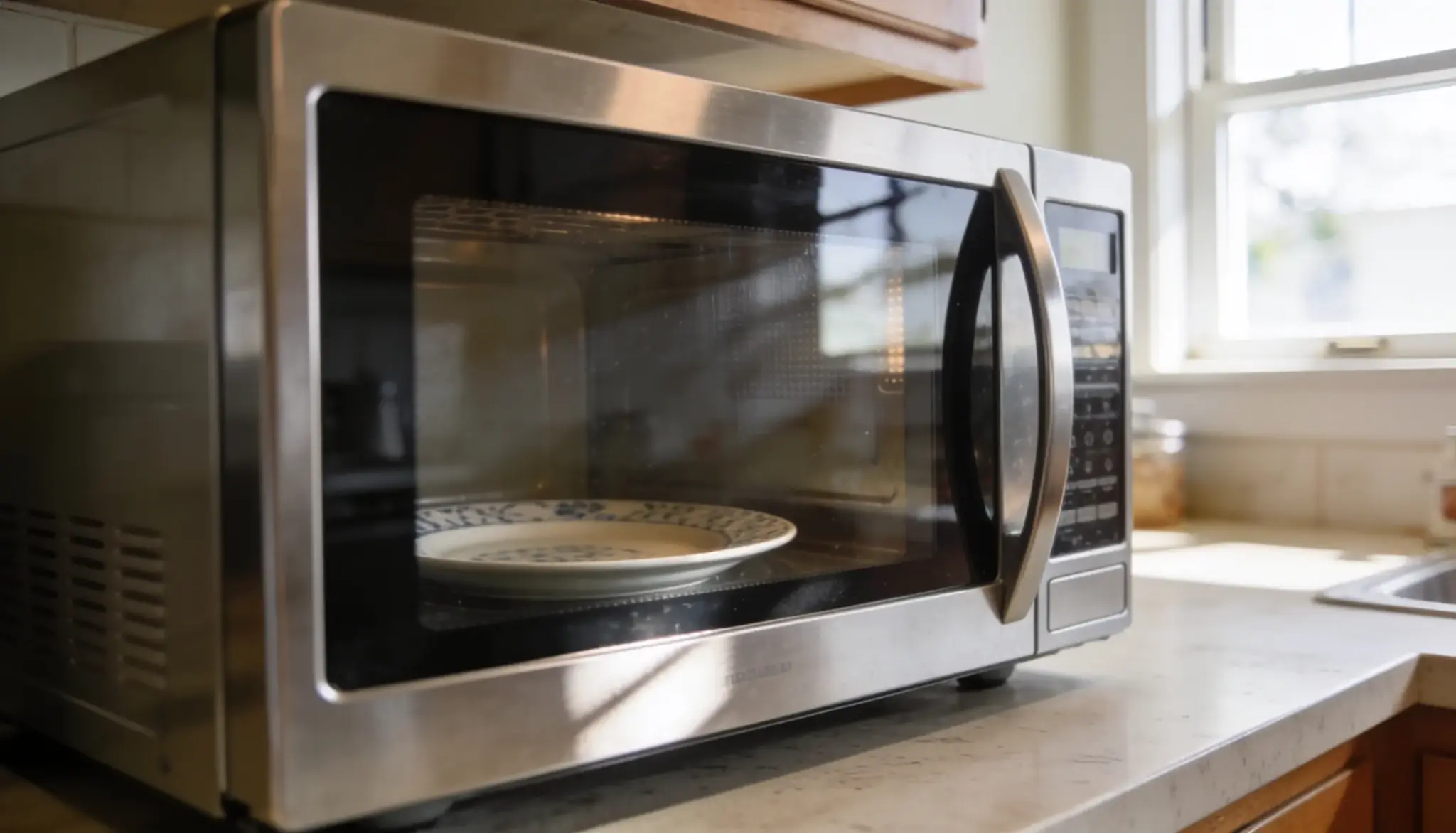


Your soup comes out lukewarm in the middle even after three minutes on high. Sound familiar? That usually isn’t a broken microwave; it’s often a wattage issue.
Understanding how many watts does a microwave use can explain why some meals cook quickly while others take longer, why your generator may struggle during an outage, and why your electricity bill stays relatively low despite daily use.
I’ll cover common microwave wattage ranges, explain what affects cooking performance, show you how to find your exact power rating, and break down electricity costs and backup power needs.
By the end, you’ll know what your microwave wattage means and how to use that information effectively.
How Many Watts Does a Microwave Use?
Most household microwaves run between 600 and 1,200 watts, with standard kitchen models typically falling between 800 and 1,000 watts.
The exact figure depends on the microwave’s size and intended use, compact units built for dorms, RVs, or small kitchens use less power, while larger countertop models draw more.
Commercial microwaves, built for constant restaurant use, can exceed 1,700 watts.
| Microwave Type | Wattage Range | Typical Use |
|---|---|---|
| Compact microwave | 600–800W | Dorm rooms, RVs, offices |
| Standard household microwave | 800–1,000W | Everyday cooking and reheating |
| Large countertop models | 1,000–1,200W | Larger meals, frequent use |
| Commercial microwave | 1,200–1,700+W | Restaurants and food service |
For most homes, a microwave in the 900–1,000 watt range offers the best balance of speed and everyday performance
What Does Wattage Actually Do Inside a Microwave?
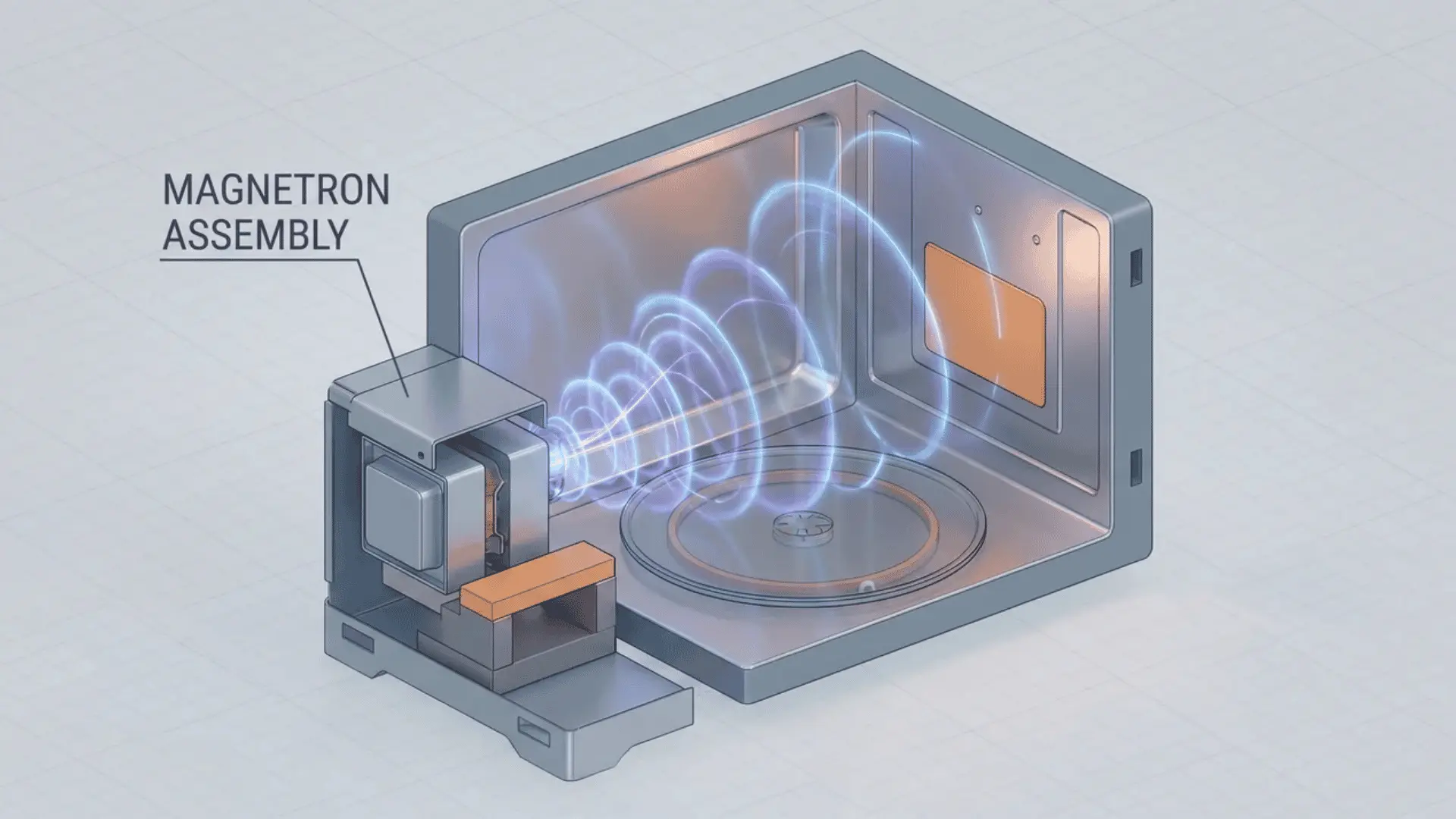
Wattage measures how much energy the microwave delivers to your food each second, and that number drives both cooking speed and consistency.
A 1,000-watt microwave heats food noticeably faster than a 700-watt one, a gap that shows up most with frozen meals, soups, rice, and other dense foods that need energy to penetrate all the way through.
A rough performance breakdown:
- 600–700 watts: Fine for reheating and simple tasks, but slower overall.
- 800–900 watts: Comfortably handles most everyday cooking.
- 1,000+ watts: Heats larger portions faster and more evenly.
Since most packaged-food instructions and recipes are written for a 1,000-watt microwave, anyone with a lower-powered model should expect to add cooking time, and anyone with a higher-powered one should check food earlier than the package suggests.
The gap isn’t perfectly predictable, though: food density, moisture content, and container shape all affect heating too, so it’s worth checking food a little before the recommended time is up rather than assuming the math will line up exactly.
Microwave Wattage Changes Based on Size and Design Features
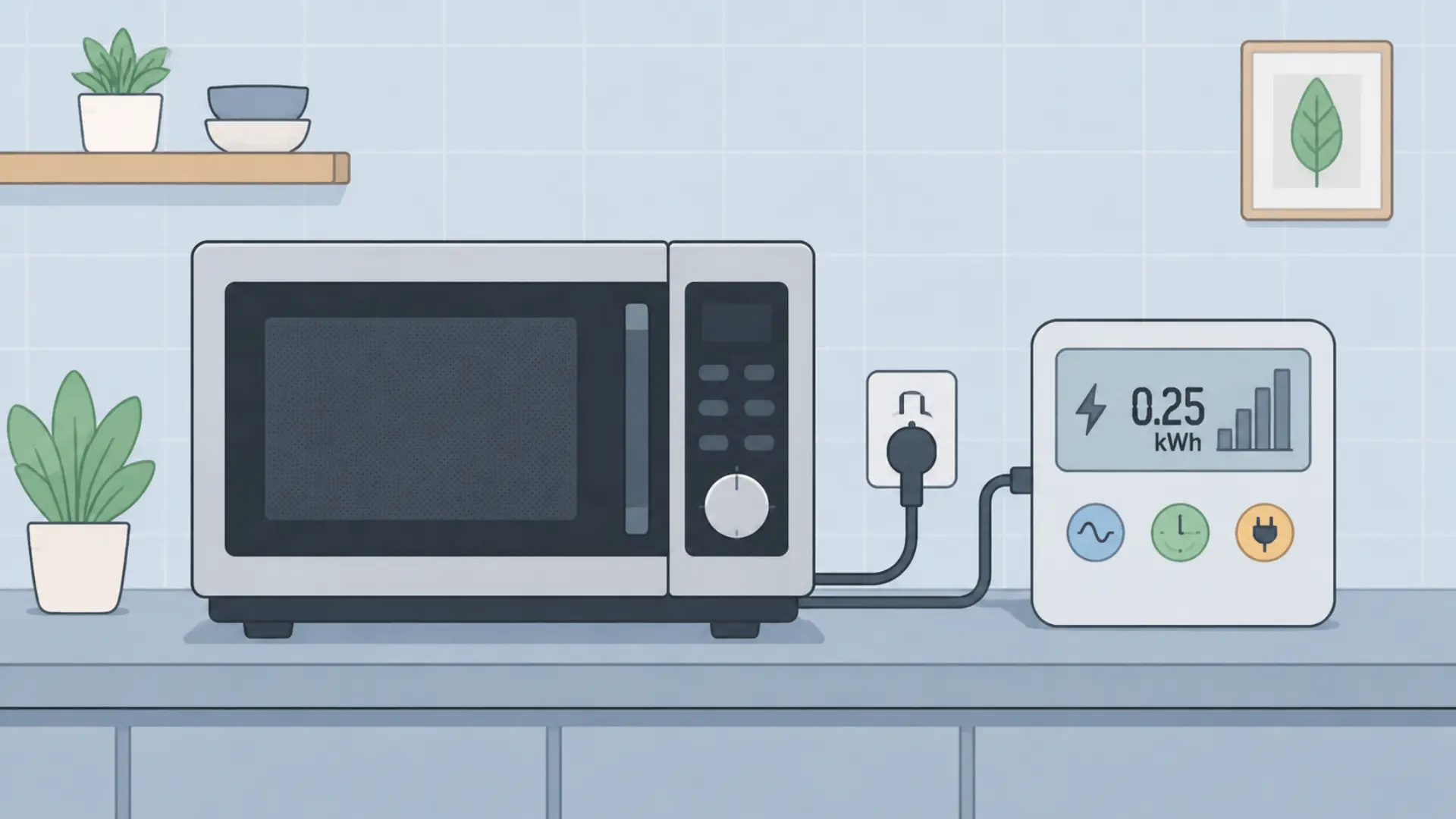
Microwave power levels vary because size, capacity, and intended use determine how much energy different models need.
1. Compact Microwaves Use Lower Wattage
Compact microwaves usually operate between 600 and 800 watts and are designed for smaller spaces like dorm rooms, offices, RVs, and apartments.
They use less power compared with larger models but may require extra cooking time because they deliver less energy to food. These microwaves work well for simple tasks such as reheating drinks, warming leftovers, and preparing small meals.
If you mainly use a microwave occasionally, a lower-wattage model can provide enough performance without needing higher energy output.
2. Standard Home Microwaves Offer Balanced Power
Most household microwaves fall between 800 and 1,000 watts, making this range the most common choice for everyday kitchens.
These models provide enough power for reheating leftovers, cooking frozen meals, defrosting ingredients, and preparing regular portions.
A standard microwave offers a good balance between cooking speed and energy use. Many recipes are based on around 1,000 watts, so these models usually deliver predictable results without requiring frequent cooking time adjustments.
3. High-Power Microwaves Heat Food More Quickly
High-power microwaves typically use 1,200 watts or more and are designed for faster cooking and larger portions. They are useful for households that frequently prepare meals, heat large containers, or need shorter cooking times.
However, higher wattage does not always mean better performance for everyone. These models may use more electricity while running and require a stronger power source.
Choosing the right wattage depends on your cooking habits, available space, and how often you use the appliance.
How to Find Your Microwave’s Wattage?
If you don’t already know your microwave’s wattage, there are three reliable ways to find it.
Check the manufacturer label. This is the fastest method. The label is usually printed inside the door frame, on the back panel, or along the side of the unit.
If you’re checking wattage for generator planning, look specifically for the input wattage, that’s the number that reflects how much electricity the microwave actually pulls from the outlet, not just its cooking power.
Check the user manual. The specifications section lists wattage clearly, and most manufacturers post digital copies of manuals online if you no longer have the physical one.
Run the water test. With no label or manual available, this gives a rough estimate:
- Place one cup of water in a microwave-safe container.
- Heat it on full power for one minute.
- Observe how vigorously it boils.
A strong, fast boil suggests higher wattage; a slow simmer points to a lower-powered unit. This method is only an estimate — the manufacturer label is always the more accurate source when you can find it.
Running a Microwave on a Generator or Inverter
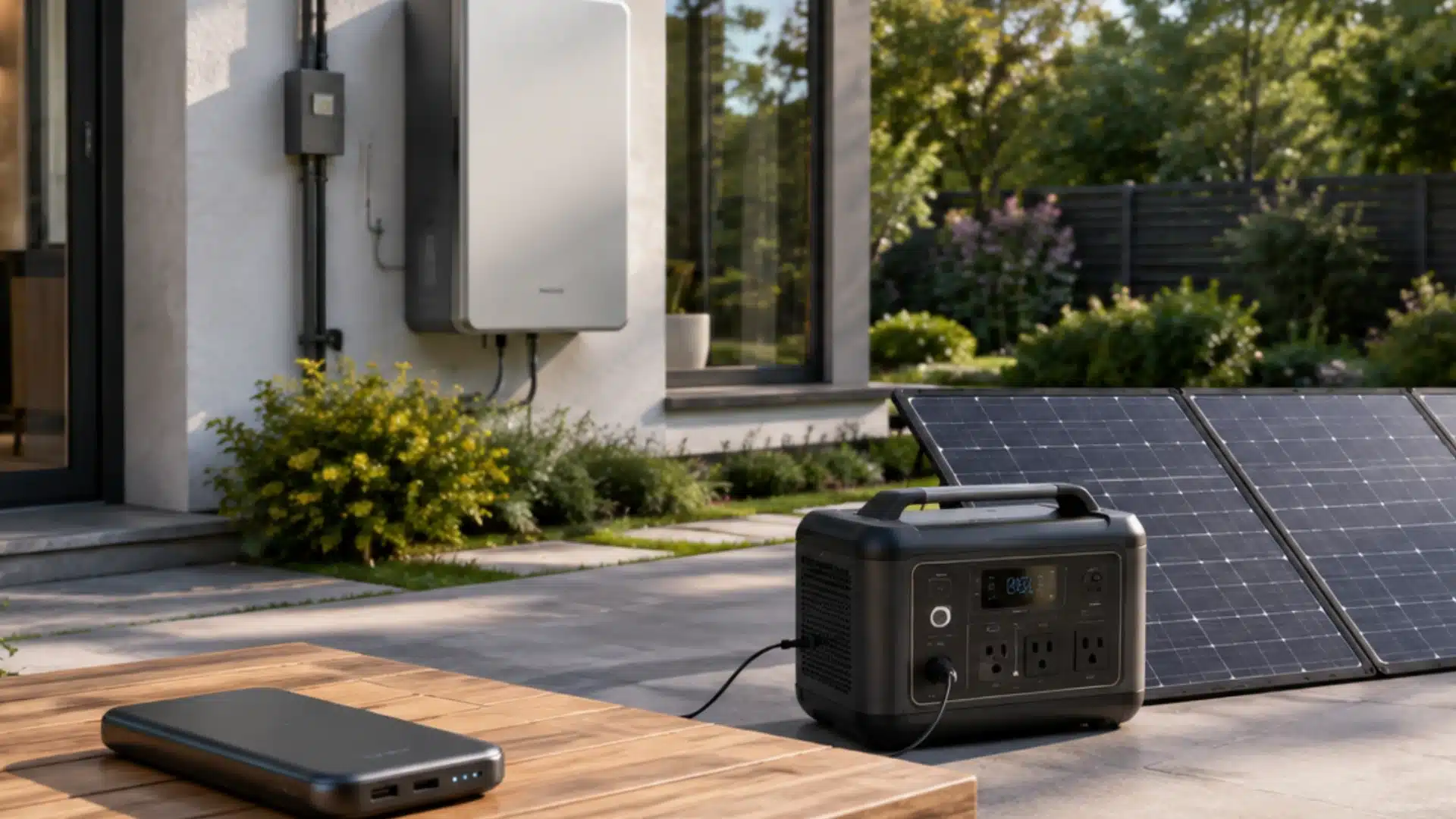
Microwaves can generally run on a generator or inverter, but the number that matters here is input wattage, not the cooking wattage printed on the front of the appliance.
A microwave marketed as “1,000 watts” often draws considerably more from the outlet, since it needs extra power to run its internal components alongside the cooking element.
| Microwave Cooking Power | Approximate Input Requirement |
|---|---|
| 600–700W | 900–1,200W |
| 800–1,000W | 1,200–1,700W |
| 1,200W+ | Higher capacity needed |
As a general guide, a 2,000-watt generator or inverter can run many household microwaves, as long as its continuous output rating exceeds the microwave’s actual input requirement. Before plugging one in:
- Check the input wattage on the appliance label, not just the marketed cooking wattage.
- Compare that figure against your generator’s continuous (not peak) output.
- Avoid running other high-draw appliances at the same time to prevent overloading the system.
How Much Electricity Does a Microwave Use?
Despite their high wattage ratings, microwaves typically run for only a few minutes at a time, so their overall electricity use tends to be lower than people expect. You can calculate it with a simple formula:
(Wattage ÷ 1,000) × Hours Used = kWh
For example, a 1,000-watt microwave used for 15 minutes a day works out as follows:
- 1,000 ÷ 1,000 = 1 kW
- 15 minutes = 0.25 hours
- 1 kW × 0.25 hours = 0.25 kWh per day
- 0.25 kWh × 30 days = 7.5 kWh per month
What that costs depends on your local electricity rate, but even daily use adds up to a fairly small monthly total. It’s also worth noting that microwaves draw a small amount of standby power, usually 2 to 7 watts, just to keep the clock and control panel running when idle.
Ways to Reduce Microwave Energy Use
A few simple habits keep energy use to a minimum:
- Heat only the amount of food you actually need.
- Avoid tacking on extra cooking time “just in case.”
- Cover food to help it heat more efficiently.
- Use the appropriate power setting for the task instead of always running full power.
- Keep the interior clean, since buildup can reduce efficiency over time.
- Defrost food beforehand when possible, rather than using the microwave’s defrost cycle.
Because microwaves run for such short bursts, cutting down on wasted cooking time has a bigger impact than almost any other change.
Conclusion
Wattage is the number quietly influencing every microwave decision you make, from cooking speed and energy costs to whether your appliance can run during a power outage.
Once you check your microwave’s label or estimate its power level, you’ll understand how many watts does a microwave use and what that means for daily cooking, electricity consumption, and generator requirements.
Even small details, like knowing how many watts does a small microwave use, can help you choose the right settings and avoid performance issues.
Take a minute to check your microwave’s wattage today, apply the tips above, and you’ll have a clearer idea of how your appliance performs and uses energy.
Frequently Asked Questions
Is a higher-wattage microwave always better?
Not necessarily. A higher-wattage microwave cooks faster, but it may not be the best choice for every kitchen. If you mainly reheat small portions, a lower-wattage model can work well while using less power. The right wattage depends on your cooking habits, available space, and how often you use the appliance.
Does microwave size determine its wattage?
Microwave size often influences wattage, but it is not the only factor. Larger models usually have higher power ratings because they are designed to heat bigger portions. However, two microwaves with similar sizes can still have different wattages depending on their features, heating technology, and design.
Why does my microwave take longer than package instructions?
Most food packaging assumes a microwave around 1,000 watts. If your microwave has a lower wattage, such as 700 watts, it will usually need more cooking time to reach the same temperature. Checking your microwave’s wattage and adjusting cooking time can help prevent undercooked or unevenly heated food.