
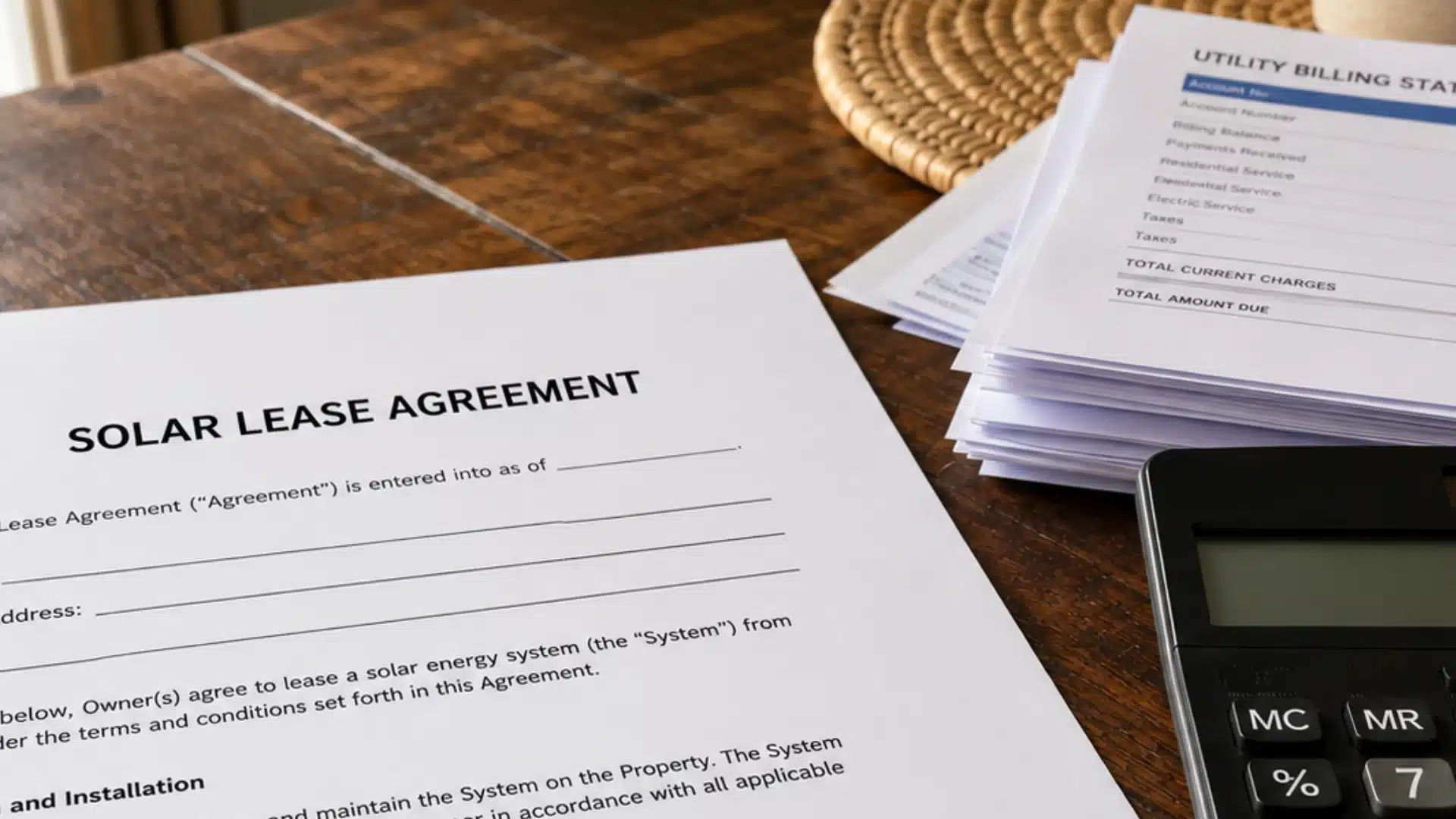


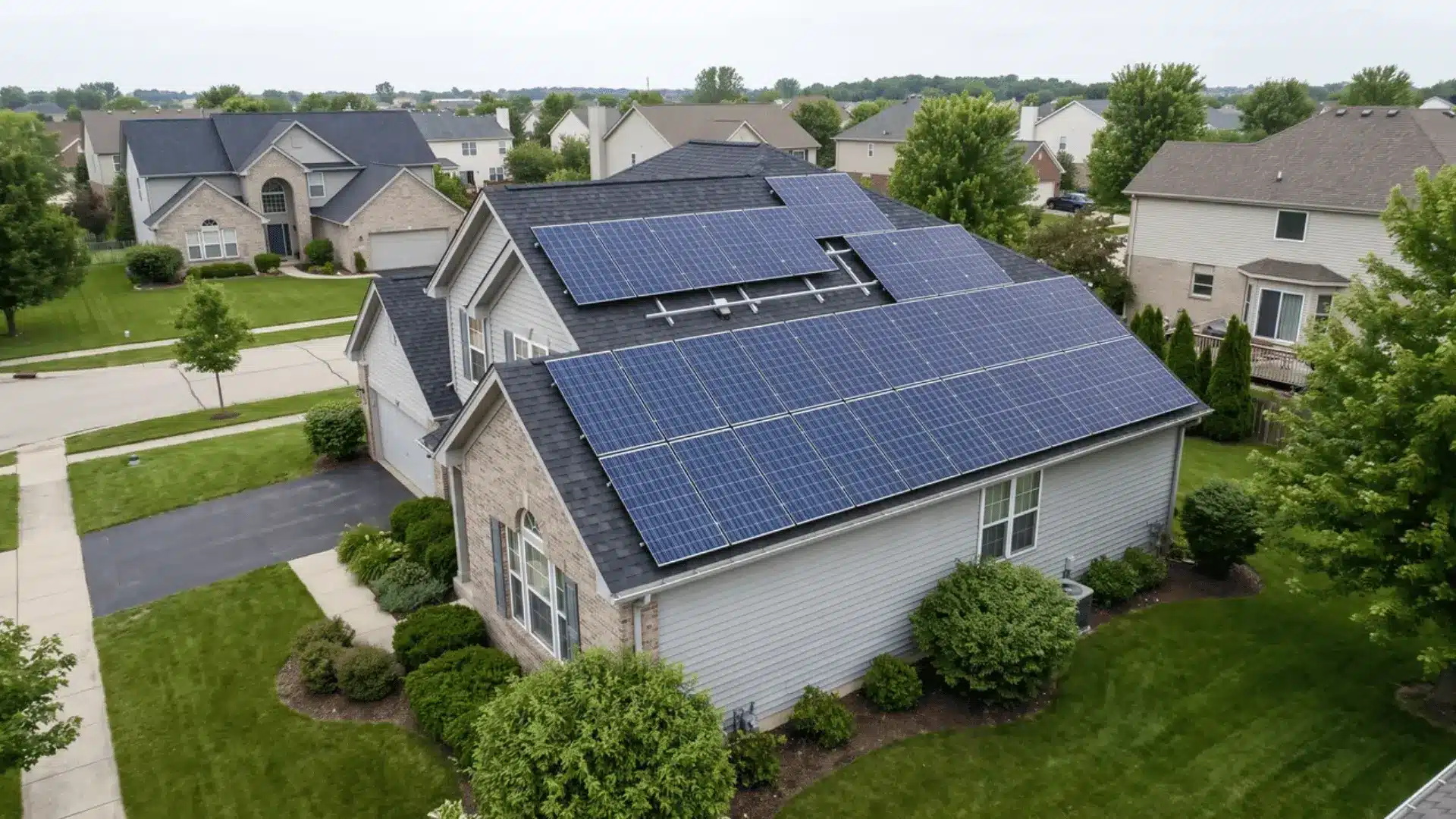
A solar lease can feel like a simple way to save on energy costs until you need to leave the agreement early.
Many homeowners struggle with long contracts, unclear exit rules, and unexpected fees when they search for how to get out of a solar lease.
If you are facing a home sale, rising payments, or disappointment with your system’s savings, you need clear options before making a decision.
I’ll help you understand the realistic ways to exit, the risks involved, and the steps you can take before contacting your solar provider.
By knowing your choices, you can protect your finances and avoid costly mistakes.
Can You Actually Get Out of a Solar Lease?
Yes, but not in the way many homeowners expect. A solar lease is a legally binding agreement, not a month-to-month subscription that can be canceled with short notice.
Most contracts are designed so the leasing solar panel company recovers the cost of equipment, installation, maintenance, and financing over many years. That is why early cancellation clauses are uncommon.
Instead, most homeowners leave a lease through one of a handful of approved paths. These include transferring the agreement to a home buyer, purchasing the system, or negotiating an early termination.
Depending on your situation, you may also be able to exercise a cooling-off period shortly after signing or challenge the contract if there was fraud or serious misrepresentation.
The available option depends entirely on your circumstances. Someone who signed yesterday has very different rights from someone trying to sell a home fifteen years into the lease.
Understanding this is important because many homeowners waste time looking for a cancellation policy that simply does not exist.
How to Get Out of a Solar Lease: Your Main Options
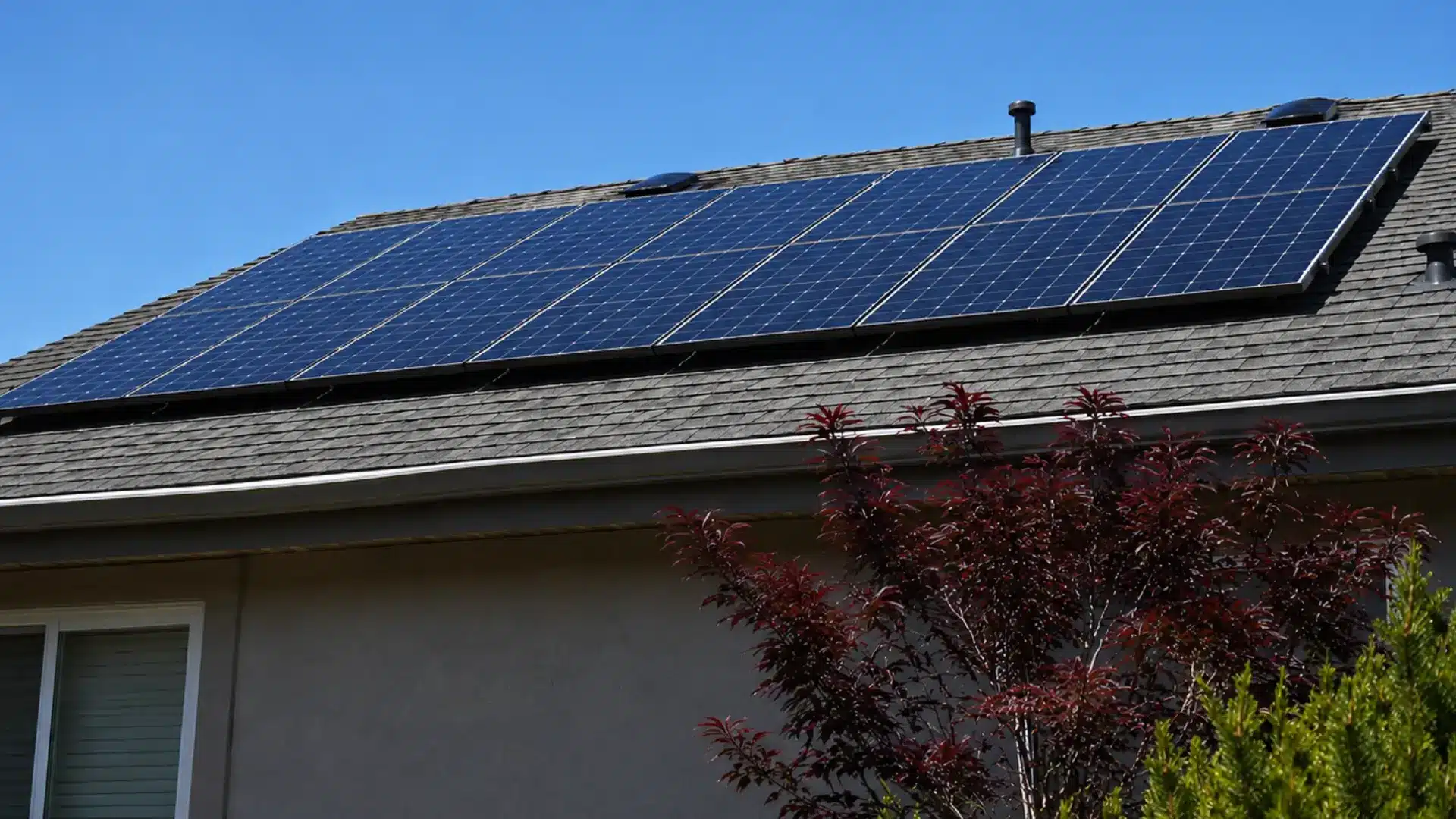
Although every lease agreement is different, most homeowners have five realistic ways to exit.
1. Transfer the Lease to a Home Buyer
If you are selling your house, transferring the lease is often the easiest option. The buyer takes over the remaining payments and continues using the solar system, but the leasing company usually requires a credit check and signed assumption paperwork before approving the transfer.
To make the process smoother, disclose the solar lease early in the listing, provide recent utility bills that show the actual savings, and explain the remaining payment schedule before negotiations begin.
Some buyers may hesitate if the lease payment exceeds the expected energy savings, so raising the issue early can reduce confusion and help prevent delays at closing.
2. Buy Out the Lease
Some contracts allow homeowners to purchase the system before the lease ends, while others only permit a buyout after certain milestones or waiting periods.
You’ll need to contact your leasing company to confirm whether a buyout is available and request a payoff or buyout quote.
Depending on the agreement, the amount may be based on scheduled purchase milestones or the remaining value of future lease payments.
For homeowners selling their property, the buyout is often paid from the proceeds of the home sale.
A buyout can remove the lease entirely, but it may require a significant upfront payment, so comparing the cost against other options is essential.
3. Cancel During the Cooling-Off Period
If you recently signed the agreement and installation has not started, you may still be able to cancel without penalty. Many states provide a rescission or cooling-off period for qualifying home improvement contracts.
If your agreement qualifies for a cancellation period, the FTC’s Cooling-Off Rule generally gives you three business days to cancel certain door-to-door sales over $25, and some states offer longer cancellation rights under their own consumer protection laws.
Because these deadlines are short, contact the company immediately if you wish to cancel.
4. Negotiate an Early Termination
Some leasing companies are willing to negotiate, though they are rarely obligated to.
If circumstances have changed, explain your situation and ask whether an early termination, settlement, or modified agreement is available.
Approval depends entirely on the company and the terms of your contract, so homeowners should not assume this option will always be offered.
When companies do agree, it’s usually one of three outcomes: a reduced payoff to end the lease early, a temporary payment reduction while you sort out your situation, or a modified term that pushes payments out instead of ending the contract. Ask which of these they’re willing to consider before assuming none are on the table.
5. Challenge the Contract for Misrepresentation or Breach
A legal challenge may be appropriate if the sales process involved false promises, hidden terms, or misleading information.
This can include guaranteed savings that were not included in the written agreement, inaccurate production estimates used to close the sale, or installation work that did not match the contract.
Keep copies of emails, text messages, advertisements, proposals, and production estimates if you believe the company misrepresented the deal.
These records can help a consumer protection agency or attorney assess whether you have grounds to file a complaint, seek compensation, seek contract cancellation where allowed, or pursue another legal remedy.
What are the Trade-Offs and Risks of Each Option
Every way to exit a solar lease involves costs or potential drawbacks. Walking away without transferring the lease, buying out the system, or reaching another agreement can be considered a breach of contract.
The leasing company may pursue unpaid amounts, which can affect your credit and may lead to collections or legal action. Simply stopping payments does not end the lease.
If you transfer the agreement while selling your home, the buyer typically must meet the leasing company’s approval requirements.
If the transfer is denied, you may need to consider a buyout instead. Also, remember that solar loans and solar leases have different rules for ownership, transfer, and payoff.
Factors That Determine the Best Solar Lease Exit Option
The right option isn’t a preference. It comes down to a small set of facts about your specific lease.
- Time remaining and whether you’re selling change everything. Selling soon, with years left on the lease, points to a transfer first, since it avoids a lump-sum payout at closing.
- Staying in the home but wanting out anyway usually means a buyout is your only real path, aside from legal action if the contract itself was misrepresented.
- The size of your buyout quote can rule out a buyout entirely. Buyout quotes vary widely, typically ranging from $5,000 to $40,000, depending on your contract terms, how many years remain, and the system’s fair market value at payoff. When your quote lands at the high end of that range, transferring the lease is usually the more practical choice if you’re selling.
- How recently you signed determines whether rescission is even on the table. Past the cooling-off window, or once panels are installed, this option is gone regardless of how much you’d prefer it.
Line your situation up against these three factors before calling the leasing company. It’ll save you from getting a quote for an option that never fit in the first place.
Which Exit Option Makes the Most Sense for Your Situation?

The best solution depends on why you’re trying to leave the lease. Selling your home? Start by asking whether the lease can be transferred to the buyer; a successful transfer often avoids a large buyout payment.
Just signed the contract? Check whether your state’s rescission period is still active, since acting quickly may allow you to cancel without long-term financial consequences.
Suspect the system isn’t delivering the promised savings, or that the salesperson misrepresented important facts? Gather documentation before contacting the company. Keeping written evidence can strengthen negotiations and may become valuable if legal action is necessary.
None of these apply to you? Requesting a buyout quote gives you a clearer picture of your remaining financial obligation.
What to Check Before Trying to Exit a Solar Lease
Before contacting the solar company, review the contract carefully so you understand which exit paths are actually available.
- Check whether the lease includes a buyout schedule and when purchase options become available.
- Confirm the rules for transferring the agreement to a home buyer.
- Look for early termination fees, removal costs, and other charges.
- Review the cancellation period if the agreement was signed recently.
- Gather emails, sales materials, payment records, and production estimates.
- Request all payoff quotes and transfer terms in writing.
- Compare the exit cost with the total remaining lease payments.
- Speak with a consumer protection attorney if the contract appears misleading.
Completing these checks first can help you avoid rushed decisions and choose the least costly way forward.
Conclusion
Leaving a solar lease requires more than simply asking the company to cancel the agreement.
I know it can feel frustrating when a long-term contract limits your options, but understanding the available paths can make the process easier.
You may be able to transfer the lease, buy out the system, negotiate an early termination, or take action if the agreement involved misleading information.
Before making a move, review your contract, collect important records, and compare the costs of each option.
Learning how to get out of a solar lease helps you make a smarter decision based on your situation.
Frequently Asked Questions
Can I cancel a solar lease after the panels are installed?
Usually not. Once installation is complete, most homeowners must transfer the lease, buy out the contract, negotiate with the leasing company, or rely on legal grounds such as fraud or breach of contract.
Does selling my house automatically end a solar lease?
No. The lease generally remains active unless it is transferred to the buyer or paid off before closing. Approval requirements vary by leasing company.
How is a solar lease buyout amount calculated?
The amount is typically based on your contract terms, scheduled purchase milestones, or the remaining value of future lease payments. Contact your leasing company for an official payoff quote.
Should I hire a lawyer to get out of a solar lease?
If you believe the company used deceptive sales practices, made false promises, or breached the contract, consulting a consumer protection attorney may be worthwhile. For standard lease exits, reviewing the contract and discussing options with the leasing company is usually the first step.