



A high electric bill can feel frustrating when you are already cutting back on daily expenses but still seeing little change. I know how confusing it can be to find where your money is actually going each month.
Learning how to save money on electric bills starts with focusing on the biggest energy users first, not just switching off a few lights. Getting a clearer picture of the root causes behind spikes makes the rest of this process far less guesswork.
You will learn which systems consume the most power, which changes can lower your costs quickly, and how small habits can support long-term savings.
These practical steps can help you reduce waste while keeping your home comfortable and your routine simple.
What’s Actually Driving Your Electric Bill
Heating, cooling, and water heating together make up roughly 50 to 60 percent of the average home’s total energy use, according to U.S. Energy Information Administration data, with water heating alone responsible for close to 18 percent of that share.
That is because these systems run continuously against a temperature difference, whether that means keeping a house warm in winter or keeping water hot in a tank all day.
Appliances and electronics, by comparison, draw power only when they are in use, so their share of the bill is smaller than most lists of tips suggest. Even so, knowing which power-hungry home devices add up fastest still helps when you’re deciding where to focus first.
This is why a two-degree thermostat adjustment or a lower water heater setting can outperform a dozen small unplugging habits combined.
The systems that run the longest are the ones with the most room to save. Understanding this priority makes it much easier to decide how to save on electric bill costs without wasting time on low-impact changes. Once you understand that hierarchy, prioritizing everything else becomes straightforward.
How to Save Money on the Electric Bill with High-Impact Changes
Once you know that heating, cooling, and water heating dominate the bill, the next question is which specific change pays off fastest.
These three adjustments consistently deliver the largest single-action savings, and each one takes less than an hour to set up. Start here before touching anything else on your list.
1. Thermostat Setbacks

The Department of Energy estimates that turning your thermostat back 7 to 10 degrees for eight hours a day can cut heating and cooling costs by up to 10 percent a year, or roughly 1 percent for every degree adjusted.
In practice, that means setting the thermostat to 68°F while you are home and awake in winter, and letting it drift up to 78°F or higher in summer when no one is around.
If manually adjusting the temperature twice a day sounds like a hassle, a smart thermostat upgrade handles the scheduling automatically and delivers nearly the same savings without the mental overhead.
2. Water Heater Temperature and Insulation

Most water heaters ship set to around 140°F, well above what most households actually need. Lowering the setting to 120°F is enough for bathing, laundry, and dishwashing, and it can trim water heating costs by roughly 5 percent for every 10-degree reduction.
Wrapping an older tank in an insulation blanket adds another layer of savings. The Department of Energy estimates that a blanket cuts standby heat loss by 25 to 45 percent, which typically works out to 7 to 16 percent off your water heating costs. Pairing this with smarter appliance choices elsewhere in the home tends to compound the savings over the course of a full year.
Insulating the first few feet of hot-water pipe near the tank helps, too. The Department of Energy estimates this adds another 3 to 4 percent in water heating savings by keeping the water hotter for longer before it reaches the tap.
3. Sealing Drafts and Weatherstripping
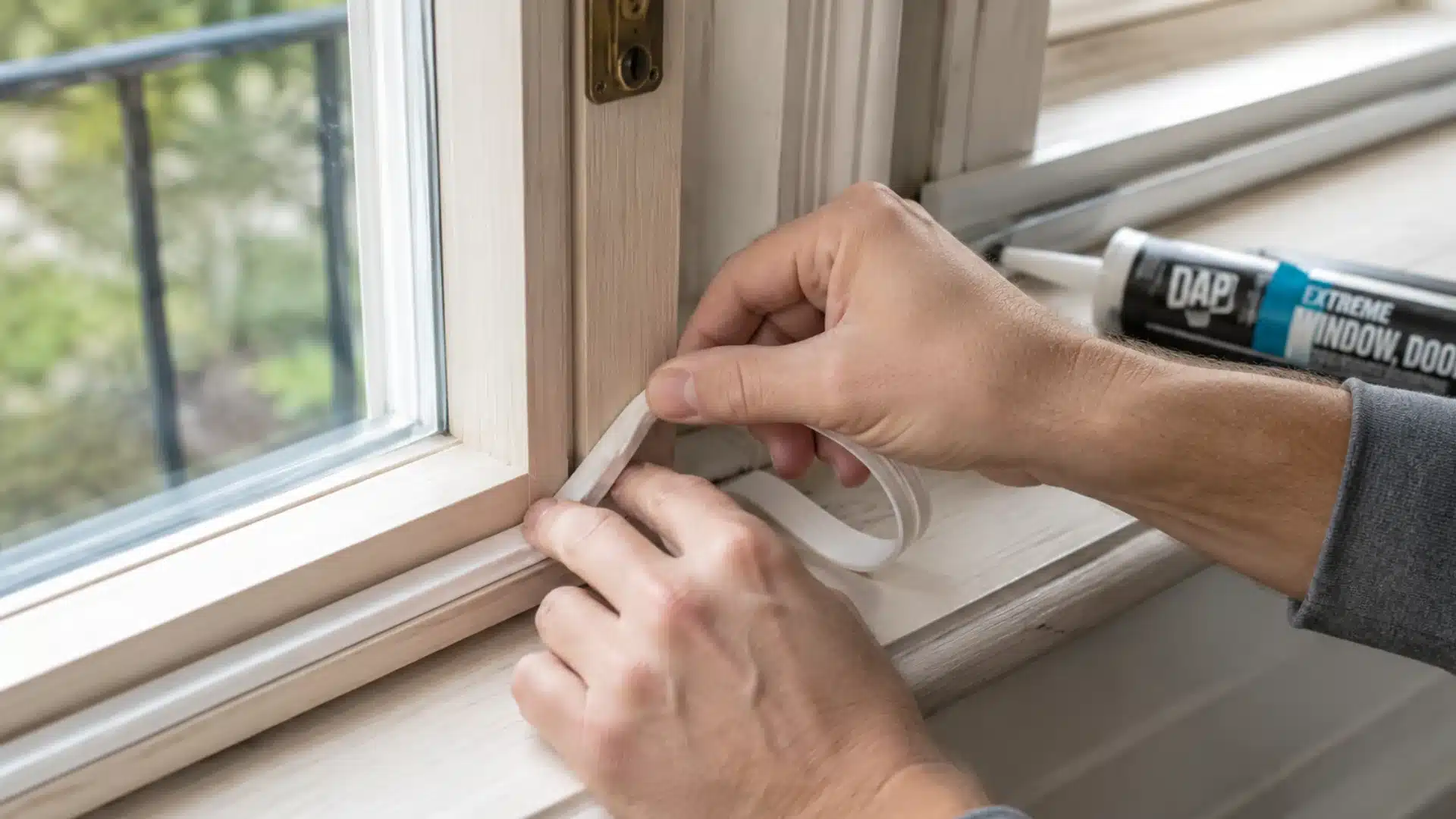
Gaps around windows and doors let conditioned air escape year-round, forcing your heating and cooling system to work harder than it should.
Caulking and weatherstripping these areas typically trims heating and cooling costs by around 15 percent, and most homeowners can finish the job in an afternoon with materials from any hardware store.
Check the areas around window frames, door thresholds, and where pipes or wiring pass through exterior walls. Those are the spots that get missed most often.
Let Smart Home Tech Do the Work for You
Smart home devices help lower your electric bill by making energy-saving habits automatic, rather than something you have to remember every day.
- Use an ENERGY STAR certified smart thermostat to reduce heating and cooling waste. According to ENERGY STAR, these devices save an average of 8 percent on heating and cooling bills, or about $50 per year, by learning your schedule and adjusting temperatures automatically.
- Add smart plugs to devices that often sit idle. They can cut power to appliances and electronics when they are not being used, which helps with coffee makers, gaming consoles, space heaters, and similar devices.
- Pair smart plugs with smart LED lighting. Scheduled dimming, timers, and motion-based controls help reduce lighting waste without significantly changing your routine.
- Start with the devices that offer the fastest payback. Smart thermostats and smart plugs usually make the most sense before spending money on bigger smart home upgrades.
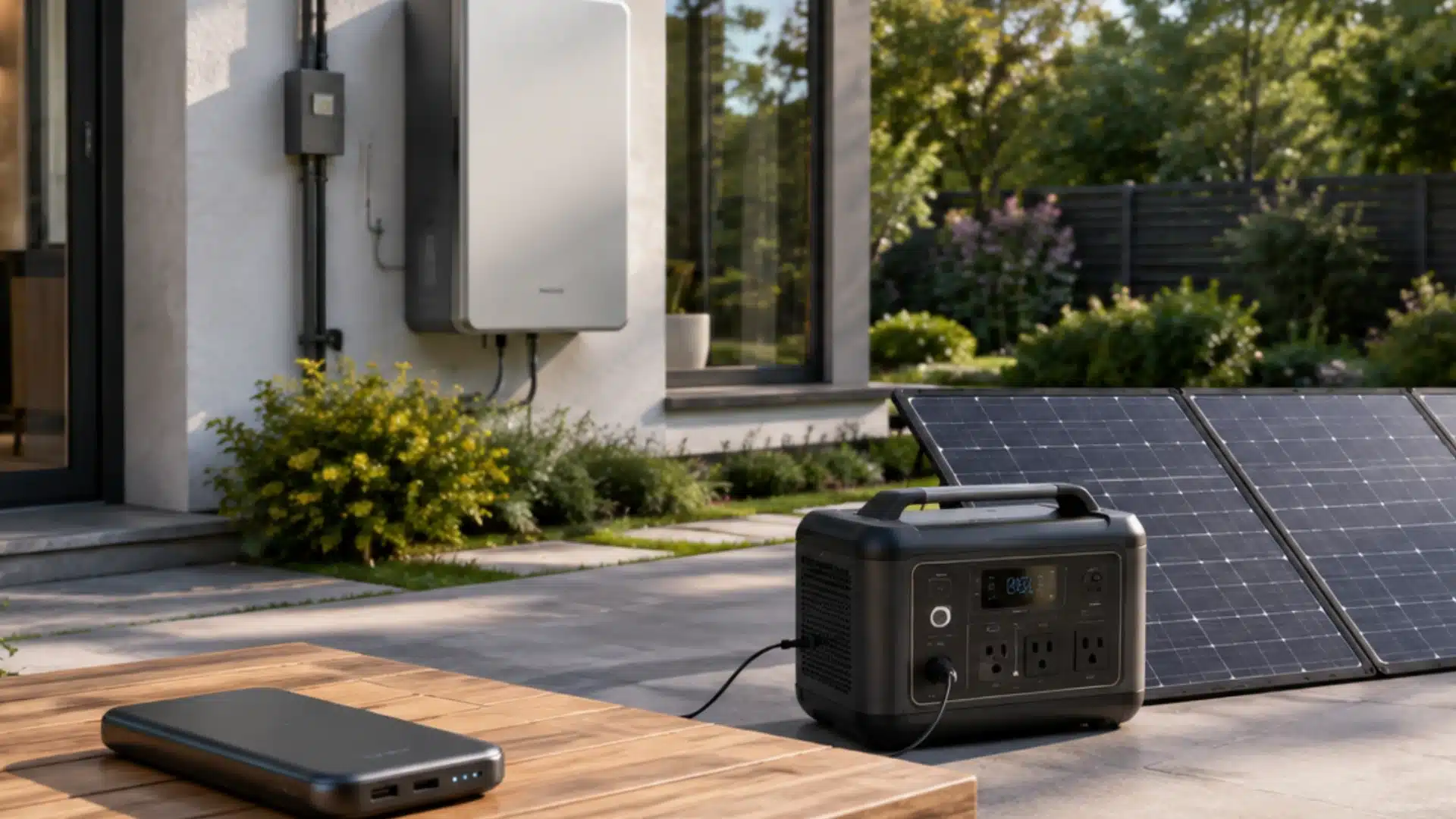
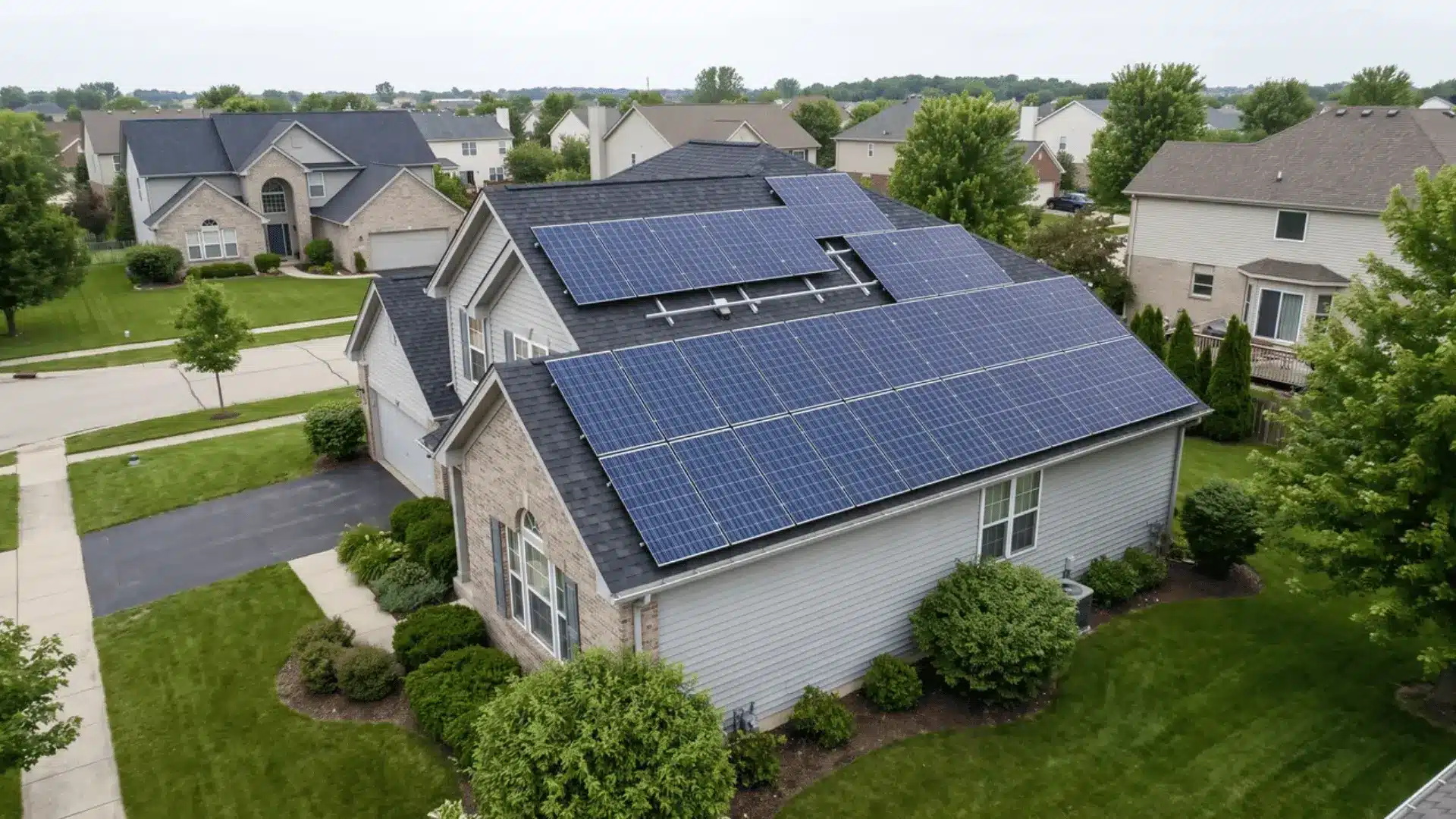
- Community solar: Subscribe to a local solar farm and get bill credits, often 5 to 10 percent off your monthly total, without installing rooftop panels. It is useful for renters, condo owners, or shaded homes, but availability depends on your state and utility.
Automation keeps the savings going in the background, so the changes you make earlier do not depend on daily effort or perfect memory. For many households, this is one of the easiest ways to consistently lower electricity bills throughout the year.
When a Home Energy Audit Makes Sense
If you have made the big three changes and still cannot tell where the rest of your usage is going, a home energy audit fills in the gaps.
An auditor checks insulation levels, air leaks, and appliance efficiency with tools like a blower door test, then hands you a customized list of what to fix first.
Many utilities offer free or discounted audits, and some will even install basic upgrades like weatherstripping or a water heater blanket on the spot.
It is not a required step, but for older homes or anyone who has already made the easy changes and wants to know what is left, it is the fastest way to find the next dollar of savings
How to Lower Electricity Bills in a Real Household?
Numbers in isolation are easy to skim past, so here is what the top-tier changes look like stacked together for a typical three-bedroom home.
Lowering the thermostat setback and dropping the water heater to 120°F together often shave 10 to 15 percent off the combined heating, cooling, and water-heating bill in the first month, before making a single smaller habit change.
Add a smart thermostat to keep that schedule consistent through the year, and the household stops relying on anyone remembering to adjust a dial twice a day.
None of these numbers are guaranteed for every home, since insulation quality, climate, and household size all shift the math.
What stays consistent is the order: the systems that run the longest deliver the savings you can actually feel on next month’s bill, while the smaller habits mostly show up as a slower, steadier decline over a full season.
More Ways to Save on the Electric Bill Every Month
After the big three adjustments and a bit of automation, the remaining opportunities are smaller individually but still worth doing.
None of these will single-handedly fix a high electric bill, but stacked together over a full month, they add up to a noticeable amount in your budget.
1. Laundry and Dishwasher Habits

Laundry and dishwasher habits can also help cut electricity use without changing much about your routine. Washing clothes in cold water is one of the easiest wins because most of a washer’s energy goes toward heating water.
Switching from hot to cold cycles can save an estimated $30 to $60 a year. The dishwasher works the same way: fewer unnecessary cycles mean less wasted power and water.
Wait until it is full before running it, then skip the heated dry setting when you can. Letting dishes air-dry instead can reduce a dishwasher’s energy use by up to half.
2. Lighting and Phantom Power
Lighting changes will not cut your electric bill as much as thermostat or water heater adjustments, but they are still worth doing because they are easy to maintain. Start by switching old incandescent bulbs to LED bulbs.
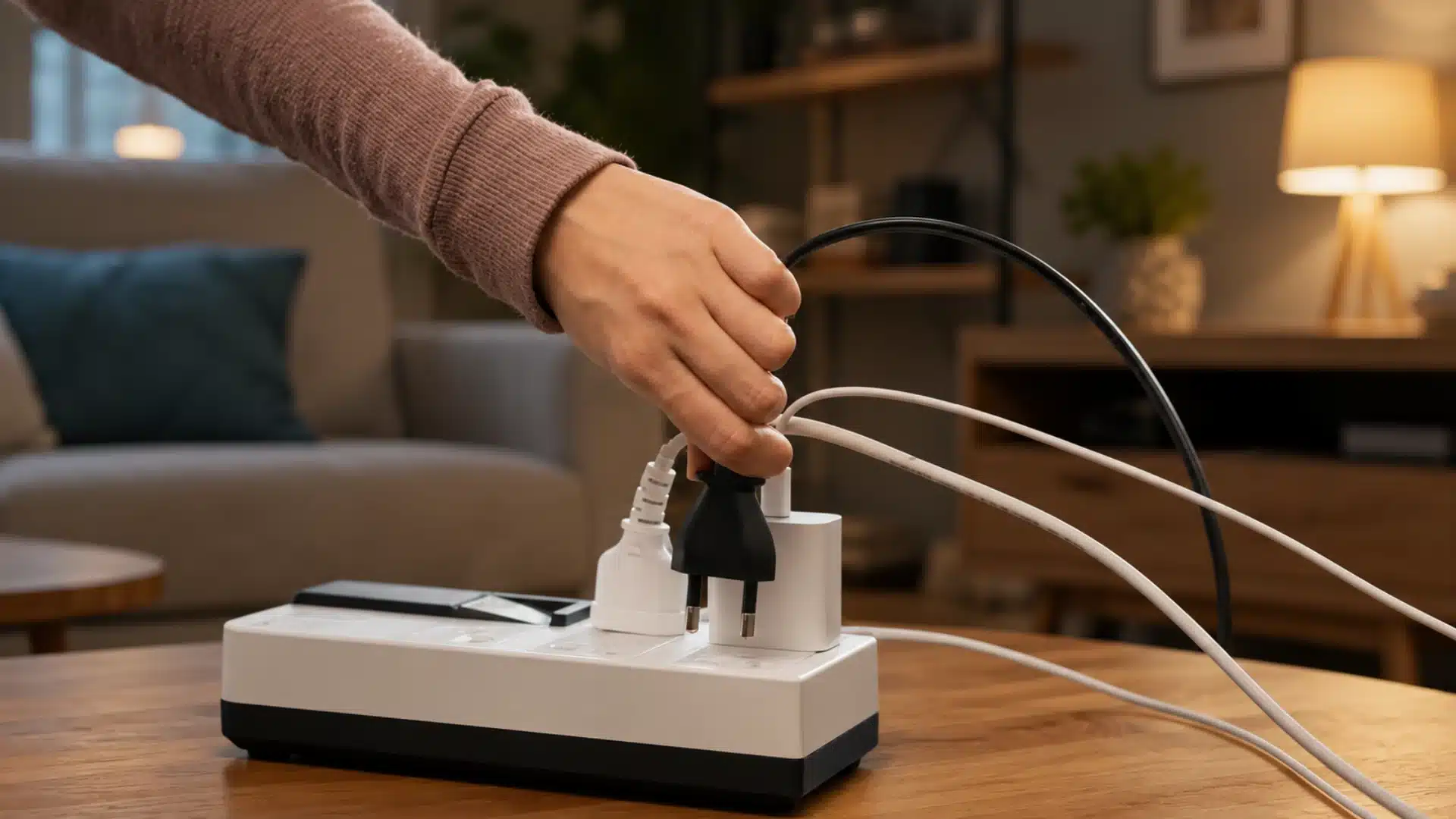
Smart power strips help with another quiet source of waste: idle electronics. TVs, game consoles, and similar devices can still draw power on standby, but a smart strip can shut that drain off automatically.
Outdoor lighting is another simple way to save, since porch and pathway fixtures often run dusk-to-dawn out of habit rather than need. Motion sensors or timers stop porch, garage, and pathway lights from running all night when no one needs them.
Common Mistakes that Quietly Waste Money
Not every energy-saving mistake costs the same. The biggest losses usually come from chasing tiny fixes while ignoring the systems that use the most power.
- Treating every tip as equal: Sealing a draft and turning off one light bulb do not create the same level of savings. Focus first on heating, cooling, insulation, and water heating before spending time on smaller habits.
- Overthinking light switches: Some people assume switching lights on and off wastes more energy than leaving them on. With LED and CFL bulbs, that is not true. The startup energy is tiny compared to the power used while the bulb stays on.
- Leaving lights on anyway: Turning off the lights when you leave a room still helps, especially if the habit repeats across several rooms every day.
- Ignoring HVAC maintenance: a dirty furnace filter or an unserviced air conditioner makes the system work harder. Replacing air filters every 60 to 90 days keeps airflow efficient, and skipping it can raise your bill even if your thermostat settings are reasonable.
- Delaying basic repairs: Small drafts, clogged vents, weak seals, and neglected equipment quietly add up by forcing your heating and cooling systems to run longer than necessary.
The smarter approach is to fix the high-impact problems first, then use smaller habits to add steady savings on top of that.
Conclusion
Reducing your energy costs comes down to making smarter choices around the systems that use the most power every day.
I prefer to focus on heating, cooling, water heating, and automation first because these areas usually have the greatest impact.
Simple changes like adjusting your thermostat, sealing drafts, using smart devices, and improving daily habits can help lower expenses without major lifestyle changes.
Understanding how to save money on electric bills gives you a clear way to control usage and track progress over time.
Start with one or two improvements, compare your next bills, and share which energy-saving tips worked best for your home.
Frequently Asked Questions
How much can I realistically save on my electric bill each month?
Savings vary by home size, climate, and current habits, but combining thermostat setbacks with a lower water heater setting typically produces the most noticeable monthly difference. Smaller habits like lighting and laundry timing add modest savings on top of that, usually visible within one to two billing cycles.
Is it worth replacing old appliances to lower my electric bill?
Only if an appliance is old or inefficient enough that the energy savings outweigh the replacement cost over time. For most households, adjusting how existing systems are used, such as thermostat settings and laundry habits, produces faster savings than buying new equipment right away.
Does unplugging electronics when not in use actually make a difference?
Yes, though the effect is smaller than the effects of heating or cooling. Devices left plugged in, like game consoles and chargers, continue to draw small amounts of power even when off, and a smart power strip can automate that shutoff without you needing to remember.
How long does it take to see a lower electric bill after making changes?
Most noticeable reductions show up within one to two billing cycles, since bills reflect a full month of usage. Comparing your new bill to the same month a year earlier gives the clearest picture, since seasonal weather shifts can otherwise mask or exaggerate the actual savings.