


If you own a home in Maryland and are thinking about solar, the Maryland solar incentives available right now are better than most people realize.
The state offers grants, tax exemptions, ongoing credits, and a federal benefit on top of all of it. Most homeowners only hear about one or two of these before signing with an installer.
What makes Maryland’s setup worth understanding is that the incentives stack. Claiming one does not cancel another, and the difference between claiming two versus five can run into tens of thousands of dollars.
This guide covers everything currently available, how each one works, and where timing or location changes what you can claim.
What Solar Incentives Are Available in Maryland?
Maryland solar rebates and incentives are designed to layer. Claiming one does not disqualify you from another, and most homeowners who plan carefully claim several at once.
Here is what is currently available to residential solar owners in the state:
- Upfront Grants: Direct payments that reduce your installation cost before work begins, split across solar panels and battery storage separately.
- Solar Renewable Energy Certificates (SRECs): Tradable credits you earn for every megawatt-hour your system generates, sellable on the open market for recurring revenue.
- Tax Exemptions: Net metering and SRECs both ask something of you: tracking credits, choosing a broker, watching policy changes. These two exemptions ask nothing at all. No application is required for either.
- Net Metering Credits: Excess energy your system sends to the grid is credited against your utility bill at the retail rate, reducing what you owe monthly.
- Federal Tax Credit: A percentage of your total installed system cost applied directly against your federal tax bill, stackable on top of all state benefits.
Upfront Grants and How to Claim Them
Two separate maryland solar rebates are available for residential solar installations in the state. They cover different components, are administered through the same state portal, and can both be claimed on the same project.
Maryland Solar Access Program (MSAP)
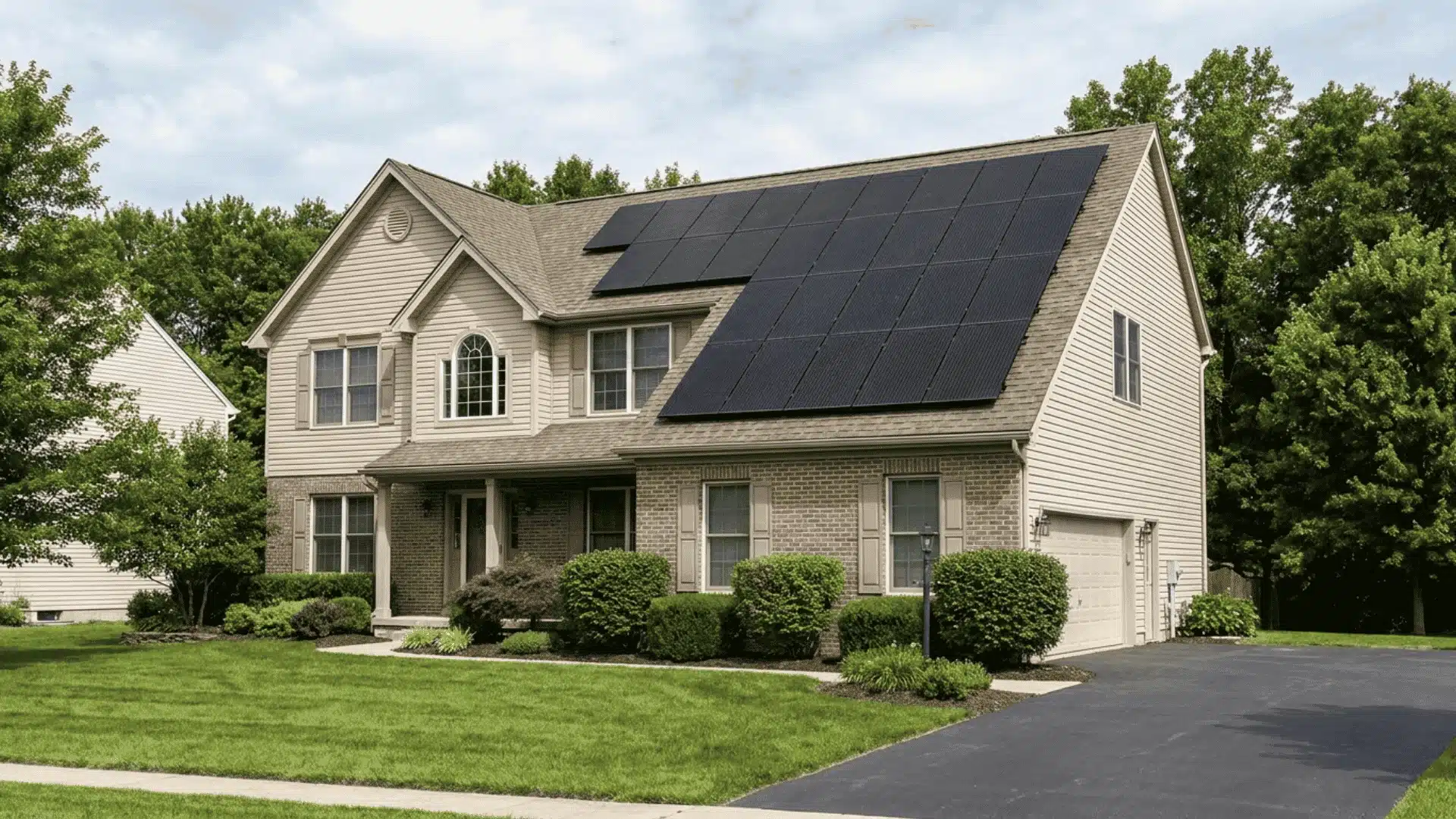
MSAP pays $750 per kilowatt for maryland solar panels installed, up to a maximum of $7,500 for a 10 kW system.
A 6 kW installation yields $4,500. Smaller systems receive proportionally less. Eligibility is based on your household income relative to the Area Median Income for your county, which varies by location and household size.
These figures come from the Maryland Energy Administration’s MSAP program page, which lists current-year funding caps and updates them each fiscal year
Verify current income thresholds directly through the Maryland Energy Administration portal Installer websites frequently show outdated figures that no longer reflect current program rules.
How to Claim It
Apply through the Maryland Energy Administration portal before contracting with any installer. The program runs on a first-come, first-served basis with a finite annual budget. Starting work before receiving approval means losing your place in the queue entirely.
How It Affects Your Federal Credit
The MSAP grant reduces your eligible cost basis for the federal tax credit. On a $25,000 system with a $7,500 grant, your federal credit applies to $17,500, not the full amount. Run that calculation before assuming a federal credit figure.
Residential Clean Energy Storage (RCES) Grant
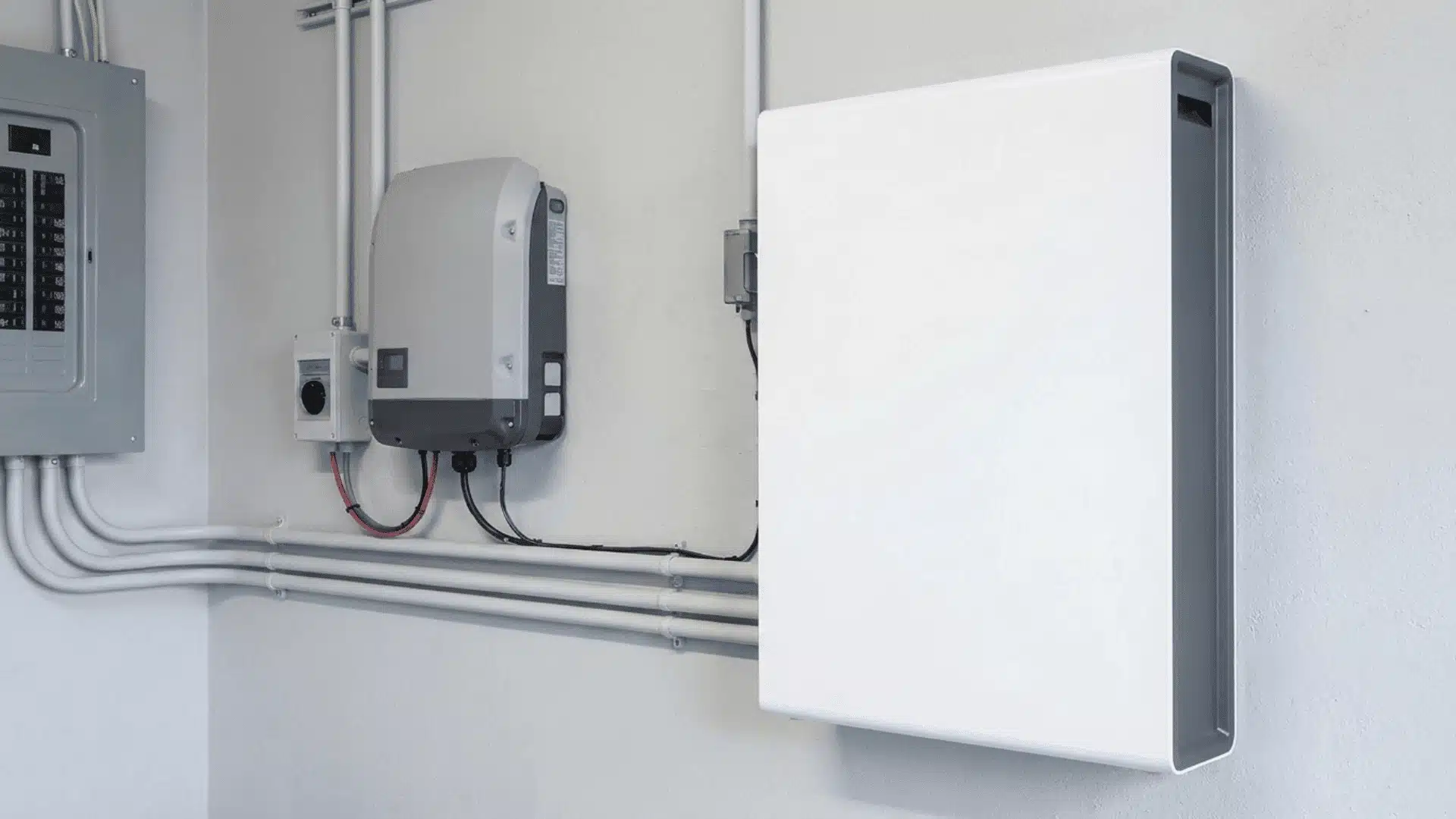
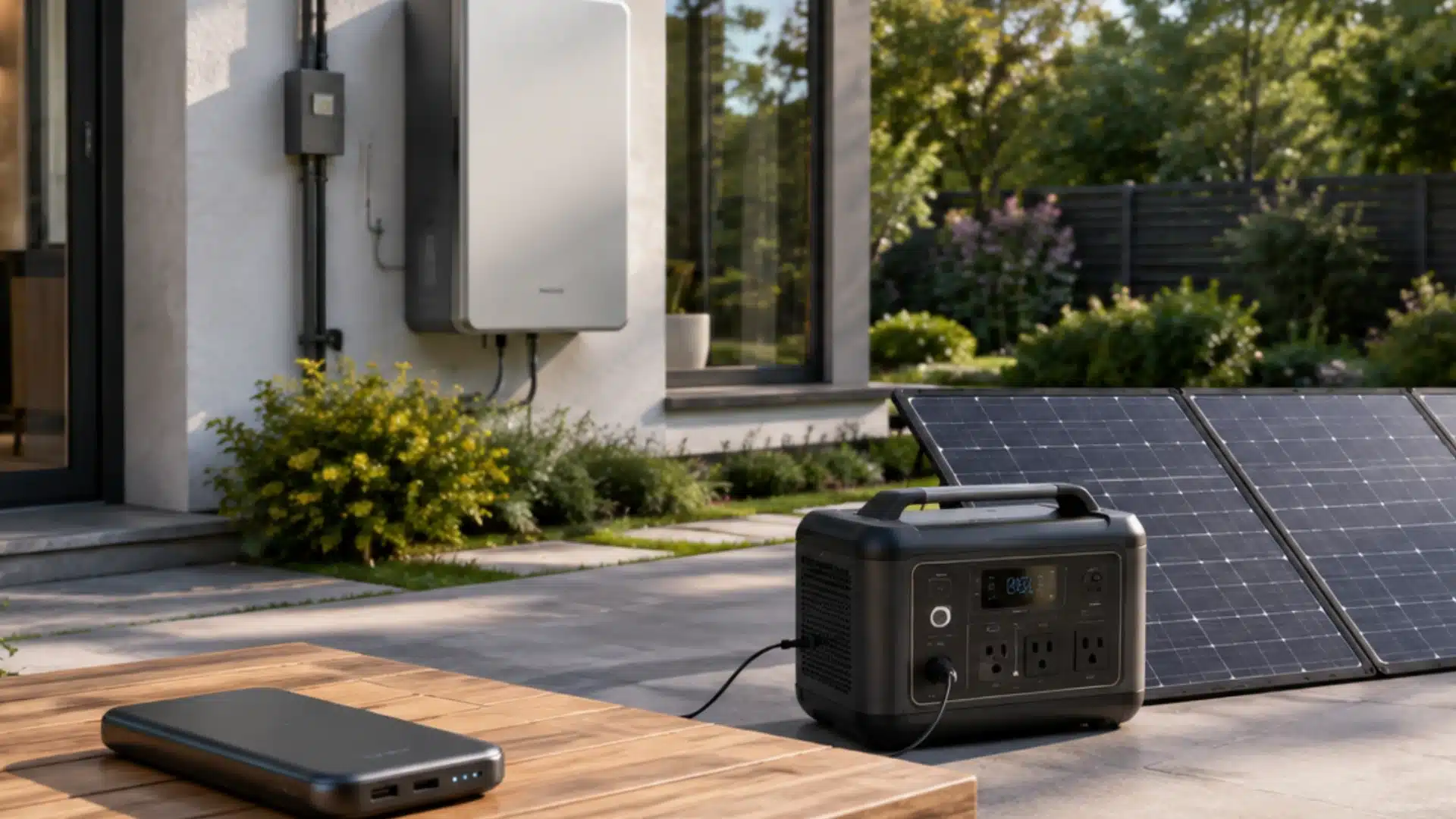
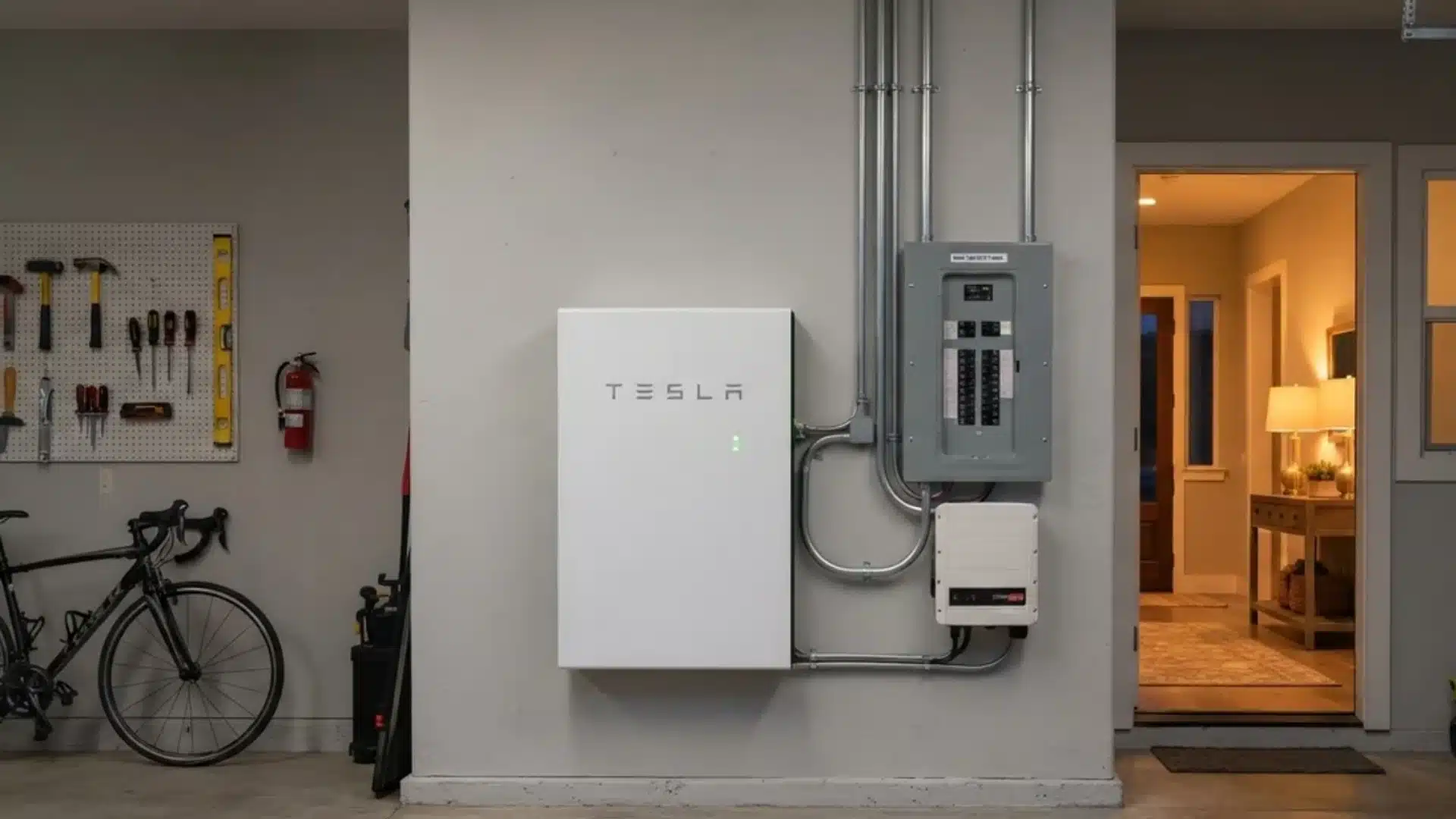
The RCES grant covers up to 30% of battery storage installation costs, capped at $5,000. It applies independently of the MSAP grant and covers only the battery storage component, not your total system cost.
RCES terms are published on the same Maryland Energy Administration portal, alongside the program’s current fiscal-year budget cap.
If you are adding storage after panels are already installed, the grant remains available. It calculates on the battery cost alone regardless of when the storage is installed relative to your solar panels.
How to Claim It
Both MSAP and RCES are administered through the Maryland Energy Administration portal.
Approval timelines for each grant run independently of each other, so build flexibility into your installation schedule rather than assuming both approvals arrive at the same time.
Incentives That Pay You After Installation
The upfront grants reduce what you spend on day one. These two programs work differently. They generate value over time, and for many homeowners the cumulative return from both exceeds what any single upfront benefit delivers.
Solar Renewable Energy Certificates (SRECs)
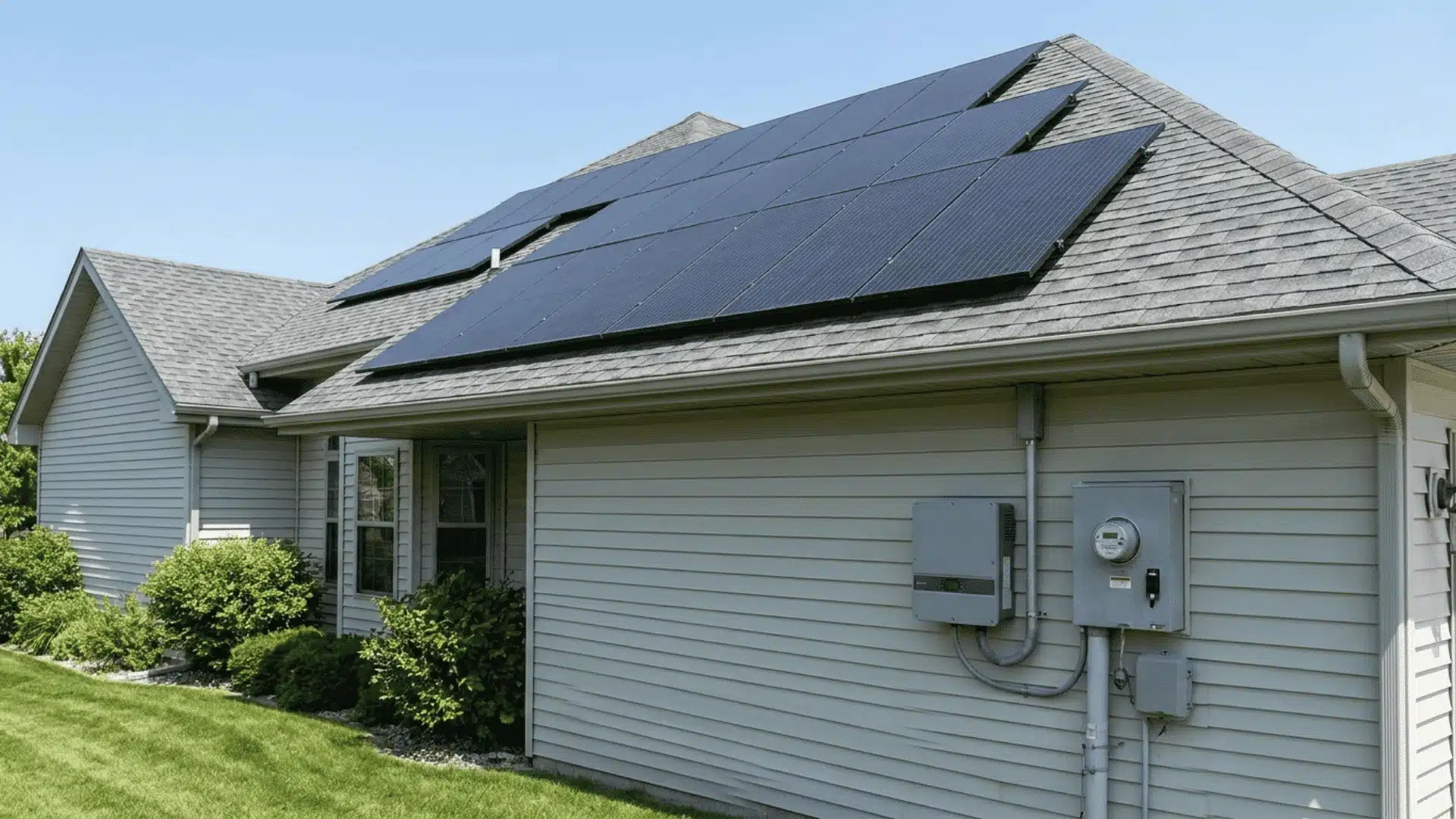
An SREC is a tradable credit you earn for every megawatt-hour of electricity your system generates. Your panels produce energy, that production is verified and logged, and you receive one certificate per megawatt-hour.
A typical 8 kW system in Maryland produces roughly 9 to 10 SRECs annually, each one sellable on the open market.
This production estimate is based on typical Mid-Atlantic solar output; check SRECTrade or your SREC broker for current per-certificate pricing in Maryland’s market.
SREC prices are not fixed. They are driven by demand from Maryland utilities, which are legally required to source a percentage of their electricity from renewable sources.
When utilities fall short of that requirement, they buy SRECs from homeowners to stay compliant. The stronger the compliance pressure, the higher the price.
How to Sell Them
You do not manage SREC transactions directly. Sales are handled through brokers or aggregators who operate on your behalf. The key decision is between spot sales and long-term contracts.
Spot sales pay current market rates, higher when utility demand is strong and lower when it softens. Long-term contracts lock in a fixed price, trading potential upside for predictability.
Over a system’s lifetime, that single decision compounds: a homeowner who sells on the spot market during a high-demand year can out-earn one locked into a multi-year contract signed during a price dip, and the reverse holds true when demand softens.
Net Metering: How Utility Credits Work
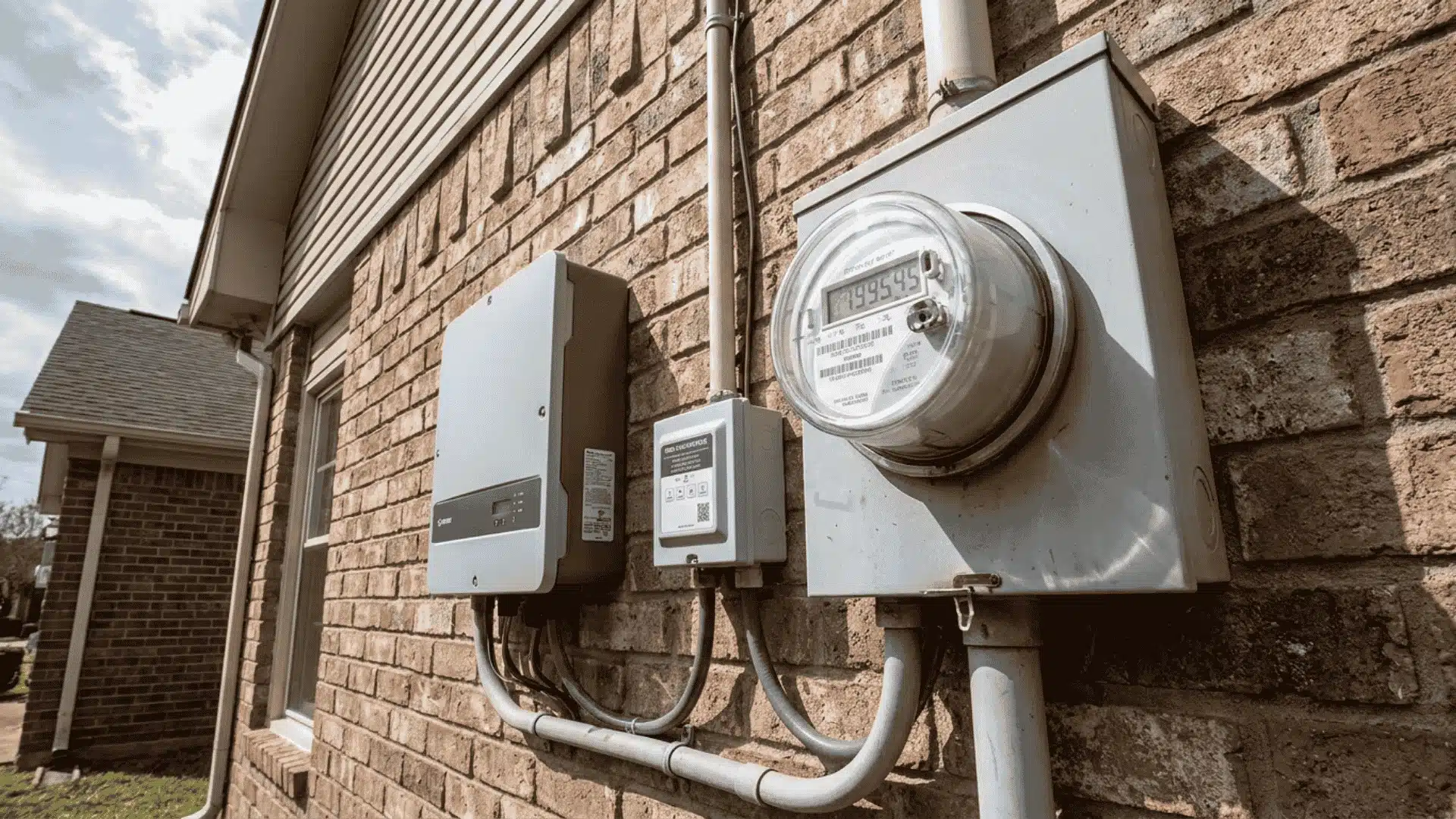
Net metering credits you for excess electricity your panels send to the grid. Every Maryland utility is required to participate. Those credits offset your bill at the retail electricity rate rather than arriving as a cash payment.
When your system produces more than your home uses, the surplus flows to the grid and your utility logs it as a credit. That credit rolls forward and reduces future bills. Reconciliation happens annually, and a large surplus does not automatically convert to a check.
Confirm your utility’s specific rollover policy before assuming surplus credits carry forward indefinitely.
What Is Changing
Maryland’s net metering policy is under active legislative review. The current full retail credit rate may not apply to systems installed going forward.
If net metering is a significant part of your savings calculation, verify the current policy status before finalizing your installation plans.
Tax Exemptions That Apply Automatically
Maryland exempts solar installations from both sales tax at purchase and property tax assessment increases after installation. No application is required for either. Both take effect once your system is permitted and installation is complete.
| Sales Tax Exemption | Property Tax Exemption | |
|---|---|---|
| What it covers | All solar equipment and installation labor | Added home value from solar installation |
| How it applies | Deducted at point of sale | Added value excluded from assessed value |
| Savings timing | Upfront, reduces installation cost directly | Ongoing, for the life of the system |
| Application required | No | No |
| Savings on avg. system | ~$1,500 | Varies by home value increase |
These two exemptions require no action, carry no deadlines, and deliver consistent savings without adding any administrative burden. Your installer accounts for the sales tax exemption in the final invoice. The property tax exemption takes effect at your next assessment automatically.
The Federal Tax Credit: What Maryland Residents Claim on Top
The federal solar tax credit is worth 30% of your total installed system cost and reduces your federal tax bill directly, not just your taxable income.
On a $25,000 system, that is $7,500 off what you actually owe the IRS. You claim it on IRS Form 5695 when you file for the year your system is installed.
How the MSAP Grant Affects Your Federal Credit
Receiving the MSAP grant reduces your eligible cost basis before the 30% federal credit is applied. The difference is worth calculating before you assume a figure.
| Scenario | System Cost | MSAP Grant | Federal Basis | 30% Credit |
|---|---|---|---|---|
| Without MSAP | $25,000 | $0 | $25,000 | $7,500 |
| With MSAP | $25,000 | $7,500 | $17,500 | $5,250 |
If Your Tax Liability Is Lower Than the Credit
The credit carries forward. If you cannot absorb the full amount in the year you install, the remainder applies to the following year’s tax bill. No deadline pressure applies.
The federal credit runs at the full 30% rate through 2032 before stepping down in subsequent years. This schedule is set by federal law and detailed in the IRS instructions for Form 5695. Maryland residents installing systems now qualify for the full amount under current law.
County Incentives Most Maryland Homeowners Miss
Several Maryland counties offer incentives on top of state programs. What is available depends entirely on where you live, and most homeowners never check what their county offers before signing with an installer.
Baltimore County and Anne Arundel County
Baltimore County offers an Energy Conservation Devices Tax Credit worth up to $5,000, applied at the county level independently of anything you claim from the state.
Anne Arundel County offers a one-time county tax credit up to $2,500 on the same basis.
Confirm current amounts and eligibility directly with each county’s Department of Finance, since county credit values are set locally and can change independently of state programs.
Both credits sit alongside state incentives, not instead of them, and require no tradeoffs to claim.
Montgomery County Green Bank Solar Financing
Montgomery County’s Green Bank offers low-interest solar financing for residents who do not qualify for MSAP or want to spread costs over time.
| Homeowner Type | Interest Rate |
|---|---|
| Equity Emphasis Area residents | 0% for the first 10 years |
| All other Montgomery County residents | 4.99% |
This is a financing tool, not a grant. For households above MSAP income thresholds, the 0% rate in Equity Emphasis Areas eliminates a decade of interest payments entirely, and even the standard 4.99% rate beats most solar loan products on the open market.
Howard County Live Green Program
Howard County’s Live Green program does not pay you directly. It connects residents to vetted solar installers and helps navigate MEA grant access, including MSAP applications.
If you are in Howard County and unsure where to start, this is a useful first stop before approaching any installer directly.
Wrapping Up
Solar in Maryland rewards the homeowners who understand how the pieces fit together. The grants reduce what you spend upfront. The tax exemptions protect what you’ve built.
SRECs generate revenue long after installation day. Net metering quietly trims your bills every month. And the federal credit sits on top of all of it.
No single incentive tells the full story. The real value comes from claiming several at once, and knowing which ones interact.
If you’re ready to see what your system could actually cost after incentives, get a quote from a Maryland-based installer and run the numbers against what you now know.
Frequently Asked Questions
Who qualifies for the Maryland Solar Access Program?
Eligibility is based on household income relative to the area median income (AMI) for your county. The program targets low- and moderate-income households; specific income thresholds vary by household size and location. Availability operates on a first-come, first-served basis, so checking current program status through the Maryland Energy Administration before contracting with an installer is advisable.
Is the 30% federal solar tax credit going away in 2026?
No. The federal Investment Tax Credit remains at 30% through 2032 under current law, then steps down to 26% in 2033 and 22% in 2034 before expiring for residential installations in 2035. Maryland residents installing systems in 2026 qualify for the full 30% credit.
Do Maryland solar incentives stack? Can I claim more than one?
Yes. A household can simultaneously receive the MSAP grant, the RCES battery storage grant, sales and property tax exemptions, net metering credits, SREC revenue, and the federal tax credit. The one interaction to note is that grant amounts received before installation reduce the federal ITC basis proportionally.
What happens to my SRECs if I sell my home?
SRECs are tied to the system’s production, not to the homeowner. When a home is sold, SREC registration and revenue rights typically transfer with the system unless the purchase agreement specifies otherwise. Sellers should clarify SREC ownership in the sale contract and notify their SREC broker of the change in ownership.