

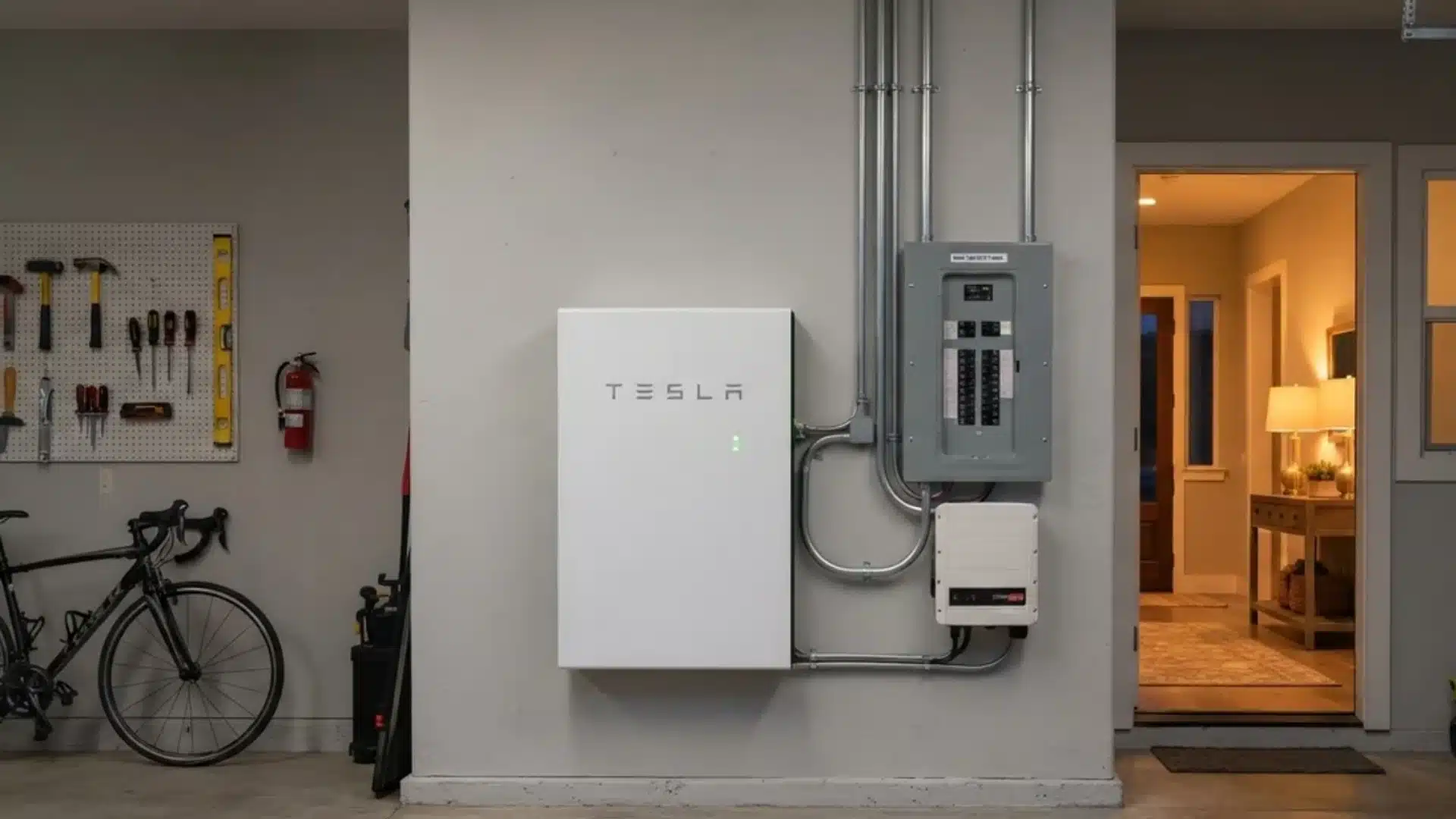
If you have ever seen a calculator that never needs new batteries, you have already seen solar energy at work.
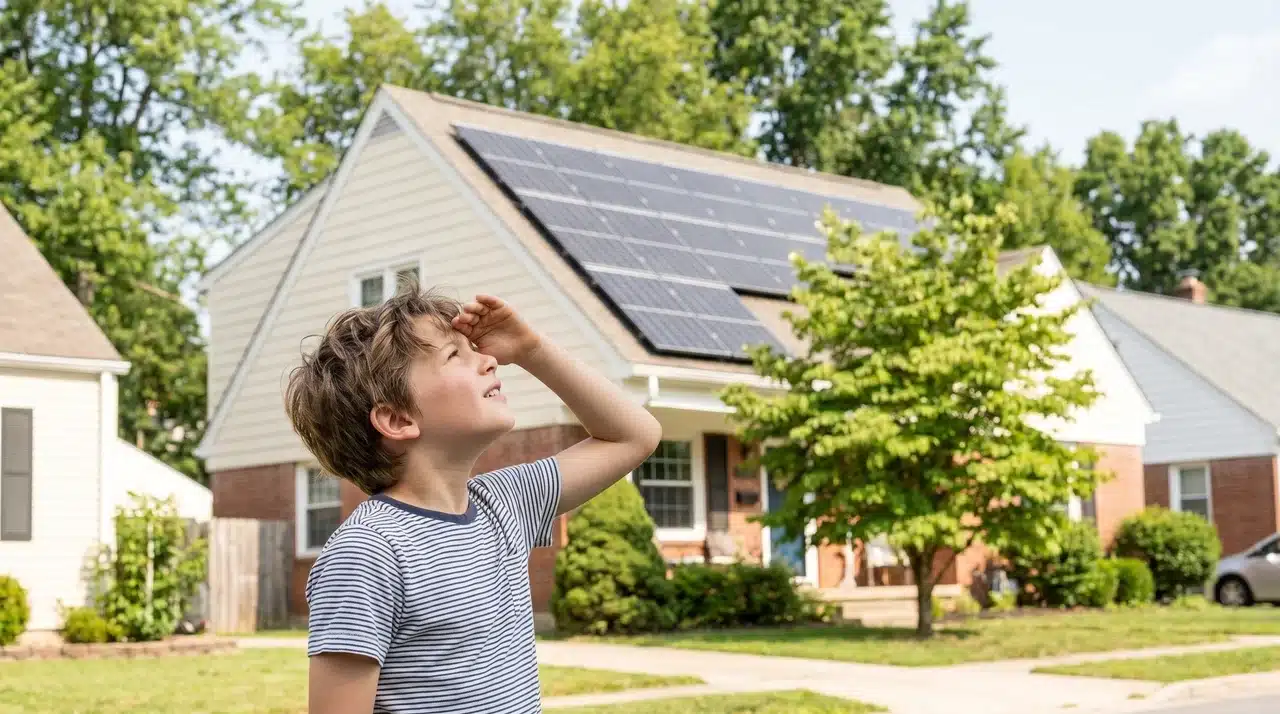
That calculator runs on light. The same idea powers homes, schools, and spacecrafts. Solar energy comes down to one thing: sunlight hitting a panel and turning into electricity.
Here I’ll show you how that happens, why it matters, and give you three experiments to try this week.
What Is Solar Energy?
Solar energy is power from the sun. Solar panels catch it and turn it into electricity for homes, schools, and devices.
The sun sends out light and heat every single day. We catch that energy and use it. That is the whole idea.
Here is the part worth knowing early: solar is renewable and it cannot run out. The sun has been burning for billions of years and will keep going long after any of us are here.
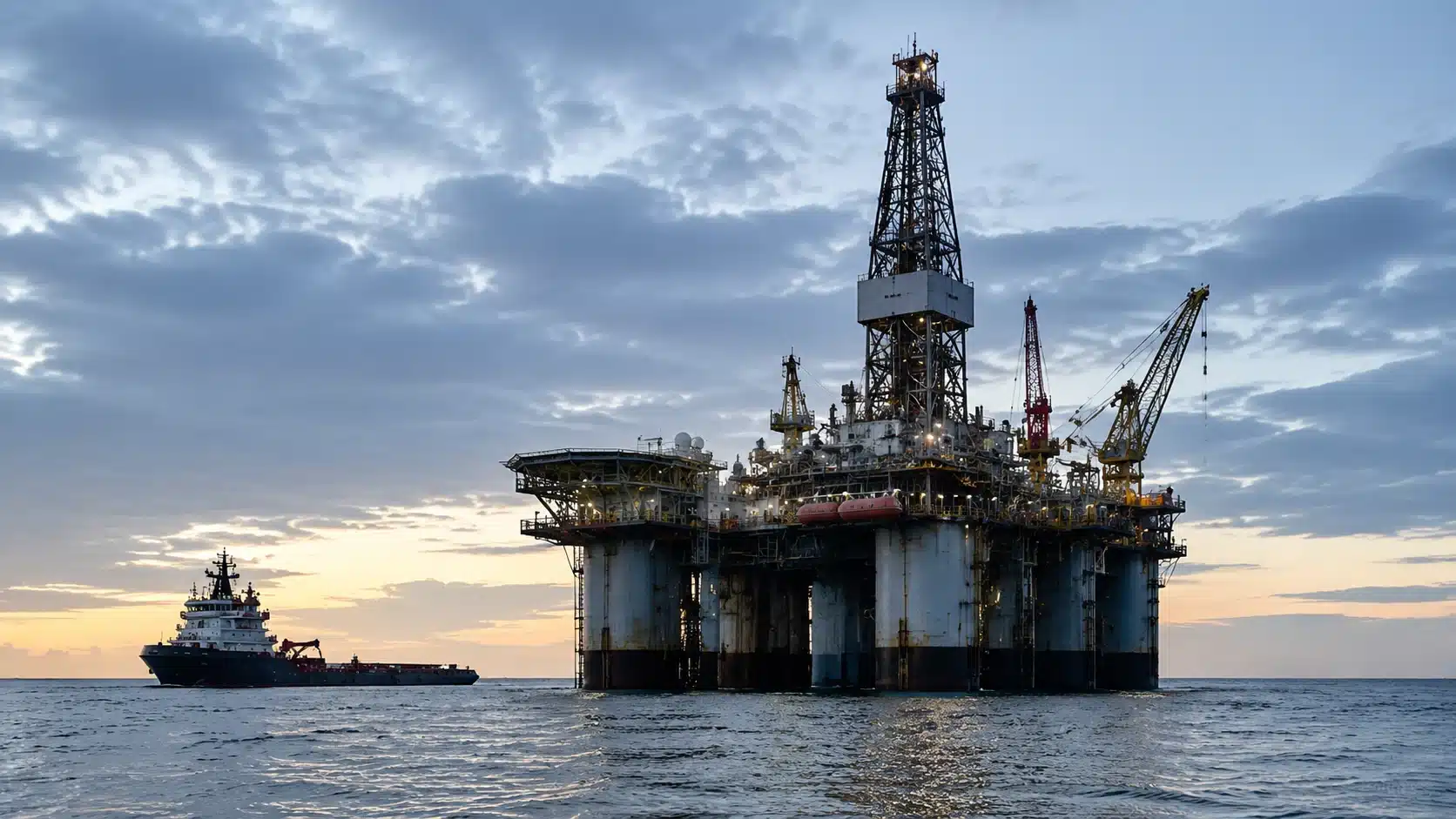
Compare that to coal or oil. Those get dug out of the ground and are gone once used.
According to National Geographic Education, that is exactly what makes solar a renewable energy source. The fuel arrives every morning for free.
I find the “renewable” label clicks best when you picture it this way: the sun is not a tank that empties. It is more like a tap that never turns off.
A Brief History of Solar Energy
Solar is not a new idea. Ancient Egyptians and Greeks built their homes to face the sun for warmth. No panels. No wires. Just smart thinking.
In 1830, explorer John Herschel cooked meals in Africa using a glass-lined box. As the U.S. Energy Information Administration confirms, it was just trapped sunlight doing the work.
The real turning point came in 1954. Scientists at Bell Labs built the first solar cell that could turn sunlight into electricity. Four years later, that same technology powered satellites in space.
You are not reading about something brand new. Solar has been building for centuries. It just got very good, very fast, in recent decades.
How Does Solar Energy Work?
Think about how a plant works. Every leaf soaks up sunlight and turns it into energy to grow. That is called photosynthesis. Solar panels do something like that. Instead of making food, they make electricity.
Here is the full journey, from sunlight hitting the panel to the light turning on in your room.
How Solar Panels Work
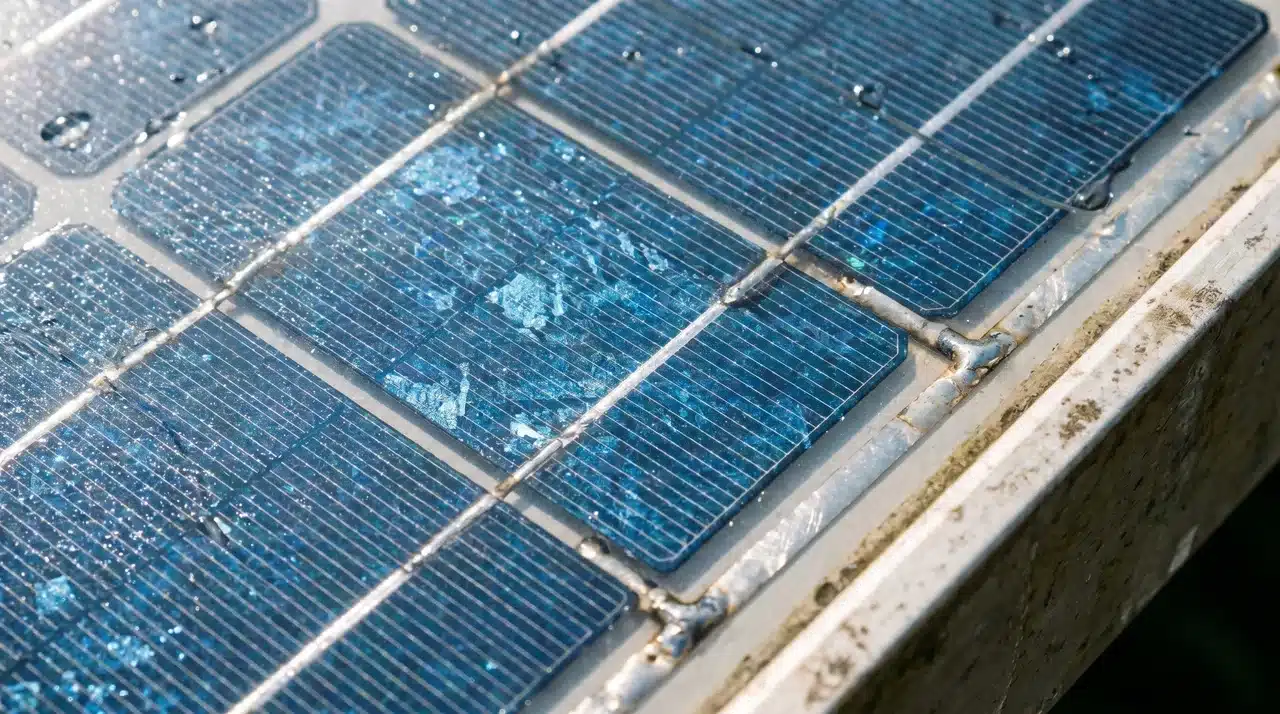
Sunlight is made of tiny packets of energy called photons. That is what light actually is: a stream of photons flying through space.
When photons hit a solar cell, something happens inside. Solar cells are made from silicon, which comes from sand. Silicon has one useful trick: when photons hit it, they knock tiny particles called electrons loose.
Those moving electrons create a flow of power. That flow is called direct current, or DC. Getting electrons moving consistently is the whole trick that makes a solar panel work.
Your home does not run on DC, though. It runs on alternating current, or AC. That is where the inverter comes in. The inverter converts DC into AC. Without it, nothing in your house would turn on.
Here is the full sequence from sun to socket:
- Photons hit the solar cells and knock electrons loose inside the silicon
- The moving electrons create direct current (DC)
- The inverter converts DC into alternating current (AC)
- AC electricity travels through your home’s wiring to power lights, devices, and appliances
Every step depends on the one before it. If the inverter fails, the whole system stops — even on a bright, sunny day. That is the piece most people never think about until something goes wrong.
One more thing: panels do not need direct sun. They slow down on cloudy days, but they keep going. Diffused light still carries photons.
The Two Types of Solar Energy
Sunlight gets captured in two completely different ways, and they produce different results. Here is how they compare:
| Solar Thermal | Photovoltaic (PV) | |
|---|---|---|
| What it captures | Heat from sunlight | Light from the sunlight |
| What it produces | Warmth and hot water | Electricity |
| How it works | Sunlight heats air or water directly | Solar radiation hits panels and moves electrons to create power |
| Where you see it | Water heaters, solar ovens, and heated buildings | Rooftop panels, calculators, watches, power stations |
| Needs wires? | No | Yes |
| Best known for | Cooking, heating, drying | Powering lights, TVs, phones, and entire cities |
| Scale | Small to medium | Wristwatch to the national power grid |
One beam of sunlight, two completely different jobs. The pizza box oven in the activities section below is solar thermal. The panels on your neighbour’s roof are photovoltaic.
Where Does Solar Energy Show Up?
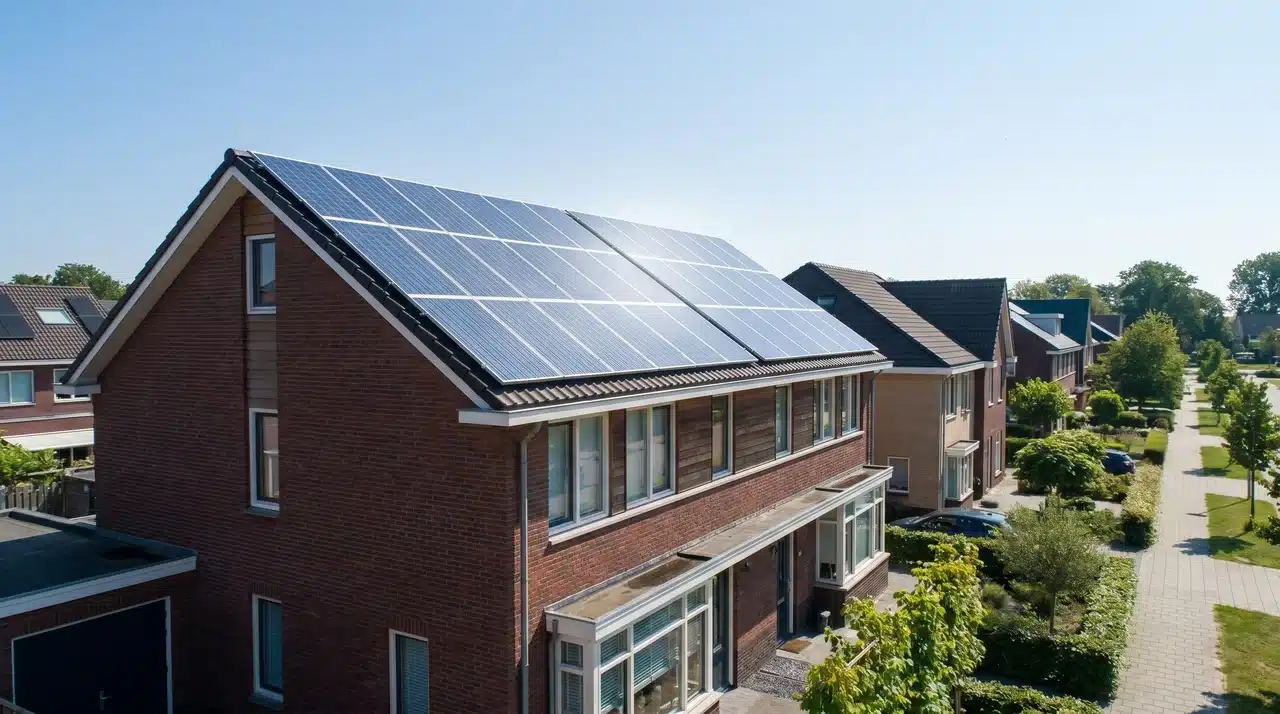
You’ve probably walked past solar energy today without noticing. It shows up in more places than most people expect, from the tiniest gadget to the edge of space.
- Your pencil case: solar-powered calculators have run on light since the 1970s
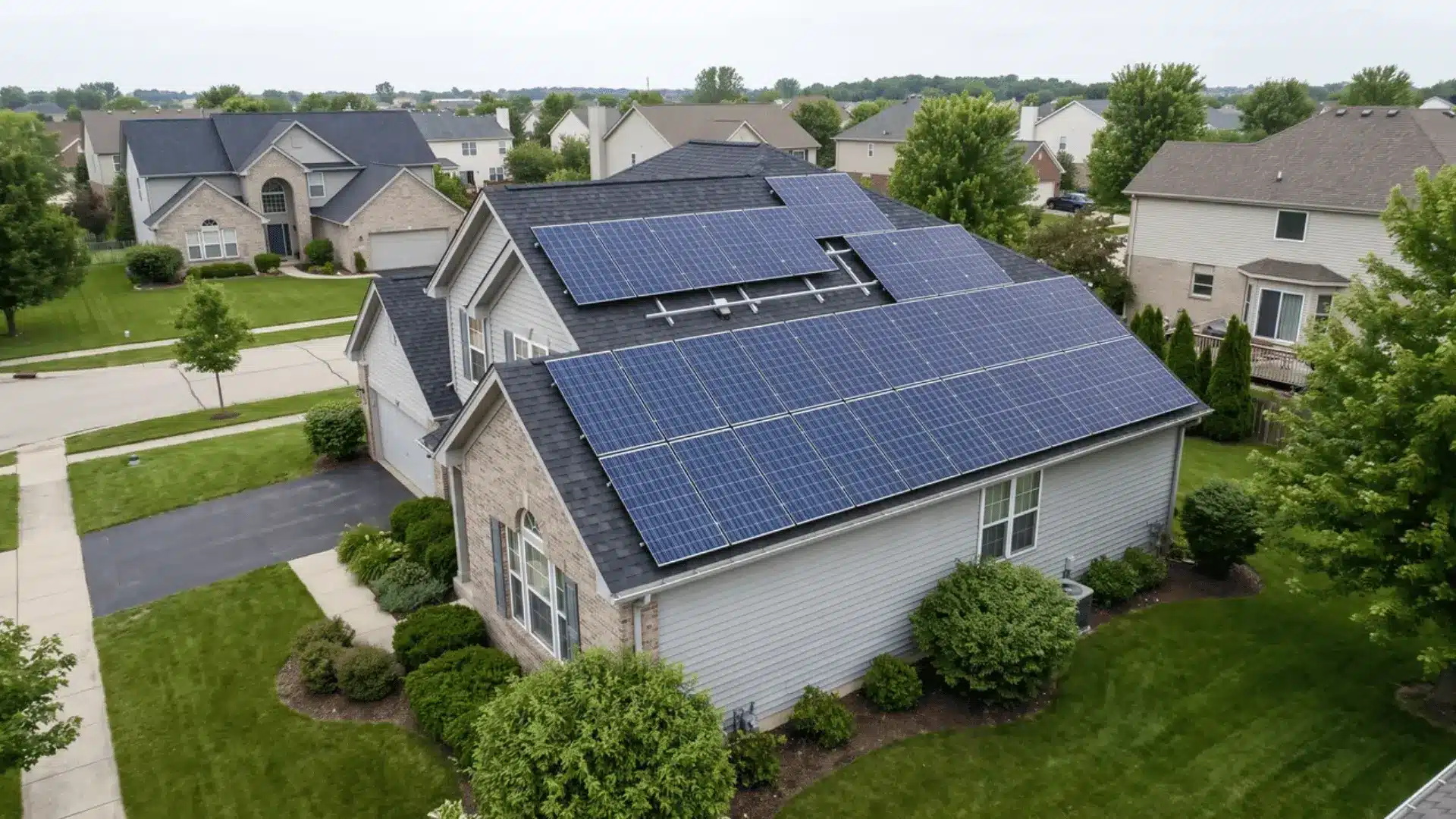
- Your school: many schools now have panels on the roof to cut electricity bills
- Large solar farms sit on open land and power thousands of homes at once
- Floating panels sit on lakes and reservoirs in countries around the world
- Up in space: satellites and the International Space Station run entirely on solar power
- In remote villages with no power lines, solar often brings electricity for the first time ever
The range is what gets me every time. The energy powering a spacecraft and the energy powering your pencil case calculator are the same thing. Solar scales from a wristwatch to a city grid. Almost no other energy source does that.
Why Does Solar Energy Matter?
Coal and oil release gases when they burn. Those gases trap heat around the Earth and warm it over time. Solar panels make electricity without burning anything; no smoke, no pollution, and zero greenhouse gases.
That difference adds up fast. Here is a side-by-side look:
| Fossil Fuels | Solar Energy | |
|---|---|---|
| Air pollution | Yes | None |
| Runs out | Yes | No |
| Greenhouse gases | High | Zero |
| Works anywhere | Limited | Yes |
| Cost over time | Rises | Drops |
In recent years, solar has become one of the fastest-growing energy sources on Earth. The energy mix is genuinely changing.
The “cost over time” row is the one I think changes minds most. Panels cost money to install. But the fuel is free from that day on.
Solar Energy Activities for Kids
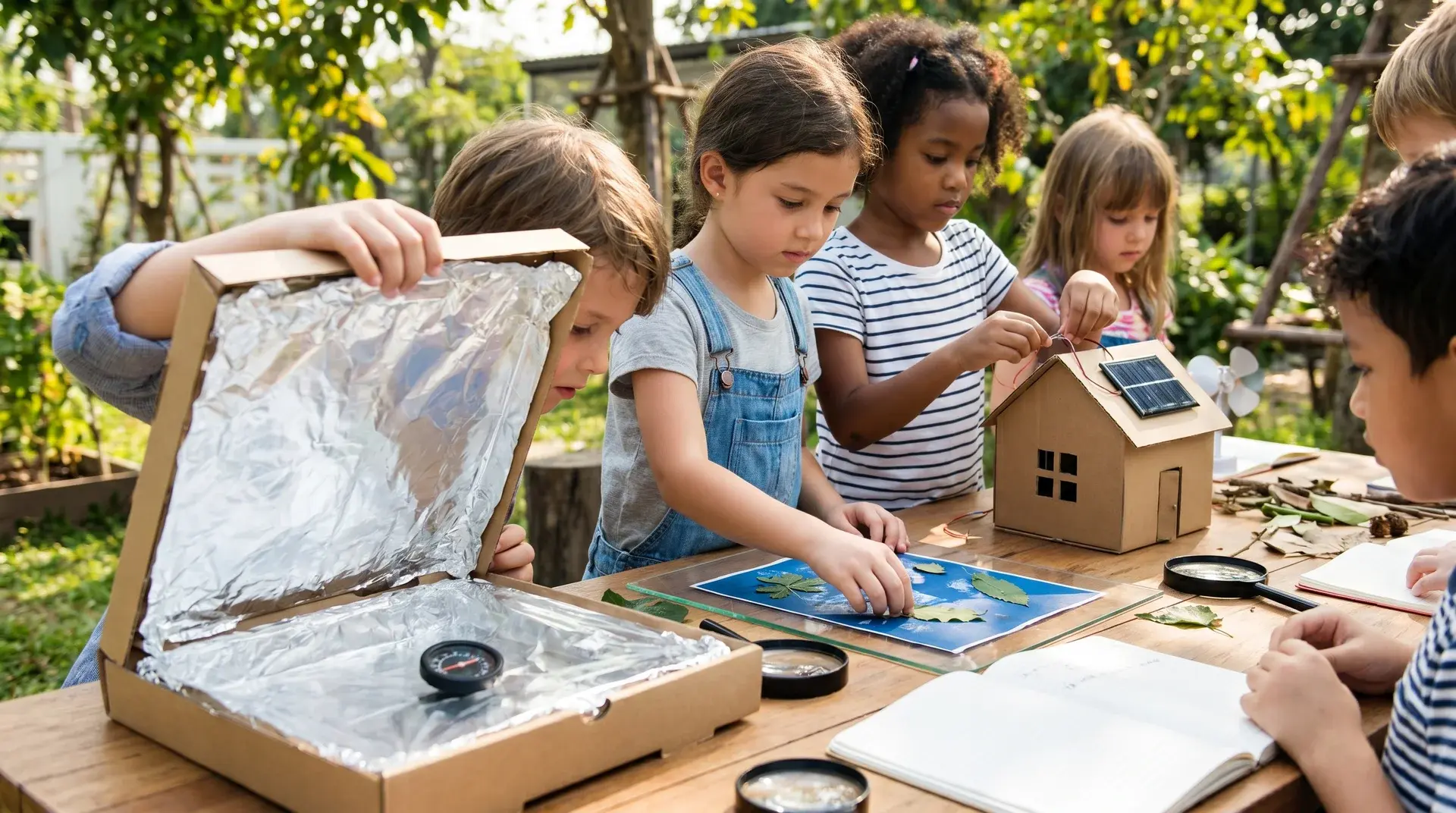
The best way to get solar energy is to try it yourself. Each activity below shows a real principle of solar science using things you already have at home.
Reading gives you the idea, but doing it is what really makes it yours. Pick one and try it this week.
Activity 1: Sun Prints
Best for ages 5 to 8
This is one of the simplest ways to see solar energy make something real. Solar print paper is coated with a light-sensitive chemical. When photons hit it, they drive a reaction that changes the paper’s colour, leaving a white outline of anything that blocked the light.
Place leaves, keys, or any flat object on the paper. Leave it in direct sunlight for a few minutes. The sun does the drawing.
What you learn: Light carries enough energy to cause a chemical reaction on paper.
Activity 2: Pizza Box Solar Oven
Best for ages 8 to 10
This one shows solar thermal energy working in real life. You are building a simple version of the same idea used in solar water heaters and large power plants.
Line a pizza box with foil. Add black paper inside and cover the opening with plastic wrap. Point it at the sun and put a piece of chocolate inside.
What you learn: Dark surfaces absorb heat, and trapped air holds it in. That is the same idea behind solar thermal energy.
Activity 3: Solar House Design Challenge
Best for ages 10 to 12
This one goes further than watching. You design around solar energy, which is exactly what architects and engineers do when they plan energy-efficient buildings.
Build a small house from cardboard. Test different window sizes and wall materials. Use a thermometer to see which design holds the most heat.
What you learn: Good design cuts how much energy a building needs. That is real engineering.
Want more to try? NASA Climate Kids has more hands-on solar challenges.
Solar Energy Facts for Kids
You know how solar works. Now here are six facts that will actually make you stop mid-sentence.
- The sunlight hitting Earth in just 90 minutes holds enough energy to power the whole world for a full year.
- The first solar cell was built in 1954 at Bell Labs. It was about the size of a playing card.
- Solar panels work on cloudy days. They slow down, but they do not stop. Diffused light still carries energy.
- Today’s solar panels turn roughly 15% of sunlight into electricity, and scientists are working hard to push that much higher.
- China currently produces more solar energy than any other country in the world.
- One hour of sunlight hitting the Sahara Desert holds enough energy to power all of Europe for a year.
Want to go deeper? Here are 10 facts about solar energy that go well beyond the basics.
I always come back to that 90-minute fact. The sun sends us far more energy than we could ever use. The challenge has always been catching it well enough.
Wrapping Up
You now know more about solar energy than most adults do. You know what photons are, how silicon turns light into electricity, and why the inverter matters.
Solar is already around you. The calculator on your desk, the panels on a roof nearby, the satellites above, all running on the same idea.
Try one activity. Twenty minutes of doing beats ten pages of reading every time.
Frequently Asked Questions
Can solar panels work at night?
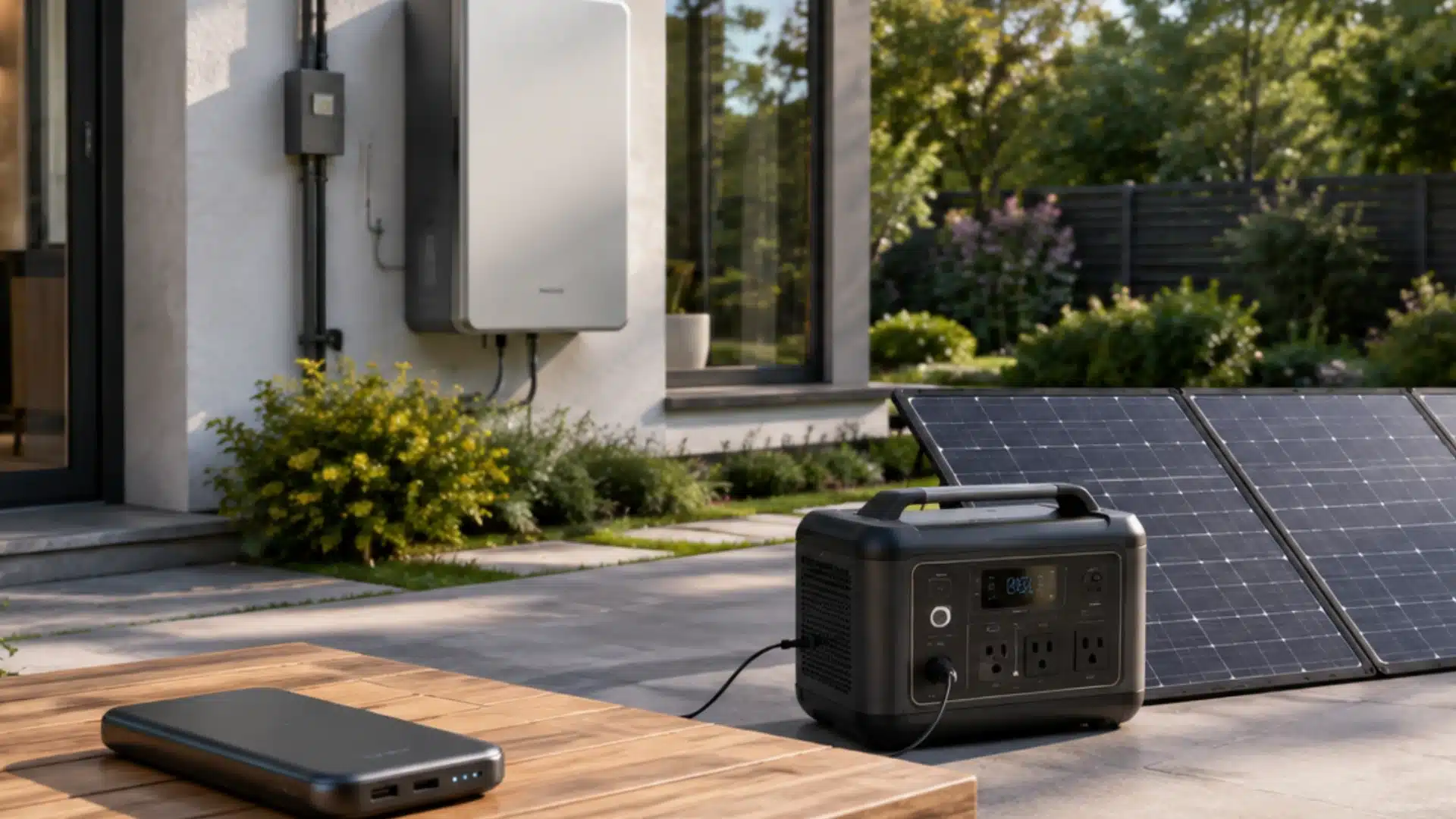
No, solar panels need light to make electricity. Most homes pair panels with a battery that stores energy during the day and releases it after dark. The lights stay on even when the sun goes down. Without a battery, a solar home draws from the regular power grid at night.
Do solar panels work in cold or cloudy countries?
Yes. Panels respond to light, not heat, so cold weather does not stop them. On cloudy days they slow down but keep generating power; diffused light still carries energy. Countries like Germany produce large amounts of solar electricity despite cold winters because they still get daylight hours.
How long do solar panels last?
Most panels are built to last 25 to 30 years. Output slowly drops over time, but they rarely stop working before that point. Many panels installed in the 1990s are still running today, making a little less power each year but still generating clean electricity.
How many solar panels does it take to power a house?
One panel is not enough. A typical home needs 10 to 20 panels, depending on size, location, and daily electricity use. A solar installer checks your home’s energy use before saying how many panels you actually need.