


If you searched for the Solar for All program recently, you probably hit a wall. The federal program is gone. But not everything connected to it shut down.
Some programs kept running. Others are in limbo. The difference comes down to one thing: where the money actually came from.
Today, I’ll tell you what happened, which programs are still enrolling, and how to find what’s available where you live.
What Was the Federal Solar for All Program, and Why Did It End?
The federal Solar for All program is no longer active. The EPA ended it on August 7, 2025, when Administrator Zeldin said the agency would no longer run the program.
But the reason it ended matters more than the date.
Solar for All was a $7 billion grant program inside the EPA’s Greenhouse Gas Reduction Fund. It wasn’t a tax credit or rebate. The EPA gave funds to state agencies, tribal governments, and nonprofits. Those groups then ran local programs for low-income communities. Individual homeowners never applied to the EPA directly.
The program didn’t run out of money. Congress rescinded the funding. That’s a harder stop than a normal program ending.
When a program expires, grantees who already got funds can usually keep spending them. A rescission pulls the money back before it’s fully handed out. Grantees who had already received awards couldn’t plan forward. Some had made real commitments to communities. Those commitments fell apart overnight.
I’ve watched this happen in other federal grant programs. The rescission model hits harder than any budget freeze because there’s no wind-down period. The August 7, 2025 announcement was final, not a warning.
If you were waiting for a program in your state to launch, that’s why it never did.
Which Solar for All Programs Are Still Running and Why?
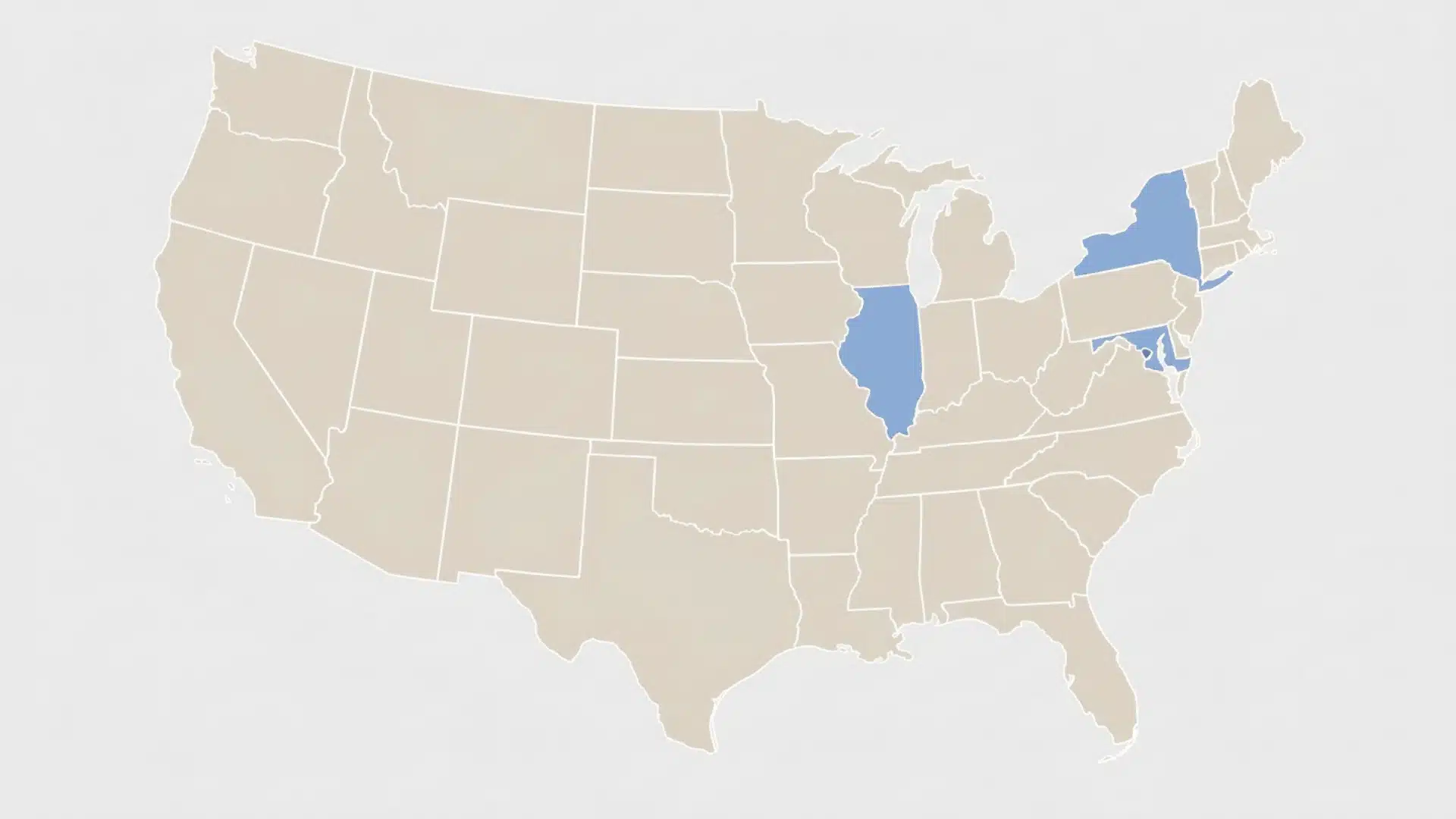
Some programs with the Solar for All name are still enrolling. The ones still open share one thing: they were never funded by the federal grant. They used state or city money, which made them untouchable when the recession hit.
Not all Solar for All programs were the same program. When the federal money was clawed back, the state- and city-funded programs kept going because there was nothing to claw back from them.
DC DOEE Solar for All
DC’s Solar for All program is city-funded and currently active. It’s run by the Department of Energy and Environment (DOEE), with a goal of bringing solar to 100,000 low- to moderate-income households in the District.
This is a direct-install model. You get solar put on your home at no upfront cost, then receive ongoing electricity savings. DC runs a waitlist, so applying sooner is worth doing.
Because it’s city money, the federal rescission didn’t touch it. Of all the programs in this space right now, DC’s is one of the most stable.
Illinois Solar for All
Illinois Solar for All runs through the Illinois Power Agency using state funds. It’s a community solar program, which means you don’t need panels on your roof.
You sign up for a share of a shared solar project. The savings come as bill credits, showing up as a line item on your electricity bill each month. That model is what makes renters eligible; you’re subscribing to a project, not installing anything on a home you own.
First-time applicants often expect a separate check in the mail. They don’t get one. The credit lands on your bill. That’s normal, it’s working exactly as it’s supposed to.
New York Statewide Solar for All (NYSERDA)
NYSERDA runs New York’s statewide program. Same community solar model: low-income households get bill savings through shared solar projects, no installation needed.
NYSERDA did receive some federal grant money, which puts it in a grayer zone than DC’s program. It appears to be running, but check enrollment status directly before you apply.
Michigan’s MI Solar for All and the Texas program through the Houston Advanced Research Center are in a similar spot. Verify before assuming anything is open.
How to Find Solar Help If Your State Doesn’t Have a Program
No named Solar for All program in your state doesn’t mean there’s nothing. It means you need to dig one layer deeper.
Start with the Clean Energy States Alliance (CESA). They run a public Solar for All program tracker. It lists state and local programs by region, shows enrollment status, and tells you if applications are open. No registration needed. It’s the best single starting point I know for finding what actually exists in your state.
Before you go there, know what you’re looking for. Two types of programs show up in most states.
- Community solar subscriptions give you bill credits from a shared array. No installation, no roof, no homeownership required. Renters qualify. Waitlists are usually shorter.
- Direct-install programs put panels on your home at no cost. You need to own the home and have a usable roof. Waitlists run longer and the requirements are stricter.
On the tax credit question: the 30% federal Investment Tax Credit (ITC) is completely separate from Solar for All. It wasn’t canceled when Solar for All was. The ITC applies to homeowners who pay for their own solar system, not to grant recipients. Canceling one had no effect on the other. Verify current ITC status through IRS guidance before filing.
Your state energy office or your utility’s low-income programs desk is also worth a call. Many utilities run their own solar assistance programs, nothing to do with Solar for All or federal grants. They’re often underused because they’re hard to find.
Do You Qualify? What Surviving Programs Require
Most surviving programs use the same basic framework. Knowing it before you apply saves time — and there’s a good chance you qualify through a faster path than you’d think.
The most common cutoff is income at or below 80% of Area Median Income (AMI).
AMI is local, not national. The same income that qualifies you in a rural county might not qualify you in a high-cost city. Your state energy office can tell you the number for your area. Don’t guess at it.
The faster path is proxy eligibility.
If you get SNAP, Medicaid, or LIHEAP right now, most programs treat that as automatic proof. You send a copy of your current benefit letter, not income paperwork. That’s a much shorter process than the income-verification route.
I’ve seen people skip proxy eligibility because they didn’t know it existed. If you’re already on one of those programs, that benefit letter is your starting point, not the income form.
A few other things worth knowing before you apply:
- Household size shifts your threshold. Some programs raise the AMI limit based on how many people live in your home. A four-person household can qualify at a higher income than a single person at the same address.
- Renters qualify for community solar subscriptions. You’re signing up for a share of a shared project; homeownership isn’t part of it. Don’t rule yourself out before checking the program type.
- Some programs also look at utility territory, state residency, and roof condition. Confirm requirements at the program level, not from a summary somewhere else.
Proxy eligibility is the fastest route for most people. SNAP, Medicaid, or LIHEAP enrollment gets you in without income documentation. Start there.
Wrapping Up
The federal Solar for All program ending was a real loss for the households that needed it most. But it didn’t close every door.
State and city programs in Illinois, New York, and DC are still running. Community solar subscriptions are available in many areas, and renters qualify for those. The 30% federal tax credit for homeowners buying their own systems is a separate thing entirely.
The CESA tracker is where to start. If nothing shows up for your state, call your utility’s low-income programs desk. Affordable solar is still out there. It just takes a bit more digging to find now.
Frequently Asked Questions
Is the Solar for All program canceled?
The federal Solar for All program ended in August 2025. Congress rescinded the funding through the Greenhouse Gas Reduction Fund, and the EPA formally announced it on August 7, 2025. State and city programs in Illinois, New York, and Washington, D.C., still operate on their own funding and weren’t affected by the rescission.
How do I qualify for Solar for All?
Most surviving programs accept residents at or below 80% of Area Median Income, or through enrollment in SNAP, Medicaid, or LIHEAP; no income paperwork is needed if you have a current benefit letter. Renters can qualify for community solar subscriptions. Thresholds vary by location, so confirm the AMI for your area with your state energy office.
Is the 30% solar tax credit going away?
The 30% federal Investment Tax Credit is a separate program from Solar for All and wasn’t canceled with it. It applies to homeowners who pay for their own solar system, not to grant recipients. Tax policy can change, so check current ITC status through IRS guidance or a tax professional before you file.
How do I find a community solar program near me?
The Clean Energy States Alliance (CESA) runs a public tracker of state and local solar programs, including enrollment status and whether applications are open. Your utility’s low-income programs office is another option; many utilities run their own solar assistance programs, independent of Solar for All or federal grants, and it’s worth asking directly.