


When people talk about solar panel size, they usually mean two different things without knowing it. One is the panel’s electrical output in watts. The other is its physical footprint in inches and pounds.
These two things don’t move together. A higher-watt panel isn’t always bigger, and a bigger panel doesn’t always produce more power.
Today, I’ll cover both: what the numbers mean, how panels measure up by type, and how to use those dimensions to figure out what fits your roof and how many you need.
What Is Solar Panel Size, and Why Do Watts and Inches Mean Different Things?
Solar panel “size” means electrical output, the watts a panel produces. Dimensions are the physical measurements: length, width, and depth in inches. They’re related, but they don’t move together.
If you’ve ever assumed a 400W panel must be physically bigger than a 350W panel, you’re not alone. You’re also probably wrong. The difference comes from cell efficiency, not frame size.
How It Actually Works
Each solar cell converts sunlight into electricity. A more efficient cell converts a higher share of that light. So a panel with better cells pushes out more watts from the same footprint. The power comes from the cell, not the frame.
I’ve watched this trip up homeowners at the planning stage more than almost anything else. They look at a 400W panel’s dimensions and assume it won’t fit, when it’s the same physical size as the 350W panel they were already looking at.
When Physical Size Does Change
Physical size does go up with wattage in one specific case: when manufacturers add more cells.
A 60-cell panel is smaller than a 72-cell panel because there are more cells in the frame. But within the same cell count, a higher-wattage panel gets its extra power from efficiency, not extra space.
That’s the part that breaks planning. If you assume more watts always means a bigger panel, you’ll miscalculate what fits. You might rule out a panel that works, or undercount how many you need.
Always check the physical spec sheet alongside the wattage. You can’t read one from the other.
Solar Panel Dimensions by Type: Residential, Commercial, and Portable
Panels fall into three categories, each with its own standard size range. Once you know which category fits your setup, you know right away what you’re working with, whether that’s a rooftop, a ground mount, or an RV.
Residential Solar Panels
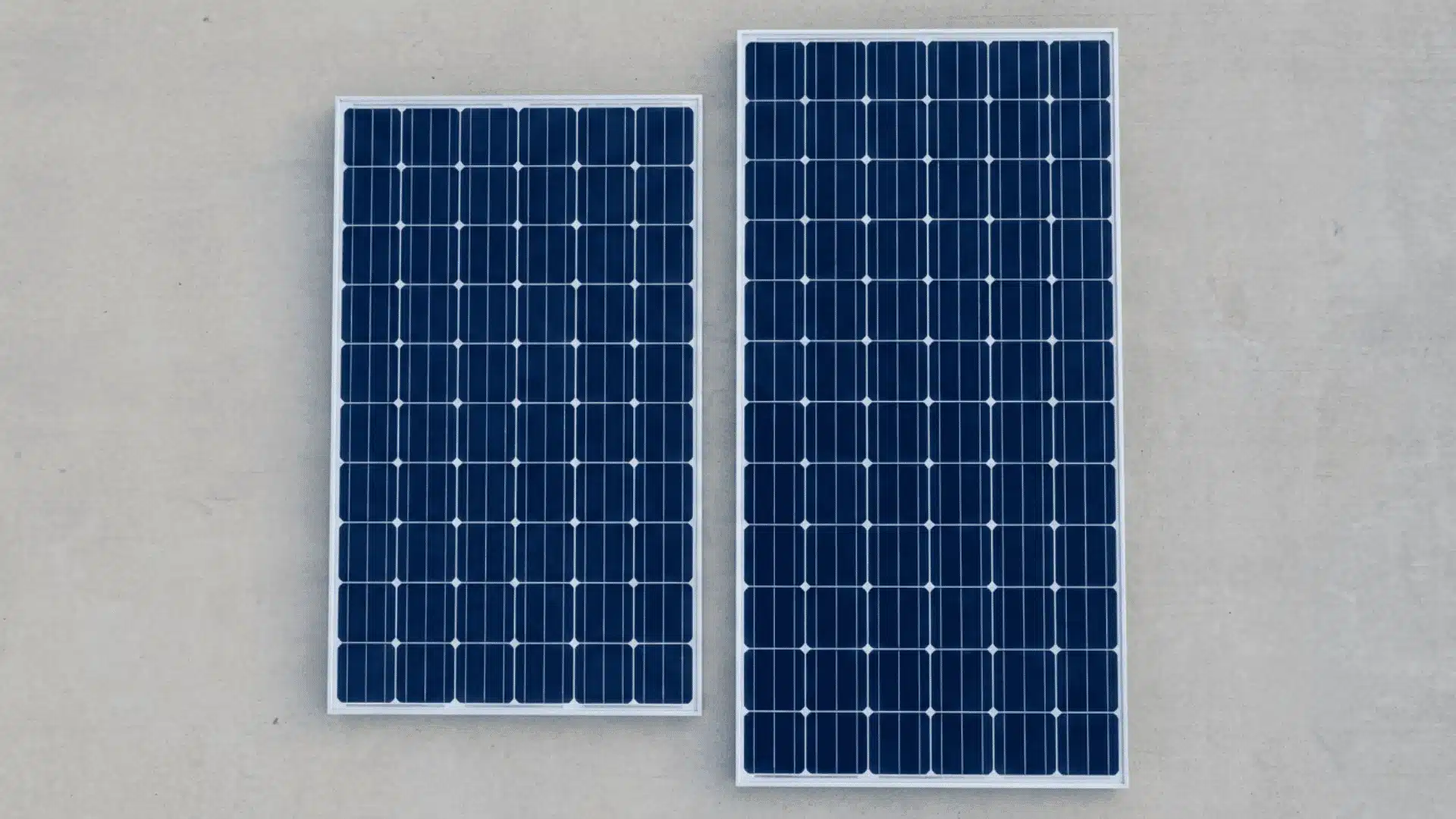
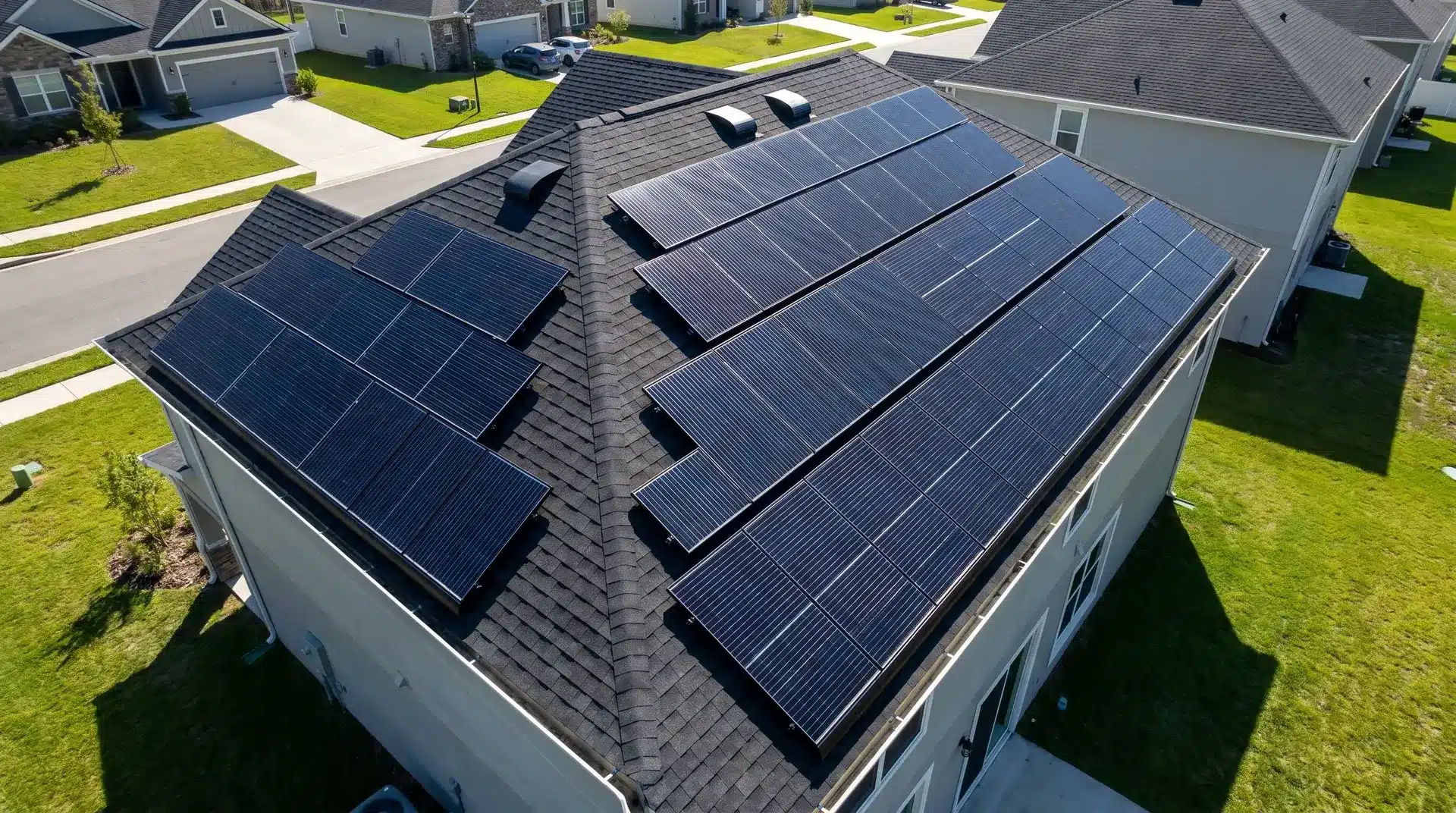
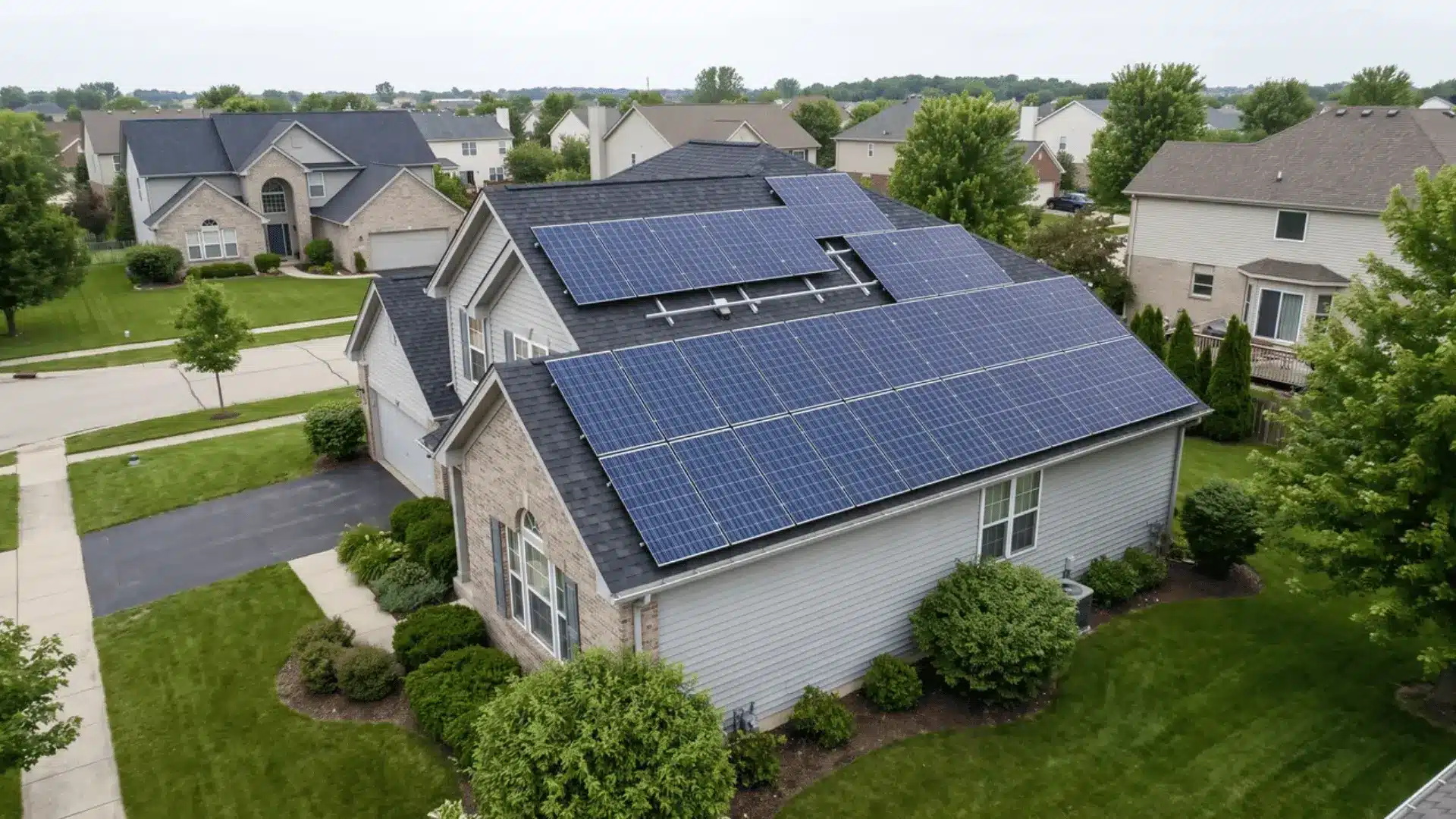
Most home installs use 60-cell panels or 66-cell panels. The 60-cell runs about 65 inches long by 39 inches wide. The 66-cell is a little bigger, around 67 inches by 40 inches.
Both weigh between 40 and 46 pounds. That’s light enough for most modern roofs; no reinforcement needed. The 39-inch width isn’t random; it matches the racking hardware most installers already stock.
The 60-cell is still the most common panel on residential rooftops. The 66-cell shows up when a homeowner needs more output but can’t add more panels. The bigger cell count raises wattage without changing much about the frame.
Commercial Solar Panels
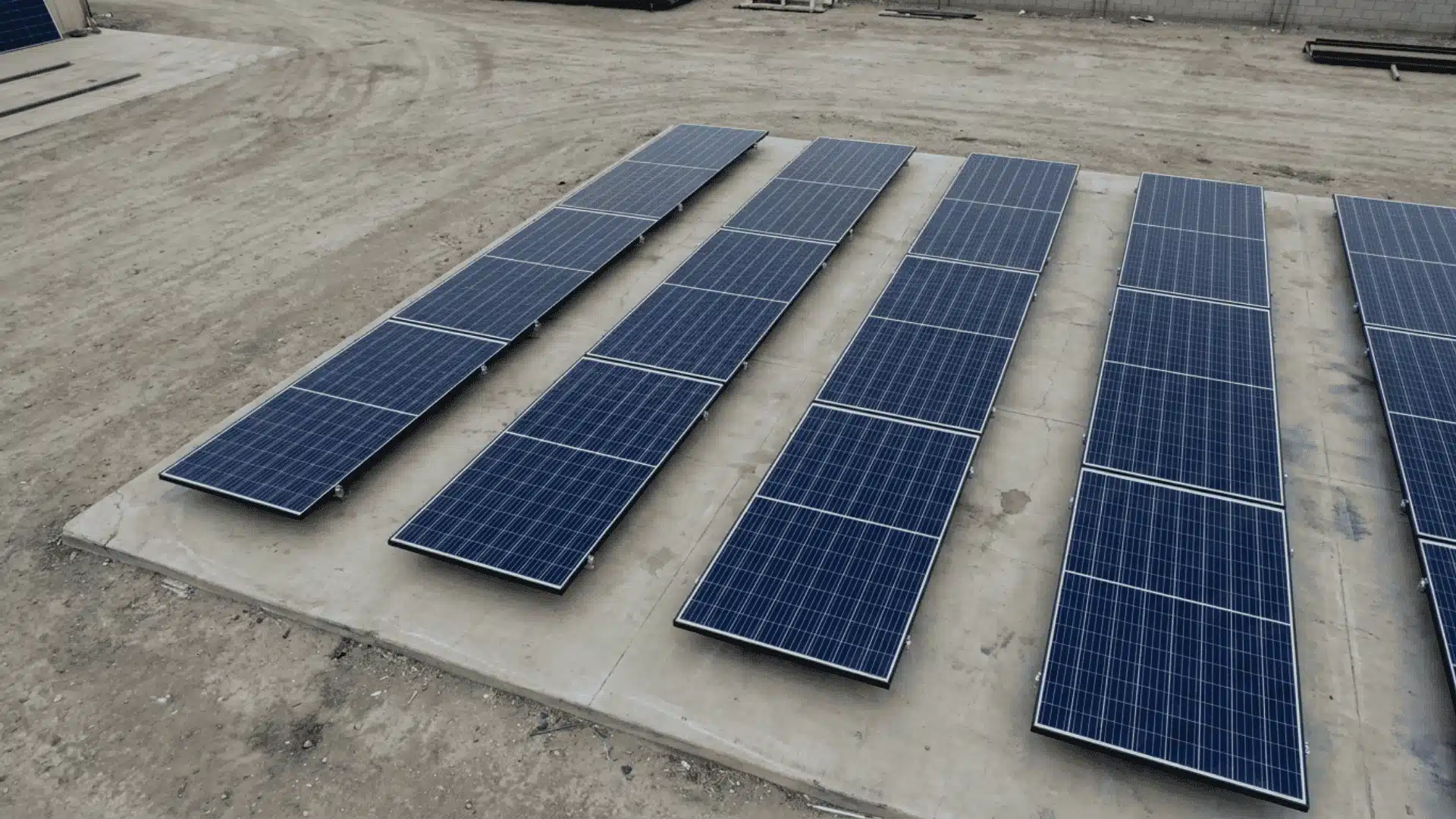
72-cell panels are the commercial standard. They run about 77 inches long by 39 inches wide. The width stays at 39 inches on purpose; it fits the same mounting systems used for residential panels, which keeps hardware sourcing simple on big projects.
At 50 to 60 pounds each, they’re noticeably heavier than residential units. They’re made for large flat rooftops and ground arrays. On a standard residential roof, the extra length creates mounting problems, and the weight adds up fast across a full array count.
I’d put it plainly: don’t spec commercial panels for a home roof. The geometry and the load both work against you.
Portable and Off-Grid Solar Panels
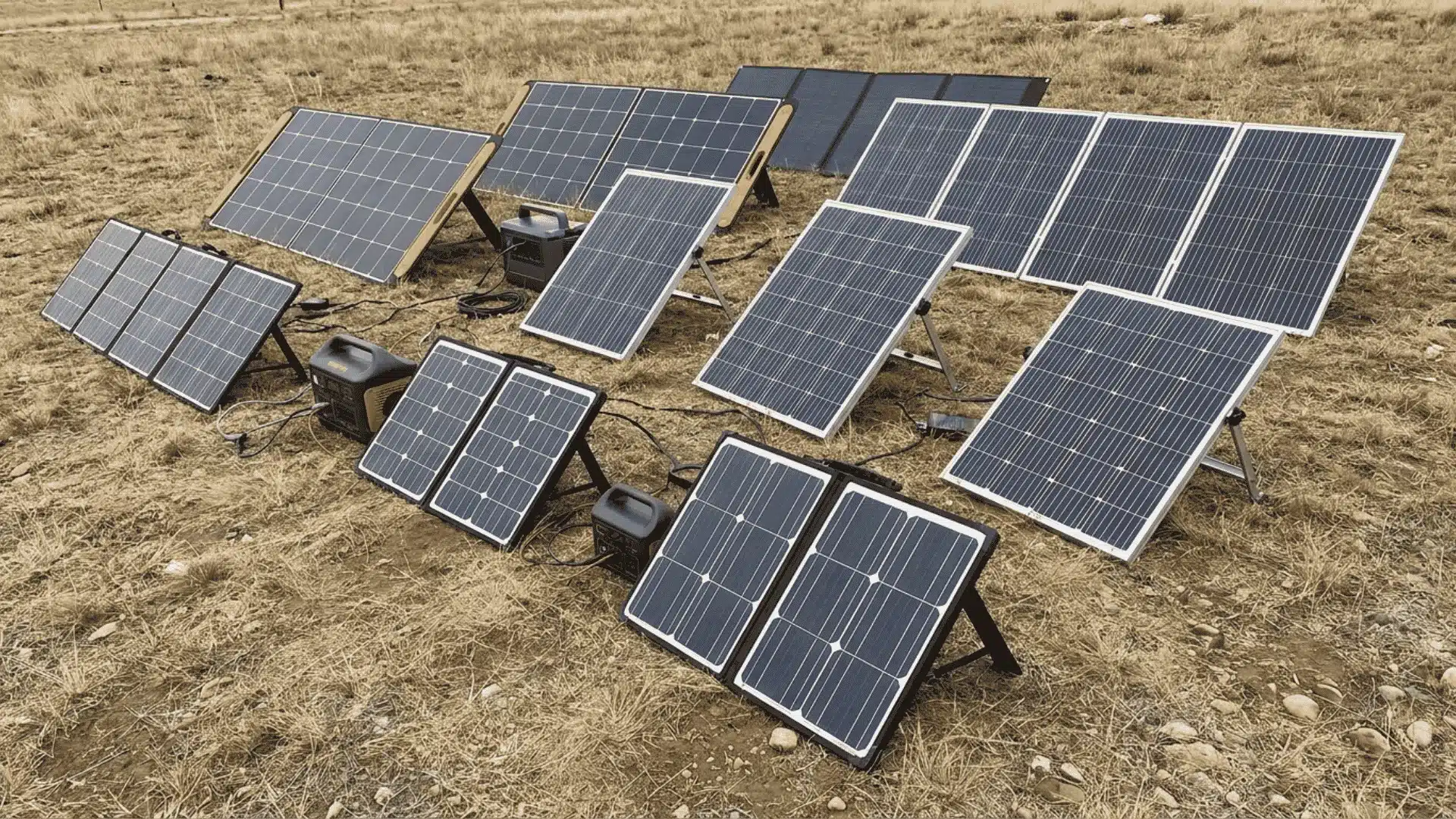
Portable and off-grid panels vary more than any other type. A 100W portable panel is typically around 42 inches by 20 to 21 inches.
As wattage goes up, so does the frame. Portability limits how much efficiency you can squeeze into a small panel, so higher-wattage portable units need more surface area.
These are built for RVs, boats, cabins, and temporary setups where weight and folding matter more than peak output.
If you’re sizing a portable system, match the panel dimensions to your mounting surface first, then work back to wattage. Do it the other way and you’ll end up with panels that don’t fit.
How Many Panels Fit on Your Roof, and What Size System Do You Need?
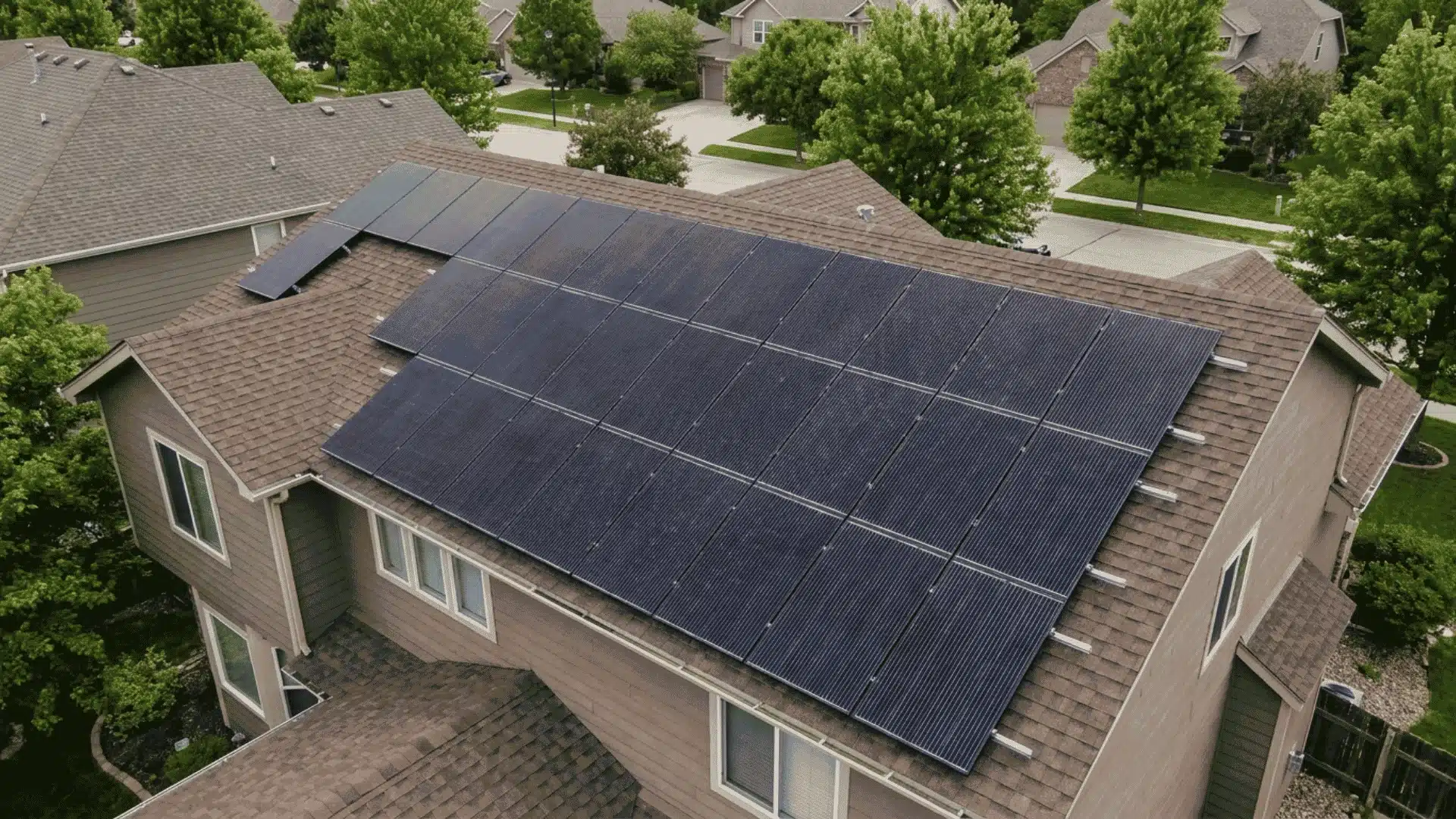
How many panels your roof can hold and how many your home needs are two different questions. Treating them as the same one is where most early planning falls apart.
How to Calculate How Many Panels You Need
Start with your energy use, not your roof. Pull your electricity bills and find your monthly average in kilowatt-hours. A typical US home uses around 10,000–12,000 kWh per year.
Divide your yearly total by roughly 1,200, a general figure for sun-hours across a US average location, and you get an approximate system size in kilowatts.
Then divide that system size in watts by your panel’s wattage to get a panel count.
A 5 kW system at 400W per panel needs about 12 to 14 panels and takes up roughly 210 to 235 square feet of roof space. A 10 kW system needs 25 to 30 panels and roughly 440 to 470 square feet.
Each standard residential panel covers about 17 to 18 square feet. The math is simple once you have the count.
The EnergySage Solar Calculator does this with your actual location and utility rate already built in. Run it before you talk to any installer.
Here’s what catches people off guard: a 25-panel array at 17 square feet per panel is 425 square feet. That’s a big chunk of any roof, and every square foot of it has to be unshaded.
Roof Space, Weight, and What Limits Your Array
Your roof’s total area and its usable solar area are almost never the same number. Pitch, shading from trees or chimneys, odd geometry, and required setbacks all cut into what’s actually installable.
In my experience, these factors reduce a roof’s real panel capacity by 20 to 30 percent compared to its raw square footage.
Most places require a clear 36-inch access path from roof edge to ridge for firefighter access, per IRC Section R324.6. Your installer handles this, but knowing it upfront stops you from counting every square foot as available space.
Weight matters too. Residential panels run about 2.3 to 2.6 pounds per square foot. A 25-panel array adds roughly 1,000 pounds of load spread across the roof. Most homes built in the last few decades carry that without any structural changes.
The exception: roofs over 15 years old, or ones with existing damage. Get a structural check before installation. Fixing structural problems after an array is up costs far more than catching them first.
Wrapping Up
The clearest way to think about solar panel size: watts tell you what a panel produces, inches tell you what space it takes, and your energy use tells you how many you need. Those three numbers answer every real question about fitting solar on your roof.
Start with your monthly energy use, work forward to a kW target, then to a panel count, then to a roof footprint. The EnergySage Solar Calculator does that math with your location and rate data already factored in.
Dimensions and weight show you what your roof can hold and carry. Wattage and cell efficiency show you how much power you get from that space. Once you see how those connect, you know exactly what to ask any installer who shows up at your door.
Frequently Asked Questions
How big is a standard residential solar panel in feet?
A standard residential solar panel is about 5.4 feet long and 3.25 feet wide; roughly 65 inches by 39 inches. It covers around 17.5 to 18 square feet. Depth runs between 1.4 and 2 inches. Commercial panels are longer at about 6.4 feet, while portable panels vary widely depending on wattage.
How many solar panels do I need for a 2,000 sq ft home?
A 2,000 sq ft home typically uses 10,000 to 12,000 kWh per year, which points to a 7 to 10 kW system. At 400W per panel, that means roughly 18 to 25 panels. Actual count depends on your local sun hours, roof pitch, and how much of your usage you want to offset.
How big is a 400-watt solar panel in feet?
A 400W residential panel typically measures about 5.5 to 5.7 feet long by 3.3 feet wide; approximately 67 to 68 inches by 40 inches. The 400W output comes from higher cell efficiency, not a larger frame. You’ll often find 400W and 350W panels with nearly identical physical dimensions.
How much roof space does a solar array need?
Each standard residential panel covers roughly 17 to 18 square feet. A 10-panel system needs about 170 to 180 square feet of usable, unshaded roof area. A 25-panel system needs 425 to 450 square feet. Setbacks, vents, and shading typically reduce your roof’s theoretical capacity by 20 to 30 percent.