
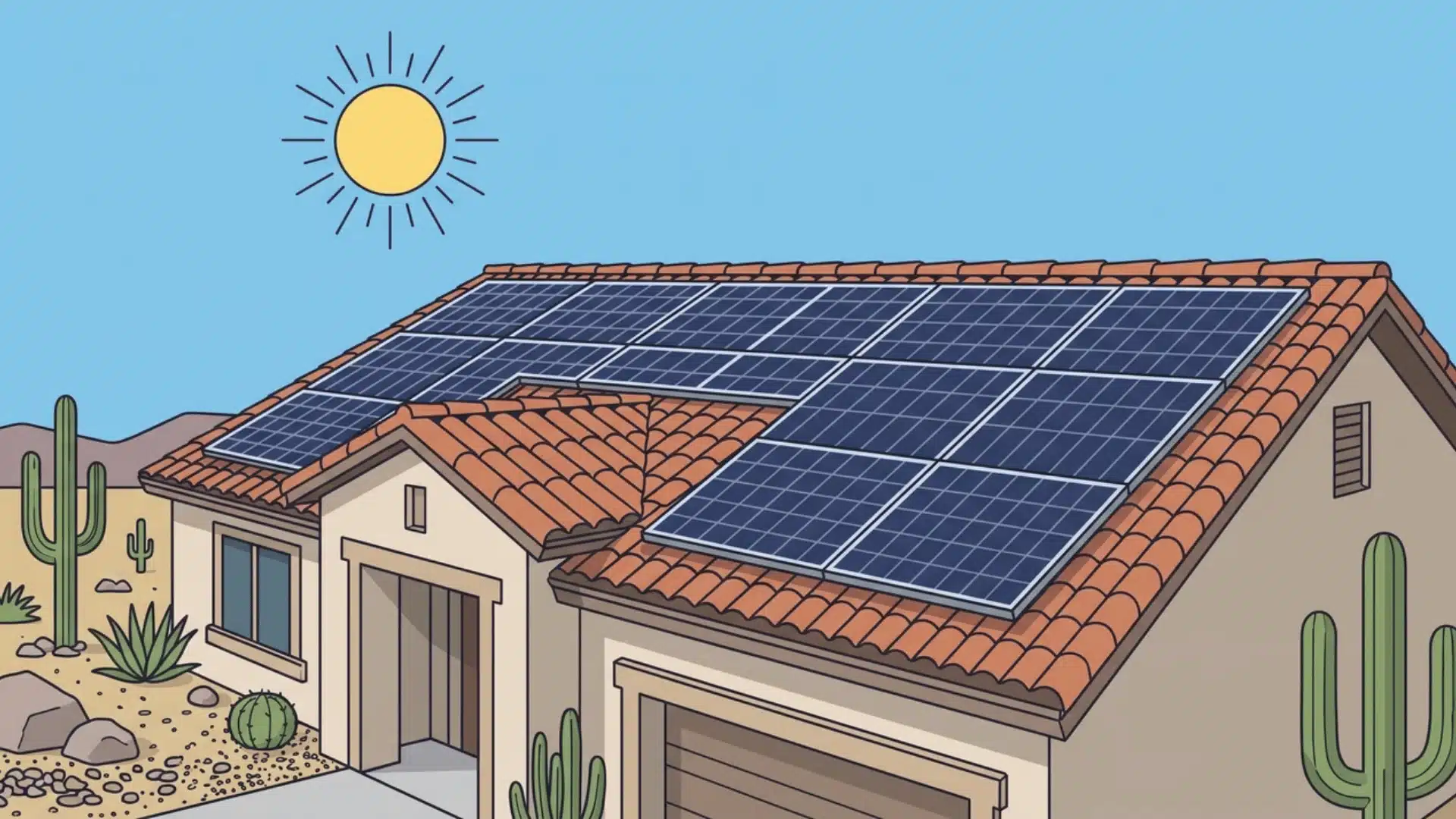


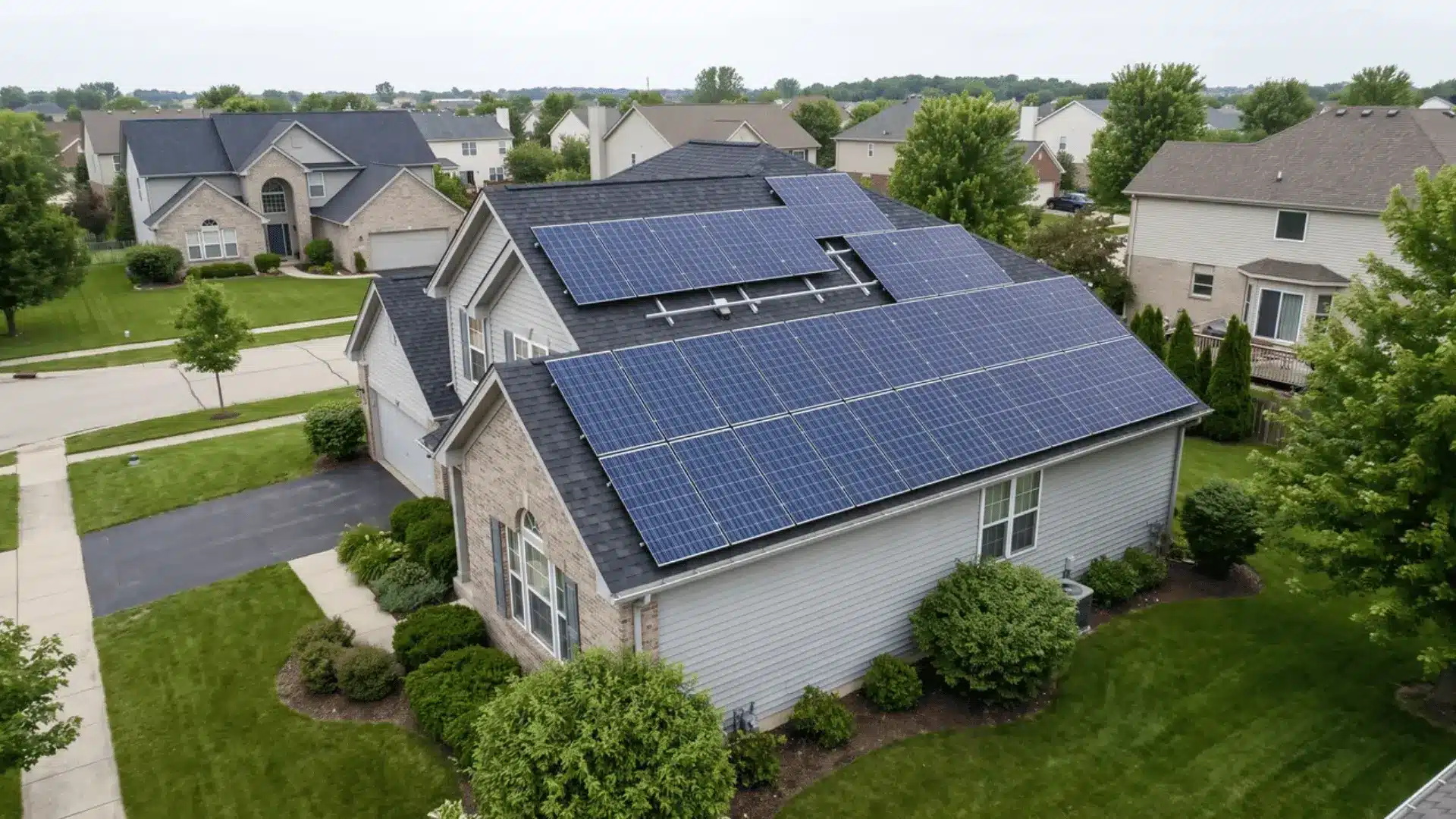
Arizona stands out for solar because the conditions are simply better here than in most places. You get a stronger sun, higher system output, and faster payback when the system is sized correctly for your home and solar energy systems arizona follow that advantage closely.
That advantage shows up in real numbers, not theory. Homes in Arizona often generate far more usable energy from the same panels than homes in cooler or cloudier states, thereby reducing system size and cost.
Add in a mature installer market, home to some of the best solar companies in Arizona, and stable incentives, and you end up with a state where solar decisions feel less uncertain and more predictable for homeowners.
Why Arizona Is One of the Best States for Solar Panels Arizona
Sunlight isn’t uniform across the country, and that difference shows up directly in what a solar system produces.
The number that matters isn’t hours of daylight; it’s peak sun hours, the time each day the sun delivers energy at full intensity, roughly 1,000 watts per square meter. More peak sun hours mean more usable energy out of the same panels.
Arizona’s desert climate, with low humidity, minimal cloud cover, and long, intense sun exposure, puts it among the strongest solar resources in the country, in the same tier as Nevada and California.
That resource advantage shows up in actual output: Arizona’s utility-scale solar plants post the highest capacity factor of any state in the country, at 29.1%, according to the U.S. Energy Information Administration. In practice, that means Arizona panels convert a larger share of their rated capacity into real electricity than panels installed almost anywhere else in the U.S.
For homeowners, that translates into fewer panels needed to cover the same electricity use, which means lower upfront costs and a faster payback period than in most other states.
Arizona’s solar market has grown to match that resource advantage. Favorable net metering rules and property tax exemptions on solar equipment have helped build one of the country’s most active residential solar markets, with enough installer competition to keep pricing lower and turnaround times faster than in many other states.
What a Solar Energy System in Arizona Typically Costs
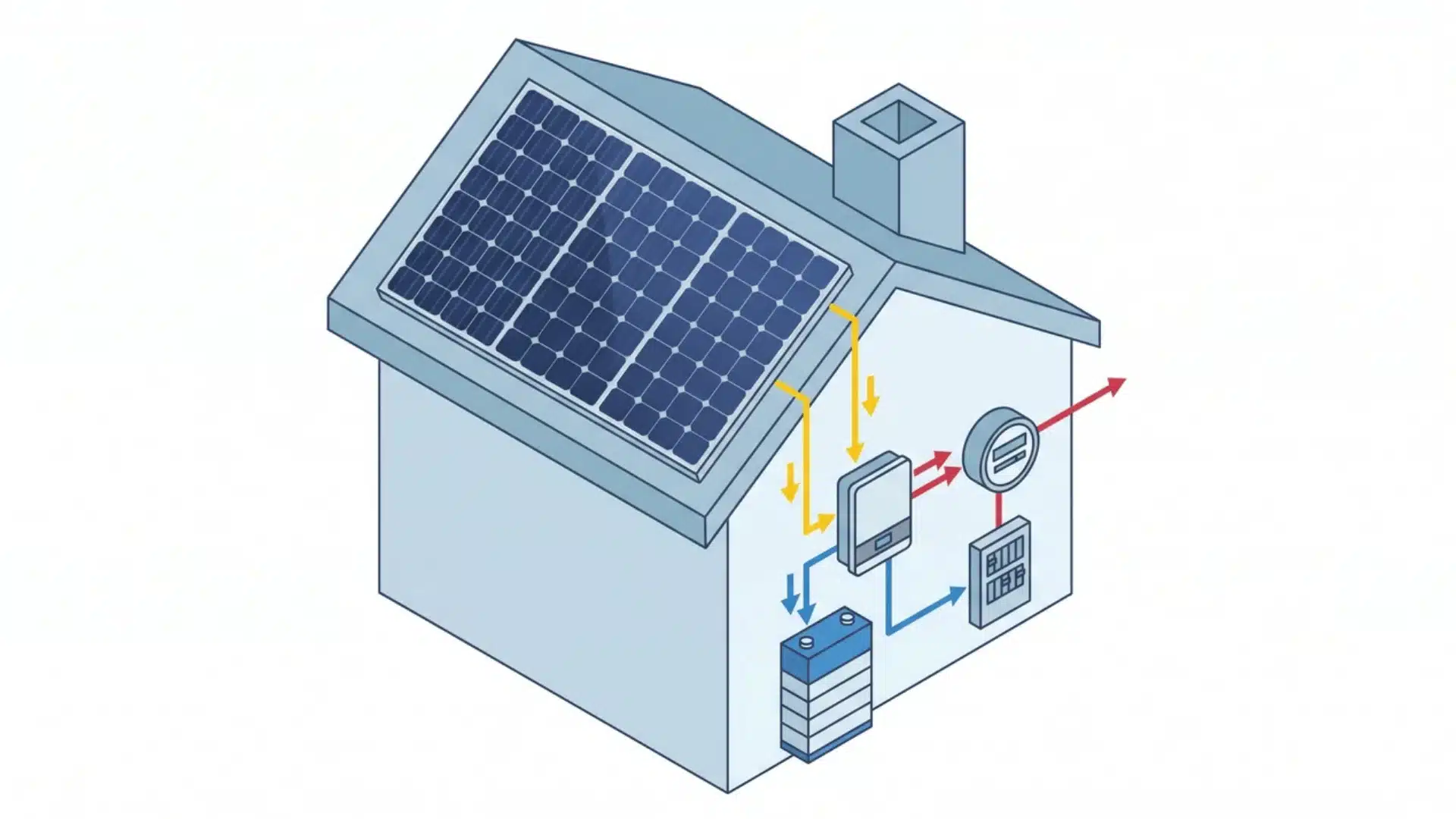
What Drives Your System Size
The industry average for an Arizona home is a 13.8-kW system, priced at around $29,600 before incentives. That figure comes from real installation data, but it describes a midpoint, not your home.
System size is calculated from your actual electricity consumption.
A 1,500-sq-ft home without a pool might need 9–10 kW. A 3,000 sq ft home running central air and a pool heater could need 16 kW or more.
Roof orientation matters too. South-facing panels produce more than east- or west-facing ones. Shading from trees or neighboring structures further reduces output.
Your utility also plays a role. APS and SRP structure their rates differently. An installer sizing your system without pulling your actual bills is guessing.
Why Installer Quotes Vary
The going rate in Arizona runs roughly $2.00 to $3.10 per watt installed. That $1.10 spread isn’t random, it reflects three real differences.
Equipment tier is the first.
Monocrystalline panels cost more than standard models but convert sunlight more efficiently. Bifacial panels capture light from both sides and can outperform standard panels on reflective surfaces such as gravel or concrete, which are common in Arizona yards, one of several reasons solar panels in Arizona often perform differently than the same hardware would in a cooler, cloudier state.
Inverter type is the second.
String inverters are cheaper upfront. Microinverters cost more but optimize each panel independently, which matters if any part of your roof gets partial shade.
Installer overhead is the third.
A large national company carries higher operating costs than a local Arizona installer. Both can do good work. The price difference doesn’t always reflect quality.
When two quotes differ by $4,000 or $5,000, ask which of these three factors explains the gap. If the installer can’t tell you, that’s the answer.
Arizona Solar Incentives: How They Stack
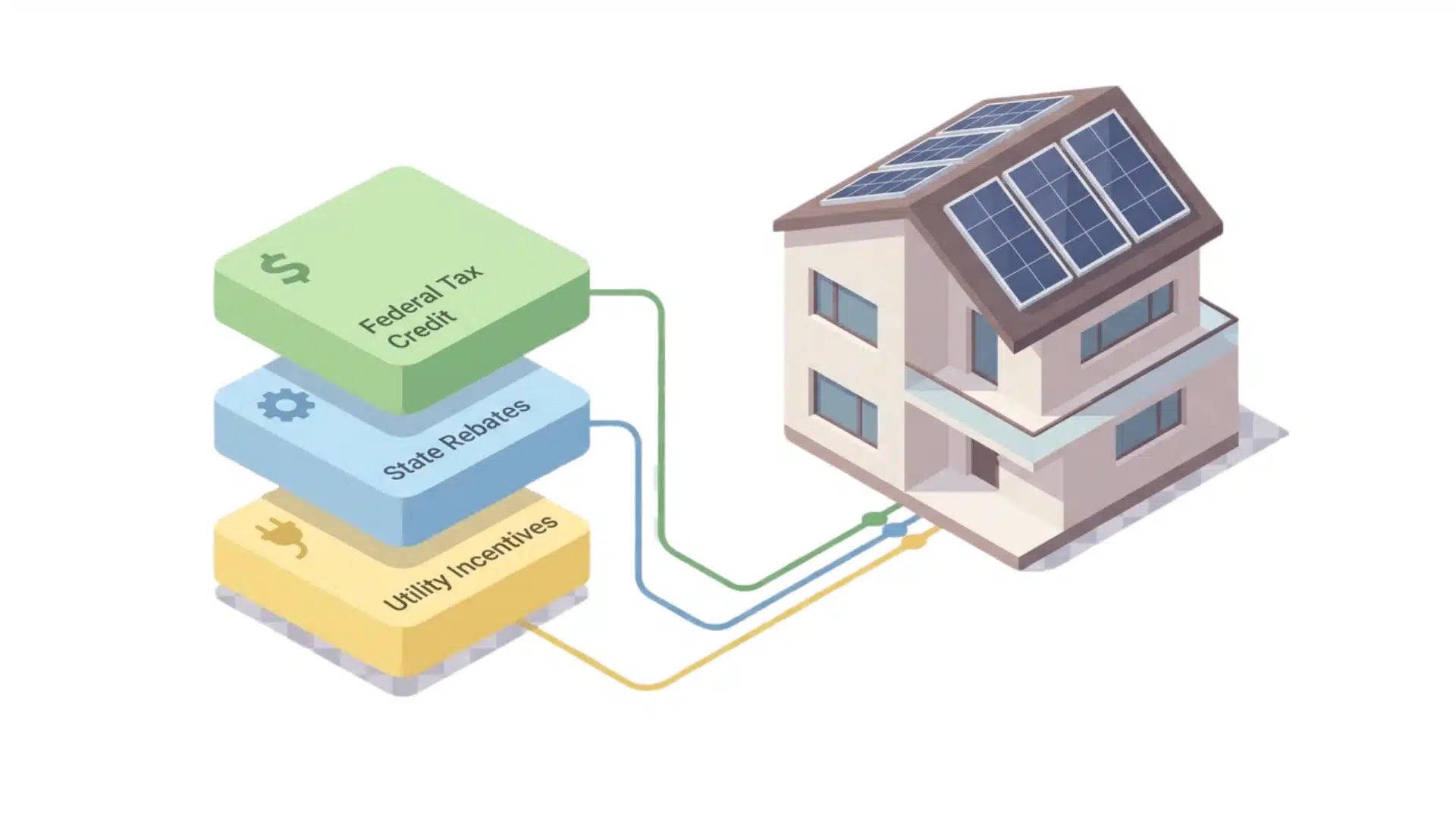
See, thing is, people know that incentives exist. But only a handful know how they actually layer together, and that’s where the real savings show up.
The Federal Solar Tax Credit: How to Claim It
The 30% federal solar tax credit no longer applies if you buy or finance your system. The Residential Clean Energy Credit ended for any residential solar expenditure made after December 31, 2025, with no phase-down. On a $29,600 system bought or financed in 2026, there’s no federal credit; that $8,880 figure is gone.
The credit still exists, just not for you directly. On a lease or PPA, the company that owns the system claims the 30% commercial credit and typically passes part of it through as a lower monthly rate. You never file for it yourself.
That shifts the math. If claiming a federal credit matters to your decision, ownership no longer has the edge it used to; leasing does.
State and Local Exemptions
Arizona stacks its own incentives on top of the federal credit. Each one works differently, and they don’t all scale the way the percentage suggests.
The state income tax credit may seem large at 25%, but it caps out at $1,000. That limit changes the outcome fast. On a $29,600 system, the math would suggest $7,400, but the cap stops it at $1,000.
The sales tax exemption exempts qualifying solar equipment from Arizona’s ~5.6% tax. On a typical install, that saves around $1,200 upfront.
The property tax exemption works differently. It prevents the added home value from increasing your property tax bill. Your home value goes up on paper, but your annual tax cost stays flat.
Here’s how it typically stacks on an average Arizona system:
| Incentive | Value |
|---|---|
| Federal tax credit (30%) | ~$8,880 |
| Arizona state tax credit (capped) | $1,000 |
| Sales tax exemption (~5.6%) | ~$1,200 |
| Total first-year incentive value | ~$11,080 |
That brings the effective upfront cost on a $29,600 system down to roughly $18,500 before financing enters the picture.
Note: These figures shift when tax rules change or caps get adjusted, so it’s worth confirming current rates before filing.
Buying vs. Leasing vs. PPA: Which Makes Sense for You
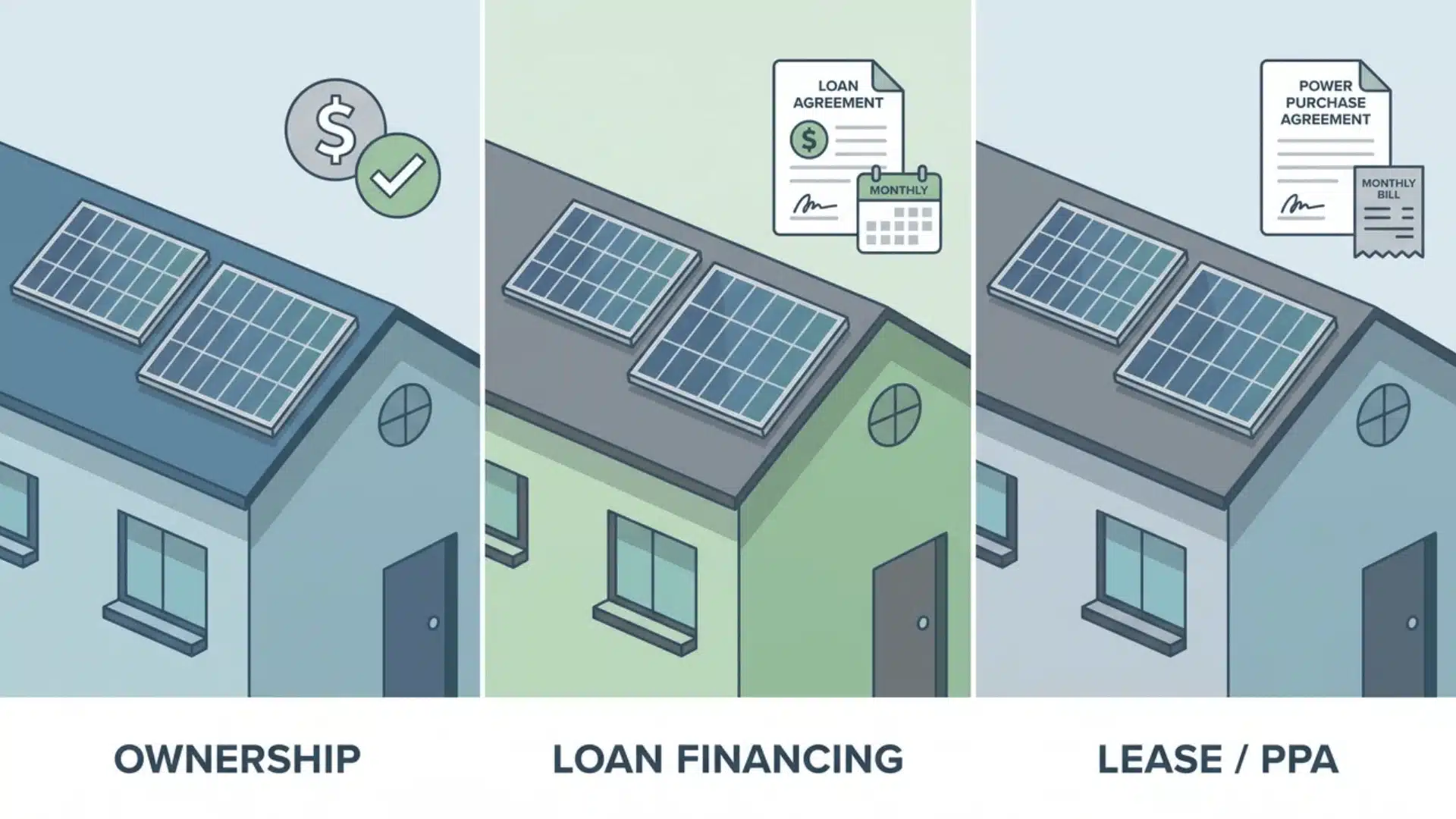
There are three main solar options in Arizona. The real difference comes down to ownership, incentives, and long-term value.
Here’s how each option compares side by side:
| Factor | Buying Outright | Solar Loan | Lease / PPA |
|---|---|---|---|
| Ownership | You fully own the system | You own the system | The solar company owns it |
| Upfront cost | High upfront or financed | Low upfront | Usually $0 upfront |
| Federal tax credit | You claim it | You claim it | The company claims it |
| State incentives | You claim them | You claim them | The company claims them |
| Monthly cost | Lowest long-term cost after payback | Loan payment + reduced bill | Fixed monthly payment |
| Maintenance | Your responsibility | Your responsibility | Covered by the provider |
| Best fit | Long-term homeowners with tax liability | Homeowners who want ownership without an upfront cost | Low tax liability or short-term stay |
| Home sale impact | Simple transfer | Simple transfer | Lease transfer or buyout needed |
Buying or financing keeps the incentives in your hands. That’s where most of the long-term value sits. A lease or PPA shifts value to lower upfront stress and simpler maintenance. But it also shifts incentives away from you.
The real deciding factor is simple. If you can use the tax credit, ownership usually wins. If you cannot, leasing starts to make more sense.
What Arizona Homeowners Actually Save, and How Long Payback Takes
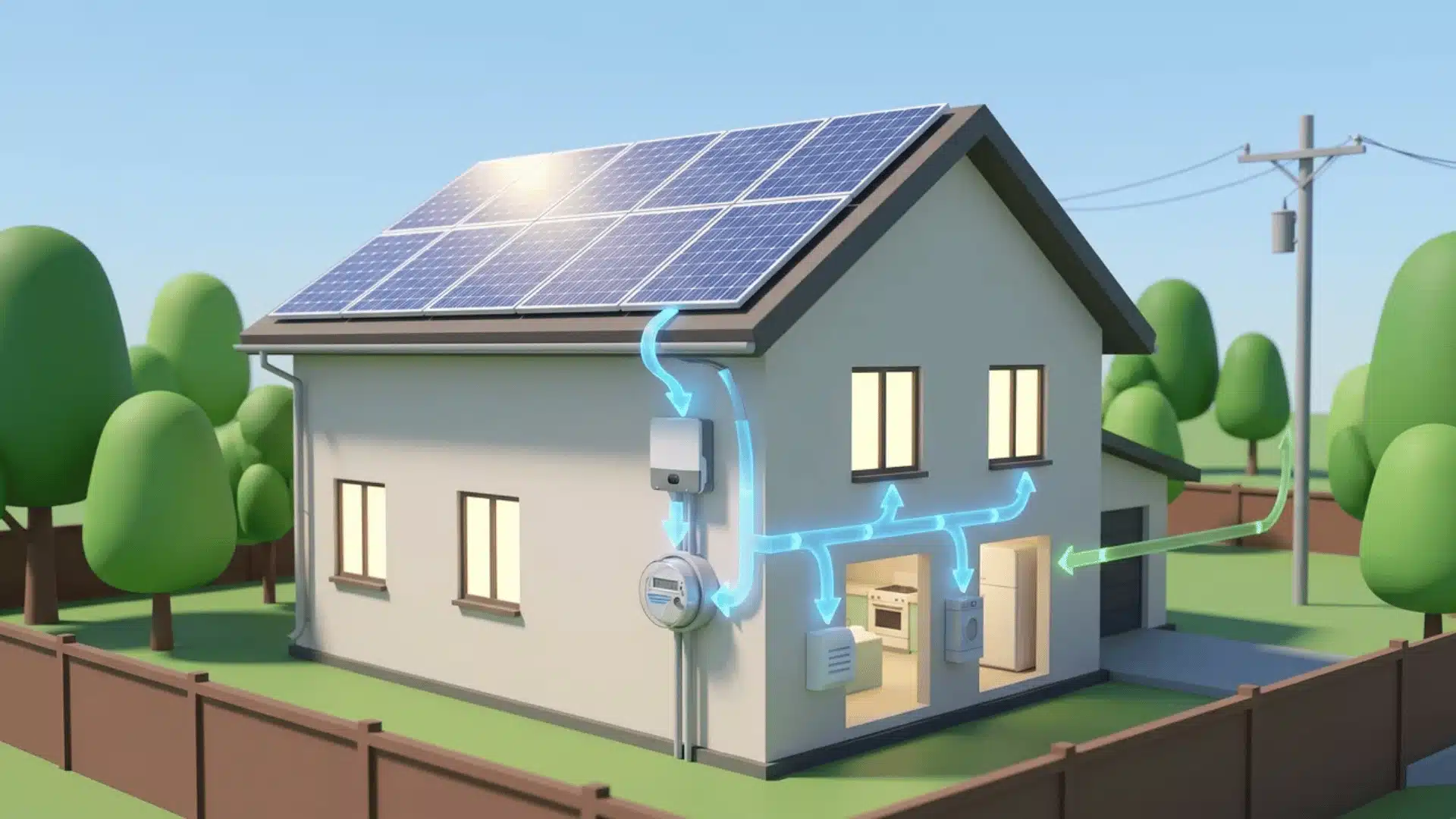
The $65,000 lifetime savings figure is often quoted. It’s not wrong. But it rests on assumptions worth understanding before you use it to make a decision.
That number typically models a 25-year system lifespan with utility rates rising around 3% annually. If your utility raises rates faster, which both APS and SRP have done in recent years, the savings grow. If the rate increases slowly, they shrink. The figure is a projection, not a guarantee.
Ground-Level Math on Solar in Arizona
Here’s how the numbers usually play out for a typical homeowner once incentives and real usage get factored in.
- Effective system cost: After incentives, most Arizona homeowners’ total system cost is around ~ $18,500.
- Annual bill savings: A properly sized system typically cuts $1,500 to $2,200 per year from electricity bills, depending on usage, utility provider, and how much of the home is offset.
- Payback period: That puts break-even somewhere between 7 and 11 years, not a fixed number. It shifts based on utility rates, household consumption changes, and long-term price increases.
- Export credit system: Arizona uses net billing rather than full net metering. That changes how excess energy is valued.
- Exported power value: Electricity sent back to the grid is credited at a lower rate than what you pay to pull power from it. That gap reduces returns from oversizing a system for export.
- System sizing reality: The strongest financial outcome usually comes from matching system size to actual household usage, rather than designing it to export excess power to the grid.
- Long-term outcome: A well-sized system can realistically pay itself back more than once over a 25-year lifespan, but only when it’s aligned with consumption from the start.
Final Take
Solar in Arizona works when the system matches your home, your usage, and your long-term plans. The numbers stay consistent when sizing is done right.
The real difference comes from understanding incentives, payback timing, and how your utility credits excess energy. That’s where most decisions are won or lost.
If you’re thinking about going solar, start with your latest bill and get a proper system size estimate before you compare quotes.
Frequently Asked Questions
How much do solar panels cost in Arizona after incentives?
On a typical 13.8 kW system priced around $29,600, the federal tax credit saves roughly $8,880, the state credit adds $1,000, and the sales tax exemption saves around $1,200. Most Arizona homeowners bring their effective out-of-pocket cost to approximately $18,500 after combining all three. Final numbers depend on your tax situation and system size.
Is Arizona a good state for solar panels?
It’s one of the best. Arizona averages 6.5 peak sun hours per day, well above the national average of 4 to 4.5. That higher irradiance means panels here generate more power per installed watt than in most states. Shorter payback timelines and stronger lifetime returns follow directly from that.
What is net billing, and how does it affect my solar savings in Arizona?
Net billing is Arizona’s current policy for crediting excess solar power sent to the grid. Unlike with full net metering, exported electricity is credited at a rate below the retail rate you pay to import power. Sizing your system to offset your own usage rather than overproducing for export gives you a better return under this framework.
How long does it take for solar panels to pay for themselves in Arizona?
For most homeowners, buying outright or financing, payback falls between seven and eleven years after incentives. The range shifts based on your utility, monthly consumption, and how rates move over time. A single payback figure without those inputs is a guess; your installer should be able to model it from your actual bills.