
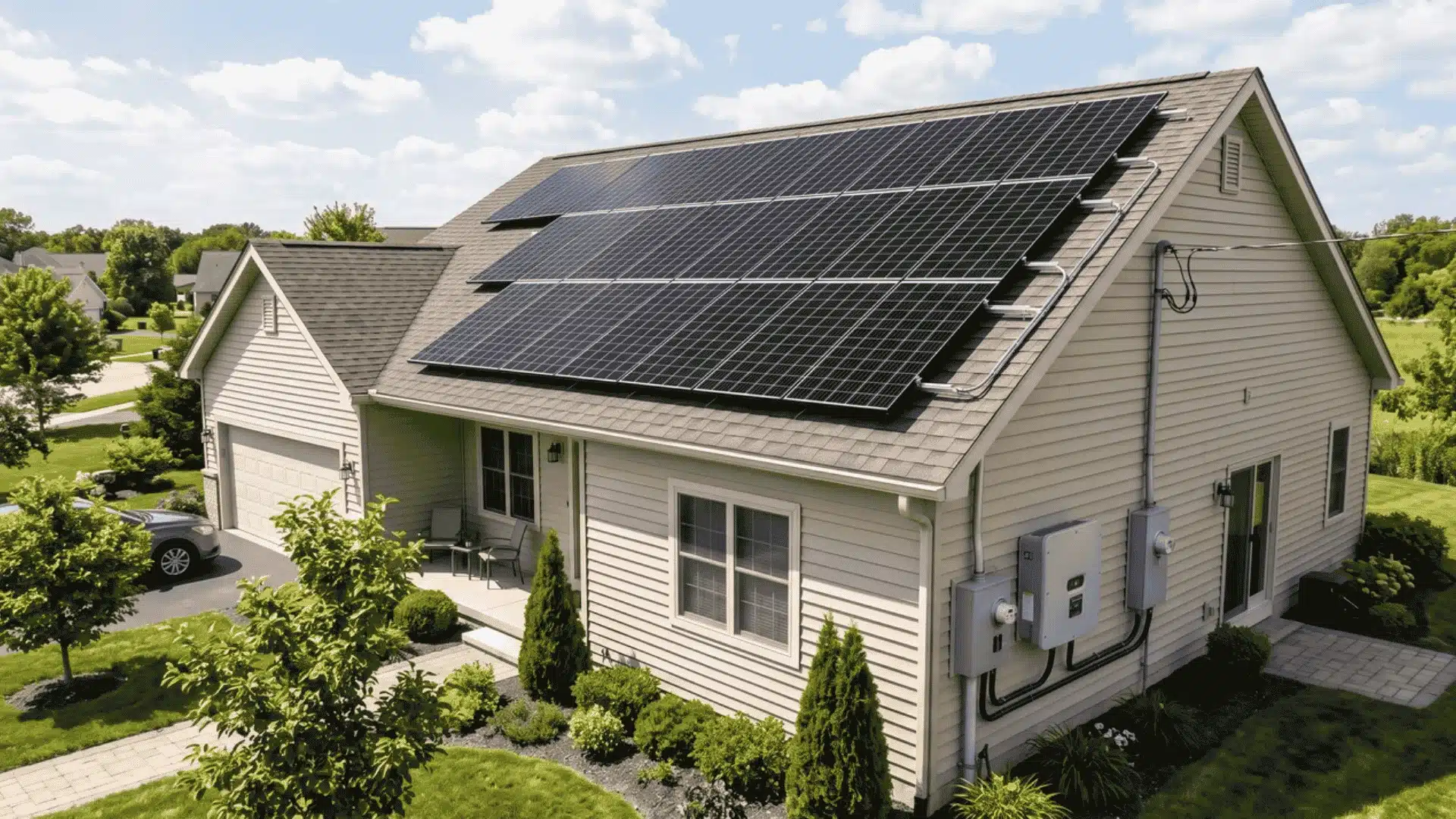

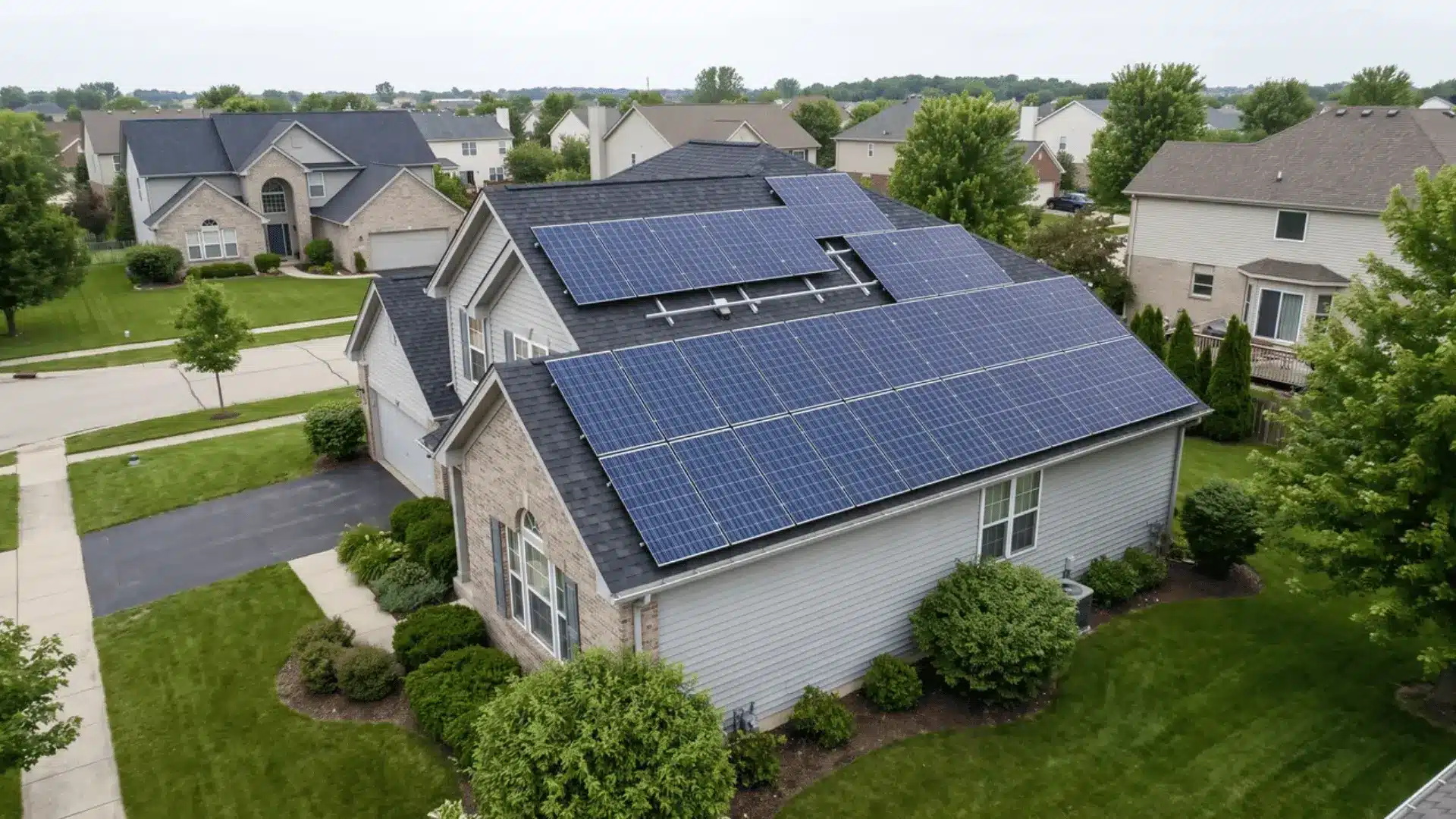
Solar energy is often associated with the panels people see on rooftops, but the visible panels are only one part of the system that makes solar power usable.
When I first started looking into solar technology, I found it easy to focus only on the panels and overlook the electrical equipment working behind them. Understanding the full setup makes it much easier to see how solar power actually reaches a home or building.
A PV system has multiple components working together, and the way those parts are arranged changes depending on whether the goal is grid connection, energy storage, or complete independence.
What Is a PV System?
A PV system is a complete electrical setup that converts sunlight into usable electricity. It includes the equipment needed to capture solar energy, convert it into electrical power, and deliver that power to where it is needed.
A PV system is not the same thing as a solar panel. The panel is only one part of the complete system, which can be used in residential homes, commercial buildings, and large utility-scale solar projects.
The term “PV” stands for photovoltaic, referring to the process that allows solar cells to convert light energy into electrical energy.
What Does a PV System Include?
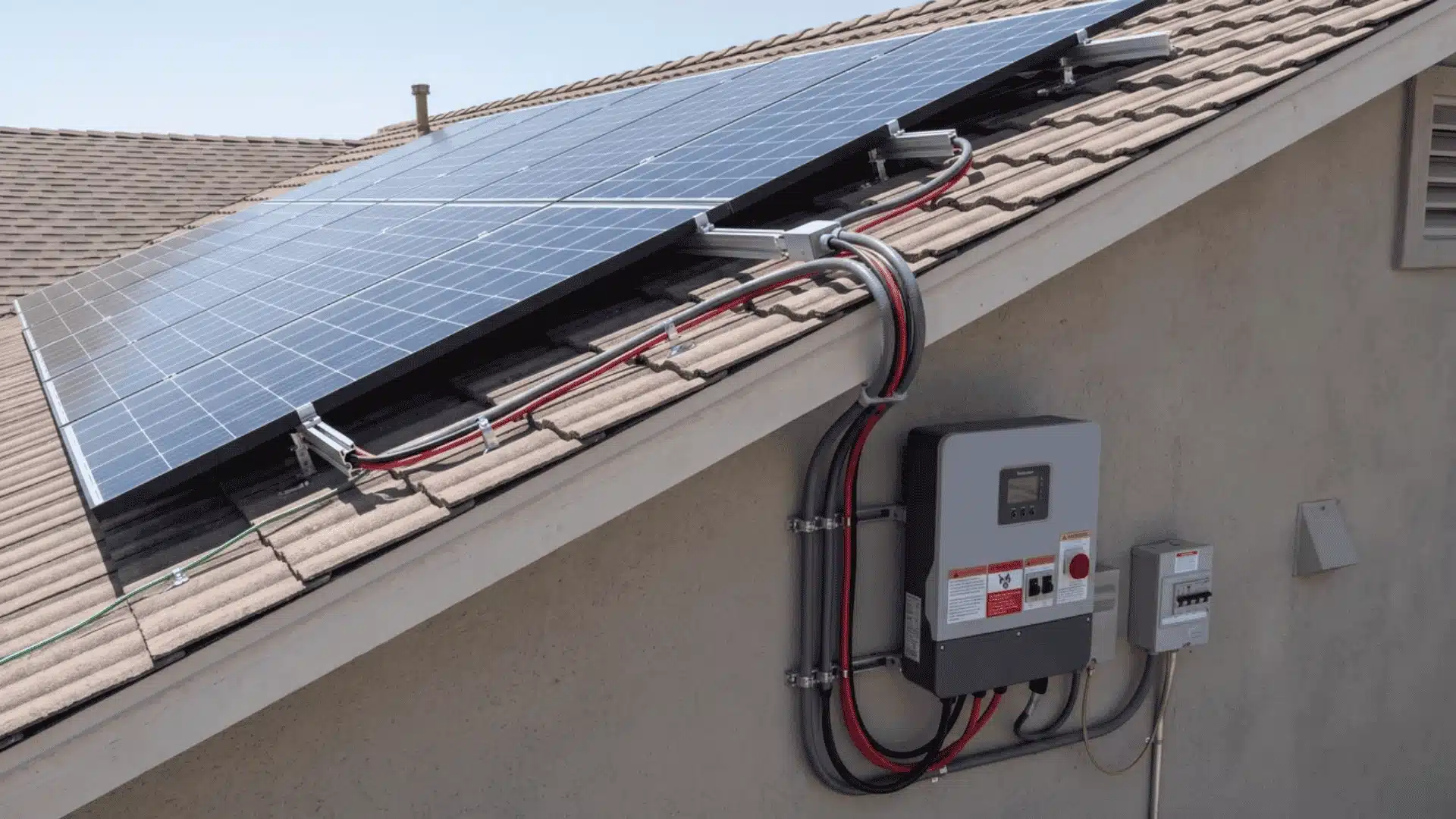
A PV system has a fixed group of core components, while additional parts are added depending on whether the system needs storage, backup power, or greater energy control.
A simple grid-tied home system needs only the core equipment; a system built for off-grid use adds more.
Core Components
Solar panels: Solar panels contain photovoltaic cells that capture sunlight and convert it into direct current (DC) electricity. The performance of these cells depends on factors like solar cell efficiency, which measures how effectively sunlight is converted into electrical energy.
Inverter: The inverter converts the DC electricity produced by the panels into alternating current (AC) electricity that homes, businesses, and the electrical grid can use.
Mounting and racking: Physical support structures that hold the panels in place at the correct angle for consistent sun exposure. A well-designed racking system keeps the array stable through high winds, heavy snow loads, and years of weather cycles.
Cabling and electrical connections: Every component in a PV system is linked by wiring rated to carry the voltages and currents involved. Properly sized cables minimize energy loss in transit and prevent overheating at connection points.
These parts are present in every PV system because they perform the basic functions required to generate and deliver electricity.
Optional Components
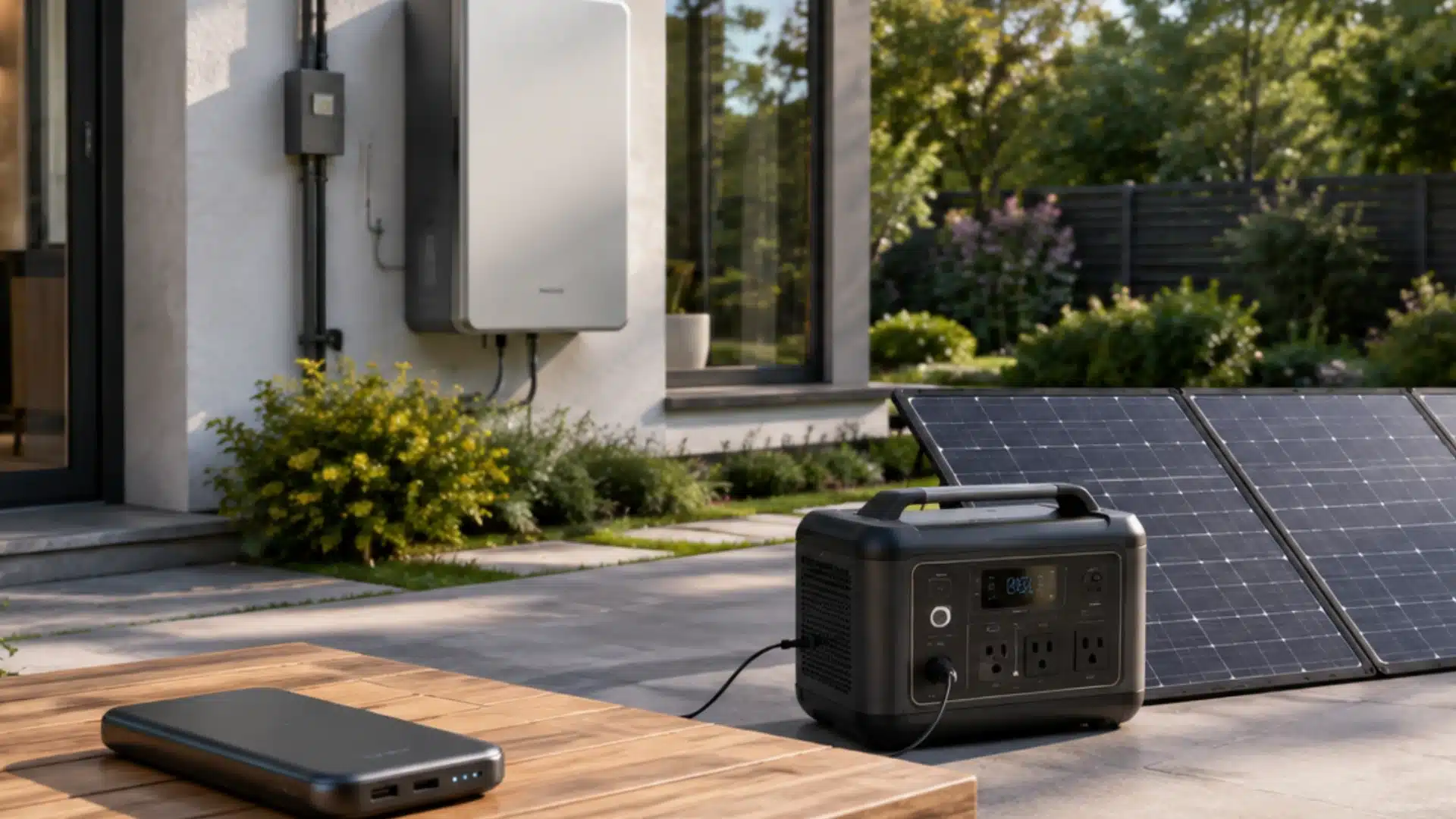
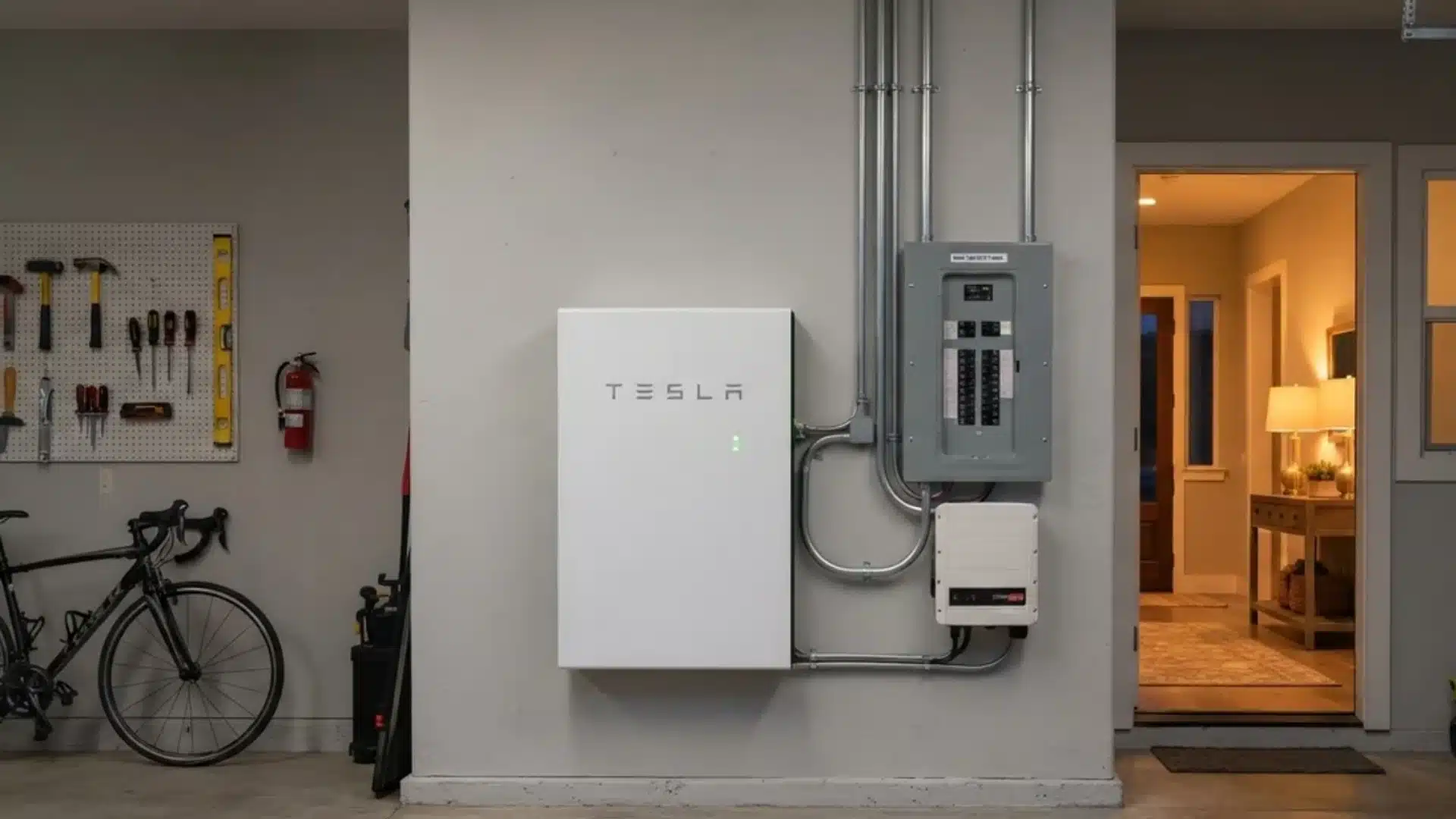
Batteries: Batteries store extra electricity produced during the day so it can be used later. Batteries make sense when backup power or energy independence is the goal, not as a standard requirement for every system.
Charge controllers: These regulate power flow between solar panels and batteries in systems that include energy storage. Without one, repeated overcharging or deep discharge degrades battery cells faster. In practice, it can cut usable battery lifespan by half or more.
Solar trackers: Trackers adjust panel positioning to follow the sun’s movement. Solar trackers show up most often in commercial and utility-scale solar farms, where the added output justifies the higher equipment and maintenance cost.
Monitoring and photovoltaic software: Some PV systems use photovoltaic software to monitor energy production, track system performance, detect issues, and analyze operational data. This software does not generate electricity but helps users understand how the system is performing.
Battery storage is one of the most misunderstood parts of solar systems. People often assume a solar setup automatically keeps producing power during an outage, but that only happens when storage and the right backup equipment are included.
How Does a PV System Generate Electricity?
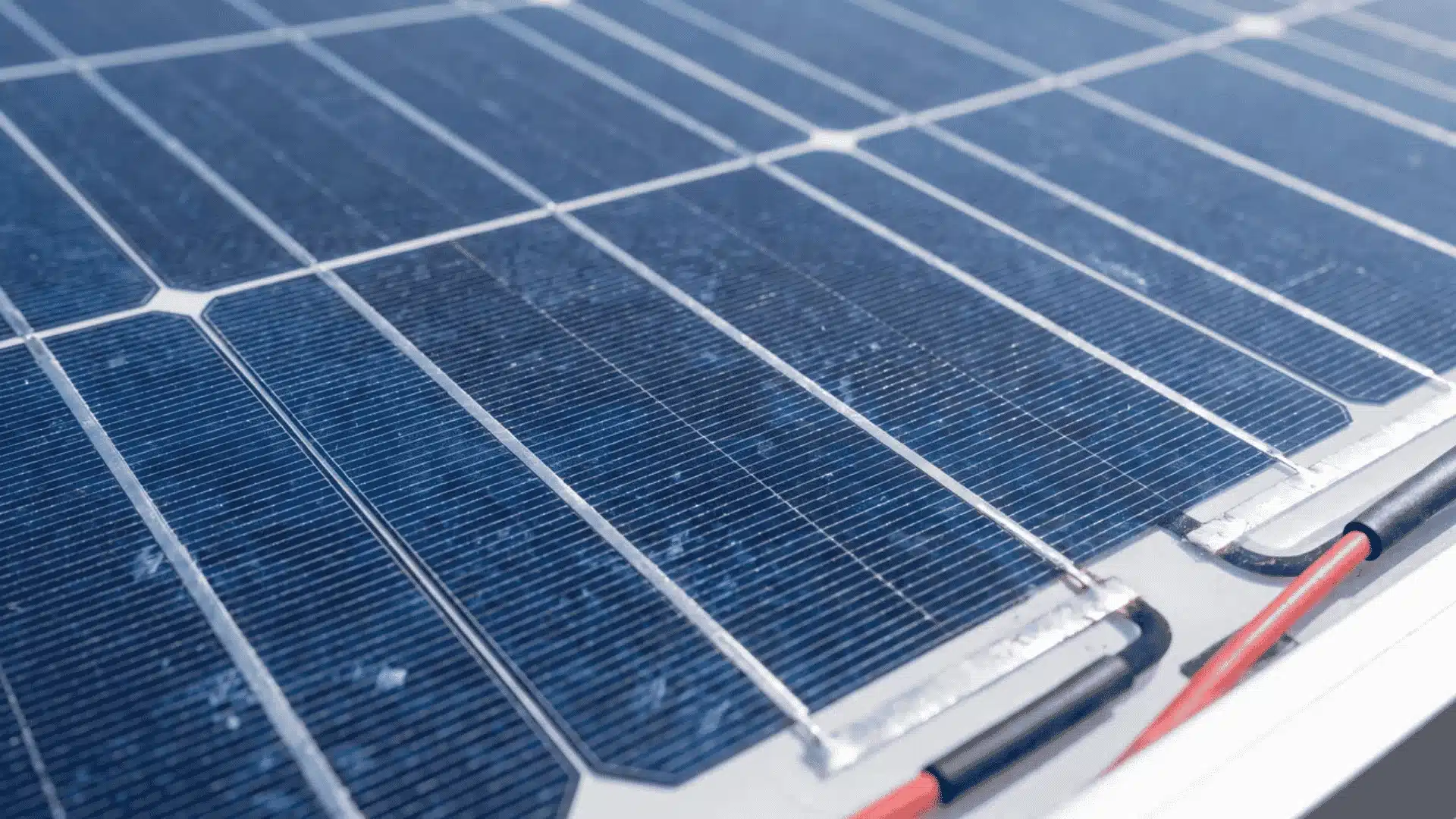
A PV system follows a fixed sequence that starts with the photovoltaic effect and ends with usable AC electricity for appliances, buildings, or the grid.
When sunlight reaches photovoltaic cells inside a solar panel, the energy from the light excites electrons in the semiconductor material, typically silicon, that the cells are made from.
When enough of those electrons break free and migrate toward the cell’s surface, their movement creates an electrical flow. That flow is direct current (DC) electricity.
The electricity produced by solar cells is naturally DC because the movement of electrons happens in one direction. However, most homes and electrical grids operate using alternating current (AC), where the direction of electrical flow changes repeatedly.
This is why the inverter is necessary. It converts the DC electricity from the panels into AC electricity that standard electrical systems can use.
In systems with batteries, some of the DC electricity may be stored before reaching the inverter. The battery stores the energy when production is higher than demand and releases it later when power is needed.
The complete chain is sunlight → photovoltaic effect → DC electricity → inverter conversion → usable AC power.
What a PV System is Not
A typical PV system does not automatically include batteries, and it is not automatically a backup power system that works during outages.
Most residential PV systems are grid-tied, meaning they remain connected to the utility network instead of storing all generated electricity locally.
A system without batteries can still generate electricity during daylight hours, but it usually cannot provide power during a grid outage unless additional storage or backup equipment has been installed.
Batteries are an optional addition for specific needs, such as solar battery storage, backup power, remote operation, or reducing reliance on the grid.
What Are the Main Types of PV Systems?
The three main PV system types are grid-tied, off-grid, and hybrid. The difference between them comes down to two factors: whether the system connects to the utility grid and whether it includes energy storage.
Each type solves a different energy need, so the right choice depends on whether the priority is grid access, independence, or a combination of both.
Grid-Tied Systems
For most people, a grid-tied system is the natural starting point; the utility grid handles backup supply, which keeps the setup simple and the upfront cost lower.
During periods of sunlight, the system can supply electricity directly to the building and send excess power back to the grid. When solar production is low, the building can draw electricity from the utility network.
In most grid-tied setups, this two-way exchange works through a billing arrangement called net metering. When the system sends more electricity to the grid than the building is using, the utility company issues a credit for that amount.
Those credits offset the cost of grid electricity drawn at night or during low-production periods, which is one of the main reasons grid-tied systems are cost-effective even without battery storage.
These systems usually do not require batteries because the grid acts as the backup source.
Off-Grid Systems
Where grid access isn’t available or where the goal is complete energy independence, off-grid systems provide power with no utility connection at all.
Because there is no external power source available, these systems require battery storage to provide electricity when sunlight is unavailable, such as at night or during cloudy periods.
They provide independence but require more planning around energy storage and usage.
Hybrid Systems
A hybrid system closes the gap between the two: still connected to the grid, but with battery storage that takes over when solar production drops or an outage occurs. They allow users to remain connected to the utility network while also storing excess solar energy.
This setup provides more flexibility than a standard grid-tied system because stored energy can be used when solar production drops or when backup power is needed.
Hybrid systems are often chosen when users want some level of energy independence without completely disconnecting from the grid.
Wrapping Up
Learning how PV systems work changed the way I looked at solar energy. The panels are the most visible part, but the complete system depends on how different components work together.
The most useful way to understand solar technology is not by focusing on individual parts alone, but by seeing how each element contributes to the overall purpose of the system.
Once that relationship is clear, the differences between solar setups become much easier to understand and compare based on how they are designed to operate.
Frequently Asked Questions
What Is the Main Purpose of a PV System?
A PV system’s main purpose is to convert sunlight into usable electricity for a home, business, or the grid. Solar panels capture light energy and generate DC electricity, while the inverter converts it into AC power used by electrical systems and appliances.
Does Every PV System Include a Battery?
No. Most PV systems, especially grid-tied residential systems, do not include batteries by default. Batteries are optional components added for energy storage, backup power during outages, or full independence from the utility grid.
What Is the Difference Between Grid-Tied and Off-Grid PV Systems?
Grid-tied systems stay connected to the utility grid and can exchange electricity with it, while off-grid systems operate independently and rely on batteries for stored energy. The main difference is whether the system has access to the grid as a backup source.
Why Does a PV System Need an Inverter?
Solar panels generate direct current (DC) electricity, but homes and electrical grids use alternating current (AC). The inverter converts DC into AC, making the electricity usable for standard appliances and allowing it to connect with the grid.