

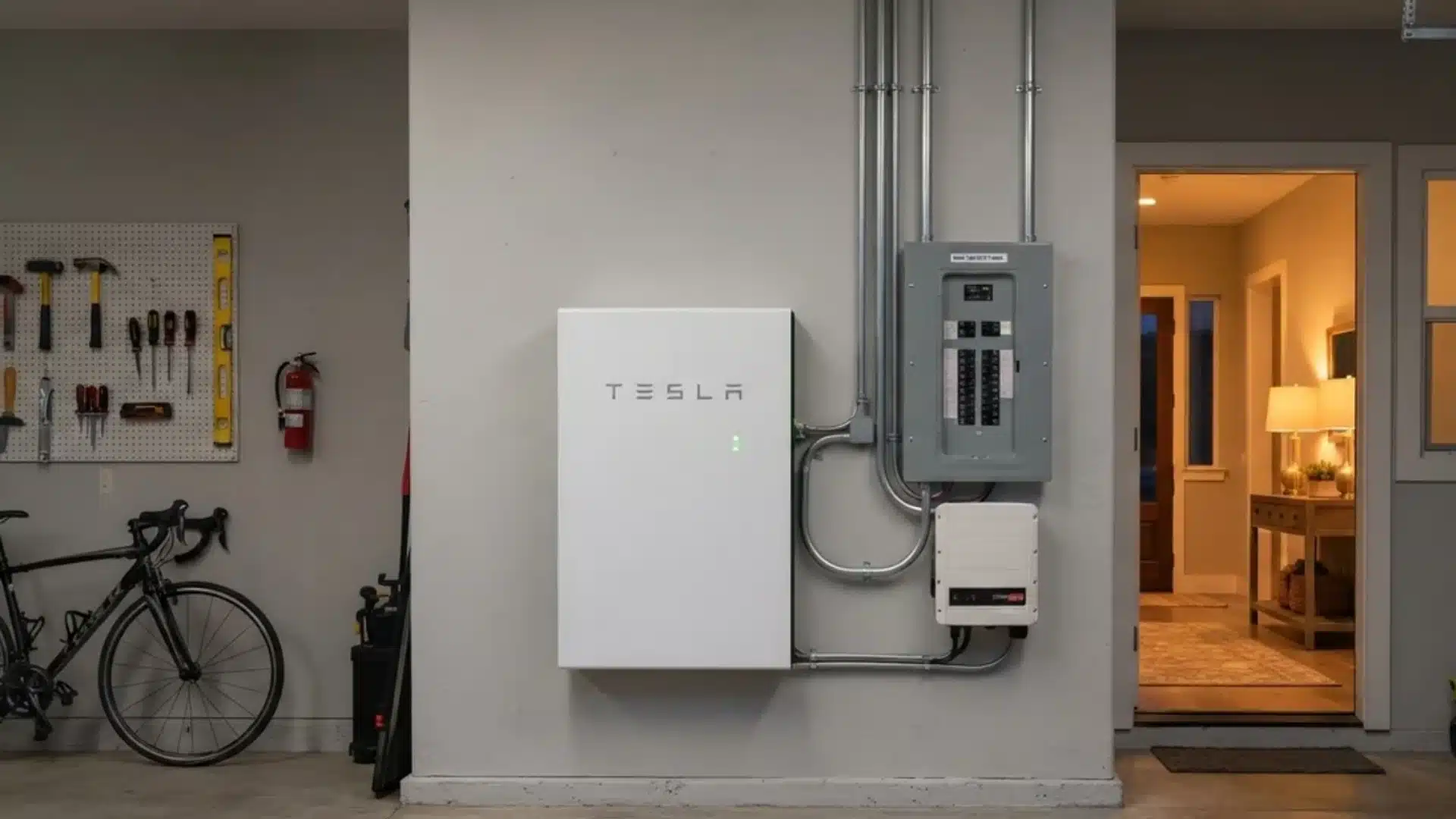
Solar buyers spend weeks comparing panel brands while orientation gets decided in a five-minute installer conversation, despite driving more variation in annual output than almost any other decision.
The best direction for solar panels depends on variables that default recommendations rarely account for, and two identical systems on neighbouring roofs can produce meaningfully different returns.
True south is a strong starting point, not a universal answer. Utility pricing, roof geometry, and daily consumption patterns each shift the optimal direction considerably.
The variables are straightforward once the logic behind each one is clearly understood before signing anything.
Why Direction Is the Single Biggest Variable in Solar Output?
Picture the sun tracing the same arc across your sky every single day, rising in the east and setting in the west, following a path fixed by your latitude.
Your panels’ direction, their azimuth, decides how many of those daylight hours they sit close to perpendicular with the sun, the position where they soak up the most direct light.
The best direction for solar panels is whatever points them toward the strongest stretch of that arc, capturing direct sunlight for the maximum hours possible. Point them away, and even premium panels catch weak, glancing light all day.
Tilt angle compounds this, though a wrong direction usually costs you less than a wrong tilt does.
The Hemisphere Rule: True South vs. Magnetic South
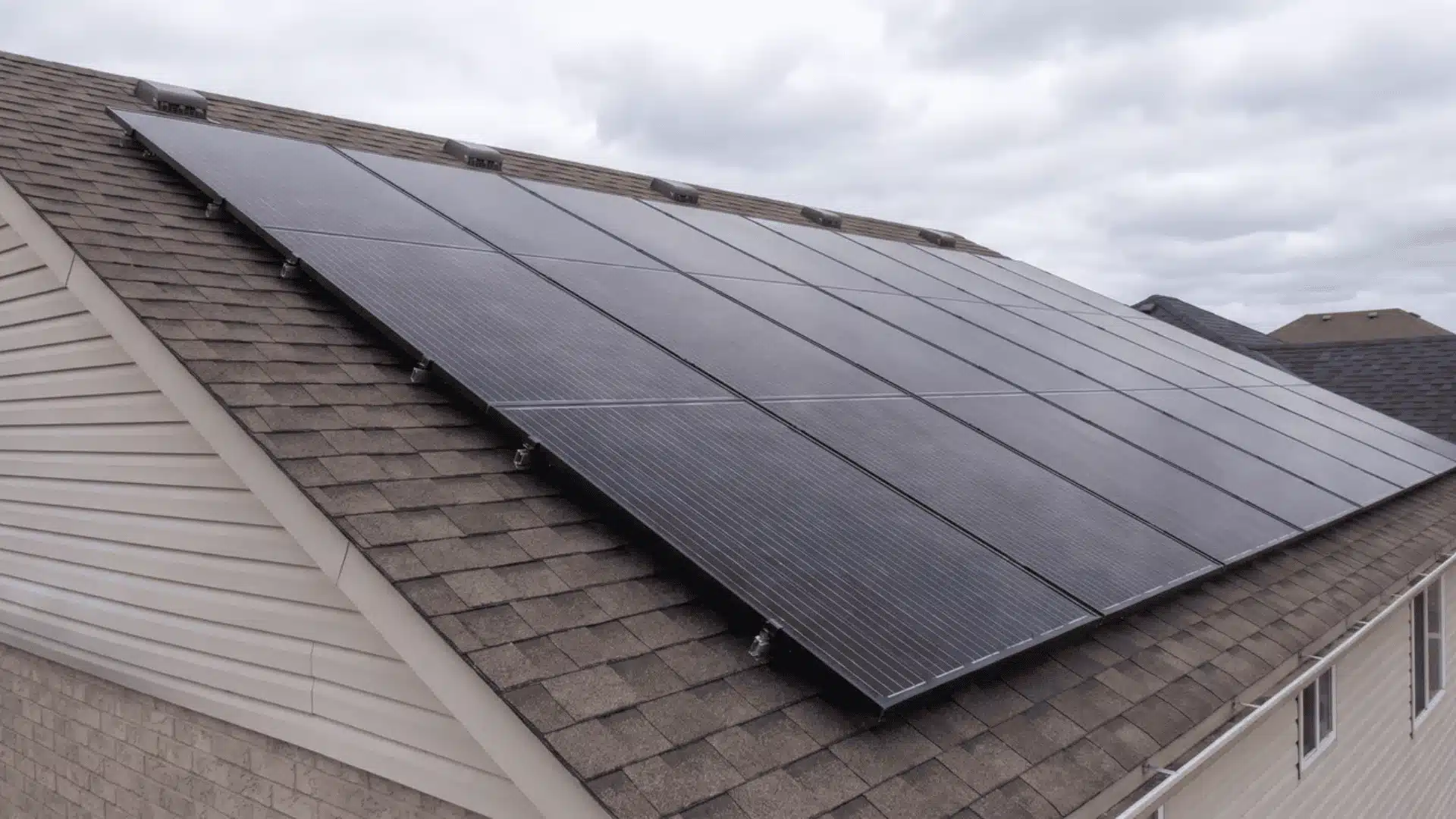
Which direction should solar panels face in the Northern Hemisphere comes down to one answer: true south, to follow the sun’s daily arc directly. South of the equator, aim for true north instead.
Most homeowners assume a compass settles this question. It doesn’t. Here’s exactly where the two differ and why it matters:
| True South | Magnetic South | |
|---|---|---|
| What it is | The geographic direction toward the South Pole | The direction a compass needle points |
| Used for | Solar panel alignment | Navigation |
| Why it matters | Maximizes sun exposure year-round | Has nothing to do with the sun’s path |
| How to find it | NOAA declination tool + compass correction | Any standard compass |
That gap between the two is called magnetic declination. It’s invisible, location-specific, and across the United States ranges from roughly 5 to 20 degrees. A 15-degree error sounds small until you watch it shave percentage points off your annual energy production.
| Region | Approximate Declination | Compass Behavior |
|---|---|---|
| Pacific Coast (CA, OR, WA) | 12–16° East | Points too far east |
| Mountain West (CO, UT, NV) | 8–12° East | Points too far east |
| Upper Midwest (MN, WI, MI) | 0–4° East | Near-zero error |
| Northeast (NY, MA, ME) | 12–16° West | Points too far west |
| Southeast (FL, GA, SC) | 4–8° West | Points too far west |
| Gulf Coast (TX, LA, MS) | 2–6° East | Minor eastward error |
NOAA’s free online tool gives your exact local declination. Look it up, apply the correction, and you’ve got true south. No guessing, no installer assumptions, no wasted output.
Matching Direction to When You Use Power?
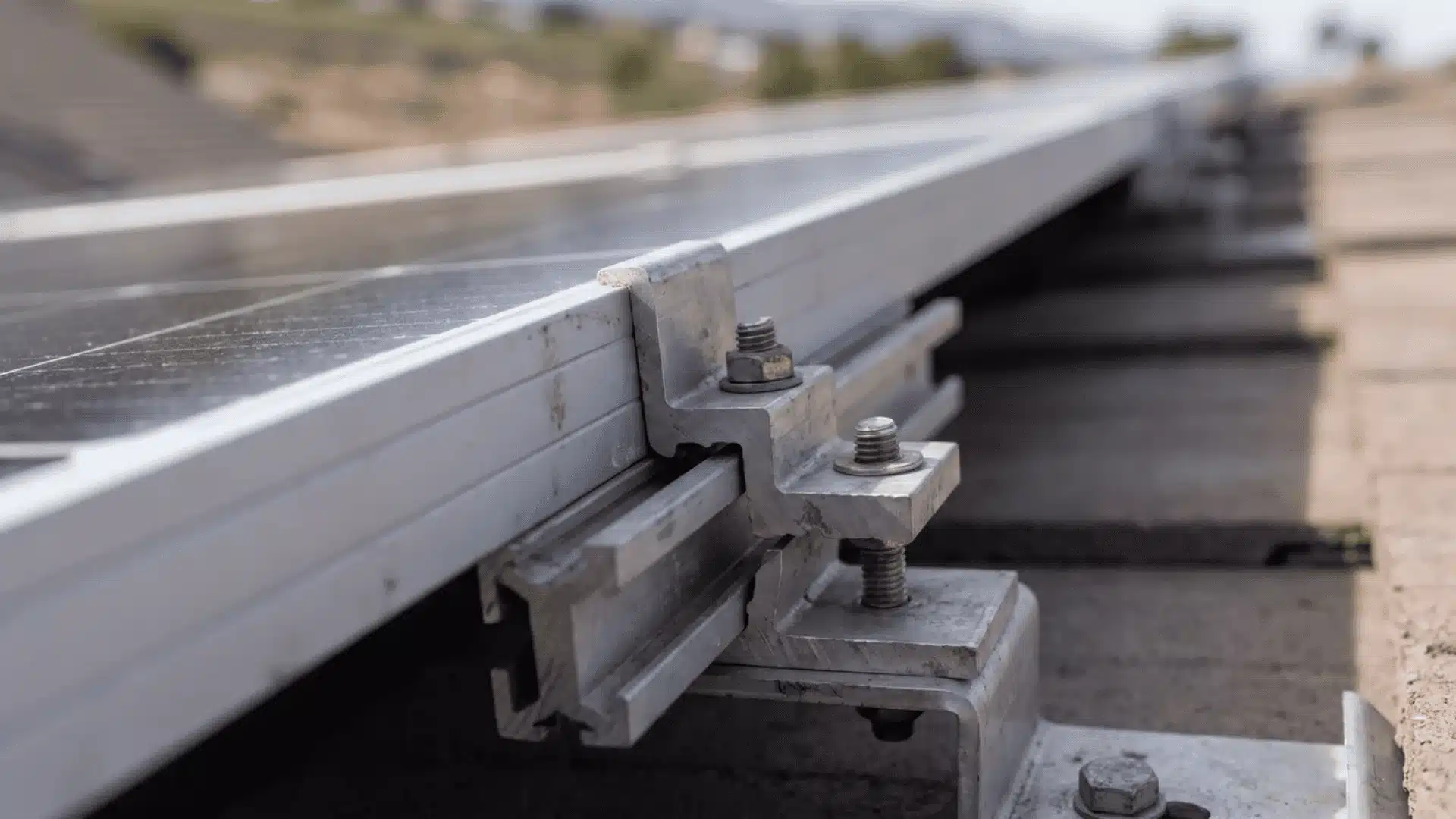
True south is the best direction for solar panels for maximizing total annual output, but that’s not the only number that matters. Time-of-Use utilities charge peak rates in the late afternoon and evening, when west-facing panels shine brightest.
A west-facing array can save you more money than a south-facing one, even producing fewer total kilowatt-hours annually. Check your utility’s rate schedule to see when your meter runs fastest.
East/West Split Roofs
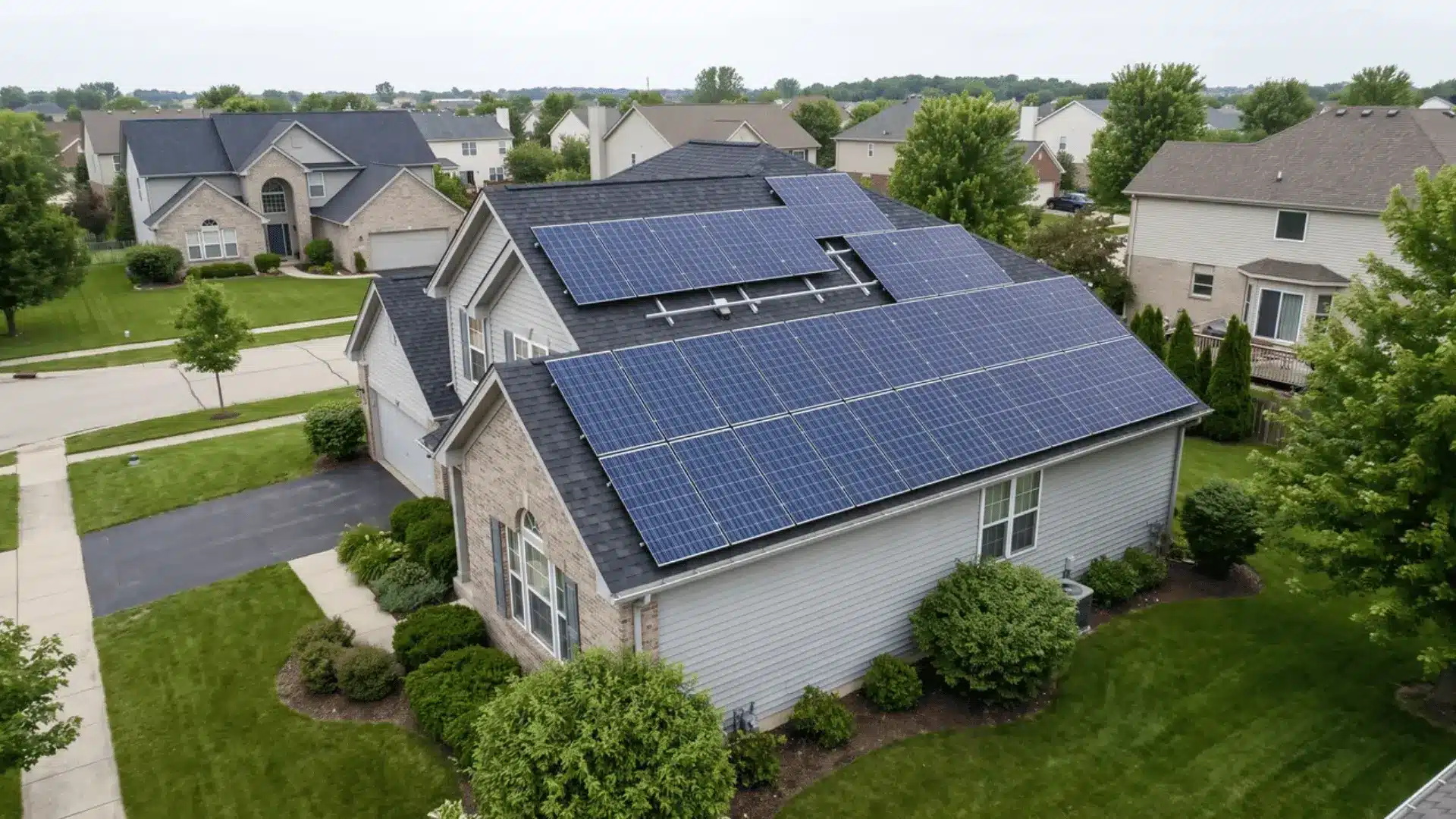
An east/west split roof is worth considering even without Time-of-Use pricing, because it solves a different problem entirely: smoothing your production curve across the whole day.
East-facing panels deliver strong output right after sunrise, covering morning routines like breakfast, laundry loads, and an overnight electric vehicle finishing its charge before you leave home.
West-facing panels take over as the afternoon progresses, covering air conditioning loads, evening cooking, and the household activity that typically peaks right before and after sunset.
Together, the two orientations produce a flatter, steadier curve across the day instead of one sharp midday spike that overshoots your usage and exports cheaply to the grid.
Homeowners with battery storage get less benefit from this split, since a battery already smooths your curve without needing two roof-facing directions to do it.
Matching your panels to how you actually use electricity, not just to a universal default, is often what separates a good solar install from a genuinely great one.
Does Battery Storage Change the Direction Decision?
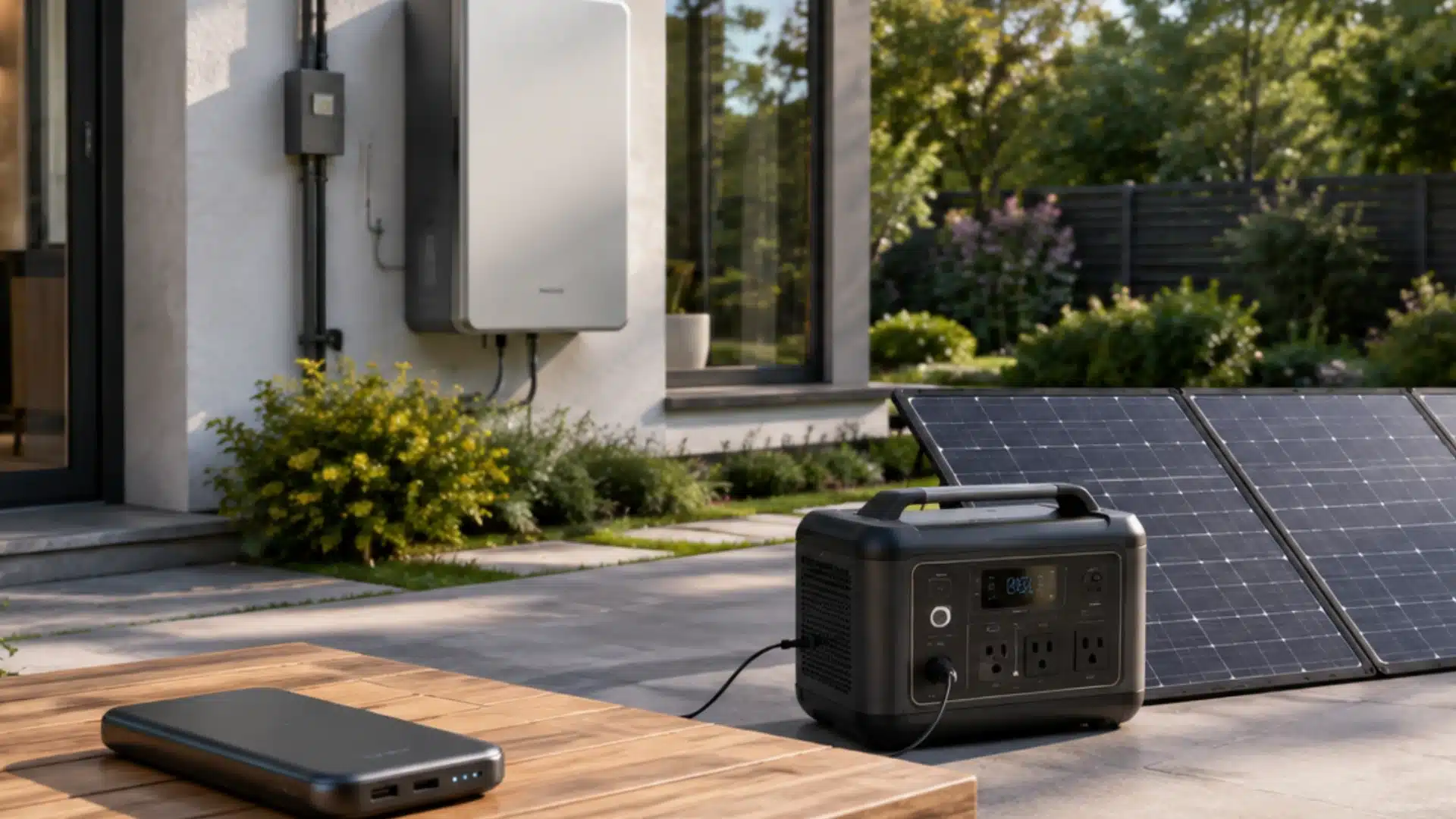
If you have battery storage, the timing argument for west or east-facing panels weakens considerably. Your battery absorbs midday south-facing output and discharges it during your evening peak automatically.
Undersized battery capacity means you still benefit from west-facing alignment during peak hours, since your battery empties before evening demand ends and the grid takes over.
Some grid export rates reward afternoon generation specifically, making west-facing panels more valuable even when paired with storage, depending entirely on your local utility’s export tariff structure.
No battery yet means direction is doing the work your future battery would otherwise handle, so choose your orientation with that eventual upgrade already in mind.
South-facing remains the strongest default even with storage installed, but your specific battery size and export tariff can shift that answer more than you’d expect.
North-Facing and Constrained Roofs: What Azimuth Costs You?
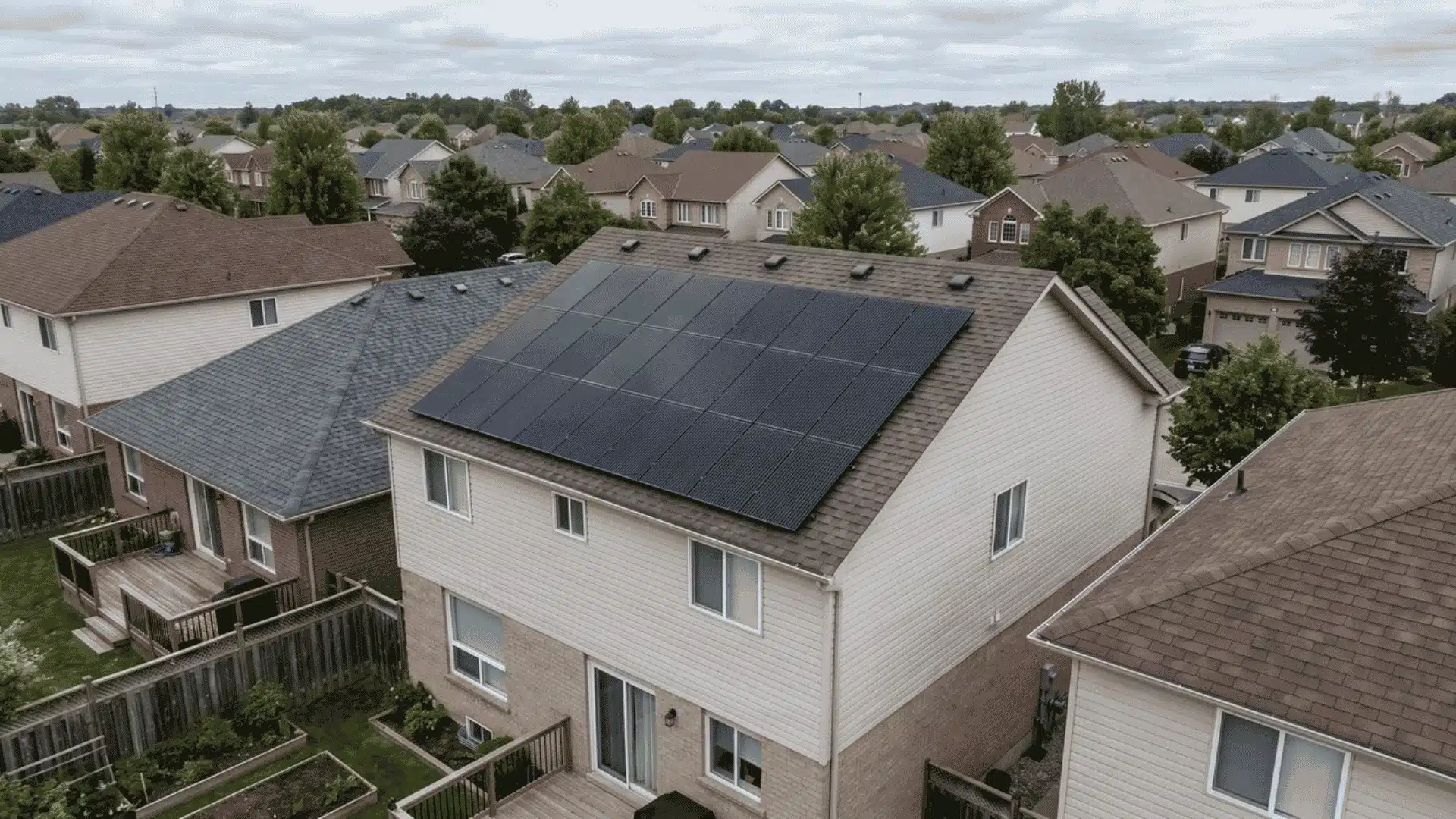
A north-facing roof in the Northern Hemisphere is the least favorable orientation for solar, typically reducing annual output somewhere between 15 and 30 percent compared to true south.
That loss isn’t fixed, though. How severe it gets for your specific roof depends heavily on two factors: your latitude and how steeply your roof is pitched.
| Latitude | Approximate North-Facing Output Loss |
|---|---|
| 25–30° (e.g. Florida, Texas) | 15–20% |
| 35–40° (e.g. Kansas, Virginia) | 20–25% |
| 45°+ (e.g. Minnesota, Maine) | 25–30% |
- The further north you are, the more a north-facing orientation hurts, because the sun’s arc sits lower and further toward the south relative to your roof.
- Your tilt angle can work for or against you here. A steep north-facing pitch makes the loss worse, while a low-slope roof leaves room to compensate.
Tilt-up racking can partially recover this loss, though whether it’s structurally viable depends on your roof, and getting the best angle for your solar panels is a separate optimization worth solving before you finalize direction.
A north-facing roof isn’t automatically a dealbreaker, but it does mean modeling your specific address carefully in PVWatts before ruling out solar or signing anything.
Finding Your Optimal Azimuth in PVWatts
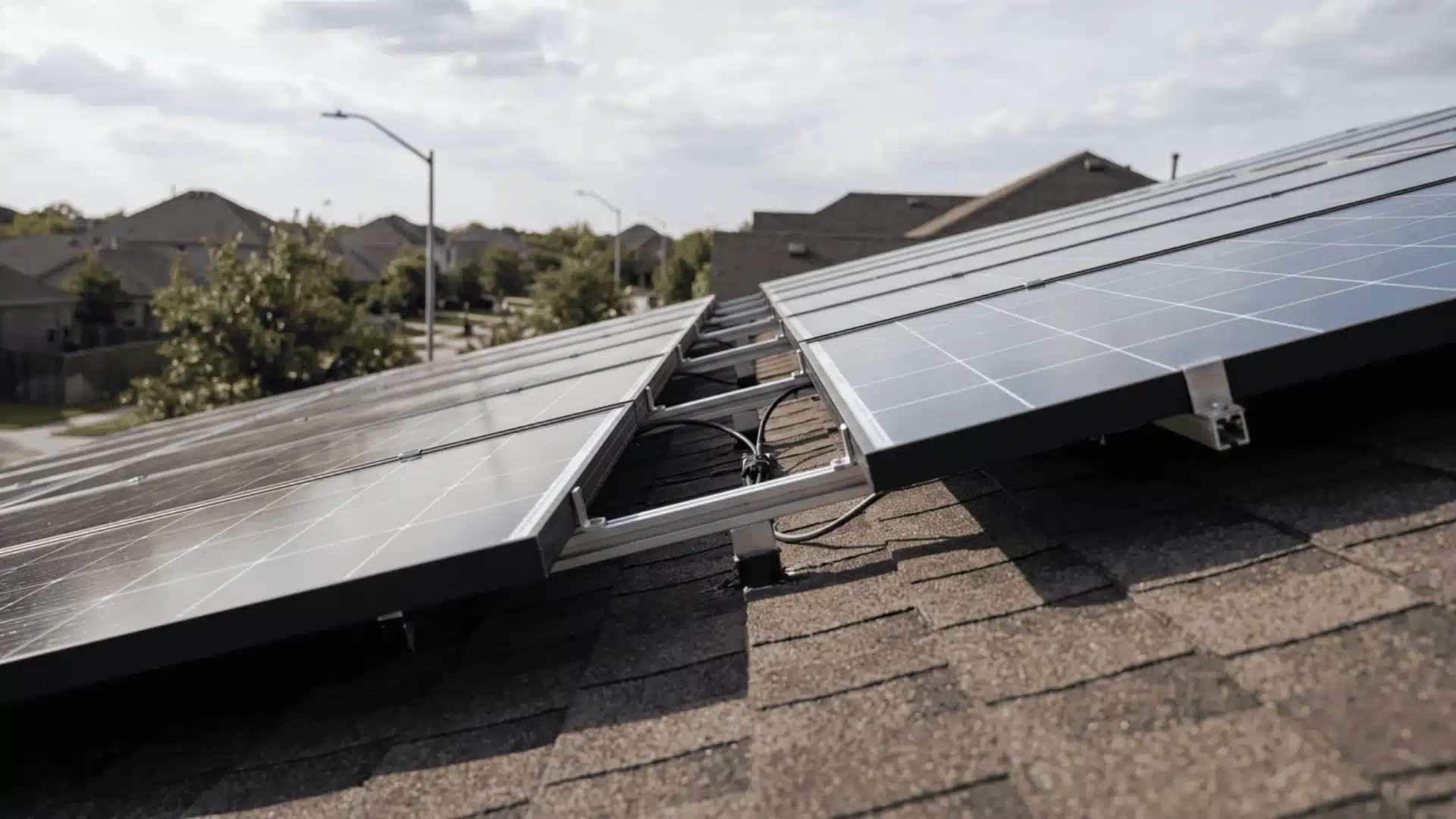
The U.S. Department of Energy’s PVWatts Calculator lets you model your roof’s exact orientation and compare it against true south, showing the real output difference in kilowatt-hours.
Most homeowners skip this and rely on installer recommendations alone. Think of it as a direction-by-zip-code calculator: enter your address, and it pulls your exact solar resource automatically.
- Location accepts your zip code or coordinates and sets your local solar resource, determining how much radiation your panels can realistically capture across the year.
- Array type controls whether your system is fixed or tracking. For nearly every residential roof, fixed tilt is the correct selection, so leave this one alone.
- Tilt sets your panel angle. Start with your latitude value as the baseline, then experiment with seasonal adjustments only after running your very first comparison scenario.
- Azimuth is the input to isolate and vary first. It controls panel direction in degrees, with 180 degrees representing true south in the Northern Hemisphere.
Run your actual roof azimuth first, then run a second scenario at exactly 180 degrees. The annual kilowatt-hour difference between both results is your real cost.
Knowing your own output numbers before speaking to an installer puts you in a stronger position than most homeowners ever reach during that five-minute rooftop conversation.
Conclusion
Your roof’s compass direction is quietly making one of the biggest financial decisions in your entire solar system, and most homeowners never even question it before signing.
True south is the best direction for solar panels as a starting point, not a universal rule. Your utility’s rate schedule, your roof’s pitch, and your daily habits can all shift the right answer.
Hemisphere, declination, time-of-use pricing, battery storage, roof constraints, none of these live in isolation. Together they decide whether your system just works, or actually pays you back.
Run your address through PVWatts, check your rate plan, and walk into your next installer conversation already knowing the numbers. That’s the real return on five minutes.
Frequently Asked Questions
Is south-facing always better than southwest or southeast?
When asking which direction should solar panels face for maximum output, south-facing is the answer for most homes. But southwest-facing panels can win financially under Time-of-Use pricing, since they shift peak production later into the higher-rate afternoon window. Without TOU pricing, true south still wins.
True south vs. magnetic south: which one should solar panels face?
Solar panels should face true south, not magnetic south. Magnetic declination, the gap between the two, ranges from roughly 5 to 20 degrees across the U.S. Tools like PVWatts and NOAA’s declination calculator correct for it automatically.
How much output do east- or west-facing panels lose compared to south?
East- or west-facing panels typically produce 10 to 20 percent less annual energy than true south at the same tilt. The loss comes from fewer daily hours facing the sun’s arc, not from tilt angle.
Does panel direction matter less on cloudy days?
Yes. Direction matters less under heavy cloud cover because diffuse light arrives from all directions rather than one direct beam. Output still drops significantly on overcast days regardless of orientation, since direction mainly governs direct-light capture.